
Breathe Like a Fighter: Mastering Breath Control for Muay Thai Endurance


Welcome to Martial Arts Mastery, your gateway to the world's fighting arts.
Ever wondered how Muay Thai warriors maintain relentless power and stamina through grueling rounds? This isn't just about physical conditioning; it's about harnessing the power of Muay Thai breath control techniques. Uncover the secrets to optimizing your performance, enhancing your endurance, and connecting with the ancient roots of this incredible martial art. Ready to breathe like a fighter? Dive in!
- Introduction to Muay Thai Breath Control Techniques
- Understanding the Physiology of Breathing in Muay Thai
- Muay Thai Breath Control Techniques: A Step-by-Step Guide
- Advanced Breathing Exercises for Muay Thai Stamina
- Integrating Breath Control into Your Muay Thai Training Regimen
- Common Mistakes in Muay Thai Breathing and How to Avoid Them
- The Benefits of Consistent Muay Thai Breath Training
- Drills and Exercises to Enhance Muay Thai Breathing
- Conclusion: Unleashing Your Muay Thai Potential Through Proper Breathing
-
Frequently Asked Questions
- How important is breath control in Muay Thai?
- What are some basic breath control techniques used in Muay Thai?
- How can I improve my breath control for longer Muay Thai rounds?
- What happens if I don't focus on proper breathing during Muay Thai training?
- Are there specific breathing patterns recommended for different Muay Thai techniques?
- Final Reflection: The Unseen Power of Breath
- Unlock Your Inner Power: Begin Your Breathwork Journey Today!
Introduction to Muay Thai Breath Control Techniques
Why Breath Control is Crucial for Muay Thai Fighters
In the demanding world of Muay Thai, often called the "Art of Eight Limbs," success hinges not just on powerful strikes and tough conditioning, but also on the ability to sustain peak performance throughout grueling rounds. A typical professional Muay Thai bout features five 3-minute rounds, punctuated by just 1 minute of rest. This structure demands incredibly high levels of both anaerobic and aerobic capacity.
Without proper Muay Thai breath control techniques, a fighter's energy reserves deplete rapidly, leading to diminished power, slower reactions, and impaired decision-making. Consider the oxygen demand during a rapid-fire combination of punches, elbows, kicks, and knees – it's immense, pushing the body into oxygen debt almost instantly.
Effective breath control is the foundation upon which sustained output in Muay Thai is built. It allows fighters to regulate their heart rate, manage the build-up of lactic acid – a major contributor to muscle fatigue – and maintain a clear head amidst the chaos of combat. Fighters who master breathing can conserve energy during less intense moments and unleash bursts of power when opportunities arise, without succumbing to premature exhaustion.
This isn't merely about getting enough air; it's about optimizing the entire respiratory process to fuel explosive movements and maintain tactical awareness under extreme physical and mental pressure. It's a skill as vital as perfecting a devastating elbow or a powerful low kick.
The Link Between Breathing and Muay Thai Performance
The connection between how a Muay Thai fighter breathes and their performance in the ring is profound and multifaceted. Physiologically, efficient breathing ensures a steady supply of oxygen to working muscles, which is essential for aerobic energy production, particularly crucial in later rounds. It also aids in the removal of carbon dioxide, preventing the body's pH levels from dropping too low, which can contribute to fatigue and muscle burn. A study might show that athletes with better respiratory efficiency experience a delayed onset of fatigue by perhaps 10-15% during high-intensity intervals compared to those with less efficient patterns.
Beyond the purely physical, Muay Thai breath control techniques significantly impact a fighter's mental state. Panic or erratic breathing triggers the body's 'fight or flight' response, increasing tension, wasting energy, and clouding judgment. Conversely, controlled, rhythmic breathing activates the parasympathetic nervous system, promoting calm, focus, and resilience. This mental fortitude is critical in Muay Thai, where split-second decisions can change the course of a fight. Moreover, a sharp exhalation timed with a strike can add kinetic chain efficiency and power, demonstrating how breath is directly integrated into offensive technique, not just conditioning.
Understanding the Physiology of Breathing in Muay Thai
How Oxygen Intake Affects Endurance in Combat Sports
Oxygen is the primary fuel source for aerobic energy production in the body, a process vital for sustaining prolonged physical activity like the multi-round structure of Muay Thai. When you inhale, oxygen enters the lungs, crosses into the bloodstream, and is transported by hemoglobin to the muscles. Here, it's used in the mitochondria to convert glucose and fatty acids into ATP (adenosine triphosphate), the energy currency of cells. Sufficient oxygen intake ensures that muscles can continue producing energy aerobically, which is far more efficient than anaerobic metabolism and produces less fatiguing byproducts like excessive lactic acid.
In combat sports, particularly those with intermittent high-intensity bursts like Muay Thai, the ability to rapidly take in and process oxygen is paramount. A fighter with optimal oxygen intake capability can recover faster between exchanges, maintain higher power output for longer, and delay the onset of systemic fatigue. For instance, a fighter might consume oxygen at a rate many times their resting metabolic rate during a round, potentially exceeding 50 ml/kg/min depending on their conditioning. Maximizing this oxygen uptake capacity through training, including specific Muay Thai breath control techniques, directly translates into improved endurance and resilience throughout a fight.
The Role of Carbon Dioxide in Muay Thai Training
While oxygen intake is critical, the body's management of carbon dioxide (CO2) is equally important in Muay Thai training and performance. CO2 is a waste product of metabolism, and its buildup in the blood signals the brain to increase breathing rate and depth. However, during intense exertion or stress, fighters often hyperventilate (breathe too rapidly and shallowly), expelling too much CO2. Paradoxically, this can lead to symptoms like dizziness, muscle cramps, and a feeling of breathlessness, even though oxygen levels might be adequate.
Training the body to tolerate higher levels of CO2 before triggering the urge to breathe is a key aspect of advanced Muay Thai breath control techniques. This tolerance, often referred to as CO2 tolerance, allows a fighter to remain calmer and maintain controlled breathing during periods of intense physical stress or when their airway might be momentarily restricted (e.g., in the clinch).
By improving CO2 tolerance through specific drills, fighters can avoid the panic response associated with breathlessness, conserving energy and maintaining composure. This means a fighter might be able to sustain a high heart rate for an extra 15-20 seconds before feeling the overwhelming urge to gasp for air, a significant advantage in a close round.
Diaphragmatic Breathing: The Foundation of Muay Thai Endurance
Diaphragmatic breathing, often called "belly breathing," is the most efficient method of respiration and forms the absolute foundation for mastering Muay Thai breath control techniques. Unlike shallow chest breathing, which primarily uses the upper chest muscles and provides limited air volume, diaphragmatic breathing involves the diaphragm, a large dome-shaped muscle located at the base of the chest cavity. When the diaphragm contracts, it pulls downwards, expanding the lungs and drawing in a larger volume of air, particularly into the lower lobes where gas exchange is most efficient.
Mastering this technique provides several benefits crucial for Muay Thai endurance. Firstly, it maximizes oxygen intake and CO2 expulsion per breath, reducing the overall work of breathing. This conserves energy that can be used for fighting. Secondly, engaging the diaphragm strengthens the core, providing better stability and power generation for strikes and defense, especially in the clinch. Thirdly, it promotes a calmer physiological state, counteracting the stress-induced shallow breathing common in combat. Practicing this fundamental technique consistently, even outside of the gym, is the first and most vital step towards improving breathing for Muay Thai.
Muay Thai Breath Control Techniques: A Step-by-Step Guide
Step 1: Mastering Diaphragmatic Breathing for Muay Thai
The initial step in implementing Muay Thai breath control techniques is to establish proficiency in diaphragmatic breathing. Begin by lying on your back with knees bent, placing one hand on your chest and the other on your abdomen just below the rib cage. As you inhale slowly through your nose, focus on allowing your abdomen to rise, while your chest remains relatively still.
Exhale slowly through pursed lips, feeling your abdomen gently fall. The goal is to feel the hand on your belly move more significantly than the hand on your chest. Practice this for 5-10 minutes daily, focusing on smooth, deep, and controlled breaths.
Once comfortable lying down, practice diaphragmatic breathing while sitting upright and then while standing. The challenge increases as gravity works against the diaphragm. Ensure your shoulders remain relaxed. This conscious practice builds the neural pathways and muscle memory needed to engage the diaphragm automatically during less strenuous activities, preparing you to utilize this fundamental technique during the dynamic movements of Muay Thai training. Aim for 8-12 deep, slow breaths per minute during these practice sessions, a significantly lower rate than typical shallow breathing.
Step 2: Implementing Rhythmic Breathing During Muay Thai Training Drills
With a solid foundation in diaphragmatic breathing, the next step is to integrate rhythmic breathing into your Muay Thai training drills. This involves coordinating your breath with your movements. During steady-state activities like roadwork or skipping rope, aim for a consistent pattern, such as inhaling for two steps/skips and exhaling for two steps/skips, or a 3-in, 3-out pattern depending on intensity. The key is to find a sustainable rhythm that prevents breath-holding or gasping.
During striking drills like shadow boxing or bag work, synchronize your exhalation with the point of impact or peak exertion of a strike. For instance, exhale sharply as your punch lands or as you snap your kick. Inhale as you retract or reset. This sharp exhalation not only helps expel air efficiently but also engages the core, adding power and stability to your strikes. Practice specific combinations, focusing solely on the breath pattern initially, before adding speed and power. This conscious coordination is a critical Muay Thai breath control technique for sustained output.
Step 3: Breath Holding Techniques for Increased Anaerobic Capacity in Muay Thai
Advanced Muay Thai breath control techniques include incorporating controlled breath holding to improve CO2 tolerance and simulate the stress of limited airflow experienced in a fight. A common technique is to exhale completely and then hold your breath for a short duration, gradually increasing the time as tolerance improves. This should be done cautiously and never to the point of severe discomfort or lightheadedness. Another method is walking a short distance (e.g., 10-20 steps) while holding your breath after a full exhalation.
These exercises train the body and mind to remain calm when CO2 levels rise, reducing the panic response often associated with feeling breathless. By increasing your CO2 tolerance, you can maintain composure and efficiency during intense exchanges, in the clinch, or immediately after absorbing a strike, where natural breathing rhythm might be disrupted. Start with short holds (perhaps 10-15 seconds after exhalation) and gradually work towards longer durations as your comfort level increases, never pushing beyond safe limits. These techniques are best practiced outside of high-intensity training initially.
Advanced Breathing Exercises for Muay Thai Stamina
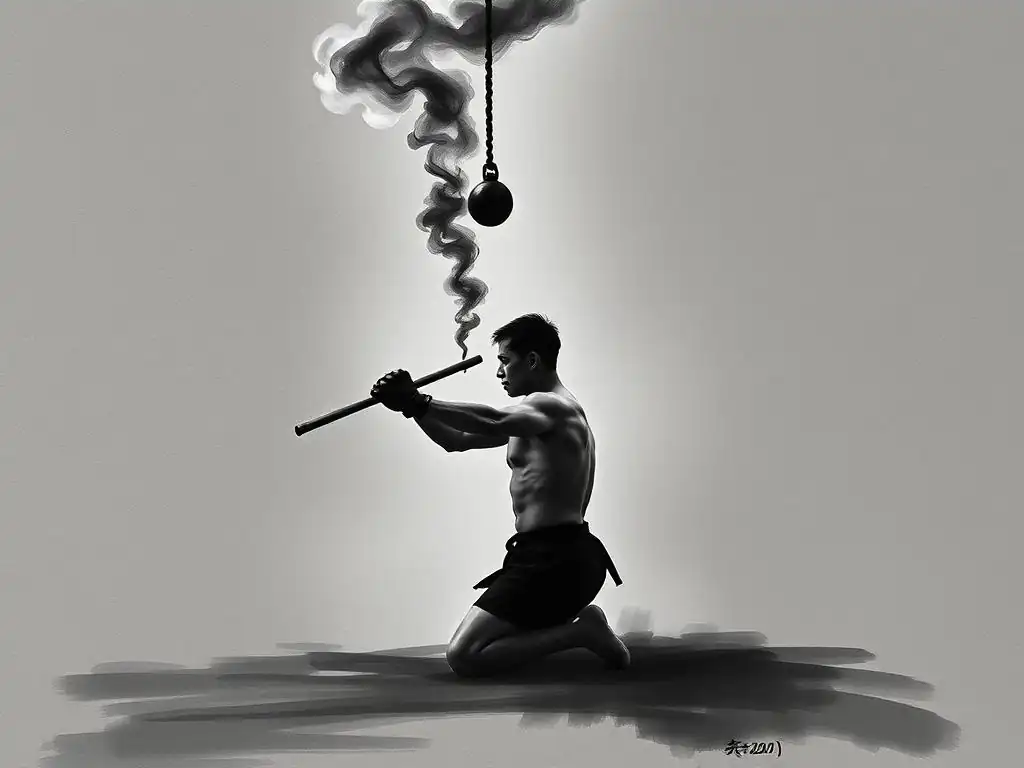
Box Breathing for Muay Thai Focus and Recovery
Box breathing, also known as four-square breathing, is an advanced Muay Thai breath control technique often used by military personnel and first responders for its effectiveness in calming the nervous system and improving focus under stress. It involves a simple, rhythmic pattern: inhale deeply through the nose for a count of four, hold your breath for a count of four, exhale slowly through the mouth for a count of four, and hold your breath again for a count of four before repeating the cycle.
Practicing box breathing for 5-10 minutes can significantly lower heart rate, reduce anxiety, and improve mental clarity. For a Muay Thai fighter, this is invaluable between rounds, allowing for faster physiological and psychological recovery. It can also be used before training or a fight to manage pre-competition jitters and sharpen focus. The structured, predictable rhythm provides a mental anchor, diverting attention away from stressful thoughts and towards the controlled process of breathing.
Alternate Nostril Breathing for Balance and Calm Before a Fight
Alternate nostril breathing, or Nadi Shodhana pranayama, is another powerful technique adapted from yogic traditions that can benefit Muay Thai fighters looking to enhance their breath control techniques and achieve a state of calm and balance. Sitting comfortably, close your right nostril with your right thumb, inhale slowly and deeply through the left nostril. Then, close the left nostril with your ring finger, release the thumb from the right nostril, and exhale completely through the right nostril. Inhale through the right nostril, then close it, release the left, and exhale through the left. This completes one cycle.
This practice is believed to balance the body's energy channels and promote a sense of equilibrium. Before a fight or intense training session, it can help regulate the nervous system, reducing the dominance of the sympathetic 'fight or flight' response and promoting a more centered, focused state. Spending 5-10 minutes on alternate nostril breathing can significantly reduce pre-fight anxiety and improve mental preparation, making it a valuable addition to a fighter's routine.
Visualization and Breath Control for Mental Toughness in Muay Thai
Combining visualization with Muay Thai breath control techniques is a potent method for building mental toughness and reinforcing performance. While practicing deep, rhythmic breathing (like diaphragmatic or box breathing), simultaneously visualize yourself executing techniques flawlessly in the ring, moving with speed and power, and maintaining composure under pressure. Imagine absorbing a strike and immediately regaining your controlled breath and fighting posture.
This exercise trains your mind and body to associate controlled breathing with successful performance, even in challenging scenarios. It helps desensitize you to the potential triggers of panic or shallow breathing in a fight. For example, visualize yourself in the clinch, feeling pressure, but maintaining deep, controlled breaths, finding opportunities to exhale sharply with knees or elbows. Regularly practicing this can build confidence and reinforce the mental discipline needed to maintain optimal breathing when it matters most.
Integrating Breath Control into Your Muay Thai Training Regimen
Breath Awareness During Shadow Boxing and Pad Work
Shadow boxing and pad work are ideal environments for consciously applying and refining Muay Thai breath control techniques before the higher stakes of sparring or fighting. During shadow boxing, focus intently on coordinating your exhalation with every strike – whether it's a jab, cross, hook, uppercut, elbow, knee, or kick. Ensure the exhale is sharp and forceful, engaging the core. Inhale smoothly as you reset or move. This repetition builds the muscle memory so the technique becomes automatic.
With a pad holder, the feedback is more direct. Practice exhaling on impact. Your pad holder might even give cues like "Breathe!" if they notice you holding your breath. Focus on maintaining a consistent rhythm between combinations, using recovery breaths effectively. This practice ensures that the energy generated by your breath supports the power and endurance needed for multiple rounds, transferring the technique from conscious effort to ingrained habit. Aim to make exhaling on every strike as natural as the movement itself.
Utilizing Breath Control During Clinch Work and Sparring
The clinch is one of the most challenging environments for maintaining proper breathing in Muay Thai due to the physical pressure and restricted movement. This is where trained diaphragmatic breathing and CO2 tolerance are put to the test. Focus on keeping your diaphragm engaged and taking short, sharp breaths when possible, often exhaling forcefully with knees or attempts to gain dominant position. Avoid holding your breath, which will quickly exhaust you.
During sparring, apply all the Muay Thai breath control techniques you've practiced. Maintain rhythmic breathing during movement and less intense moments. Exhale sharply on your strikes. If you receive a hard strike, resist the urge to gasp or hold your breath; instead, focus on regaining controlled, deep breaths as quickly as possible. Use the recovery breathing techniques practiced between rounds. Sparring provides realistic stress inoculation, allowing you to test and adapt your breathing strategies under pressure. A fighter effectively using these techniques might appear calmer and more composed even during heated exchanges.
Recovery Breathing Techniques After Intense Muay Thai Rounds
The 60-second break between rounds in Muay Thai is critical for recovery, and effective breathing techniques can significantly accelerate this process. Immediately after the bell, walk to your corner, put your hands on your knees (if standing), and focus on deep, controlled diaphragmatic breaths. Inhale deeply through your nose, allowing your belly to expand, and exhale fully through your mouth, expelling as much air and CO2 as possible.
The goal is to lower your heart rate and replenish oxygen stores quickly. Avoid rapid, shallow gasping. Focus on slow, deliberate breaths. You might aim for 8-10 deep recovery breaths during the minute break. This conscious effort helps the body clear metabolic waste products like lactic acid more efficiently and prepares you physiologically and mentally for the next round. Consistent practice of these recovery techniques can significantly improve your stamina over the course of a fight, allowing you to start each round feeling more refreshed.
Common Mistakes in Muay Thai Breathing and How to Avoid Them
Holding Your Breath: The Silent Stamina Killer
One of the most detrimental mistakes in Muay Thai breathing is holding your breath, especially during intense exchanges or when anticipating getting hit. While it might feel instinctual to brace yourself by holding air, this immediately limits oxygen flow to your muscles and prevents the expulsion of carbon dioxide. This leads to a rapid buildup of metabolic waste, accelerating fatigue and reducing your capacity for sustained effort. It's like trying to run a marathon while intermittently holding your breath – impossible to maintain for long.
To avoid this, cultivate constant breath awareness. During training, consciously remind yourself to exhale. Practice drills where the primary focus is simply maintaining a steady breath rhythm, even if the movements are slow. Use auditory cues, like the sharp sound of your own exhalation, to reinforce the habit. Overcoming the tendency to hold your breath is perhaps the single most important step in improving your Muay Thai breath control techniques.
Shallow Breathing: Limiting Oxygen Intake
Shallow chest breathing, characterized by minimal movement of the abdomen and primarily relying on the upper chest and shoulder muscles, is another common pitfall. This inefficient method limits the volume of air taken into the lungs, particularly the lower lobes where blood flow is highest and gas exchange is most efficient. As a result, less oxygen is delivered to the muscles, and CO2 is not expelled effectively, leading to quicker fatigue and a feeling of being "winded" prematurely.
Combat this by consistently practicing diaphragmatic breathing exercises outside of training. Make it a habit during daily activities like walking, sitting, or standing in line. During training, periodically check in with your breath – is your belly expanding on the inhale? Are your shoulders relaxed? Consciously shift from chest breathing to belly breathing whenever you notice the pattern. Consistent practice is key to making deep, efficient breathing your default.
Inconsistent Breathing: Disrupting Rhythm and Focus
Erratic or inconsistent breathing patterns – alternating between holding breath, shallow gasping, and moments of relatively normal breathing – disrupt the body's rhythm and impair focus. This inconsistency prevents the body from establishing an efficient metabolic rate and keeps the nervous system in a state of flux, oscillating between panic and brief moments of calm. It makes it difficult to maintain a steady output of power and energy.
Develop a conscious breathing rhythm for different intensities of activity. For steady-state cardio, establish a consistent in-and-out pattern (e.g., 2-in, 2-out). During striking, synchronize exhalation with impact. In the clinch, focus on finding opportunities for quick, controlled breaths. Practice maintaining this rhythm even when fatigued. Using techniques like rhythmic counting during drills can help cement a consistent pattern, making your breathing a source of strength and stability rather than a chaotic drain on your energy and focus.
The Benefits of Consistent Muay Thai Breath Training
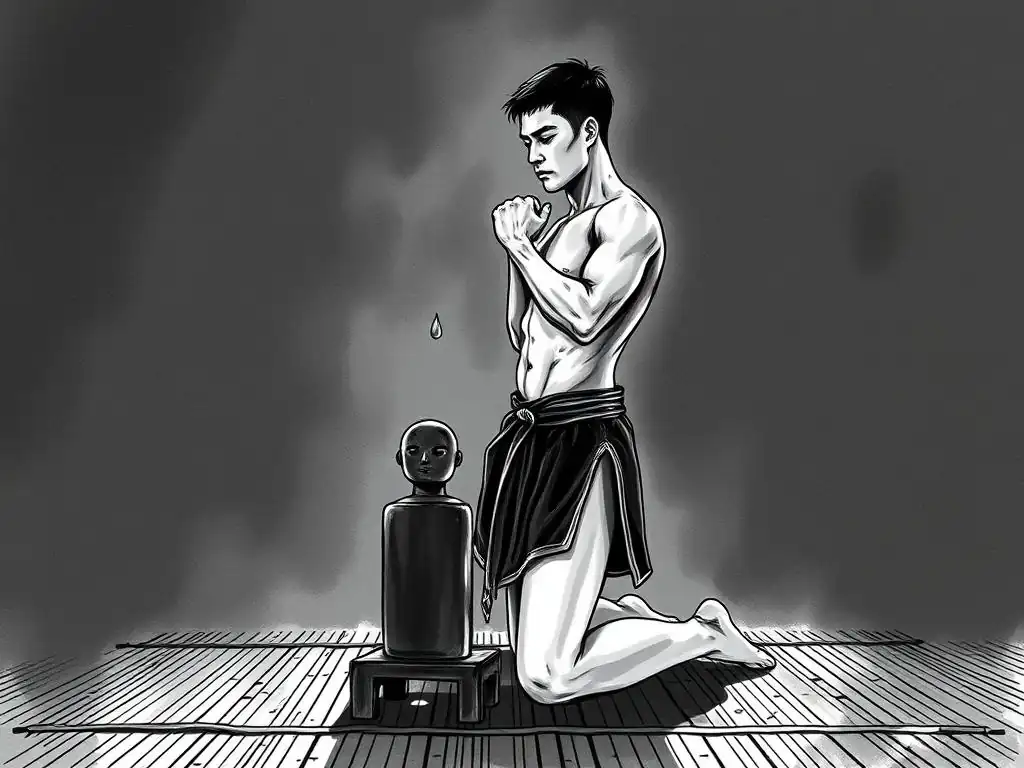
Increased Stamina and Endurance for Longer Fights
Consistently practicing Muay Thai breath control techniques directly translates into significantly improved stamina and endurance. By optimizing oxygen intake and CO2 expulsion through efficient diaphragmatic and rhythmic breathing, your muscles receive more fuel and clear waste products faster. This delays the onset of lactic acid buildup and allows you to maintain a higher work rate for longer periods within each round and across multiple rounds.
Fighters who master their breathing can often push harder in later rounds when their opponents begin to fade. For example, a fighter might find they can maintain effective offensive output for the full three minutes of rounds 4 and 5, whereas previously they were significantly fatigued by the end of round 3. This ability to sustain performance is a critical advantage in Muay Thai, where fights are often won or lost in the championship rounds.
Improved Mental Clarity and Focus Under Pressure
Proper breathing has a profound impact on the nervous system. By promoting diaphragmatic breathing and avoiding panic-induced hyperventilation, you activate the parasympathetic nervous system, which is responsible for rest and digestion, counteracting the sympathetic 'fight or flight' response. This physiological shift reduces anxiety, lowers adrenaline levels, and promotes a state of calm focus.
In the high-stress environment of a Muay Thai fight, maintaining mental clarity is paramount for tactical decision-making, recognizing opportunities, and avoiding mistakes. A fighter who can control their breath is better equipped to process information, stay composed after absorbing a strike, and execute their game plan effectively, even under immense pressure. This improved focus can mean the difference between landing a fight-changing strike and getting caught off guard.
Faster Recovery Times Between Rounds
The minute break between Muay Thai rounds is a race against the clock to recover as much as possible before the next round begins. Effective recovery breathing techniques, such as deep, controlled diaphragmatic breaths, significantly accelerate this process. By maximizing oxygen replenishment and facilitating rapid CO2 removal, these techniques help lower heart rate more quickly and prepare the muscles for renewed effort.
Studies on athletes in high-intensity intermittent sports show that targeted recovery breathing can reduce heart rate by an additional 10-15 beats per minute within a minute compared to passive recovery. For a Muay Thai fighter, this faster recovery means entering the next round feeling less fatigued, with more energy reserves available. Over the course of a multi-round fight, this cumulative effect can be decisive, allowing a fighter to maintain a higher intensity throughout the entire bout.
Drills and Exercises to Enhance Muay Thai Breathing
The "Piston Breath" Drill for Core Engagement
The "Piston Breath" drill is an excellent exercise for strengthening the diaphragm and core, essential components for powerful strikes and robust Muay Thai breath control techniques. Stand tall with your feet shoulder-width apart. Place your hands lightly on your lower abdomen. Inhale normally. Then, exhale forcefully and rapidly through your mouth or nose, simultaneously pulling your navel sharply towards your spine, as if your abdomen is a piston firing inward. Allow the inhale to happen naturally as your abdomen relaxes.
Repeat this sharp exhalation and natural inhalation rhythmically for sets of 20-30 repetitions. Focus on the strong, inward contraction of the lower abdomen. This drill not only builds diaphragmatic strength but also reinforces the connection between core engagement and exhalation, a crucial element for adding snap to punches and kicks and absorbing impact.
The "Fighting Breath" Drill for Realistic Simulation
The "Fighting Breath" drill integrates Muay Thai breath control techniques into simulated combat scenarios without the physical impact. Stand in your fighting stance. Perform shadow boxing combinations, focusing intensely on coordinating a sharp, audible exhalation with every single strike (jab, cross, hook, kick, etc.). Maintain a consistent rhythm between combinations, using controlled recovery breaths.
Increase the intensity and duration, simulating full rounds. The goal is to make the sharp exhale on striking an automatic response, even as fatigue sets in. Practice maintaining controlled breathing when simulating defensive movements or being pressured. This drill builds the habit of effective breathing under conditions that mimic the demands of a real fight, making it a vital step before applying techniques in sparring.
Long-Distance Running with Controlled Breathing
Incorporating long-distance running (or steady-state cardio on a bike or elliptical) with controlled breathing patterns is a fundamental way to build aerobic capacity and condition the respiratory system for prolonged effort, crucial for Muay Thai endurance. During your run, focus on maintaining a consistent breath rhythm tied to your steps, such as inhaling for three steps and exhaling for three steps (3-in, 3-out).
Experiment with different patterns (e.g., 2-in, 2-out for higher intensity, 4-in, 4-out for lower intensity) to find what works best. The key is to avoid gasping or erratic breathing. This practice strengthens the diaphragm and improves the efficiency of oxygen utilization over extended periods, providing a strong aerobic base that supports the high-intensity demands of Muay Thai rounds. Aim for 20-40 minutes of this type of controlled breathing cardio several times a week.
Conclusion: Unleashing Your Muay Thai Potential Through Proper Breathing
The Power of Conscious Breathing in Muay Thai Performance
The journey to mastering Muay Thai breath control techniques is not merely about improving physical conditioning; it's about unlocking a deeper level of performance and resilience. Conscious, controlled breathing is a powerful tool that directly influences your stamina, power, mental clarity, and recovery speed. It's the unseen engine that fuels every strike, every movement, and every decision in the ring. By moving beyond automatic, often inefficient, breathing patterns and embracing deliberate techniques like diaphragmatic and rhythmic breathing, fighters can significantly elevate their game.
Integrating these techniques into every aspect of training, from gentle warm-ups to intense sparring, transforms breathing from a passive function into an active component of your fighting strategy. It helps manage the physiological stress of combat, allowing you to remain composed when fatigue sets in or when faced with adversity. The subtle art of breathing, when mastered, becomes a formidable advantage, enabling you to maintain peak performance when your opponent is running on empty.
Continuing Your Journey to Breath Mastery in Muay Thai
Mastering Muay Thai breath control techniques is an ongoing process, requiring consistent practice and attention. It's not a skill you learn once and forget; it's a fundamental element that should be continually refined alongside your striking, clinching, and defensive skills. Make breath awareness a daily habit, practicing diaphragmatic breathing even outside of the gym. Integrate rhythmic breathing into all your physical activities.
Experiment with advanced techniques like box breathing or alternate nostril breathing to find what best supports your focus and recovery. View your breath as a direct link to your physical and mental state, a controllable variable that can be leveraged for improved performance. By committing to the continuous development of your breathing skills, you not only enhance your physical capabilities in Muay Thai but also cultivate a deeper sense of control, resilience, and presence, ultimately helping you unleash your full potential as a fighter.
Frequently Asked Questions
How important is breath control in Muay Thai?
Breath control is absolutely crucial in Muay Thai. It enhances stamina, power generation, and helps manage stress during intense combat.
What are some basic breath control techniques used in Muay Thai?
Common techniques include rhythmic breathing synchronized with strikes, diaphragmatic breathing to maximize oxygen intake, and controlled exhalations during impact.
How can I improve my breath control for longer Muay Thai rounds?
Consistent practice of breathing exercises, coupled with cardiovascular training and sparring, will gradually improve your lung capacity and stamina.
What happens if I don't focus on proper breathing during Muay Thai training?
Poor breathing can lead to rapid fatigue, decreased power in your strikes, and increased vulnerability to opponent's attacks due to reduced focus.
Are there specific breathing patterns recommended for different Muay Thai techniques?
While general principles apply, exhaling sharply during powerful strikes like kicks and punches is generally recommended to maximize force generation and core stability.
Final Reflection: The Unseen Power of Breath
The journey through Muay Thai breath control techniques reveals that endurance is not solely a matter of physical strength, but also a testament to mental fortitude and disciplined breathing. In a world obsessed with visible power, the subtle art of breathwork offers a profound reminder that true strength often lies in the unseen, in the quiet mastery of our inner resources.
The impact of breath control extends far beyond the ring, influencing our ability to manage stress, enhance focus, and cultivate resilience in all aspects of life. This realization has profoundly shifted my perspective, highlighting the interconnectedness of mind, body, and spirit. The breath is the bridge which connects life to consciousness, which unites your body to your thoughts. Whenever your mind becomes scattered, use your breath as the means to take hold of your mind again.
- Thich Nhat Hanh. This quote encapsulates the essence of breathwork, reminding us of its power to anchor us in the present moment.
As you step away from this exploration of Muay Thai breath control, consider how you can integrate these techniques into your own life. Embrace the power of conscious breathing, not just as a tool for physical endurance, but as a pathway to inner peace and unwavering focus. Breathe deeply, fight fiercely, and live fully.
Unlock Your Inner Power: Begin Your Breathwork Journey Today!
Thanks for diving into the art of breath control for Muay Thai! We hope you’ve gained valuable insights into how mastering your breath can significantly enhance your endurance and performance. Now, it's time to put that knowledge into action.
- Immediately implement the 4-7-8 breathing technique during your next training session to observe its impact on your stamina.
- Explore other breathwork methods tailored to martial arts by researching different pranayama techniques or apps designed for breath-focused training.
- Share your personal experiences and insights on breath control in the comments below, and let's learn from each other!
Which breathing technique are you most excited to experiment with first, and what specific benefits are you hoping to achieve in your Muay Thai practice?