
Guiding Students to Mastery: Effective Methods for Teaching Advanced Aikido

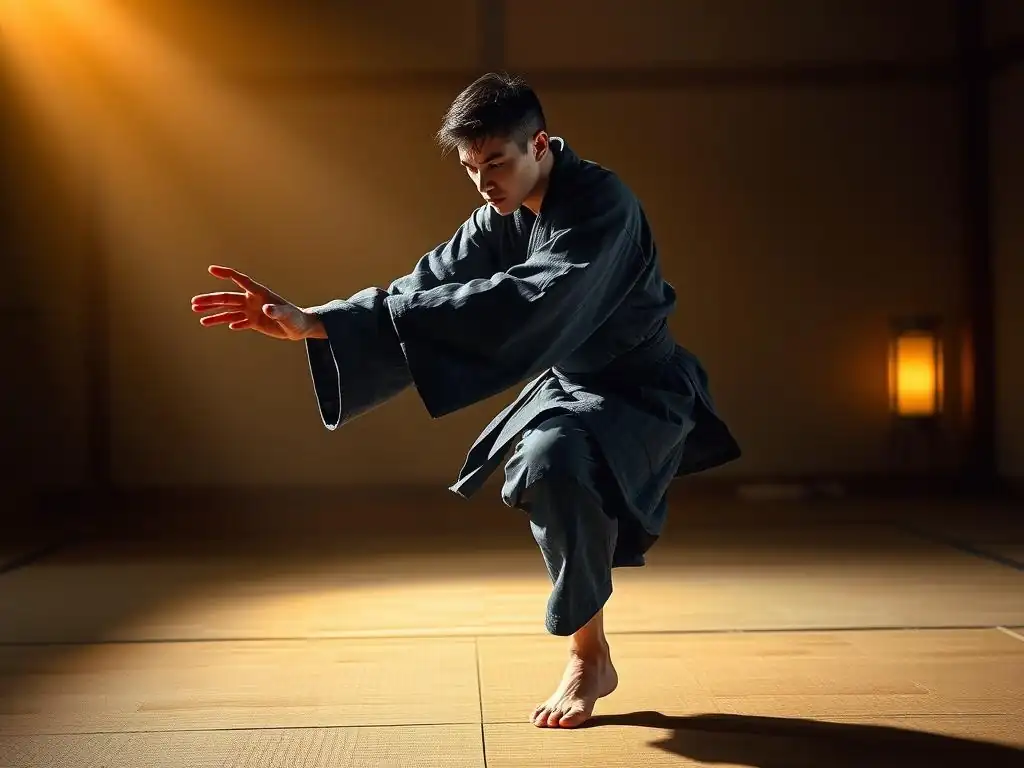
Welcome to Martial Arts Mastery, where the ancient traditions and modern applications of combat converge! Are you ready to delve deeper into the graceful yet powerful world of Aikido? In this article, "Guiding Students to Mastery: Effective Methods for Teaching Advanced Aikido," we unlock the secrets to Aikido teaching advanced student methods, exploring the nuanced techniques and philosophical approaches that elevate both instructor and student to new levels of understanding. Discover how to refine your skills and unlock the true potential within this fascinating martial art. Let the journey begin...
- Introduction to Advanced Aikido Instruction
- Foundational Principles for Advanced Aikido Teaching
- Effective Aikido Teaching Methods for Advanced Students
- Advanced Aikido Techniques: Teaching Methodologies
- Developing Advanced Aikido Concepts
- Addressing Common Challenges in Teaching Advanced Aikido
- Integrating Aikido Philosophy into Advanced Training
- Assessment and Feedback in Advanced Aikido
- Conclusion: Nurturing Mastery in Advanced Aikido Students
-
Frequently Asked Questions
- How does teaching advanced Aikido differ from teaching beginners?
- What are some effective methods for teaching advanced Aikido students?
- What role does personal mentorship play in advanced Aikido training?
- How can instructors help advanced students overcome plateaus in their Aikido practice?
- How important is understanding Aikido's philosophical underpinnings for advanced students?
- Final Reflection: The Enduring Path of Aikido Mastery
- Deepen Your Aikido Journey Now!
Introduction to Advanced Aikido Instruction
The Evolving Role of the Aikido Instructor in Advanced Training
The role of an Aikido instructor shifts considerably when moving from teaching beginners to guiding advanced students towards mastery. For novices, the focus is primarily on foundational movements, basic posture (shizentai), and the rudimentary mechanics of techniques like ikkyo or shiho nage. The instructor acts as a demonstrator and guide, correcting fundamental errors in posture, balance, and execution.
However, with advanced students, who have typically practiced for several years (often five years or more, depending on the dojo's curriculum and student dedication), the instruction becomes more nuanced. It moves beyond simple repetition of form to a deeper exploration of principles, timing, distance (ma-ai), and the psychological aspects of conflict.
Teaching advanced Aikido demands that the instructor not only possesses a deep understanding of the art's physical techniques but also its underlying philosophy and energy dynamics (ki). Advanced students are looking to refine their understanding, integrate complex principles, and apply techniques effectively in dynamic, unpredictable scenarios like randori (multiple attacker practice).
The instructor becomes less of a mere demonstrator and more of a mentor, facilitating the student's own discovery of deeper insights. Effective methods for teaching advanced Aikido students involve creating challenging environments that push the student beyond their comfort zone, encouraging self-reflection, and providing feedback that addresses subtle points of connection, intention, and energetic flow, rather than just gross physical form.
Key Considerations for Teaching Advanced Aikido Techniques
Teaching advanced Aikido techniques requires careful consideration of several factors unique to experienced practitioners. Unlike beginners who need clear, step-by-step instructions for basic movements, advanced students benefit from instruction that emphasizes adaptability, fluidity, and the integration of principles across different techniques.
A key consideration is the student's existing skill base; instructors must gauge individual strengths and weaknesses, tailoring their approach to help students overcome specific limitations, whether they relate to physical conditioning, mental focus, or conceptual understanding. For example, a student struggling with entering techniques (irimi) might need specific drills focusing on body alignment and forward intent, while another might need work on maintaining connection (musubi) during complex transitions.
Furthermore, effective methods for teaching advanced Aikido students involve creating training scenarios that mirror real-world complexity, moving beyond static drills. This includes incorporating elements like varying attack speeds, directions, and intensities, as well as introducing multiple attackers. Safety remains paramount, requiring careful control and progression of intensity. Instructors must also consider the psychological aspect, encouraging advanced students to maintain calmness under pressure and develop awareness of their own reactions and those of their training partners (uke). This level of instruction moves beyond mere technique transmission to cultivating a deeper, more resilient connection to the art's core principles under duress.
Foundational Principles for Advanced Aikido Teaching
Reinforcing Core Aikido Principles in Advanced Students
Even at advanced levels, the reinforcement of core Aikido principles remains fundamental. Concepts such as centering (seika tanden), relaxation (ryoku), extension of ki (ki no nagare), and maintaining balance (heishin) are not merely beginner points but lifelong areas of refinement. For advanced students, reinforcing these principles involves exploring their application in more dynamic, complex, and resistant situations. For instance, while a beginner practices extending ki in a static exercise, an advanced student learns to maintain that extension and connection while being actively pulled or pushed by a strong uke, perhaps during jiyu waza (freestyle practice).
Teaching advanced Aikido effectively means constantly bringing students back to these basics, but at a deeper level of understanding and application. Instructors might introduce drills specifically designed to challenge a student's centering under pressure, or exercises that highlight moments where relaxation is lost, leading to stiffness and reduced effectiveness.
For example, a common drill involves two partners pushing against each other's hands; for beginners, this is about feeling force, but for advanced students, it's about maintaining their center and connection while allowing the partner's force to flow past harmlessly, embodying the principle of non-resistance. This continuous refinement of foundational principles is crucial for unlocking higher levels of skill and understanding.
Adapting Aikido Fundamentals for Complex Applications
Advanced Aikido training is largely about adapting fundamental techniques and principles to complex, unpredictable scenarios. The basic forms learned early on become templates that must be fluidly modified based on the attacker's movement, strength, and intent, as well as the environment.
For example, the basic ikkyo (first technique) wrist lock and pin, taught initially as a specific sequence of movements, must be adaptable whether the attack is a grab, a strike, or even a combination. Teaching advanced Aikido requires demonstrating how the core mechanics of ikkyo – breaking balance (kuzushi), entering (irimi), and controlling the center – can be applied from numerous angles and against various forms of resistance.
Methods for teaching advanced Aikido students include breaking down complex applications into their fundamental components and then rebuilding them in varied contexts. An instructor might take a technique like kote gaeshi (wrist twist throw) and show how the same underlying principle of leading the attacker's energy in a spiral can be used not just against a wrist grab, but against a shoulder grab, a punch, or even initiated from a defensive posture on the ground.
This process involves analyzing the principle behind the technique rather than just its form. By focusing on how principles like irimi-tenkan (entering and turning) or musubi (connection) manifest in different situations, advanced students learn to apply the essence of Aikido rather than just memorizing a library of fixed responses.
Cultivating Body Awareness and Sensitivity (Tai Sabaki) in Advanced Students
Body awareness (shintaikan) and sensitivity (often related to musubi or 'feeling' the partner's energy) are paramount in advanced Aikido. While beginners learn basic footwork patterns (tai sabaki), advanced students must develop an intuitive understanding of how their body moves as a single, integrated unit and how it connects with the partner's body and energy.
This involves not just moving the feet but coordinating the entire structure – hips, spine, shoulders, and hands – to create powerful, fluid motion that leads and controls the partner. Effective methods for teaching advanced Aikido students include drills that isolate and refine specific aspects of body movement and connection.
One common method to cultivate body awareness is practicing techniques very slowly, focusing intently on how weight shifts, how joints align, and how pressure points affect the partner's balance. Sensitivity is often developed through exercises focusing on maintaining a subtle connection with the partner's hand or arm, learning to 'read' their intention and balance through that physical link. For example, a drill might involve one partner subtly shifting their weight while the other tries to maintain a constant, light connection, learning to feel minute changes in pressure.
Advanced tai sabaki goes beyond executing steps; it's about using the entire body to enter, turn, and pivot in harmony with the partner's movement, creating opportunities for techniques seemingly effortlessly. This heightened body awareness and sensitivity are critical for executing advanced Aikido techniques fluidly and effectively, particularly in dynamic scenarios.
Effective Aikido Teaching Methods for Advanced Students
Progressive Skill Development: A Structured Approach
Progressive skill development is crucial when teaching advanced Aikido, ensuring students continuously build upon their existing foundation without becoming overwhelmed. This structured approach moves from refining individual technique details to integrating multiple techniques and principles in increasingly complex scenarios. Initially, advanced students might focus on perfecting the timing and angle of a single technique, such as refining the entry and control in kokyu nage (breath throw) against a specific attack like yokomen uchi (side-of-the-head strike). This might involve hundreds of repetitions, perhaps focusing on different aspects like maintaining connection or using hip rotation effectively.
Once individual techniques are refined, the progression moves to combining techniques fluidly. An instructor might introduce drills where the initial technique is evaded, requiring the student to immediately transition to a second or third technique based on the uke's reaction. For example, attempting ikkyo, but if the uke resists in a certain way, smoothly transitioning to kote gaeshi or shiho nage.
Effective methods for teaching advanced Aikido students often involve setting specific, incremental goals for each training period – perhaps one month is dedicated to refining transitions from grabs, the next to adapting techniques against strikes. This structured, progressive approach ensures continuous learning and integration of skills, moving students steadily towards higher levels of proficiency and adaptability in their Aikido teaching advanced student methods journey.
Scenario-Based Training: Bridging Theory and Practice
Scenario-based training is an invaluable method for teaching advanced Aikido, effectively bridging the gap between theoretical knowledge and practical application. Unlike basic partner drills which often involve a predetermined attack and response, scenario training places techniques within a more realistic context. This could involve simulating common self-defense situations, such as dealing with a push from the front, a grab from behind, or navigating a crowded space while maintaining awareness. The focus shifts from executing a specific technique correctly to applying appropriate Aikido principles and movements to resolve the conflict safely and effectively.
In scenario training, instructors provide a situation, and students must react using their understanding of distance, timing, balance breaking (kuzushi), and appropriate technique selection. For example, a scenario might be "You are walking down a street and someone suddenly grabs your shoulder from behind."
The student must assess the situation, determine the best entry or turning movement (irimi-tenkan), and apply a suitable technique like kokyu nage or kote gaeshi, considering factors like the environment and the attacker's intent. Effective methods for teaching advanced Aikido students through scenarios encourage adaptability, quick decision-making, and the application of Aikido principles under pressure, moving beyond rote memorization of techniques to a dynamic, responsive practice.
Utilizing Randori for Advanced Skill Refinement
Randori, or freestyle practice, particularly against multiple attackers (jiyu waza), is perhaps the ultimate test and refinement tool for advanced Aikido students. While potentially intimidating, it is essential for developing fluidity, awareness, and the ability to apply techniques against unpredictable, continuous attacks. Unlike structured practice (kata稽古), randori requires students to constantly assess the situation, manage multiple threats, maintain their center, and apply techniques decisively as openings appear. Effective methods for teaching advanced Aikido students through randori involve careful progression and guidance.
Initially, randori might be introduced with a limited number of attackers (perhaps two) who use controlled, slower attacks. The focus is on survival, maintaining posture, and creating opportunities rather than executing perfect techniques. As students improve, the number of attackers might increase (three or four) and the speed and intensity of attacks can be gradually raised.
Instructors provide feedback not just on technique execution, but on spatial awareness, calmness under pressure, and the ability to connect with and lead multiple partners. For instance, an instructor might observe a student losing their center when attacked simultaneously from two sides and provide specific feedback on maintaining connection with one uke while using peripheral vision to manage the other. Randori, guided effectively, is critical for integrating all aspects of advanced Aikido teaching advanced student methods into a cohesive, dynamic practice.
Advanced Aikido Techniques: Teaching Methodologies
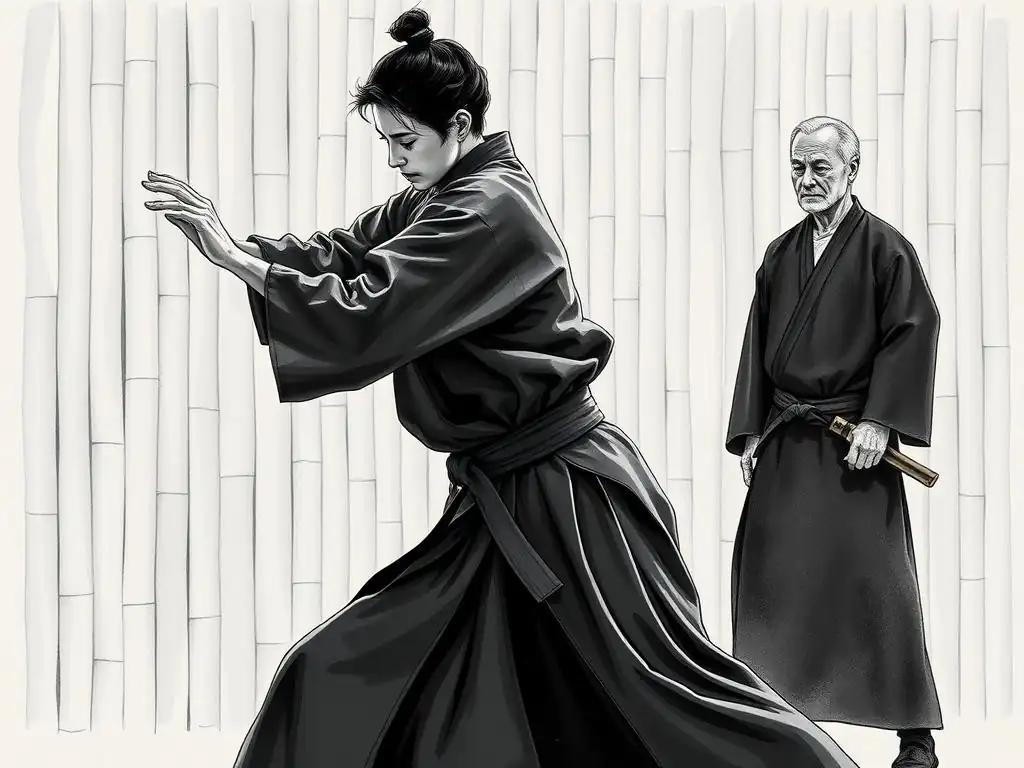
Teaching Suwari-waza Techniques
Suwari-waza, techniques performed from a kneeling position, are fundamental to Aikido training and hold particular importance at advanced levels for developing strong connection to the ground and powerful hip movement. While beginners learn the basic forms of techniques like ikkyo or shiho nage from kneeling, advanced instruction focuses on the subtle body mechanics, weight transfer, and the generation of power solely from the hips and lower body. Teaching advanced Aikido in suwari-waza emphasizes eliminating reliance on upper body strength and developing deep abdominal connection (hara).
Methods for teaching advanced Aikido students in suwari-waza often involve focusing on the entry (irimi) and turning (tenkan) movements from the knees, ensuring they are driven by the hips and center, not just the arms. Drills might involve practicing the kneeling movements without a partner, focusing purely on posture, balance, and the smooth rotation of the hips.
With a partner, the emphasis shifts to maintaining a strong, grounded connection while executing techniques, often against increased resistance. For example, practicing ikkyo from suwari-waza against a partner who is actively trying to pull away forces the student to generate power and control entirely from their grounded center, refining their ability to apply principles like kuzushi and musubi effectively from a stable, low base.
Strategies for Mastering Weapons Retention and Disarming Techniques
Advanced Aikido training often includes work with traditional weapons like the bokken (wooden sword), jo (wooden staff), and tanto (knife). Beyond learning basic forms (suburi, kata), advanced students focus on applying Aikido principles to weapons scenarios, including retention (keeping your weapon) and disarming (taking the opponent's weapon). Teaching advanced Aikido methods in this area requires emphasizing awareness of distance (ma-ai) and timing (timing) in a context where mistakes can have more serious consequences (even with safe training weapons).
Strategies for teaching weapons retention involve drills where a partner attempts to take the student's weapon, forcing the student to use body movement and connection to maintain control. This is not about brute strength but about blending, unbalancing the attacker, and moving off the line of attack while keeping the weapon secured. Disarming techniques, conversely, involve using irimi-tenkan and kuzushi to safely control and take the opponent's weapon.
Teaching advanced Aikido disarming often involves progressive resistance – starting with a cooperative partner, then introducing more active resistance, and finally integrating disarms into randori-like scenarios with weapons. For example, practicing a tanto disarm from a specific type of attack, focusing on controlling the attacking arm and moving the body offline simultaneously, then practicing variations against different knife attacks, requires students to adapt fundamental Aikido body dynamics to the specific challenges presented by weapons.
Advanced Multiple Attacker Strategies
Dealing with multiple attackers (taninzudori or jiyu waza) is a hallmark of advanced Aikido and a critical area for effective teaching methods. This goes far beyond simply applying techniques; it requires heightened awareness, strategic positioning, and the ability to manage multiple threats simultaneously. Teaching advanced Aikido multiple attacker strategies focuses on maintaining a calm center, using peripheral vision, and understanding how to lead attackers into positions where they don't interfere with each other, or where one attacker's movement helps set up a technique on another.
Methods for teaching this include drills that simulate multiple directions of attack, forcing the student to constantly pivot and re-orient their body. Emphasis is placed on movement (tai sabaki) as the primary defense, using it to evade direct attacks and create openings. Students learn to sense the space around them and use their movement to control the distance and angles of approach of multiple partners.
For instance, a drill might involve three partners attacking from different angles; the student's goal is not necessarily to throw all three immediately, but to use tenkan and irimi movements to keep all three within their field of vision and prevent being surrounded, perhaps using the momentum of one attacker to unbalance another. This requires advanced Aikido teaching advanced student methods that cultivate spatial intelligence and dynamic awareness.
Teaching Advanced Ground Defense
While Aikido is primarily known for standing techniques, advanced training often includes elements of ground defense and transitions from standing to ground. This isn't about becoming a grappler, but about applying Aikido principles – maintaining connection, breaking balance, and controlling the center – when on the ground, either defending against an attack or transitioning from a standing technique that ends on the ground. Teaching advanced Aikido ground defense focuses on mobility, posture, and the ability to create space or opportunities to regain a standing position or apply a control technique.
Methods for teaching advanced ground defense include drills focusing on maintaining a stable base while kneeling or seated, learning to pivot and move effectively on the ground. Students practice techniques like pins (osae waza) and controls from kneeling or lying positions, emphasizing leverage and body mechanics over strength. Transitions from standing throws that end on the ground are also practiced, focusing on maintaining control of the uke and safely securing a pin or moving to a dominant position.
For example, after executing a throw like kokyu nage that takes both partners to the ground, the student practices immediately transitioning into a secure pin like kote osae (wrist pin) or ude garami (arm entanglement), focusing on maintaining connection and control throughout the movement. This adds a crucial layer of practicality to advanced Aikido teaching advanced student methods.
Developing Advanced Aikido Concepts
Teaching the Concept of Ma-ai (Distance) and its Application
Ma-ai, often translated as 'combative distance,' is a critical concept in advanced Aikido. It's not just about how far you are from your partner, but the dynamic space between you, considering potential attacks, your ability to enter, and your partner's ability to move or strike. Teaching advanced Aikido students about ma-ai involves cultivating an intuitive understanding of this dynamic space and how to control it. While beginners learn basic safe distances for techniques, advanced students must learn to read and manipulate ma-ai in unpredictable situations.
Methods for teaching advanced ma-ai involve drills that emphasize entering and exiting the 'danger zone' precisely. For example, practicing entering for a technique like irimi nage against a partner who is actively trying to maintain a safe distance or strike, requires precise timing and body movement to close the distance effectively and safely.
Conversely, practices might involve maintaining a dynamic, safe distance while an attacker moves, learning to match their movement and prevent them from closing effectively. Teaching advanced Aikido teaching advanced student methods in ma-ai includes exploring how ma-ai changes with different attacks (e.g., a punch vs. a grab) and different weapons, requiring students to constantly adjust their positioning based on the evolving situation.
Cultivating Awareness of Kikai Seishin (Alert Spirit) in Advanced Students
Kikai Seishin, often translated as 'alert spirit' or 'readiness,' is a state of heightened awareness that is relaxed yet fully present and prepared for action. It's the opposite of being tense or jumpy; it's a calm, centered alertness. Cultivating this in advanced Aikido students moves beyond simply telling them to "be aware." It involves specific practices designed to integrate physical readiness with mental calm and peripheral awareness.
Methods for teaching kikai seishin include exercises that challenge awareness under pressure, such as being approached by multiple partners from unexpected directions while maintaining a calm posture. Meditation and breathing exercises are often integrated into training to help students develop the ability to remain centered and relaxed amidst chaos.
During randori, instructors might provide feedback specifically on the student's level of alertness – noting moments where focus narrows or tension increases, hindering their ability to perceive and react. Teaching advanced Aikido teaching advanced student methods in kikai seishin involves helping students develop a state of integrated mind and body that is simultaneously relaxed, aware, and ready for anything.
Understanding and Applying the Principles of Kuzushi (Breaking Balance)
Kuzushi, the principle of breaking the attacker's balance, is fundamental to Aikido but is explored at a much deeper level in advanced training. For beginners, kuzushi might be taught as a specific physical action (e.g., pulling the arm down and forward). For advanced students, it's about understanding the subtle points of balance, both physical and psychological, and being able to break it with minimal effort using connection, timing, and movement. Effective methods for teaching advanced Aikido students about kuzushi involve refining their ability to 'feel' their partner's balance and identify the precise moment and direction needed to unbalance them.
Drills might focus solely on kuzushi without completing a throw or pin, practicing leading the partner's energy to a point of instability. This could involve exercises where students maintain a connection with a partner's arm and subtly move, feeling how slight shifts in angle or pressure affect the partner's balance.
Instructors emphasize that kuzushi is not just a preparatory step but an ongoing process throughout the technique. Teaching advanced Aikido teaching advanced student methods in kuzushi means helping students understand how their own posture, movement, and connection influence the partner's balance, allowing them to create openings and execute techniques with maximum efficiency and minimal force.
Addressing Common Challenges in Teaching Advanced Aikido
Overcoming Plateaus in Advanced Student Progress
A common challenge when teaching advanced Aikido is helping students overcome plateaus in their progress. After reaching a certain level of proficiency, improvement can seem to slow down significantly. This is a natural part of the learning curve, but it can be frustrating for students. Effective methods for teaching advanced Aikido students through plateaus involve identifying the root cause and tailoring the training accordingly.
Causes might include a lack of focus on specific weaknesses, insufficient physical conditioning, or a conceptual misunderstanding. Instructors can address this by introducing targeted drills that isolate the area needing improvement. For example, if a student struggles with adapting techniques against a stronger partner, specific exercises focusing on using the partner's force (aiki) or refining entry angles might be beneficial.
Introducing new variations of techniques, studying the history or philosophy more deeply, or encouraging cross-training in related disciplines (like iaido for posture, or zazen for mental focus) can also help break through stagnation and rekindle enthusiasm. Open communication with the student about their goals and frustrations is also key.
Managing Ego and Promoting Humility in Training
As students advance, there's a potential for ego to become an obstacle – either overconfidence or frustration when challenged. Managing ego and promoting humility is crucial for maintaining a positive and productive training environment, especially when teaching advanced Aikido techniques. The philosophy of Aikido emphasizes harmony and mutual respect, which must be continuously reinforced.
Instructors can model humility themselves and foster an atmosphere where making mistakes is seen as a necessary part of learning. Pairing more advanced students with less experienced ones for practice can help reinforce patience and the understanding that mastery involves helping others. Discussing the philosophical aspects of Aikido, particularly O Sensei's emphasis on training for self-improvement rather than combat effectiveness alone, can help students keep their training in perspective.
Challenging advanced students with difficult scenarios or resistant partners, under careful supervision, can also be a humbling experience that highlights areas for further growth and prevents complacency. Effective methods for teaching advanced Aikido students include fostering a culture where the primary competition is with oneself, not with fellow practitioners.
Preventing Injuries in Advanced Aikido Practice
Preventing injuries is paramount at all levels of Aikido, but it becomes increasingly important when teaching advanced Aikido techniques due to the higher intensity, complexity, and speed of practice, particularly during randori and scenario training. Advanced students may also push themselves harder or attempt techniques they are not fully ready for.
Effective injury prevention strategies include thorough warm-ups and cool-downs, focusing on flexibility and joint mobility. Instructors must continuously emphasize safe ukemi (falling and rolling) and ensure that partners are training cooperatively and with control, especially when techniques involve throws or joint locks. Teaching advanced Aikido methods includes instructing students on how to receive techniques safely from partners of varying size and strength, and how to signal discomfort or stop the action safely.
Modifying techniques for individuals with past injuries or physical limitations is also essential. A culture of mutual responsibility, where partners look out for each other's safety, is perhaps the most critical component of injury prevention in advanced Aikido practice.
Integrating Aikido Philosophy into Advanced Training
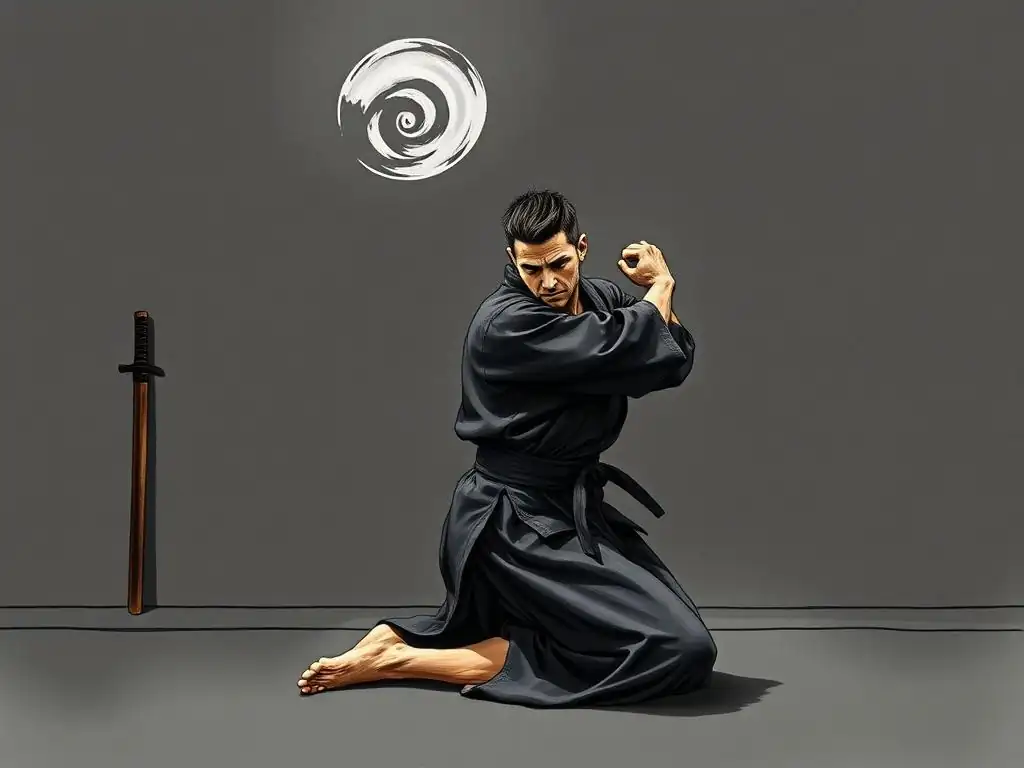
The Ethical Considerations of Advanced Aikido Practice
Integrating Aikido philosophy into advanced training is not merely supplementary; it's integral to the art's purpose. For advanced students, this includes exploring the ethical considerations of possessing effective self-defense skills. Aikido is fundamentally a non-violent martial art, aiming for resolution rather than destruction. Teaching advanced Aikido means emphasizing that advanced technical proficiency comes with a responsibility to use skills wisely and compassionately.
Discussions can revolve around the appropriate use of force, the importance of de-escalation, and the legal and moral implications of physical confrontation. Students can be encouraged to reflect on the founder's vision of Aikido as a path to world peace. Scenario training can include situations where the most effective 'technique' is verbal de-escalation or simply avoiding conflict. This aspect of advanced Aikido teaching advanced student methods ensures that technical skill is balanced with ethical understanding and a commitment to the art's peaceful principles.
Applying Aikido Principles to Conflict Resolution
Aikido principles extend far beyond the dojo walls and are highly applicable to conflict resolution in daily life. Concepts like blending (aiki), entering (irimi), and yielding (ju) can be powerful tools for navigating disagreements and conflicts in personal and professional settings. Teaching advanced Aikido involves helping students see these connections and consciously apply their training off the mat.
Instructors can facilitate discussions on how principles like maintaining one's center and staying calm under pressure apply to stressful conversations. The concept of blending with an opponent's energy can be related to finding common ground or understanding an opposing viewpoint. Using irimi to enter a situation relates to proactively addressing a problem, while tenkan (turning) can be seen as changing one's perspective or approach. By explicitly linking physical training to these real-world applications, effective methods for teaching advanced Aikido students empower them to use their skills for harmonious interaction and conflict resolution in all areas of their lives.
Fostering a Culture of Respect and Collaboration
A strong dojo culture built on respect, trust, and collaboration is essential for effective advanced Aikido training. Advanced techniques often involve dynamic movements and throws that require partners to trust each other implicitly. Teaching advanced Aikido teaching advanced student methods thrives in an environment where senior students mentor less experienced ones, and all practitioners treat each other with respect, regardless of rank or ability.
Instructors play a key role in modeling respectful behavior and setting the tone for the dojo. Encouraging advanced students to actively help beginners and intermediate practitioners reinforces their own understanding of fundamentals and fosters a sense of community responsibility.
Practices like bowing to the dojo, the instructor, and each partner before and after practice are simple rituals that reinforce respect. Creating opportunities for collaborative problem-solving during training – for instance, asking students to work together to find different ways to apply a technique against a difficult resistance – promotes teamwork and mutual learning, crucial elements of a healthy and effective advanced training environment.
Assessment and Feedback in Advanced Aikido
Providing Constructive Criticism and Guidance
Providing constructive criticism and guidance is a delicate but essential part of teaching advanced Aikido. Advanced students are past the point of needing constant correction on basic posture; they need feedback that is specific, nuanced, and targeted towards subtle refinements in timing, connection, intention, and principle application. Feedback should be delivered in a way that is encouraging and motivating, focusing on areas for growth rather than simply pointing out flaws.
Effective methods for teaching advanced Aikido students involve observing closely during practice and providing immediate, actionable feedback. Instead of a general "that wasn't right," an instructor might say, "When your partner pushed, notice how your weight shifted back slightly. Try keeping your center forward and blending with that energy instead." Demonstrating the point or having the student feel the correct movement with the instructor can be very effective. Encouraging students to also provide feedback to their partners (respectfully) fosters a reciprocal learning environment. Regularly scheduled private feedback sessions can also be valuable for discussing long-term goals and challenges.
Setting Realistic Goals for Advanced Students
Setting realistic, achievable goals is important for maintaining motivation and focus in advanced Aikido students. Without clear objectives, training can become directionless. Goals should be specific, measurable (even if measurement is qualitative, like "improve fluidity in randori"), attainable, relevant, and time-bound (SMART goals). Teaching advanced Aikido involves helping students identify what they want to achieve and how to break it down into manageable steps.
Examples of realistic goals for advanced students might include: refining their execution of a specific technique against a resisting partner, improving their ability to handle two attackers simultaneously, or developing a deeper understanding of a particular principle like kokyu (breath power). Instructors can work with students to set these goals, perhaps reviewing them every few months. Tracking progress towards these goals, even informally, helps students see how far they've come and where they need to focus their efforts. This collaborative goal-setting process is a key component of effective Aikido teaching advanced student methods.
Tracking Progress and Identifying Areas for Improvement
Tracking progress in advanced Aikido is less about earning stripes or belts and more about the qualitative refinement of skill and understanding. Instructors must have methods for observing and assessing student development to identify areas for improvement. This goes beyond simply watching students perform techniques; it involves observing their movement, their connection with partners, their awareness, their calmness under pressure, and their understanding of principles.
Methods for tracking progress might include periodic informal assessments during regular class, observing students during randori, or even asking students to demonstrate specific techniques or principles. Instructors can keep mental notes or even brief written records (though careful about privacy). More importantly, teaching advanced Aikido involves helping students develop the ability to self-assess.
Encouraging them to reflect on their own training, identify what felt effective and what didn't, and articulate their challenges helps them take ownership of their learning journey. Identifying areas for improvement then becomes a collaborative process between instructor and student, leading to more targeted and effective training.
Conclusion: Nurturing Mastery in Advanced Aikido Students
The Ongoing Journey of Learning and Teaching Aikido
The journey of learning and teaching Aikido is one without a final destination; it is an ongoing path of refinement, discovery, and growth. For advanced students, reaching a high technical level is merely a stepping stone to a deeper understanding of the art's physical, mental, and spiritual dimensions. Similarly, for instructors, teaching advanced Aikido is a continuous process of refining their pedagogical methods, deepening their own practice, and learning from their students.
Effective methods for teaching advanced Aikido students recognize this ongoing nature. They emphasize process over outcome, encouraging dedication to daily practice and lifelong learning. Instructors continue to train themselves, perhaps seeking instruction from senior teachers or exploring related disciplines, bringing fresh insights back to their students. The relationship between instructor and advanced student evolves into one of mutual respect and shared exploration of the art's profound depths. The 'mastery' referred to is not a static state of perfection, but the dynamic process of striving for continuous improvement and deeper understanding on the Aikido path.
Inspiring the Next Generation of Aikido Practitioners
A critical role for advanced Aikido instructors is inspiring and nurturing the next generation of practitioners, including future instructors. Advanced students represent the potential future leaders of the dojo and the art itself. Teaching advanced Aikido involves not just imparting technical skill but also instilling the passion, dedication, and philosophical understanding necessary to carry the art forward.
This involves empowering advanced students, giving them opportunities to assist in teaching beginners, lead warm-ups, or demonstrate techniques. Encouraging them to study the history and philosophy of Aikido deeply helps connect them to the art's lineage and purpose. Sharing personal insights and experiences from one's own training journey can also be highly inspiring. By investing in advanced students, providing mentorship, and fostering their leadership potential, effective methods for teaching advanced Aikido students ensure the continued vitality and transmission of Aikido's principles and techniques to future generations.
Resources for Aikido Instructors
For instructors dedicated to refining their Aikido teaching advanced student methods, a wealth of resources exists beyond their own dojo and teacher. These resources can provide new perspectives, deeper insights, and specific pedagogical tools.
- Studying the writings and teachings of the founder, Morihei Ueshiba, and his direct students (deshi) provides foundational philosophical and technical understanding. Texts like "Budo" or "Aikido" by O Sensei offer deep insights into the art's principles.
- Attending seminars and training camps led by highly ranked or renowned instructors from different lineages can expose instructors to varied approaches to techniques, teaching styles, and philosophical interpretations. For example, attending a seminar focused specifically on advanced weapons work or randori strategies.
- Reading books and articles on Aikido history, philosophy, and specific technical details can deepen knowledge. Publications might detail specific training methods used in historical dojos or offer analyses of complex techniques.
- Engaging with other Aikido instructors, either formally through instructor associations or informally, to share experiences, challenges, and successful teaching strategies. Discussing specific issues, like how to effectively teach advanced ground techniques or manage challenging student dynamics, can provide valuable peer support and new ideas.
- Exploring related disciplines (like traditional Japanese swordsmanship, meditation, or bodywork practices) can offer insights that inform Aikido training and teaching. For instance, the focus on posture and cutting mechanics in iaido can directly inform bokken practice and body alignment in empty-hand techniques.
Frequently Asked Questions
How does teaching advanced Aikido differ from teaching beginners?
Advanced Aikido teaching focuses on refining technique, developing internal power (Ki), and fostering intuitive responses rather than rote memorization of basic movements.
What are some effective methods for teaching advanced Aikido students?
Effective methods include free practice (jiyu waza), randori (multiple attacker training), and exploring the philosophical depths of Aikido principles to cultivate deeper understanding.
What role does personal mentorship play in advanced Aikido training?
Personal mentorship is crucial for providing individualized feedback, addressing specific weaknesses, and guiding students on their unique paths to mastery.
How can instructors help advanced students overcome plateaus in their Aikido practice?
Instructors can introduce new perspectives, challenge students with complex scenarios, and encourage them to explore related martial arts concepts to break through plateaus.
How important is understanding Aikido's philosophical underpinnings for advanced students?
A strong understanding of Aikido's philosophy is essential for advanced students to grasp the underlying principles and apply them with greater intent and effectiveness.
Okay, here's a final reflection designed to close your article "Guiding Students to Mastery: Effective Methods for Teaching Advanced Aikido," keeping in mind your keyword focus and the structure you outlined:
Final Reflection: The Enduring Path of Aikido Mastery
The journey of teaching advanced Aikido is more than just imparting techniques; it's about fostering a deep understanding of principles and cultivating a spirit of continuous improvement. The true measure of effective Aikido teaching lies not just in the student's proficiency in executing complex movements, but in their ability to embody the core values of harmony, respect, and self-discipline in all aspects of their lives. This transcends the dojo and permeates their interactions with the world.
The impact of Aikido extends far beyond self-defense. It's a transformative practice that cultivates resilience, empathy, and a profound connection to oneself and others. The methods discussed throughout this article are not merely tools for instruction, but pathways to personal growth for both the student and the teacher. The art of peace begins with you. Work on yourself and your appointed task in the art of peace. Everyone has a spirit that can be refined, a body that can be trained in some manner, a suitable path to follow.
- Morihei Ueshiba, Founder of Aikido.
As you continue your journey, whether as a student or an instructor, remember that the path of Aikido is a lifelong pursuit. Embrace the challenges, celebrate the small victories, and never lose sight of the underlying principles that guide your practice. Let the lessons learned within the dojo shape your actions and interactions outside of it, and strive to embody the spirit of Aikido in all that you do. The true mastery lies not just in the techniques you learn, but in the person you become along the way.
Deepen Your Aikido Journey Now!
Thank you for exploring these advanced Aikido techniques with us! We hope this article has sparked new ideas and strengthened your dedication to mastering this powerful martial art. Now it's time to put this knowledge into action and elevate your practice.
- Prioritize one technique discussed today during your next training session and diligently drill it with a partner. Focus on precision and flow.
- Explore online forums and communities dedicated to Aikido practitioners to share insights, ask questions, and connect with like-minded martial artists.
- Challenge yourself to visualize each movement before and after physical practice. Strengthen that mind-muscle connection.
What specific element of your Aikido practice will you focus on refining this week?