
The Modern Warrior's Edge: Why Japanese Jujutsu Reigns in SelfDefense

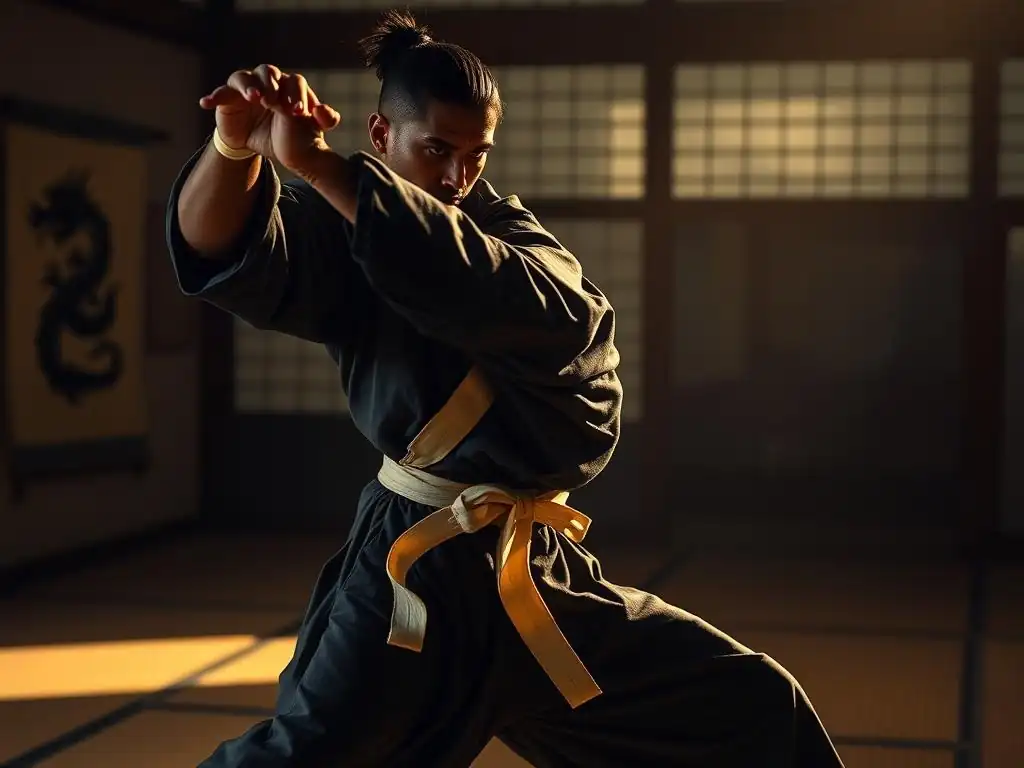
Welcome to Martial Arts Mastery, your gateway to understanding the profound world of combat. Ever wondered how ancient traditions translate into modern self-defense effectiveness? This week, we delve into the heart of that question with an exploration of Japanese jujutsu self defense training. Discover why this time-honored discipline continues to empower individuals with practical skills and a warrior's mindset. Intrigued? Let's unlock the secrets together...
Understanding Kuzushi, Maai, and Tai Sabaki
Effective Japanese jujutsu self defense training hinges on a deep understanding of fundamental principles like Kuzushi, Maai, and Tai Sabaki. Kuzushi refers to the critical skill of breaking an opponent's balance. This isn't just about pushing or pulling; it involves understanding their posture, movement, and weight distribution to create an unstable state.
By disrupting their center of gravity, even a smaller practitioner can render a larger, stronger attacker vulnerable, opening opportunities for throws, joint locks, or control techniques. Mastering Kuzushi is paramount because it negates raw power and allows technique to prevail, a core tenet of practical Japanese jujutsu self defense.
Maai, or combative distance and timing, is equally vital in Japanese jujutsu self defense training. It's the dynamic space between you and your potential threat, constantly shifting based on movement and intent. Understanding Maai allows a practitioner to control the engagement – knowing when to close distance to apply a technique, when to create space to evade, and how to time movements to intercept or counter an attack. Coupled with Tai Sabaki, efficient body movement, Maai enables evasion, positioning for throws or locks, and maintaining situational awareness, making the practitioner a difficult target while facilitating effective technique application.
Why Jujutsu's Adaptability Makes it Effective in Unpredictable Encounters
One of the primary strengths of Japanese jujutsu for self-defense lies in its inherent adaptability, making it exceptionally effective in the chaotic and unpredictable nature of real-world encounters. Unlike systems focused solely on striking or grappling, traditional and modern Japanese jujutsu self defense training encompasses a wide spectrum of techniques.
This includes throws (nage-waza), joint locks (kansetsu-waza), striking (atemi-waza), and grappling (katame-waza), providing a comprehensive toolkit to address various threats, whether standing, on the ground, or in transition. This versatility means a practitioner isn't limited to a single response but can adapt based on the attacker's actions, size, and the environment.
Furthermore, Japanese jujutsu emphasizes principles over rigid techniques, promoting adaptability. The core idea of using an opponent's force against them (a principle seen in Judo and Aikido, both derived from Jujutsu) allows a smaller individual to handle a larger aggressor. The training encourages improvisation within the framework of fundamental principles like Kuzushi and Tai Sabaki. This focus on understanding why a technique works, rather than just memorizing steps, fosters the ability to modify and apply techniques effectively in novel or unexpected situations, a critical element of effective Japanese jujutsu self defense training for the street.
- Understanding Kuzushi, Maai, and Tai Sabaki
- Why Jujutsu's Adaptability Makes it Effective in Unpredictable Encounters
- What makes Japanese Jujutsu particularly effective for self-defense?
- How does Japanese Jujutsu differ from other martial arts concerning self-defense?
- Is Japanese Jujutsu suitable for beginners with no prior martial arts experience?
- What are some key components of Japanese Jujutsu self-defense training?
- Where can I find reputable Japanese Jujutsu self-defense training?
The Legacy of Samurai Arts and Their Relevance to Modern Jujutsu
From Koryu Bujutsu to Gendai Jujutsu: A Lineage of Practical Combat
Japanese Jujutsu boasts a rich history rooted deeply in the battlefield arts of feudal Japan. The koryu (old schools) of bujutsu (martial techniques) developed during the samurai era were not sports; they were systems designed for survival and victory in life-or-death combat, often against armored opponents using various weapons. These schools incorporated techniques for unarmed combat that could deal with opponents who had lost their weapons, were attempting to grapple, or needed to be controlled or subdued.
Techniques included throws, joint manipulations, strangles, and strikes, all aimed at quickly incapacitating an enemy. This direct, no-nonsense approach to combat forms the foundational DNA of modern Japanese jujutsu self defense training.
The transition from koryu to gendai (modern) jujutsu occurred primarily in the late 19th and early 20th centuries. Masters like Jigoro Kano extracted and systematized certain elements to create Judo, focusing on throws and ground grappling for physical education and sport.
Others, like Morihei Ueshiba (founder of Aikido) and various jujutsu lineages, adapted techniques for civilian self-defense, law enforcement, or continued to preserve the older forms. While modern styles may differ in emphasis (some more sport-oriented, others purely self-defense), they all draw from the same historical well of practical combat knowledge, ensuring that the core principles of control, leverage, and effective incapacitation remain central to Japanese jujutsu self defense.
Taketora Mori and Ryuho Okazaki: Influential Figures in Modern Jujutsu
Taketora Mori (1873-1952) was a significant figure in the transmission of traditional jujutsu into a modern context. A master of several koryu, including Kitō-ryū and Takenouchi-ryū, Mori played a crucial role in preserving and disseminating these arts during a period of rapid modernization in Japan.
His teachings emphasized the practical application of techniques and the underlying principles, influencing various later jujutsu practitioners. His work helped bridge the gap between the classical battlefield arts and the civilian self-defense needs of the early 20th century, contributing to the evolution of what we now recognize as effective Japanese jujutsu self defense training methods.
Ryuho Okazaki (1884-1948), the founder of Danzan Ryu Jujutsu, is another immensely influential figure, particularly in spreading Japanese jujutsu beyond Japan's borders. Okazaki studied numerous jujutsu styles and other martial arts, synthesizing them into a comprehensive system designed specifically for health restoration and practical self-defense. He incorporated elements like massage (seifuku) alongside throws, joint locks, strikes, and vital point techniques.
Okazaki established schools in Hawaii and the continental United States, directly training thousands and laying the groundwork for widespread Japanese jujutsu self defense training in North America. His system's emphasis on real-world applicability and its structured curriculum made it highly popular and enduring.
Jujutsu Self-Defense Training: Core Techniques
Mastering Nage-waza (Throwing Techniques) for Control and Evasion
Nage-waza, or throwing techniques, are a cornerstone of Japanese jujutsu self defense training, offering powerful ways to unbalance and control an attacker. Unlike grappling-focused throws aimed at securing a pin or submission, jujutsu throws are often designed to disrupt, create distance, or transition to ground control. Techniques like O Goshi (major hip throw) or Ippon Seoi Nage (one-arm shoulder throw) leverage an attacker's forward momentum against them, sending them forcefully to the ground.
This not only incapacitates them temporarily but also allows the defender to escape or follow up with control holds. Mastering the Kuzushi element is crucial here; a throw is far less energy-intensive and more effective when the opponent's balance is already compromised.
Furthermore, throws in Japanese jujutsu self defense training aren't just about offensive action; they are also defensive tools. By understanding how throws work, a practitioner is better equipped to defend against them. More importantly, techniques like Tai Otoshi (body drop) can be used defensively to evade a charge or strike while simultaneously unbalancing the attacker. The ability to quickly and efficiently take an aggressor from a standing posture to the ground provides significant control over the encounter, potentially ending the threat without needing to resort to prolonged striking or ground fighting exchanges.
Kansetsu-waza (Joint Locking Techniques) for Immobilization and Submission
Kansetsu-waza, or joint locking techniques, are a defining feature of Japanese jujutsu self defense training, providing highly effective means of controlling or incapacitating an opponent with minimal force once applied correctly. These techniques target vulnerable joints like wrists, elbows, shoulders, knees, and ankles, applying pressure in ways that cause pain, limit movement, or, if necessary, cause injury. A simple wrist lock ( Kote-gaeshi or Kote-mawashi) can control an attacker's entire body, forcing them to comply or be taken down. Elbow locks ( Ude Garami, Ude Hishigi) are powerful tools for submission or controlling an opponent on the ground.
The efficacy of Kansetsu-waza in self-defense lies in their ability to control an attacker without necessarily causing permanent harm, allowing for de-escalation or restraint if the situation permits. They are particularly useful in close quarters or when dealing with an opponent who is larger or stronger, as leverage and anatomical weak points are exploited rather than brute strength. Proper Japanese jujutsu self defense training emphasizes applying these locks with precision and control, understanding the threshold between pain compliance and potential injury, which is critical in a real-world self-defense scenario.
Atemi-waza (Striking Techniques) for Creating Openings and Defense
While often associated with throws and grappling, Atemi-waza, or striking techniques, are an integral component of comprehensive Japanese jujutsu self defense training. Strikes (punches, kicks, elbows, knees, headbutts) are not typically used for a prolonged exchange like in boxing or Muay Thai, but rather strategically to create openings for throws or locks, to distract, or to defend against an incoming attack. A well-placed strike to a vulnerable area like the eyes, throat, or groin can momentarily stun or disable an attacker, providing the crucial window needed to apply a decisive technique or escape.
Atemi-waza in jujutsu also includes strikes to vital points ( Kyusho-jutsu), focusing on targets that disrupt the opponent's balance, breathing, or motor control. For example, a sharp strike to the solar plexus can cause an attacker to double over, facilitating a throw. An elbow strike to the side of the head can disorient.
Japanese jujutsu self defense training teaches how to generate power efficiently through body mechanics and how to deliver these strikes from close range, often integrated seamlessly with grappling entries or evasive movements. They serve as essential tools for managing distance and creating opportunities within the dynamic flow of a self-defense encounter.
The Critical Role of Ukemi (Breakfalling) in Injury Prevention
Ukemi, or breakfalling, is perhaps the most overlooked yet critically important skill in Japanese jujutsu self defense training. In any physical altercation, there's a high probability of being thrown, tripped, or falling to the ground. The ability to fall safely is paramount to avoiding serious injury, such as broken bones, concussions, or spinal damage. Proper Ukemi involves learning how to distribute the force of impact across a larger surface area of the body, using specific rolling or slapping techniques to dissipate energy and protect vulnerable areas like the head and spine.
Consistent practice of Ukemi builds confidence and reduces the fear of being taken down, which can otherwise paralyze a practitioner in a real self-defense situation. It allows a student to train harder and more realistically, practicing throws and takedowns with partners without excessive risk.
In a street fight, knowing how to fall safely means that even if an attacker successfully throws you, you are less likely to be incapacitated by the fall itself and can potentially recover more quickly to defend yourself further or attempt to escape. Therefore, dedicated Ukemi practice is non-negotiable in effective Japanese jujutsu self defense training.
Jujutsu vs. Other Martial Arts for Self-Defense: A Practical Comparison
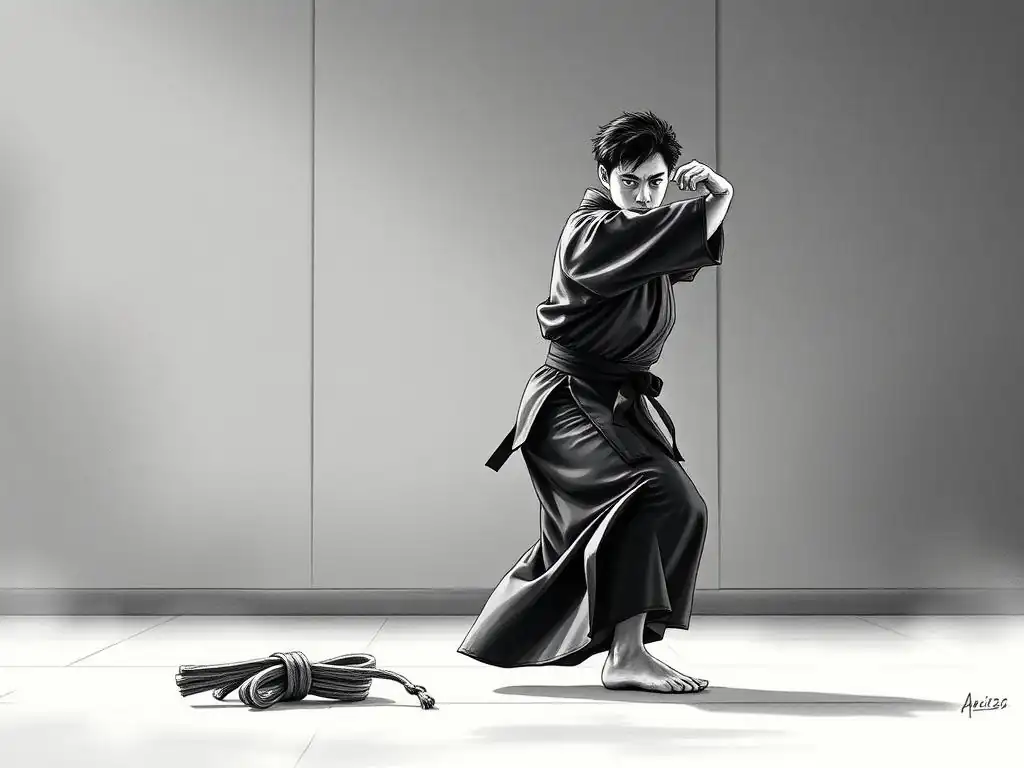
Jujutsu vs. Boxing: Bridging the Gap Between Striking and Grappling
When comparing Japanese jujutsu self defense training to boxing, the most apparent difference lies in their scope. Boxing is a highly specialized striking art, focusing exclusively on punches delivered to the head and body while standing. It excels at teaching footwork, head movement, and powerful punching combinations, making a skilled boxer formidable in stand-up striking exchanges. However, boxing offers no techniques for dealing with grabs, clinches, throws, or ground fighting – common elements in real-world assaults.
Japanese jujutsu, conversely, provides a comprehensive system that includes striking (Atemi-waza), but integrates it with throws (Nage-waza), joint locks (Kansetsu-waza), and grappling (Katame-waza). While a boxer might be superior in a pure punching match, a jujutsu practitioner is equipped to handle the situation if the encounter moves beyond striking range, if the attacker attempts to grab, or if the fight goes to the ground. Effective Japanese jujutsu self defense training acknowledges the importance of striking but emphasizes the ability to transition seamlessly between ranges and techniques, bridging the gap where boxing ends.
Jujutsu vs. Krav Maga: Emphasizing Practicality Over Sport
Krav Maga is a modern self-defense system known for its directness, aggression, and focus on ending a threat quickly using strikes to vulnerable targets, defenses against weapons, and immediate responses to common attacks. Its training often simulates stressful, real-world scenarios. Krav Maga prioritizes practicality and efficiency, often discarding techniques deemed too complex or impractical under duress.
Japanese jujutsu self defense training, while also highly practical, often delves deeper into the mechanics of control, leverage, and joint manipulation through structured techniques and principles. While Krav Maga might teach a quick eye gouge and groin strike followed by escape, jujutsu might offer options for dealing with a specific grab using a throw or joint lock to gain control or create an opening.
Both are effective, but jujutsu offers a more detailed study of body mechanics and control points, providing a wider range of options for managing an attacker once contact is made, whereas Krav Maga often focuses on immediate neutralization and escape.
Jujutsu vs. BJJ: Balancing Groundwork with Standing Defense
Brazilian Jiu-Jitsu (BJJ) is a martial art primarily focused on ground fighting and grappling, emphasizing position, control, and submission holds (chokes and joint locks). BJJ is incredibly effective in one-on-one ground engagements and is a dominant force in mixed martial arts (MMA). Its emphasis on leverage and technique makes it possible for a smaller person to control and submit a larger opponent on the ground.
Traditional Japanese jujutsu self defense training, while including ground fighting elements (Katame-waza), maintains a stronger emphasis on standing techniques, throws, and the transition from standing to ground. Japanese jujutsu is designed to handle a wider variety of scenarios, including potential multiple attackers or environments where going to the ground is disadvantageous (e.g., hard surfaces, crowded spaces).
While BJJ is arguably more specialized and refined for ground combat, Japanese jujutsu offers a more balanced approach that equips practitioners to defend themselves effectively both on their feet and if the fight goes to the ground, making it arguably more comprehensive for general self-defense purposes.
Jujutsu vs. Aikido: A Focus on Practical Application of Joint Manipulation
Aikido is another Japanese martial art derived from Jujutsu, particularly focusing on joint locks (Kansetsu-waza), throws (Nage-waza), and using an attacker's momentum against them, often in response to grabs. Aikido is known for its circular movements and emphasis on blending with and redirecting an attacker's energy, aiming for harmonious resolution or control rather than direct confrontation.
While both Aikido and Japanese jujutsu self defense training share roots and many similar techniques (like wrist and elbow locks), their applications often differ. Traditional jujutsu training tends to be more direct and less focused on the philosophical aspects of non-violence, prioritizing efficient neutralization of a threat.
Jujutsu practice often involves more direct striking, less stylized movement, and a greater emphasis on realistic resistance in training. While Aikido techniques can be highly effective when applied correctly, many argue that their effectiveness in unpredictable, high-adrenaline situations requires significant practice against realistic resistance, which is often a stronger focus in modern Japanese jujutsu self defense training methodologies.
Practical Applications of Jujutsu Self-Defense Techniques
Defending Against Common Grabs, Punches, and Kicks: A Jujutsu Response
Japanese jujutsu self defense training provides a versatile response system for common street attacks. Against grabs (wrist grabs, lapel grabs, bear hugs), jujutsu offers numerous joint locks and leverage-based escapes. For instance, a simple wrist grab can be countered with a turning motion combined with a wrist lock or break, or used as an entry point for a throw like Kote-gaeshi.
Against punches, Tai Sabaki (body movement) is used for evasion or redirecting the attack, often followed immediately by closing distance to apply a throw, joint lock, or control hold. The goal isn't to stand and trade blows but to neutralize the striking threat by controlling the opponent's structure.
Dealing with kicks in Japanese jujutsu self defense involves understanding distance (Maai) and timing. Evasion through Tai Sabaki is primary. If a kick lands, techniques focus on controlling the leg (e.g., trapping a low kick) to unbalance the attacker, setting up a takedown or throw. The Atemi-waza component also plays a role, using strikes to disrupt an incoming attack or create an opening. The integrated nature of Japanese jujutsu self defense training means that defense against one type of attack often flows directly into an offensive control technique from a different category, offering a dynamic and layered response.
Adapting Techniques for Confined Spaces and Varied Terrain
Real-world self-defense rarely happens in a padded dojo. Japanese jujutsu self defense training emphasizes adaptability to different environments, including confined spaces like hallways or vehicles, and varied terrain like stairs, uneven ground, or slippery surfaces. In tight quarters, large throws requiring significant space are less viable. Jujutsu training adapts by focusing on close-range techniques: stand-up grappling, joint locks that require minimal movement, strikes to vital points, and takedowns that end in dominant ground control without needing a large arc.
On uneven or slippery surfaces, techniques that rely heavily on stable footing (like certain sweeps or throws) become riskier. Jujutsu practitioners learn to modify their balance, use lower stances, and prioritize techniques that rely less on perfect traction, such as using an opponent's momentum more directly or applying joint locks that don't require significant footwork.
The principle of Kuzushi becomes even more critical – breaking the opponent's balance is often easier on unstable ground, and throws can be executed with less effort. This focus on modifying techniques based on environmental factors is a key aspect of practical Japanese jujutsu self defense.
Utilizing Everyday Objects as Defensive Tools
While Japanese jujutsu self defense training primarily focuses on unarmed combat, the principles of leverage, body mechanics, and exploiting weak points can be extended to the use of everyday objects for defense. An object like a rolled-up magazine, an umbrella, keys held in the fist, or even a jacket can be used to create distance, block, strike vulnerable targets, or aid in applying leverage. For example, using a jacket to obscure an attacker's vision or wrap around an arm can facilitate a joint lock or throw attempt.
The core idea is not to teach specific "weapon" forms with these objects but to integrate them naturally into existing jujutsu movements and principles. Holding keys can enhance the impact of palm-heel strikes or provide a hard point for pressure. An umbrella can be used for distance management or striking. This pragmatic approach, rooted in the resourcefulness needed in real-world scenarios, enhances the overall preparedness gained through comprehensive Japanese jujutsu self defense training, turning potential disadvantages into opportunities for defense.
The Mental Fortitude: Developing a Self-Defense Mindset
Cultivating Situational Awareness and Threat Assessment
Physical techniques are only one part of self-defense; mental preparedness is equally, if not more, crucial. Japanese jujutsu self defense training extends beyond physical drills to cultivate a strong self-defense mindset, starting with situational awareness. This involves being observant of your surroundings, noticing potential threats or environmental factors (exits, obstacles, potential weapons), and recognizing pre-conflict indicators in people's behavior (body language, tone of voice). Studies show that individuals with good situational awareness are far less likely to become targets of opportunity.
Threat assessment is the next step: evaluating whether a situation or individual poses a credible threat and deciding on the appropriate response level. Is it a verbal argument that can be de-escalated? Is it an aggressive individual who needs to be avoided? Or is it an imminent physical attack requiring immediate action? Japanese jujutsu self defense training encourages practitioners to think critically under pressure, making split-second decisions based on assessment rather than panic, ensuring that physical techniques are a last resort used only when necessary and proportionate.
Building Confidence and De-escalation Skills
A significant benefit of consistent Japanese jujutsu self defense training is the boost in self-confidence. As physical competence grows, so does the belief in one's ability to handle difficult situations. This confidence is often projected non-verbally, making an individual appear less like an easy target. Furthermore, increased confidence reduces the likelihood of freezing during a confrontation, allowing for clearer thinking and action.
Crucially, this heightened confidence also empowers the practitioner to utilize de-escalation techniques effectively. Knowing you can defend yourself physically allows you to remain calmer and more composed in a tense situation, making de-escalation attempts more likely to succeed. Japanese jujutsu self defense training implicitly or explicitly includes the understanding that avoiding a physical fight is always the best outcome. De-escalation skills, combined with the confidence derived from physical training, provide powerful tools for resolving conflicts without resorting to violence.
The Ethical and Legal Considerations of Self-Defense
Practical self-defense training must include an understanding of the ethical and legal ramifications of using physical force. Japanese jujutsu self defense training, particularly in reputable schools, should address these aspects. Ethically, the principle of using minimum necessary force to neutralize a threat is paramount. The goal is safety, not retribution or excessive violence.
Legally, self-defense laws vary significantly by location, but generally, the use of force must be reasonable and proportionate to the threat. Deadly force is typically only legally permissible when facing a threat of death or serious bodily harm. Understanding concepts like "reasonable fear," "duty to retreat" (where applicable), and the potential legal consequences of actions is vital. While Japanese jujutsu self defense training provides the ability to use force, responsible training instills the wisdom and discretion necessary to use it only when legally and ethically justified.
Finding a Reputable Jujutsu Instructor and Training Environment
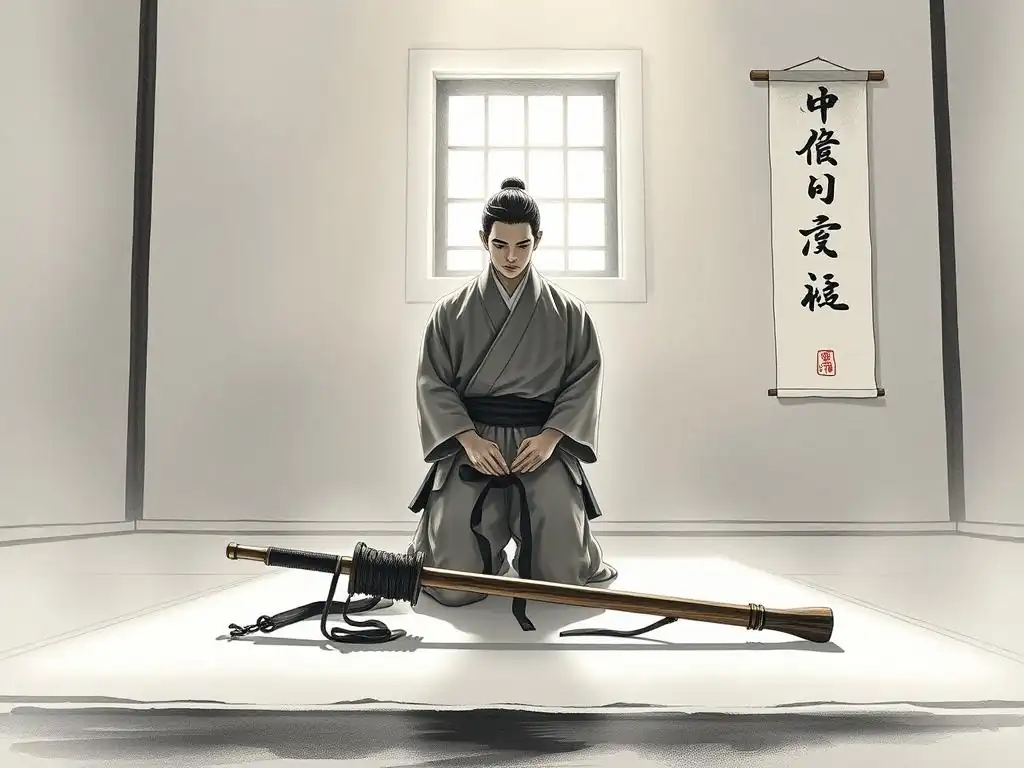
Identifying Qualified Instructors with Real-World Experience
Choosing the right instructor is the most critical step in beginning effective Japanese jujutsu self defense training. A qualified instructor should possess deep technical knowledge, usually demonstrated through rank (dan grades) awarded by recognized organizations. However, rank alone isn't sufficient. Look for instructors who emphasize practical application over rigid forms or sport-only focus. Experience in applying techniques against resisting opponents, whether in sparring, randori (free practice), or even real-world situations (e.g., law enforcement or security backgrounds), is invaluable.
A reputable instructor will prioritize safety, provide clear explanations of principles, and foster a learning environment that is challenging yet supportive. They should be able to articulate why a technique works in a self-defense context, not just how to perform it mechanically. Don't hesitate to ask about their lineage, training history, and teaching philosophy. A good instructor for Japanese jujutsu self defense training is not just a technician but a mentor who guides students in developing both physical skills and the crucial self-defense mindset.
Questions to Ask to Evaluate a Jujutsu Program
When evaluating a dojo or program for Japanese jujutsu self defense training, ask specific questions to gauge its suitability for your goals. Inquire about the class structure: Is there dedicated time for self-defense applications, or is the focus solely on traditional forms or sport competition? Ask about the intensity and type of sparring or randori – is it light and controlled, or does it involve realistic resistance? Understand the curriculum: Does it cover strikes, throws, joint locks, and ground control, and how are these integrated?
Furthermore, ask about the instructor's background and their approach to teaching self-defense principles like situational awareness and de-escalation. Observe a class if possible to see the student-teacher interaction, the atmosphere among students, and the level of control and safety maintained during practice. A program genuinely focused on practical Japanese jujutsu self defense training will welcome these questions and demonstrate a clear commitment to preparing students for real-world scenarios, not just belt promotions.
The Long-Term Benefits of Consistent Jujutsu Training
Engaging in consistent Japanese jujutsu self defense training offers numerous long-term benefits that extend far beyond physical self-protection. Physically, it improves strength, flexibility, coordination, and cardiovascular health. Mentally, it cultivates discipline, perseverance, focus, and resilience. The challenge of learning complex techniques and applying them under pressure builds problem-solving skills and mental toughness.
Beyond the physical and mental aspects, consistent training in Japanese jujutsu self defense fosters confidence, reduces anxiety about potential confrontations, and enhances overall body awareness and control. It provides a structured environment for personal growth, teaching respect, humility, and the importance of continuous learning. Over time, a dedicated practitioner develops not just the ability to defend themselves but a more robust, confident, and capable approach to navigating the challenges of daily life.
Advanced Jujutsu Self-Defense Strategies
Integrating Knife Defense into Jujutsu Training
While avoiding a knife confrontation is paramount, advanced Japanese jujutsu self defense training often includes modules on defending against edged weapons. This training is highly controversial and carries significant risk, emphasizing that escape is always the primary goal. When escape is impossible, techniques focus on controlling the weapon-bearing limb, minimizing exposure to the blade, and simultaneously applying strikes, throws, or joint locks to incapacitate the attacker and gain control of the weapon.
Training typically involves understanding common attack angles (thrusts, slashes), managing distance, and using gross motor skills under stress. Drills often start slowly and progress with padded training knives, focusing on deflections, limb control, and immediate follow-up. The core jujutsu principles of Kuzushi (breaking balance) and Tai Sabaki (body movement) are critical, allowing the defender to move off the line of attack while simultaneously disrupting the aggressor. Integrating knife defense into Japanese jujutsu self defense training provides a realistic, albeit high-risk, layer of preparedness.
Defending Against Multiple Assailants: Prioritization and Escape
Dealing with multiple attackers is arguably the most challenging scenario in self-defense, and advanced Japanese jujutsu self defense training addresses strategies for this. The fundamental principle is survival, which usually means prioritizing escape over defeating every opponent. Techniques focus on creating openings to flee, using one attacker as a barrier against others, and quickly neutralizing the most immediate threat to create space.
Strategies involve constant movement (Tai Sabaki) to avoid being surrounded, using throws or takedowns to briefly incapacitate one attacker while escaping others, and using strikes to create temporary openings. Joint locks are generally less practical against multiple opponents as they require focusing on one individual. The emphasis is on mobility, awareness (keeping track of all threats), and decisive action to break contact and escape. This aspect of Japanese jujutsu self defense training highlights that the goal is survival, not winning a prolonged fight against overwhelming odds.
Pressure Point Applications in Self-Defense (Kyusho-jutsu)
Kyusho-jutsu, the study of vital points or pressure points, is sometimes integrated into advanced Japanese jujutsu self defense training as a means of increasing the effectiveness of strikes and control techniques. These points, located on nerves, muscles, and blood vessels, can be struck or pressed to cause pain compliance, temporary paralysis, disorientation, or even unconsciousness with relatively little force if targeted correctly.
Applying Kyusho-jutsu effectively in a dynamic, resisting self-defense scenario is challenging and requires significant practice. However, understanding key pressure points can enhance the impact of Atemi-waza (strikes) or facilitate the application of Kansetsu-waza (joint locks). For example, a strike to a specific nerve cluster can make an arm lock more effective. While not a magic bullet, the study of Kyusho-jutsu in Japanese jujutsu self defense training offers an additional layer of understanding human anatomy and how to exploit weaknesses for defensive purposes.
Conclusion: The Enduring Value of Jujutsu for Modern Self-Defense
Emphasizing the Versatility and Adaptability of Jujutsu
The enduring value of Japanese jujutsu for modern self-defense lies in its remarkable versatility and adaptability. Rooted in centuries of practical combat experience, it provides a comprehensive system that addresses the multifaceted nature of real-world confrontations. By integrating throws, joint locks, strikes, and grappling, Japanese jujutsu self defense training equips practitioners to handle a wide range of threats, from standing assaults to ground engagements, and to transition effectively between different phases of a conflict.
This adaptability is not just in the range of techniques but also in the underlying principles. The emphasis on using leverage, controlling an opponent's balance (Kuzushi), and efficient body movement (Tai Sabaki) allows individuals of different sizes and strengths to defend themselves effectively. The training fosters the ability to react appropriately to unpredictable situations and adapt techniques based on the environment and the attacker's actions, making Japanese jujutsu self defense a robust and practical choice for personal safety.
Encouraging Continued Learning and Responsible Application of Jujutsu Principles
Mastering Japanese jujutsu self defense is a lifelong journey of continuous learning and refinement. True proficiency comes not from simply accumulating techniques but from deeply understanding the principles and developing the ability to apply them intuitively under pressure. Consistent training is essential to hone skills, improve physical conditioning, and reinforce the crucial self-defense mindset – including situational awareness, de-escalation skills, and the ethical considerations of using force.
Responsible application of Japanese jujutsu principles means using these powerful skills only as a last resort, when faced with a credible threat to personal safety, and using only the necessary force to neutralize the danger. Reputable Japanese jujutsu self defense training instills this sense of responsibility alongside technical proficiency. By committing to ongoing training and upholding ethical standards, practitioners gain not only the physical tools for self-defense but also the wisdom and judgment required to navigate potentially dangerous situations safely and responsibly.
Frequently Asked Questions
What makes Japanese Jujutsu particularly effective for self-defense?
Jujutsu focuses on neutralizing an attacker regardless of size or strength, utilizing techniques like joint locks, throws, and grappling. Its adaptability makes it suitable for various real-world scenarios.
How does Japanese Jujutsu differ from other martial arts concerning self-defense?
Unlike striking-focused arts, Jujutsu emphasizes close-quarters combat and controlling the opponent. It incorporates elements of grappling and ground fighting, allowing for a broader range of defensive options.
Is Japanese Jujutsu suitable for beginners with no prior martial arts experience?
Yes, many Jujutsu schools offer beginner-friendly programs that teach fundamental techniques and principles. The focus is on building a solid foundation in self-defense from the ground up.
What are some key components of Japanese Jujutsu self-defense training?
Training typically involves learning breakfalls, escapes from holds, joint locks, and throws. Sparring is also crucial for practical application of these techniques against a resisting opponent.
Where can I find reputable Japanese Jujutsu self-defense training?
Look for schools with certified instructors who have a proven lineage and a strong emphasis on realistic self-defense applications. Research their reputation and training philosophy before committing.
Final Reflection: Embracing the Warrior Within
The exploration of Japanese Jujutsu as a cornerstone of modern self-defense reveals more than just techniques; it unveils a philosophy of adaptability and resilience. This ancient art, far from being a relic of the past, offers a potent framework for navigating the complexities and potential dangers of the present. Its emphasis on leverage, strategy, and mental fortitude provides an edge that transcends mere physical strength, making it an invaluable asset in today's world.
The enduring appeal of Jujutsu lies in its holistic approach, fostering not only physical prowess but also a deep sense of self-awareness and discipline. This journey into the heart of Jujutsu has profoundly underscored the importance of continuous learning and personal growth, reminding us that true strength comes from within. The ultimate aim of martial arts is not having to use them.
This sentiment encapsulates the true essence of Jujutsu – a path towards peace and self-mastery, where conflict is a last resort.
Now, consider the lessons learned. How can you integrate the principles of adaptability, resilience, and strategic thinking into your own life? Whether you choose to embark on Japanese Jujutsu self defense training or simply embrace its underlying philosophy, remember that the warrior's edge is not just about physical skill; it's about cultivating the inner strength to face any challenge with confidence, grace, and unwavering resolve.
Embrace Your Inner Warrior: Start Your Jujutsu Journey Now!
Thank you for exploring the empowering world of Japanese Jujutsu with us! You've unlocked valuable insights into its practical self-defense applications. Now, it's time to translate that knowledge into action.
Here are a few steps you can take to further your understanding and begin your journey:
- Commit to finding a reputable Japanese Jujutsu dojo near you. Don't delay – your safety and empowerment are worth it!
- Explore other martial arts disciplines discussed on Martial Arts Mastery, such as Judo or Aikido, to understand the broader context of grappling arts.
- Share this article with friends and family who might benefit from learning practical self-defense skills and join the conversation in the comments below.
What's the very first step you'll take today to begin incorporating Jujutsu principles into your life?