
Your Ultimate Checklist: Navigating the Path to the Ideal Martial Arts School & Instructor

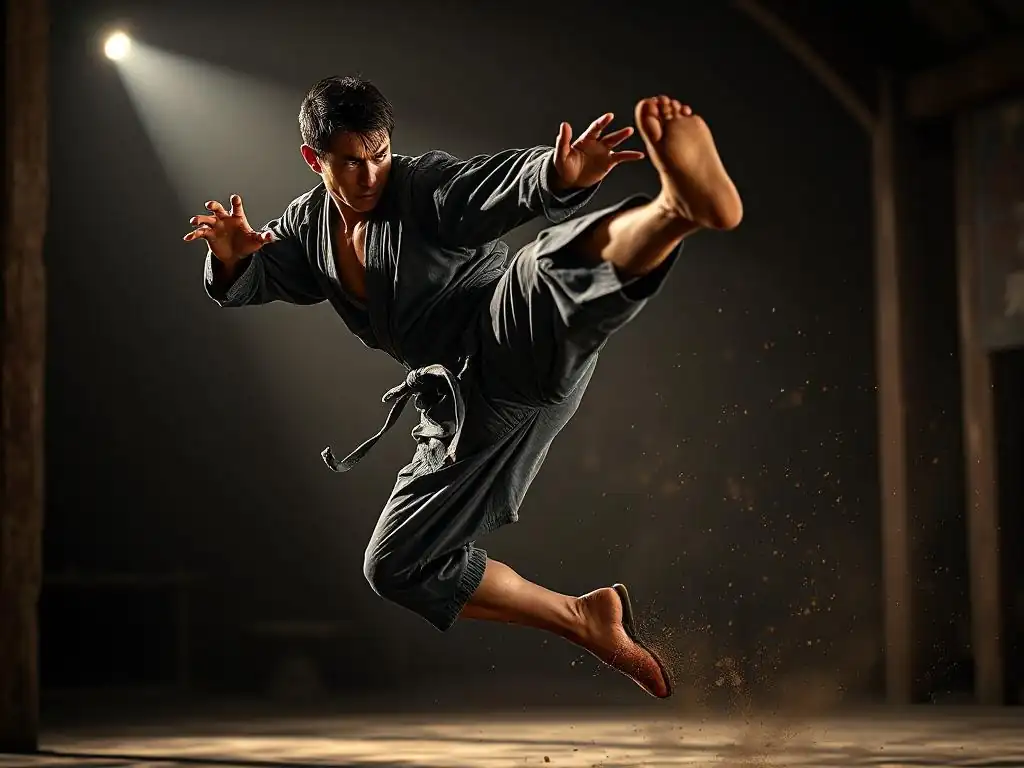
Welcome to Martial Arts Mastery, your gateway to unlocking the secrets of combat traditions worldwide! Are you ready to embark on a journey of self-discovery and empowerment? Choosing the best martial arts school is a crucial first step, and we're here to guide you. But what truly separates a great school from the rest? Dive in and discover our ultimate checklist to ensure you find the perfect fit for your goals and aspirations – the path to mastery awaits!
- Finding the Right Martial Arts School: Your Personalized Checklist
-
Step-by-Step Guide: Selecting the Perfect Martial Arts School
- 1. Define Your Martial Arts Goals and Interests
- 2. Researching Local Martial Arts Schools and Instructors
- 3. Visiting Potential Martial Arts Schools: The First Impression
- 4. Evaluating the Instructor's Qualifications and Experience
- 5. Understanding the School's Curriculum and Training Methods
- 6. Examining the School's Contract and Pricing Structure
- 7. Assessing the School's Atmosphere and Community
- Choosing a Martial Arts Instructor: The Key to Your Success
- Maximizing Your Martial Arts Journey: Recommended Resources
- Long-Term Commitment: Staying Dedicated to Your Martial Arts Journey
-
Frequently Asked Questions
- How do I determine which martial art is right for me?
- What qualifications should I look for in a martial arts instructor?
- How important is the school's lineage or affiliation?
- What should I expect during a trial class or introductory period?
- What are some red flags to watch out for when choosing a martial arts school?
- Final Reflection: Embracing the Martial Arts Journey
- Unleash Your Inner Warrior: Take the Next Step!
Finding the Right Martial Arts School: Your Personalized Checklist
Why Choosing the Best Martial Arts School Matters
Choosing the best martial arts school is a pivotal decision that extends far beyond simply learning how to defend yourself. A quality martial arts institution serves as a cornerstone for personal development, offering a structured environment to cultivate discipline, focus, and physical fitness. It's where foundational techniques are learned correctly, preventing bad habits and potential injuries down the line.
For instance, a school with a strong emphasis on proper form in striking arts like Muay Thai or Karate can significantly reduce the risk of joint strain or muscle tears compared to one that rushes through basics. The right school provides a supportive community that encourages growth, pushing you to surpass perceived limitations in a safe and encouraging setting.
Furthermore, the philosophy and atmosphere of a martial arts school deeply influence the student's journey. Some schools prioritize competition, while others focus on self-defense, traditional forms, or physical conditioning. Selecting a school whose values align with your own ensures a more fulfilling and sustainable training experience.
A study might show that students who feel a strong connection to their school's community are statistically more likely to continue training long-term, perhaps for 5+ years, compared to those who attend a school purely for convenience or price, who might drop out within the first year. Making an informed decision when choosing best martial arts school sets the stage for a positive and impactful martial arts journey.
Step-by-Step Guide: Selecting the Perfect Martial Arts School
1. Define Your Martial Arts Goals and Interests
Before you even step foot in a dojo or academy, clarifying your personal objectives is the critical first step in choosing best martial arts school. Are you primarily interested in practical self-defense techniques to feel safer? Do you aspire to compete in tournaments, testing your skills against others? Is your goal focused on physical fitness, seeking an engaging alternative to traditional gym workouts?
Perhaps you are drawn to the philosophical or historical aspects of a specific art, aiming for personal growth and self-discipline. Identifying these core motivations will significantly narrow down your options and help you find a school that specializes in the areas most important to you. For example, someone seeking competitive sport grappling would likely focus on Brazilian Jiu-Jitsu or wrestling schools, while someone prioritizing traditional forms and discipline might lean towards Karate or traditional Kung Fu.
Exploring the vast landscape of different martial arts styles is also essential at this stage. Each art has its unique history, philosophy, and technical emphasis. Karate often focuses on striking and forms, Taekwondo on dynamic kicks, Jiu-Jitsu on ground fighting and submissions, Muay Thai on powerful strikes with elbows and knees, Aikido on throws and joint locks, and Kung Fu encompasses a wide range of styles with diverse techniques and historical depth.
Understanding these differences, even at a high level, helps you match an art form to your personality and goals. For instance, someone less interested in direct confrontation but keen on using an opponent's energy might find Aikido appealing, while someone who enjoys close-quarters grappling might prefer BJJ. A bit of research into the origins and core principles of several styles can provide valuable context for your choice.
2. Researching Local Martial Arts Schools and Instructors
Once you have a clearer idea of your goals and preferred styles, the next step in choosing best martial arts school involves thorough research of local options. The internet is an invaluable tool here. Martial arts directories often list schools by style and location.
Review sites like Yelp, Google Reviews, and Facebook Reviews provide insights from current and former students. Look beyond just the star rating; read the comments to understand common praises and complaints regarding teaching quality, atmosphere, pricing, and instructor interaction. A school might have a 4.5-star average, but reading reviews could reveal consistent feedback about large class sizes or frequent instructor turnover, which might be red flags depending on your priorities.
Word-of-mouth referrals offer another layer of insight often unavailable online. Talk to friends, family, or acquaintances who have trained in martial arts. Their personal experiences can highlight aspects like the instructor's personality, the student community, or the school's adherence to its stated philosophy.
Additionally, researching the instructor's credentials and lineage is crucial. In many traditional and modern martial arts, the instructor's rank (e.g., Dan levels in Japanese/Korean arts, belt levels in BJJ) and their training lineage (who they trained under) speak volumes about their technical depth and adherence to the art's principles. For example, knowing a BJJ instructor trained under a renowned world champion or a Karate sensei holds a high Dan rank awarded by a respected international federation provides confidence in their foundation.
3. Visiting Potential Martial Arts Schools: The First Impression
Online research and referrals provide valuable background, but visiting potential schools in person is indispensable when choosing best martial arts school. Pay close attention to the training environment's cleanliness and safety. Mats should be clean and well-maintained, equipment (like bags or pads) in good condition, and the overall space free of clutter or hazards. A clean school indicates professionalism and care for students' well-being.
Observe the class size and student-to-instructor ratio. An overcrowded class might mean less individual attention, while a smaller class could offer more personalized feedback. A typical healthy ratio might be around 15-20 students per instructor, though this varies by art and school philosophy.
Most schools offer the opportunity to observe a class or even participate in a trial lesson. Observing allows you to gauge the energy of the class, the interaction between students and the instructor, and the general teaching style. Is the instructor engaging and clear? Do students seem focused and respectful?
A trial class is even better, providing a direct experience of the instruction, the physical demands, and the atmosphere. You might find that while a school looked great online, the in-person energy doesn't match your expectations, or you might discover a vibrant community you didn't anticipate. This visit is your chance to feel the vibe of the school and see if it feels like a place where you can thrive.
4. Evaluating the Instructor's Qualifications and Experience
The instructor is arguably the most critical factor in your martial arts journey, shaping your technique, understanding, and motivation. When choosing best martial arts school, a significant part of that choice is evaluating the person leading the classes. Look beyond just the rank; consider their years of teaching experience. Someone with 10+ years of teaching often possesses a deeper understanding of how to convey complex techniques to diverse learners than someone newly promoted.
Ask about their teaching philosophy – do they emphasize strict discipline, positive reinforcement, practical application, or a blend? Does their methodology align with how you learn best? Some instructors are highly technical, breaking down movements scientifically, while others teach more intuitively.
Verify their certifications and affiliations. Are they certified by a recognized governing body for their martial art? Are they affiliated with a respected lineage or organization? For example, a Judo instructor might be certified by USA Judo, or a Taekwondo master by the Kukkiwon. These affiliations often indicate a level of adherence to established standards and ongoing professional development.
Crucially, assess the instructor's communication skills and approachability. Do they explain techniques clearly? Are they patient with beginners? Do they answer questions willingly? A great instructor is not just a skilled practitioner but an effective communicator and mentor who inspires trust and facilitates learning.
5. Understanding the School's Curriculum and Training Methods

The curriculum outlines what you will learn and how, directly impacting your progress and whether the school meets your specific goals. When choosing best martial arts school, inquire about the structure of their classes and the progression of techniques. Do they have a clear syllabus? Is there a strong focus on fundamental techniques before moving to advanced applications? Some schools might rush students through basics to get them sparring quickly, which might appeal to some but could lead to poor technical foundations. Understand the balance between different aspects of training.
If sparring or competition is one of your goals, ask about opportunities for live practice and participation in events. Some schools integrate sparring into regular classes, while others have dedicated sparring sessions. Likewise, inquire about the integration of strength and conditioning into the training – is it part of the regular class, or offered separately?
For those interested in self-defense, confirm that the curriculum includes practical, reality-based applications of techniques, not just sport-oriented moves or traditional forms. A balanced curriculum that addresses your interests, whether it's striking accuracy, grappling proficiency, physical conditioning, or practical self-protection, is key to a fulfilling training experience.
6. Examining the School's Contract and Pricing Structure
Understanding the financial commitment is a practical necessity when choosing best martial arts school. Get a clear breakdown of all costs involved:
- Membership fees (monthly, quarterly, or annual)
- Uniform costs (Gi, Dobok, etc.)
- Testing fees for belt promotions
- Any other potential fees (e.g., registration, events)
Transparency is paramount. Be wary of schools that are vague about pricing or pressure you into signing immediately. Many schools offer trial periods (e.g., a week or a month) or introductory offers at a reduced rate. Take advantage of these opportunities to experience the school before committing long-term.
Read the contract thoroughly! Pay close attention to cancellation policies, duration of commitment (e.g., 6 months, 1 year, 2 years), and any clauses regarding price increases. A long-term contract might offer a lower monthly rate but could be difficult to exit if your circumstances change or the school isn't a good fit. Understand the payment options available and whether they offer any flexibility.
7. Assessing the School's Atmosphere and Community
The atmosphere and the student community significantly impact your enjoyment and motivation, making it a key factor in choosing best martial arts school. Spend some time observing how students interact with each other and with the instructor. Is there a sense of camaraderie and mutual respect? Are students supportive of one another, regardless of rank or experience level? A positive training environment feels welcoming and encourages learning without excessive ego or intimidation.
Consider the student demographics – is there a mix of ages, genders, and experience levels? A diverse student body can enrich the training experience. Some schools host social events or participate in community activities outside of regular classes; this can foster a stronger sense of belonging. Ultimately, you want to find a place where you feel comfortable, supported, and motivated to train consistently. The right community can turn training from a chore into a highlight of your week.
Choosing a Martial Arts Instructor: The Key to Your Success
The Importance of a Good Martial Arts Instructor
A good martial arts instructor is far more than just someone who teaches techniques; they are a mentor, a guide, and a source of inspiration. Their role in your development cannot be overstated when choosing best martial arts school. A skilled instructor provides proper mentorship, guiding you not only in physical techniques but also in the philosophical and mental aspects of the art, such as perseverance, respect, and humility. They tailor instruction to individual needs within the class setting, recognizing that each student learns differently and has unique physical capabilities.
Moreover, a great instructor motivates and inspires students to push their limits safely and consistently. They know how to challenge you without overwhelming you, fostering resilience and a growth mindset. Crucially, they ensure proper technique is taught from the outset, which is vital for effective application and, more importantly, for injury prevention. Learning complex movements incorrectly can lead to long-term physical issues. An instructor's ability to break down techniques, provide clear feedback, and correct mistakes is fundamental to your safety and progress.
Red Flags to Avoid in a Martial Arts Instructor
While many instructors are dedicated professionals, some exhibit behaviors that should raise concerns when choosing best martial arts school. Be wary of an instructor who displays excessive ego or a lack of humility. Martial arts teach respect and humility; an instructor who constantly boasts, belittles students, or refuses to learn themselves is counter to these principles. Another red flag is an instructor who consistently pushes students far beyond their safe physical limits, leading to frequent injuries, or encourages reckless behavior during sparring. While challenging training is important, it should prioritize safety and long-term health.
Lack of adaptability or personalized instruction is also a concern. An instructor who teaches every student the exact same way, without regard for their physical build, learning style, or any limitations, may not be effective for everyone. They should be able to offer modifications or alternative approaches.
Finally, be cautious of instructors with questionable credentials or affiliations. If their rank seems unusually high for their age or experience, or if they claim affiliation with organizations that are difficult to verify, it warrants further investigation. Trust your gut feeling; if something about the instructor feels off, it's likely a sign to look elsewhere when choosing best martial arts school.
Maximizing Your Martial Arts Journey: Recommended Resources

Essential Training Gear and Equipment
Investing in quality gear is crucial for safety, comfort, and performance in martial arts. When choosing best martial arts school, inquire about their specific gear requirements. For Brazilian Jiu-Jitsu, a durable Gi (uniform) is essential. Brands like Fuji Sports offer reliable options like their All-Around BJJ Gi, known for its balance of durability and comfort. For striking arts like Muay Thai, well-padded gloves are vital; Fairtex BGV1 Muay Thai Gloves are a popular choice recognized for their quality and wrist support.
Protective gear is non-negotiable. A mouthguard, such as the Shock Doctor Gel Max, is critical for protecting teeth and preventing concussions in sparring arts. Depending on the style, headgear, shin guards, and groin protectors (for males) are also necessary, particularly during live drills or sparring. While initial costs might seem high, quality equipment lasts longer and provides better protection, ultimately enhancing your training experience and reducing the risk of injury.
Supplemental Training Tools
Beyond mandatory class gear, several supplemental tools can enhance your martial arts training. Resistance bands, like the Theraband set, are excellent for building strength, improving flexibility, and rehabilitation exercises, beneficial for warming up or specific conditioning. A foam roller, such as the TriggerPoint GRID, is invaluable for myofascial release, helping to alleviate muscle soreness and improve recovery after intense sessions.
For home practice, a heavy bag (like the Everlast Powercore Freestanding Heavy Bag) allows you to work on striking power, speed, and combinations outside of class. A speed rope is a simple yet effective tool for improving cardiovascular endurance, footwork, and coordination, skills applicable across many martial arts disciplines. These tools aren't required by every school when choosing best martial arts school, but they can significantly complement your in-dojo training.
Online Learning Platforms and Resources
While in-person instruction is the bedrock of martial arts training, online resources can serve as valuable supplements. Platforms like BJJ Fanatics offer instructional videos from world-class practitioners, allowing students to study techniques at their own pace or explore variations not covered in their regular class. Sites like Udemy or Skillshare also host supplementary martial arts courses, covering various styles, conditioning methods, or theoretical concepts.
However, it's crucial to remember that online resources should complement, not replace, hands-on instruction. Fine motor skills, timing, distance management, and the feel of techniques require practice with partners under the guidance of a qualified instructor. Think of online platforms as a visual encyclopedia or a way to review concepts, not as a substitute for the physical practice and personalized feedback received in a live class setting when choosing best martial arts school.
Long-Term Commitment: Staying Dedicated to Your Martial Arts Journey
Setting Realistic Goals and Expectations
Embarking on a martial arts journey requires commitment, and maintaining that commitment over the long term is key to reaping its full benefits. Setting realistic goals and expectations from the outset is crucial. Progress in martial arts is rarely linear; there will be plateaus and challenges. Understand that achieving proficiency takes time and consistent effort – often years, not months. For example, earning a black belt in many traditional arts can take 5-10 years of dedicated training, while reaching a competitive level in sports like BJJ might require a similar timeframe.
Tracking your progress, whether through logging training hours, noting technical improvements, or achieving small milestones (like successfully performing a new technique or attending a certain number of classes), can help maintain motivation. Celebrate these achievements, no matter how small. Recognize that overcoming challenges and breaking through plateaus are integral parts of the learning process. Consistency, even training just 2-3 times per week, is far more effective than sporadic intense bursts. Discipline is built through showing up regularly, even when you don't feel like it.
The Ongoing Benefits of Martial Arts Training
Staying dedicated to martial arts offers a wealth of ongoing benefits that extend throughout your life. Physically, you continue to improve strength, flexibility, balance, and cardiovascular health. Mentally, the discipline, focus, and problem-solving required in training sharpen cognitive functions and improve stress management. Many practitioners report increased confidence and self-esteem as they overcome physical and mental challenges and see tangible progress in their abilities.
Martial arts fosters a philosophy of lifelong learning and personal growth. There is always more to learn, refine, and understand, both in technique and in the underlying principles of the art. The supportive community found when choosing best martial arts school often becomes a second family, providing encouragement and accountability. The journey of martial arts is continuous, offering physical prowess, mental fortitude, and a pathway to becoming a more resilient, disciplined, and confident individual.
Frequently Asked Questions
How do I determine which martial art is right for me?
Consider your fitness goals, self-defense needs, and personal interests. Research different styles like karate, jiu-jitsu, or taekwondo to find one that resonates with you.
What qualifications should I look for in a martial arts instructor?
Look for instructors with proven experience, relevant certifications, and a positive teaching style. Check their credentials and observe their classes to assess their expertise.
How important is the school's lineage or affiliation?
While not always essential, a school's lineage can indicate tradition and quality. Research the organization and its reputation within the martial arts community.
What should I expect during a trial class or introductory period?
Expect to learn basic techniques, understand the school's rules and etiquette, and assess the overall atmosphere. This is your chance to see if the school is a good fit.
What are some red flags to watch out for when choosing a martial arts school?
Be wary of unrealistic promises, lack of transparency, or pressure tactics. A reputable school will prioritize safety and genuine martial arts training.
Final Reflection: Embracing the Martial Arts Journey
The journey of selecting a martial arts school is more than just ticking boxes on a checklist; it's about embarking on a path of self-discovery and empowerment. The principles of discipline, respect, and perseverance, so central to martial arts, resonate deeply in today's fast-paced world, offering a grounding force and a framework for personal growth that extends far beyond the dojo.
This search for the "best" school is, in essence, a quest for the "best" version of ourselves. The commitment to finding the right instructor and environment is a testament to the value we place on personal development and the pursuit of excellence. The journey of a thousand miles begins with a single step.
- Lao Tzu. This ancient wisdom reminds us that even the most ambitious goals are achieved through consistent effort and a willingness to begin.
Now, consider the potential within you. What skills do you aspire to cultivate? What values do you wish to embody? Let this guide serve not just as a checklist, but as a catalyst for your own transformation. Embrace the challenge, find your community, and discover the strength and resilience that lies dormant within. The ideal martial arts school awaits, but more importantly, the ideal version of you awaits.
Unleash Your Inner Warrior: Take the Next Step!
Thank you for diving into the world of martial arts with us! We hope you've found clarity and inspiration to begin your journey. Now, let's translate that knowledge into action:
- Schedule a trial class at a local school that resonated with you. This is the most crucial step to feeling the energy and assessing the environment firsthand.
- Explore our exclusive instructor interview guide to prepare insightful questions and maximize your initial consultation with potential teachers.
- Share this checklist with friends or family who are also curious about martial arts – becoming stronger together is even more rewarding!
What specific qualities are you most looking for in a martial arts instructor? Let us know in the comments below!