
Beyond the Hype: Which Supplements Genuinely Boost Strength and Endurance for Martial Artists?


Welcome to Martial Arts Mastery, your ultimate resource for unlocking the secrets of combat excellence!
Ever wondered if there's more to peak performance than just sweat and discipline? Dive into our exploration of Supplements boost martial arts performance and discover which scientifically-backed nutrients can genuinely enhance your strength, endurance, and recovery. This article cuts through the hype, offering practical insights to elevate your training. Ready to optimize your potential? Let's begin!
- Introduction: Separating Fact from Fiction in Martial Arts Supplementation
- Understanding the Demands of Martial Arts: Strength, Endurance, and Recovery
- Supplements Proven to Enhance Strength for Martial Artists
- Supplements Proven to Enhance Endurance for Martial Artists
- Supplements for Recovery: Reducing Inflammation and Promoting Muscle Repair
- The Importance of Diet and Hydration: Supplements as Additions, Not Replacements
- Supplement Stacking: Combining Supplements for Synergistic Effects
- Conclusion: Making Informed Choices for Martial Arts Supplementation
-
Frequently Asked Questions
- How can supplements really help my martial arts training?
- Are there specific supplements proven to increase strength for martial artists?
- What supplements are best for improving endurance during long training sessions?
- Can supplements replace proper nutrition and training in martial arts?
- What are the potential risks of taking supplements without proper guidance?
- Final Reflection: Empowering Performance Through Informed Choices
- Ignite Your Inner Warrior: Start Now!
Introduction: Separating Fact from Fiction in Martial Arts Supplementation
The Problem with Empty Promises: Why Many Supplements Fail Martial Artists
The supplement industry is vast and often confusing, flooded with products promising rapid,甚至 miraculous, improvements in strength, endurance, and recovery. Unfortunately, a significant portion of these offerings lack robust scientific backing. Many supplements rely on anecdotal evidence, proprietary blends with undisclosed dosages, or ingredients that have shown promise only in preliminary studies, not yet replicated in larger, well-controlled trials.
This creates a challenge for martial artists looking to enhance their training, as spending money on ineffective products not only wastes resources but can also lead to disillusionment and a missed opportunity to focus on truly beneficial strategies. Recognizing which supplements genuinely boost martial arts performance requires cutting through marketing noise.
Furthermore, the specific demands of martial arts – a unique blend of explosive power, sustained endurance, technical skill, and rapid recovery – mean that not all general sports supplements are equally effective or necessary. A martial artist might need different support than a marathon runner or a pure powerlifter.
Products designed for bodybuilding might not address the lactic acid build-up common in sparring, just as endurance aids might not provide the quick burst needed for a takedown. Understanding the specific physiological benefits of a supplement and how they align with the rigorous and varied requirements of martial arts training is crucial to avoid disappointment and focus efforts on compounds with proven efficacy.
Our Goal: Evidence-Based Supplement Recommendations for Peak Performance
This article aims to provide martial artists with evidence-based recommendations for supplements that have demonstrated a genuine capacity to enhance strength, endurance, and recovery. We will delve into the science behind why certain supplements work, focusing on those with a significant body of research supporting their claims. Our goal is to empower you to make informed decisions, understanding the potential benefits, appropriate dosages, and optimal timing for these compounds within the context of martial arts training.
By focusing on scientific evidence, we can identify key supplements boost martial arts performance effectively, complementing a solid foundation of proper training and nutrition. We will explore how specific supplements can support the unique physiological demands of various martial arts disciplines, from the explosive movements of Taekwondo to the sustained grappling of Brazilian Jiu-Jitsu or the intense rounds of Muay Thai. This guide is designed to be a practical resource, helping you navigate the world of supplementation with confidence and clarity, ultimately aiding you in reaching your full potential on the mats or in the ring.
Understanding the Demands of Martial Arts: Strength, Endurance, and Recovery
The Role of Strength Training in Martial Arts Performance
Strength training is not merely about lifting heavy weights; in martial arts, it's about building the functional power necessary for executing techniques effectively and resisting opponents. Explosive strength is critical for powerful strikes, dynamic takedowns, and rapid directional changes. Relative strength – the ability to move one's own body weight efficiently – is vital for grappling, acrobatics, and maintaining balance. Developing a solid base of strength enhances injury resilience, improves force generation, and contributes significantly to overall athletic performance within any martial art discipline.
Incorporating strength training tailored to martial arts needs can translate directly into improved performance. For example, increased lower body strength enhances kicking power and stability for stances. A stronger core improves rotational power for strikes and provides stability during grappling exchanges. Upper body strength is necessary for clinching, pushing, pulling, and defending against techniques. While technique remains paramount, a stronger athlete can often apply their technique with greater force and sustain it for longer durations, demonstrating how foundational strength can significantly enhance a martial artist's capabilities.
Endurance Needs for Different Martial Arts Disciplines (e.g., Muay Thai vs. Judo)
The type and duration of endurance required vary significantly across different martial arts. Disciplines like Muay Thai or Boxing demand high levels of muscular endurance and cardiovascular stamina to maintain intensity through multiple rounds of striking and movement. These athletes need to sustain high power output and recover quickly between bursts of activity and rounds. Their endurance is often tested through prolonged periods of moderate-to-high intensity work punctuated by brief rests.
In contrast, grappling arts such as Judo or Wrestling, and to some extent Brazilian Jiu-Jitsu, require immense muscular endurance, particularly in isometric holds and continuous resistance against an opponent's force. While there are explosive bursts for throws or transitions, much of the match involves sustained effort, grip fighting, and maintaining pressure or position. The energy systems utilized lean heavily on anaerobic glycolysis for intense exchanges and aerobic metabolism for recovery and lower-intensity periods. Supplements boost martial arts performance by targeting these distinct endurance requirements.
Recovery: The Often-Overlooked Key to Sustained Progress
Optimal recovery is arguably as critical as the training itself, yet it is frequently neglected. Intense martial arts training causes micro-damage to muscle fibers, depletes energy stores (glycogen), and stresses the nervous system. Without adequate recovery – which includes proper nutrition, hydration, sleep, and potentially targeted supplementation – the body cannot repair, adapt, and grow stronger. Inadequate recovery leads to decreased performance, increased risk of injury, burnout, and ultimately, stagnation in progress.
Effective recovery strategies allow the body to supercompensate, meaning it adapts to the training stimulus and becomes more capable for the next session. This process involves replenishing glycogen stores, repairing muscle tissue, reducing inflammation, and restoring hormonal balance. Prioritizing recovery ensures that a martial artist can consistently train at a high intensity, absorb the training load, and continue to improve their strength, endurance, and technical skills over time. Supplements can play a supportive role in accelerating and optimizing this vital recovery process.
Supplements Proven to Enhance Strength for Martial Artists
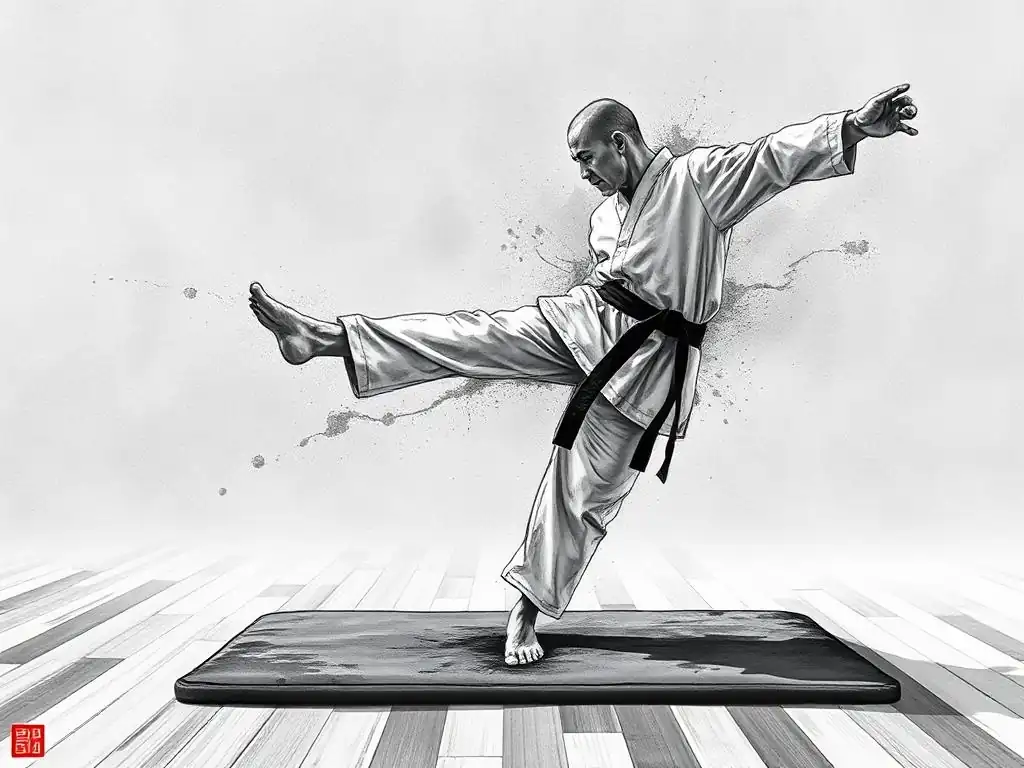
Creatine Monohydrate: The Gold Standard for Strength Gains
Creatine monohydrate is one of the most researched and effective supplements available for improving strength, power, and high-intensity performance. Its benefits are well-documented across numerous studies. For martial artists, this translates to enhanced explosive movements crucial for striking power, takedowns, rapid transitions, and powerful defensive actions. It is particularly effective for short bursts of maximal effort, which are frequent occurrences in sparring and competition.
Studies consistently show that creatine supplementation can lead to a 5-15% increase in maximal strength and power output. For example, research has demonstrated improvements in exercises like the squat and bench press, directly relevant to building the foundational strength used in martial arts. Beyond strength, it can improve performance in repeated sprint ability and high-intensity interval activities, mimicking the stop-and-go nature of martial arts exchanges. This makes it a prime candidate among supplements boost martial arts performance, especially for power-dependent styles.
How Creatine Works: Fueling Explosive Movements
Creatine works primarily by increasing the body's stores of phosphocreatine (PCr). PCr plays a critical role in the phosphagen system, which is the body's fastest energy system, used for very short, high-intensity activities (typically under 10 seconds). When you perform an explosive movement, ATP (adenosine triphosphate) is broken down for energy. PCr rapidly donates a phosphate group to ADP (adenosine diphosphate) to regenerate ATP.
By increasing PCr stores through supplementation, you enhance your body's ability to quickly regenerate ATP during intense bursts of activity. This means you can perform more repetitions at a given weight, generate more power in a single movement, and sustain high-intensity efforts for slightly longer before fatigue sets in. For a martial artist, this could mean more powerful strikes in a combination, greater explosiveness for a throw, or improved ability to scramble during a grappling exchange.
Dosage and Timing Recommendations for Martial Arts Training
The most common and effective method for creatine supplementation involves a loading phase followed by a maintenance phase. The loading phase typically consists of taking 5 grams of creatine monohydrate four times a day (total 20 grams/day) for 5-7 days. This quickly saturates muscle creatine stores. Following the loading phase, a maintenance dose of 3-5 grams per day is sufficient to keep stores elevated. Some individuals skip the loading phase and simply take 3-5 grams daily; this will also saturate stores, but it takes longer (around 3-4 weeks).
Timing is less critical than consistency, but taking creatine around your training time (either before or after) might offer slight advantages due to increased blood flow to muscles. Mixing it with a source of carbohydrates or protein can also enhance uptake. The key is daily intake to maintain muscle saturation. It's important to note that creatine can cause some water retention, leading to a slight increase in body weight, which is intramuscular water and not necessarily detrimental to performance in most martial arts.
The benefits of Creatine Monohydrate for grappling.
Creatine monohydrate offers specific, tangible benefits for grappling-focused martial arts like BJJ, Judo, and Wrestling. Grappling often involves intense, isometric holds, powerful hip movements for throws and sweeps, explosive scrambles for position, and bursts of strength to break grips or apply submissions. These are precisely the types of activities that rely heavily on the phosphagen energy system.
By increasing phosphocreatine stores, creatine allows grapplers to sustain high-intensity efforts for longer during rolls or matches. This can translate to more successful takedowns, greater ability to resist an opponent's force, more powerful guard passes or sweeps, and improved performance during intense scrambling exchanges. Anecdotal reports from grapplers often highlight increased strength during rolls and better recovery between explosive efforts, reinforcing its place among supplements boost martial arts performance for grapplers.
Beta-Alanine: Buffering Muscle Fatigue for Increased Power Output
Beta-alanine is a non-essential amino acid that has gained significant attention for its ability to enhance muscular endurance, particularly in high-intensity efforts lasting between 60 seconds and several minutes. This makes it highly relevant for martial arts disciplines that involve sustained bursts of high-intensity activity, such as continuous sparring rounds, intense drilling, or grappling exchanges that push past the initial phosphagen system capacity.
Research indicates that beta-alanine supplementation can improve performance by increasing the levels of carnosine in muscles. Carnosine acts as a buffer against lactic acid build-up, which is a primary cause of muscle fatigue during intense exercise. By buffering acid, beta-alanine helps maintain muscle pH, allowing muscles to contract more forcefully and for longer periods before fatigue forces a reduction in intensity. Studies show improvements in time to exhaustion and work capacity in the 60-240 second range, making it valuable for pushing through tough rounds.
Beta-Alanine's Impact on Lactic Acid Build-up
During high-intensity exercise, your muscles produce lactic acid as a byproduct of energy production. This lactic acid dissociates into lactate and hydrogen ions (H+). It's the accumulation of H+ ions that causes the muscle pH to drop, leading to acidosis. This acidic environment interferes with muscle contraction mechanisms, causing that familiar burning sensation and ultimately leading to fatigue and a decrease in power output.
Carnosine, which is synthesized in muscles from beta-alanine and histidine, is a powerful intramuscular buffer of these H+ ions. By having higher levels of carnosine due to beta-alanine supplementation, your muscles are better equipped to neutralize the acid produced during intense activity. This allows you to maintain a higher work rate for a longer duration before fatigue sets in. For a martial artist, this means potentially being able to maintain striking speed and power later in a round, or sustain pressure and resistance during a prolonged grappling exchange.
Optimizing Beta-Alanine Intake for Martial Arts Sparring and Drills
Unlike creatine, beta-alanine does not require a loading phase in the same rapid manner, but consistent daily intake is necessary to build up muscle carnosine levels. The effective dosage is typically 3.2 to 6.4 grams per day. It's recommended to take beta-alanine in split doses throughout the day (e.g., 800 mg to 1.6 grams taken 2-4 times per day) to minimize a common side effect known as paresthesia, a harmless tingling sensation in the skin.
It takes about 2-4 weeks of consistent supplementation to see significant increases in muscle carnosine levels and experience performance benefits. Therefore, it's not a supplement to take just before training; it requires daily commitment. The benefits are dose-dependent, with higher daily doses leading to greater carnosine increases, though the tingling sensation also becomes more pronounced. Focusing on consistent daily intake ensures that muscle carnosine is optimally saturated to buffer fatigue during sparring and intense drills.
Beta-Alanine's role in striking power.
While beta-alanine doesn't directly increase the maximal force of a single strike (that's more related to strength and technique), it plays a crucial role in maintaining striking power and speed over multiple repetitions and throughout a round. Think about throwing a combination of punches and kicks: the ability to maintain speed and snap on the later strikes in the combination, or to keep throwing powerful shots in the final minute of a round, is where beta-alanine's buffering capacity shines.
By delaying the onset of fatigue caused by lactic acid build-up, beta-alanine allows the muscles involved in striking (shoulders, arms, core, hips, legs) to continue performing at a higher intensity for longer. This means you can throw more powerful combinations, sustain a higher volume of strikes, and avoid the significant drop in striking effectiveness that occurs when fatigue sets in. This makes it a valuable tool among supplements boost martial arts performance for strikers.
HMB (Hydroxymethylbutyrate): Preserving Muscle Mass During Intense Training
HMB, a metabolite of the amino acid leucine, is often discussed for its potential role in preventing muscle protein breakdown (catabolism) and supporting muscle recovery, particularly during periods of intense training or calorie restriction. While research is somewhat mixed compared to creatine or beta-alanine, several studies suggest HMB can help preserve lean muscle mass, improve recovery, and potentially enhance strength gains, especially in untrained individuals or during periods of high training stress.
For martial artists undergoing rigorous training camps, cutting weight, or simply pushing their bodies to the limit, HMB's anti-catabolic properties could be beneficial. By potentially reducing muscle damage and breakdown, it may allow for faster recovery between sessions and help maintain strength and power even when training volume is very high. Some studies suggest it can reduce markers of muscle damage like creatine kinase.
HMB's Anti-Catabolic Effects on Martial Artists
The primary proposed mechanism of HMB is its ability to inhibit pathways that lead to muscle protein breakdown. During intense physical stress, the body can enter a catabolic state where muscle tissue is broken down, especially if nutritional intake isn't perfectly matched to energy expenditure. By potentially blunting this breakdown, HMB helps maintain a more favorable balance between muscle protein synthesis (building) and muscle protein degradation (breaking down).
For a martial artist, preserving muscle mass is key to maintaining strength, power, and metabolic rate. Losing muscle during intense training or weight cuts can significantly impair performance. While HMB's effects are more pronounced in individuals new to training or facing extreme stress, some evidence suggests it can support muscle preservation and recovery in trained athletes as well, contributing to the suite of supplements boost martial arts performance by protecting hard-earned muscle tissue.
Combining HMB with Creatine for Synergistic Strength Benefits
Some research has explored combining HMB and creatine monohydrate, hypothesizing that their different mechanisms of action could offer synergistic benefits for strength and body composition. Creatine enhances energy availability for high-intensity work, directly boosting performance, while HMB is proposed to help preserve muscle tissue and improve recovery, potentially allowing for more consistent high-intensity training.
While not all studies show a significant synergy beyond the effects of creatine alone, some research suggests that the combination might lead to greater gains in lean mass and strength, particularly in specific populations or under conditions of high training stress. A typical daily dosage for HMB is 3 grams, often split into three 1-gram doses throughout the day.
For martial artists looking to maximize strength and recovery during intense periods, combining the proven benefits of creatine with the potential anti-catabolic effects of HMB is an approach explored by some athletes and supported by some, though not all, scientific literature.
HMB's contribution to lean muscle mass.
Maintaining or increasing lean muscle mass is important for martial artists as it contributes to strength, power, and a healthy metabolism. While HMB is primarily known for its anti-catabolic (muscle-preserving) effects, by potentially reducing muscle breakdown, it can indirectly contribute to a net gain or better maintenance of lean mass over time, especially when combined with resistance training and adequate protein intake.
Several studies, particularly those involving resistance training, have observed greater increases in lean body mass in groups supplementing with HMB compared to placebo. For a martial artist, this could mean maintaining more functional muscle mass during intense training cycles or weight management phases, which is crucial for performance. While not a primary muscle builder like adequate protein and training stimulus, HMB's role in preserving muscle tissue makes it a consideration for athletes aiming to optimize their body composition and ensure supplements boost martial arts performance by protecting their strength base.
Supplements Proven to Enhance Endurance for Martial Artists
Caffeine: A Powerful Stimulant for Focus and Stamina
Caffeine is one of the most widely used and effective performance-enhancing supplements, particularly for endurance activities and high-intensity efforts. It acts as a central nervous system stimulant, reducing the perception of effort, increasing alertness, and improving focus – all highly beneficial states for martial arts training and competition. Its effects on endurance performance are well-documented across a broad range of activities.
For martial artists, caffeine can help push through fatigue during long training sessions, maintain intensity during sparring, and improve reaction time and decision-making under duress. It's effective for both sustained endurance and repeated high-intensity efforts, making it versatile for the varied demands of different martial arts styles. Numerous studies demonstrate its capacity to improve time trial performance and increase the amount of work completed before exhaustion.
Caffeine's Effects on Central Nervous System and Energy Levels
Caffeine primarily exerts its effects by blocking adenosine, a neurotransmitter that promotes relaxation and fatigue. By blocking adenosine receptors, caffeine increases the activity of stimulating neurotransmitters like dopamine and norepinephrine. This leads to increased alertness, improved mood, reduced perception of fatigue, and enhanced focus and concentration.
Beyond its CNS effects, caffeine can also influence the release of adrenaline (epinephrine), which can increase heart rate, blood flow to muscles, and mobilize fat stores for energy. While its direct impact on fat metabolism during exercise is debated, the combined effects of reduced fatigue perception and increased adrenaline can significantly enhance performance during prolonged or intense physical activity. This makes it a potent agent among supplements boost martial arts performance by enhancing both physical and mental readiness.
Strategic Caffeine Usage for Pre-Competition and Training
The optimal timing for caffeine intake is typically 30-60 minutes before exercise, as this is when blood levels peak. Effective dosages for performance enhancement generally range from 3-6 mg per kilogram of body weight. For a 70kg martial artist, this would be between 210 mg and 420 mg. It's important to start with a lower dose to assess tolerance, as too much caffeine can lead to side effects like jitters, anxiety, increased heart rate, and gastrointestinal distress, which would be detrimental to martial arts performance.
It's often recommended to cycle caffeine use or use it strategically for key training sessions or competition, rather than daily, to maintain sensitivity to its effects. Regular daily use can lead to tolerance, diminishing the performance benefits. Using it strategically before sparring days, key conditioning workouts, or competition can provide a significant boost when it matters most. Sources can include coffee, tea, caffeine pills, or pre-workout supplements.
Using Caffeine to enhance alertness during long training sessions.
Long martial arts training sessions, especially those involving extensive drilling, technique refinement, or multiple rounds of sparring, can lead to mental and physical fatigue. This fatigue can impair focus, reaction time, and the ability to learn and execute complex movements correctly. Caffeine's ability to increase alertness and reduce the perception of effort makes it a valuable tool for combating this decline.
Taking a moderate dose of caffeine before a particularly long or demanding session can help a martial artist stay mentally sharp, maintain concentration on technique, react faster to cues, and push through physical discomfort. This enhanced alertness not only improves the quality of the training session but can also potentially reduce the risk of injury that can occur when technique falters due to fatigue. This cognitive boost is a significant way caffeine helps supplements boost martial arts performance beyond just physical stamina.
Beetroot Juice: Nitric Oxide Booster for Improved Blood Flow and Oxygen Delivery
Beetroot juice has emerged as a popular endurance supplement due to its high concentration of nitrates. Dietary nitrates are converted in the body into nitric oxide (NO), a molecule that plays a crucial role in vasodilation – the widening of blood vessels. Increased nitric oxide levels lead to improved blood flow, which means better delivery of oxygen and nutrients to working muscles and more efficient removal of waste products.
This enhanced blood flow and oxygen utilization can improve performance in both endurance and high-intensity intermittent exercise, both relevant to martial arts. Studies have shown that beetroot juice can reduce the oxygen cost of exercise, meaning you use less oxygen to perform the same amount of work. This can translate to improved time to exhaustion and enhanced efficiency, particularly during sustained efforts or repeated bursts of activity where aerobic recovery is important.
How Beetroot Juice Enhances Endurance Performance
The mechanism behind beetroot juice's endurance benefits centers on its nitrate content. Once consumed, nitrates are converted first into nitrite and then into nitric oxide (NO) in the body. Nitric oxide signals the smooth muscle cells in blood vessel walls to relax, causing vasodilation. This widening of the vessels increases blood flow to muscles, ensuring they receive more oxygen and fuel.
Furthermore, NO is thought to enhance the efficiency of mitochondria, the powerhouses of the cell, reducing the amount of oxygen needed to produce ATP. It may also improve the efficiency of calcium handling in muscles, contributing to better muscle contraction. These combined effects allow muscles to work more efficiently, delay fatigue, and improve performance, especially in activities requiring significant oxygen delivery and utilization, making it a relevant option among supplements boost martial arts performance for stamina.
Timing and Dosage for Optimal Beetroot Juice Consumption before training
To experience the performance-enhancing effects of beetroot juice, it needs to be consumed some time before exercise to allow for the conversion of nitrates to nitric oxide. The optimal timing is typically 2-3 hours before training or competition. The effective dose is usually around 6-8 mmol of nitrate, which corresponds to about 500 ml of standard beetroot juice or a concentrated "shot" product containing the equivalent nitrate amount.
Consuming this dosage daily for several days (e.g., 3-6 days) leading up to a competition or key training block may lead to even greater increases in muscle nitrate stores and potentially more pronounced benefits, though acute dosing 2-3 hours prior is generally effective. It's advisable to avoid using antibacterial mouthwash during the period you're supplementing with beetroot juice, as the conversion of nitrate to nitrite in the mouth by bacteria is a crucial step in the process.
Incorporating Beetroot Juice into a cutting diet for improved performance.
Martial artists often undergo periods of calorie restriction ("cutting") to make weight for competition. During these times, maintaining energy levels and performance can be challenging. Incorporating beetroot juice can be particularly beneficial in a cutting diet because it provides performance benefits without adding significant calories or stimulants (unlike caffeine, which might cause anxiety during stressful weight cuts).
The improved oxygen efficiency offered by beetroot juice can help maintain endurance and work capacity during training sessions, even when energy intake is reduced. This allows athletes to continue training effectively and burn calories necessary for weight loss, without sacrificing performance as much as they might otherwise. Its natural source also fits well into a focus on whole foods, making it a practical addition for those looking for supplements boost martial arts performance while managing weight.
Cordyceps: An Ancient Mushroom for Enhanced Oxygen Utilization
Cordyceps is a genus of fungi that has been used in traditional Chinese medicine for centuries, often valued for its purported ability to reduce fatigue and improve strength and endurance. Modern interest in Cordyceps, particularly the species Cordyceps sinensis and Cordyceps militaris, stems from research exploring these traditional claims and investigating its potential mechanisms for enhancing athletic performance, particularly related to oxygen utilization.
Preliminary research and some studies suggest that Cordyceps supplementation may improve aerobic capacity (VO2 max) and increase time to exhaustion, particularly in older adults or less trained individuals. While the evidence in highly trained athletes is less conclusive and more research is needed, its historical use and potential mechanisms related to oxygen delivery make it a supplement of interest for endurance-focused martial artists.
Cordyceps' Potential Benefits for Athletic Performance
The proposed mechanisms by which Cordyceps might enhance athletic performance include increasing ATP production, improving oxygen utilization, and potentially increasing blood flow. Some compounds found in Cordyceps, such as adenosine and cordycepin, are thought to play a role in energy metabolism and vasodilation, similar in effect to the nitrate-NO pathway.
By potentially improving the body's ability to use oxygen efficiently and produce energy, Cordyceps could theoretically enhance endurance capacity, allowing athletes to sustain higher intensities for longer periods or recover more effectively between efforts. While it may not provide the immediate or pronounced boost seen with caffeine or creatine, its potential long-term effects on aerobic capacity align with the needs of martial arts disciplines requiring sustained stamina.
Research on Cordyceps and its Impact on VO2 Max
Several studies have investigated the effect of Cordyceps supplementation on VO2 max, which is a measure of the maximum amount of oxygen an individual can utilize during intense exercise. Some studies have reported statistically significant increases in VO2 max and time to exhaustion in participants taking Cordyceps compared to placebo, particularly in studies involving older adults or individuals new to exercise.
However, studies involving highly trained athletes have yielded more mixed results, with some showing modest or no significant improvements in VO2 max or endurance performance. This suggests that the effects of Cordyceps may be more pronounced in individuals with lower baseline fitness levels or that the benefits for elite athletes are more subtle. Typical dosages used in research range from 1 to 3 grams per day of Cordyceps extract. More research is needed to clarify its consistent effects across different populations and training levels, especially within the specific context of martial arts.
Cordyceps' potential for boosting stamina in endurance-based martial arts.
For martial arts styles characterized by long, sustained rounds or continuous movement, such as cross-training for MMA, or long-duration sparring in disciplines like Boxing or Muay Thai, enhanced oxygen utilization could be beneficial. If Cordyceps does indeed improve aerobic capacity and efficiency, it could help athletes maintain a higher work rate throughout prolonged exchanges or recover more quickly between intense bursts.
While the evidence is not as strong as for creatine or caffeine, Cordyceps represents a natural option explored for its potential to gently support the aerobic system. For martial artists looking for supplements boost martial arts performance through improved stamina, especially those who might be sensitive to stimulants or seeking complementary approaches, Cordyceps is a supplement category worth monitoring as more research emerges.
Supplements for Recovery: Reducing Inflammation and Promoting Muscle Repair
Protein Powder (Whey, Casein, Soy): Essential for Muscle Protein Synthesis
Protein is the cornerstone of muscle repair and growth, and adequate protein intake is absolutely essential for martial artists to recover from training and adapt effectively. Training creates micro-tears in muscle fibers, and protein provides the necessary amino acids to repair this damage and build stronger tissue. While whole foods should be the primary source of protein, protein powders offer a convenient and efficient way to meet elevated protein needs, especially around training times.
Consuming sufficient protein is crucial for initiating muscle protein synthesis (MPS), the process by which muscles repair and grow. This process is elevated after resistance training and intense physical activity. Protein powders provide a concentrated source of amino acids, which are the building blocks needed for MPS. Without adequate protein, recovery is impaired, adaptation is blunted, and performance suffers.
Choosing the Right Protein Powder for Your Needs (Whey vs. Casein vs. Plant-Based)
Different types of protein powders offer varying absorption rates and amino acid profiles.
- Whey Protein: This is a rapidly digested protein, making it ideal for consumption immediately after training to quickly deliver amino acids to muscles and stimulate MPS. Whey isolate is a purer form with less fat and lactose than whey concentrate.
- Casein Protein: This is a slow-digesting protein, forming a gel in the stomach and releasing amino acids gradually over several hours. This makes it suitable for consumption before bed to provide a sustained release of amino acids throughout the night, supporting recovery during sleep.
- Plant-Based Proteins: Options like soy, pea, rice, and hemp protein are suitable for vegans, vegetarians, or those with dairy sensitivities. Soy protein is a complete protein, similar to whey and casein. Pea and rice protein are often combined to create a more complete amino acid profile. While absorption rates can vary, they effectively support MPS when consumed in adequate amounts.
The "best" protein depends on individual dietary needs, preferences, and timing goals, but all can contribute significantly to supplements boost martial arts performance by aiding recovery.
Protein Timing and Dosage for Optimal Recovery After Training
While the concept of an extremely narrow "anabolic window" immediately post-workout has been largely debunked, consuming protein within a few hours after training is beneficial. This helps kickstart the recovery process when muscles are primed for nutrient uptake. A common recommendation is to consume 20-40 grams of high-quality protein post-training, depending on body weight and the intensity of the session.
Total daily protein intake is more critical than precise timing around a single workout. Martial artists with high training volumes typically require more protein than sedentary individuals. General recommendations for athletes range from 1.6 to 2.2 grams of protein per kilogram of body weight per day. Spreading protein intake throughout the day across multiple meals and snacks, including post-training, ensures a consistent supply of amino acids for ongoing repair and synthesis.
Using Whey Protein for post-workout recovery.
Whey protein is a popular choice for post-workout recovery due to its rapid digestion and high leucine content, an amino acid particularly effective at stimulating muscle protein synthesis. After a demanding martial arts session – be it sparring, conditioning, or strength training – muscles are in a state ready for repair. Consuming 20-40 grams of whey protein within an hour or two provides the necessary building blocks quickly.
This rapid delivery helps initiate the muscle repair process, reduces muscle soreness, and replenishes amino acid stores used during exercise. Combining whey protein with carbohydrates post-workout can further enhance recovery by replenishing glycogen stores and creating a more anabolic environment. For martial artists focused on quick turnaround between sessions, whey protein is a highly effective supplement to accelerate recovery and ensure supplements boost martial arts performance by allowing them to train effectively the next day.
Omega-3 Fatty Acids: Reducing Inflammation and Supporting Joint Health
Omega-3 fatty acids, particularly EPA (eicosapentaenoic acid) and DHA (docosahexaenoic acid), are essential fats known for their potent anti-inflammatory properties. While not directly boosting strength or endurance during a single session, their role in reducing systemic inflammation and supporting joint health is crucial for long-term consistency and recovery in martial arts. Intense training inherently causes inflammation as part of the adaptation process, but excessive or chronic inflammation can impair recovery, increase pain, and contribute to overuse injuries.
Regular supplementation with omega-3s can help modulate the body's inflammatory response, potentially leading to reduced muscle soreness after training, improved joint mobility, and a lower risk of inflammatory conditions that can sideline an athlete. For martial artists who put significant stress on their joints through impacts, twisting, and grappling, supporting joint health is paramount for sustained training and performance.
The Anti-Inflammatory Benefits of Omega-3s
Omega-3 fatty acids, particularly EPA and DHA found in fatty fish and fish oil, are precursors to resolvins and protectins, compounds that actively resolve inflammation. They also compete with omega-6 fatty acids (common in Western diets) for enzymes, leading to the production of less inflammatory signaling molecules. By shifting the balance away from pro-inflammatory processes, omega-3s help regulate the body's response to stress and injury.
This anti-inflammatory effect is beneficial for martial artists by potentially reducing delayed onset muscle soreness (DOMS), accelerating the recovery of muscle function after strenuous exercise, and mitigating inflammation in joints and connective tissues that are heavily stressed during training. While not a painkiller, the systemic reduction in inflammation supports the body's natural healing processes, contributing to better overall recovery and resilience.
Dosage and Sources of Omega-3s for Martial Artists
To achieve therapeutic anti-inflammatory benefits, the recommended daily dosage of combined EPA and DHA typically ranges from 1 to 3 grams. This can be obtained through dietary sources or supplementation. Excellent dietary sources include fatty fish like salmon, mackerel, sardines, and anchovies, which should ideally be consumed several times per week.
For those who don't eat fish regularly, fish oil supplements are a convenient way to ensure adequate intake. When choosing a supplement, look for one that specifies the amounts of EPA and DHA per serving, as this is what matters, not just the total fish oil quantity. Algal oil is a suitable plant-based source of EPA and DHA for vegetarians and vegans. Consistent daily intake is key, as it takes time to build up tissue levels of these fatty acids.
Using Omega-3 to reduce joint pain.
Joint pain is a common complaint among martial artists due to the high impact, twisting movements, and repetitive stress placed on joints like knees, hips, ankles, shoulders, and wrists. While not a cure for structural joint damage, the anti-inflammatory properties of omega-3 fatty acids can help reduce inflammation within the joint, which is often a significant contributor to pain and stiffness.
By lowering inflammatory markers, omega-3s may alleviate some of the discomfort associated with training-induced joint stress and potentially slow the progression of inflammatory joint conditions. While more research is needed specifically on martial artists, the general evidence for omega-3s in reducing joint inflammation and improving symptoms in conditions like osteoarthritis and rheumatoid arthritis suggests a strong potential benefit for athletes experiencing joint discomfort from training volume, making them relevant supplements boost martial arts performance by improving comfort and mobility.
Turmeric/Curcumin: A Natural Anti-Inflammatory Agent
Turmeric is a spice widely used in Indian cuisine and traditional medicine, primarily known for its vibrant yellow color and its main active compound, curcumin. Curcumin is a polyphenol with powerful anti-inflammatory and antioxidant properties. Like omega-3s, curcumin doesn't directly enhance performance during exercise but supports recovery by helping to manage the inflammatory response and reduce oxidative stress induced by intense training.
Research suggests that curcumin supplementation can reduce markers of muscle damage and inflammation, potentially leading to less muscle soreness and faster recovery of muscle function after strenuous exercise. This makes it a natural option for martial artists looking to support their body's recovery processes and reduce the downtime caused by post-training discomfort.
Turmeric's Role in Reducing Muscle Soreness and Joint Pain
Curcumin's anti-inflammatory effects are mediated through multiple pathways, including inhibiting key enzymes and signaling molecules involved in the inflammatory cascade, such as COX-2 and NF-κB. By dampening these inflammatory signals, curcumin can help mitigate the inflammatory response that contributes to muscle soreness (DOMS) and joint pain after intense physical activity.
Several studies have shown that curcumin supplementation can reduce perceived muscle soreness and decrease levels of inflammatory markers like C-reactive protein (CRP) and muscle damage markers like creatine kinase (CK) following exercise. For a martial artist, this could mean less debilitating soreness after a tough sparring session or conditioning workout, allowing for quicker return to high-quality training. Its antioxidant properties also help combat oxidative stress, another factor contributing to fatigue and muscle damage.
Enhancing Turmeric Absorption with Piperine (Black Pepper Extract)
A significant challenge with curcumin is its poor bioavailability – it is not well absorbed into the bloodstream. To overcome this, curcumin supplements are often combined with piperine, the active compound found in black pepper. Piperine has been shown to significantly enhance the absorption of curcumin, by up to 2000%, by inhibiting metabolic enzymes in the liver and intestine that break down curcumin.
Therefore, when selecting a turmeric or curcumin supplement for performance or recovery benefits, it is highly recommended to choose a product that includes piperine (often listed as black pepper extract). This ensures that a sufficient amount of curcumin reaches the bloodstream and can exert its anti-inflammatory and antioxidant effects. Typical effective dosages of curcumin extract (standardized to contain a high percentage of curcuminoids) range from 500 mg to 1500 mg per day, usually taken with a small amount of fat to further aid absorption, and always with piperine for those looking for supplements boost martial arts performance recovery.
Using Turmeric/Curcumin for recovery from intense training.
Intense martial arts training puts significant stress on the body, leading to muscle damage, inflammation, and soreness. Using turmeric/curcumin as part of a recovery strategy can help manage these effects. By reducing inflammation and oxidative stress, curcumin may help alleviate muscle soreness, speed up the recovery of muscle function, and potentially reduce the risk of nagging inflammatory issues that can impede consistent training.
While it won't replace proper rest, nutrition, and hydration, curcumin can be a valuable adjunct. Taking a standardized curcumin supplement with piperine daily, or strategically after particularly demanding training blocks or competitions, can support the body's natural recovery processes. This allows martial artists to recover more effectively, enabling them to return to training sooner and at a higher intensity, thereby supporting long-term progress and ensuring supplements boost martial arts performance by optimizing the post-training window.
The Importance of Diet and Hydration: Supplements as Additions, Not Replacements

Building a Foundation of Proper Nutrition for Martial Arts Performance
It is crucial to reiterate that supplements are intended to supplement a solid foundation of proper nutrition, not replace it. No amount of pills or powders can compensate for a consistently poor diet lacking in essential macronutrients, micronutrients, and energy. A martial artist's diet should prioritize whole, unprocessed foods, including lean proteins, complex carbohydrates, healthy fats, and a wide variety of fruits and vegetables.
Adequate caloric intake is necessary to fuel training and recovery. Sufficient protein intake (as discussed earlier) is paramount for muscle repair. Carbohydrates are the primary fuel source for high-intensity activities and are essential for replenishing muscle glycogen stores. Healthy fats are important for hormone production and overall health. Building this nutritional base is the most impactful step a martial artist can take for performance; supplements boost martial arts performance only when layered upon this foundation.
Hydration Strategies for Optimal Performance and Recovery
Proper hydration is fundamental for all physiological processes, including energy production, muscle function, temperature regulation, and nutrient transport. Even slight dehydration (as little as 2% of body weight loss) can significantly impair performance, reducing strength, endurance, focus, and increasing the risk of heat-related illness and cramps. Martial arts training, often conducted in hot environments and involving significant sweating, makes athletes particularly susceptible to dehydration.
Effective hydration strategies involve drinking fluids consistently throughout the day, not just when thirsty. Monitoring urine color (aiming for pale yellow) is a simple indicator of hydration status. During training, consuming fluids regularly is essential, and for sessions lasting longer than an hour or involving heavy sweating, incorporating electrolytes (like sodium and potassium) can help maintain fluid balance and prevent hyponatremia. Proper hydration before, during, and after training is non-negotiable for peak performance and efficient recovery.
Supplement Stacking: Combining Supplements for Synergistic Effects
Combining supplements with different, yet complementary, mechanisms of action can potentially lead to synergistic effects, providing greater benefits than taking any single supplement alone. This practice, known as "stacking," is common in sports nutrition. However, it's important to stack supplements based on scientific evidence and understanding how they interact, rather than randomly combining products. The goal is to create a combination where supplements boost martial arts performance by addressing multiple physiological needs simultaneously.
For martial artists, logical stacks often combine supplements targeting strength/power, endurance, and recovery. Below are examples of evidence-based stacks that can be tailored to individual needs and training phases. It is always recommended to introduce one new supplement at a time to assess individual tolerance and effects before combining multiple.
Example Stack 1: Strength & Power (Creatine + Beta-Alanine)
This stack combines two of the most well-researched supplements for high-intensity performance.
- Creatine Monohydrate: Provides rapid ATP regeneration for explosive power and strength gains. Dosage: 3-5g daily (or 20g/day for 5-7 days loading).
- Beta-Alanine: Buffers lactic acid, delaying fatigue during high-intensity efforts lasting 1-4 minutes. Dosage: 3.2-6.4g daily, split into multiple doses.
Together, these supplements target different energy systems and fatigue mechanisms relevant to the bursts of power and sustained high-intensity exchanges common in martial arts. Creatine helps with the initial explosive push (e.g., a powerful single strike or takedown attempt), while beta-alanine helps maintain power and speed through longer combinations, scrambles, or the later stages of a round where lactic acid accumulates. This combination is highly effective for supplements boost martial arts performance focused on dynamic power and muscular endurance.
Example Stack 2: Endurance & Stamina (Beetroot Juice + Caffeine)
This stack combines a nitric oxide booster with a central nervous system stimulant to improve both physiological efficiency and mental resilience.
- Beetroot Juice (Nitrates): Improves blood flow and oxygen utilization, reducing the oxygen cost of exercise and enhancing efficiency. Dosage: 6-8 mmol nitrate (e.g., 500ml juice or concentrated shot) 2-3 hours pre-exercise.
- Caffeine: Reduces perception of effort, increases alertness, and improves focus and time to exhaustion. Dosage: 3-6 mg/kg body weight 30-60 minutes pre-exercise (use strategically).
This combination is particularly useful for martial arts disciplines requiring sustained cardiovascular and muscular endurance, or for long training sessions. Beetroot juice enhances the body's ability to deliver oxygen and perform efficiently, while caffeine provides a mental and physical boost to push harder and longer, making it a potent stack when seeking supplements boost martial arts performance by improving stamina.
Example Stack 3: Recovery & Joint Health (Protein + Omega-3 + Turmeric)
This stack focuses on supporting the body's ability to recover from training stress and maintain joint health.
- Protein Powder (Whey/Casein/Plant): Provides amino acids essential for muscle repair and synthesis. Dosage: 20-40g post-workout, and ensure 1.6-2.2 g/kg daily total.
- Omega-3 Fatty Acids (EPA+DHA): Reduces systemic inflammation and supports joint health. Dosage: 1-3 grams combined EPA+DHA daily.
- Turmeric/Curcumin (with Piperine): Provides powerful anti-inflammatory and antioxidant support, reducing muscle soreness. Dosage: 500-1500 mg curcuminoids with piperine daily.
This stack addresses the critical need for recovery in martial arts. Protein provides the building blocks, while Omega-3s and Turmeric work to manage the inflammatory response and oxidative stress caused by training, reducing soreness and supporting the health of stressed joints. This stack helps ensure that supplements boost martial arts performance not just during training, but by enabling consistent, high-quality sessions through optimal recovery.
Conclusion: Making Informed Choices for Martial Arts Supplementation
Consult with a Healthcare Professional or Registered Dietitian
Before incorporating any new supplement into your regimen, especially if you have pre-existing health conditions, are taking medications, or have specific dietary restrictions, it is highly advisable to consult with a healthcare professional or a registered dietitian specializing in sports nutrition. They can provide personalized advice based on your individual health status, training goals, and dietary habits.
A qualified professional can help you assess whether a supplement is appropriate for you, determine the correct dosage, identify potential interactions with medications, and ensure that supplementation complements rather than compromises your overall health and nutritional strategy. Their expertise is invaluable in navigating the complex world of supplements and making choices that are both safe and effective for your martial arts journey.
Prioritize Quality and Reputable Brands
The supplement industry is not as tightly regulated as the pharmaceutical industry, meaning product quality and purity can vary significantly between brands. To ensure you are getting what the label claims and that the product is free from contaminants or banned substances (which is crucial for competing athletes), it is essential to prioritize quality and choose reputable brands.
Look for supplements that undergo third-party testing by organizations like NSF Certified for Sport, Informed-Sport, or USP. These certifications indicate that the product has been tested for label accuracy, contaminants, and banned substances. Purchasing from well-established companies with transparent sourcing and manufacturing practices further increases the likelihood of obtaining a high-quality, safe, and effective product that will genuinely help supplements boost martial arts performance.
Remember: Supplements are Tools, Not Magic Bullets for supplements to boost martial arts performance.
Ultimately, it is important to maintain a realistic perspective on what supplements can achieve. They are tools that can provide marginal gains and support physiological processes when used correctly as part of a comprehensive approach. They are not substitutes for consistent, intelligent training, proper nutrition, adequate sleep, and effective recovery strategies.
The foundational elements of martial arts mastery – disciplined practice, skill acquisition, physical conditioning, and mental fortitude – are built through hard work and dedication. Supplements can help optimize the body's response to this work, potentially allowing you to train harder, recover faster, and perform slightly better. By focusing on evidence-based choices, prioritizing quality, and integrating supplements strategically within a holistic approach to health and training, you can leverage their potential to genuinely help supplements boost martial arts performance and support your journey towards becoming a more capable martial artist.
Frequently Asked Questions
How can supplements really help my martial arts training?
Supplements can potentially enhance performance by addressing nutrient deficiencies and supporting muscle recovery. However, they are most effective when combined with a balanced diet and rigorous training.
Are there specific supplements proven to increase strength for martial artists?
Creatine is well-researched for its ability to improve power output and muscle strength, making it beneficial for striking and grappling. Protein supplements can also aid in muscle repair and growth.
What supplements are best for improving endurance during long training sessions?
Electrolyte supplements are crucial for maintaining hydration and preventing muscle cramps. Beta-alanine can help buffer lactic acid, potentially delaying muscle fatigue during intense training.
Can supplements replace proper nutrition and training in martial arts?
Absolutely not. Supplements are intended to complement a healthy diet and dedicated training regimen, not replace them. They are only effective when used responsibly and in conjunction with a well-rounded approach.
What are the potential risks of taking supplements without proper guidance?
Taking supplements without research or professional advice can lead to adverse side effects, interactions with medications, and potentially harmful health consequences. Always consult a doctor or registered dietitian.
Final Reflection: Empowering Performance Through Informed Choices
The journey through the world of supplements, as it relates to martial arts performance, reveals a crucial truth: informed choices are paramount. We've explored the evidence-based options, separating fact from fiction, and highlighting the supplements that genuinely contribute to strength and endurance. This knowledge is not just academic; it's directly applicable to the training regimens and competitive success of martial artists today.
This exploration has underscored the importance of critical thinking in a landscape often dominated by marketing hype. Understanding the science behind supplementation allows martial artists to optimize their training and recovery, leading to tangible improvements in performance. The best fighter is never angry,
said Bruce Lee. Similarly, the best-supplemented athlete is never blindly trusting. They are informed, strategic, and focused on evidence.
Now, armed with this knowledge, I encourage you to reflect on your own training and nutritional strategies. Are you relying on unsubstantiated claims, or are you making informed decisions based on scientific evidence? Consider the supplements discussed, consult with a qualified professional, and tailor your approach to your specific needs and goals. Embrace the power of informed choice, and unlock your full potential in the martial arts.
Ignite Your Inner Warrior: Start Now!
Thanks for exploring the world of supplements with us and discovering which ones can truly amplify your martial arts performance! Now that you're armed with this knowledge, it's time to take action and unlock your full potential.
Here's how you can begin:
- Integrate Creatine into your daily routine and experience the enhanced power and endurance benefits first-hand – start with the recommended dosage and monitor your progress!
- Share this article with your training partners! Discuss your findings and see how you can support each other in achieving peak performance.
- Challenge yourself to try a new recovery technique (like foam rolling or active recovery) after your next intense training session to optimize muscle repair and reduce soreness.
Ready to revolutionize your training and achieve unprecedented gains in your martial arts journey? Let us know what supplements you are going to try first in the comments below!