
Bar Fight Survival Manual: Deescalation, Defense, and Escape in Volatile, Crowded Venues


Welcome to Martial Arts Mastery, where we delve into the world of combat arts. Are you prepared to navigate the chaotic reality of a bar fight? In this article, we unlock the secrets to Deescalation Bar Fight Survival, providing not just fighting techniques, but crucial strategies for avoidance, defense, and escape. Discover how to transform potential danger into a controlled situation and safeguard yourself when tensions flare. This is more than just fighting; it's about survival. Intrigued? Read on to learn how to navigate the unpredictable landscape of close-quarters combat.
- Introduction: Navigating the Perils of Bar Fights
- Part 1: Deescalation Strategies for Bar Fights
- Part 2: Practical Self-Defense Techniques for Bar Fights
- Part 3: Escape and Evasion Tactics in Crowded Bars
- Conclusion: Mastering Deescalation and Self-Defense for Bar Fight Survival
-
Frequently Asked Questions
- What is the primary focus of the "Bar Fight Survival Manual" according to MartialArtsMastery.org?
- Why is de-escalation considered the first line of defense in a bar fight scenario?
- Does the manual only cover physical fighting techniques?
- How does the manual address the unique challenges of fighting in a crowded bar environment?
- What makes MartialArtsMastery.org's approach to bar fight survival different from other sources?
- Final Reflection: Navigating the Storm Within
- Master the Art of Calm: Defuse, Defend, and Depart!
The Reality of Bar Fights: Understanding the Risks
Bar environments, by their nature, can become volatile spaces where conflicts may arise unexpectedly. The combination of alcohol, close quarters, loud noise, and varying temperaments can quickly escalate minor disagreements into physical altercations. Unlike controlled sparring environments, bar fights are chaotic, unpredictable, and often involve multiple participants or individuals who may be intoxicated or armed with improvised weapons like bottles or glasses.
The potential for serious injury, including concussions, broken bones, lacerations, and even more severe trauma, is significantly higher than in many other self-defense scenarios due to the hard surfaces, furniture, and objects present. Reports from law enforcement and emergency rooms often indicate a notable percentage of weekend assaults are linked to incidents occurring within or immediately outside licensed establishments.
Furthermore, bar fights rarely adhere to any code of conduct. Attacks are often sudden, sucker punches are common, and there is little regard for fair play. An attacker might be significantly larger, heavily intoxicated, or act with extreme aggression fueled by alcohol or other factors.
The presence of friends or associates of the involved parties can quickly turn a one-on-one confrontation into a group melee, drastically increasing the danger and complexity of the situation. Understanding these stark realities – the unpredictability, the potential for multiple threats, the presence of weapons, and the high risk of injury – is the critical first step in approaching bar fight survival from a practical standpoint.
Why Deescalation and Self-Defense Skills are Crucial in Bar Environments
In the high-stress, unpredictable environment of a bar, relying solely on physical combat skills is often insufficient and potentially dangerous. The primary goal in a bar fight survival scenario should always be avoidance and escape, making de-escalation techniques paramount. Successfully diffusing a tense situation before it turns physical eliminates the risk of injury entirely, both to oneself and others, and avoids potential legal ramifications. Mastering de-escalation bar fight survival strategies is not about winning a fight, but about preventing it from happening in the first place.
However, when de-escalation fails or is not possible due to a sudden, unprovoked attack, practical self-defense skills become absolutely crucial. These skills must be adaptable to confined spaces, poor lighting, and potentially slippery floors. They should focus on creating opportunities to escape rather than engaging in prolonged combat. Knowing how to protect vital areas, break grips, create distance, and move effectively through a crowd are vital components of a bar fight survival toolkit. A combination of effective de-escalation and practical, escape-oriented self-defense techniques provides the most robust approach to navigating the dangers present in volatile, crowded venues like bars.
Part 1: Deescalation Strategies for Bar Fights

Preemptive Measures: Recognizing and Avoiding Potential Conflicts
The most effective method for deescalation bar fight survival is to avoid the situation entirely. This begins with heightened awareness from the moment you enter a bar. Scan the environment: notice the crowd density, identify potential exits, and observe the general mood of the patrons.
Look for individuals who appear overly intoxicated, agitated, or who are already involved in heated discussions. Pay attention to body language – clenched fists, aggressive postures, or individuals invading others' personal space can be early warning signs of brewing trouble. Position yourself strategically, perhaps with your back to a wall or in a location that offers a clear path to an exit, rather than being trapped in the middle of a dense crowd or near known points of conflict like busy doorways or restrooms.
Managing your own behavior is equally important. Avoid excessive alcohol consumption, which impairs judgment and reaction time, making you both a potential target and less capable of responding effectively. Be mindful of your interactions with others; avoid overly loud conversations, aggressive jokes, or behavior that could be misinterpreted as challenging or disrespectful.
If you accidentally bump into someone or spill a drink, offer a sincere and immediate apology, even if you don't believe it was entirely your fault. A quick, humble apology can often defuse a minor annoyance before it has a chance to fester into a confrontation. By being proactive in observing the environment and managing your own presence, you significantly reduce the likelihood of becoming involved in a conflict.
Verbal De-escalation Techniques: Diffusing Tension Before It Escalates
Using Calming Language and Body Language
When faced with a potentially aggressive individual, your initial verbal and non-verbal response is critical for de-escalation bar fight survival. Maintain a calm, non-confrontational posture; avoid crossing your arms or putting your hands on your hips, which can appear defensive or challenging. Keep your hands visible, perhaps slightly open, to show you are not holding a weapon and have no intention of attacking. Speak in a low, even tone of voice, avoiding yelling or mirroring the aggressor's volume. Use conciliatory language such as "Hey, I understand you're upset," or "Let's just take it easy." Phrases that accept some level of responsibility, even if you don't feel you are in the wrong – like "My apologies if I bothered you" – can sometimes disarm an aggressor by removing their justification for anger. The goal is to lower the emotional temperature of the interaction, not to prove who is right or wrong.
Active listening is also a powerful tool. Allow the person to express their grievance, even if it seems nonsensical, without interrupting. Nodding slightly and using phrases like "Okay," or "I hear you" can make the person feel heard and respected, potentially reducing their need to escalate. Avoid challenging their statements or arguing points of fact.
The focus is on diffusing the immediate threat, not resolving the underlying issue. Your body language should remain open and non-threatening, perhaps even taking a slight step back if possible to create a little space, but avoid turning your back completely, which could make you vulnerable. Maintaining a calm demeanor under pressure is a skill that requires practice, but it is fundamental to effective de-escalation in any tense situation.
Understanding the Psychology of Aggression in Bar Fights
Aggression in bar environments is often fueled by a complex mix of factors, including alcohol intoxication, underlying stress, ego, and the perceived need to assert dominance, especially in front of peers. Alcohol lowers inhibitions and impairs judgment, making individuals more prone to misinterpreting social cues and reacting impulsively. A minor slight, like an accidental bump or a perceived disrespectful glance, can be blown out of proportion.
Understanding that the aggressor's behavior may not be a rational response to your actions, but rather a manifestation of their internal state or external influences, can help you avoid taking their behavior personally and reacting defensively or aggressively in return. This perspective allows you to approach the situation with a more strategic mindset focused on de-escalation bar fight survival.
Moreover, individuals acting aggressively in a bar might be seeking a reaction or trying to provoke a fight to prove their toughness. Engaging with their aggression directly, by yelling back, issuing threats, or adopting an aggressive posture, often gives them the response they are looking for and validates their behavior, making escalation more likely.
Conversely, responding with calmness, humility, and a clear lack of desire to fight can sometimes frustrate the aggressor's expectations and remove the fuel for their anger. Recognizing signs of a person who is past the point of verbal de-escalation – such as extreme intoxication, fixation on violence, or a complete lack of responsiveness to calming attempts – is also crucial, as it indicates that shifting to an escape strategy may be necessary.
When to Walk Away: Recognizing Unwinnable Situations and Exit Strategies
Despite your best efforts at de-escalation, some situations cannot be talked down. Recognizing when verbal strategies are failing is a critical component of deescalation bar fight survival. Signs that de-escalation is unlikely to work include the aggressor ignoring your attempts to calm them, increasing physical signs of aggression (like getting into a fighting stance, throwing objects, or attempting to strike), the involvement of multiple hostile individuals, or the appearance of weapons.
At this point, your priority must shift from de-escalation to escape. Lingering to continue talking or to "stand your ground" against overwhelming odds or determined violence is counterproductive and significantly increases your risk of serious injury.
Having a pre-planned or quickly identified exit strategy is essential. As mentioned earlier, scanning for exits upon arrival is a good preemptive measure. When a situation escalates beyond de-escalation, move decisively towards the nearest safe exit. This might involve pushing past people, moving quickly through narrow spaces, or even climbing over obstacles if necessary, depending on the layout of the bar.
If the aggressor attempts to block your path or grab you, your physical response should be focused on breaking contact and continuing your movement towards safety, rather than engaging in a fight. The objective is not to defeat the attacker, but to remove yourself from the immediate threat as quickly and safely as possible. This requires a clear mindset shift from trying to resolve the conflict to prioritizing your physical safety through evasion.
Part 2: Practical Self-Defense Techniques for Bar Fights
Situational Awareness: Scanning Your Surroundings for Potential Threats
Maintaining high levels of situational awareness is a foundational principle for any self-defense scenario, and it is particularly vital in the dynamic and unpredictable environment of a bar. This goes beyond simply identifying exits; it involves continuously scanning the room, even while you are engaged in conversation or other activities. Pay attention to who is entering and leaving, notice groups of people who seem agitated or overly boisterous, and be aware of the locations of potential hazards like broken glass, slippery floors, or furniture that could impede movement.
Your peripheral vision should be active, allowing you to catch subtle shifts in the environment or the behavior of those around you. This constant scanning helps you identify potential threats before they materialize, giving you precious seconds to react or reposition yourself.
Furthermore, situational awareness includes being mindful of your own vulnerability. Are you cornered? Is your back to a busy walkway where someone could bump into you and spark an incident?
Are you holding objects that could be used against you or hinder your movement? Being aware of your position relative to others, potential threats, and escape routes allows you to make informed decisions about where to stand, who to interact with, and when to leave. Developing this habit of continuous observation can significantly improve your ability to anticipate trouble and enhance your overall deescalation bar fight survival capability by allowing you to avoid dangerous zones altogether.
Basic Striking and Blocking Techniques for Close Quarters Combat
Effective Punches and Elbow Strikes in Confined Spaces
In the tight confines of a bar, large, looping punches like haymakers are often ineffective and leave you vulnerable. Instead, focus on compact, powerful strikes that require minimal wind-up. Straight punches, delivered with a tight fist and originating from the core, are efficient for targeting the nose, jaw, or temple if absolutely necessary for defense.
However, given the chaos and potential for head movement, strikes to the body – such as a sharp punch to the solar plexus or liver area – can also be effective in temporarily incapacitating an attacker or creating an opening for escape. Palm strikes, delivered with the heel of the hand to the nose or chin, are another excellent option; they are less likely to break your hand against a skull and can cause significant disorientation.
Elbow strikes are particularly devastating in close-quarters bar fights. They are short-range, powerful, and difficult to block effectively when an attacker is close. Upward elbow strikes to the chin, horizontal elbow strikes to the side of the head or temple, and downward elbow strikes to the collarbone or spine (if clinched from behind) can inflict significant damage and are often delivered from a defensive posture, such as protecting your head.
Practice generating power in these strikes from hip rotation rather than large arm movements. Remember, the goal of these strikes in a bar fight survival scenario is typically not to knock someone out, but to create enough pain or disorientation to break contact and facilitate your escape.
Defending Against Common Bar Fight Attacks: Haymakers, Bottle Attacks, and Shoves
Bar fights frequently involve wild, untrained attacks. The most common punch is often a wide, looping haymaker. Defending against this involves either slipping the punch by quickly moving your head off the line of attack while simultaneously stepping to the side, or blocking it with a raised forearm while tucking your chin and protecting your head.
A sturdy forearm block, absorbing the impact on the ulna bone, can significantly reduce the force reaching your head. Against a shove, maintain your base by widening your stance slightly and lowering your center of gravity. If shoved forcefully, try to control your fall to avoid hitting hard objects or the floor, which can be covered in broken glass or liquid.
Attacks involving improvised weapons like bottles or glasses are extremely dangerous. If someone swings a bottle, the defense is similar to a haymaker – evasion is preferable. Try to move inside the arc of the swing if possible, or block with a reinforced forearm (using your other hand to support the blocking arm) while simultaneously moving away.
If an attacker attempts to stab with a broken bottle, the threat is more direct and requires immediate, aggressive action focused on controlling the weapon-bearing limb and closing distance to prevent its effective use, or more realistically in a bar, creating distance instantly and escaping. Recognizing these common attack patterns allows you to have a rudimentary defensive plan ready, crucial for bar fight survival.
Grappling and Clinch Fighting for Bar Fight Survival
Controlling the Clinch: Maintaining Balance and Avoiding Takedowns
Bar fights often devolve into messy clinches as individuals grab onto each other in the confined space. If you find yourself clinched, the primary goals are to maintain your balance, prevent the attacker from taking you to the ground (where you are much more vulnerable), and control their posture to limit their ability to strike effectively. Use head control by pressing your forehead against theirs and cupping the back of their head or neck; this disrupts their balance and makes it harder for them to hit you forcefully.
Simultaneously, secure an underhook (your arm underneath theirs, gripping their back) or an overhook (your arm over theirs, gripping their shoulder or arm) to control their upper body. Avoid letting them get a double underhook or wrap their arms around your torso, as this gives them significant control and leverage for takedowns.
Maintain a wide, stable base with your feet to resist being pulled or pushed off balance. If the attacker tries to trip or sweep your leg, work to quickly re-establish your footing. Use short, sharp knee strikes to their thigh or groin if the opportunity arises within the clinch, but prioritize maintaining your posture and balance. The clinch in a bar setting is less about executing throws or complex grappling techniques and more about surviving the close-quarters entanglement while looking for an opportunity to break free and escape.
Using Grappling to Create Space and Escape
While grappling can be used offensively in martial arts, its application in bar fight survival is primarily defensive and focused on creating an opportunity to disengage and flee. Once you have established some level of control in the clinch – perhaps through head control or an underhook – look for moments where the attacker's balance is compromised or their grip loosens.
A strong shove from a dominant clinch position can create just enough separation for you to break contact and sprint towards an exit. You can also use footwork within the clinch, circling away from the attacker while maintaining your grip, to maneuver towards a clearer path.
Another technique is to actively "swim" your arms out of the clinch, using strong, outward motions to break their grip on you, combined with a simultaneous step back. If you are being held from behind, dropping your weight, bending your knees, and attempting to pull their arms apart or step on their foot can sometimes create enough disruption to loosen their hold.
The key is to use the principles of leverage and body mechanics learned in grappling to disrupt the attacker's control over you, creating the necessary space and opportunity to transition immediately into an escape maneuver. Grappling is a tool for disengagement, not prolonged fighting, in this context.
Improvised Weapons: Utilizing Your Environment for Self-Defense
Using Bottles, Bar Stools, and Ashtrays as Weapons
In a life-threatening bar fight scenario where de-escalation has failed and escape is blocked, you may be forced to use your environment for self-defense. Common objects found in bars can potentially be used as improvised weapons, but this should be considered a last resort due to the significant risk of causing serious injury or death, and the severe legal consequences that may follow.
A full beer bottle, held by the neck, can be swung like a club, targeting large muscle groups or, in dire circumstances, the head. An empty bottle or glass, if broken, presents a stabbing or slashing threat, though wielding it is dangerous and requires extreme caution.
Bar stools, especially sturdy wooden or metal ones, can be used defensively as a shield to create distance or offensively by pushing them into an attacker or swinging them at their legs or body to disrupt their balance and movement. Ashtrays, particularly older, heavy glass or ceramic ones, can be thrown or used as blunt striking objects, targeting the head or face to create disorientation and an opportunity to escape.
However, relying on improvised weapons is inherently risky; their effectiveness is unpredictable, they can be easily taken and used against you, and their use escalates the level of force dramatically.
Ethical Considerations When Using Improvised Weapons
The decision to use an improvised weapon in a bar fight carries significant ethical and legal weight. Using such items drastically increases the potential for severe injury or fatality, and the legal system will scrutinize whether the use of such force was absolutely necessary and proportionate to the threat faced.
Generally, the use of deadly force (which improvised weapons like broken glass or heavy stools swung at the head can constitute) is only legally justifiable when you are facing an imminent threat of death or serious bodily harm. Using an improvised weapon against a non-lethal threat, such as a simple shove or verbal aggression, would almost certainly be deemed excessive force.
Before resorting to an improvised weapon, you must honestly assess if there are absolutely no other options for de-escalation bar fight survival, including escape. Could you still run? Is there help nearby? Is the threat truly life-threatening? The ethical burden lies in ensuring that the force used is the minimum necessary to neutralize the immediate, severe threat and facilitate your escape to safety. Training in self-defense emphasizes avoidance and de-escalation precisely to prevent reaching a point where such desperate measures are considered necessary.
Part 3: Escape and Evasion Tactics in Crowded Bars
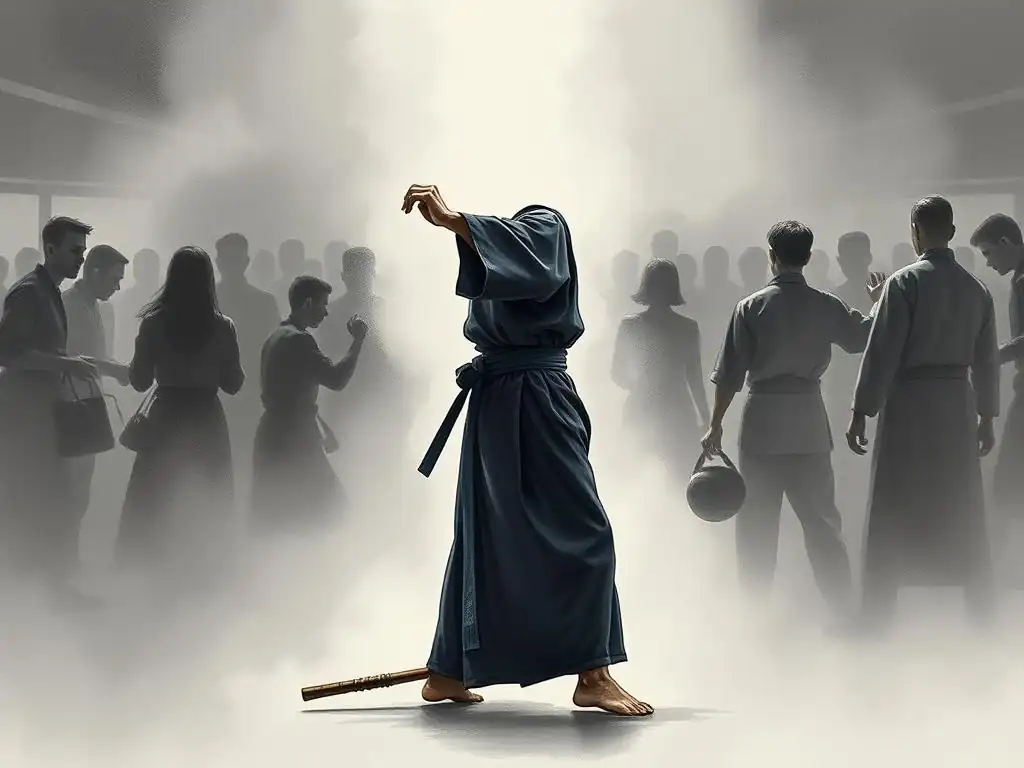
Creating Distance: Techniques for Breaking Free from an Attacker
Once physical contact has occurred, whether through a grab, a clinch, or after delivering a defensive strike, your primary goal is to create distance from the attacker to enable your escape. If an attacker has grabbed you, techniques for breaking grips are essential. For wrist grabs, use a strong, circular motion of your hand towards their thumb (the weakest point of the grip) while pulling your arm away forcefully. If they are grabbing your clothes, a sharp, explosive movement – pulling away suddenly while perhaps delivering a simultaneous defensive strike – can sometimes break their hold.
If clinched, as discussed earlier, use techniques to disrupt their balance or grip control, such as head control, knee strikes, or driving your weight down, followed immediately by an explosive push or pull to create separation. The moment you create even a foot or two of distance, turn and run towards your pre-identified escape route. Do not hesitate or look back. The critical factor is the immediate, decisive action to transition from engagement (even defensive) to full evasion the instant space is created.
Crowded bar environments present a unique challenge for escape: getting through the mass of people quickly and safely. Simply trying to push through a dense crowd is often slow and can draw unwanted attention or cause further conflict. Identify the path of least resistance. This might be along the edge of the room, behind the bar, through a less crowded section like a hallway to restrooms, or towards a side exit rather than the main entrance. Look for gaps between groups of people or narrow passages.
When moving through the crowd, keep your hands up near your chest or face in a defensive posture to protect yourself from accidental bumps or shoves, and to keep your balance. Use your forearms and shoulders to gently, but firmly, make your way through the crowd, tucking your chin to protect your head. Avoid making eye contact with people as you pass, and do not stop to apologize if you brush against someone – your priority is escape.
Move with purpose and speed, but try to maintain your balance to avoid falling, which could be disastrous in a chaotic environment. Practicing moving quickly and efficiently through simulated obstacles can help improve this skill.
Protecting Yourself While Escaping: Maintaining Awareness and Defense
Escaping a bar fight isn't just about running; it's about running safely while remaining aware of the threat. As you move towards your escape route, continue to use your peripheral vision to check if the attacker is pursuing you and to identify any new threats that might appear in your path. Listen for sounds of pursuit or shouting. Your hands should remain in a ready position, allowing you to quickly block or fend off any last-ditch attempts by the attacker to grab you or anyone else who might try to interfere with your escape.
If you anticipate having to move past the attacker's friends or through a group associated with them, be prepared for potential interference. A quick, forceful shove or a sharp elbow strike delivered while moving past can sometimes deter someone trying to block your path. The objective is still not to fight them, but to clear a path for your escape.
Maintain your defensive posture until you are well clear of the bar and any potential follow-up threats outside. Do not assume you are safe until you have reached a secure location, like a well-lit public street or a police station.
Post-Fight Protocol: What to Do After a Bar Fight
Seeking Medical Attention and Reporting the Incident
After successfully escaping a bar fight, your immediate priorities are your safety and well-being. Even if you feel uninjured, adrenaline can mask pain. Seek medical attention as soon as possible to be checked for injuries, especially head trauma, which may not be immediately apparent. Document any injuries sustained, as this will be important if you decide to report the incident or pursue legal action.
Reporting the incident to the police is crucial, especially if you were attacked without provocation or if significant force was used against you. Contact the local police department, provide a clear and concise account of what happened, including the de-escalation attempts you made and the steps you took to escape. Provide descriptions of the attacker(s) and any witnesses if possible. A police report is vital documentation if you need to pursue legal avenues or if the attacker has a history of similar behavior. Be honest and factual in your reporting.
Legal Considerations and Self-Defense Laws
Understanding the basics of self-defense law in your jurisdiction is important. Generally, self-defense laws permit the use of reasonable and proportionate force to defend yourself from an imminent threat of harm. The key terms are "reasonable" and "proportionate." This means the force you use should not exceed the force being used or threatened against you. For example, using deadly force against someone who is only verbally aggressive would likely not be considered legally justifiable self-defense.
In the context of a bar fight, you may need to demonstrate that you genuinely feared for your safety, that your actions were necessary to prevent harm, and that you did not provoke the attack or continue using force after the threat had ended. Your attempts at de-escalation and escape can serve as evidence that you did not want to fight and that your use of physical force was a last resort to ensure your deescalation bar fight survival.
Legal proceedings can be complex, and consulting with a lawyer familiar with self-defense laws is advisable if you are involved in an incident that results in significant injury or legal charges.
Conclusion: Mastering Deescalation and Self-Defense for Bar Fight Survival
The Importance of Continuous Training and Practice
Mastering the skills required for deescalation bar fight survival is not a one-time achievement but an ongoing process that requires continuous training and practice. Reading about techniques is a valuable first step, but true proficiency comes from physically drilling movements, practicing verbal de-escalation scenarios, and maintaining a state of heightened awareness in various environments. Regular training in a martial art or self-defense system that emphasizes practical, reality-based techniques applicable to chaotic, unpredictable situations is highly recommended. Look for programs that include scenario training and stress inoculation drills.
Practice also involves honing your observational skills and making situational awareness a habit. This means consciously scanning your surroundings not just in bars, but in any public place, identifying potential threats and planning escape routes. Rehearsing verbal de-escalation phrases and maintaining a calm demeanor under simulated pressure can also improve your ability to apply these skills effectively when they are needed most. The perishable nature of physical and mental skills necessitates consistent effort to remain prepared.
Resources for Further Learning in Self-Defense and Conflict Resolution
For those serious about enhancing their deescalation bar fight survival capabilities, numerous resources are available beyond this manual. Seek out reputable self-defense schools that teach practical, no-nonsense techniques applicable to real-world scenarios, rather than focusing solely on sport or traditional forms. Look for instructors with experience in reality-based self-defense or law enforcement.
Additionally, consider workshops or courses specifically focused on conflict resolution and verbal de-escalation. These programs often provide deeper insights into the psychology of aggression and offer structured methods for diffusing tension through communication. Books and online resources from recognized experts in self-defense, security, and conflict management can also supplement physical training. Remember, the most effective approach combines mental preparedness, de-escalation skills, and practical, escape-oriented physical techniques to maximize your chances of surviving a volatile encounter.
Frequently Asked Questions
What is the primary focus of the "Bar Fight Survival Manual" according to MartialArtsMastery.org?
The manual primarily focuses on de-escalation techniques, defensive strategies, and safe escape methods in the context of bar fights. It emphasizes avoiding physical confrontation whenever possible.
Why is de-escalation considered the first line of defense in a bar fight scenario?
De-escalation aims to prevent the fight from escalating in the first place. It involves using verbal and non-verbal communication to diffuse tension and avoid physical violence.
Does the manual only cover physical fighting techniques?
No, the manual covers more than just physical techniques. It prioritizes de-escalation strategies and escape tactics, viewing physical engagement as a last resort.
How does the manual address the unique challenges of fighting in a crowded bar environment?
The manual offers specific advice on navigating confined spaces, using the environment to your advantage, and creating distance for escape.
What makes MartialArtsMastery.org's approach to bar fight survival different from other sources?
MartialArtsMastery.org integrates martial arts principles with practical self-defense. It emphasizes a holistic approach that combines de-escalation skills with physical techniques, rooted in historical context and philosophical understanding.
The strategies outlined in this manual, focused on de-escalation bar fight survival, aren't just about avoiding physical altercations in crowded venues. They are about cultivating a mindset of awareness, control, and strategic thinking that extends far beyond the confines of a bar. The ability to assess risk, defuse tension, and prioritize safety is a skill applicable to countless situations in our daily lives, making the principles discussed here surprisingly relevant in a world increasingly prone to conflict.
This exploration of de-escalation and self-preservation underscores the importance of proactive conflict resolution in a society often quick to react. It reminds us that true strength lies not in brute force, but in the ability to navigate challenging situations with grace and intelligence. Peace is not merely the absence of war, but the presence of justice, of law, of order – in short, of government.
- Albert Einstein. This quote highlights the necessity of proactive measures to maintain peace, a principle that resonates deeply with the core message of this manual.
Now, consider how you can apply these principles of de-escalation and strategic thinking to your own life. Whether it's navigating a difficult conversation at work, resolving a disagreement with a loved one, or simply maintaining composure in a stressful situation, remember the power of awareness, the importance of communication, and the value of prioritizing your own safety and well-being. Embrace these lessons, and you'll find yourself better equipped to navigate the storms that life inevitably throws your way, emerging stronger and more resilient than before.
Master the Art of Calm: Defuse, Defend, and Depart!
Thank you for diving into the world of bar fight survival. You've gained valuable insights into de-escalation tactics, defensive maneuvers, and escape strategies. Now, it's time to translate knowledge into action.
Here are some steps you can take to further enhance your preparedness:
- Practice de-escalation techniques with friends or family. Role-playing scenarios can significantly improve your ability to remain calm and rational under pressure. This is your primary action.
- Reflect on your own behavioral patterns when under stress. Knowing your reactions can make a big difference.
- Share this guide with your friends, encouraging them to prioritize safety in social settings and potentially save a life.
What specific de-escalation tactic will you practice this week to become more confident in handling potentially volatile situations?