
Deescalation with an Edge: Can Improvised Tools Prevent Physical Conflict?

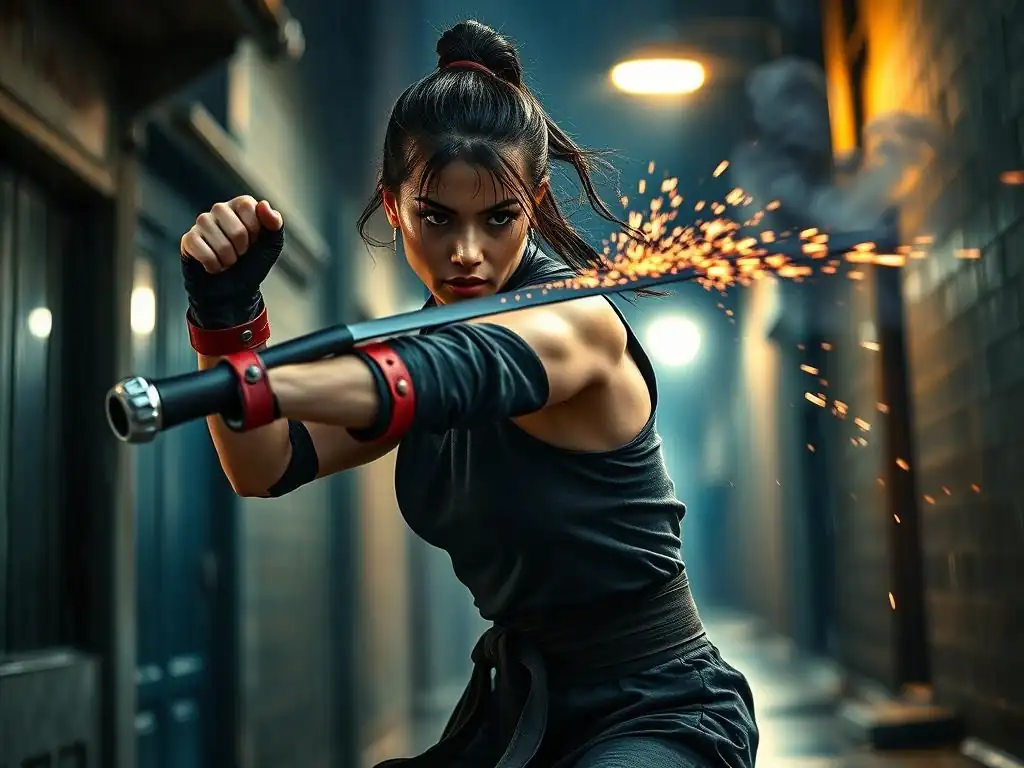
Welcome to Martial Arts Mastery, your gateway to unlocking the secrets of combat and self-improvement!
Delve into the fascinating world of martial arts, where discipline meets power. Are you prepared to face the unexpected? This week, we explore de-escalation tactics and the strategic use of improvised self defense tools. Discover how everyday objects can become invaluable assets in protecting yourself and others. But is it really possible to prevent violence with what's readily available? Read on to find out!
- Improvised Self Defense Tools: Balancing De-escalation and Preparedness
- When De-escalation Fails: The Need for Improvised Self-Defense
- Common Improvised Self-Defense Weapons for Conflict Prevention
- Improvised Self-Defense Tools: Training and Responsible Use
- The Psychology of Using Improvised Tools in Self-Defense
- From De-escalation to Action: A Step-by-Step Guide to Improvised Self-Defense
- The Role of Martial Arts Training in Improvised Self-Defense Scenarios
- Conclusion: Improvised Self Defense Tools - A Last Resort with Responsible Application
-
Frequently Asked Questions
- What are examples of improvised self-defense tools mentioned by MartialArtsMastery.org?
- How does MartialArtsMastery.org emphasize de-escalation before resorting to improvised tools?
- Does MartialArtsMastery.org provide training tips on using improvised self-defense tools effectively?
- Does MartialArtsMastery.org address the legal considerations of using improvised weapons for self-defense?
- How does the historical context of martial arts inform MartialArtsMastery.org's approach to improvised self-defense?
- Final Reflection: Empowering De-escalation Through Ingenuity
- Unlock Your Inner Peacekeeper: Defuse Conflict Now!
Improvised Self Defense Tools: Balancing De-escalation and Preparedness
The Paradox of Improvised Weapons and Conflict Resolution
The concept of using improvised self defense tools presents an interesting paradox within the realm of conflict resolution. On one hand, the very act of preparing or displaying a potential weapon, even an everyday object, can escalate a situation by signaling readiness for physical confrontation.
However, the presence of such a tool, when coupled with confident body language and verbal de-escalation techniques, can also serve as a significant deterrent, potentially preventing a physical attack before it begins. This dual nature means that the effectiveness of improvised self defense tools hinges heavily on the user's intent, training, and ability to read and manage the dynamics of a threatening encounter.
Furthermore, the psychological impact on both parties is crucial. For the person facing a potential threat, knowing they have a means of defense, even a makeshift one, can boost confidence and reduce the panic that often hinders effective de-escalation.
For the potential aggressor, observing that the target is not an easy victim and possesses the means to resist might cause them to reconsider their intentions. Research in criminology often highlights 'target hardening' as a deterrent factor; making oneself appear less vulnerable, even through subtle means like preparing improvised self defense tools, can shift an aggressor's risk assessment and encourage them to disengage or seek an easier target.
Understanding the Martial Arts Philosophy of Avoiding Confrontation
At the core of most traditional martial arts lies a profound philosophy centered on avoiding physical conflict whenever possible. Masters across disciplines from Aikido to Judo, and even striking arts like Karate and Tae Kwon Do, emphasize that the ultimate victory is one where the fight never occurs. This principle is not merely about fear, but about recognizing the high cost of physical violence – potential injury, legal repercussions, and psychological trauma – for all parties involved. Therefore, martial arts training typically includes significant focus on awareness, avoidance, and verbal de-escalation as primary lines of defense.
This philosophy directly informs the responsible use of improvised self defense tools. These are not intended as offensive weapons for initiating conflict, but rather as last-resort instruments to facilitate escape when all other means of de-escalation have failed.
A martial artist views an improvised weapon as an extension of their training – a tool to create distance, disrupt an attack, or provide a momentary advantage needed to flee to safety. They understand that deploying an improvised tool is a serious step, one taken only when faced with imminent physical harm, aligning with the martial arts principle of using force only as a necessary measure for self-preservation.
When De-escalation Fails: The Need for Improvised Self-Defense
Recognizing the Limits of Verbal De-escalation Techniques
While verbal de-escalation is a critical first line of defense, it is not a guaranteed solution in every threatening situation. Certain individuals or circumstances may render verbal strategies ineffective or even counterproductive. For instance, an aggressor who is under the influence of drugs or alcohol may not be rational or responsive to calm reasoning. Similarly, a predator focused solely on violence or robbery may have no interest in negotiation or backing down. In such cases, attempting prolonged verbal de-escalation might simply provide the aggressor with more time to close distance or initiate their attack, potentially increasing the danger.
Furthermore, the environment plays a significant role. De-escalation requires space and time; if cornered in a confined area like an alleyway or a crowded public transport vehicle with no clear escape route, verbal tactics alone may be insufficient to resolve the threat.
Data from law enforcement training indicates that while de-escalation is successful in a large percentage of encounters (some studies suggesting success rates upwards of 80-90% in specific contexts like domestic disputes or mental health crises), the remaining percentage represents situations where communication breaks down, physical force becomes necessary, and the ability to defend oneself is paramount. It is in these critical, non-responsive scenarios that having access to improvised self defense tools becomes a relevant consideration.
Situations Where Improvised Self Defense Tools Become Necessary
Improvised self defense tools become a necessary consideration in situations where an individual faces imminent threat of physical harm and cannot escape, and verbal de-escalation has failed or is clearly not viable. These scenarios often involve an aggressor who is physically larger, multiple attackers, or an assailant armed with a weapon. Consider a situation where someone is being followed late at night and the pursuer ignores commands to stop or attempts to block their path; an improvised tool could be used to create a momentary opening to run.
Another common scenario is an attempted robbery or assault in a confined space, such as a stairwell or parking garage. If the aggressor is determined and physically engaging, a person might need to use an everyday object – like a heavy book, a sturdy umbrella, or even a hot coffee cup – to disrupt the attack, buy time, or create a distraction necessary for escape.
These are not offensive measures, but reactive applications of improvised self defense tools aimed at mitigating immediate danger and facilitating withdrawal from the threat zone. The goal is survival, not engaging in a prolonged fight using makeshift items.
Common Improvised Self-Defense Weapons for Conflict Prevention
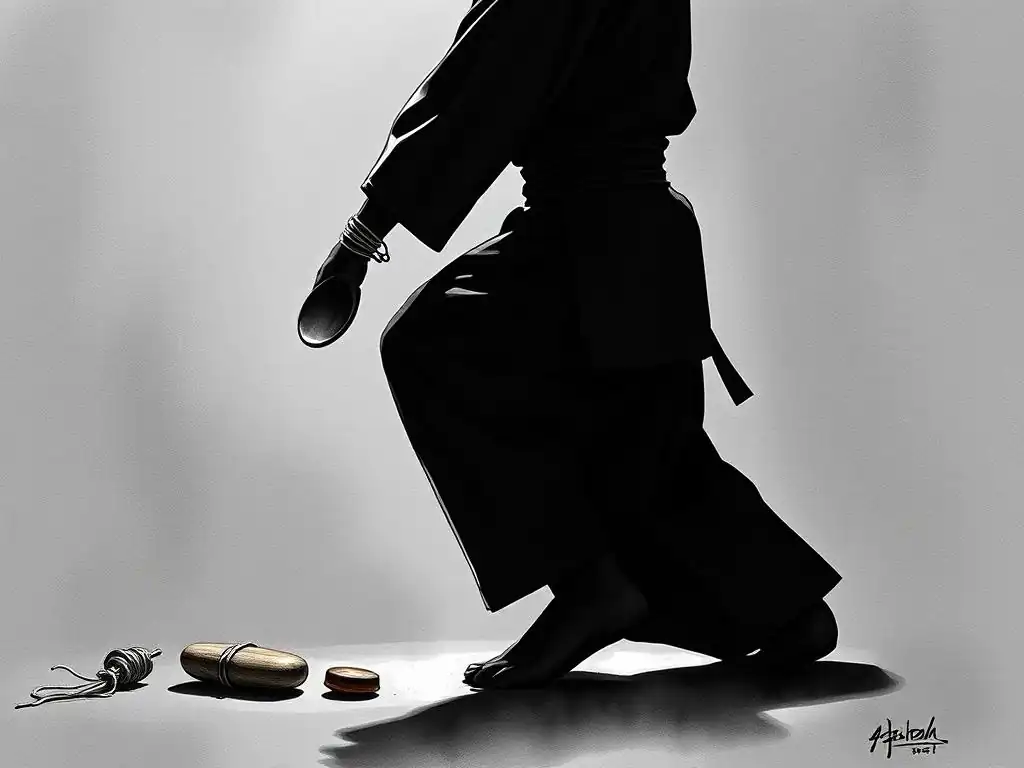
Using Everyday Objects as Deterrents
Many everyday objects can serve as effective deterrents simply by being held or displayed in a ready manner during a tense encounter. The key is that the object appears capable of causing pain or disruption if used defensively, and the user projects confidence and readiness.
Something as simple as holding a rolled-up newspaper like a baton, gripping a sturdy pen firmly, or positioning a heavy bag between oneself and a potential aggressor can subtly signal that you are aware and prepared to defend yourself. This can sometimes be enough to discourage an opportunistic attacker who is looking for an easy target.
The visibility and perceived potential of the object are important. A brightly colored umbrella held defensively, a set of keys gripped with the ends protruding through the fingers, or a water bottle held ready to splash can all serve this purpose. While not designed as weapons, their potential to cause annoyance, pain, or momentary distraction makes them useful as improvised self defense tools for prevention. This isn't about initiating violence, but about subtly communicating "I am not defenseless" during the de-escalation phase.
Examples of Improvised Tools for Creating Distance
Creating distance is a primary goal in self-defense, and several common items can be used as improvised self defense tools to achieve this. Objects that can be swung, extended, or thrown are particularly effective. A belt, for example, can be quickly unbuckled and swung to keep an attacker at bay or deliver a painful lash.
A long umbrella can be used like a cane or staff to poke or thrust, maintaining distance and disrupting an aggressor's balance or approach. Even a jacket or shirt can be used to create a barrier or be thrown over an attacker's head to disorient them momentarily, allowing you to escape.
Heavier objects like a briefcase, backpack, or purse can also be used as a shield or swung as a blunt instrument to strike limbs or the head, creating the necessary space to flee. The objective is not to defeat the attacker with these items, but to create a window of opportunity. For instance, a well-aimed strike with a heavy bag might stun an attacker for a second or two, which is often all the time needed to turn and sprint away from the danger. These improvised self defense tools are about facilitating escape, not engaging in combat.
Keys as an Improvised Weapon: A Practical Example
Keys are one of the most commonly cited improvised self defense tools, readily available to most people when walking outside, especially to and from vehicles or homes. While often depicted as being held between knuckles like claws, this grip can actually be ineffective and potentially injure the user's hand.
A more practical method is to hold the keyring firmly in your fist, with one or two keys protruding from the bottom, using them like a small, hard point to strike. Alternatively, hold the keys securely in your fist with one key protruding from the top, using it like a miniature ice pick for striking vulnerable points.
The real utility of keys as improvised self defense tools lies in their ability to inflict localized, sharp pain, particularly against soft targets like the eyes, throat, or groin. A sharp poke to the eye socket or a jab to the throat can cause immediate, debilitating pain, giving you crucial seconds to escape. Consider walking to your car in a dimly lit parking lot; having your keys ready in a defensive grip is a simple, non-threatening action that prepares you for a potential threat without overtly escalating the situation. It's a subtle but potentially effective layer of preparedness.
Using a Backpack for Defense and Evasion
A backpack is another highly versatile improvised self defense tool. When worn, it provides a layer of padding that can absorb or mitigate the force of strikes to the back and sides. A study on ballistic protection for backpacks, while focused on firearms, illustrates the principle that even soft materials can offer some level of protection, reducing the impact force by a measurable percentage depending on the material and thickness. While a standard backpack won't stop a knife or bullet, it can significantly lessen the impact of punches, kicks, or strikes from blunt objects.
Furthermore, a backpack can be taken off and used actively for defense. Swung by a strap, a heavy backpack can be a formidable, albeit awkward, blunt instrument capable of striking an attacker and creating distance. It can also be thrown at an aggressor's face or body as a distraction or barrier, buying time for escape.
Imagine being confronted in a narrow corridor; holding your backpack in front of you can act as a temporary shield, making it harder for an attacker to reach you and allowing you to maneuver or look for an exit. It's a multi-functional item that serves both as passive protection and an active improvised self defense tool.
The Tactical Pen: A Discreet Self-Defense Tool
The tactical pen is an interesting case as it blurs the line between an everyday object and a purpose-built improvised self defense tool. Designed to look like a robust pen, it is typically made from aircraft-grade aluminum or steel and features a pointed or blunt striking end, sometimes marketed as a 'glass breaker'. While it functions perfectly well as a writing instrument, its sturdy construction and pointed tip make it highly effective for delivering focused strikes to vulnerable points. Unlike a regular pen, which might break, a tactical pen is designed to withstand significant force.
As an improvised self defense tool, the tactical pen is particularly useful because it is discreet and often permissible in places where other self-defense items are not. It can be held naturally in the hand and used for jabbing or striking pressure points or soft tissue, similar to how a Kubotan (a small, stick-like self-defense tool used in martial arts) is employed.
A sharp jab to the collarbone, ribs, or thigh with a tactical pen can be extremely painful and disruptive, providing an excellent opportunity to escape. Its unassuming appearance makes it an ideal, readily available improvised self defense tool for those seeking discreet preparedness.
Improvised Self-Defense Tools: Training and Responsible Use
Practicing Safe Handling and Deployment of Improvised Weapons
Effective and safe use of improvised self defense tools requires practice, just like any other self-defense technique. Training should focus on handling the specific objects you are likely to have with you regularly – keys, pens, backpacks, umbrellas, etc. Practice gripping these items firmly and naturally, without drawing undue attention. Drills should involve simulating quick deployment from a pocket or bag and practicing strikes or movements against padded targets or focus mitts. For instance, practicing swinging a belt or backpack requires understanding the object's weight and trajectory to avoid hitting oneself or losing control.
Scenario-based training is invaluable. Practice moving and creating distance while holding an improvised tool, simulating encounters in confined spaces or open areas. Learn how to use the item to block, parry, or strike effectively while maintaining balance and preparing for escape. A crucial aspect of this training is understanding the limitations of each improvised self defense tool; a pen won't stop a determined rush, but it might create enough pain to break their focus for a second. Responsible training emphasizes using the tool to create an opportunity to flee, not to stand and fight.
Legal Considerations for Improvised Self-Defense
Using any force, including improvised self defense tools, for self-defense carries significant legal considerations. Laws vary widely by jurisdiction, but a common principle is that the force used must be reasonable and proportionate to the threat faced. This means that using a makeshift weapon is generally only legally justifiable when facing an imminent threat of serious bodily harm or death. Using an improvised tool in response to a minor shove or verbal insult would likely be deemed excessive force and could result in criminal charges against the defender.
Furthermore, the intent behind carrying or using an item can be scrutinized. While carrying a pen or backpack is normal, if it's modified specifically to be a weapon (e.g., adding sharpened points beyond its original design) or if you are perceived to be actively seeking confrontation while openly displaying it, legal consequences could arise.
It is crucial to understand the self-defense laws in your specific location and to remember that improvised self defense tools are intended for defense as a last resort when legally permissible under the circumstances of an immediate, severe threat. Consulting legal resources or self-defense experts knowledgeable in local law is advisable.
The Psychology of Using Improvised Tools in Self-Defense
Projecting Confidence and Deterrence
The psychological aspect is paramount when considering improvised self defense tools. Simply having a tool ready, even if hidden, can instill a sense of preparedness and confidence in the potential defender. This internal feeling often translates into outwardly confident body language – standing taller, making eye contact, and moving with purpose – which itself is a powerful deterrent. Aggressors often target individuals who appear vulnerable, distracted, or timid. Projecting an air of confidence, even if you feel fearful inside, can make you a less appealing target.
If an improvised tool is subtly displayed or prepared, it can act as a psychological deterrent to the potential attacker. Seeing someone grip their keys firmly, hold a bag defensively, or casually hold a sturdy pen can signal that this person is not passive and is aware of their surroundings. This subtle display, combined with confident posture and assertive verbal cues (like a firm "Leave me alone!"
or "Back away! "), can disrupt the aggressor's plan and make them question if the intended target is worth the potential trouble. The psychological impact of appearing capable of resistance is a key function of improvised self defense tools in preventing conflict.
The Importance of Awareness and Environmental Scanning
Effective self-defense, whether using improvised tools or not, begins with awareness. Maintaining a high level of situational awareness means actively observing your surroundings, noticing potential threats or hazards, and being mindful of who is around you and what they are doing. This involves scanning your environment regularly, paying attention to details like exits, potential obstacles, and the demeanor of people nearby. This practice is often referred to as 'environmental scanning' or being in a 'yellow' state of awareness (alert but relaxed, as per the Cooper Color Code).
By being aware, you can often spot potential threats early, giving you maximum time to react. This allows for the initial steps of avoidance or verbal de-escalation. If these fail, early detection means you have more time to access and prepare your improvised self defense tools and plan your escape route before an attack is fully launched. Awareness is the foundation; without it, you are less likely to recognize danger in time to utilize any defensive strategy, including the use of improvised self defense tools. Training your awareness is arguably more important than training with any specific tool.
From De-escalation to Action: A Step-by-Step Guide to Improvised Self-Defense
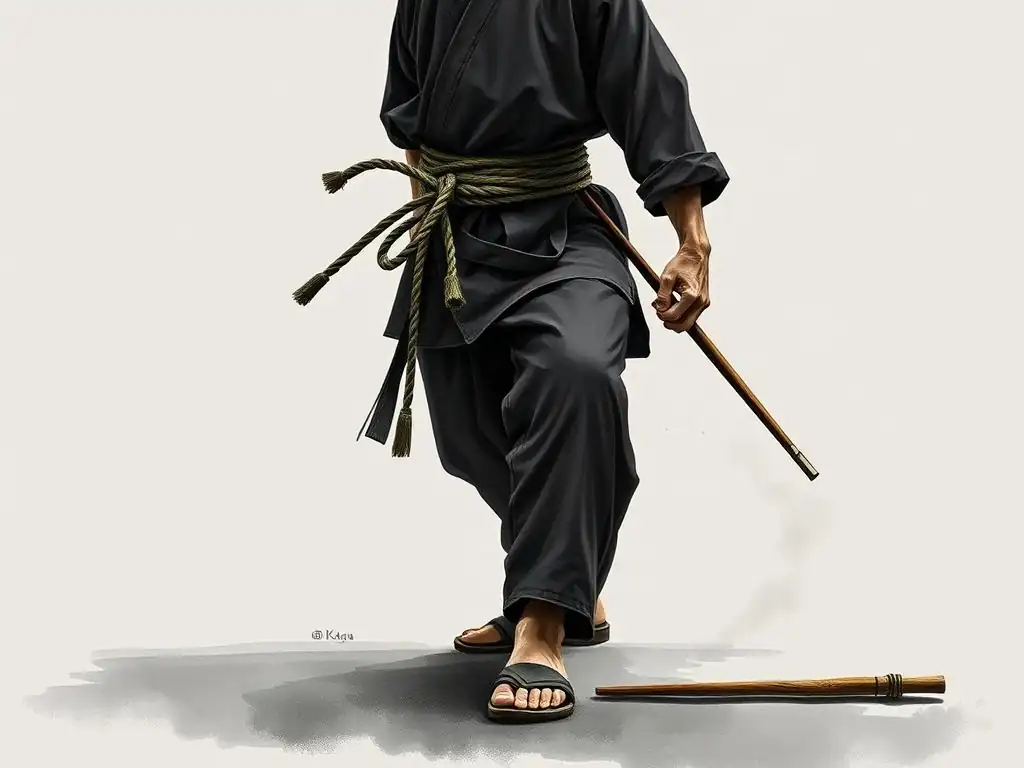
Navigating a potential conflict requires a layered approach, moving from prevention to physical defense only if absolutely necessary. Here’s how improvised self-defense tools fit into this process:
Step 1: Assessing the Threat Level
The first step is to quickly assess the situation. Is this a misunderstanding, a verbal argument, or a clear physical threat? Look for indicators like aggressive body language (clenched fists, invading personal space), verbal threats, or the presence of weapons. Estimate the number of potential attackers and their physical capabilities relative to your own. This rapid assessment informs every subsequent step.
Step 2: Employing Verbal De-escalation Strategies
If the threat is not immediate physical violence and escape is not instantly possible, attempt verbal de-escalation. Speak calmly and clearly. State your desire for the situation to end ("I don't want any trouble"). Set boundaries ("Please step back"). Do not insult or challenge the aggressor. Maintain a non-confrontational but firm stance, ready to transition if necessary.
Step 3: Preparing Your Improvised Self-Defense Tool
While attempting de-escalation or as you recognize de-escalation is failing, subtly prepare your improvised self defense tool. If it's in a pocket or bag, discreetly move your hand to it. If it's an item you are holding, adjust your grip to be ready for defensive use. Avoid overtly displaying it unless you intend it as a deterrent and believe that will resolve the situation; often, it's better to have it ready without the aggressor knowing until the moment of need.
Step 4: Using the Improvised Tool for Defense and Escape
If the aggressor initiates a physical attack or it becomes clear an attack is imminent and unavoidable, use your improvised self defense tool defensively. Target vulnerable areas to create pain and disruption (eyes, nose, throat, groin, kneecaps). Your goal is not to defeat the attacker but to create a window of opportunity to escape. As soon as the attacker is momentarily stunned or distracted, disengage immediately and run to a safe location, calling for help if possible.
The Role of Martial Arts Training in Improvised Self-Defense Scenarios
Leveraging Martial Arts Techniques with Improvised Weapons
Martial arts training provides a crucial foundation for effectively using improvised self defense tools. Techniques learned in disciplines like Karate, Kali, Arnis, or Krav Maga, which often incorporate weapon defense or the use of training tools, can be directly applied. Understanding principles of striking mechanics, targeting vulnerable areas, generating power from the core, and maintaining balance are all skills honed in martial arts that enhance the effectiveness of using items like pens (like a Kubotan), umbrellas (like a staff), or keys (for focused strikes).
Training teaches you how to move your body in relation to an attacker and how to use leverage. Applying a martial arts block or parry with a backpack or jacket can be more effective than simply holding it up. Knowing how to pivot and generate force allows you to make a strike with a swung object like a belt or bag more impactful. Furthermore, martial arts drills build muscle memory, allowing you to react more instinctively under stress, which is vital when deploying improvised self defense tools in a chaotic situation.
Improving Reaction Time and Decision-Making Under Pressure
One of the most valuable benefits of martial arts training is the development of improved reaction time and the ability to make sound decisions under the intense pressure of a potential or actual attack. Sparring and scenario training in martial arts simulate the stress of confrontation, teaching practitioners to manage adrenaline and think clearly. This training helps individuals quickly assess threats, identify escape routes, and decide whether to attempt further de-escalation, prepare an improvised tool, or initiate physical defense.
Under extreme stress, untrained individuals often freeze or panic, losing precious seconds. Martial arts training, through repetition and simulated stress, helps condition the mind and body to respond decisively. This is critical when using improvised self defense tools, as the window of opportunity to use the tool effectively to facilitate escape is often very narrow – perhaps only a few seconds. The ability to react quickly and choose the appropriate action (or inaction) is a direct benefit derived from consistent martial arts practice.
Conclusion: Improvised Self Defense Tools - A Last Resort with Responsible Application
Balancing De-escalation with Practical Self-Defense Skills
Ultimately, the effective use of improvised self defense tools lies in a delicate balance between prioritizing de-escalation and being realistically prepared for the possibility that it may fail. These tools are not a substitute for avoiding dangerous situations, maintaining awareness, or using verbal skills to defuse tension. They are a potential layer of defense for those critical moments when physical safety is immediately threatened and escape is the primary goal. Relying solely on an improvised tool without the foundational skills of awareness and de-escalation is irresponsible and potentially dangerous.
The most effective approach integrates all elements: proactive avoidance, vigilant awareness, skilled verbal de-escalation, and finally, the readiness to use available objects as improvised self defense tools if physical harm is unavoidable and imminent. This layered strategy, often emphasized in practical self-defense systems and martial arts focused on real-world application, provides the best chance of navigating threatening encounters safely.
The Importance of Continuous Training and Awareness in Self-Defense
Self-defense is not a one-time lesson; it is a continuous practice. Staying safe requires ongoing commitment to improving awareness, practicing de-escalation techniques, and familiarizing oneself with how everyday objects can function as improvised self defense tools. Regularly reviewing scenarios and mentally rehearsing responses can improve reaction time and confidence. Physical training, whether through formal martial arts classes or dedicated self-defense courses, reinforces the physical skills needed to use these tools effectively and facilitate escape.
Maintaining a high level of awareness should become a habit, like checking traffic before crossing the street. This constant, but not paranoid, vigilance is the most powerful tool for preventing confrontation in the first place. When combined with a responsible understanding and preparedness regarding improvised self defense tools as a last-ditch option, individuals can significantly enhance their personal safety and confidence in navigating a potentially dangerous world.
Frequently Asked Questions
What are examples of improvised self-defense tools mentioned by MartialArtsMastery.org?
The site likely discusses everyday objects like keys, pens, or rolled-up magazines that can be used defensively. It also might touch on environmental elements such as dirt or sand to momentarily distract an attacker.
How does MartialArtsMastery.org emphasize de-escalation before resorting to improvised tools?
The website likely stresses verbal de-escalation techniques and avoiding confrontation as primary strategies. Improvised tools are probably presented as a last resort when physical conflict is unavoidable.
Does MartialArtsMastery.org provide training tips on using improvised self-defense tools effectively?
The website may offer guidance on basic striking techniques using common objects. They might also emphasize the importance of awareness and quick thinking in dangerous situations.
Does MartialArtsMastery.org address the legal considerations of using improvised weapons for self-defense?
The site should ideally mention the importance of understanding local laws regarding self-defense and the use of force. It might warn against using excessive force or escalating a situation unnecessarily.
How does the historical context of martial arts inform MartialArtsMastery.org's approach to improvised self-defense?
The site may draw parallels to historical martial arts practices where practitioners adapted to their surroundings and used available resources. This demonstrates the evolution of self-defense beyond formal weapons.
Final Reflection: Empowering De-escalation Through Ingenuity
The exploration of improvised self-defense tools, while seemingly focused on physical protection, ultimately reveals a deeper truth: the power of resourcefulness in preventing conflict. The ability to quickly assess a situation and creatively utilize everyday objects for de-escalation, as discussed throughout this article, is more relevant than ever in a world grappling with increasing uncertainty and potential for confrontation.
This topic has profoundly influenced my perspective on personal safety, shifting the focus from brute force to mindful awareness and creative problem-solving. It's not about becoming a warrior, but about cultivating the ability to navigate potentially dangerous situations with intelligence and adaptability. The best weapon is one you never have to fire.
This quote, often attributed to various military strategists, perfectly encapsulates the spirit of de-escalation and the proactive avoidance of physical violence.
Now, consider this: how can you apply the principles of resourcefulness and quick thinking, not just in self-defense, but in all aspects of your life? Embrace the challenge of seeing potential solutions where others see only obstacles. Cultivate your awareness, hone your problem-solving skills, and remember that the most effective defense is often the one that prevents the need for a fight in the first place. Your ingenuity can be your greatest asset.
Unlock Your Inner Peacekeeper: Defuse Conflict Now!
Thank you for exploring the art of de-escalation! We hope you've discovered valuable techniques to navigate tense situations with confidence and creativity. Now, let's put that knowledge into action and become proactive peacekeepers.
Here are a few ways to start:
- Practice verbal de-escalation techniques with a friend or family member. Role-playing real-life scenarios can build your confidence and refine your approach.
- Identify potential "improvised tools" in your everyday environment – a calming phrase, a disarming question, or even a well-placed object – that could help defuse conflict.
- Share this article with someone who might benefit from these strategies and spark a conversation about practical de-escalation.
What unexpected object do you think could be most effective in diffusing a heated situation, and why?