
The Ethical Imperative of Avoidance for Skilled Martial Practitioners

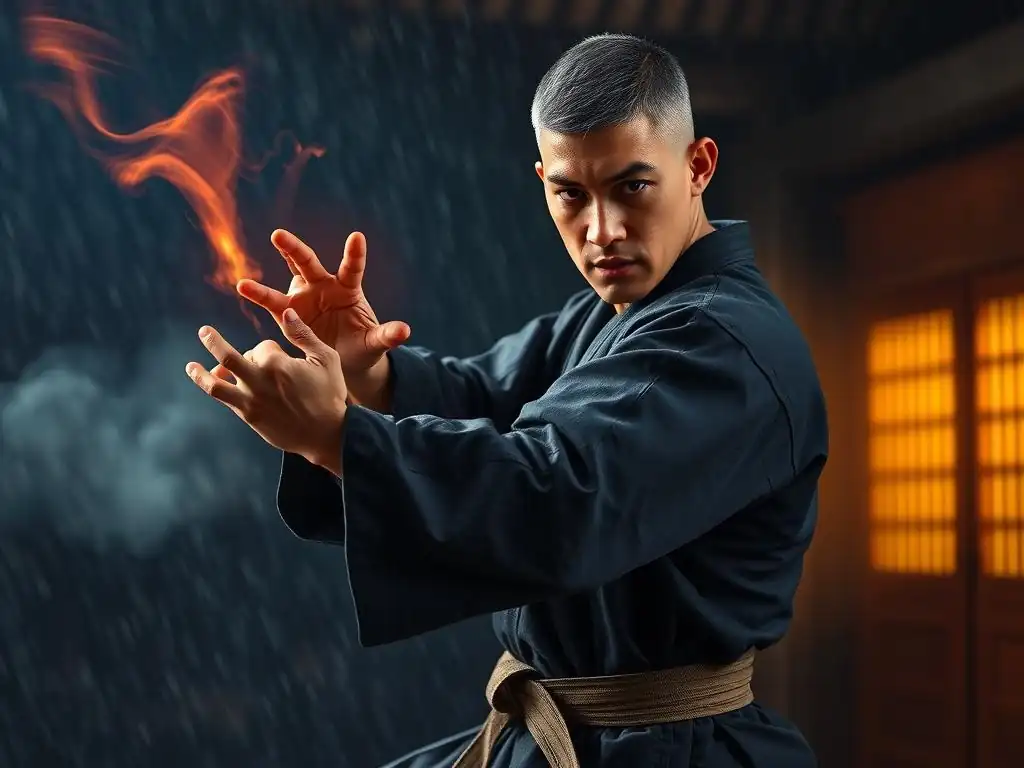
Welcome to Martial Arts Mastery, your gateway to understanding the profound depths of combat arts. But what if the greatest technique isn't a strike, but a step away? Delve into the ethical and practical considerations of " strategic avoidance in martial arts," exploring how masterful evasion can be the ultimate act of self-defense, and discover the nuanced philosophy that elevates it beyond simple retreat. Are you ready to reconsider what true mastery means?
For the seasoned practitioner, the concept of strategic avoidance in martial arts is not merely a tactic; it is a fundamental principle woven into the very fabric of true mastery. Historically, many traditional martial disciplines, from Aikido's focus on blending and redirecting force to Wing Chun's emphasis on central line control and efficiency, inherently prioritize minimizing conflict and achieving resolution with minimal harm.
The ultimate goal is often framed as victory without combat, a testament to profound skill and understanding. This philosophy underscores that the most effective self-defense is one where no physical confrontation occurs, safeguarding not only the practitioner but also potential adversaries from injury and the associated legal and emotional fallout.
Embracing strategic avoidance in martial arts reflects a mature understanding of power and responsibility. While physical techniques are crucial for self-defense when avoidance fails, the ability to recognize, de-escalate, and evade potential threats demonstrates a higher level of control and awareness. Consider the ethical implications: a highly skilled martial artist possesses the capability to inflict significant harm.
Therefore, the moral imperative shifts towards preventing the need for such force. This isn't about fear or weakness, but about strength derived from discipline, foresight, and respect for life. It recognizes that even in a "won" physical confrontation, there can be unintended consequences, making the proactive choice of avoidance the most responsible and advanced application of martial principles.
-
Frequently Asked Questions
- How does Strategic Avoidance differ from simply running away in a confrontation?
- Why is Strategic Avoidance considered an ethical imperative for skilled martial artists?
- What are some practical techniques for Strategic Avoidance in real-world scenarios?
- How does understanding the History of Martial Arts influence the practice of Strategic Avoidance?
- What role does Philosophical Understanding play in embracing Strategic Avoidance?
- Final Reflection: Embracing Wisdom Through Strategic Avoidance
- Embrace the Art of Evasion
Frequently Asked Questions
How does Strategic Avoidance differ from simply running away in a confrontation?
Strategic avoidance involves assessing the situation and de-escalating or escaping a potential conflict to minimize harm. Running away is often a panicked reaction, while strategic avoidance is a calculated decision.
Why is Strategic Avoidance considered an ethical imperative for skilled martial artists?
With advanced skills comes a greater responsibility. Skilled martial artists have the power to inflict serious harm, making avoidance a moral obligation to prevent unnecessary violence.
What are some practical techniques for Strategic Avoidance in real-world scenarios?
Techniques include situational awareness, verbal de-escalation, and creating distance between yourself and a potential aggressor. This allows you to disengage peacefully.
How does understanding the History of Martial Arts influence the practice of Strategic Avoidance?
Studying history reveals that many martial arts traditions emphasize peacemaking and conflict resolution alongside combat. This reinforces the importance of avoiding fights whenever possible.
What role does Philosophical Understanding play in embracing Strategic Avoidance?
Philosophical principles like non-violence and self-control underpin the concept. Understanding these concepts reinforces the importance of de-escalation and minimizing harm in any situation.
Final Reflection: Embracing Wisdom Through Strategic Avoidance
The principles of strategic avoidance, as explored throughout this article, are not merely tactical maneuvers confined to the dojo; they represent a profound philosophy with unparalleled relevance in navigating the complexities of modern life. Understanding when and how to disengage, to sidestep conflict, and to prioritize preservation over confrontation is a skill that transcends the martial arts and becomes an invaluable asset in fostering peace and well-being in all aspects of our existence.
The enduring power of strategic avoidance lies in its ability to cultivate a deeper understanding of ourselves and our environment. This understanding, born from mindful observation and disciplined restraint, allows us to choose our battles wisely and to channel our energy towards constructive pursuits. The supreme art of war is to subdue the enemy without fighting.
- Sun Tzu. This ancient wisdom resonates deeply, reminding us that true strength lies not in brute force, but in the intelligent application of strategy and the courage to choose the path of least resistance when appropriate.
Now, consider how you can integrate the principles of strategic avoidance into your own life. Reflect on situations where a more measured response, a deliberate disengagement, or a carefully considered retreat could have yielded a more positive outcome. Embrace the wisdom of knowing when to step aside, when to conserve your energy, and when to prioritize harmony over confrontation. The path of strategic avoidance is not one of weakness, but of profound strength and unwavering self-awareness. Choose wisely, and cultivate a life of peace and purpose.
Embrace the Art of Evasion
Thank you for delving into the ethical dimensions of martial arts and the profound impact of avoidance. Now, let's translate these insights into actionable steps that enrich your practice and honor.
- Commit to consciously integrating de-escalation techniques into your training to prioritize avoidance in every situation.
- Share this article with your fellow practitioners to spark discussions on responsible martial arts.
- Reflect on a past encounter where you could have applied avoidance more effectively and document alternative strategies for future situations.
How will you redefine your training to reflect the true mastery of avoidance?