
Beyond Techniques: The Essential Role of Ethics in Martial Arts Mastery

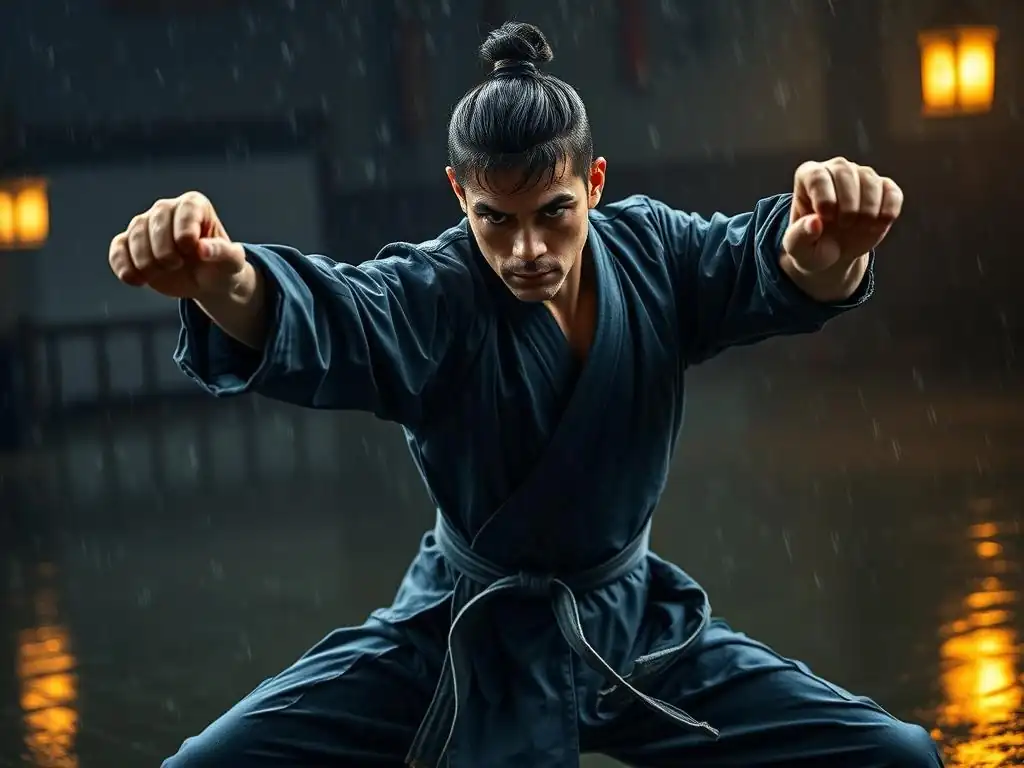
Welcome to Martial Arts Mastery, your gateway to understanding the profound world of combat disciplines.
Delve into the heart of martial arts, where physical prowess meets unwavering principle. This month we explore the crucial, and often overlooked, dimension of Ethical Considerations in Martial Arts. Are you truly mastering your art if your moral compass is not equally honed? Prepare to question, reflect, and elevate your understanding beyond mere technique, embarking on a journey into the ethical core that defines true martial arts mastery.
- Introduction: Ethical Considerations in Martial Arts Training
- The Foundation of Ethical Principles in Martial Arts
- Ethical Responsibilities of Martial Arts Instructors
- Navigating Ethical Dilemmas in Self-Defense Scenarios
- The Impact of Cultural Values on Martial Arts Ethics
- Cultivating Ethical Awareness: A Lifelong Journey
- Case Studies: Ethical Failures and Triumphs in Martial Arts History
- The Future of Ethics in Martial Arts
- Conclusion: Mastering Ethics for True Martial Arts Mastery
-
Frequently Asked Questions
- How does MartialArtsMastery.org define ethical considerations in martial arts?
- Why are ethical considerations important for martial arts practitioners?
- What are some examples of unethical behavior in martial arts, according to MartialArtsMastery.org?
- How does MartialArtsMastery.org suggest incorporating ethical training into a martial arts curriculum?
- What is the relationship between ethical considerations and self-defense strategies?
- Final Reflection: Cultivating Character Alongside Combat
- Embrace the Warrior's Code: Ignite Your Ethical Journey!
Introduction: Ethical Considerations in Martial Arts Training
Why Ethics Matter for Martial Arts Practitioners
The journey in martial arts extends far beyond the physical execution of strikes, blocks, and throws. True mastery encompasses a profound understanding and application of ethical principles. These ethical considerations in martial arts are not optional add-ons but are fundamental to the practice itself. Without a strong ethical compass, the powerful skills acquired through diligent training can be misused, leading to harm, injustice, and a betrayal of the art's true purpose. Ethics provide the framework that guides practitioners on when, how, and why to use their abilities, ensuring they contribute positively to society rather than becoming a threat.
Moreover, engaging with ethical considerations in martial arts training cultivates essential character traits. Qualities such as patience, honesty, perseverance, and compassion are nurtured alongside physical prowess. This holistic development is a hallmark of traditional martial arts and distinguishes a skilled fighter from a true martial artist. Embracing ethics means understanding the responsibility that comes with power and committing to using that power constructively, both within the training environment and in the wider world. It is this commitment to ethical conduct that elevates martial arts from mere combat techniques to a path of self-improvement and moral development.
The Intertwined Relationship of Skill and Morality in Martial Arts
In the realm of martial arts, skill and morality are inextricably linked. Proficiency in technique provides the means, while a strong moral compass dictates the ends. Historical accounts and philosophical texts across various disciplines consistently emphasize that technical mastery without ethical grounding is incomplete and potentially dangerous. Consider the legendary figures often revered in martial arts history; their fame stems not just from their fighting ability but equally, if not more so, from their wisdom, integrity, and benevolent application of their skills.
This intertwined relationship is evident in the traditional teaching methods, where lessons on respect, discipline, and patience often precede or are integrated with physical training. Students are taught to bow before entering the training area, to show deference to instructors and seniors, and to practice self-control even under duress. These are not arbitrary rituals but deliberate practices designed to instill the ethical considerations martial arts demand. The development of lethal capability necessitates a parallel development of moral restraint and judgment, ensuring that increased physical power is balanced by increased ethical responsibility.
The Foundation of Ethical Principles in Martial Arts
Core Values: Respect, Discipline, and Self-Control
At the heart of most martial arts traditions lie a set of core values that form the bedrock of ethical conduct. Respect ( Rei in Japanese traditions, Li in Chinese) is paramount, extending to oneself, instructors, training partners, opponents, and the art itself. This respect fosters an environment of mutual learning and growth, preventing arrogance and fostering humility. Discipline ( Shugyo or Jijutsu) is the commitment to rigorous training, adherence to rules, and dedication to improvement, instilling perseverance and mental fortitude.
Self-control ( Zanshin or Yishi Kongzhi) is perhaps the most critical ethical value, enabling practitioners to manage their emotions, impulses, and reactions, both inside and outside the training hall. This means controlling one's temper during sparring, refraining from using skills aggressively outside of necessary self-defense, and maintaining composure in challenging situations. These three values—respect, discipline, and self-control—are not merely abstract concepts but are actively cultivated through practice, forming the essential ethical considerations martial arts training aims to embed in every student.
The Importance of Humility and Integrity in the Warrior's Code
Beyond the core triad, humility and integrity are vital components of the ethical framework often referred to as the "Warrior's Code" or similar philosophical constructs like Bushido or Wude. Humility, the recognition of one's limitations and the vastness of knowledge yet to be acquired, guards against arrogance and overconfidence, which can lead to reckless behavior or underestimating threats. It encourages continuous learning and an open mind. A truly humble martial artist acknowledges that there is always more to learn and that skill is a tool for service, not superiority.
Integrity, the unwavering commitment to moral and ethical principles even when difficult, ensures that a practitioner's actions align with their values. This includes honesty in training (not exaggerating one's abilities or faking injuries), fairness in application (using only necessary force), and upholding promises. Integrity builds trust within the martial arts community and ensures that the ethical considerations martial arts practitioners are expected to uphold are not just theoretical but are lived realities, shaping their character and reputation.
Ethical Responsibilities of Martial Arts Instructors
Teaching Ethical Conduct: Leading by Example
Martial arts instructors bear a significant ethical responsibility as they are the primary conduits through which the art's philosophy and values are transmitted. The most effective way for instructors to teach ethical conduct is by consistently leading by example. This involves demonstrating respect for all students regardless of skill level, maintaining professionalism and integrity in their interactions, exhibiting patience, and practicing the self-control they preach. Their behavior sets the standard for the entire dojo, kwoon, or academy.
Furthermore, instructors must explicitly integrate discussions about ethical considerations martial arts training entails into their curriculum. This goes beyond occasional lectures; it means addressing ethical dilemmas that arise in sparring, discussing the appropriate use of force during self-defense drills, and relating the physical techniques back to the underlying moral principles. For instance, explaining why controlling a technique during practice is crucial for safety reinforces respect for training partners and fosters a culture where ethical behavior is not just expected but deeply understood.
Addressing Misuse of Martial Arts Skills by Students
A critical ethical challenge for instructors is addressing the potential misuse of martial arts skills by their students. While the goal is always positive development, instructors must be vigilant for signs that a student might be using their training for aggression, bullying, or criminal activity outside the training environment. This requires open communication, clear rules regarding the appropriate application of skills, and a willingness to intervene decisively when necessary.
Intervention strategies can range from counseling and probation within the school to, in severe cases, expulsion. For example, if an instructor learns a student has used their techniques in an unprovoked assault, their ethical duty compels them to address this immediately.
This might involve a frank discussion about the severe consequences of such actions, reiterating the ethical considerations martial arts training instills, and potentially asking the student to leave if they do not demonstrate a commitment to changing their behavior and adhering to the ethical code. Protecting the integrity of the art and the safety of the community outweighs the desire to retain a student.
Creating a Safe and Ethical Training Environment
Instructors are ethically obligated to create a training environment that is physically safe and ethically sound. Physical safety involves proper warm-ups, supervision, appropriate gear, and teaching techniques in a controlled manner to minimize injury risk. Ethical safety involves fostering a culture free from harassment, discrimination, and intimidation, where all students feel respected and valued.
This requires establishing clear rules of conduct, promoting mutual respect among students, and having mechanisms in place to address conflicts or ethical breaches. For instance, implementing a clear policy against bullying or aggressive behavior during sparring that exceeds acceptable limits is crucial. Instructors must actively monitor interactions, correct unsafe or disrespectful conduct promptly, and ensure that the dojo remains a place of positive growth, reinforcing the ethical considerations martial arts traditions are built upon for every individual who trains there.

Defining Justifiable Force in Real-World Situations
One of the most complex ethical considerations martial arts practitioners face arises in real-world self-defense scenarios. Defining justifiable force is paramount. Generally, this principle dictates that one should use only the amount of force reasonably necessary to stop an immediate threat of harm. Using excessive force beyond what is needed for self-preservation can cross ethical and legal boundaries. For example, continuing to strike an attacker who is no longer capable of posing a threat would likely be considered excessive.
Training must include discussions and scenarios that help practitioners understand proportionality. This means evaluating the level of threat (e.g., an unarmed assailant vs. an armed assailant) and responding with a commensurate level of force. While precise real-world application is unpredictable, ethical training emphasizes de-escalation when possible, escape as a primary option, and the use of force only as a last resort to ensure safety.
Understanding Legal and Ethical Boundaries in Self-Defense
Beyond ethical principles, martial arts practitioners must also understand the legal framework surrounding self-defense in their jurisdiction. Laws vary significantly, but most require that the use of force be necessary, proportionate to the threat, and used only to prevent imminent harm. Ignorance of the law is not an excuse, and using martial arts skills inappropriately can lead to severe legal consequences, including criminal charges.
Ethically, this means grappling with the potential outcomes of one's actions. While self-preservation is a fundamental right, the ethical considerations martial arts instill require reflection on the potential harm caused, even to an aggressor. Training should include discussions about the legal definition of self-defense, the concept of retreat if safe to do so, and the potential liability associated with using force, reinforcing that the power gained through training comes with significant legal and ethical responsibilities.
The Moral Implications of Using Martial Arts for Protection
Using martial arts for protection carries significant moral weight. While defending oneself or others from harm is generally considered ethically justifiable, the act of inflicting injury, even in self-defense, has moral implications. Practitioners must confront the reality that their skills can cause serious injury or even death and understand the gravity of such actions.
This underscores the importance of the ethical considerations martial arts training promotes, such as restraint and the principle of using minimal necessary force. The moral high ground is maintained not just by surviving an encounter but by doing so in a manner that aligns with ethical principles, minimizing harm where possible and acting only out of necessity, not anger or retribution. The ability to subdue a threat without causing undue injury is often considered a higher form of mastery.
The Impact of Cultural Values on Martial Arts Ethics
Examining Ethical Codes Across Different Martial Arts Traditions
Ethical codes in martial arts are deeply intertwined with the cultural values of their origin. While core principles like respect and discipline are common threads, their expression and emphasis can differ. Examining these variations provides insight into the diverse ethical considerations martial arts encompass globally. For example, many Japanese martial arts traditions place a strong emphasis on Rei (etiquette and respect) and the concept of Dojo Kun (training hall rules), which are often recited at the beginning or end of practice, serving as constant reminders of the ethical principles.
Chinese martial arts often emphasize Wude (武德), meaning "martial virtue" or "martial ethics." Wude is typically divided into two aspects: Sheng Wu De (生武德 - Ethics of Action), which governs behavior and conduct, and Xin Wu De (心武德 - Ethics of Mind), which relates to internal character and morality. This structured approach highlights specific virtues like humility, righteousness, trust, and loyalty, providing a clear framework for the ethical considerations martial arts practitioners of these styles are expected to embody.
Ethical Principles in Aikido (Japanese Martial Arts): Harmony and Non-Violence
Aikido, founded by Morihei Ueshiba, is a Japanese martial art with a particularly strong emphasis on ethical considerations centered around harmony and non-violence. Ueshiba envisioned Aikido not merely as a fighting system but as a way to reconcile conflict and promote peace. A core principle is Aiki, the blending of energy, which is applied to resolve physical conflict by neutralizing an attack and controlling the aggressor without necessarily inflicting serious injury.
The ethical foundation of Aikido stresses protecting one's attacker from unnecessary harm while simultaneously defending oneself. Techniques often involve throws and joint locks designed to control rather than destroy. This reflects a moral stance where the ultimate goal is not victory over an opponent but the cessation of violence and the restoration of harmony. The ethical considerations martial arts like Aikido promote challenge traditional notions of combat, prioritizing compassion and reconciliation.
Ethical Principles in Wing Chun (Chinese Martial Arts): Efficiency and Minimal Force
Wing Chun, a Chinese martial art, also incorporates distinct ethical principles, often rooted in efficiency and the use of minimal force necessary for self-preservation. Developed with practical self-defense in mind, particularly for those who might be physically smaller, Wing Chun emphasizes structure, sensitivity, and directness. Ethically, this translates to a pragmatic approach to conflict: address the threat directly and efficiently to end the confrontation as quickly as possible, thus minimizing potential harm to oneself and others.
While not explicitly non-violent in the same way as Aikido, the ethical considerations martial arts like Wing Chun embody still lean towards restraint. The focus on stopping an aggressor's forward momentum and using simultaneous block-strike techniques aims to neutralize the threat effectively without engaging in prolonged or unnecessarily brutal exchanges. The principle of using minimal force is inherent in the system's design – applying just enough energy and technique to overcome the opponent's force, reflecting an ethical efficiency in dealing with aggression.
Cultivating Ethical Awareness: A Lifelong Journey
Self-Reflection and Continuous Improvement in Ethical Conduct
Cultivating ethical awareness in martial arts is not a destination but a continuous journey requiring ongoing self-reflection. Practitioners must regularly examine their motivations, reactions, and behavior both inside and outside the training environment. Are they upholding the principles of respect and humility? Are they applying self-control in challenging situations? Are they using their skills responsibly?
Journaling, meditation, and honest self-assessment are tools that can aid this process. For instance, after a particularly intense sparring session, reflecting on one's emotional state and control helps reinforce the practice of Zanshin (awareness and control). Continuous improvement in ethical conduct is as important as refining a technique; it requires deliberate effort and a commitment to living the values taught in the dojo. This dedication to ethical considerations martial arts demand shapes not just a better martial artist but a better person.
Seeking Guidance and Mentorship in Ethical Decision-Making
Navigating complex ethical dilemmas often requires seeking guidance from those with more experience. Instructors, senior students, or mentors within the martial arts community can provide valuable perspectives and wisdom. They have likely faced similar challenges and can offer insights based on years of practice and adherence to the art's ethical code.
Approaching a trusted instructor to discuss a situation where the ethical application of skills is unclear, such as a potential confrontation outside of training, is a sign of maturity and commitment to ethical principles. Mentors can help clarify the nuances of self-defense laws, discuss the principle of proportionality in specific contexts, and reinforce the importance of restraint. This practice of seeking guidance is crucial for developing sound ethical judgment and upholding the ethical considerations martial arts traditions have preserved for generations.
The Ongoing Evolution of Ethical Standards in Martial Arts
Ethical standards in martial arts, while rooted in long-standing traditions, are not static. They must be continually examined and adapted to address the challenges of the modern world. Issues such as the ethical implications of using martial arts in competitive sports, the responsibility of online instructors, or the role of martial artists in addressing contemporary social issues require ongoing discussion and evolution of ethical guidelines.
Consider the ethical debates surrounding the level of force used in mixed martial arts (MMA) competitions compared to traditional dojo sparring. While MMA has rules designed for safety, the underlying ethical considerations martial arts teach about minimizing harm and respecting opponents remain relevant for practitioners in any combat sport. Engaging in dialogue about these modern challenges ensures that the ethical framework of martial arts remains relevant, robust, and capable of guiding practitioners through the complexities of contemporary life, preserving the integrity of the art.
Case Studies: Ethical Failures and Triumphs in Martial Arts History
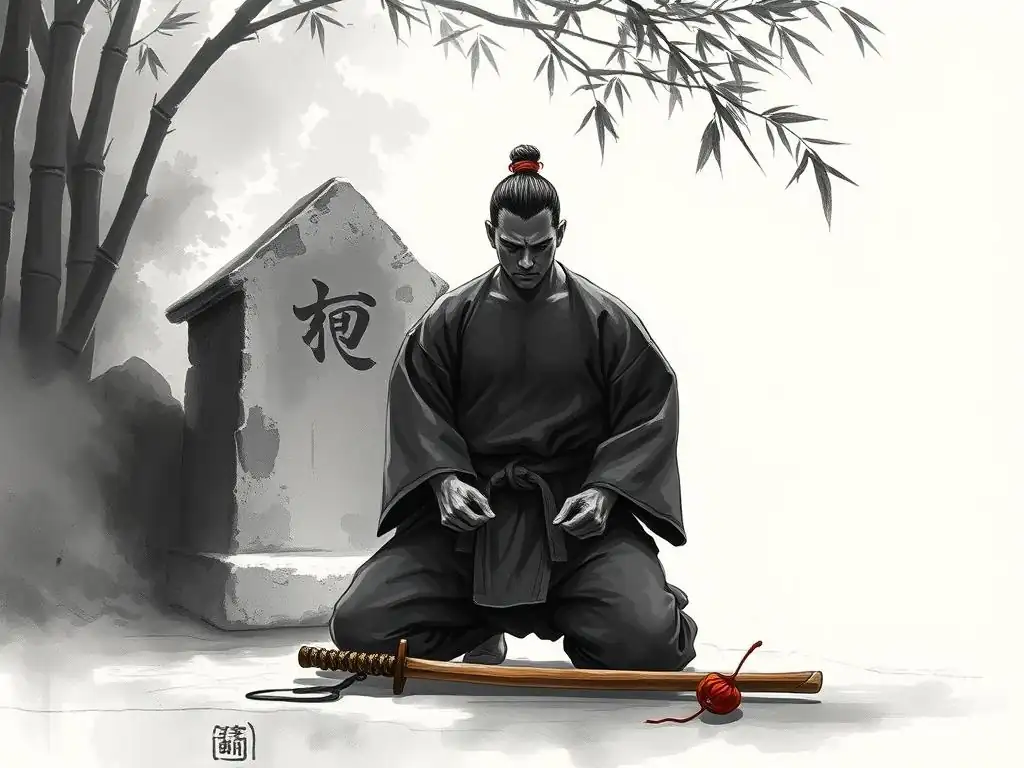
Case Study 1: The Use of Martial Arts Skills for Criminal Activity
While specific names are often withheld for privacy or legal reasons, history and contemporary news unfortunately provide examples of individuals who have misused their martial arts skills for criminal activity. These cases typically involve using techniques learned in training for unprovoked assaults, robberies, or other violent crimes where the force used is clearly excessive and malicious, far exceeding any notion of self-defense.
One common scenario involves a practitioner using their striking or grappling skills to overpower and injure someone during a street fight that they initiated or could have avoided. Such actions represent a profound ethical failure, directly contradicting the core principles of self-control, respect, and using force only as a last resort for necessary self-preservation. These instances highlight the critical need for rigorous ethical training alongside physical instruction, demonstrating the negative consequences when ethical considerations martial arts impart are ignored or rejected.
Case Study 2: The Role of Martial Artists in Community Service and Peacemaking
Conversely, there are numerous inspiring examples of martial artists who have used their discipline, skills, and ethical training for positive community impact and peacemaking. Consider the many instructors who run programs specifically aimed at at-risk youth, teaching not only self-defense but also discipline, respect, and conflict resolution skills, helping to steer them away from violence and crime.
Historically, figures like Jigoro Kano, the founder of Judo, actively promoted Judo as a method for physical, mental, and moral education, emphasizing mutual welfare and benefit ( Jita Kyoei). His work aimed to cultivate individuals who would contribute positively to society. Modern examples include martial artists who use their de-escalation training to intervene in potential conflicts, volunteer to teach self-defense workshops for vulnerable populations, or lead community initiatives promoting peace and mutual understanding, embodying the highest ethical considerations martial arts foster.
Lessons Learned from Ethical Challenges in Martial Arts
Examining both ethical failures and triumphs in martial arts history provides crucial lessons. The failures underscore the potential danger of teaching powerful physical techniques without a corresponding emphasis on ethical development; they serve as cautionary tales about the responsibility that comes with skill. These cases reinforce why ethical considerations martial arts training must be non-negotiable.
The triumphs, on the other hand, demonstrate the immense positive potential of martial arts when practiced with integrity and a strong ethical compass. They show how the discipline, self-control, and respect cultivated in training can be powerful forces for good, enabling individuals to overcome challenges, help others, and contribute to a safer, more harmonious world. These examples inspire practitioners to strive for not just technical mastery but also ethical excellence, recognizing that true strength lies in character as much as in physical capability.
The Future of Ethics in Martial Arts
Addressing Modern Ethical Challenges in Martial Arts
The future of ethics in martial arts must involve actively addressing modern challenges. The rise of online martial arts instruction, for example, presents new ethical considerations regarding safety, responsible teaching without direct supervision, and verifying student identity and intent. How do instructors ensure ethical conduct when students are not physically present in a controlled environment?
Furthermore, the commercialization of martial arts can sometimes conflict with traditional ethical values, potentially prioritizing profit over principles. Maintaining integrity in grading, competition, and business practices requires conscious effort. Addressing these challenges involves developing updated ethical guidelines, promoting accountability within the community, and fostering open dialogue about how traditional ethics apply in contemporary contexts, ensuring that ethical considerations martial arts practitioners face are openly discussed and navigated responsibly.
Promoting Ethical Conduct Through Education and Advocacy
A key component of securing the future of ethics in martial arts is through robust education and advocacy. Integrating comprehensive ethical training into standard curricula, from beginner levels through advanced ranks, is essential. This means dedicating specific time to discussing philosophy, ethical dilemmas, and the history of martial arts ethics, not just physical techniques.
Advocacy involves promoting the importance of ethical considerations martial arts embody to the wider public and within the martial arts community itself. This could include establishing ethical boards or committees within organizations, publishing articles and resources on martial arts ethics, and celebrating practitioners who exemplify ethical excellence. By actively educating and advocating for ethical conduct, the martial arts community can reinforce its core values and ensure they remain central to the practice.
The Enduring Importance of Ethics in Preserving the Integrity of Martial Arts
Ultimately, the enduring importance of ethics lies in preserving the integrity of martial arts themselves. Without a strong ethical foundation, martial arts risk being reduced to mere fighting techniques, losing their depth, purpose, and positive societal value. The ethical framework is what elevates martial arts from simple combat to a path of self-improvement, mutual respect, and responsible power.
Upholding ethical considerations martial arts traditions have passed down through generations ensures that the art continues to attract individuals seeking holistic development, not just fighting skills. It guarantees that dojos and schools remain places of positive growth and that practitioners are equipped not only to defend themselves but also to contribute positively to their communities. Ethics are not a peripheral concern but the very soul of martial arts mastery.
Conclusion: Mastering Ethics for True Martial Arts Mastery
The Ethical Warrior: A Synthesis of Skill and Virtue
True martial arts mastery is the synthesis of exceptional physical skill and unwavering ethical virtue. It is the ability to execute techniques flawlessly combined with the wisdom and restraint to know when and how to apply them responsibly. The ethical warrior embodies the principles of respect, discipline, self-control, humility, and integrity, recognizing that their power is a tool for protection and positive contribution, not for aggression or dominance.
This mastery transcends the physical, reaching into the realm of character and moral strength. It is this synthesis that distinguishes a truly accomplished martial artist – one whose presence inspires confidence and respect, not fear. The ethical considerations martial arts instill are the foundation upon which this synthesis is built, guiding the practitioner towards a path of continuous growth and responsible power.
Continuing the Legacy of Ethical Excellence in Martial Arts
The responsibility for continuing the legacy of ethical excellence in martial arts falls upon every practitioner and instructor. By committing to personal ethical development, upholding the values of their specific tradition, and engaging in ongoing self-reflection and education, they contribute to the preservation of the art's integrity. Passing these ethical considerations martial arts demand down to future generations is as vital as teaching the techniques themselves.
Through leading by example, fostering ethical training environments, and addressing challenges with integrity, the martial arts community ensures that the art remains a powerful force for personal and societal good. The journey of martial arts mastery is a lifelong commitment to perfecting both skill and character, ensuring that the warrior's code continues to guide practitioners towards lives of purpose, respect, and ethical excellence.
Frequently Asked Questions
How does MartialArtsMastery.org define ethical considerations in martial arts?
Ethical considerations encompass the moral principles and responsible conduct expected of martial artists, extending beyond physical techniques. It emphasizes respect, discipline, and the responsible use of power.
Why are ethical considerations important for martial arts practitioners?
Ethics ensure martial arts are used for self-defense and protection, not aggression or exploitation. They foster personal growth, community responsibility, and prevent misuse of skills.
What are some examples of unethical behavior in martial arts, according to MartialArtsMastery.org?
Examples include bullying, abuse of power, and using martial arts skills to intimidate or harm others outside of legitimate self-defense situations. Disrespecting opponents is also considered unethical.
How does MartialArtsMastery.org suggest incorporating ethical training into a martial arts curriculum?
By emphasizing character development, respect for others, and understanding the responsible use of force. Instructors should model ethical behavior and incorporate discussions on moral dilemmas into training.
What is the relationship between ethical considerations and self-defense strategies?
Ethical considerations dictate that self-defense should be a last resort and proportionate to the threat. The goal is de-escalation and avoidance whenever possible, minimizing harm while ensuring safety.
Final Reflection: Cultivating Character Alongside Combat
The journey through martial arts, as we've explored, extends far beyond the mastery of physical techniques. The true essence of martial arts lies in the ethical compass that guides its practice, a principle that resonates even more profoundly in today's world, where the responsible use of power is constantly being questioned. The skills we hone in the dojo are merely tools; it is our ethical framework that dictates how, when, and why we wield them.
The influence of ethical considerations on the martial arts landscape is undeniable, shaping not only individual practitioners but also the very perception of these disciplines in society. My own journey has shown me that true strength lies not just in physical prowess, but in the unwavering commitment to integrity and respect. A martial artist without ethics is a weapon without a safety,
a sentiment that underscores the profound responsibility that comes with mastering these skills.
As we conclude this exploration, I invite you to consider the ethical dimensions of your own life, both within and beyond the dojo. Let the principles of respect, discipline, and responsibility that underpin martial arts mastery serve as a guiding light in all your endeavors. Strive not only to become skilled practitioners, but also ethical individuals who contribute positively to the world around you. The true legacy of a martial artist is not the number of victories achieved, but the positive impact left on the lives of others.
Embrace the Warrior's Code: Ignite Your Ethical Journey!
Thank you for exploring the essential role of ethics in martial arts. We hope this article has provided valuable insights into how ethical principles elevate not just your skill, but also your character. Now, let's put these principles into action!
Here are a few ways to deepen your understanding and commitment to ethical practice:
- Champion ethical conduct within your dojo or training group. Lead by example and encourage respectful dialogue about ethical dilemmas.
- Delve deeper by researching the ethical codes of different martial arts traditions. Compare and contrast their values to broaden your perspective.
- Share this article with fellow martial artists and spark a conversation about the importance of ethics in our community.
What ethical principle resonates most strongly with you, and how will you actively embody it in your training and life?