
If Bruce Lee Managed Your Schedule: Applying Martial Arts Focus to Time Mastery
🥋 Unlock peak productivity with "If Bruce Lee Managed Your Schedule." Discover potent Bruce Lee time management tips and martial arts focus…
Read article

Unlock the true power of your practice by diving into the philosophy and mindset that transform physical technique into a way of life. At Martial Arts Mastery, we go beyond punches and kicks to explore the core philosophical concepts—from the disciplined path of Bushido to the serene flow of Zen and the harmony of Taoism. These ancient teachings are not just history; they are practical tools for cultivating discipline, respect, and laser-sharp focus in your daily routine. Discover how to apply warrior wisdom to modern challenges, embrace the ethics and morality of the warrior’s code, and build unshakable mental toughness and resilience through rigorous training. Whether you’re a beginner or a seasoned black belt, our insights on meditation and mindfulness will help you harness inner calm, sharpen your awareness, and achieve a balanced, purposeful life both on and off the mat. Embrace the journey of the mind—because true mastery begins within. 🥋🧘♂️⚔️
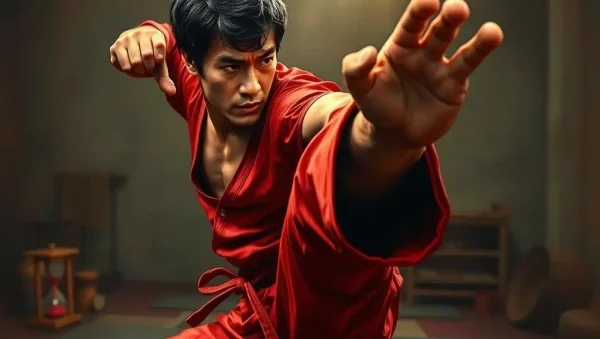
🥋 Unlock peak productivity with "If Bruce Lee Managed Your Schedule." Discover potent Bruce Lee time management tips and martial arts focus…
Read article
💪 Discover how the fusion of respect and humility forges true martial prowess. Respectful humility builds warrior character, unlocking peak performance and…
Read article
💪 Instructors are paramount in safely cultivating resilience, guiding practitioners through challenges with effective, **safe instructor resilience training methods**. MartialArtsMastery.org explores this…
Read article
⚔️ Discover how Zen meditation improves martial arts performance. Explore the profound connection between stillness and striking, unlocking peak physical and mental…
Read article
🌟 Discover how Mushin and Fudoshin, core Zen martial arts resilience training principles, cultivate unwavering composure and mental fortitude, essential for mastering…
Read article
⚔️ Discover how Samurai ethics influenced martial arts globally. This article explores the enduring legacy of Bushido, revealing its profound impact on…
Read article
🥋 Discover how the Dojo Kun, martial arts' ethical core, can transform your life. Learn to integrate these timeless principles into your…
Read article
🥋 Journey beyond technique as MartialArtsMastery.org explores the profound evolution of martial arts black belt ethics, demonstrating how true mastery demands unwavering…
Read article
✨ Discover how martial arts discipline transcends the dojo, profoundly enriching your life. Explore the holistic benefits that extend far beyond physical…
Read article
⚔️ Bushido compassion strength training reveals the profound connection between benevolence and the warrior's spirit. Explore how true martial mastery lies not…
Read article
🧘 Train your mind, sharpen your body. Discover how dedicated meditation practice can significantly improve martial arts reflexes, enhancing your reaction time…
Read article
🌟 Discover how Bushido loyalty strengthens student-teacher relationships in martial arts, fostering respect and dedication essential for true mastery. Explore this vital…
Read articleExplore the deep mental and ethical foundations that transform physical technique into a lifelong path of self-mastery. At Martial Arts Mastery, we break down ancient wisdom—from Bushido to Zen—and show you how to apply discipline, respect, and warrior ethics in modern training and daily life. This category is your gateway to building unshakable resilience, meditative focus, and a moral code that elevates every punch, block, and stance.
Dive into the root philosophies that shape karate, kendo, aikido, and kung fu. You’ll learn how Bushido (the samurai’s way) emphasizes honor and rectitude, how Zen cultivates a still, present mind under pressure, and how Taoism teaches flow, yielding, and natural action. Expect clear explanations of concepts like mushin (no-mind) and wu wei (effortless action), connecting ancient texts to practical drills.
This section translates dojo values into workplace, school, and home habits. You’ll find actionable routines for building self-discipline through consistent practice, expressing respect in communication, and sharpening focus during high-stress tasks. We show how a simple bow or a structured warm-up becomes a mindfulness anchor, helping you manage procrastination, anger, and distraction with the same precision you use in sparring.
Here, we examine the warrior’s code across cultures—from chivalry to the karate-do principle of “do not strike first.” You’ll explore real-life dilemmas: when to use force, how to protect the weak, and why humility beats arrogance in the ring and beyond. We profile historical masters who faced moral tests and provide modern decision-making frameworks that keep your training honorable, legal, and compassionate.
Discover how to turn physical exhaustion into a mental steel-building tool. This subcategory covers deliberate pain management, positive self-talk, and the science of stress inoculation—pushing past plateaus without breaking. You’ll learn from sport psychologists and veteran fighters how to visualize success, embrace failure as feedback, and develop a “grit” mindset that carries you through black-belt tests, injuries, and life’s unexpected blows.
Finally, we focus on the still point at the center of movement. Learn breathing exercises (like haragei or abdominal breathing), walking meditation, and body-scan techniques that heighten proprioception. You’ll see how a 10-minute pre-class meditation improves reaction time, how mindfulness during forms (kata) prevents robotic repetition, and how post-training reflection consolidates lessons. Expect guided audio scripts and a 4-week beginner meditation plan.
For new practitioners, discipline is the gateway—it builds the habit of showing up even when motivation fades. From there, respect (for your instructor, partner, and self) creates a safe learning space. As you advance, mushin—a calm, empty mind—becomes key to reacting without overthinking. Start with discipline, and the rest will unfold naturally.
Yes, many students report reduced anxiety through martial arts philosophy. Techniques like Zen breathing activate the parasympathetic nervous system, lowering cortisol. The warrior’s code also reframes stress as a challenge to overcome, not a threat to fear. Combined with regular physical training, this mental framework builds long-term emotional resilience, making daily pressures more manageable.
Begin with 5 minutes of seated breathing before or after class. Focus on your belly breathing—inhale for 4 counts, exhale for 6. Then, apply mindfulness during your warm-up: notice each muscle’s sensation. Next, try walking meditation between kata repetitions. After two weeks, increase to 10 minutes. Consistency matters more than duration, so anchor meditation to an existing habit.
Yes, though they overlap. Eastern ethics (Bushido, Taoism) emphasize harmony, non-aggression, and collective honor, often tied to spiritual growth. Western interpretations focus more on individual rights, self-defense legality, and sportmanship. Modern martial arts often blend both—you’re taught to avoid conflict unless necessary, but also to defend yourself and others within legal boundaries.
Start with rituals: bowing to the instructor, saying “yes, sir/ma’am,” and thanking partners after drills. Reward effort, not just wins. Use “mirror drills” where children copy each other’s respectful behavior. Discuss the warrior’s code in simple terms—like “strong people protect others.” Finally, model respect yourself; children learn more from how you treat them than from verbal instructions.