
The Philosophical Underpinnings of Advanced Aikido Randori Practice

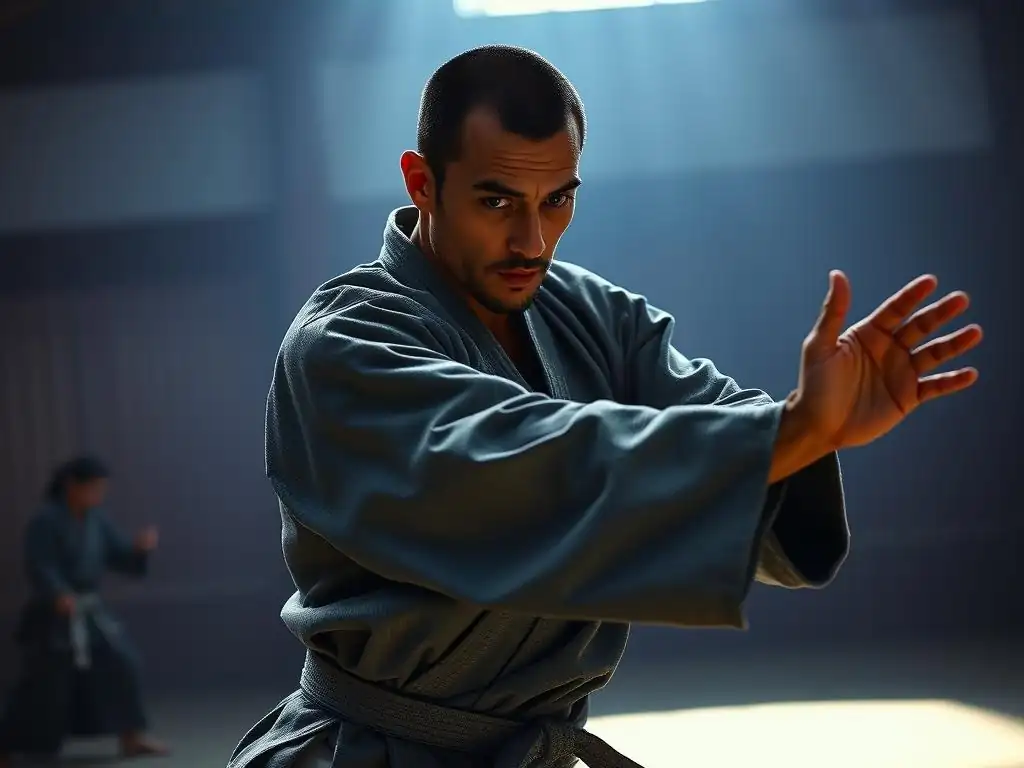
Welcome to Martial Arts Mastery, where the world's fighting traditions come alive. Have you ever considered the profound philosophical depth hidden within the dynamic chaos of Aikido randori? This article delves into the unexpected intellectual and spiritual benefits of this advanced training method, exploring how it shapes not just your technique, but also your entire outlook. Prepare to unravel the secrets of Aikido randori philosophical benefits and discover a new dimension to your martial arts journey.
- The Philosophical Underpinnings of Aikido Randori Practice
- Introduction: Aikido Randori and the Pursuit of Philosophical Depth
- The Core Philosophical Principles Guiding Aikido Randori
- The Ethical Considerations of Aikido Randori Practice
- Randori as a Tool for Self-Discovery and Personal Growth
- Aikido Randori and the Development of Intuition (Mushin)
- The Practical Application of Philosophical Principles in Aikido Randori
- Comparing Aikido Randori Philosophy with Other Martial Arts Philosophies
- The Long-Term Philosophical Benefits of Consistent Aikido Randori
- Conclusion: Aikido Randori as a Path to Physical and Philosophical Mastery
-
Frequently Asked Questions
- What is randori in the context of Aikido, and why is it considered advanced practice?
- How does Aikido randori differ from sparring in other martial arts?
- What are some of the key philosophical principles that underpin Aikido randori?
- In what ways can Aikido randori practice benefit a practitioner beyond just physical skill?
- How can the study of Aikido randori's philosophical benefits contribute to personal growth?
- Final Reflection: Embracing the Flow of Unpredictability
- Embrace Aikido's Wisdom: Transform Your Practice Today!
The Philosophical Underpinnings of Aikido Randori Practice
Introduction: Aikido Randori and the Pursuit of Philosophical Depth
Understanding Aikido Randori: Beyond Physical Technique
Aikido randori, often translated as 'freestyle practice' or 'multiple attack practice', is a dynamic training method where one practitioner faces multiple attackers simultaneously. While it appears as a purely physical exercise designed to test techniques under pressure, its true depth lies far beyond mere physical execution. Randori is a crucible for applying Aikido's core philosophical principles in a chaotic, unpredictable environment. It challenges the practitioner not just to survive, but to harmonize with the incoming forces, maintain composure, and ultimately neutralize the attacks without causing unnecessary harm, embodying the art's non-violent ideals.
This demanding practice format strips away reliance on pre-arranged movements, forcing spontaneous and intuitive responses. It is in this spontaneity that the philosophical underpinnings become most apparent. The ability to remain centered amidst multiple threats, to blend rather than clash, and to perceive the flow of multiple energies demonstrates a deep internalization of Aikido's principles. The physical techniques become outward expressions of an inner state cultivated through rigorous philosophical study and application, highlighting the profound philosophical benefits of Aikido randori training.
The Importance of Philosophical Grounding in Advanced Aikido Training
For advanced Aikido practitioners, philosophical grounding is not an optional extra but an essential component of mastery, particularly in randori. Without a deep understanding of principles like harmony, non-resistance, and yielding, randori can devolve into a chaotic struggle based on speed and strength, completely missing the essence of Aikido. The philosophical framework provides the why behind the technique, guiding the practitioner's mindset and actions in the face of overwhelming odds. It transforms the physical challenge into a spiritual and psychological one.
Integrating philosophy into advanced randori training allows the practitioner to move beyond merely performing techniques correctly to embodying the spirit of Aikido. This is where the significant philosophical benefits of Aikido randori become tangible. It enables the practitioner to perceive attacks not as threats to be forcefully overcome, but as opportunities to blend and redirect energy. This shift in perspective, rooted in philosophy, is what distinguishes truly advanced Aikido from mere physical proficiency, allowing for effective and ethical response in complex, real-world scenarios.
The Core Philosophical Principles Guiding Aikido Randori
Aikido's Harmony (Ai) and the Randori Environment
The principle of Ai, or harmony, is central to Aikido and finds its ultimate expression in randori. In facing multiple attackers, the goal is not to fight against each force individually, but to blend with, absorb, and redirect the collective energy. This requires a heightened state of awareness, perceiving the intentions and movements of multiple partners simultaneously and finding points of connection and flow. The practitioner seeks to join the attackers' lines of force, rather than oppose them, creating opportunities to unbalance and control.
Practicing Ai in randori means maintaining a calm, centered presence that allows for fluid, continuous movement. Instead of stiffening or resisting, the practitioner seeks to move with the incoming forces, like a reed bending in the wind. This blending allows the practitioner to manage the energy of several individuals, often much larger or stronger, without being overwhelmed. Successfully applying Ai in randori is a profound demonstration of the philosophical benefits of Aikido randori, showing how harmonizing with conflict is more effective and sustainable than brute force.
Non-Resistance (Mu) in the Context of Multiple Attackers
Mu, or non-resistance, is another cornerstone principle severely tested in randori. When multiple individuals are attacking, the natural instinct is often to tense up, block, or meet force with force. However, Aikido teaches that resistance creates conflict and fixes energy, making the practitioner a static target. In randori, resisting one attacker immediately makes the practitioner vulnerable to the others. Non-resistance, conversely, involves remaining relaxed, flexible, and receptive, allowing incoming force to flow through or past.
Applying Mu in a multiple-attacker scenario means cultivating a state of physical and mental openness. It involves letting go of the urge to defend rigidly and instead focusing on maintaining fluidity and balance. This allows the practitioner to evade direct impact and redirect energy effectively.
For example, instead of blocking a punch, the practitioner might step offline and blend with the attacker's forward momentum, using it to create an opening or set up a throw, while simultaneously being aware of the next incoming threat. This ability to remain unattached and fluid under pressure highlights a key philosophical benefit of Aikido randori: the cultivation of a non-reactive, adaptable mind.
The Principle of Yielding (Ju) and Its Application in Randori Strategy
The principle of Ju, or yielding, is intricately linked with Ai and Mu and is critical for navigating the complexity of randori. Yielding is not passive surrender but an active process of adapting to force, redirecting it, and using it to one's advantage. When faced with a strong push or pull from one attacker, yielding involves moving with that force temporarily, rather than opposing it, thereby maintaining one's own balance while potentially disrupting the attacker's. This creates opportunities to apply techniques or move to a more advantageous position relative to the other attackers.
In randori, yielding allows the practitioner to absorb and dissipate the energy of multiple attacks without being rooted or overwhelmed. For instance, if one attacker grabs firmly, yielding might involve stepping into the grab, rotating, and using the attacker's grip and momentum to initiate a turn or throw, all while scanning for the next threat. This fluid adaptation prevents becoming locked into a struggle with a single opponent. The strategic application of Ju in randori demonstrates the deep philosophical benefits of Aikido randori, showing how intelligent adaptation and redirection are superior to head-on confrontation when managing multiple dynamic forces.
The Ethical Considerations of Aikido Randori Practice
Respect for Training Partners: Fostering a Safe and Collaborative Environment
Ethical practice is paramount in Aikido, and randori, despite its dynamic nature, is built upon a foundation of mutual respect. Unlike competitive combat sports, the goal of Aikido randori is not to defeat or injure partners, but to provide a realistic training environment for mutual growth. Practitioners must constantly be aware of their partners' safety, applying techniques with control appropriate to the context and skill level. This requires active empathy and communication, often non-verbal, ensuring that intensity remains high enough for effective training but low enough to prevent injury.
This emphasis on safety and respect transforms randori from a free-for-all into a collaborative exploration of principles under pressure. Practitioners learn to trust each other to train responsibly, allowing for bolder experimentation and deeper learning. This shared responsibility for safety is a direct application of Aikido's ethical philosophy within the training space. It highlights a significant philosophical benefit of Aikido randori: the development of profound respect and empathy for others, even in simulated conflict.
The Moral Responsibility of Using Aikido Techniques in Randori
Aikido techniques are powerful and, if applied without control or ethical consideration, can cause significant harm. In randori, where reactions must be spontaneous and multiple forces are at play, maintaining moral responsibility is a constant challenge. Practitioners must internalize the principle that techniques are tools for resolution and control, not destruction. This means practicing restraint, focusing on neutralization and control rather than simply inflicting pain or damage, even when under stress.
This moral dimension requires a conscious effort to apply force appropriately and to release techniques safely. For example, a strong throw might be performed, but the nage (thrower) must ensure the uke (receiver) can fall safely, perhaps by supporting them or guiding their fall. This ethical constraint, practiced repeatedly in randori, cultivates a deep sense of responsibility regarding the use of physical force. It underscores one of the crucial philosophical benefits of Aikido randori: the development of ethical discernment and restraint in high-pressure situations.
Avoiding Ego and Cultivating Humility in Aikido Randori
Randori is a powerful mirror reflecting the practitioner's ego. Facing multiple attackers often exposes weaknesses, limitations, and the urge to rely on brute strength or flashy but ineffective movements. A strong ego can lead to resistance, frustration, and a failure to learn from mistakes. Cultivating humility in randori involves acknowledging one's limitations, accepting being thrown or controlled, and viewing these moments not as failures but as valuable feedback for improvement.
Approaching randori with humility allows the practitioner to remain open to learning and adaptation. It shifts the focus from 'winning' or 'looking good' to genuinely applying principles and refining one's understanding. Sharing the mat with multiple partners who each offer different challenges further reinforces the understanding that mastery is a continuous journey, not a destination. This process of ego dissolution and the cultivation of humility represents a profound philosophical benefit of Aikido randori, fostering personal growth that extends far beyond the dojo.
Randori as a Tool for Self-Discovery and Personal Growth
Overcoming Fear and Building Confidence Through Randori
Facing multiple, determined attackers, even in a controlled environment, naturally evokes fear. The potential for being overwhelmed, losing control, or making mistakes triggers primal survival instincts. Randori practice provides a safe space to confront these fears head-on. By repeatedly navigating scenarios of perceived threat and discovering the effectiveness of Aikido principles, practitioners gradually learn to manage their fear response. They realize that composure and principle-based action are more effective than panic.
Each successful blend, redirection, or technique application in randori, however small, builds confidence. It demonstrates the practical efficacy of Aikido's philosophy and the practitioner's growing ability to embody it under pressure. This process of confronting and overcoming fear, replacing it with calm confidence, is a significant aspect of self-discovery facilitated by randori. It highlights the profound philosophical benefits of Aikido randori, fostering mental resilience and a belief in one's ability to handle challenging situations.
Cultivating Mindfulness and Presence in the Face of Pressure
Randori demands complete presence and mindfulness. With attackers coming from multiple directions, the mind cannot afford to wander. Attention must be fully focused on the present moment, perceiving intentions, movements, and the flow of energy. This intense need for awareness trains the practitioner to remain centered and alert amidst chaos, a state often referred to as zanshin (lingering mind) – a state of relaxed alertness.
This sustained practice of mindfulness under pressure cultivates a heightened state of awareness that extends beyond the dojo. It trains the mind to filter distractions and focus on what is essential, even when overwhelmed with information or demands. The ability to maintain presence and calm focus during the intensity of randori is a direct result of applying philosophical principles like Ai and Mu, offering significant philosophical benefits of Aikido randori for cognitive and emotional regulation in everyday life.
Randori as a Mirror: Reflecting Strengths, Weaknesses, and Areas for Improvement
Randori is an honest and often humbling mirror of one's current skill level and philosophical understanding. Physical tension, hesitation, reliance on strength, or failure to perceive openings are immediately exposed when facing multiple dynamic partners. Similarly, moments of fluid blending, intuitive movement, and effective application of principle reveal areas of strength. This immediate feedback loop is invaluable for identifying specific areas that require further technical refinement or deeper philosophical contemplation.
Unlike solo practice or pre-arranged techniques, randori does not allow for pretending or hiding deficiencies. It forces the practitioner to confront their limitations directly. This process of honest self-assessment, facilitated by the candid feedback of multiple partners and the inherent challenge of the scenario, is a powerful engine for personal growth. The self-awareness gained through this reflective process is a core philosophical benefit of Aikido randori, guiding the practitioner's future training and self-development path.
Aikido Randori and the Development of Intuition (Mushin)
Training the Mind to React Spontaneously and Effectively
Mushin, often translated as "no mind," is a state of heightened awareness where reactions occur spontaneously and effectively without conscious thought. Randori is perhaps the ultimate training ground for cultivating Mushin in Aikido. With multiple unpredictable attacks occurring rapidly, there is no time for deliberate planning or analysis. The practitioner must learn to trust their trained body and intuitive understanding of principles to respond instantly and appropriately.
This constant demand for spontaneous reaction trains the mind to move beyond intellectual processing and into a realm of intuitive action. Through countless repetitions in randori, movements and responses become ingrained, allowing the practitioner to react fluidly to incoming stimuli. This development of intuitive responsiveness is a profound philosophical benefit of Aikido randori, moving the practitioner towards a state of effortless effectiveness where technique flows naturally from principle.
Eliminating Hesitation and Promoting Decisive Action
Hesitation in randori is dangerous; a moment's pause can lead to being overwhelmed. The dynamic nature of multiple attacks forces the practitioner to overcome indecision and act decisively. As the practitioner becomes more comfortable with the chaos and more trusting of their intuitive responses, hesitation diminishes. Actions become clearer, more direct, and more committed, even if the initial response is not perfectly executed.
This process of eliminating hesitation is directly linked to the cultivation of Mushin. As the conscious mind steps back, the trained intuitive mind takes over, enabling swift and confident action. The ability to act decisively under pressure, developed through the rigorous challenges of randori, is a significant philosophical benefit of Aikido randori, fostering mental fortitude and the capacity for effective action in uncertain situations.
Connecting with the Flow of Energy (Ki) in Randori Situations
Aikido emphasizes the concept of Ki, often described as universal energy or life force. In randori, the practitioner learns to perceive and connect with the Ki of their partners and the overall flow of energy within the training space. This involves feeling the direction and intensity of attacks, anticipating movements, and blending with the collective momentum. It's less about physical force and more about aligning with and guiding energy.
Successfully navigating randori often feels like moving within a current, where techniques emerge naturally from the dynamic interaction of energies. This ability to perceive and harmonize with Ki under pressure is a higher level of skill and perception cultivated through dedicated randori practice. Connecting with this flow, guided by the philosophical principles, is a deeply intuitive process and represents a key philosophical benefit of Aikido randori, leading to more effortless and effective movement.
The Practical Application of Philosophical Principles in Aikido Randori
Utilizing Harmony to Redirect Multiple Attacks
The practical application of Ai (harmony) in randori is evident in the ability to manage multiple incoming forces simultaneously. Instead of engaging in a separate struggle with each attacker, the practitioner seeks to find the connections between them and blend with the overall flow. For example, as one attacker lunges, the practitioner might step offline and use that attacker's momentum to move into a position relative to a second attacker, allowing them to address both threats with a single movement or sequence of movements.
This requires a panoramic awareness and the ability to see the "big picture" of the unfolding situation rather than focusing narrowly on individual threats. By harmonizing with the combined energy of the attackers, the practitioner can often use their momentum against them or create openings by causing attackers to interfere with each other. This skillful redirection, born from the principle of harmony, is a prime example of the practical and philosophical benefits of Aikido randori.
Employing Non-Resistance to Maintain Balance and Control
The principle of Mu (non-resistance) is practically applied in randori by maintaining a relaxed and fluid body state, even when physically engaged. When grabbed or struck, instead of tensing up, the practitioner seeks to yield and blend. For instance, if an attacker grabs an arm, resisting strongly would fix the practitioner's posture and make them vulnerable. Employing non-resistance involves remaining relaxed, allowing the grab to occur, and then using movement and body structure to pivot, turn, or shift weight, disrupting the attacker's balance while maintaining one's own.
This fluid, non-resistant response allows the practitioner to evade direct impact and maintain mobility, which is crucial when dealing with multiple threats from different directions. It prevents the practitioner from becoming locked in a power struggle with one attacker, freeing them to address the others. This practical demonstration of non-resistance under pressure is a clear philosophical benefit of Aikido randori training, showing how yielding can be a source of strength and control.
Applying Yielding to Create Openings and Execute Techniques
Ju (yielding) is practically applied in randori as a dynamic strategy for creating opportunities. When an attacker applies force, the practitioner doesn't oppose it but moves with it, allowing the attacker to commit their weight or momentum. For example, if pushed strongly, the practitioner might take a small step back or pivot, drawing the attacker forward and potentially off-balance. This yielding movement creates a momentary opening or vulnerability that the practitioner can then exploit to apply a technique.
This principle is particularly effective when dealing with multiple attackers, as yielding to one attacker's force can often lead them into a less advantageous position relative to the others or create space for the practitioner to maneuver. By actively yielding and redirecting force, the practitioner conserves their own energy and uses the attackers' energy against them. This intelligent application of yielding in dynamic, multiple-attacker scenarios showcases the tangible philosophical benefits of Aikido randori.
Comparing Aikido Randori Philosophy with Other Martial Arts Philosophies
Contrasting Approaches to Competition and Self-Improvement
Comparing the philosophy underlying Aikido randori with that of competitive martial arts reveals distinct approaches to conflict and self-improvement. Competitive arts like Judo or Karate often focus on direct confrontation, scoring points, and defeating a single opponent within defined rules. Their philosophical underpinnings might emphasize discipline, perseverance, and the pursuit of victory through direct engagement. Aikido randori, conversely, is non-competitive; the focus is on managing chaos, harmonizing with multiple forces, and resolving conflict without mutual destruction. Its philosophy centers on blending, non-resistance, and ethical resolution.
While both paths lead to discipline and self-improvement, the emphasis differs. Competitive arts often measure progress through victories and ranks achieved in direct contests. Aikido randori measures progress through the ability to maintain composure, apply principles effectively under pressure, and embody the art's ethical ideals in a complex scenario. The philosophical benefits of Aikido randori are less about proving superiority and more about cultivating inner harmony and the capacity for non-violent resolution.
Identifying Common Ground in the Pursuit of Martial Excellence
Despite their differences, Aikido randori philosophy shares common ground with other martial arts philosophies in the pursuit of martial excellence. Nearly all traditional martial arts emphasize discipline, perseverance, respect for partners and instructors, and the development of character alongside physical skill. The concept of continuous self-improvement, transcending physical technique to cultivate mental and spiritual fortitude, is a universal theme.
Furthermore, many martial arts traditions recognize the importance of intuitive action and the state of Mushin, though they may use different terminology. The idea of moving beyond conscious thought to spontaneous, effective action is valued across disciplines.
While the methods (e.g., direct confrontation vs. blending) and primary goals (e.g., competition vs. harmony) may differ, the underlying commitment to rigorous training as a path to holistic personal development and a deeper understanding of oneself and the world is a shared philosophical foundation. The pursuit of martial excellence, whether through competitive sparring or philosophical randori, ultimately aims at cultivating a more capable, disciplined, and mindful individual.
The Long-Term Philosophical Benefits of Consistent Aikido Randori
Cultivating a Deeper Understanding of Aikido Principles
Consistent practice of Aikido randori provides a unique and profound laboratory for testing and internalizing Aikido's philosophical principles. Simply studying concepts like harmony or non-resistance intellectually is different from experiencing their practical efficacy (or lack thereof) in the chaotic environment of multiple attacks. Each randori session offers real-time feedback on how well one is embodying these principles under pressure.
Over time, this repeated application and testing lead to a much deeper, embodied understanding of Aikido's philosophy. The principles move from theoretical concepts to instinctive ways of being and moving. This profound internalization is one of the most significant long-term philosophical benefits of Aikido randori, transforming the practitioner's understanding of the art from an external set of techniques to an internal way of navigating conflict and life itself.
Developing a Stronger Sense of Self and Purpose
The challenges presented by consistent randori practice forge mental resilience and self-awareness, leading to a stronger sense of self. By repeatedly confronting fear, frustration, and physical limitations while striving to embody ethical and philosophical ideals, practitioners gain a clearer understanding of their own reactions, strengths, and weaknesses. Overcoming these internal obstacles builds confidence and self-efficacy.
Furthermore, the commitment to a practice rooted in principles of harmony, non-violence, and mutual respect can provide a strong sense of purpose. Aikido randori becomes more than just physical exercise; it is a path of self-cultivation aimed at embodying these ideals. This journey contributes significantly to developing a robust sense of self and a clear purpose, making the long-term philosophical benefits of Aikido randori deeply personal and transformative.
Integrating Aikido Philosophy into Everyday Life
Perhaps the most valuable long-term philosophical benefit of consistent Aikido randori is the ability to integrate the lessons learned on the mat into everyday life. The principles of harmony, non-resistance, and yielding, honed in the physical context of multiple attacks, become tools for navigating interpersonal conflicts, professional challenges, and unexpected life events. The calmness and presence cultivated in randori translate into greater composure under stress outside the dojo.
Learning to blend with incoming forces rather than resisting them can change how one approaches difficult conversations or unexpected problems. The practice of maintaining balance and fluidity amidst physical chaos teaches adaptability in the face of life's uncertainties. The ethical considerations of randori foster greater empathy and responsibility in interactions. Thus, consistent Aikido randori practice provides profound philosophical benefits that extend far beyond the dojo, offering a framework for living a more harmonious, centered, and purposeful life.
Conclusion: Aikido Randori as a Path to Physical and Philosophical Mastery
Emphasizing the Interconnectedness of Technique and Philosophy
Aikido randori vividly demonstrates that physical technique and philosophical understanding are not separate entities but are profoundly interconnected. Effective technique in randori is not merely about executing movements correctly; it is about embodying principles like harmony, non-resistance, and yielding. Without the philosophical grounding, techniques can become rigid and ineffective under pressure. Conversely, without rigorous physical practice, the philosophical principles remain abstract concepts.
Randori forces this integration, demanding that the practitioner's physical actions be direct expressions of their philosophical understanding. The ability to blend with multiple attackers, remain calm, and respond effectively is the tangible outcome of this synthesis. This emphasis on the unity of body and mind, technique and philosophy, is a cornerstone of Aikido and a key takeaway from dedicated randori practice.
Encouraging Continued Exploration and Growth in Aikido Randori
The journey of mastering Aikido randori, and the philosophy it embodies, is lifelong. There is always more to learn, deeper levels of understanding to attain, and greater refinement in applying principles under pressure. The challenges of randori evolve with the practitioner's skill, constantly pushing them to grow.
Encouraging continued exploration in Aikido randori means embracing the process, seeking feedback, and committing to consistent practice. It involves delving deeper into the philosophical underpinnings that guide the physical movements and striving to integrate these lessons into every aspect of life. The pursuit of the philosophical benefits of Aikido randori is a continuous path towards physical proficiency, mental fortitude, and spiritual development, offering endless opportunities for self-discovery and growth.
Frequently Asked Questions
What is randori in the context of Aikido, and why is it considered advanced practice?
Randori is a form of free-style practice where multiple nage (those practicing the techniques) engage with a single uke (the receiver of the techniques). It's advanced because it requires adaptability, awareness, and precise timing, going beyond pre-arranged forms.
How does Aikido randori differ from sparring in other martial arts?
Unlike sparring which often focuses on striking and direct competition, Aikido randori emphasizes harmonious blending with multiple attackers, using their momentum against them. The goal isn't necessarily to "win" but to maintain balance and control in a dynamic situation.
What are some of the key philosophical principles that underpin Aikido randori?
Key principles include Aiki (harmonious blending), Ki (energy flow), and Musubi (connection). Randori allows practitioners to embody these principles in a practical and challenging environment, fostering a deeper understanding of the art.
In what ways can Aikido randori practice benefit a practitioner beyond just physical skill?
Beyond physical prowess, randori cultivates mental resilience, improved awareness, and the ability to remain calm under pressure. It teaches adaptability and problem-solving skills applicable to various aspects of life.
How can the study of Aikido randori's philosophical benefits contribute to personal growth?
By understanding the philosophical underpinnings, practitioners can develop greater self-awareness, emotional intelligence, and a deeper sense of connection with others. It encourages compassion and non-violent conflict resolution, promoting personal growth beyond martial skill.
Final Reflection: Embracing the Flow of Unpredictability
The exploration of Aikido randori's philosophical underpinnings reveals more than just a martial art technique; it unveils a profound approach to life itself. The ability to adapt, harmonize, and find balance amidst the chaos of multiple attackers mirrors the challenges we face daily in a world defined by constant change and uncertainty. Understanding these philosophical benefits allows us to transcend the physical practice and apply its principles to navigate the complexities of modern existence.
The enduring influence of Aikido, and specifically randori, lies in its capacity to cultivate resilience and inner peace. This practice, more than just physical training, fosters a deep understanding of interconnectedness and the power of yielding. It teaches us to find strength not in brute force, but in adaptability and empathy. As Morihei Ueshiba, the founder of Aikido, eloquently stated: True victory is victory over oneself.
This sentiment encapsulates the essence of randori, where the ultimate goal is not to dominate, but to harmonize and grow through the shared experience.
Now, as you reflect on the philosophical benefits of Aikido randori, consider how you can apply these principles beyond the dojo. Embrace the unpredictable nature of life with grace and adaptability. Find your center amidst the storm, and remember that true strength lies not in resisting change, but in flowing with it. Let the spirit of Aikido guide you towards a more balanced, harmonious, and ultimately, more fulfilling life.
Embrace Aikido's Wisdom: Transform Your Practice Today!
Thank you for diving into the philosophical depths of Aikido. We hope this article has illuminated new pathways for understanding and enriching your randori practice. Now, let's translate this knowledge into action!
- Commit to incorporating at least one new philosophical concept into your next randori session and observe its impact. This is your primary action – seize it!
- Discuss your insights with fellow Aikidoka; sparking dialogue strengthens the community and broadens understanding.
- Explore historical texts on Aikido's founding principles, unveiling the secrets of its origins.
What philosophical concept will you be focusing on during your next randori session, and how do you anticipate it changing your approach?