
Rules of Engagement: How Competition Forged New Martial Arts Techniques

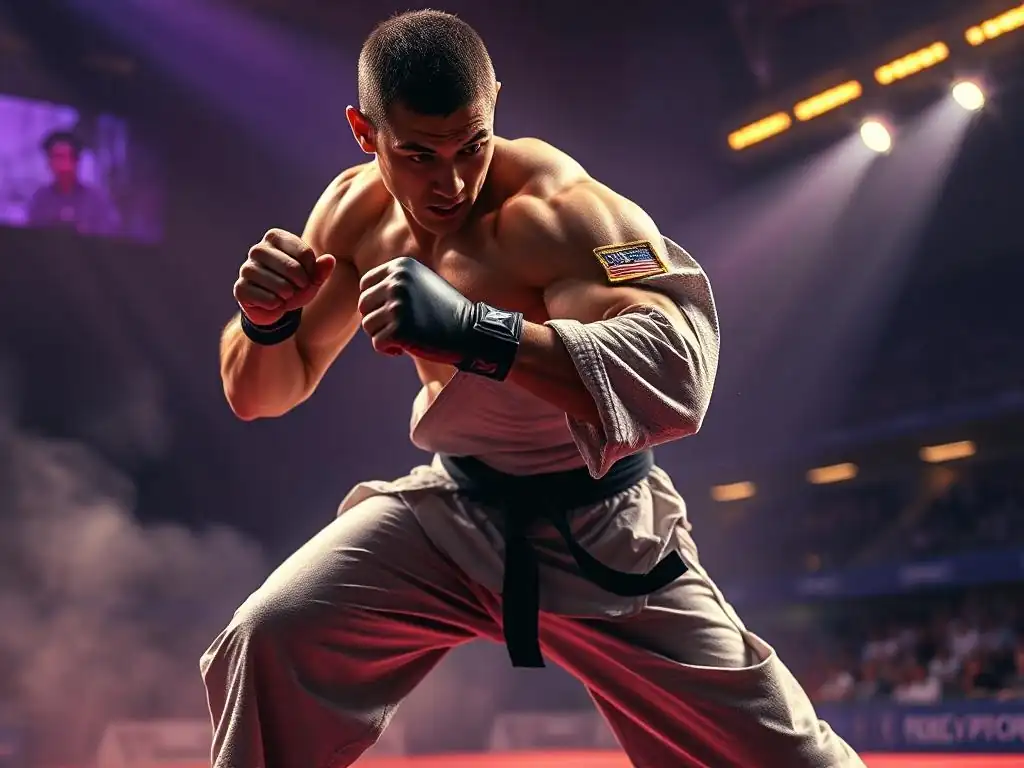
Welcome to Martial Arts Mastery, your gateway to understanding the profound world of combat disciplines. Are you ready to explore how the crucible of competition has shaped the very fabric of martial arts? Dive into our latest article, " Rules of Engagement: How Competition Forged New Martial Arts Techniques," and discover the fascinating evolution of fighting styles driven by the ever-changing demands of the competitive arena. What innovations were born from the pressure of the ring, and how do they impact self-defense today? The answers await within...
- The Impact of Competition on Martial Arts Technique Evolution
- Early Competitive Martial Arts and the Rise of New Techniques
- The Influence of Mixed Martial Arts (MMA) on Technique Development
- Specific Examples of Competitive Martial Arts Technique Evolution
- The Role of Rulesets in Shaping Competitive Martial Arts Technique
- Training Methodologies Evolving Through Competitive Pressure
- The Future of Competitive Martial Arts Technique Evolution
- Conclusion: Competition as a Catalyst for Martial Arts Progress
-
Frequently Asked Questions
- How has competition influenced the development of martial arts techniques?
- Why is understanding the historical context of martial arts techniques important in competitive settings?
- What are some specific examples of martial arts techniques that evolved due to competitive pressure?
- How does the focus on "practical self-defense strategies" discussed on MartialArtsMastery.org relate to competitive martial arts?
- Does competitive martial arts technique evolution impact traditional martial arts forms and philosophies?
- Final Reflection: The Crucible of Combat
- Ignite Your Inner Warrior: Unleash the Next Level!
The Impact of Competition on Martial Arts Technique Evolution
Introduction: Competitive Martial Arts and Innovation
Competitive martial arts have historically served as a powerful crucible for the evolution of techniques. Unlike training focused solely on forms or theoretical application, the pressure of facing a resisting, skilled opponent under specific rules forces practitioners to discard ineffective movements and refine those that work. This dynamic environment accelerates the process of innovation, pushing the boundaries of what is possible and practical within the confines of a match.
The pursuit of victory in competitive settings demands efficiency, adaptability, and constant learning. As athletes test their skills against diverse opponents, they identify weaknesses in existing techniques and develop new approaches to overcome them. This feedback loop is crucial for the ongoing competitive martial arts technique evolution, ensuring that styles remain relevant and effective against modern challenges.
The Shift from Traditional Forms to Competitive Effectiveness
Historically, many martial arts emphasized the practice of pre-arranged forms (kata, poomsae, etc.) as the primary method of learning and preserving techniques. While invaluable for understanding principles and developing foundational movements, these forms often contained techniques less practical in a dynamic, live-sparring or competitive scenario against a fully resisting opponent.
The introduction and growth of competitive martial arts forced a critical evaluation of traditional techniques. Practitioners began focusing intensely on movements proven effective in sparring and competition – techniques that generated points, secured takedowns, or led to submissions or knockouts. This shift prioritized functional application and adaptability over strict adherence to form, fundamentally altering training methodologies and driving competitive martial arts technique evolution towards practicality.
Early Competitive Martial Arts and the Rise of New Techniques
The Birth of Modern Karate: Adapting for Tournament Success
Modern sport karate, particularly styles like Shotokan popularized globally, owes much of its contemporary technical expression to the development of tournament rulesets. Early kumite (sparring) competitions, often emphasizing controlled contact and the concept of ippon (scoring a full point with a single decisive technique), led to a refinement of techniques.
This competitive pressure fostered the development of fast, linear movements, snapping punches and kicks designed for rapid extension and retraction to score before the opponent could counter. Techniques like the reverse punch ( gyaku zuki) and the front snap kick ( mae geri) became staples, optimized for speed and accuracy to land cleanly under the point-scoring system. While traditional karate contained a vast array of techniques, competitive success often hinged on mastering a smaller, highly refined set applicable to the specific rules of engagement, significantly impacting competitive martial arts technique evolution within the style.
Judo's Competitive Roots: Efficiency and Practical Application
Judo, founded by Jigoro Kano in 1882, was explicitly designed with a competitive framework ( shiai) and free practice ( randori) at its core. Kano adapted techniques from various forms of Jujutsu, selecting and refining those that were effective, safe for practice, and adaptable to a competitive setting. His principle of "maximum efficiency with minimum effort" became the guiding philosophy, constantly tested and proven through competition.
The emphasis on throws ( nage waza) and ground grappling ( katame waza) in Judo competition rules drove deep specialization in these areas. Techniques were constantly analyzed, improved, and new variations developed through the crucible of competitive matches. For example, the complex timing and balance disruption required for major throws like Osoto Gari (major outer reaping) or the intricate pins and submissions in groundwork were honed and standardized through countless competitive encounters and randori sessions, making Judo a prime example of competitive martial arts technique evolution.
Western Boxing and the Refinement of Striking Techniques
Western boxing, with its long history of formal rulesets evolving from bare-knuckle fights to the Queensberry Rules in the late 19th century, is a clear case of competition driving technical refinement. The limitation to punches, the introduction of rounds, gloves, and specific scoring criteria (later emphasizing clean blows) dramatically shaped the techniques employed.
This competitive environment led to sophisticated footwork for positioning and evasion, intricate defensive maneuvers like slipping, rolling, and blocking, and the development of powerful, efficient punch combinations (jab, cross, hook, uppercut). The need to land strikes effectively against a moving, defending opponent within timed rounds fostered a deep understanding of distance, timing, and power delivery unique to the sport, showcasing a focused trajectory of competitive martial arts technique evolution within a defined ruleset.
The Influence of Mixed Martial Arts (MMA) on Technique Development
The Gracies and the Evolution of Brazilian Jiu-Jitsu in Competition
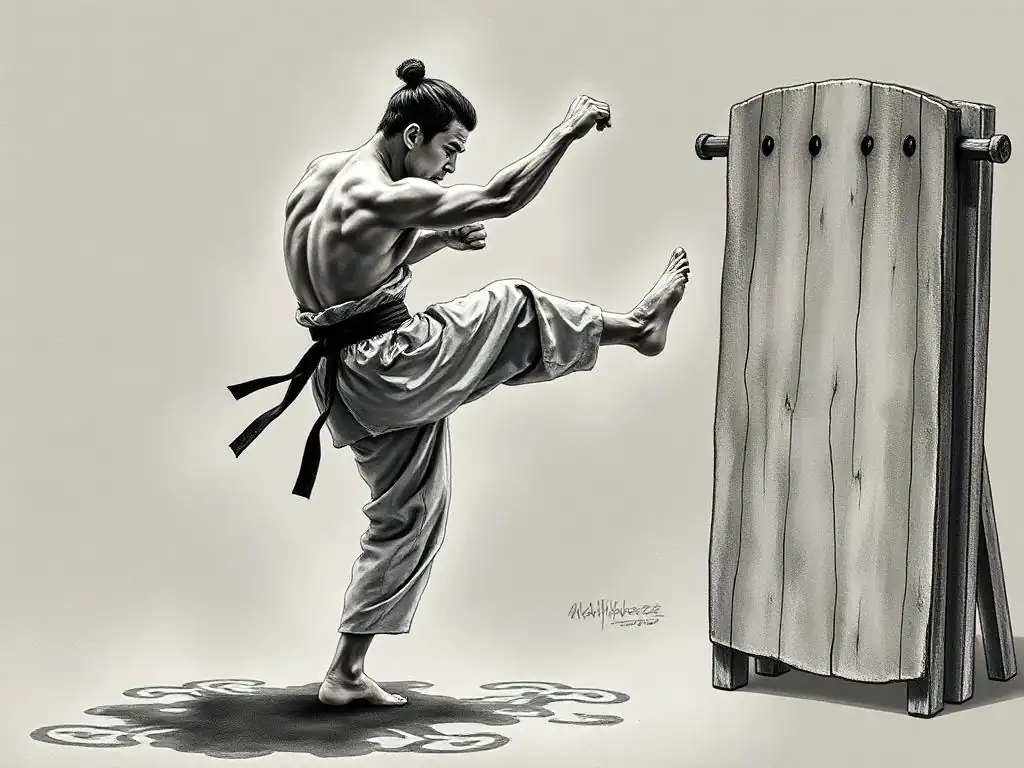
Brazilian Jiu-Jitsu (BJJ) represents one of the most striking modern examples of competitive pressure leading to technical innovation. Derived from Kodokan Judo, the Gracie family adapted the art, placing a strong emphasis on ground fighting and leverage. Their "Gracie Challenge" matches and later participation in events like the Ultimate Fighting Championship (UFC) served as crucial competitive proving grounds.
Facing opponents from diverse striking and grappling backgrounds in these early no-holds-barred competitions forced BJJ practitioners to rapidly refine their techniques. The need to survive strikes while on the ground led to the development of sophisticated guard systems, sweeps, and submissions from less dominant positions. The competitive necessity to finish opponents resulted in a constant exploration and perfection of joint locks and chokeholds, significantly accelerating the competitive martial arts technique evolution within BJJ.
The Integration of Striking and Grappling: A New Breed of Martial Artist
The rise of Mixed Martial Arts (MMA) competition fundamentally changed the landscape of martial arts training. Early MMA events starkly highlighted the limitations of specializing in a single discipline when facing opponents with different skill sets. A pure striker might be easily taken down and controlled, while a pure grappler might struggle to close distance against effective striking.
This competitive reality necessitated the integration of striking and grappling skills, creating a new archetype: the mixed martial artist proficient in stand-up, wrestling, and ground fighting. Techniques evolved to bridge these ranges – striking setups for takedowns, takedown defense integrated with striking, ground and pound from top positions, and submissions from various scenarios. The competitive demand for well-roundedness continues to drive the blending and adaptation of techniques from disparate martial arts, a powerful example of competitive martial arts technique evolution.
Adapting Techniques for the Cage: Strategies and Innovations
The specific environment of the MMA cage or ring also spurred unique technical adaptations. Unlike traditional martial arts dojos or boxing rings, the presence of walls (or ropes) provides leverage and tactical opportunities. Techniques like "cage wrestling," where fighters use the cage to prevent takedowns or to set up their own, became essential.
Furthermore, the allowance of ground and pound in most MMA rulesets led to the development of techniques for delivering strikes from dominant ground positions and, conversely, sophisticated defensive postures and movements for absorbing or escaping ground strikes. The strategic importance of cage control, wall walks, and transitions along the fence are all direct results of adapting techniques to the specific competitive environment, illustrating how the arena itself influences competitive martial arts technique evolution.
Specific Examples of Competitive Martial Arts Technique Evolution
The Development of Leg Locks in Submission Grappling
While leg locks have existed in various grappling arts for centuries, their modern technical complexity and strategic importance have been largely driven by submission grappling competitions like the ADCC Submission Fighting World Championship. The rulesets, which often favor aggressive submission hunting, provided fertile ground for practitioners to specialize in and evolve these techniques.
Innovators like Dean Lister, Masakazu Imanari, and later the Danaher Death Squad, pushed the boundaries of leg attacking, developing intricate entry methods, positional control strategies, and finishing mechanics for techniques like heel hooks, knee bars, and ankle locks. The prevalence and success of these techniques in high-level competition forced other grapplers to develop sophisticated defenses and counters, creating a rapid cycle of competitive martial arts technique evolution specifically within the leg lock game.
The Rise of Spinning Kicks in Taekwondo and Kickboxing
Scoring systems in sports like Olympic Taekwondo and various kickboxing formats (such as K-1) heavily incentivize dynamic and high-amplitude techniques. In Taekwondo, spinning kicks like the spinning heel kick ( dwit chagi) or spinning hook kick ( dollyo chagi) often score higher points than simpler front or round kicks.
This point structure directly encouraged practitioners to master these difficult, visually impressive techniques. Similarly, in kickboxing, powerful spinning or jumping kicks can lead to devastating knockouts or significantly impress judges. The competitive advantage offered by these techniques has driven countless hours of dedicated training, leading to significant refinement in their execution, speed, and power, showcasing how rules can explicitly shape competitive martial arts technique evolution towards specific actions.
Clinch Work and Knee Strikes in Muay Thai Competition
Muay Thai, known as the "Art of Eight Limbs," places a significant emphasis on the clinch – a standing grappling position where fighters control each other's posture. Competitive Muay Thai rules often award points for effective strikes within the clinch, particularly knee strikes to the body and thighs, and sweeps or throws from the position.
This competitive emphasis has resulted in highly sophisticated clinch techniques for both offense and defense. Fighters develop incredible strength and endurance for controlling opponents in the clinch, intricate entries and exits, and powerful, repetitive knee strikes. The ability to dominate the clinch is often crucial for victory in competitive Muay Thai, driving continuous refinement and innovation in this specific area of combat, a clear example of competitive martial arts technique evolution shaped by a sport's core strategies.
The Role of Rulesets in Shaping Competitive Martial Arts Technique
How Point Systems Influence Technique Selection
The specific way points are awarded in a martial arts competition has a profound impact on the techniques practitioners prioritize and attempt. In point karate, where a clean, controlled strike can instantly score a point, fighters develop explosive, in-and-out movements and techniques designed for speed over raw power. A quick head kick might score three points, making it a high-reward technique worth practicing extensively.
Conversely, in sports like wrestling or Judo, points are awarded for takedowns, throws, or control. This drives the development of techniques focused on breaking an opponent's balance, securing grips, and executing powerful entries to bring the fight to the ground. The point system acts as a direct feedback mechanism, rewarding certain actions and thereby shaping the landscape of competitive martial arts technique evolution within that discipline.
The Impact of Time Limits on Strategy and Technique
Competitive matches are almost universally bound by time limits, whether through rounds (as in boxing or MMA) or total match duration (as in Judo or BJJ). This constraint significantly influences strategy and, consequently, technique selection. Fighters cannot afford to be passive; they must employ techniques designed to achieve their objective – scoring points, securing a submission, or landing a knockout – within the allotted time.
This often leads to bursts of intense activity, strategic pacing, and the prioritization of techniques that offer the highest probability of success within a limited window. For example, in a BJJ match with a time limit, a competitor might transition from patiently working for a submission to focusing on sweeps or positional advances to secure points as time winds down. The ticking clock is a critical factor driving competitive martial arts technique evolution towards efficient and timely execution.
Safety Regulations and the Evolution of Legal Techniques
Safety regulations are a necessary component of organized martial arts competition, preventing severe injury and ensuring the sport's sustainability. Rules prohibiting techniques like eye gouging, strikes to the back of the head, small joint manipulation, or certain spinal locks force practitioners to focus on techniques that are legal and effective within the allowed parameters.
As rules evolve (e.g., outlawing head kicks to a downed opponent in some MMA promotions, or adjusting criteria for striking contact in karate), the techniques used in competition must adapt. This can lead to the decline of previously common techniques or the innovation of new approaches to achieve similar goals legally and safely. Safety regulations, therefore, act as guardrails that directly steer competitive martial arts technique evolution towards acceptable methods of engagement.
Training Methodologies Evolving Through Competitive Pressure
Drills and Sparring: Sharpening Techniques for Real-Time Application
Competitive pressure has fundamentally reshaped training methodologies, moving beyond rote repetition of forms to emphasize dynamic, live-action practice. Drills are designed to simulate specific competitive scenarios, allowing practitioners to practice technique entries, combinations, and transitions under increasing levels of resistance and speed.
Sparring, whether stand-up (like boxing or kickboxing sparring), grappling (like BJJ rolling or Judo randori), or mixed (like MMA sparring), is the ultimate pressure test. It allows athletes to apply techniques against a resisting opponent in real-time, revealing what works and what doesn't under duress. This constant feedback loop from sparring and targeted drilling is indispensable for refining existing techniques and driving the development of new ones for competitive effectiveness, accelerating competitive martial arts technique evolution in practice.
Strength and Conditioning for Competitive Martial Arts Performance
The demands of competition – explosive movements, sustained effort over multiple rounds, and physical clashes – have made dedicated strength and conditioning an integral part of competitive martial arts training. Athletes require specific physical attributes like explosive power for striking and takedowns, muscular endurance for maintaining grappling control, cardiovascular fitness for sustained output, and flexibility/mobility for executing complex techniques and avoiding injury.
Training programs are tailored to the specific needs of the sport and the individual athlete, incorporating weightlifting, plyometrics, cardiovascular training, and flexibility work. This focus on physical preparation directly enhances a practitioner's ability to execute techniques effectively under competitive stress, allowing them to apply their skills with greater speed, power, and endurance than opponents who neglect this aspect, proving crucial for competitive martial arts technique evolution at the physical level.
The Mental Game: Developing Focus and Resilience
Competitive martial arts are as much a mental challenge as a physical one. The pressure of performing in front of an audience, the anxiety of facing a skilled opponent, and the need to stay focused and adaptable throughout a match require significant mental fortitude. Training methodologies have evolved to address this, incorporating mental preparation alongside physical and technical work.
This includes visualization exercises, stress inoculation through realistic sparring, developing strategies for managing adrenaline, and cultivating resilience to setbacks like being scored on or caught in a difficult position. A strong mental game allows a competitor to execute their techniques effectively under pressure, make smart tactical decisions, and persevere through adversity, all of which are vital for success and contribute indirectly but significantly to competitive martial arts technique evolution by enabling optimal performance.
The Future of Competitive Martial Arts Technique Evolution
The Continued Integration of Different Styles
The success of mixed martial arts has demonstrated the effectiveness of cross-training and integrating techniques from various disciplines. As more practitioners train across different martial arts – wrestlers learning striking defense, strikers developing grappling fundamentals, BJJ players incorporating wrestling entries – the lines between styles will continue to blur.
This trend is likely to lead to further hybridization of techniques. We may see more sophisticated combinations of striking and entries, novel defensive systems that blend elements from multiple arts, and the development of techniques specifically designed to transition seamlessly between different ranges of combat. This ongoing cross-pollination is a key driver for future competitive martial arts technique evolution.
The Influence of Sports Science and Technology
Sports science is playing an increasingly important role in competitive martial arts. Biomechanical analysis can help optimize technique execution for maximum power and efficiency while minimizing injury risk. Data analytics can provide insights into opponent tendencies, strategic patterns, and the effectiveness of specific techniques in competition.
Advanced training equipment, such as force plates, motion capture systems, and sophisticated performance tracking devices, can provide valuable feedback for athletes and coaches. This integration of scientific principles and technology will likely lead to further technical refinement and innovation, pushing the boundaries of what is physically and strategically possible in competition, contributing to the scientific aspect of competitive martial arts technique evolution.
Increased Emphasis on Ground and Pound Defense
While striking and submission grappling have seen significant technical evolution in MMA, the strategy of ground and pound remains a highly effective way to win fights. As fighters become more skilled at delivering strikes from dominant ground positions (like mount or side control), the need for robust defense against these attacks will continue to grow.
Future competitive martial arts technique evolution in MMA will likely include greater emphasis on defensive techniques from the bottom position specifically designed to neutralize ground strikes, create space, or transition to more advantageous positions safely. This could involve new guard variations, defensive postures, and escape techniques tailored to the unique challenge of defending strikes while grappling on the ground.
Conclusion: Competition as a Catalyst for Martial Arts Progress
The Enduring Legacy of Competitive Martial Arts
Competition has been an undeniable catalyst for progress throughout the history of martial arts. From the early wrestling and boxing matches of antiquity to the structured tournaments of Judo and Karate, and the modern spectacle of MMA, competitive pressure has consistently forced practitioners to test, refine, and evolve their techniques. It strips away the impractical and highlights what is truly effective against a resisting opponent.
The techniques we see in modern martial arts, whether in sport-specific disciplines or integrated systems like MMA, owe a significant debt to the demands of competition. This environment has fostered innovation, driven physical and mental preparation, and provided a clear metric for effectiveness, leaving an enduring legacy on the competitive martial arts technique evolution.
The Importance of Balancing Tradition and Innovation
While competition is a powerful engine for innovation, it is important to recognize the value of traditional martial arts roots. Traditional training preserves historical context, philosophical principles, and a wider array of techniques that might not be immediately applicable in a specific competitive ruleset but hold deeper knowledge.
The ideal path forward for martial arts lies in finding a balance between respecting tradition and embracing the innovation driven by competition. Competitive martial arts technique evolution is most vibrant when informed by foundational principles while remaining open to new ideas and adaptations proven effective in the crucible of live engagement. This synergy ensures martial arts remain both historically rich and dynamically effective.
Frequently Asked Questions
How has competition influenced the development of martial arts techniques?
Competition has been a significant driver of evolution, forcing practitioners to refine existing techniques and develop new, effective strategies to gain an edge. This leads to the constant improvement of martial arts.
Why is understanding the historical context of martial arts techniques important in competitive settings?
Knowing the historical underpinnings provides insight into a technique's original purpose and its potential weaknesses. This understanding allows for better adaptation and counter-strategies in modern competition.
What are some specific examples of martial arts techniques that evolved due to competitive pressure?
The article discusses examples like the evolution of grappling transitions in Brazilian Jiu-Jitsu and the refinement of striking accuracy in Karate, both driven by the need to succeed in tournaments and matches. Competition demanded adaptation.
How does the focus on "practical self-defense strategies" discussed on MartialArtsMastery.org relate to competitive martial arts?
While competition emphasizes sport-specific rules, the underlying principles of self-defense often inform competitive techniques. The focus on realistic scenarios can lead to the development of more effective and adaptable competitive strategies.
Does competitive martial arts technique evolution impact traditional martial arts forms and philosophies?
Yes, it can lead to a divergence where the focus shifts from traditional forms and philosophy to maximizing competitive advantage. This can raise questions about authenticity and the preservation of the original art.
Final Reflection: The Crucible of Combat
The evolution of martial arts, as we've explored, is inextricably linked to the fires of competition. This constant pressure to adapt and overcome, to find the edge, is not merely a historical curiosity, but a living force shaping martial arts training and technique today. The techniques we see in modern MMA, Brazilian Jiu-Jitsu, and even traditional disciplines, bear the indelible mark of countless matches, sparring sessions, and the relentless pursuit of victory.
The impact of competitive martial arts extends far beyond the dojo or the ring. It's a testament to human ingenuity and the power of iterative improvement, a process that resonates in fields from technology to art. The willingness to test, refine, and discard what doesn't work is a valuable lesson applicable to all aspects of life. The best fighter is never angry,
Bruce Lee famously said, reflecting the need for calm calculation and strategic adaptation under pressure, principles honed in the crucible of competition.
Now, consider how the principles of adaptation and relentless improvement, forged in the competitive arena, can be applied to your own life. What challenges are you facing? What outdated techniques or strategies are holding you back? Embrace the spirit of the martial artist: analyze, adapt, and relentlessly pursue your goals with the same dedication and ingenuity that has shaped the evolution of martial arts itself.
Ignite Your Inner Warrior: Unleash the Next Level!
Thank you for diving deep into the evolution of martial arts with us! Now that you understand how competition fuels innovation, it's time to translate that knowledge into action.
Here's how you can take your martial arts journey to the next level:
- Experiment with cross-training: Integrate techniques from different styles to discover novel combinations that suit your fighting style and surprise your opponents.
- Join a local tournament or sparring group to test your skills in a competitive environment and identify areas for improvement.
- Share this article with fellow martial artists and start a discussion about the role of competition in shaping modern techniques.
What innovative technique will you forge next in your martial arts journey?