Martial Arts Competitions & Sports
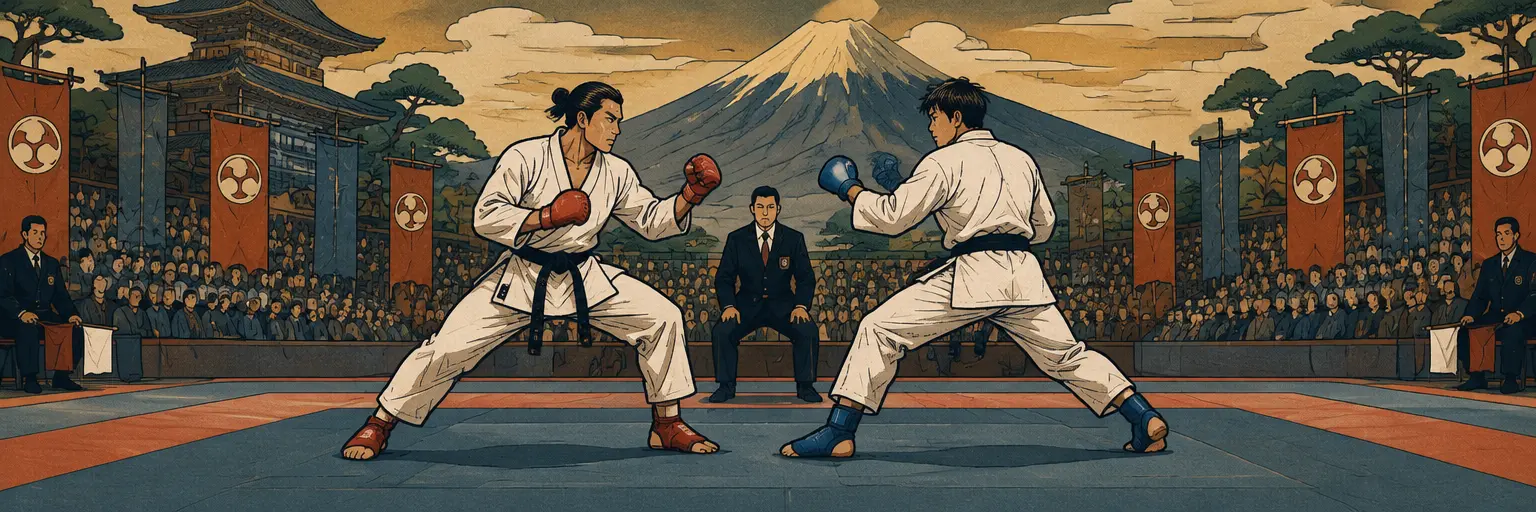
Welcome to the competitive arena of Martial Arts Mastery. Here, we dissect the thrilling world of combat sports, from ancient traditions transformed into modern spectacles to the nitty-gritty of scoring and strategy. Whether you’re a seasoned fighter, a dedicated coach, or an avid fan, this category offers deep insights into the rules, organizations, and psychological battles that define champions. Explore how disciplines like boxing, MMA, Judo, and Taekwondo are governed, judged, and evolved, and gain the knowledge to appreciate every punch, throw, and kick with expert eyes.
🥊 Rules and Regulations in Different Combat Sports (Boxing, MMA, Judo, Taekwondo)
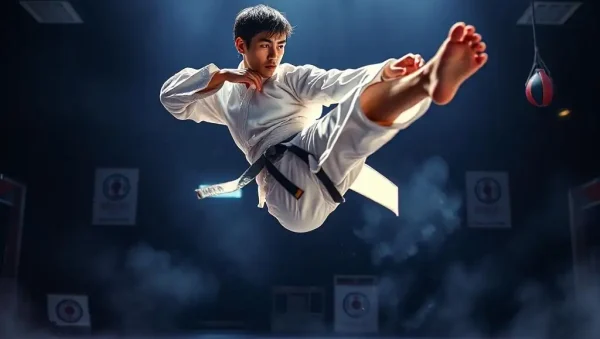
Each combat sport is a unique ecosystem with its own set of legal techniques, prohibited actions, and structural framework. In boxing, the focus is on punches above the belt with strict clinch rules, while MMA blends striking and grappling with a broader legal arsenal. Judo emphasizes throws and pins, forbidding strikes entirely, and Taekwondo prioritizes high kicks and speed, with points awarded for precision over power. Understanding these rulebooks is essential for fighter safety and tactical preparation, as what wins a bout in one ring can lead to disqualification in another.
📊 Judging and Scoring in Martial Arts Competitions: Controversies and Analysis
Scoring is the heartbeat of any judged sport, yet it remains the most debated aspect. Boxing uses the 10-Point Must system, rewarding effective aggression and ring generalship, while MMA’s criteria shift between striking impact and grappling control. Judo awards ippon for perfect throws, but waza-ari margins can spark protest. Taekwondo’s electronic scoring sensors reduce bias but miss technical nuance. Here, we analyze infamous robbery decisions, the psychology of judges, and potential reforms like open scoring or AI assistance, giving you a forensic look at how victories are—and sometimes aren’t—earned.
🏆 Major Martial Arts Tournaments and Organizations (Olympics, UFC, K-1)
From the global prestige of the Olympic Games (featuring Judo, Taekwondo, and boxing) to the commercial might of the UFC and the striking spectacle of K-1, these organizations shape the sport’s landscape. Each has its own ruleset, weight classes, and ranking systems, from amateur Olympic qualification to professional contract signing. We profile the governance of bodies like the IOC, WBC, and ONE Championship, covering event formats, prize structures, and how their histories have influenced athlete careers. Expect breakdowns of championship belts, tournament brackets, and the geopolitical dynamics that affect international competition.
📜 The Evolution of Martial Arts as Sports: From Tradition to Competition
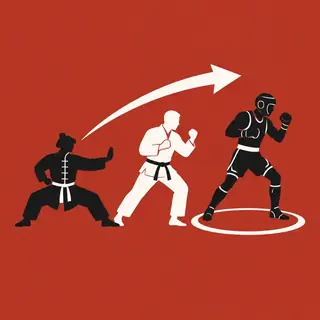
Martial arts began as survival skills and spiritual disciplines, but the 20th century transformed them into codified sports. Judo’s Kano Jigoro removed dangerous techniques to create a safe art for education, while Taekwondo was systematized for military and Olympic inclusion. Boxing moved from bare-knuckle brawls to gloved regulation, and MMA emerged from Vale Tudo and Brazilian Jiu-Jitsu challenges, absorbing techniques from all styles. This section traces the standardization of rules, the rise of weight classes and protective gear, and the cultural trade-offs between self-defense authenticity and spectator-friendly entertainment.
🧠 Training for Competition: Strategy, Peaking, and Mindset
Winning in combat sports requires more than technique—it demands periodized training, tactical game plans, and psychological fortitude. Learn how to structure fight camps with phases of volume, intensity, and tapering to peak on fight night. We explore video analysis of opponents, sparring drills that mimic competition pressure, and recovery protocols. Mindset is equally critical: developing pre-fight routines, managing adrenaline dump, and building resilience through visualization. From cutting weight safely to executing a game plan under fatigue, this subcategory offers actionable advice for amateur and professional athletes alike.
Frequently Asked Questions
What are the biggest rule differences between MMA and boxing?
MMA allows striking with elbows, knees, and kicks, plus grappling submissions, while boxing restricts strikes to punches above the waist. MMA rounds last 5 minutes (or 3 for non-title fights), versus boxing’s 3-minute rounds. Clinching is limited in both but with different thresholds, and MMA allows ground fighting where boxing stops on a knockdown. Legal targets also differ—MMA permits leg kicks and grounded opponents to be struck, while boxing prohibits these.
Why is judging in combat sports so controversial?
Judging is subjective, relying on human interpretation of criteria like “effective aggression” or “dominance.” Boxing’s rounds are scored individually, often rewarding flashy punches over cumulative damage, while MMA’s grappling exchanges are hard to quantify. Judges sit far from the action, miss angles, and lack instant replay. Additionally, home-crowd bias and corruption allegations (e.g., judging scandals in Seoul 1988) undermine trust, prompting calls for more transparent criteria and technological assistance.
How do fighters qualify for the Olympics in martial arts?
Qualification varies by sport. For Judo and Taekwondo, athletes earn spots via world rankings and continental qualification tournaments, with each country limited to one athlete per weight class. Boxing uses global qualifiers, with Olympic quota places allocated across continents. Interim rankings from international federations (like World Judo or World Taekwondo) prioritize performance in sanctioned events. Host countries receive automatic entries, and wildcards exist for universality quotas to ensure broad representation.
What does “peaking” mean in combat sports training?
Peaking refers to the final 1–3 weeks of a fight camp where training volume drops significantly while intensity and rest increase. The goal is to recover from accumulated fatigue, allowing the athlete’s speed, power, and endurance to reach their maximum on competition day. This includes tapering sparring to one or two light sessions, emphasizing technique rehearsal, and optimizing sleep and nutrition. Poor peaking leads to flat performance—either overtrained or undertrained—so periodization is critical.
Are traditional martial arts still practical for modern MMA competition?
Yes, but only as components of a hybrid system. Styles like Karate (used by Stephen Thompson) contribute footwork and long-range striking, while Taekwondo’s kicks (e.g., Anderson Silva’s front kick) add unorthodox angles. Judo’s throws (Ronda Rousey’s harai-goshi) and wrestling’s takedowns form the grappling base. However, traditional stances and wasted movements must be adapted for MMA’s shorter, faster exchanges and ground game. Cross-training in multiple arts is essential for success in today’s sport.