
When Deescalation Fails: Recognizing the Point of No Return and Your Next Move


Welcome to Martial Arts Mastery, your definitive resource for exploring the rich tapestry of global martial arts. Are you prepared to navigate a world where conflict is unavoidable? This article delves into crucial martial arts deescalation strategies, but more importantly, it illuminates the critical moment when deescalation fails. Discover how to recognize the point of no return and what decisive action you must take next to protect yourself. Intrigued? Read on to unlock the secrets of effective self-defense when words are no longer enough.
- Understanding De-escalation Strategies and Their Limits
-
Frequently Asked Questions
- What does "de-escalation" mean in the context of martial arts and self-defense?
- How do I recognize the "point of no return" where de-escalation is no longer effective?
- What are some key indicators that de-escalation is failing?
- What should my "next move" be if de-escalation fails?
- Does practicing martial arts automatically make me better at de-escalation?
- Final Reflection: Embracing the Inevitable Shift
- Seize Control: Reclaim Your Safety Now!
Understanding De-escalation Strategies and Their Limits
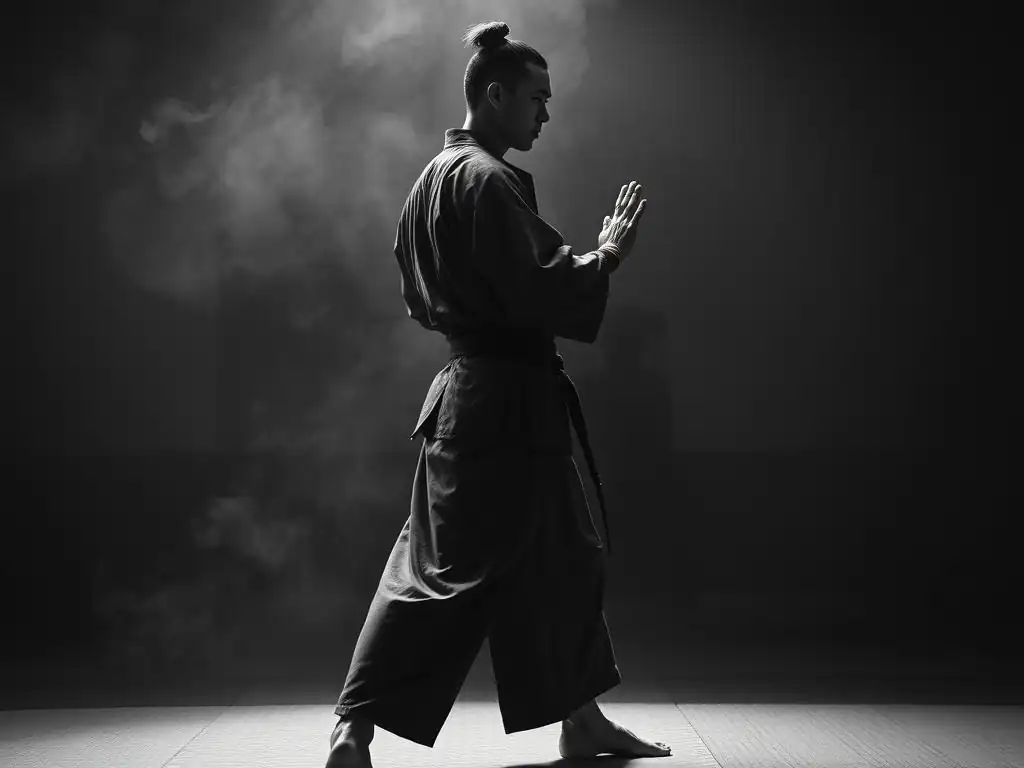
The Importance of De-escalation in Conflict Resolution
Martial arts deescalation strategies are fundamental to effective self-defense, emphasizing the avoidance of physical confrontation whenever possible. The primary goal is to prevent a verbal disagreement or tense situation from escalating into violence, protecting not only oneself but also potentially preventing harm to the aggressor and bystanders. This approach aligns with the core philosophical tenets of many traditional martial arts, which often prioritize discipline, respect, and control over aggression. By mastering de-escalation techniques, practitioners can navigate potentially dangerous encounters with greater confidence and a reduced likelihood of physical injury or legal repercussions.
Prioritizing de-escalation in self-defense training offers significant practical benefits. While physical techniques are vital, studies and real-world incidents consistently show that avoiding a fight is the safest outcome.
For instance, law enforcement and security personnel, who frequently encounter volatile situations, rely heavily on de-escalation training, reporting success rates varying depending on the context, but generally aiming to resolve upwards of 80% of potential conflicts without force. Integrating these principles into martial arts practice equips individuals with the skills to read situations, manage their own fear response, and employ verbal and non-verbal cues to defuse tension, thereby minimizing the risk of ever needing to use physical force.
De-escalation as a First Response: A Psychological Perspective
Approaching a potential conflict with de-escalation as the first response is rooted in understanding the psychological dynamics at play. Aggression is often fueled by emotions such as fear, anger, frustration, or a perceived threat to status or safety. By employing calm, non-threatening verbal and non-verbal communication, an individual can often bypass the aggressor's emotional response and engage their rational mind, if possible.
Techniques like active listening, validating feelings without agreeing with the behavior, and maintaining open body language can disarm an aggressor's defensive posture and create an opening for dialogue rather than combat. This psychological strategy aims to lower the emotional temperature of the situation, making a peaceful resolution more likely.
Furthermore, initiating with de-escalation helps manage the defender's own psychological state. Confrontations are stressful, triggering the body's "fight or flight" response, which can impair judgment and fine motor skills. By consciously choosing a de-escalation strategy, the individual takes control of their reaction, moving from a reactive, fear-driven state to a more proactive, strategic mindset.
This deliberate choice helps maintain composure, allowing for clearer thinking and better assessment of the situation. It also subtly shifts the dynamic, presenting the defender as calm and in control, which can sometimes deter an aggressor looking for an easy target or a reactive opponent to feed their aggression.
Recognizing the Limitations of Verbal De-escalation
While powerful, martial arts deescalation strategies, particularly those relying solely on verbal communication, have inherent limitations. They are most effective when the aggressor is capable of rational thought and is not under the influence of substances that severely impair judgment. Situations involving individuals experiencing severe mental health crises, extreme intoxication, or those with pre-meditated violent intent are often resistant to verbal intervention alone. In such cases, attempts at dialogue may be ignored, misinterpreted, or even perceived as a challenge, potentially accelerating the path to physical violence rather than preventing it.
It is crucial for anyone practicing martial arts for self-defense to understand that de-escalation is a tool, not a guaranteed solution. Approximately 10-20% of confrontational situations might involve individuals for whom verbal reasoning is ineffective, based on various studies on aggression and conflict resolution in high-risk environments.
Recognizing the signs that verbal strategies are failing – such as a lack of response, increasing volume or threat level, or a shift in body language towards physical readiness – is vital. At this point, relying solely on talking becomes dangerous, and the individual must be prepared to transition to other forms of self-protection, recognizing that they have reached the point where de-escalation has failed.
Frequently Asked Questions
What does "de-escalation" mean in the context of martial arts and self-defense?
De-escalation refers to techniques and strategies used to avoid physical confrontation by verbally and non-verbally diffusing a potentially violent situation. It aims to resolve conflicts peacefully before they escalate into a fight.
How do I recognize the "point of no return" where de-escalation is no longer effective?
The "point of no return" is when the aggressor is unresponsive to verbal cues, displays increasingly aggressive body language, or makes direct threats of violence. It signifies that physical confrontation is imminent despite your attempts to de-escalate.
What are some key indicators that de-escalation is failing?
Key indicators include escalating threats, physical posturing (e.g., clenched fists, advancing stance), and a clear intention to cause harm despite your attempts to calm the situation. Ignoring your verbal attempts is also a warning sign.
What should my "next move" be if de-escalation fails?
Your next move should prioritize your safety. This may involve creating distance to escape, preparing to defend yourself, or preemptively striking if your life is in immediate danger and there's no other option.
Does practicing martial arts automatically make me better at de-escalation?
While martial arts training can enhance awareness and confidence, it doesn't guarantee effective de-escalation. Specific training in verbal communication, body language, and conflict resolution is crucial for successful de-escalation strategies.
Final Reflection: Embracing the Inevitable Shift
The exploration of martial arts de-escalation strategies, as outlined in this article, underscores a vital truth: even the most skilled practitioners must recognize the limits of diplomacy and prepare for the unavoidable transition to self-defense. The ability to de-escalate a potentially violent situation is paramount, but clinging to that hope beyond a certain point can be disastrous. Understanding when de-escalation has failed is not an admission of defeat, but a crucial step in ensuring personal safety and the safety of others.
This understanding has profoundly shaped my perspective on conflict resolution, highlighting the delicate balance between peaceful negotiation and decisive action. It's a constant reminder that while striving for peace is always the ideal, preparedness for conflict is a non-negotiable responsibility. As Bruce Lee wisely stated: Adapt what is useful, reject what is useless, and add what is specifically your own.
This applies not only to martial arts techniques but also to our approach to conflict – knowing when to adapt and when to act decisively.
Therefore, I urge you to reflect on your own understanding of conflict. Consider the situations in your life where de-escalation might be possible, but also contemplate the point of no return. Hone your skills in communication and empathy, but never neglect the importance of self-defense. Embrace the wisdom of knowing when to shift from peacemaker to protector, and empower yourself to navigate the complexities of conflict with both grace and strength.
Seize Control: Reclaim Your Safety Now!
Thank you for exploring the crucial nuances of de-escalation and recognizing the point when it's time to shift gears. You've gained valuable insights into protecting yourself when words are no longer enough. Now, let's put that knowledge into action.
Here's how you can solidify your understanding and ensure your safety:
- Prioritize your safety by identifying local self-defense classes that emphasize practical techniques applicable in real-world scenarios.
- Delve deeper into situational awareness strategies by observing public interactions and mentally rehearsing potential escape routes.
- Share this article with friends and family – spreading awareness can empower others to protect themselves too.
What concrete step will you take today to enhance your personal safety and confidence in challenging situations?