
Fueling the Fight: Understanding Hydration's Impact on Your Martial Arts Journey

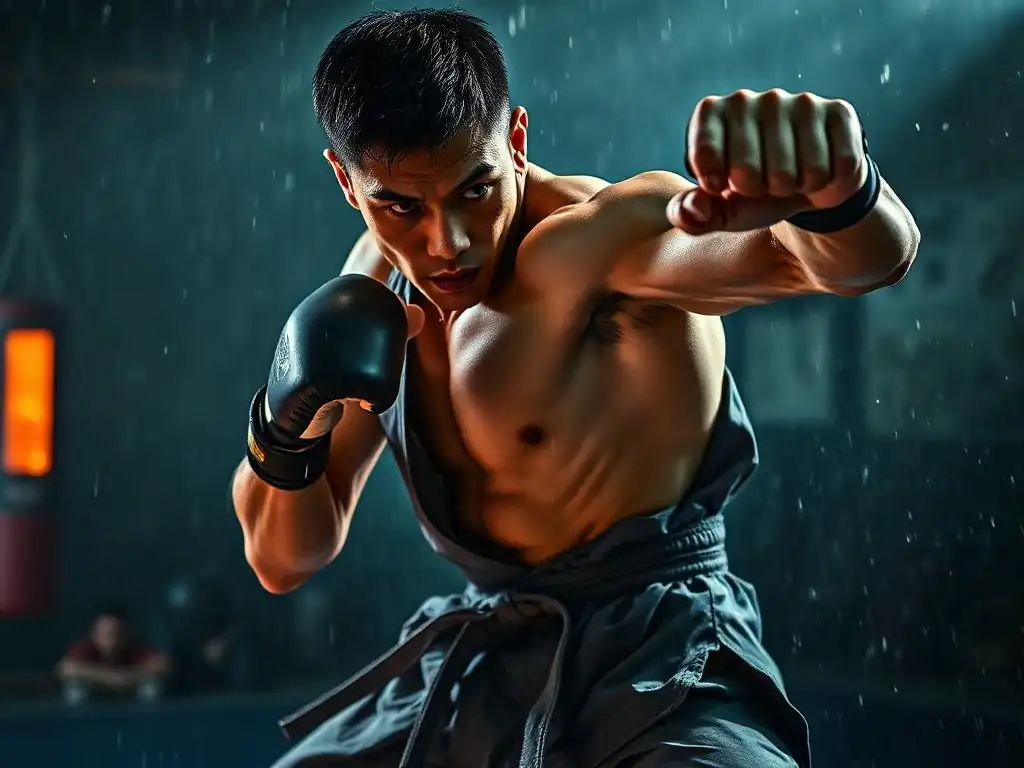
Welcome to Martial Arts Mastery, your ultimate resource for delving into the world of combat arts. Are you pushing your limits in training, striving for peak performance? Then, prepare to unlock a vital secret weapon. Our latest article, "Fueling the Fight: Understanding Hydration's Impact on Your Martial Arts Journey," explores the profound hydration benefits martial arts training offers, revealing how proper fluid intake can be the key to unlocking your true potential. Discover how staying hydrated isn't just about quenching thirst, but about maximizing your power, endurance, and focus. Ready to elevate your training? Let's begin...
- The Undeniable Link: Hydration and Martial Arts Performance
- Unlocking Peak Performance: Hydration Benefits for Martial Arts Training
- Hydration Strategies for Optimal Martial Arts Training
- Choosing the Right Fluids for Martial Arts Performance
- Practical Hydration Tips for Martial Arts Mastery
- The Science Behind Hydration and Martial Arts: A Deeper Dive
- Mastering Hydration: A Pathway to Martial Arts Excellence
-
Frequently Asked Questions
- What are the main benefits of proper hydration for martial arts training?
- How does dehydration specifically affect a martial artist's technique and precision?
- What is the recommended amount of water intake for martial artists during training?
- Besides water, are there other beverages that can contribute to hydration during martial arts training?
- What are some practical tips for staying adequately hydrated throughout the day, even outside of training?
- Final Reflection: The Wellspring of Martial Prowess
- Unleash Your Inner Warrior: Hydrate to Dominate!
The Undeniable Link: Hydration and Martial Arts Performance
Why Hydration is Crucial for Martial Artists: Beyond Thirst
Proper hydration is far more than simply quenching thirst; it is a fundamental pillar supporting physical function, especially under the demanding conditions of martial arts training. Water plays critical roles in thermoregulation, helping your body dissipate heat generated during intense activity through sweat. It also acts as a lubricant and shock absorber for joints and tissues, essential for executing techniques involving high impact, rapid movements, or forceful grappling. Without adequate hydration, the body struggles to maintain optimal temperature and joint health, directly impacting a martial artist's ability to perform effectively and safely.
Beyond temperature control and joint support, water is the medium for transporting vital nutrients, such as carbohydrates and oxygen, to working muscles. It's also necessary for removing metabolic waste products like lactic acid, which can build up during strenuous exercise and contribute to fatigue. Efficient nutrient delivery and waste removal are key to sustaining energy levels and delaying the onset of fatigue during long training sessions or competitive bouts. These are foundational hydration benefits martial arts training relies upon for consistent power and stamina.
Dehydration's Detrimental Effects on Martial Arts Abilities
Even mild dehydration can significantly impair a martial artist's performance. Losing just 1-2% of your body weight in fluid can lead to noticeable declines in endurance, strength, and power. Symptoms like fatigue, dizziness, and reduced concentration begin to appear, making it harder to focus on technique, strategy, or an opponent's movements. Studies have indicated that performance can decrease by as much as 10-15% with dehydration levels around 2%, a threshold easily reached during a single intense training session without fluid replacement.
As dehydration worsens (typically above 3% body weight loss), the negative effects become more pronounced and dangerous. Muscle strength and power output decrease substantially, reaction time slows, and coordination deteriorates. The risk of heat-related illnesses, such as heat exhaustion or heatstroke, increases dramatically in hot or humid training environments. Severe dehydration compromises the body's ability to regulate temperature and can lead to serious health complications, directly countering the potential hydration benefits martial arts training should provide.
Unlocking Peak Performance: Hydration Benefits for Martial Arts Training
Increased Endurance and Stamina Through Proper Hydration
Maintaining optimal hydration levels is paramount for sustaining endurance and stamina during prolonged martial arts activities. Adequate fluid intake helps maintain blood volume, ensuring efficient circulation of oxygen and nutrients to working muscles. This allows muscles to function more efficiently for longer periods, delaying the onset of fatigue and enabling martial artists to push through challenging drills, sparring rounds, or multiple forms repetitions without experiencing premature exhaustion.
Furthermore, proper hydration supports the body's ability to utilize energy stores effectively. It plays a role in the metabolic pathways that convert stored glycogen into usable energy. When well-hydrated, your body can access this fuel more readily, providing the sustained power needed for continuous movement and effort throughout a training session. This enhanced energy metabolism is a key hydration benefit martial arts training leverages for peak physical output.
Enhanced Focus and Reaction Time with Optimal Fluid Intake
Cognitive function is highly sensitive to hydration status. Even slight dehydration can impair concentration, memory, and reaction time – all critical components of martial arts performance. Maintaining optimal fluid intake ensures adequate blood flow to the brain, supporting neural function and cognitive processes essential for quick decision-making, anticipating an opponent's actions, and executing techniques precisely under pressure.
Research consistently shows a link between hydration and cognitive performance in athletes. Staying well-hydrated helps maintain mental clarity and sharpness, allowing martial artists to react faster to stimuli, maintain focus during complex sequences, and adapt strategies on the fly. This improvement in cognitive function is a significant hydration benefit martial arts training provides for mental agility and tactical execution.
Preventing Muscle Cramps and Injuries: The Hydration Connection
Muscle cramps are a common issue during intense physical activity and are often linked to dehydration and electrolyte imbalances. Water, along with electrolytes like sodium, potassium, and magnesium, is essential for proper muscle function and nerve signaling. Adequate hydration helps maintain the balance of these electrolytes, which is crucial for smooth muscle contractions and preventing involuntary spasms.
Additionally, well-hydrated tissues, including muscles, tendons, and ligaments, are more flexible and resilient. Dehydration can make these tissues stiffer and more susceptible to tears or strains. By ensuring sufficient fluid intake, martial artists can help maintain the elasticity and health of their musculoskeletal system, potentially reducing the risk of common training injuries and supporting long-term participation. This preventative measure is a crucial hydration benefit martial arts training fosters for bodily integrity.
Better Recovery After Intense Martial Arts Workouts: The Role of Water
Hydration plays a vital role in the post-training recovery process. Water is necessary for transporting nutrients required for muscle repair and growth and for removing metabolic waste products accumulated during exercise. Rehydrating promptly after a workout helps initiate these recovery processes, flushing out waste and delivering the building blocks needed for tissue regeneration.
Fluid loss during intense martial arts training can be substantial due to sweating. Replenishing these lost fluids and electrolytes is essential for restoring the body's physiological balance and preparing for the next training session. Proper post-workout hydration aids in reducing muscle soreness, restoring energy levels, and facilitating faster recovery, allowing martial artists to train consistently and make steady progress. This accelerated recovery is a significant hydration benefit martial arts training relies on for continuous improvement.
Hydration Strategies for Optimal Martial Arts Training
Determining Your Individual Hydration Needs as a Martial Artist
Individual hydration needs vary significantly based on factors such as body size, metabolism, training intensity, duration, and environmental conditions (temperature, humidity). While general guidelines exist, active individuals like martial artists typically require more fluid than sedentary people. A basic recommendation is often cited around 8 cups (approximately 2 liters) per day, but this is a baseline before accounting for exercise.
A more practical approach for martial artists is to monitor personal indicators. The color of your urine is a simple gauge: pale yellow usually indicates adequate hydration, while dark yellow suggests a need for more fluids. Weighing yourself before and after training is another method; for every pound of body weight lost during a session, aim to replenish with approximately 16-24 ounces (around 470-710 ml) of fluid. Understanding these personal metrics is key to tailoring hydration benefits martial arts training to your unique requirements.
Pre-Workout Hydration: Preparing Your Body for the Challenge
Effective hydration for martial arts begins well before you step onto the mat or into the training area. It's crucial to start your session in a hydrated state. Avoid waiting until you feel thirsty, as thirst is often a sign that you are already mildly dehydrated. A good strategy is to drink fluids consistently throughout the day leading up to your training.
Aim to consume about 16-20 ounces (approximately 500-600 ml) of water 2-3 hours before your training session begins. This allows your body time to absorb the fluid and excrete any excess. Follow this with another 8 ounces (approximately 240 ml) about 20-30 minutes before starting. This pre-emptive approach ensures your body is ready to perform and maximizes the potential hydration benefits martial arts training can provide from the outset.
During-Workout Hydration: Maintaining Fluid Balance During Training
Maintaining hydration during training is essential, especially for sessions lasting longer than an hour or in hot/humid conditions. For typical martial arts classes (e.g., 60 minutes of moderate intensity), water is usually sufficient. Aim to drink 4-8 ounces (approximately 120-240 ml) every 15-20 minutes during breaks, or more frequently if you feel the need.
For longer or more intense sessions, or if you are a heavy sweater, consider incorporating an electrolyte drink. The goal is to minimize fluid loss during the session, ideally keeping it below 2% of your body weight. Sipping fluids regularly is generally more effective than consuming large volumes infrequently, which can cause stomach discomfort. Consistent hydration during training is vital for sustaining the hydration benefits martial arts training offers throughout the session.
Post-Workout Hydration: Replenishing Lost Fluids and Electrolytes
Post-workout hydration is a critical component of recovery. The primary goal is to replace the fluids lost through sweat during your training session. As mentioned, a guideline is to drink 16-24 ounces (approximately 470-710 ml) of fluid for every pound of body weight lost during the activity. Begin this rehydration process as soon as possible after finishing your training.
For sessions involving significant sweat loss, particularly those over an hour, it's also important to replenish electrolytes. While water is essential, adding a source of electrolytes, either through an electrolyte drink or by consuming salty foods, helps restore fluid balance more effectively and aids muscle recovery. Proper post-workout hydration accelerates recovery, reduces muscle soreness, and prepares your body for the demands of your next martial arts session, solidifying the hydration benefits martial arts training provides for long-term development.
Choosing the Right Fluids for Martial Arts Performance
Water: The Foundation of Hydration for Martial Artists
Plain water is the cornerstone of hydration and the most effective fluid for meeting daily needs and hydrating during most martial arts training sessions. It is calorie-free, readily available, and efficiently absorbed by the body. For moderate intensity and duration training, water is sufficient to maintain performance and support bodily functions without adding unnecessary sugars or additives.
Making a habit of carrying a reusable water bottle and sipping from it consistently throughout the day, not just around training times, is the simplest and most effective strategy for maintaining baseline hydration. This consistent intake ensures that your body is prepared for the demands of training and allows you to fully realize the core hydration benefits martial arts training offers.
Electrolyte Drinks: When and Why You Need Them
Electrolyte drinks, often referred to as sports drinks, can be beneficial under specific circumstances for martial artists. They are typically recommended for prolonged training sessions lasting over 60-75 minutes, especially those that are high intensity or conducted in hot and humid conditions where sweat rates are high. These drinks contain carbohydrates for energy and key electrolytes like sodium and potassium, which are lost in sweat and are vital for nerve signaling, muscle function, and maintaining fluid balance.
Look for electrolyte drinks that contain a carbohydrate concentration of around 6-8% for optimal absorption and energy delivery. Consuming these drinks during extended sparring, multi-hour seminars, or competition days can help sustain performance by providing both fluids and readily available fuel, enhancing the hydration benefits martial arts training can provide during grueling efforts. However, for shorter, less intense sessions, plain water is usually adequate.
Natural Hydration Sources: Incorporating Fruits and Vegetables
Many fruits and vegetables have a remarkably high water content and can contribute significantly to your daily fluid intake while also providing essential vitamins, minerals, and electrolytes. Examples include watermelon (approximately 92% water), strawberries (approximately 91% water), cucumber (approximately 95% water), celery (approximately 95% water), and oranges (approximately 88% water).
Incorporating a variety of water-rich fruits and vegetables into your diet complements your fluid intake from beverages. While they should not replace drinking water entirely, they offer a nutritious way to boost hydration levels and provide valuable nutrients that support overall health, performance, and recovery. For instance, consuming a small amount of fruit before training can offer both hydration and some quick energy, supporting the hydration benefits martial arts training relies upon.
Beverages to Avoid: Drinks That Hinder Hydration
Not all beverages are created equal when it comes to hydration. Certain drinks can actually work against your hydration efforts. Alcohol is a well-known diuretic, meaning it increases fluid loss through urination, leading to dehydration. Excessive consumption should be avoided, especially around training times. While moderate caffeine intake is generally not significantly dehydrating for regular consumers, very high doses might have a mild diuretic effect.
Sugary sodas, fruit juices with added sugar, and other sweetened beverages are often high in sugar, which can slow down the rate of fluid absorption and potentially cause stomach upset during exercise. While they contain water, they lack the necessary balance of electrolytes for effective rehydration after significant sweat loss compared to water or appropriate electrolyte drinks. Focusing on water and, when needed, electrolyte beverages optimizes the hydration benefits martial arts training can offer.
Practical Hydration Tips for Martial Arts Mastery
Creating a Personalized Hydration Plan for Your Martial Arts Discipline
Your hydration needs can vary depending on the specific martial arts discipline you practice. A high-intensity striking art like Muay Thai or Taekwondo might involve different movement patterns and sweat rates compared to a grappling art like Judo or Brazilian Jiu-Jitsu, or a less aerobic style like Tai Chi. Consider the typical duration and intensity of your classes and how much you tend to sweat during those sessions.
Based on your observations of sweat rate (perhaps through pre/post-training weighing) and the demands of your specific style, develop a personalized hydration schedule. Determine how much fluid you should aim to drink before, during, and after training. For example, a BJJ practitioner in a hot academy might need more consistent hydration and electrolyte replacement than someone practicing Kata in a climate-controlled dojo. This tailored approach helps maximize the hydration benefits martial arts training provides for your unique path.
Monitoring Your Hydration Levels: Recognizing the Signs of Dehydration
Learning to recognize the signs of dehydration is crucial for proactive hydration management. Pay attention to your body's signals. Early indicators include thirst, a dry mouth, fatigue, headache, dizziness, and urine that is darker yellow than usual. Experiencing these symptoms means your hydration is already suboptimal and performance is likely being negatively affected.
More severe signs of dehydration can include muscle cramps, nausea, confusion, rapid heartbeat, and a lack of sweating despite physical exertion. Regularly checking your urine color throughout the day (aiming for a pale yellow hue) and being mindful of how you feel before, during, and after training are simple but effective ways to monitor your hydration status and ensure you are consistently reaping the full hydration benefits martial arts training offers.
Hydration Strategies for Different Martial Arts Styles
Different martial arts styles present unique hydration challenges. In grappling arts like Wrestling or Judo, where there is often prolonged, high-intensity physical contact and significant heat generation, practitioners can experience substantial sweat loss. Consistent sipping of water or an electrolyte drink during breaks is vital, and thorough rehydration with electrolytes post-session is critical for recovery.
For striking arts such as Karate or Kickboxing, which may involve bursts of explosive movements and sustained cardio, maintaining focus and energy is paramount. Hydrating consistently throughout the day and sipping water during class breaks helps maintain blood volume and cognitive function needed for sharp technique and endurance. Tailoring your approach to your style's demands ensures you optimize the hydration benefits martial arts training provides.
Staying Hydrated During Tournaments and Competitions
Competition days are often physically and mentally taxing, frequently involving multiple matches or performances throughout the day. Proper hydration leading up to and during the event is critical for maintaining peak performance under pressure. Focus on hydrating diligently in the 24-48 hours before competition to ensure you start fully hydrated.
During the competition itself, plan your hydration strategy based on your schedule. Sip fluids consistently between matches or rounds, even if you don't feel intensely thirsty. Have both water and, if needed based on duration and intensity, an electrolyte drink readily available. Avoid trying new hydration products on competition day. Strategic hydration during competition is essential for maintaining energy, focus, and physical capacity when it matters most, fully realizing the hydration benefits martial arts training has prepared you for.
The Science Behind Hydration and Martial Arts: A Deeper Dive
How Water Affects Muscle Function and Energy Production
At a cellular level, water is indispensable for muscle function. Muscle tissue is approximately 75% water, and this water is crucial for the biochemical reactions that generate ATP (adenosine triphosphate), the primary energy currency used by muscles for contraction. Dehydration disrupts these processes, reducing the efficiency of energy production and leading to premature muscle fatigue and reduced power output.
Furthermore, water is involved in the storage and breakdown of glycogen, the stored form of glucose in muscles and liver, which serves as a major fuel source for high-intensity exercise. It also facilitates the transport of glucose from the bloodstream into muscle cells. When dehydrated, glucose delivery is impaired, limiting the fuel available to working muscles. Optimal hydration ensures that muscles have the necessary internal environment and resources for powerful and sustained performance, highlighting the fundamental hydration benefits martial arts training gains from this cellular support.
The Role of Electrolytes in Nerve Impulses and Muscle Contractions
Electrolytes are minerals like sodium, potassium, calcium, and magnesium that carry electrical charges when dissolved in body fluids. They are absolutely vital for transmitting nerve impulses – the signals sent from your brain that tell your muscles when and how to contract. They are also directly involved in the complex mechanisms of muscle contraction itself. Sodium, in particular, is lost in significant quantities through sweat.
Imbalances in these electrolytes, often linked to dehydration, can disrupt nerve signaling and muscle function, leading to issues like muscle cramps, weakness, spasms, and impaired coordination. Maintaining adequate levels of electrolytes through proper hydration and a balanced diet ensures that your nervous system and muscles can communicate effectively and execute movements powerfully and smoothly. This intricate biochemical support is another key layer of the hydration benefits martial arts training leverages for peak physical control.
Understanding Sweat Rate and Fluid Loss During Martial Arts Training
Sweating is the body's primary mechanism for regulating temperature during exercise. The rate at which a martial artist sweats varies significantly based on individual factors (body size, fitness level, genetics), exercise intensity and duration, and environmental conditions (temperature, humidity, airflow). During intense martial arts training, sweat rates can range from as little as 0.5 liters per hour to well over 2 liters per hour in hot and humid environments.
Sweat is not purely water; it also contains electrolytes, predominantly sodium, but also smaller amounts of potassium, calcium, and magnesium. Significant sweat loss without adequate replacement of both water and electrolytes leads to dehydration and electrolyte imbalance. Understanding your typical sweat rate allows you to estimate your fluid losses during training and plan your hydration strategy accordingly to prevent performance impairment and maximize the hydration benefits martial arts training provides.
Mastering Hydration: A Pathway to Martial Arts Excellence
Integrating Hydration into Your Overall Martial Arts Training Regimen
Treating hydration as an integral part of your training regimen, alongside physical conditioning, technical practice, and recovery, is essential for achieving martial arts mastery. It should not be an afterthought or something you only consider when you feel thirsty. Make consistent hydration throughout the day a non-negotiable habit, just like warming up before class or bowing to your instructor. Carry a water bottle and make it easily accessible at all times.
View hydration as another variable you can optimize to enhance your performance. Just as you analyze and refine your techniques or monitor your strength and flexibility, pay conscious attention to your fluid intake and its impact on your energy levels, focus, and recovery. This consistent, integrated approach to hydration is key to unlocking the full, long-term hydration benefits martial arts training offers.
Long-Term Benefits of Consistent and Proper Hydration
Beyond the immediate improvements in performance and reduced risk of acute issues like cramps, consistent and proper hydration offers significant long-term benefits for martial artists. It supports overall health by aiding kidney function, promoting healthy digestion, maintaining skin elasticity, and contributing to weight management. For a dedicated practitioner, this means a more resilient body, fewer training interruptions due to minor ailments, and sustained energy levels over years of practice.
By consistently staying well-hydrated, you optimize recovery processes, reduce the chronic stress dehydration can place on organs, and build a more robust physiological system capable of withstanding the cumulative demands of martial arts training over decades. These sustainable advantages are among the most impactful long-term hydration benefits martial arts training provides.
Hydration: A Key Component of a Martial Artist's Healthy Lifestyle
Hydration is not just a training supplement; it is a fundamental component of a martial artist's healthy lifestyle, inextricably linked with nutrition, adequate sleep, and effective training. Neglecting hydration undermines the benefits gained from efforts in all other areas. It is a simple yet profoundly powerful tool for enhancing both physical capacity and mental acuity.
Embracing optimal hydration as a vital element of your daily life empowers you to perform at your best, recover effectively, and maintain long-term health. Prioritizing consistent and proper fluid intake is an investment in your performance, your longevity in the art, and your overall well-being. The comprehensive hydration benefits martial arts training yields are truly realized when hydration is prioritized as a continuous practice.
Frequently Asked Questions
What are the main benefits of proper hydration for martial arts training?
Proper hydration significantly improves physical performance by enhancing muscle function and preventing fatigue. It also aids in temperature regulation, keeping you cooler during intense workouts.
How does dehydration specifically affect a martial artist's technique and precision?
Dehydration impairs cognitive function, leading to decreased focus and reaction time. This directly impacts a martial artist's ability to execute techniques with precision and make quick decisions.
What is the recommended amount of water intake for martial artists during training?
The optimal amount varies, but a general guideline is to drink water before, during, and after training. Aim for small, frequent sips to maintain hydration levels and avoid feeling bloated.
Besides water, are there other beverages that can contribute to hydration during martial arts training?
Yes, electrolyte-rich drinks can be beneficial, especially during long or intense sessions. These help replenish lost minerals through sweat and maintain electrolyte balance.
What are some practical tips for staying adequately hydrated throughout the day, even outside of training?
Carry a reusable water bottle and make it a habit to refill it regularly. Consume water-rich foods like fruits and vegetables. Listen to your body and drink when you feel thirsty.
Final Reflection: The Wellspring of Martial Prowess
The insights shared throughout this article highlight a fundamental truth: hydration is not merely a suggestion, but a cornerstone of effective martial arts training. In a world obsessed with complex techniques and rigorous conditioning, it's easy to overlook the simple, yet profound, impact of proper hydration on performance, recovery, and overall well-being. Neglecting this vital aspect can significantly hinder progress and even lead to injury, underscoring its immediate relevance to every martial artist, regardless of discipline or experience level.
The importance of hydration extends far beyond the dojo or training mat. It's a lesson in respecting our bodies and understanding the intricate connection between physical exertion and internal balance. This understanding fosters a deeper appreciation for the discipline itself, transforming training from a purely physical endeavor into a holistic practice that nurtures both body and mind. As the ancient proverb states: Water is the driving force of all nature.
This holds true for the human body as well, especially when pushed to its limits in the pursuit of martial excellence.
Now, consider this: how often do you truly prioritize hydration in your training regimen? Are you simply drinking when thirsty, or are you proactively fueling your body with the water it needs to thrive? Let this be a call to action. Commit to understanding your individual hydration needs, make conscious choices about your fluid intake, and experience the transformative power of proper hydration on your martial arts journey. Embrace the wellspring within, and unlock your full potential.
Unleash Your Inner Warrior: Hydrate to Dominate!
Thank you for exploring the crucial role of hydration in optimizing your martial arts performance! Now that you understand its power, it's time to put knowledge into action and experience the difference firsthand.
Here's how you can elevate your training:
- Commit to the "Hydration Before Action" principle:begin every training session fully hydrated for peak performance.
- Share this vital knowledge with your training partners – let's build a stronger, healthier dojo together!
- Experiment with electrolyte-rich drinks and monitor how they impact your endurance and recovery.
Ready to conquer your next challenge with the power of proper hydration?