

BCAAs & EAAs: Amino Acid Support for Martial Arts Recovery and Growth
💪 Unlock peak performance and accelerated recovery in your martial arts journey. Discover how BCAA EAA supplementation fuels muscle repair and growth,…
Read article

Master the art of combat with our comprehensive Training & Techniques hub, where ancient wisdom meets modern sports science. From explosive power development and biomechanics of striking to grappling leverage, speed drills, and footwork fundamentals, we break down the essential skills every martial artist needs—whether you’re a beginner or a seasoned fighter. Fuel your performance with evidence-based nutrition, hydration, and recovery strategies, while preventing injuries and optimizing endurance. Dive into solo and partner drills, refine your reaction time, and unlock advanced joint manipulation techniques across styles. Our expert-crafted guides turn science into skills, helping you train smarter, move faster, and fight stronger. 🥋⚡
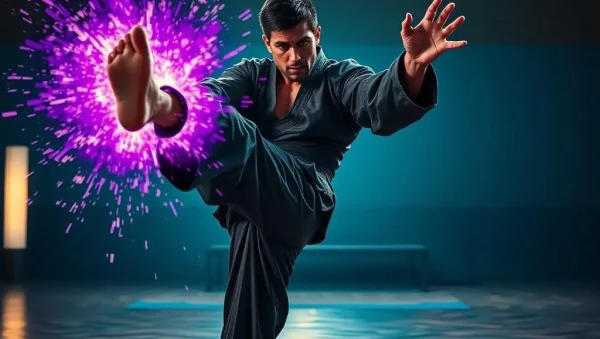
💪 Unlock peak performance and accelerated recovery in your martial arts journey. Discover how BCAA EAA supplementation fuels muscle repair and growth,…
Read article
💪 Unlock peak performance with natural energy boosters! Discover foods that enhance stamina for your martial arts journey, offering sustained power without…
Read article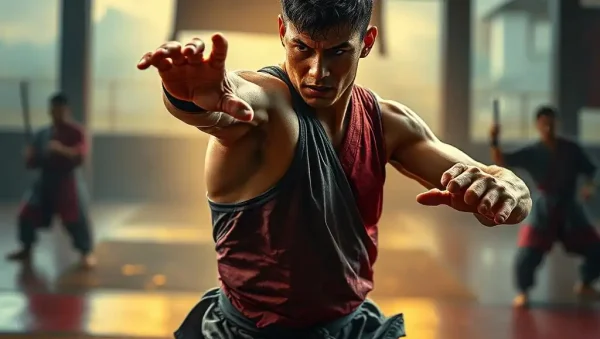
💪 Discover how strategic rest, quality sleep, and active recovery are crucial for martial artists. Learn how these vital practices forge mental…
Read article
😉 Uncover how your subtle movements reveal your true martial arts skill. MartialArtsMastery.org delves into the silent language of combat, translating your…
Read article
💪 Master your martial arts journey independently with essential solo martial arts training tips. Discover techniques, philosophies, and historical insights to elevate…
Read article
💥 Unlock explosive power and lasting performance. "The Power Dividend" reveals how plyometric training martial arts gains forge superior technique, speed, and…
Read article
🌀 Master the subtle art of Kuzushi, employing advanced joint setups techniques to dominate opponents. Explore these vital principles on MartialArtsMastery.org and…
Read article
💪 Unlock peak performance: Discover how plantbased protein can fuel your fight, debunking myths and revealing the facts for martial artists. Maximize…
Read article
🥋 Master your movements and prevent Kata repetitive strain. MartialArtsMastery.org offers expert insights into safe form practice, ensuring your dedication to martial…
Read article
💧 Master your performance in any climate. Discover essential hydration strategies for martial artists, optimizing fluid intake for peak performance in both…
Read article
💪 Unlock your grappling potential with "Biomechanical Adaptation: Evolving Your Grappling with Scientific Insight." Discover cutting-edge grappling biomechanics training tips from around…
Read article
🌀 Unlock devastating power! "Circular Logic" reveals how mastering angular movement in martial combat training enhances your techniques, transforming your approach to…
Read articleWelcome to the ultimate resource for elevating your martial arts practice, whether you are a beginner or a seasoned competitor. Here, we break down the science and art of combat training, covering everything from the biomechanics of a perfect strike to cutting-edge recovery protocols. Each subcategory is crafted to help you train smarter, reduce injury risk, and unlock your full physical and mental potential, ensuring your journey is as efficient as it is powerful.
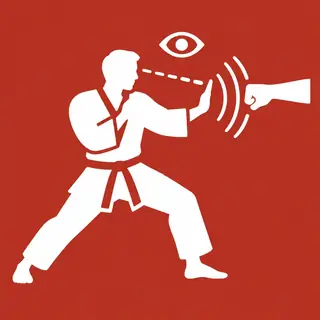
In combat, a split second separates victory from defeat. This section focuses on drills, cognitive exercises, and visual-stimulus training that rewire your nervous system to respond faster and more accurately under pressure. You’ll learn how to shorten your reaction loop, anticipate opponents’ cues, and convert reflexive actions into instinctive counters. Expect concrete routines you can practice solo or with a partner to gain a decisive edge in sparring and self-defense.
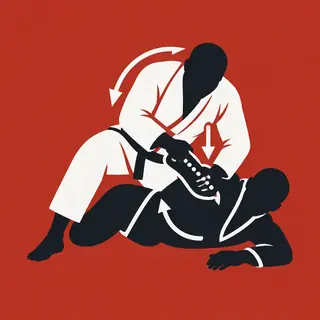
Grappling is a game of physics, where understanding leverage transforms raw strength into efficient technique. Here, we dissect joint angles, base mechanics, and weight distribution to help you control opponents from any position. By mastering these principles, you will break pins, escape submissions, and apply your own with minimal effort. This subcategory bridges styles—from BJJ to wrestling to judo—giving you a universal framework for dominant ground control.
Your body is your weapon; nutrition dictates its sharpness. This guide covers macronutrient timing, pre- and post-training meals, and how to tailor your diet to your specific martial art’s demands, whether it is explosive power or sustained endurance. Learn how to boost energy, speed up recovery, and optimize mental clarity. We break down complex nutritional science into actionable daily habits that fuel your best performances, from warm-up to final round.
From creatine to BCAAs, the supplement market is riddled with hype. This subcategory cuts through the noise with evidence-based analysis, helping you spend money only where it yields real results. We examine what actually improves strength, endurance, and recovery, while debunking common fads that could waste money or harm health. Expect clear guidance on dosages, timing, and safe sourcing, so you can decide what—if anything—belongs in your supplement stack.
Fights are won in the later rounds, when technique fails without stamina. Here, we provide sport-specific conditioning protocols—including interval training, circuit work, and aerobic base-building—designed to mimic the fight’s chaotic pace. You will improve your cardiovascular capacity, muscular endurance, and mental grit. Learn how to push past fatigue without sacrificing form, ensuring you remain a threat from the opening bell to the final second.
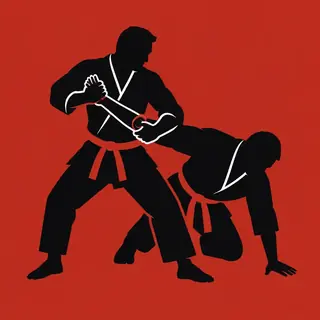
This advanced section is for martial artists ready to go beyond basics, blending techniques from krav maga, aikido, and submission grappling. We explore hyper-extension, rotational locks, and pain-compliance setups that work across fighting ranges. You’ll learn how to transition seamlessly between standing and ground joint attacks, using anatomical weak points for maximum control. Safety is always emphasized, as these powerful moves require precision drilling to avoid injury to both partners.
Not every day has a training partner, but that does not mean your progress has to stall. This subcategory offers shadowboxing footwork patterns, solo grappling flow drills, and bag work combinations that refine technique, timing, and muscle memory. You will discover how to use mirrors, resistance bands, and even simple balls to simulate live feedback. Perfect for lockdowns, travel, or extra practice, these drills keep your skills sharp any time, anywhere.
Explosiveness separates heavy hitters from average strikers. Here, we integrate plyometrics—jump squats, clap push-ups, med-ball throws—and Olympic lifting variations into martial arts-specific power building. Learn how to channel force from your feet through your hips to your fists or feet with greater speed and impact. Every program includes progressions to build safe, injury-resistant explosive power, boosting your knockout ability and takedown explosiveness simultaneously.
Making weight safely is a skill in itself. This section provides step-by-step guides for gradual weight loss, water cutting, and rehydration protocols without sacrificing muscle or energy. We emphasize healthy, sustainable methods that avoid dangerous dehydration or crash diets. You’ll find meal plans, food timing checklists, and competition-week strategies that help you hit your target weight class while still performing at your peak on fight day.
Training breaks you down; recovery builds you back up. This category details sleep optimization, contrast baths, foam rolling, and mobility work, as well as active recovery sessions that promote blood flow without adding fatigue. Understand how to listen to your body and periodize rest so you avoid overtraining syndrome. With these strategies, you’ll reduce injury risk, improve mental focus, and consistently return to the mat stronger and fresher than ever before.
High kicks and deep hooks require more than strength—they demand joint mobility and muscle flexibility. We share dynamic stretching routines, PNF techniques, and joint-specific mobility drills for hips, shoulders, and spine. Discover how to improve your range of motion safely, reduce stiffness, and prevent strains during explosive movements. Whether you practice Taekwondo, Muay Thai, or BJJ, this guide helps you move fluidly and strike with greater reach.
Water is your body’s most vital nutrient, yet it is often overlooked. This section teaches you how to pre-hydrate before tough sessions, hydrate during prolonged sparring, and rehydrate correctly post-training, including electrolyte balance. Learn to recognize early dehydration signs—like delayed reaction and cramping—and correct them fast. Simple daily targets and timing hacks ensure you stay sharp, strong, and safe through every hour on the mat.
Combat is a dance of timing and spacing, and nothing simulates it better than partner drills. We cover pad work, slip-and-counter sequences, kick-catch drills, and rhythmic sparring games that build your ability to judge distance and read incoming attacks. These cooperative exercises are safe, fun, and highly effective for beginners and pros alike, fostering fluid coordination and split-second decision-making that translates directly to live fighting.
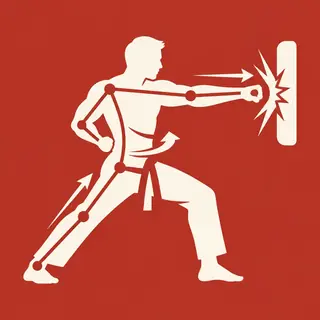
Behind every knockout is the efficient transfer of kinetic energy. We analyze hip rotation, shoulder alignment, and weight transfer to maximize punch and kick force while maintaining balance. Learn how to shorten your power loop, optimize your stance, and deliver strikes with pinpoint accuracy. This subcategory uses simple physics principles, video breakdowns, and practical drills to help you hit harder, faster, and more economically—making every shot count.
Strength is the foundation upon which technique is built. We provide periodized programs using bodyweight, kettlebells, and barbells tailored to combat athletes. Emphasis is placed on compound lifts, unilateral exercises, and isometric holds that improve functional power and injury resilience. Whether you need to develop grip strength for grappling or leg drive for takedowns, these principles guide you in building lasting, sport-specific strength without unnecessary bulk.
An injury can sideline you for months, so prevention is paramount. This section covers proper warm-ups, cool-downs, and strengthening exercises for common weak points like knees, shoulders, and ankles. You’ll learn to recognize early warning signs, adjust training loads, and use protective gear effectively. We also stress the importance of technique over ego—avoiding overexertion and using smart practice habits to keep your body healthy for decades of training.
Speed is not just about moving fast—it’s about accelerating, decelerating, and changing direction with control. We include ladder drills, cone agility courses, and reaction-based sprints that improve foot speed and hand speed. Learn how to develop fast-twitch muscle fibers through explosive, low-fatigue exercises that sharpen your ability to close distance or evade attacks. These drills are quick, high-energy, and ideal for warming up or ending a session.
The foundation of all martial arts, footwork determines your offense and defense. We break down proper stance alignment, forward/backward pressure, pivots, and lateral shuffles that keep you balanced and ready. You’ll learn how to disguise your movement, cut angles for striking, and maintain your base for throws. With simple solo drills and partner exercises, this subcategory helps you become elusive, fluid, and impossible to pin down.
Incorporate vision-training exercises like ball drills or “catch and react” games, plus consistent sparring with unpredictable partners. Additionally, practice technical combinations until they are automatic, freeing your brain to focus on real-time cues. Aim for 10–15 minutes of reaction-specific work 3–4 times weekly, and avoid overtraining, as fatigue slows reflexes.
Yes. Use solo flow drills like shrimping, bridging, and technical stand-ups, plus visualization of full sequences. Shadow wrestling and using a grappling dummy for submissions are effective, but note that timing and pressure must be refined with partners later. Combine solo work with occasional live sessions to maintain realism.
Limit plyometrics to 2–3 non-consecutive days per week to allow recovery. High-impact jumps and throws place significant stress on joints, so beginners should start with low-intensity exercises like pogo hops and box step-ups. Always perform them when fresh, ideally before skill training, and progress gradually to avoid overuse injuries.
Start cutting 8–12 weeks out by reducing calorie intake 300–500 calories daily while maintaining protein. For the final 24–48 hours, use water loading and sodium manipulation under professional guidance. Never cut more than 2–3% of body weight in water, and rehydrate with electrolytes immediately after weigh-in. Avoid crash dieting, which harms performance and health.
No, though they’re complementary. Stretching focuses on elongating muscles (static or dynamic), while mobility refers to the active range of motion within joints. Both are vital: dynamic stretching warms up muscles, while mobility drills, like hip circles and ankle rotations, improve joint function under load. Include 10–15 minutes of each, 3–4 times weekly, before and after training.