
From Victim to Victor: Turning a Vicious Punch Attack into Your Tactical Advantage


Welcome to Martial Arts Mastery, your gateway to unlocking the power within. Imagine turning a sudden punch attack into an opportunity to control the situation. This article delves into Self defense punch reaction training, revealing proven techniques to transform a potential threat into your tactical advantage. Are you ready to learn how to react, defend, and counter with confidence?
- Understanding Assault Dynamics in Self-Defense Scenarios
- Building Effective Self-Defense Responses Through Training
- Transforming Defense into Opportunity: Control and Counter-Offense
- Practical Defense Techniques: Specific Responses to Common Assaults
- Integrating Self-Defense Training into a Holistic Approach to Safety
- The Importance of Awareness and Prevention in Self-Defense
- Mental Fortitude and Post-Incident Recovery
- Conclusion: Empowering Yourself Through Comprehensive Self-Defense Training
-
Frequently Asked Questions
- How important is reaction time in self-defense punch reaction training?
- What are some fundamental drills for improving self-defense punch reaction?
- How does mental preparedness factor into reacting effectively to a punch?
- Does self-defense punch reaction training require a specific martial arts style?
- Besides physical drills, what other training methods can enhance punch reaction skills?
- Final Reflection: Embracing Resilience Through Self-Defense
- Rise Above: Transform Your Fear into Focused Power!
Understanding Assault Dynamics in Self-Defense Scenarios
Recognizing Pre-Assault Indicators & Threat Assessment
Effective self-defense begins long before physical contact occurs. Recognizing potential threats involves understanding common pre-assault indicators – behavioral cues that often precede an attack. These can include verbal threats, aggressive posturing, invasion of personal space, target glancing (the aggressor repeatedly looking at a specific target area on your body), clenching fists, or assuming a "bladed" stance (turning their body to present a smaller target while potentially concealing a weapon or preparing to strike).
Learning to read these signals allows for crucial moments to react, de-escalate, or create distance, significantly improving your chances of avoiding a physical confrontation altogether. Studies suggest that a significant percentage of street assaults involve some form of pre-incident 'interview' or testing of the potential victim's awareness.
Developing the ability to perform rapid threat assessment is a cornerstone of practical self-defense. This involves quickly evaluating the environment, the number of potential threats, their intentions (based on indicators), potential escape routes, and available tools or obstacles. This process is often subconscious for trained individuals but can be consciously practiced.
For instance, if someone approaches aggressively in a confined space, your assessment must prioritize creating space or identifying a safe exit over standing your ground. This rapid evaluation is critical for initiating appropriate self defense punch reaction training responses or non-physical strategies. Training drills often incorporate scenarios where participants must identify multiple threats or environmental factors under simulated pressure to hone this vital skill.
The Psychology of Aggression: De-escalation and Conflict Avoidance
Understanding the psychology behind aggression is vital for conflict avoidance and de-escalation, often the safest and most effective self-defense strategies. Aggression can stem from various sources, including anger, fear, intoxication, or a desire for dominance or robbery. Recognizing the potential root cause can inform your response.
For example, an aggressor fueled by fear or misunderstanding might be more receptive to calm, reassuring language, while someone seeking dominance might escalate if directly challenged verbally. Non-verbal communication plays a huge role; maintaining calm body language, avoiding direct challenges (like staring or aggressive stances), and using open hand gestures can help diffuse tension.
De-escalation techniques involve using verbal and non-verbal communication to reduce hostility and prevent physical violence. Key principles include active listening, acknowledging the aggressor's feelings (without necessarily agreeing with their premise), speaking calmly and clearly, offering options (if appropriate and safe), and maintaining a safe distance. The goal is to lower the emotional temperature of the situation, create a diversion, or buy time for an opportunity to escape.
While not always successful, particularly against intoxicated or determined attackers, mastering de-escalation is a primary objective in comprehensive self-defense training, as avoiding the fight is always preferable to winning it. This psychological aspect complements physical self defense punch reaction training by providing tools to prevent the need for physical techniques.
Building Effective Self-Defense Responses Through Training
Developing Reflex-Based Defenses: Techniques and Drills
Under the extreme stress of a sudden physical assault, fine motor skills degrade, and conscious thought processes slow down. Survival often relies on gross motor skills and ingrained, reflex-based reactions. This is where dedicated self defense punch reaction training becomes indispensable. Training aims to program defensive movements into muscle memory, enabling an automatic, protective response to common threats like a punch. Initial reactions such as flinching, covering the head, or turning away are natural but often insufficient. Training refines these instincts into effective techniques.
Drills designed to build these reflexes include simple reaction exercises like having a partner throw padded strikes (slowly at first, then with increasing speed) that you must evade, parry, or block. Reaction ball drills or using a focus mitt held by a partner who simulates a punch can help train eye-hand coordination and footwork for defensive movements. The focus is on speed and timing, not force.
Repetition is key – performing defensive movements thousands of times so they become automatic responses under pressure. This type of training is foundational for turning a potential moment of panic into an immediate, protective action.
Mastering Evasion: Footwork and Body Movement for Avoiding Attacks
Evasion is often the first and most critical line of physical defense, particularly against strikes like a punch. Superior footwork and body movement allow you to avoid the attack's trajectory entirely, rendering the aggressor's effort wasted and potentially creating an opening for your response. This is distinct from blocking, which absorbs or redirects force; evasion avoids it. Techniques include slipping (moving the head slightly to the side of a punch), rolling (moving the head down and under a punch), pivoting, and stepping out of the line of fire.
Effective evasion relies on balance, agility, and quick reflexes developed through specific training. Drills like ladder drills, cone drills, and partner drills focusing solely on defensive footwork and head movement are essential. Practicing moving laterally, backward, and diagonally while maintaining defensive posture helps build the muscle memory needed to react instantly to an incoming strike. Integrating evasion into self defense punch reaction training ensures that your first instinct under pressure is often to get yourself out of harm's way before considering any counter-attack. A well-timed slip or step can completely neutralize a powerful punch.
Transforming Defense into Opportunity: Control and Counter-Offense
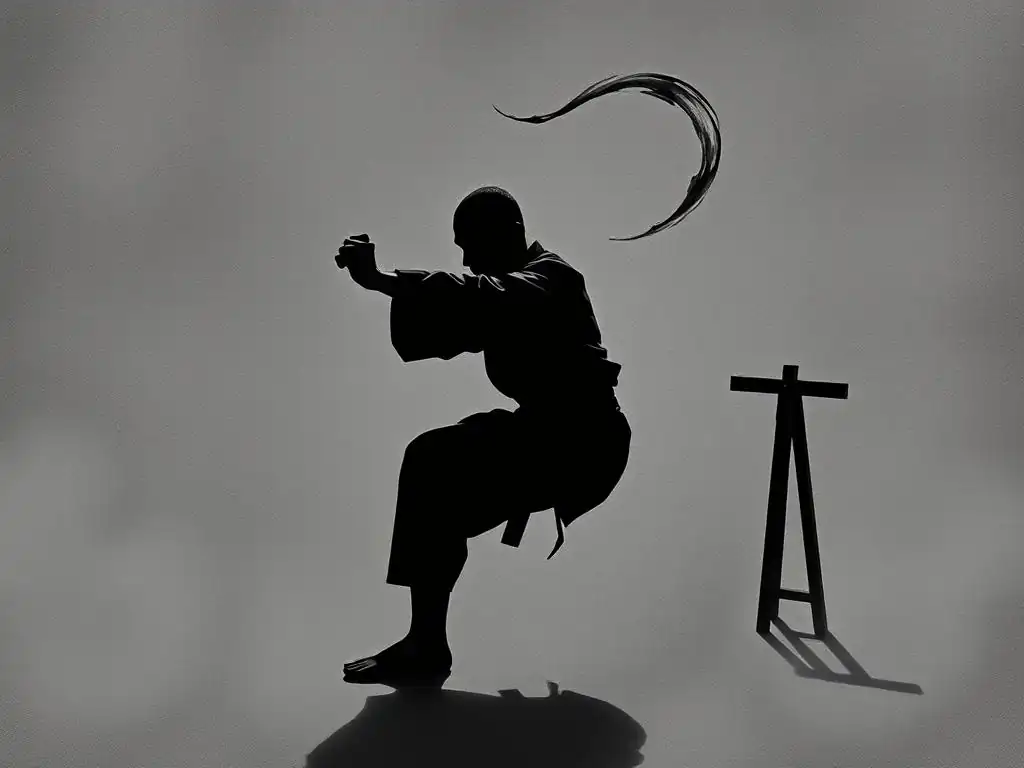
The Counter-Attack Mindset: Tactical Advantage and Control
While initial defense against a punch is paramount, a purely defensive posture is often unsustainable in a real confrontation. A key principle in self-defense is transitioning from defense to offense, seizing the initiative and gaining a tactical advantage. This requires developing a "counter-attack mindset" – seeing a successful defense (like an evasion or block) not as the end of the exchange, but as the setup for your response. The moment an attacker commits to a punch, they often create temporary vulnerabilities, either in their balance, guard, or exposure of vital targets.
Exploiting these vulnerabilities requires timing and decisiveness. Your counter-attack should be immediate, efficient, and aimed at disrupting the aggressor's ability to continue the assault. The goal is not necessarily to inflict maximum damage, but to create an opportunity to escape, control the situation, or neutralize the immediate threat. This involves recognizing openings that arise from their committed attack and having trained responses ready to deploy instantly. Integrating counter-strikes or control techniques into self defense punch reaction training is crucial, ensuring you don't just survive the initial attack but can effectively end the threat.
Leveraging Attacker's Momentum: Redirecting Force
A powerful punch involves significant forward momentum. A skilled defender can leverage this momentum to their advantage, rather than simply trying to absorb or stop it head-on. Principles found in arts like Aikido or Judo, focused on redirecting force, are highly applicable here. Instead of a rigid block, a soft parry or deflection can guide the punch's energy past you, potentially causing the aggressor to lose balance or spin off-axis.
Similarly, if an attacker pushes or charges, stepping offline and using their forward drive can facilitate a throw, sweep, or takedown with minimal effort on your part. This isn't about meeting force with equal force, but about using technique and timing to make the aggressor's own power work against them. Training drills focusing on yielding, redirecting, and off-balancing are vital for developing this ability to leverage momentum, transforming an aggressor's attack into an opportunity for control or escape. This advanced aspect of self defense punch reaction training moves beyond simple blocking to strategic redirection.
Practical Defense Techniques: Specific Responses to Common Assaults
Defending Against a Push or Shove: Maintaining Balance and Creating Space
A push or shove is often a precursor to other physical attacks or an attempt to gauge your reaction and balance. The primary goals when defending against a push are to maintain your own balance and create space. If shoved backward, taking a controlled step or two back can help absorb the force and prevent falling. If pushed forward or to the side, adjusting your stance and base is critical. Simultaneously, using your hands to check or redirect the push can help.
Simple techniques include placing your hands up defensively (palms forward) to help absorb or redirect the force while simultaneously adjusting your footwork. A firm base is essential; widening your stance slightly and lowering your center of gravity can make you much harder to move. As you regain balance, immediately create distance by stepping away or pivoting, allowing yourself space and time to assess if further aggression is coming. This initial defense creates the necessary buffer zone.
Responding to a Grab: Escape Techniques and Control Holds
Being grabbed, whether on the wrist, clothing, or body, restricts your movement and often precedes a strike, throw, or drag. Effective responses focus on breaking the grip and regaining mobility. Most grips have a weakest point – often the thumb. Exploiting this weakness by twisting your wrist forcefully towards their thumb or striking that point can help break free. Using your free hand to strike vulnerable targets (eyes, throat, groin) can also disrupt the grab.
Once the grip is broken, the immediate priority is to create distance or transition to a control hold if escape is not possible or safe. Simple wrist escapes, two-on-one wrist control, or using leverage to break a body grab are fundamental techniques. Self defense punch reaction training should include drills specifically for breaking grips and transitioning into a defensive posture or escape, as a grab often precedes the punch itself. Understanding joint manipulation principles can also aid in breaking grips and controlling an opponent briefly.
Addressing a Strike: Blocks, Parries, and Evasion
Directly addressing an incoming strike, such as a punch, is a core component of self defense punch reaction training. The main physical responses fall into three categories: blocking, parrying/deflecting, and evading.
- Evasion: As discussed, moving yourself out of the strike's path (slipping, rolling, stepping). This is often preferred as it involves no physical impact.
- Parrying/Deflecting: Using a hand or arm to lightly brush or guide the incoming strike off course. This requires good timing and doesn't stop the punch entirely but redirects its energy. It's less jarring than a hard block.
- Blocking: Using a limb (forearm, shoulder, etc.) to physically stop or significantly impede the incoming strike. Blocks are often more forceful but can result in impact and potential injury to the defender.
Training for these responses involves countless repetitions using focus mitts, strike shields, and controlled sparring. The goal is to develop the reflex to protect vital areas like the head and body instantly upon recognizing the threat of a strike. While a hard block might be the initial instinct for some, training emphasizes parries and evasion due to their lower risk of injury and potential to create immediate counter-opportunities. Effective self defense punch reaction training integrates all three methods, allowing the defender to choose the most appropriate response based on the angle, speed, and power of the incoming punch.
Integrating Self-Defense Training into a Holistic Approach to Safety
Partner Drills for Realistic Scenario Simulation
Training in isolation builds technique, but partner drills are essential for developing realistic self-defense capabilities. These drills simulate the dynamic, unpredictable nature of an actual assault. They move beyond static movements to incorporating movement, resistance, and unexpected actions from a training partner. Examples include drills starting from a conversational distance, simulating an aggressor invading personal space, or drills beginning from a simulated grab or shove that escalates to strikes.
Task lists for partner drills might include:
- [ ] Practice recognizing pre-assault cues from partner's body language.
- [ ] Execute de-escalation attempts before physical contact.
- [ ] React to a sudden, non-telegraphed padded punch with evasion/parry.
- [ ] Respond to a grab with an escape technique.
- [ ] Transition from a successful defense into creating distance or a controlled counter.
These drills, conducted safely with protective gear and clear communication, are invaluable for testing and refining self defense punch reaction training under conditions that mimic real-world stress more closely than solo practice.
Applying Techniques Under Pressure in Controlled Environments
Performing techniques perfectly in a calm, controlled environment is different from executing them while experiencing the physiological effects of stress, such as elevated heart rate, tunnel vision, and impaired fine motor skills. Applying techniques under pressure is a critical phase of self-defense training. This is achieved through controlled sparring (light contact), scenario-based training with role-players, or drills where participants are subjected to mild stressors (like physical exertion) before performing techniques.
The aim is to habituate the body and mind to function effectively despite stress. This phase of training helps identify which techniques are reliable under pressure (often gross motor movements) versus those that fall apart. For instance, complex joint locks might fail, but a simple palm heel strike or a gross motor block/parry often remains effective. Pressure testing is vital for verifying that your self defense punch reaction training translates into usable skills when you need them most. Safety protocols are paramount in these exercises to prevent injury.
Solo Training Methods: Maintaining Skill and Physical Conditioning
While partner work and pressure testing are crucial, solo training remains a vital component of a holistic self-defense approach. Solo practice allows for focused repetition of fundamental movements, strikes, blocks, and footwork without the variable of a partner. This is where muscle memory is initially built and maintained. Shadow boxing, practicing defensive movements in front of a mirror, using a heavy bag for power and target acquisition, and working with a double-end bag for timing and reaction are all effective solo methods.
Furthermore, maintaining a good level of physical conditioning (strength, endurance, flexibility, and agility) is essential for effective self-defense. Solo workouts focusing on these areas directly support your ability to execute techniques, maintain balance, generate power, and recover quickly. Consistent solo practice reinforces the techniques learned in class and ensures that your physical readiness complements your technical skills, making your self defense punch reaction training more robust and reliable.
The Importance of Awareness and Prevention in Self-Defense

Situational Awareness: Identifying Potential Threats
Situational awareness is perhaps the most critical, yet often overlooked, aspect of self-defense. It involves being actively conscious of your surroundings, the people in them, and potential risks. This isn't about being paranoid, but about being observant and proactive. Simple practices like scanning your environment, noting exits, avoiding distractions (like phones) in public, and trusting your intuition ("gut feeling") are fundamental.
Developing situational awareness means consciously processing information about your environment: who is near you? What is their demeanor? Are there potential weapons? Is there cover or an escape route? A high level of awareness dramatically reduces the likelihood of being targeted, as aggressors often seek out individuals who appear distracted or vulnerable. Integrating awareness drills into training, such as recalling details about a room after only a brief glance, helps sharpen this vital skill.
De-escalation Techniques: Avoiding Physical Confrontation
As discussed earlier under the psychology of aggression, de-escalation is a primary goal. Reinforcing this point in the context of prevention highlights its importance as the preferred outcome. Successfully de-escalating a situation avoids the physical, legal, and psychological consequences of a fight. Techniques involve managing your own stress response first, then employing calm verbal and non-verbal strategies to soothe the aggressor's emotions and open a channel for non-violent resolution.
Key de-escalation tactics include maintaining a non-threatening posture, using a calm and clear voice, avoiding accusatory language, and showing empathy or acknowledging their perspective without admitting fault. Knowing when de-escalation is unlikely to work (e.g., against someone highly intoxicated, armed, or determined to attack) is also crucial; in such cases, transitioning immediately to physical defense or escape is necessary. Practicing de-escalation scenarios is as important as practicing physical self defense punch reaction training.
Mental Fortitude and Post-Incident Recovery
Managing Stress and Fear During a Confrontation
The psychological impact of a physical confrontation is profound. Fear is a natural response, triggering the "fight, flight, or freeze" response. While training builds physical capability, developing mental fortitude is equally important for self-defense. This involves learning to manage the physiological effects of stress – rapid heart rate, shaking, difficulty thinking clearly – so you can still access your training. Techniques like tactical breathing (controlled inhalation and exhalation) can help regulate your nervous system under duress.
Visualization and mental rehearsal are also powerful tools. Mentally practicing responding to threats, including executing self defense punch reaction training techniques under simulated stress, can help make the physical response more automatic. Understanding the body's stress response demystifies it and reduces the fear of fear itself. Training under controlled pressure, as mentioned earlier, is also a key way to build psychological resilience and confidence in your ability to act.
Legal and Ethical Considerations in Self-Defense [Your State/Country]
Using physical force in self-defense carries significant legal and ethical considerations. Laws regarding self-defense vary dramatically depending on your location ([Your State/Country]). Generally, the use of force must be reasonable and proportionate to the threat. Deadly force is typically only legally permissible when facing an imminent threat of death or serious bodily harm. Many jurisdictions also have a duty to retreat requirement, meaning you must attempt to escape the situation if safely possible before using physical force, though 'Stand Your Ground' laws in some areas remove this duty.
Ethically, self-defense is about protecting yourself and others from harm, not initiating violence or seeking retribution. Understanding the legal framework in your specific location is crucial. This article provides general principles, but it is imperative to consult local law enforcement or legal professionals to understand the specific statutes regarding the use of force in self-defense in your area. Misunderstanding these laws can lead to severe legal consequences, even if you felt your actions were justified.
Post-Incident Protocol: Reporting and Seeking Support
Following a self-defense incident, there is a critical protocol to follow. Immediately after ensuring your safety and that of others, contact law enforcement to report the incident. Be prepared to provide a clear, concise account of what happened, focusing on the aggressor's actions that led you to fear for your safety and use force. Avoid speculating or offering unnecessary details beyond the facts. It's often advisable to consult with legal counsel before providing a detailed statement.
Beyond legal steps, a physical confrontation can have significant psychological impact. It is important to seek support from friends, family, or mental health professionals. Processing the trauma and stress of the event is a vital part of recovery. Many martial arts schools and self-defense organizations also offer resources or guidance for students dealing with the aftermath of an incident. Prioritizing both legal consultation and psychological recovery is essential for moving forward.
Conclusion: Empowering Yourself Through Comprehensive Self-Defense Training
Empowering yourself against potential physical assault requires a multi-faceted approach that extends far beyond mere physical techniques. It encompasses developing acute situational awareness to prevent confrontations, mastering de-escalation to avoid physical conflict when possible, building robust physical defenses through dedicated training like self defense punch reaction training, and cultivating the mental fortitude to act effectively under pressure.
By understanding the dynamics of aggression, training realistic responses including evasion, parries, and blocks, learning to leverage an attacker's momentum, and integrating partner drills and pressure testing, individuals can significantly increase their capacity to defend themselves. Coupled with essential knowledge of legal boundaries and a plan for post-incident recovery, comprehensive self-defense training provides not just physical skills, but a complete framework for enhancing personal safety and confidence in navigating potentially dangerous situations.
Frequently Asked Questions
How important is reaction time in self-defense punch reaction training?
Reaction time is crucial for effective self-defense. A faster reaction allows you to block, evade, or counter a punch before it lands, minimizing the risk of injury.
What are some fundamental drills for improving self-defense punch reaction?
Drills often involve partner training where one person throws punches and the other practices blocking, parrying, or slipping. Practicing with different speeds and angles is essential.
How does mental preparedness factor into reacting effectively to a punch?
Mental preparedness involves maintaining situational awareness and having a pre-planned response. This allows you to react instinctively rather than freezing in fear.
Does self-defense punch reaction training require a specific martial arts style?
While some styles emphasize specific techniques, the core principles of reaction, evasion, and counter-attack are applicable across various martial arts disciplines focused on self-defense.
Besides physical drills, what other training methods can enhance punch reaction skills?
Visual training exercises, such as tracking moving objects, can improve eye-hand coordination and reaction speed. Also, simulations and scenario training can improve decision-making under pressure.
Final Reflection: Embracing Resilience Through Self-Defense
The journey from victim to victor, as explored throughout this article, isn't just a theoretical concept; it's a powerful testament to the human spirit's capacity for resilience and adaptation. In a world where unforeseen threats can materialize in an instant, mastering self-defense punch reaction training isn't merely about physical preparedness, but about cultivating a mindset of proactive empowerment. This shift from passive vulnerability to active defense is more relevant now than ever.
This transformation extends far beyond the immediate aftermath of an attack. It's about reclaiming agency, rebuilding confidence, and fostering a sense of security that permeates every aspect of life. The lessons learned through self-defense punch reaction training ripple outwards, influencing our interactions, our perceptions, and our overall well-being. As Bruce Lee wisely stated: Adapt what is useful, reject what is useless, and add what is specifically your own.
This philosophy underscores the importance of tailoring self-defense techniques to individual needs and strengths, transforming potential weaknesses into formidable assets.
Now, consider the power you hold within. The ability to react decisively, to protect yourself and others, is not a privilege, but a fundamental right. Embrace the challenge of self-defense punch reaction training, not as a response to fear, but as an affirmation of your inherent strength and resilience. Let this knowledge empower you to navigate the world with confidence, knowing that you possess the tools to transform adversity into opportunity, and ultimately, to emerge as your own victor.
Rise Above: Transform Your Fear into Focused Power!
Thank you for investing your time in understanding how to turn a devastating punch attack into an opportunity for growth. Now it's time to channel that knowledge into action and become truly empowered.
Here's how you can start right now:
- Commit to Mastering Defensive Techniques: Dedicate 15 minutes each day to practicing blocks, parries, and evasive maneuvers against punch attacks. Don't just go through the motions; visualize the attack and react with speed and precision.
- Explore a New Martial Art: Consider supplementing your current training with a style known for its close-quarters combat and counter-punching techniques, such as Wing Chun or Boxing.
- Share Your Story: If you've overcome a similar experience, anonymously share your journey on the Martial Arts Mastery forum to inspire and support others.
What's one small, concrete step you can take today to begin transforming your fear into unwavering confidence?