
Carjacking Countermeasures: Strategies to Prevent and Survive VehicleRelated Attacks


Welcome to Martial Arts Mastery, your definitive resource for exploring the rich tapestry of martial arts! Delve into the world of combat strategy and self-defense, where ancient wisdom meets modern application.
What if you could turn your car into a fortress? In this article, we'll explore crucial strategies for preventing vehicle carjacking survival, equipping you with the knowledge and techniques to safeguard yourself and your loved ones from potential threats. Discover practical countermeasures and proactive approaches that could make all the difference. Ready to take control? Read on and master the art of staying safe.
- Understanding the Threat: Carjacking and Vehicle Assaults
- Proactive Carjacking Prevention Strategies: Reducing Your Risk
- Defensive Driving Techniques: Carjacking Avoidance on the Road
- Surviving a Carjacking: Response Strategies and Self-Defense
- Post-Incident Recovery: Physical and Emotional Healing
- Advanced Carjacking Defense: Martial Arts Applications
- Conclusion: Mastering Carjacking Prevention and Survival
-
Frequently Asked Questions
- How can I proactively prevent a vehicle carjacking?
- What's the first thing I should do if confronted by a carjacker?
- Are there specific self-defense techniques that can be effective against a carjacker?
- What steps should I take immediately after a carjacking incident?
- How does MartialArtsMastery.org help me learn more about self-defense in relation to vehicle attacks?
- Final Reflection: Empowering Resilience Against Carjacking
- Take Control: Reclaim Your Safety Behind the Wheel!
Understanding the Threat: Carjacking and Vehicle Assaults
Defining Carjacking: Scope and Severity
Carjacking is a form of robbery where a vehicle is stolen by force or threat of force from its driver or passengers. Unlike simple vehicle theft, which often occurs when a vehicle is parked and unoccupied, carjacking involves a direct confrontation with individuals, escalating the potential for violence, injury, or even fatality.
The severity of the threat lies not just in the loss of property, but in the immediate danger posed to human life and safety. It's a crime that violates personal space and security in a profound way, often leaving victims with significant psychological trauma in addition to physical harm.
The scope of carjacking varies globally and regionally, influenced by socio-economic factors, law enforcement presence, and criminal networks. While overall violent crime rates fluctuate, carjacking remains a persistent threat in urban and suburban areas alike. Data from various law enforcement agencies consistently shows that while carjacking incidents might be less frequent than simple vehicle theft, the element of personal confrontation makes them far more dangerous and requires specific strategies to help prevent vehicle carjacking survival. Understanding this distinction is the first step in developing effective countermeasures.
Common Carjacking Scenarios: Locations and Tactics
Carjackings frequently occur in locations where vehicles are stationary or moving slowly, offering perpetrators opportunities to approach and exert control. Common hotspots include intersections and traffic lights, especially at night or in less populated areas, where a vehicle is stopped and vulnerable. Parking lots, particularly those that are dimly lit or have limited visibility, are also high-risk zones, as individuals are often distracted while entering or exiting their vehicles. Gas stations, ATMs, and residential driveways are other locations frequently targeted.
Perpetrators employ a variety of tactics, often relying on surprise, intimidation, and speed. Some common methods involve bumping the victim's vehicle from behind to force them to stop, staging a fake emergency (like a flat tire), or simply approaching a stopped vehicle at an intersection or parking spot and demanding keys or entry. In some cases, multiple attackers may be involved to overwhelm the victim. Understanding these typical scenarios is crucial for developing proactive strategies designed to prevent vehicle carjacking survival.
The Psychology of a Carjacker: Motivations and Targets
The motivations behind carjacking are diverse, ranging from the need for quick transportation for other criminal activities (like robberies or getaways) to the desire for the vehicle itself, either for personal use or resale (often for parts). Financial desperation, addiction, and gang affiliation can also be driving factors. Perpetrators often seek targets of opportunity, looking for individuals who appear distracted, vulnerable, or in vehicles perceived as easy targets or high-value.
Carjackers often rely on their ability to intimidate and control the victim quickly. They may choose targets based on perceived lack of resistance, such as individuals who are alone, appear elderly, or are preoccupied. The element of surprise is a key psychological weapon they employ. Recognizing that carjackers are often looking for the path of least resistance can inform defensive strategies focused on presenting a less appealing target and being prepared to respond effectively to help prevent vehicle carjacking survival.
Proactive Carjacking Prevention Strategies: Reducing Your Risk
Situational Awareness: Recognizing Potential Threats Before They Strike
Situational awareness is the cornerstone of preventing vehicle carjacking survival. It involves paying active attention to your surroundings and recognizing cues that indicate potential danger. This includes observing people and vehicles around you, noting their behavior, and trusting your instincts if something feels wrong. Developing this heightened sense of awareness allows you to identify potential threats before they escalate into an attack, giving you time to react or evade.
Maintaining vigilance is particularly important in high-risk areas such as gas stations late at night, poorly lit parking garages, or isolated ATMs. Before pulling into such a location, scan the area for suspicious individuals or vehicles. When stopped at intersections, especially after dark, leave enough space between your vehicle and the one in front to allow for a quick escape if necessary. Minimize distractions like phone use, adjusting the radio, or engaging in deep conversations with passengers, as these can significantly impair your ability to notice an approaching threat and hinder efforts to prevent vehicle carjacking survival.
Maintaining Vigilance in High-Risk Areas: Gas Stations at Night, ATMs, Poorly Lit Parking Lots
Minimizing Distractions While Driving: Phone Use, Passengers, and Surroundings
Vehicle Security Measures: Deterrents and Alarms
Enhancing your vehicle's security can act as a significant deterrent to potential carjackers. Simple measures like keeping doors locked and windows rolled up, especially when stopped in traffic or parked, can make your vehicle a less attractive target. While these measures won't stop a determined attacker, they increase the effort required and reduce opportunities for opportunistic attacks.
Implementing anti-theft devices adds further layers of security. Visible deterrents like steering wheel locks can discourage a carjacker looking for a quick takeover. More sophisticated devices such as kill switches (hidden switches that disable the engine) or GPS trackers can prevent the vehicle from being easily driven away or aid in its recovery, thus contributing to a strategy to prevent vehicle carjacking survival. While no single measure is foolproof, a combination of basic precautions and security devices can significantly reduce your risk.
Anti-Theft Devices: Steering Wheel Locks, Kill Switches, and GPS Trackers
Car Alarm Systems: Choosing the Right System and Proper Installation
Route Planning and Avoiding High-Crime Zones: Safe Driving Practices
Careful route planning is a simple yet effective way to reduce your exposure to carjacking risks. Whenever possible, plan your journeys to avoid areas known for high crime rates, especially during vulnerable times like late at night or early morning. Utilize navigation apps that provide real-time traffic updates, but also be aware of the neighborhood context of alternative routes suggested.
When driving, maintain a steady pace and avoid unnecessary stops in isolated or questionable areas. If you suspect you are being followed, do not drive directly home. Instead, drive to a police station, a busy, well-lit public place, or a fire station. Being aware of your surroundings and making conscious decisions about where and how you drive are fundamental safe driving practices that aid in your efforts to prevent vehicle carjacking survival.
Defensive Driving Techniques: Carjacking Avoidance on the Road
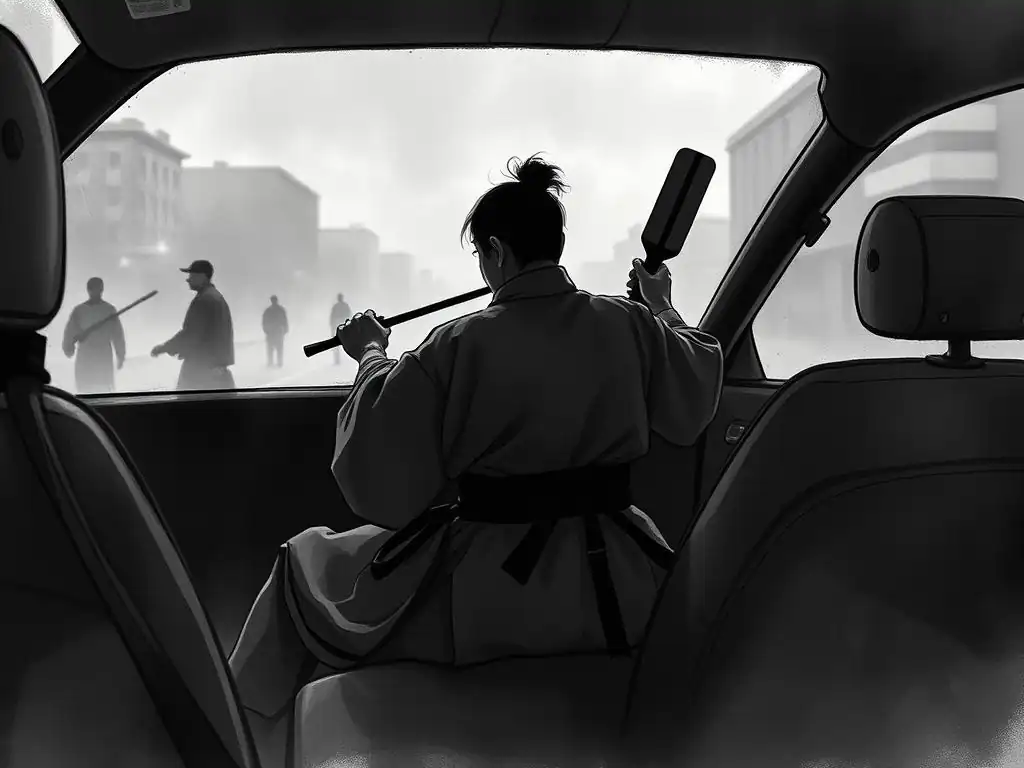
Maintaining Safe Following Distances: Creating Escape Routes
One of the most critical defensive driving habits is maintaining a safe following distance from the vehicle in front of you, particularly when stopped in traffic or at an intersection. Aim for a distance that allows you to see the tires of the vehicle ahead touching the pavement. This gap provides crucial maneuvering space, enabling you to pull away quickly if a threat approaches from the front, rear, or sides, effectively creating an escape route.
This practice is vital for preventing vehicle carjacking survival because it prevents you from being boxed in. If a suspicious individual approaches your vehicle while stopped, having that space allows you to turn the steering wheel and accelerate away, rather than being trapped. It's a simple technique that provides options in a high-pressure situation, turning your vehicle from a potential trap into a means of escape.
Recognizing and Responding to Suspicious Vehicles: Changing Lanes, Increasing Speed, Making Turns
Developing the ability to recognize potentially suspicious vehicles and their occupants is a key defensive driving skill. Look for vehicles that appear to be following you for an unusual length of time, driving erratically, or attempting to box you in. Trust your intuition if another vehicle's behavior makes you feel uneasy.
If you identify a suspicious vehicle, take immediate, decisive action. Changing lanes, increasing your speed slightly (within legal limits and safely), or making a series of unexpected turns can help confirm if you are being followed and potentially deter a pursuer. Avoid driving down dead-end streets or into isolated areas. Your goal is to create distance or lead them to a more public location, actively working to prevent vehicle carjacking survival by avoiding confrontation.
Evasive Driving Tactics: When and How to Use Them
Evasive driving is an advanced skill set focused on safely maneuvering your vehicle to escape a threat. While not typically taught in standard driving courses, basic principles can be applied in emergencies. The decision to use evasive tactics depends heavily on the specific situation – the environment, the nature of the threat, and your own driving skills and comfort level.
In a carjacking attempt while the vehicle is moving, evasive maneuvers might involve sudden acceleration, sharp turns (if safe and feasible), or even intentionally bumping the attacker's vehicle at a low speed to disrupt their approach or escape. These tactics are high-risk and should only be considered as a last resort when other options have been exhausted and your life is in immediate danger. Training in defensive or evasive driving can provide the skills and judgment needed to execute these maneuvers safely and effectively to aid in vehicle survival.
Surviving a Carjacking: Response Strategies and Self-Defense
Assessing the Threat: Is Resistance Necessary?
If a carjacking is unavoidable and you are confronted, the immediate priority is to assess the threat and determine the best course of action for survival. This assessment involves evaluating the number of attackers, whether they are armed, their demeanor, and the immediate environment. The general advice from law enforcement and security experts is often to comply with demands for the vehicle, as property can be replaced, but life cannot.
However, there are critical nuances. Compliance is usually the safest option if the attacker only wants the vehicle. If they are demanding you exit the vehicle and move to another location, or if they appear intent on causing physical harm beyond taking the car, the calculus changes. This assessment is instantaneous and requires quick judgment under extreme stress, highlighting the importance of preparing mentally for such a scenario to improve your chances of vehicle survival.
The Importance of De-escalation: Verbal Judo and Compliance
When to Fight Back: Justification and Legal Considerations
Empty-Hand Self-Defense Techniques for Carjacking Situations
Should the situation escalate beyond a simple demand for the vehicle, and your life is in imminent danger, empty-hand self-defense techniques may become necessary. Martial arts training provides invaluable skills for these close-quarters, high-stress encounters. Techniques should focus on creating an opportunity to escape rather than engaging in a prolonged fight within the confines of a vehicle.
Effective techniques in this context often involve striking vulnerable targets like the eyes, throat, or groin with speed and force. The goal is to incapacitate or stun the attacker momentarily, creating a window to exit the vehicle and flee. Training should emphasize techniques that are practical while seated or partially restrained, focusing on explosive, decisive movements aimed at escape and contributing to effective vehicle survival.
Striking Vulnerable Targets: Eyes, Groin, Throat
Weaponizing Everyday Objects: Keys, Phones, and Other Items
Escape and Evasion: Getting Away Safely
The ultimate goal during a carjacking confrontation that has turned violent is escape. Once you have created an opportunity, whether through compliance or a defensive action, you must exit the vehicle quickly and safely. Practice releasing your seatbelt rapidly and knowing which doors are unlocked or how to unlock them instantly.
Upon exiting, your priority is to create distance between yourself and the attacker(s). Run towards a populated area, a well-lit location, or a building where you can seek help. Do not hesitate or look back. Once you are safe, the next step is to immediately contact law enforcement to report the incident, providing as much detail as possible to aid in apprehending the perpetrator(s) and recovering the vehicle. This immediate escape and reporting are critical steps in surviving a carjacking.
Exiting the Vehicle Under Pressure: Quick Release, Tactical Roll, Creating Distance
Post-Carjacking Procedures: Reporting the Incident and Seeking Support
Post-Incident Recovery: Physical and Emotional Healing

Dealing with Trauma and PTSD After a Carjacking
Surviving a carjacking is a traumatic experience that can have significant psychological impacts, even if physical injury was minimal. Feelings of fear, vulnerability, anxiety, and helplessness are common. Some individuals may develop Post-Traumatic Stress Disorder (PTSD), experiencing flashbacks, nightmares, and heightened states of alert long after the event.
Seeking professional help from therapists or counselors specializing in trauma is highly recommended. Support groups for victims of violent crime can also provide a safe space to share experiences and coping strategies. Allowing yourself time and space to process the event and heal emotionally is just as important as recovering physically. Recognizing the potential for trauma is a key part of the long-term process to prevent vehicle carjacking survival issues from impacting your life indefinitely.
Legal Considerations and Reporting to Law Enforcement
Reporting a carjacking to law enforcement immediately is crucial. Provide them with a detailed account of the incident, including descriptions of the perpetrator(s), the vehicle stolen, the location, time, and any other relevant information. This information is vital for investigations and potential apprehension of the criminals.
Understanding your rights and the legal process following a crime is also important. Law enforcement will guide you through filing a report, and in some jurisdictions, victim services are available to provide assistance with legal aid, compensation for damages, and support throughout the judicial process. Cooperating fully with law enforcement is essential for justice and can also be part of the healing process.
Enhancing Personal Security: Ongoing Training and Awareness
A carjacking can fundamentally change a person's sense of security. To rebuild confidence and enhance future safety, consider ongoing personal security training. This could include advanced self-defense courses, defensive driving instruction, or workshops focused on situational awareness and personal safety planning.
Continuously practicing awareness in your daily life and staying informed about local crime trends are also vital. Personal security is not a one-time fix but an ongoing commitment to vigilance and preparedness. Investing in training and maintaining a proactive mindset are effective ways to prevent vehicle carjacking survival concerns from dominating your life and empower you to navigate the world more safely.
Advanced Carjacking Defense: Martial Arts Applications
Utilizing Martial Arts Principles for Vehicle Self-Defense
Martial arts training provides a unique foundation for addressing the specific challenges of vehicle self-defense. Principles such as maintaining awareness of your surroundings, understanding distance and positioning, de-escalation when possible, and applying appropriate force when necessary are directly applicable. Styles like Krav Maga, designed for real-world self-defense, often include scenarios involving confined spaces and surprise attacks, making them particularly relevant.
Adapting techniques learned in a dojo or training hall to the tight, awkward confines of a vehicle requires specialized practice. Strikes need to be effective from a seated position, grips and holds must account for seatbelts and steering wheels, and exits must be practiced for speed. Martial arts training builds not just physical skills but also the mental resilience and confidence needed to react effectively under extreme duress, enhancing your ability to prevent vehicle carjacking survival situations from overwhelming you.
Adapting Krav Maga Techniques to Carjacking Scenarios
Integrating Weapons Defense (If Applicable)
Scenario-Based Training: Preparing for the Unexpected
Effective preparation for a carjacking or vehicle assault goes beyond learning individual techniques; it requires training in realistic scenarios. Scenario-based training, often offered in advanced self-defense or martial arts programs, simulates real-world attacks in and around vehicles. This type of training allows individuals to practice their responses under simulated stress, making decisions about compliance, de-escalation, and physical defense in a controlled environment.
These scenarios might involve being approached at a stoplight, confronted in a parking lot, or dealing with an attacker attempting to enter the vehicle. Practicing responses in these contexts helps to automate reactions, improve decision-making under pressure, and identify weaknesses in one's plan or technique. Such training is invaluable for building the practical skills and mental fortitude required for effective vehicle survival.
Conclusion: Mastering Carjacking Prevention and Survival
Carjacking is a dangerous crime that combines property theft with the immediate threat of violence. Mastering carjacking prevention and survival involves a multi-faceted approach: proactive prevention through heightened situational awareness, vehicle security measures, and smart driving habits; preparedness through defensive driving techniques; and readiness to respond effectively should a confrontation occur. While compliance is often the safest initial response, understanding when and how to defend yourself, including utilizing skills from martial arts training, is crucial if your life is in danger.
Post-incident recovery, including dealing with trauma and engaging with law enforcement, is a vital final step. By combining vigilance, preparedness, and training, individuals can significantly reduce their risk and improve their chances of safely navigating the threat of vehicle-related attacks, ultimately enhancing their ability to prevent vehicle carjacking survival becoming a question of luck rather than preparation.
Frequently Asked Questions
How can I proactively prevent a vehicle carjacking?
Situational awareness is key. Before approaching your vehicle, scan the area for any suspicious activity. Also, park in well-lit and populated areas whenever possible.
What's the first thing I should do if confronted by a carjacker?
Your personal safety is paramount. Consider complying with their demands if threatened with a weapon. Remember, material possessions can be replaced.
Are there specific self-defense techniques that can be effective against a carjacker?
While risky, techniques focusing on disrupting the attack – like a sudden, powerful strike to a vulnerable area – might create an opening for escape. However, prioritize de-escalation if possible.
What steps should I take immediately after a carjacking incident?
Contact the authorities and report the crime. Provide a detailed description of the carjacker and your vehicle. Seek emotional support if needed, as carjacking can be traumatic.
How does MartialArtsMastery.org help me learn more about self-defense in relation to vehicle attacks?
We offer articles and resources covering practical self-defense strategies, including techniques for de-escalation and escape, alongside historical and philosophical context for informed decision-making.
Final Reflection: Empowering Resilience Against Carjacking
The strategies outlined in this article, from proactive prevention to decisive survival tactics, are not merely theoretical exercises; they are essential tools for navigating an increasingly unpredictable world. Understanding and implementing these countermeasures is a vital step towards reclaiming control and safeguarding ourselves and our loved ones against the threat of carjacking. The knowledge shared here empowers individuals to shift from potential victims to prepared survivors.
The fear of carjacking, though often unspoken, casts a shadow on our daily lives, influencing our choices and limiting our freedom. This article serves as a reminder that we are not powerless in the face of such threats, and that preparation and awareness can significantly alter the outcome of a dangerous encounter. The best defense is a good offense,
as the saying goes, and in the context of carjacking, a proactive approach to prevention and a well-rehearsed survival strategy can be the difference between tragedy and resilience.
Now, armed with this knowledge, I urge you to reflect on your own preparedness. Consider the routes you travel, the security measures you employ, and the mental strategies you have in place. Take the time to discuss these countermeasures with your family and friends. By embracing awareness and proactive planning, you can significantly reduce your risk and empower yourself to face the future with greater confidence and peace of mind.
Take Control: Reclaim Your Safety Behind the Wheel!
Thank you for investing your time in learning about carjacking prevention and survival. Armed with this knowledge, you're now better prepared to protect yourself and your loved ones. It's time to translate awareness into action and fortify your personal safety strategy.
Here’s what you can do right now:
- Practice situational awareness in and around your vehicle. Make it a habit to scan your surroundings before approaching your car, and stay alert while driving, especially in unfamiliar areas or at night. This is your first and strongest line of defense.
- Share this article with your family and friends. Spreading awareness can help protect your entire community. Consider having a conversation about strategies and preparedness.
- Challenge yourself to learn one new self-defense technique this week. Explore a local martial arts class or online resource and dedicate just 15 minutes a day to practicing.
What specific step will you take today to enhance your vehicle safety and personal defense?