
Are You Sabotaging Your Stance? The Hidden Dehydration Risks for Martial Artists

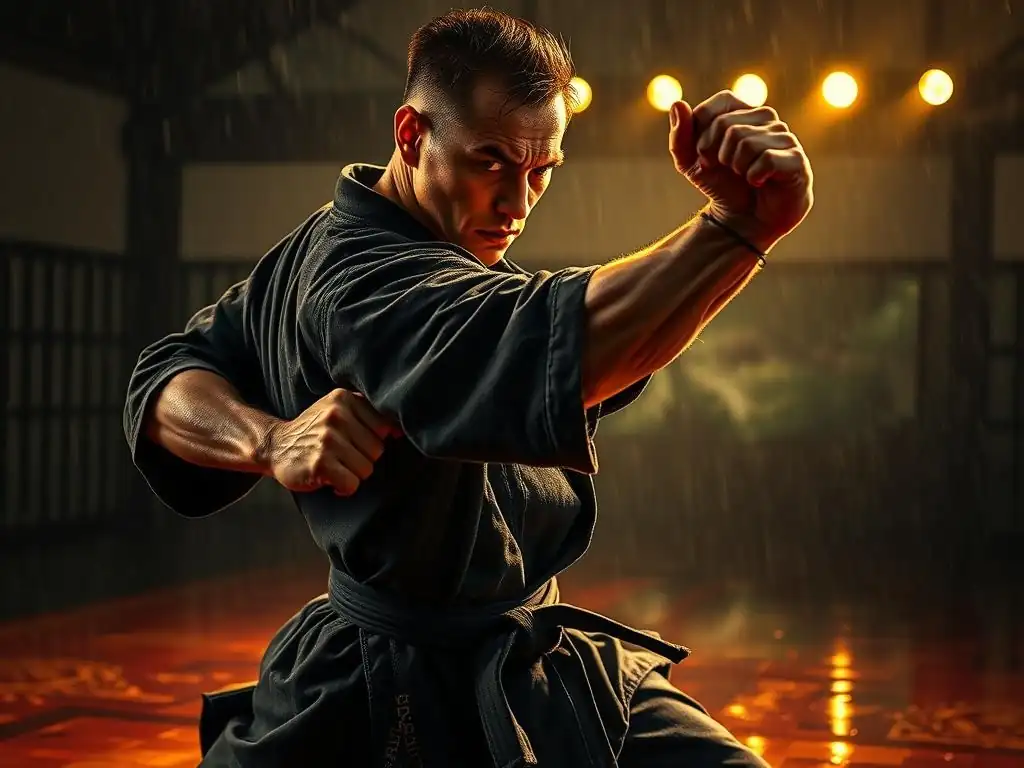
Welcome to Martial Arts Mastery, your ultimate resource for unlocking the secrets of combat and self-discovery!
Ever wonder if your perfect dehydration martial arts stance is being undermined by something you can't see? Dive into this article to uncover the surprising link between hydration and stability, power, and overall performance on the mat. You might be shocked at what you learn – are you ready to optimize your form from the inside out?
- Introduction: The Unseen Enemy – Dehydration and Martial Arts Performance
- Dehydration and Martial Arts Stance: How Fluid Loss Weakens Your Foundation
- Recognizing the Signs of Dehydration in Martial Arts Training
- The Science of Sweat: Understanding Fluid Loss During Martial Arts
- Hydration Strategies for Optimal Martial Arts Performance
- Beyond Water: Optimal Hydration Beverages for Martial Artists
- Tailoring Hydration to Specific Martial Arts Disciplines
- Case Studies: Dehydration's Impact on Professional Martial Artists
- Preventing Dehydration: Practical Tips for Martial Arts Training
- Conclusion: Hydration – The Key to Unlocking Your Martial Arts Potential
-
Frequently Asked Questions
- What is the connection between dehydration and a martial arts stance?
- How does dehydration specifically impact a martial artist's balance during training?
- Besides balance, what other aspects of a martial arts stance are negatively affected by dehydration?
- How much water should a martial artist drink to avoid dehydration impacting their stance?
- What are the early warning signs of dehydration that a martial artist should be aware of during training, so as not to affect their stance?
- Final Reflection: The Fluid Foundation of Strength
- Conquer Your Thirst: Unleash Your Full Potential!
Introduction: The Unseen Enemy – Dehydration and Martial Arts Performance
Understanding the Crucial Link Between Hydration and Martial Arts Mastery
Achieving mastery in any martial art requires dedication to physical conditioning, technical precision, and mental fortitude. However, one fundamental physiological requirement often overlooked is proper hydration. Water constitutes a significant portion of our body weight – roughly 50-70% – and plays a critical role in nearly every bodily function, from regulating body temperature to transporting nutrients and lubricating joints. For martial artists, who push their bodies through rigorous training sessions involving high-intensity movements, explosive power generation, and sustained exertion, maintaining optimal fluid balance is not merely recommended; it is absolutely essential for performance, recovery, and injury prevention.
Even slight levels of dehydration can significantly impair physical and cognitive function, directly impacting the ability to execute techniques effectively, maintain balance, and sustain energy levels throughout a training session or competition. A deficit of just 1-2% of body weight due to fluid loss can begin to affect performance metrics.
This seemingly small loss can lead to increased fatigue, decreased strength, and reduced endurance, all of which undermine the foundational requirements of martial arts practice. Understanding how hydration impacts everything from muscle function to mental focus is the first step in preventing performance decline and ensuring consistent progress on the path to mastery.
Dehydration and Martial Arts Stance: How Fluid Loss Weakens Your Foundation
The Impact of Dehydration on Balance and Stability in Martial Arts
A solid stance is the bedrock of almost every martial arts technique, providing the necessary balance, stability, and base for generating power and absorbing force. Dehydration directly compromises this foundation. When the body is dehydrated, blood volume decreases, which can lead to reduced blood flow to the brain and muscles.
This impaired circulation can manifest as dizziness, lightheadedness, or even vertigo, symptoms that make maintaining a stable Dehydration martial arts stance incredibly challenging. Imagine trying to hold a low horse stance or a balanced crane stance when feeling faint or unsteady – it’s nearly impossible to do so effectively and safely.
Furthermore, dehydration affects the neuromuscular system, which is responsible for coordinating muscle movements and maintaining proprioception – the body's sense of its position in space. Fluid loss can interfere with nerve signal transmission and muscle responsiveness. This means the subtle adjustments and micro-corrections required to maintain balance, especially during dynamic movements, are impaired. A study published in the Journal of Strength and Conditioning Research indicated that dehydration could negatively impact complex motor tasks and balance, directly correlating to a weakened Dehydration martial arts stance and increased risk of falls or poor execution during drills or sparring.
Loss of Precision: How Dehydration Affects Technique Execution
Precision is paramount in martial arts, whether it's the exact angle of a block, the trajectory of a strike, or the timing of a joint lock. Dehydration significantly degrades this precision. The central nervous system requires adequate hydration to function optimally. When dehydrated, cognitive functions such as concentration, reaction time, and fine motor control are diminished. This makes executing intricate techniques with the necessary accuracy and timing much more difficult. A fighter might miss the critical moment for a counter-attack, or a grappler might fail to secure a hold with the required tightness and positioning.
Beyond cognitive effects, dehydration also impacts muscle function at a cellular level. It can impair the efficiency of muscle contractions and relaxations, leading to jerky or uncoordinated movements instead of the fluid, controlled actions required for high-level technique. For instance, attempting a complex hand form in Karate or executing a series of rapid kicks in Taekwondo requires precise muscle firing sequences. Dehydration can disrupt these sequences, leading to sloppy execution, reduced speed, and an inability to hit targets accurately. This loss of precision directly undermines the effectiveness of techniques launched from a potentially compromised Dehydration martial arts stance.
Reduced Power Output: Dehydration's Effect on Striking and Grappling Force
Generating power in martial arts often originates from a stable base provided by a strong stance, utilizing body mechanics to transfer energy through the limbs. Dehydration severely limits the body's capacity to produce explosive power. Muscle cells require water and electrolytes to facilitate the chemical reactions necessary for energy production (like ATP synthesis) and efficient contraction. When dehydrated, these processes become less efficient. Muscles fatigue faster, and their ability to contract forcefully is reduced. This means strikes land with less impact, throws lack the necessary drive, and grappling maneuvers lose their explosive edge.
Consider a powerful punch or kick: the force is generated from the ground up, through the legs and core (supported by the stance), and transferred through the arm or leg. If the muscles in the legs and core are weakened by dehydration, the initial power generation is compromised. Similarly, in grappling, executing a takedown or escaping a hold requires significant muscular force and endurance, often exerted from a low, stable base.
Dehydration reduces both muscle strength and endurance, making it harder to apply or resist force effectively, thus directly impacting the efficacy of techniques launched from or requiring a strong Dehydration martial arts stance. Studies have shown that even moderate dehydration (around 3% body weight loss) can decrease muscle strength by approximately 5-10% and power output by even more.
Recognizing the Signs of Dehydration in Martial Arts Training
Early Warning Signals: Thirst, Fatigue, and Muscle Cramps
Recognizing the early signs of dehydration is crucial for martial artists to prevent more severe consequences and maintain performance. Thirst is often the first and most obvious indicator, though it's important to note that by the time you feel thirsty, you may already be slightly dehydrated. Ignoring thirst during intense training is a common mistake. Alongside thirst, increased feelings of fatigue or tiredness that seem disproportionate to the training intensity can signal fluid depletion. Muscles that feel heavy or sluggish are also red flags.
Muscle cramps are another significant early warning sign, particularly in the legs or abdomen. While cramps can be caused by various factors, dehydration and electrolyte imbalances are primary culprits during strenuous physical activity like martial arts training. As fluid and electrolyte levels drop, the normal electrical signaling required for muscle contraction and relaxation can be disrupted, leading to involuntary spasms. Experiencing cramps during a session is a strong indication that hydration strategies need immediate attention to avoid a compromised Dehydration martial arts stance and potential injury.
Advanced Dehydration: Dizziness, Headache, and Cognitive Impairment
If early signs are ignored, dehydration can progress to more severe stages, posing a significant risk to health and safety during martial arts practice. Advanced symptoms include dizziness or lightheadedness, especially when standing up quickly, due to decreased blood volume affecting blood pressure. A persistent headache is also a common symptom, resulting from changes in brain fluid volume and blood flow. These symptoms severely impair balance and coordination, making complex movements or sparring dangerous.
Cognitive impairment becomes more pronounced in advanced dehydration. Difficulty concentrating, confusion, irritability, and a reduced ability to make quick decisions are all potential effects. In martial arts, where split-second decisions and sharp focus are critical for technique and safety, impaired cognitive function can lead to mistakes, poor reactions, and increased vulnerability. A martial artist experiencing these symptoms is not only performing far below their potential but is also at a higher risk of injury due to decreased awareness and control, further highlighting the danger of a Dehydration martial arts stance being compromised by systemic issues.
Monitoring Hydration Levels: Simple Tests for Martial Artists
Martial artists can employ simple, practical methods to monitor their hydration status and proactively address potential dehydration. One of the easiest indicators is urine color. Pale yellow or straw-colored urine typically suggests adequate hydration, while darker yellow or amber urine indicates a need for fluids. Checking urine color before and after training can provide a quick assessment.
Another effective method is tracking body weight changes before and after training sessions. For every kilogram (or 2.2 pounds) of body weight lost during a session, roughly one liter (or 34 ounces) of fluid has been lost. Weighing oneself naked before and after training provides a tangible measure of fluid deficit, allowing for precise rehydration efforts. Losing more than 1-2% of body weight during training is a strong indicator of significant fluid loss that needs to be addressed immediately to prevent performance degradation and the weakening of a stable Dehydration martial arts stance.
The Science of Sweat: Understanding Fluid Loss During Martial Arts
Sweat Rate and Intensity: How Different Martial Arts Impact Hydration Needs
Sweating is the body's primary mechanism for cooling down during physical exertion, and martial arts training often involves high levels of intensity that induce significant sweat loss. The rate at which a martial artist sweats varies greatly depending on the specific discipline, the intensity of the training, individual physiology, and environmental conditions.
High-intensity, continuous movement arts like sparring in Boxing or Muay Thai can lead to very high sweat rates, potentially exceeding 1.5 to 2 liters per hour. Arts with more intermittent bursts of activity and periods of lower intensity, like some forms of traditional Karate or Aikido, might have slightly lower average sweat rates but still require careful hydration planning, especially during strenuous drills or randori.
Understanding one's individual sweat rate during typical training sessions is key to developing effective hydration strategies. This can be estimated by weighing oneself before and after training (as mentioned earlier) and accounting for any fluids consumed during the session.
For example, if a martial artist weighs 70 kg before a 1-hour session, drinks 0.5 liters of water during the session, and weighs 69 kg afterwards, their sweat loss is approximately 1 kg (weight loss) + 0.5 kg (fluid intake) = 1.5 kg, or roughly 1.5 liters per hour. This data helps quantify the fluid replacement needed to avoid detrimental effects like a compromised Dehydration martial arts stance.
Electrolyte Loss: The Importance of Replacing Sodium and Potassium
Sweat is not just water; it also contains electrolytes, primarily sodium and potassium, along with smaller amounts of calcium and magnesium. These minerals are vital for numerous bodily functions, including nerve signaling, muscle contraction, and maintaining fluid balance. Sodium, in particular, plays a critical role in regulating the amount of water in the body and is the most abundant electrolyte lost in sweat. Potassium is important for muscle and nerve function and helps regulate fluid balance within cells.
Significant sweat loss, especially during prolonged or intense training, can lead to a depletion of these electrolytes. While water is essential for rehydration, replacing lost electrolytes, especially sodium, is crucial for optimal recovery and preventing conditions like hyponatremia (low blood sodium), which can occur from drinking large amounts of plain water without replacing salt. Electrolytes also help the body retain fluids more effectively. Failing to replace lost electrolytes alongside water can impair muscle function, increase the risk of cramps, and negatively impact overall performance, including the ability to maintain a strong and stable Dehydration martial arts stance.
Environmental Factors: How Heat and Humidity Exacerbate Dehydration Risks
The environment in which martial arts training takes place significantly impacts sweat rate and thus the risk of dehydration. Training in hot temperatures naturally increases the body's need to cool down through sweating, leading to higher fluid losses. Humidity exacerbates this effect because it reduces the efficiency of sweat evaporation, making it harder for the body to cool itself. This results in even greater sweat production in an attempt to dissipate heat.
Training in a hot, humid dojo or gym dramatically increases the risk of becoming dehydrated quickly. A martial artist might lose fluids at a much faster rate than they can comfortably replenish them during the session. Recognizing that environmental conditions play a major role is vital for adjusting hydration strategies. On hot and humid days, pre-hydration efforts should be more diligent, fluid intake during training should be more frequent, and post-training rehydration should be a priority to recover properly and avoid the performance decline associated with Dehydration martial arts stance issues.
Hydration Strategies for Optimal Martial Arts Performance
Pre-Training Hydration: Fueling Your Body for Success
Starting a martial arts training session or competition already well-hydrated is the first and most crucial step in preventing performance issues related to fluid loss. It's difficult to catch up on hydration once you've fallen behind, especially during intense activity. Aim to be properly hydrated throughout the day, not just in the hour before training. Consistently drinking water and other fluids ensures your body's fluid levels are topped up.
In the hours leading up to training, focus on consuming a sufficient amount of fluids. A common recommendation is to drink about 500-600 milliliters (17-20 ounces) of water 2-3 hours before training. Additionally, consuming another 200-300 milliliters (7-10 ounces) about 20-30 minutes before starting can help ensure you begin the session in an optimal state. This proactive approach ensures that your muscles, brain, and circulatory system have the necessary fluid volume to support high-intensity activity and maintain a strong Dehydration martial arts stance from the outset.
Intra-Training Hydration: Maintaining Fluid Balance During Workouts
Maintaining hydration during training is key to sustaining performance and preventing the onset of dehydration symptoms. The goal is to replenish fluids lost through sweat as you train. While the exact amount needed varies based on sweat rate and intensity, a general guideline is to drink about 200-300 milliliters (7-10 ounces) of fluid every 15-20 minutes during moderate to high-intensity training.
For sessions lasting longer than 60-90 minutes, especially in hot or humid conditions, incorporating fluids that contain electrolytes, particularly sodium, becomes increasingly important. Sipping on water or an electrolyte drink during breaks in drills or between rounds helps to mitigate fluid and electrolyte losses, supporting sustained muscle function, cognitive clarity, and the ability to maintain a stable Dehydration martial arts stance throughout the session. Don't wait until you feel significantly thirsty to drink; sip fluids consistently.
Post-Training Rehydration: Replenishing Lost Fluids and Electrolytes
Proper rehydration after training is vital for recovery, muscle repair, and preparing the body for the next session. The goal is to replenish all the fluid and electrolytes lost during the workout. A practical strategy is to consume approximately 1.5 liters of fluid for every kilogram of body weight lost during training (or about 20-24 ounces per pound lost). This slightly higher volume accounts for ongoing fluid losses after the session ends.
Consuming fluids that contain sodium during the rehydration phase is particularly effective, as sodium helps the body retain the ingested fluids. This can be achieved through electrolyte drinks or by consuming foods with meals after training that contain sodium. Combining fluid intake with a balanced meal containing carbohydrates and protein further aids recovery. Prioritizing post-training rehydration ensures that the body's fluid balance is restored efficiently, preventing residual dehydration that could negatively impact subsequent training sessions and the ability to execute a strong Dehydration martial arts stance.
Beyond Water: Optimal Hydration Beverages for Martial Artists
Electrolyte Drinks: Choosing the Right Formula for Your Needs
While water is the foundation of hydration, for martial artists engaging in prolonged or intense training, electrolyte drinks can offer significant benefits. These beverages are formulated to replace the sodium, potassium, and other minerals lost in sweat, which plain water does not. Replacing electrolytes helps maintain fluid balance, supports nerve and muscle function, and can reduce the risk of cramping.
When choosing an electrolyte drink, consider the duration and intensity of your training. For sessions lasting over an hour or in hot conditions, a drink containing sodium (typically 40-110 mg per 8 ounces) and potassium (typically 20-50 mg per 8 ounces) is beneficial. Some also contain carbohydrates (often 6-8%) which can provide an energy boost during longer workouts.
Look for drinks with a balance of electrolytes and potentially carbohydrates, but avoid those excessively high in sugar, which can cause stomach upset. Reading labels and understanding the composition is key to selecting a drink that supports your specific martial arts hydration needs and helps maintain your Dehydration martial arts stance.
Natural Hydration Boosters: Coconut Water and Other Options
For martial artists seeking more natural alternatives to commercial sports drinks, several options can aid hydration and electrolyte replenishment. Coconut water, for example, is naturally rich in potassium and contains some sodium and other electrolytes, making it a decent option for moderate-intensity or shorter training sessions where electrolyte losses are not extreme. It also provides some natural sugars for energy.
Other natural options include adding a pinch of sea salt and a squeeze of lemon or lime to water, which provides a small amount of sodium and flavor to encourage drinking. Smoothies made with fruits like bananas (high in potassium) and a pinch of salt can also contribute to fluid and electrolyte intake post-training. While these natural options might not provide the same high levels of sodium as some engineered sports drinks, they can be effective components of a balanced hydration strategy, supporting overall well-being and the ability to maintain a strong Dehydration martial arts stance.
Avoiding Sugary Drinks: The Downside of Excessive Sugar Intake
While some sports drinks contain carbohydrates for energy, many common beverages like sodas, fruit juices, and heavily sweetened sports drinks contain excessive amounts of sugar. Consuming large quantities of sugary drinks, especially during or immediately before training, can be counterproductive to hydration and performance. High sugar concentrations in the stomach can slow down gastric emptying, meaning fluids are absorbed into the bloodstream more slowly. This can lead to a feeling of fullness or sloshing in the stomach and delay effective hydration.
Furthermore, consuming too much sugar can lead to a "sugar crash" later, causing fatigue and reduced energy levels. While a small amount of easily digestible carbohydrate during prolonged exercise can be beneficial, the high sugar content in many popular drinks offers little nutritional value and can contribute to unnecessary calorie intake without optimally supporting fluid balance. For martial artists focused on performance and health, prioritizing water, balanced electrolyte drinks when needed, and natural options over sugary beverages is crucial for maintaining optimal hydration and supporting a powerful Dehydration martial arts stance.
Tailoring Hydration to Specific Martial Arts Disciplines
Hydration for Striking Arts: Considerations for Boxing and Karate
Striking arts like Boxing, Muay Thai, and Karate often involve high-intensity, explosive movements and continuous rounds or drills that can lead to significant sweat loss in relatively short periods. The stop-and-go nature of sparring or pad work, punctuated by bursts of activity, requires rapid recovery and sustained energy. Hydration needs in these disciplines are often characterized by the need for frequent, small sips of fluid during short breaks.
Given the intensity, electrolyte replacement is important, especially during longer training sessions or multiple rounds of sparring. Water is sufficient for sessions under 60 minutes, but for longer or more intense training, an electrolyte drink can help maintain muscle function and prevent cramps, which are particularly disruptive in arts requiring constant movement and a stable Dehydration martial arts stance. Ensuring proper hydration supports explosive power, quick footwork, and the ability to maintain guard and balance throughout a bout or training session.
Hydration for Grappling Arts: Considerations for Wrestling and Aikido
Grappling arts such as Wrestling, Brazilian Jiu-Jitsu, and Aikido involve sustained physical contact, isometric holds, and dynamic movements that can generate significant body heat and sweat. While the intensity might differ from striking arts, the prolonged nature of grappling exchanges and ground work also leads to substantial fluid loss. Sweat rates can be high due to the physical contact and effort required in clinches, takedowns, and ground fighting.
Hydration strategies for grapplers should focus on consistent sipping during any brief pauses and significant rehydration efforts during rest periods between rolls or drills. Electrolyte replacement is particularly important in grappling due to the duration and full-body nature of the effort, which can lead to considerable electrolyte depletion. Maintaining hydration supports muscle endurance, strength, and the ability to maintain leverage and balance in various positions, all of which rely on a strong foundation, whether standing or on the ground, impacting the effectiveness of a Dehydration martial arts stance in upright positions and overall stability on the mat.
Hydration for Weapons-Based Arts: Considerations for Fencing
While seemingly less physically demanding than combat sports, weapons-based martial arts like Fencing, Kendo, or Historical European Martial Arts (HEMA) also carry significant hydration needs, especially during bouts or competitive events. Fencing, for instance, involves rapid bursts of explosive movement, intricate footwork, and high levels of concentration, often performed while wearing protective gear that can trap heat and increase sweat rates. Kendo practice (Keiko) is known for its intensity and the heavy protective gear (Bogu) worn, leading to profuse sweating.
Hydration for weapons-based artists needs to support both physical performance (explosive movements, agility, endurance) and cognitive function (reaction time, strategy). Frequent sips of water or an electrolyte drink during breaks between points or matches are crucial. The focus on precision and rapid decision-making means that even mild dehydration affecting cognitive function can severely impair performance. Maintaining adequate hydration supports the stamina required for multiple bouts and the mental sharpness needed for tactical engagement, ensuring the physical base, or stance, remains stable despite the demands, thus mitigating the risk of a compromised Dehydration martial arts stance.
Case Studies: Dehydration's Impact on Professional Martial Artists
Dehydration's Effects on Weight Cutting in MMA
One of the most well-known and often dangerous examples of dehydration in professional combat sports is the practice of rapid weight cutting in Mixed Martial Arts (MMA). Fighters frequently lose significant amounts of body weight, primarily water, in the days and hours leading up to weigh-ins to compete in lower weight classes. While they attempt to rehydrate after weighing in, the process is often incomplete and can leave them significantly dehydrated entering the fight.
The documented effects of severe dehydration from weight cutting include decreased strength, endurance, power, and reaction time. Fighters may experience dizziness, headaches, and impaired cognitive function. While they may make weight, their performance in the cage can be severely compromised, and the health risks are substantial. This real-world example, though extreme, starkly illustrates how deliberately induced dehydration can undermine a fighter's physical capabilities and strategic thinking, impacting everything from their ability to absorb strikes to maintaining a strong Dehydration martial arts stance during exchanges.
Proper Hydration Strategies and Endurance in a Taekwondo Tournament
Consider a Taekwondo practitioner competing in a full-day tournament. They may have multiple matches, each requiring explosive kicks, dynamic footwork, and sustained energy. Without a proper hydration strategy throughout the day, performance will inevitably decline. A Taekwondo athlete who fails to rehydrate adequately between matches will likely experience increased fatigue, reduced power in their kicks, slower reaction times, and difficulty maintaining balance after dynamic techniques.
Conversely, an athlete who consistently sips water or an electrolyte drink between matches, focuses on replenishing fluids and electrolytes during breaks, and avoids sugary beverages is more likely to sustain their energy levels and performance quality across multiple bouts. This allows them to maintain the sharp reflexes needed for scoring points and the physical endurance required to execute powerful techniques from a stable fighting stance, demonstrating how effective hydration directly contributes to sustained performance and avoiding the pitfalls of a Dehydration martial arts stance weakened over a long day.
Preventing Dehydration: Practical Tips for Martial Arts Training
Consistent Hydration Habits: Making Hydration a Part of Your Routine
Preventing dehydration in martial arts training is less about heroic efforts during a session and more about building consistent, daily hydration habits. Think of hydration as a continuous process, not just something you do when you're thirsty. Start your day with a glass of water and continue sipping fluids throughout the day, even on rest days. This ensures your body is always operating from a well-hydrated state.
Carry a water bottle with you and make a conscious effort to drink regularly, regardless of whether you feel thirsty. The goal is to prevent significant thirst from occurring in the first place. Integrating hydration into your daily routine, much like scheduling training sessions or meal times, is fundamental. This proactive approach minimizes the likelihood of starting a training session with a fluid deficit, which could compromise your Dehydration martial arts stance and overall performance from the beginning.
Hydration Schedule: A Sample Daily Hydration Plan
Establishing a simple hydration schedule can help ensure consistent fluid intake throughout the day. While individual needs vary based on body size, activity level, and climate, a sample plan might look like this:
- Upon waking: 500 ml (17 oz) water
- Mid-morning: 500 ml (17 oz) water or other fluid
- Lunchtime: 500 ml (17 oz) water with meal
- Mid-afternoon: 500 ml (17 oz) water or other fluid
- 2-3 hours before training: 500-600 ml (17-20 oz) water
- 20-30 minutes before training: 200-300 ml (7-10 oz) water
- During training: 200-300 ml (7-10 oz) every 15-20 minutes (more in hot/humid conditions or intense training)
- Post-training: 1.5 liters per kg of weight lost (or 20-24 oz per lb lost) over the next few hours, potentially with electrolytes.
- Evening: 500 ml (17 oz) water or other fluid before bed.
This is a template to adjust based on personal needs, but it illustrates the principle of consistent intake throughout the day to maintain optimal hydration levels necessary for a strong Dehydration martial arts stance and peak performance.
Listening to Your Body: Recognizing Individual Hydration Needs
While general guidelines and schedules are helpful, the most effective hydration strategy is one that is tailored to your individual needs. Pay attention to the early warning signs of dehydration, such as thirst, fatigue, and changes in urine color. These are your body's signals that fluid intake needs to increase.
Factors like your individual sweat rate (which can vary significantly between people), the intensity and duration of your training, the specific martial art you practice, and the environmental conditions all influence how much fluid you need. Experiment with different hydration strategies and monitor how you feel and perform. Learning to listen to your body's unique signals is crucial for optimizing your hydration and ensuring that dehydration never compromises your training efforts or your ability to maintain a powerful and stable Dehydration martial arts stance.
Conclusion: Hydration – The Key to Unlocking Your Martial Arts Potential
Prioritizing Hydration for Enhanced Performance and Injury Prevention.
Hydration is far more than just quenching thirst; it is a cornerstone of optimal physical and cognitive function, absolutely critical for martial artists striving for mastery. As we've explored, dehydration can insidiously sabotage performance, weakening the very foundation of techniques by impairing balance and stability, reducing precision, and diminishing power output. The subtle yet significant impact on the Dehydration martial arts stance alone highlights how vital fluid balance is to executing techniques effectively and safely.
By understanding the science of sweat, recognizing the signs of fluid loss, and implementing proactive hydration strategies – before, during, and after training – martial artists can unlock their full potential. Prioritizing consistent fluid and electrolyte intake supports sustained energy levels, sharpens focus and reaction time, enhances muscle function, and dramatically reduces the risk of cramps, dizziness, and heat-related illnesses. Making hydration a non-negotiable part of your training regimen is an investment in your performance, your recovery, and your long-term health in the pursuit of martial arts excellence.
Frequently Asked Questions
What is the connection between dehydration and a martial arts stance?
Dehydration can significantly impair your muscle function and balance, directly affecting your ability to maintain a strong and effective martial arts stance. This can lead to weakened defense and reduced power.
How does dehydration specifically impact a martial artist's balance during training?
Dehydration affects electrolyte balance, critical for nerve function. This disruption can lead to muscle cramps and impaired coordination, making it difficult to maintain a stable martial arts stance.
Besides balance, what other aspects of a martial arts stance are negatively affected by dehydration?
Dehydration compromises muscle endurance and power output. It can lead to fatigue and a reduced ability to generate force, weakening your stance and overall performance.
How much water should a martial artist drink to avoid dehydration impacting their stance?
The amount varies, but a good rule of thumb is to drink water before, during, and after training. Aim for consistent hydration throughout the day, focusing on replacing lost fluids through sweat.
What are the early warning signs of dehydration that a martial artist should be aware of during training, so as not to affect their stance?
Look out for thirst, dark urine, headaches, and muscle cramps. These symptoms indicate that your body is losing fluids and you need to rehydrate to maintain optimal performance and stance.
Final Reflection: The Fluid Foundation of Strength
The insights shared throughout this article highlight a crucial, often overlooked, aspect of martial arts training: the profound impact of hydration on stance and overall performance. It's easy to focus on technique and power, but neglecting the body's fundamental need for water can undermine even the most dedicated efforts, leaving martial artists vulnerable to injury and diminished effectiveness.
The connection between hydration and a solid stance extends far beyond the training mat. It underscores the importance of holistic well-being in achieving peak performance, reminding us that true strength comes from a balanced approach. Water is the driving force of all nature,
as Leonardo da Vinci so eloquently stated. This holds especially true for martial artists, whose bodies demand optimal hydration to execute complex movements and maintain unwavering stability.
Now, consider how these insights apply to your own training and daily life. Are you truly prioritizing hydration, or is it an afterthought? Take a moment to reflect on the potential consequences of dehydration and commit to making conscious choices that support your body's needs. Embrace the power of hydration, and unlock the full potential of your stance, your technique, and your martial arts journey.
Conquer Your Thirst: Unleash Your Full Potential!
Thanks for exploring the critical link between hydration and peak performance in martial arts. Now that you understand the hidden dangers of dehydration, it's time to take control and elevate your training.
Here are a few powerful actions you can take right now:
- Implement a personalized hydration strategy: Calculate your daily fluid needs based on your training intensity and environment, and track your intake to ensure you're meeting your goals.
- Share this vital information with your training partners on your favourite social media. Your friends will be happy and grateful for this advice.
- Experiment with electrolyte-rich drinks or snacks during your next training session to see how they enhance your stamina and recovery.
What small hydration habit will you commit to today to transform your performance and safeguard your health?