
The Toughest Division in the UFC: An InDepth Analysis of Its Depth and Dangers

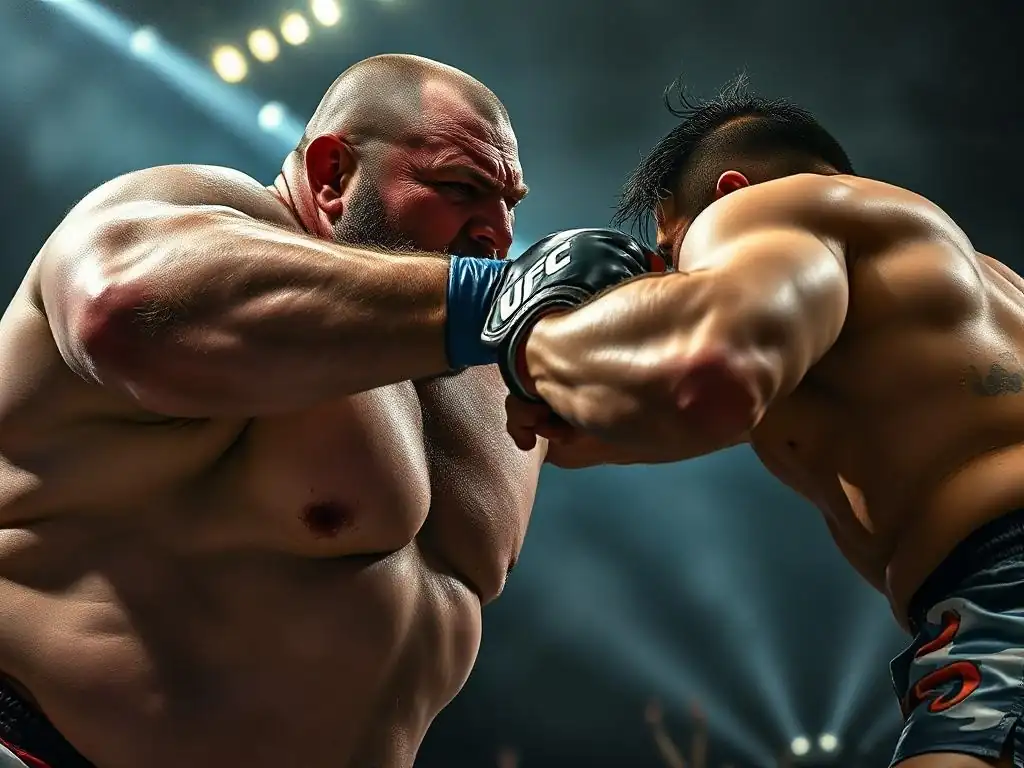
Welcome to Martial Arts Mastery, your ultimate guide to the world of combat and self-defense! Prepare to delve into the rich tapestry of martial arts disciplines, training methodologies, and the philosophies that underpin them. Are you ready to explore the brutal realities and astonishing skill within the octagon?
This article tackles one of the most demanding arenas in professional fighting, exploring the UFC heavyweight division challenges and uncovering why it remains the proving ground for the toughest athletes on the planet. Discover the unique pressures, formidable opponents, and the strategic nuances that define success – or failure – in this electrifying arena. Read on to unlock the secrets of this high-stakes division!
- The Lightweight Division in the UFC: An In-Depth Analysis of Its Depth and Dangers
- Introduction: Why the UFC Lightweight Division Stands Apart
- The Speed and Agility: A Defining Characteristic of UFC Lightweights
- A Deep Dive into the UFC Lightweight Division's Current Roster
- Analyzing the Styles Clash: Striking, Grappling, and Hybrid Fighters
- The Physical Toll: Injuries and Longevity in the UFC Lightweight Division
- Mental Fortitude: The Psychological Challenges of Competing at Lightweight
- Examining the UFC Lightweight Championship Landscape
- Comparing the UFC Lightweight Division to Other Weight Classes
- The Future of the UFC Lightweight Division: Emerging Trends and Predictions
- Addressing the UFC Lightweight Division Challenges: A Summary
-
Frequently Asked Questions
- What makes the UFC Heavyweight Division so challenging?
- How does the depth of talent in the Heavyweight division compare to other UFC weight classes?
- What are some of the unique dangers faced by fighters in the UFC Heavyweight Division?
- How has the Heavyweight division evolved over the history of the UFC?
- What are some common strategies that Heavyweight fighters use to overcome their opponents?
- Final Reflection: The Weight of Expectation
- Embrace the Challenge: Sharpen Your Fight IQ!
The Lightweight Division in the UFC: An In-Depth Analysis of Its Depth and Dangers
Introduction: Why the UFC Lightweight Division Stands Apart
Mixed Martial Arts (MMA) features numerous weight classes, each presenting its own unique set of challenges and requiring distinct attributes from its competitors. However, the lightweight division, typically contested between 146 and 155 pounds, consistently stands out as one of the most competitive and exciting in the Ultimate Fighting Championship (UFC). This weight class seems to strike a perfect balance, housing athletes who possess both significant power capable of ending fights with a single strike or submission, and exceptional speed and endurance.
The sheer depth of talent in the UFC lightweight division is often cited as its defining characteristic. Fighters within this weight range tend to exhibit a highly diverse blend of skills, making predicting outcomes notoriously difficult. Unlike some heavier divisions where raw power might dominate, or lighter divisions emphasizing pure speed, lightweights often represent the pinnacle of the 'mixed' in mixed martial arts, excelling across striking, grappling, and wrestling disciplines. This convergence of multiple high-level skill sets makes the UFC lightweight division challenges particularly compelling for both fighters and fans.
Understanding the Unique Demands of Lightweight Competition in MMA
Competing in the UFC lightweight division demands a unique combination of physical and mental attributes. Athletes must manage a challenging weight cut to make the 155-pound limit, requiring discipline and impacting recovery. Once in the cage, they face opponents who are typically powerful enough to inflict significant damage but also agile enough to evade attacks and maintain a relentless pace for fifteen or even twenty-five minutes. This necessitates not only technical proficiency but also exceptional conditioning and strategic intelligence.
Furthermore, the stylistic diversity within the division means fighters must be prepared for anything. A lightweight contender might face a world-class wrestler in one bout, a dangerous knockout artist in the next, and a jiu-jitsu specialist after that. This constant need to adapt and prepare for varied threats adds another layer to the UFC lightweight division challenges, pushing athletes to become complete martial artists rather than specializing in a single area. The margin for error is incredibly slim, as one mistake can lead to a devastating knockout or a fight-ending submission against the elite competition found here.
The Speed and Agility: A Defining Characteristic of UFC Lightweights
One of the most noticeable traits of fighters in the UFC lightweight division is their exceptional speed and agility. While they may not possess the one-punch knockout power seen in the heavyweight ranks, lightweights often compensate with blistering hand speed, rapid footwork, and quick reaction times. This allows for dynamic exchanges and complex sequences of strikes and movements that are a hallmark of the division. The ability to move swiftly is crucial not only for offensive output but also for defensive maneuvering and maintaining optimal distance.
This combination of speed and agility contributes significantly to the high entertainment value associated with lightweight bouts. Fighters can transition quickly between striking ranges, fluidly combine punches and kicks, and explode into takedown attempts or scrambles. The pace at which they can operate is often breakneck, putting immense pressure on opponents to keep up. These physical attributes are foundational to navigating the demanding environment of the UFC lightweight division challenges.
Exploring the Impact of Speed on Striking Combinations and Takedown Defense
Speed is a critical factor in both offensive and defensive aspects of striking within the lightweight division. Fast hands allow fighters to land multiple strikes in quick succession, overwhelming opponents and making defensive blocking or evasion incredibly difficult. Consider the rapid-fire combinations often thrown by fighters like Dustin Poirier or Tony Ferguson in their prime; this speed enables them to score points, set up power shots, or create openings. The ability to quickly retract strikes also reduces the risk of being countered.
Furthermore, speed is paramount for effective takedown defense. Quick reflexes and explosive power are needed to sprawl effectively, defend shots, or scramble out of unfavorable positions. A lightweight fighter facing a strong wrestler must react instantly to a level change or shot attempt. Delaying even for a split second can be the difference between staying on their feet and being taken down, which can drastically change the course of a fight. The speed with which lightweights can react to wrestling entries is a key component of the UFC lightweight division challenges for grappling specialists.
The Role of Cardio and Pace in the UFC Lightweight Division
Given the high-speed nature of lightweight fights, exceptional cardiovascular conditioning is not just an advantage; it's a necessity. The ability to maintain a high output and defensive readiness for three to five rounds is a defining trait of top lightweight contenders. Fighters often push a relentless pace, throwing strikes in volume, engaging in grappling exchanges, and constantly moving. Without elite cardio, a fighter will quickly fatigue, leading to slower reactions, reduced power, and increased vulnerability.
The pace set by fighters in this division can break even well-conditioned opponents. Some fighters, known for their cardio machines like Justin Gaethje or Rafael dos Anjos in his lightweight tenure, actively use pace as a weapon, aiming to tire their adversaries and capitalize on their fatigue in later rounds. Managing energy reserves while simultaneously dealing with the high-intensity attacks of a skilled opponent is one of the significant UFC lightweight division challenges that athletes must master.
A Deep Dive into the UFC Lightweight Division's Current Roster
The current landscape of the UFC lightweight division is arguably one of the most stacked in the promotion's history. It features a blend of established champions, dangerous former champions, perennial top contenders, and a constant influx of promising new talent. This depth ensures that every fight card featuring lightweight matchups is potentially explosive and significant for the division's hierarchy. The competitive intensity from the top 15 down to the unranked fighters highlights the significant UFC lightweight division challenges faced by anyone hoping to climb the ranks.
Analyzing the roster reveals a fascinating mix of fighting styles and career trajectories. The presence of multiple fighters who have held or competed for the title, alongside hungry contenders on winning streaks, creates a dynamic and unpredictable environment. The constant shuffling of the top rankings underscores the difficulty of maintaining a consistent position at the elite level, a testament to the division's competitive nature and the demanding UFC lightweight division challenges.
Top Contenders and Their Respective Skillsets
The top tier of the UFC lightweight division is populated by fighters with incredibly diverse and dangerous skillsets. Islam Makhachev, the current champion, exemplifies grappling dominance, possessing elite wrestling and sambo, complemented by increasingly sharp striking. Former champion Charles Oliveira is renowned for his submission prowess, holding numerous UFC records, combined with vastly improved striking that has led to several knockout victories.
Dustin Poirier is a high-level boxer with formidable power and excellent jiu-jitsu off his back, known for his durability and exciting fights. Justin Gaethje, a former interim champion, is celebrated for his aggressive striking, powerful leg kicks, and collegiate wrestling background, making him a constant threat.
Other notable contenders like Beneil Dariush, Michael Chandler, and Arman Tsarukyan bring their own unique blends of skills – Dariush with powerful grappling and underrated striking, Chandler with explosive athleticism and knockout power, and Tsarukyan with strong wrestling and rapidly improving stand-up. This variety in styles among the top contenders means that stylistic matchups are often as important as the individual skills, adding another layer to the strategic UFC lightweight division challenges.
Rising Stars and Potential Future Champions in the Lightweight Ranks
Beyond the established elite, the UFC lightweight division is brimming with rising stars who are rapidly climbing the rankings and demonstrating the potential to become future champions. Fighters like Arman Tsarukyan, Mateusz Gamrot, and Damir Ismagulov (though no longer with the UFC, he represented this trend during his tenure) showcased high-level wrestling and grappling, paired with developing striking. Others, such as Jalin Turner or Grant Dawson, present different threats with their length, finishing ability, or grappling pressure.
These emerging talents constantly push the boundaries of the division, bringing new techniques and approaches learned from the evolution of MMA. Their ascent forces the veterans to adapt and evolve, preventing stagnation at the top. Tracking the progress of these rising stars is crucial for understanding the future landscape of the UFC lightweight division challenges and predicting who will eventually contend for the coveted title. Their hunger and relatively unknown quantities often make them dangerous opponents for even the most seasoned veterans.
Veteran Fighters Still Making Waves: Experience vs. Youth in the UFC
Despite the constant influx of new talent, the UFC lightweight division also features seasoned veterans who continue to compete at a high level and pose significant threats. Fighters like Jim Miller, who holds multiple UFC records for appearances and wins, continue to showcase durability and finishing ability even after long careers. While perhaps not always in the immediate title picture, their experience, cage IQ, and specific skill sets make them dangerous opponents capable of derailing the momentum of rising contenders.
The presence of these veterans creates interesting dynamics, pitting proven experience and fight-tested toughness against the speed, athleticism, and evolving skills of younger fighters. These matchups highlight the enduring value of ring time and strategic understanding in navigating the complex UFC lightweight division challenges. A veteran's ability to manage the fight pace, capitalize on opponent mistakes, and utilize subtle techniques honed over years can often nullify the physical advantages of a younger fighter, making these bouts compelling studies in martial arts strategy.
Analyzing the Styles Clash: Striking, Grappling, and Hybrid Fighters
The UFC lightweight division is a melting pot of martial arts styles, creating fascinating and often unpredictable matchups. The division is home to elite practitioners of various disciplines, including high-level boxers, Muay Thai specialists, world-class wrestlers, and dangerous jiu-jitsu artists. However, the most successful fighters often possess a strong understanding and application of multiple areas, embodying the 'mixed' aspect of MMA. This diverse array of styles is a core part of the UFC lightweight division challenges.
These stylistic clashes are what make many lightweight fights so compelling. Will the pure striker be able to keep the fight standing against the relentless pressure of a wrestler? Can the jiu-jitsu black belt survive the early storm of a knockout artist to get the fight to the ground? The varying answers to these questions in different matchups contribute to the division's reputation for exciting and unpredictable outcomes. Understanding the interplay between these styles is key to analyzing the dynamics of any lightweight bout.
The Effectiveness of Different Martial Arts Styles in the Lightweight Division
No single martial art style guarantees success in the UFC lightweight division; instead, it's the effective application and integration of techniques that matters. Wrestling, particularly folkstyle or freestyle wrestling adapted for MMA, has proven to be highly effective, allowing fighters to control the fight's location, impose their will, and drain opponents' energy. Grappling, specifically Brazilian Jiu-Jitsu, remains a potent threat, with numerous fights ending via submission, both from dominant positions and off the back.
Striking, encompassing boxing, Muay Thai, kickboxing, and karate elements, is equally vital. Pure strikers with excellent defense and movement can dismantle opponents from the outside. Conversely, powerful punchers can score devastating knockouts. The most effective fighters, however, are often those who can seamlessly blend these disciplines. An elite wrestler who develops dangerous striking, or a high-level striker with solid takedown defense and offensive wrestling, presents the most complete set of UFC lightweight division challenges to their opponents.
Grappling Dominance vs. Striking Prowess: A Constant Battle
Many of the most anticipated and defining matchups in the UFC lightweight division pit a fighter known primarily for their grappling against one renowned for their striking. These bouts are classic examples of the 'styles clash' and often serve as benchmarks for the effectiveness of each discipline at the highest level. The success of a fight plan often hinges on whether the grappler can impose their wrestling and ground control or if the striker can keep the fight on the feet and utilize their stand-up advantage.
Examples abound throughout the division's history. Khabib Nurmagomedov's dominant wrestling and ground and pound proved a puzzle few strikers could solve. Conversely, fighters like Conor McGregor demonstrated the power of precision striking against high-level opponents. The ongoing dynamic between grappling dominance and striking prowess is a fundamental aspect of the UFC lightweight division challenges, requiring fighters to constantly evolve their defense against their weaker areas while honing their strengths.
Poirier vs. Gaethje II: A Striking Masterclass
The rematch between Dustin Poirier and Justin Gaethje at UFC 291 serves as a prime example of a high-level striking battle within the lightweight division. While both fighters possess grappling skills, the fight primarily unfolded on the feet, showcasing their elite striking technique, power, and resilience. The bout was a back-and-forth war of attrition, with both men landing significant strikes and absorbing considerable damage.
The fight highlighted the effectiveness of leg kicks (from Gaethje) and technical boxing (from Poirier). Ultimately, Gaethje secured a spectacular head-kick knockout in the second round, earning the symbolic BMF title. This fight, while not for the undisputed championship, perfectly encapsulated the danger and excitement that high-level striking can bring to the lightweight division, demonstrating that pure striking prowess, when combined with toughness and strategic striking (like Gaethje's setup for the head kick), can be a decisive factor in overcoming the UFC lightweight division challenges.
The Physical Toll: Injuries and Longevity in the UFC Lightweight Division
Competing at the elite level in the UFC lightweight division takes a significant physical toll. The combination of demanding training camps, intense weight cutting, and high-impact fights involving powerful strikes, takedowns, and grappling exchanges leads to a high risk of injury. Fighters frequently deal with sprains, fractures, tears, and concussions, which can significantly impact their performance and career trajectory. Navigating these physical demands is one of the inherent UFC lightweight division challenges.
The cumulative effect of repeated impacts and strenuous physical activity can lead to chronic issues and potentially shorten a fighter's career. While some fighters manage to compete for many years, others are forced into early retirement due to persistent injuries. The physical sacrifices required to compete at this level are immense and often underestimated by those outside the sport.
The High Risk of Injury in Lightweight Bouts
The fast pace and high volume of strikes and transitions in lightweight fights contribute to a significant risk of acute injuries. Powerful leg kicks can lead to debilitating calf or shin issues. Takedown attempts and scrambles put immense pressure on knees, ankles, and shoulders. Head strikes carry the risk of concussions and other neurological concerns. Even seemingly minor injuries can become major problems when a fighter attempts to push through them or doesn't allow adequate time for recovery.
The intensity of training also contributes to injury risk, with fighters pushing their bodies to the limit to prepare for opponents who present varied UFC lightweight division challenges. Overtraining, sparring injuries, and the sheer physical stress of high-level athletic conditioning all play a role. The physical demands are relentless, requiring fighters to be constantly vigilant about their health and recovery.
Examining the Career Lengths of Notable Lightweight Fighters
While it's difficult to provide precise average career lengths without comprehensive data, examining the careers of notable lightweight fighters reveals a range. Some fighters, like Jim Miller, have incredibly long and active careers spanning over a decade in the UFC. Others, like former champions who reached the pinnacle, might have shorter but more intensely competitive runs at the very top, perhaps 5-7 years in the absolute elite tier before facing physical decline or opting for retirement.
Factors influencing longevity include fighting style (grappling-heavy styles can sometimes lead to fewer head impacts but more joint stress, while striking-heavy styles carry higher concussion risks), injury history, recovery protocols, and personal choices. Maintaining a long career at the top of the UFC lightweight division challenges means not only winning fights but also managing one's body effectively through training and recovery.
Training Strategies for Longevity and Injury Prevention
To mitigate the high risk of injury and extend their careers, lightweight fighters employ various training strategies focused on longevity and prevention. This includes incorporating strength and conditioning programs tailored to prevent common injuries, focusing on mobility and flexibility, and implementing rigorous recovery protocols such as physical therapy, cryotherapy, and massage. Proper warm-ups and cool-downs are essential, as is listening to one's body and knowing when to rest.
Periodization of training, which involves structuring training into cycles to peak for fights while allowing for active recovery periods, is also crucial. Fighters work closely with coaches, physical therapists, and medical staff to monitor their bodies and address potential issues before they become severe injuries. These proactive approaches are vital for navigating the physical UFC lightweight division challenges and ensuring athletes can compete consistently at a high level.
Mental Fortitude: The Psychological Challenges of Competing at Lightweight
Beyond the physical demands, competing in the UFC lightweight division presents significant psychological challenges. The constant pressure to perform, the scrutiny from media and fans, the stress of weight cutting, and the inherent danger of facing elite, dangerous opponents all test a fighter's mental fortitude. Maintaining focus, confidence, and emotional control under these circumstances is as crucial as physical preparation.
Fighters must learn to manage anxiety, handle the highs of victory and the lows of defeat, and stay motivated through grueling training camps. The mental game is often the deciding factor in close fights, where the fighter who can remain composed and execute their strategy under pressure has a distinct advantage. These psychological factors are integral to the overall UFC lightweight division challenges.
Handling Pressure and Expectations in High-Stakes Fights
Competing in high-stakes fights, particularly title bouts or main events, brings immense pressure and heightened expectations. Fighters in the lightweight division often headline major events, with millions watching and analyzing their every move. The mental burden of this spotlight can be overwhelming. Fighters must learn to compartmentalize this pressure, focusing solely on the task at hand – their opponent and their fight plan.
Successfully navigating this pressure often involves mental conditioning, visualization techniques, and working with sports psychologists. Being able to perform optimally when the stakes are highest is a hallmark of true champions. The ability to block out external noise and stay focused on execution is a significant part of overcoming the mental UFC lightweight division challenges associated with being at the top.
Overcoming Setbacks and Maintaining Confidence
Defeats are an inevitable part of a long career in the UFC lightweight division. How a fighter responds to a loss, whether it's a close decision or a decisive finish, speaks volumes about their mental resilience. Overcoming setbacks requires introspection, learning from mistakes, and maintaining belief in one's abilities despite adversity. A fighter's ability to bounce back from a loss is often a key indicator of their potential for long-term success.
Maintaining confidence after a tough loss or a series of injuries is incredibly difficult. Fighters must rely on their support systems, coaches, and inner drive to rebuild their confidence and motivation. The journey through the UFC lightweight division challenges is rarely linear, and the mental strength to persevere through difficult periods is essential.
Charles Oliveira's Championship Run: Resilience and Mental Toughness
Charles Oliveira's path to becoming the UFC Lightweight Champion is a compelling example of mental fortitude and resilience. Early in his career, Oliveira faced setbacks and criticism, particularly regarding his ability to handle adversity and pressure in tough fights. He experienced losses and periods where his trajectory seemed uncertain.
However, Oliveira transformed himself, not just physically and technically, but mentally. He embarked on an impressive winning streak, finishing multiple top contenders. His championship victory against Michael Chandler, where he was hurt badly in the first round but recovered to secure a stunning knockout in the second, demonstrated incredible composure and mental toughness under extreme pressure. His subsequent title defenses and performances, often coming back from early adversity, solidified his reputation as one of the most mentally resilient fighters in the division's history, showcasing his ability to overcome significant UFC lightweight division challenges.
Examining the UFC Lightweight Championship Landscape

The UFC Lightweight Championship is arguably the most coveted title in mixed martial arts, representing the pinnacle of achievement in one of the sport's most competitive divisions. The history of the title is rich with legendary fighters and iconic bouts that have shaped the sport. Holding this belt signifies being the best in a division packed with elite talent, a testament to overcoming the immense UFC lightweight division challenges.
The championship landscape is constantly evolving, with new contenders emerging and champions facing incredibly difficult tests. Analyzing the lineage of the title and the nature of recent championship fights provides insight into the current state and future direction of the division's elite.
The History and Legacy of the UFC Lightweight Title
The UFC Lightweight Championship has a storied history, dating back to the early days of the promotion. It has been held by some of the biggest names in MMA, including Jens Pulver, Sean Sherk, BJ Penn, Frankie Edgar, Benson Henderson, Anthony Pettis, Rafael dos Anjos, Eddie Alvarez, Conor McGregor, Khabib Nurmagomedov, Charles Oliveira, and Islam Makhachev. Each champion has left their mark, contributing to the legacy of the title through dominant reigns, thrilling fights, or historic moments.
The belt has also seen periods of contention, with interim titles being introduced during champion absences. The history of the title reflects the ever-changing nature of the division and the difficulty of remaining at the top for an extended period against the constant wave of contenders facing their own UFC lightweight division challenges.
Title Fight Analysis: Examining Key Championship Bouts
Analyzing key championship bouts provides insight into the strategies and performances required to reach and stay at the top of the lightweight division. For example, Khabib Nurmagomedov's dominant performances showcased the effectiveness of relentless pressure and ground and pound against elite strikers like Conor McGregor and Dustin Poirier. Charles Oliveira's title run highlighted the power of evolving striking combined with world-class jiu-jitsu, as seen in his finishes over Chandler, Poirier, and Gaethje.
Islam Makhachev's championship victory over Oliveira demonstrated the continued potency of high-level wrestling and top control in neutralizing dangerous submission threats. These fights illustrate that there is no single formula for winning the lightweight title; success depends on effectively implementing a game plan that exploits an opponent's weaknesses while navigating their strengths, a core element of the UFC lightweight division challenges at the championship level.
Predictions for the Future of the UFC Lightweight Championship
Predicting the future of the UFC Lightweight Championship is challenging due to the division's depth and volatility. Current champion Islam Makhachev faces a line of dangerous contenders, including potential rematches with former champions or bouts against rising stars. The outcome of upcoming fights between top contenders will heavily influence who gets the next title shot.
It's likely that the title picture will continue to feature a mix of established names and newer threats. The evolution of fighter skills and the constant influx of talent mean that the champion will face continuous, difficult tests. The belt may change hands multiple times in the coming years, reflecting the incredibly competitive nature of the division and the ongoing UFC lightweight division challenges that every champion must confront.
Comparing the UFC Lightweight Division to Other Weight Classes
While every weight class in the UFC presents unique challenges, the lightweight division occupies a distinct position. It is often cited as the deepest and most competitive due to the specific physical attributes and skill sets found within the 146-155 pound range. Comparing it to other divisions highlights what makes lightweight competition particularly demanding.
Heavier divisions (e.g., Middleweight to Heavyweight) often feature fighters with significantly more power, where a single clean shot can end the fight instantly. Lighter divisions (e.g., Flyweight to Featherweight) tend to showcase even faster hand speed and movement, though perhaps with less fight-ending power on average. The lightweight division sits in a sweet spot, where fighters possess a dangerous blend of both, contributing to the complexity of the UFC lightweight division challenges.
Contrasting Styles and Skillsets Across Different Weight Divisions
The predominant styles and skillsets tend to vary across weight divisions. In heavier classes, knockout power is often a primary determinant of success, leading to more emphasis on striking defense and capitalizing on openings for powerful shots. In lighter classes, speed and volume striking, along with intricate grappling exchanges, are often more prominent.
The lightweight division, however, demands proficiency across the board. While specialists exist, the most successful lightweights are typically well-rounded, capable of striking effectively, defending takedowns, wrestling offensively, and threatening with submissions. This requirement for a diverse skillset differentiates the UFC lightweight division challenges from those in divisions where one or two attributes might disproportionately determine outcomes.
The Unique Challenges Faced by Lightweight Fighters
Lightweight fighters face the unique challenge of balancing significant power with high-level speed and endurance. They must prepare for opponents who can knock them out with strikes, submit them on the ground, or outwork them over five rounds with relentless pace. The margin for error is often smaller than in heavier divisions, where recovery from a mistake might be possible if the opponent lacks finishing ability, or in lighter divisions, where strikes might carry less concussive force.
The competitive density also means that the path to the title is incredibly difficult, often requiring multiple wins against top-ranked opponents. Every fight is a potential banana peel, and maintaining consistency against such a high level of competition adds to the inherent UFC lightweight division challenges.
Statistical Comparison: Finish Rates, Injury Rates, etc.
While precise, real-time statistical comparisons are complex to provide without specific data access, general trends can be observed. The lightweight division typically boasts a high finish rate, although perhaps slightly lower by knockout percentage than heavyweight or light heavyweight, it compensates with a higher rate of submission finishes compared to those heavier divisions. The fast pace and volume of strikes contribute to stoppages via TKO or accumulation of damage.
Regarding injury rates, the high intensity of training and fighting across all disciplines means lightweights are susceptible to a wide range of injuries, similar to other combat sports weight classes. The specific types of injuries might vary; for instance, knee injuries from wrestling exchanges or hand injuries from striking volume are common. The cumulative effect of weight cutting on the body also adds a layer of physical challenge unique to weight-class sports like MMA, contributing to the overall UFC lightweight division challenges.
The Future of the UFC Lightweight Division: Emerging Trends and Predictions
The UFC lightweight division is constantly evolving, driven by the relentless pursuit of improvement by its athletes and the strategic innovations brought by coaches. Emerging trends in training methodologies, fighting techniques, and athletic conditioning continue to shape the division's landscape. Predicting the future requires observing these trends and the new talent entering the ranks.
The division is likely to remain one of the most exciting and competitive in the UFC for the foreseeable future. The consistent flow of talent from regional promotions and other combat sports ensures that the level of competition will remain incredibly high, presenting ongoing UFC lightweight division challenges for all involved.
The Evolution of Training and Fighting Techniques
Training methodologies in MMA are continuously evolving, with lightweight fighters being at the forefront of incorporating new scientific approaches to strength and conditioning, recovery, nutrition, and sports psychology. Technique itself is also evolving; fighters are becoming more adept at blending striking and grappling, developing more sophisticated defensive strategies, and utilizing movement in new ways.
For example, the integration of high-level wrestling with dangerous striking, as seen in fighters like Islam Makhachev and Arman Tsarukyan, represents a powerful evolution of the hybrid fighter. The emphasis on unpredictable striking angles, movement, and feints is also increasing. These advancements mean that future lightweight contenders will likely be even more well-rounded and physically prepared, further raising the bar for overcoming the UFC lightweight division challenges.
Potential Rule Changes and Their Impact
While significant rule changes are infrequent in the Unified Rules of Mixed Martial Arts used by the UFC, minor adjustments or interpretations can sometimes impact specific divisions. For instance, stricter officiating on fouls like eye pokes or fence grabs can influence grappling exchanges and striking distance management, both critical in the lightweight division.
Any potential future changes, such as modifications to the scoring criteria or allowed techniques, could subtly shift the strategic emphasis within the division. However, given the established nature of MMA rules, drastic changes are unlikely. The core UFC lightweight division challenges related to balancing diverse skills and managing pace are expected to remain constant regardless of minor rule tweaks.
Expert Opinions on the Future of the Division
MMA analysts and experts generally agree that the UFC lightweight division will continue to be a powerhouse of talent and exciting fights. Many anticipate a period where the title could change hands multiple times, given the number of elite contenders vying for the top spot. There's also excitement about the next wave of prospects currently climbing the rankings, who are expected to challenge the established order in the coming years.
Experts often point to the division's depth, stylistic variety, and the high finishing rate as reasons for its continued appeal. The consensus is that lightweight will remain a benchmark division, requiring fighters to be exceptionally skilled, physically dominant, and mentally tough to navigate the myriad of UFC lightweight division challenges.
Addressing the UFC Lightweight Division Challenges: A Summary
The UFC lightweight division is widely regarded as one of the most demanding and competitive weight classes in mixed martial arts. The unique blend of speed, power, and technical proficiency found in its athletes creates a dynamic and unpredictable environment. Fighters must possess exceptional physical conditioning, diverse skillsets across striking, grappling, and wrestling, and significant mental fortitude to succeed.
The challenges in the UFC lightweight division are multifaceted. They include navigating a deep pool of talent with varied styles, managing the physical toll of intense training and fighting, overcoming psychological pressures, and constantly evolving to keep pace with the division's progression.
The path to the title is arduous, requiring consistent wins against elite competition and the ability to perform under the brightest lights. The ongoing evolution of techniques and the influx of new talent ensure that the UFC lightweight division challenges will remain formidable for years to come, solidifying its status as a premier weight class in combat sports.
Key Takeaways Regarding the Division's Depth and Dangers
- Exceptional Depth: The lightweight division boasts an incredibly deep roster of highly skilled fighters, making the path to the top exceptionally challenging.
- Blend of Attributes: Fighters possess a dangerous combination of speed, agility, and power, capable of ending fights through strikes or submissions.
- Stylistic Diversity: The division is a melting pot of styles, requiring fighters to be well-rounded and prepared for various opponents (strikers, grapplers, wrestlers).
- High Pace and Cardio: The fast pace of lightweight fights necessitates elite cardiovascular conditioning.
- Significant Physical Toll: Training and competing at this level involve a high risk of injury and demand rigorous recovery protocols.
- Psychological Demands: Handling pressure, expectations, and setbacks is crucial for success and longevity.
- Competitive Championship: The lightweight title is fiercely contested, with a history of legendary champions and unpredictable title reigns due to the intense UFC lightweight division challenges.
Frequently Asked Questions
What makes the UFC Heavyweight Division so challenging?
The UFC Heavyweight Division is exceptionally challenging due to the sheer power of its fighters, their high knockout rate, and the constant threat of a fight ending quickly.
How does the depth of talent in the Heavyweight division compare to other UFC weight classes?
The Heavyweight division often has a smaller, but very dangerous pool of fighters. This concentrated talent pool leads to highly competitive matchups where any fighter can beat any other on a given night, making it a unpredictable division.
What are some of the unique dangers faced by fighters in the UFC Heavyweight Division?
The dangers are amplified due to the fighters' size and strength. This increases the risk of severe knockouts and long-term physical damage from strikes, which are more impactful than in lighter weight classes.
How has the Heavyweight division evolved over the history of the UFC?
The Heavyweight division has evolved from a scene of early, less-refined styles to a division with highly skilled athletes who blend striking, grappling, and wrestling. This evolution reflects increased training methodologies and greater specialization.
What are some common strategies that Heavyweight fighters use to overcome their opponents?
Common strategies include utilizing heavy striking combinations, employing powerful wrestling takedowns, and capitalizing on opportunities for submission finishes due to the vulnerability created from fatigue and damage.
Final Reflection: The Weight of Expectation
The analysis presented here underscores the brutal reality of the UFC heavyweight division, revealing a landscape where raw power and technical skill collide with unforgiving consequences. The division's depth, as we've explored, isn't just about the number of contenders; it's about the consistently high level of danger each fighter presents, making every bout a potential career-altering event.
The heavyweight division, with its volatile mix of veterans and rising stars, has always captivated audiences, and its influence on the broader MMA landscape is undeniable. The sheer unpredictability of each fight, the knowledge that a single punch can change everything, is what makes it so compelling. It's a different kind of pressure at heavyweight. One mistake, and it's over.
- Stipe Miocic. This quote perfectly encapsulates the constant tension and the high stakes that define this division.
Now, consider the lessons learned from this exploration of the UFC heavyweight division. Think about the dedication, the resilience, and the unwavering commitment required to compete at such an elite level. How can you apply these principles of perseverance and strategic thinking to your own challenges, both inside and outside the arena? Embrace the weight of your own expectations, and strive to overcome the obstacles that stand in your way.
Embrace the Challenge: Sharpen Your Fight IQ!
Thank you for diving deep into the UFC's toughest division! Now that you're armed with this knowledge, it's time to put your newfound insights into action.
- Debate and rank: What adjustments to the UFC rules would make the sport safer while maintaining excitement? Share your thoughts in the comments!
- Dive deeper: Research a fighter mentioned that you hadn't heard of before.
- Spread the word: Share this article with fellow fight fans and ignite the discussion!
What emerging talent do you think will rise to the top of the division next year?