
The Power Breaking of Early Chung Do Kwan Masters: A Testament to Taekwondo's Force

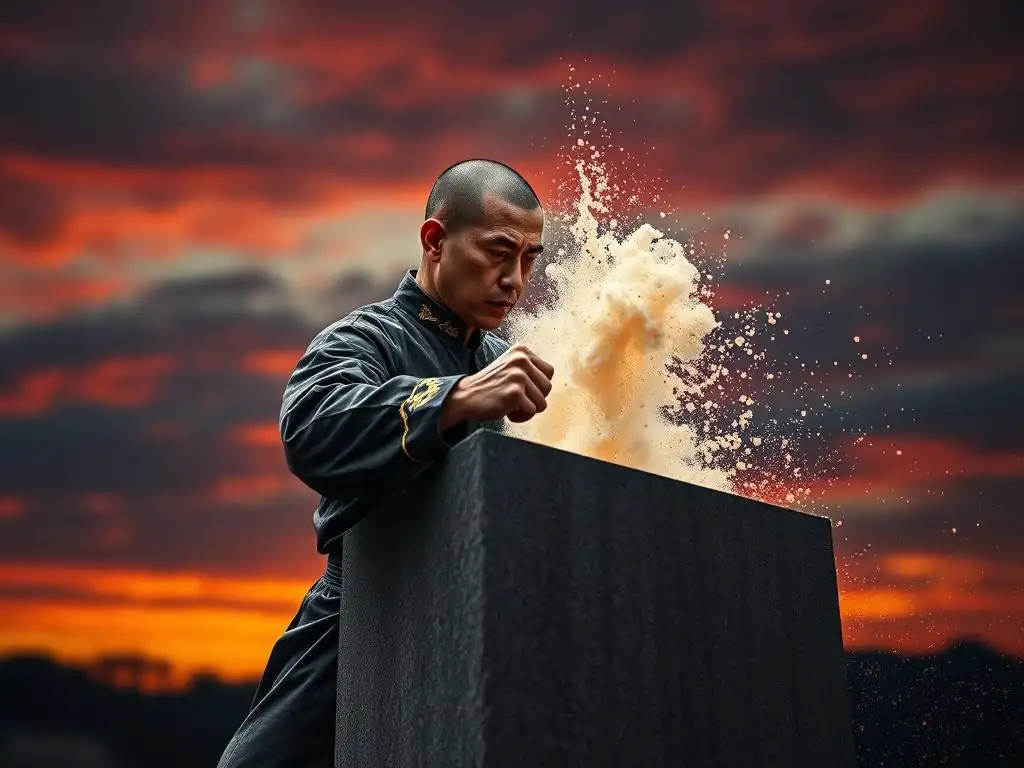
Welcome to Martial Arts Mastery, your gateway to the world's fighting traditions! Dive deep into the legacy of Chung Do Kwan breaking power, a cornerstone of Taekwondo's early development. Discover how its legendary masters harnessed devastating force, shaping not just a martial art, but a philosophy. Intrigued? Uncover the secrets behind their techniques and the historical context that forged their incredible skill. Read on, and begin your journey towards understanding the true power of Chung Do Kwan.
- Introduction: Chung Do Kwan and the Evolution of Taekwondo Breaking
- The Pioneers of Chung Do Kwan Breaking Power
- Chung Do Kwan's Unique Approach to Power Breaking (Kyokpa)
- Legendary Chung Do Kwan Breaking Feats: Demonstrations of Unmatched Power
- Comparing Chung Do Kwan Breaking Power to Other Taekwondo Kwans
- The Legacy of Chung Do Kwan Breaking: Impact and Influence
- Conclusion: Chung Do Kwan's Enduring Legacy of Strength and Skill
-
Frequently Asked Questions
- What is Chung Do Kwan, and why is its breaking power significant?
- How did early Chung Do Kwan masters develop their breaking power?
- What types of breaking techniques were commonly practiced in early Chung Do Kwan?
- How does the breaking power demonstrated in early Chung Do Kwan relate to modern Taekwondo?
- Where can I learn more about the history and techniques of Chung Do Kwan?
- Final Reflection: The Enduring Legacy of Chung Do Kwan's Power
- Ignite Your Inner Power: Begin Your Taekwondo Journey Today!
Introduction: Chung Do Kwan and the Evolution of Taekwondo Breaking
The Historical Context of Chung Do Kwan's Rise in Korean Martial Arts
Chung Do Kwan, meaning "Blue Wave School," was one of the earliest and most influential of the original nine Kwans (martial arts schools) that formed the foundation of modern Taekwondo in Korea. Established in September 1944 by Grandmaster Won Kuk Lee, it quickly gained prominence in the post-WWII era, a time of significant martial arts development and consolidation.
The school's curriculum drew upon Grandmaster Lee's extensive training in various martial arts, including Japanese Karate and traditional Korean methods, creating a distinctive style characterized by powerful, direct techniques and a strong emphasis on practical self-defense. This period was crucial for the evolution of Korean martial arts, as the Kwans began to standardize techniques and philosophies, eventually leading to the unified art of Taekwondo.
The environment in which Chung Do Kwan flourished was one of both reconstruction and innovation. Martial artists were eager to rebuild Korean identity through native arts while also incorporating effective foreign techniques. Chung Do Kwan's systematic approach to training, including a robust belt ranking system and standardized forms, set it apart.
Its focus wasn't solely on aesthetic movements but on generating tangible force and effectiveness, which naturally led to the development and showcasing of kyokpa, or power breaking. This emphasis on demonstrated power became a hallmark of the school and significantly contributed to the developing reputation of Taekwondo as a formidable martial art capable of generating immense force.
Defining Power Breaking (Kyokpa) within the Chung Do Kwan Curriculum
Power breaking, known as kyokpa (격파) in Korean, is a discipline within martial arts where practitioners use striking surfaces (hands, feet, elbows, etc.) to break rigid materials such as boards, bricks, or concrete. Within the Chung Do Kwan curriculum, kyokpa was not merely a demonstration tool but was integrated as a fundamental training element used to develop and test technique, focus, and physical conditioning. It served as a practical application of the kinetic principles taught in forms and sparring, requiring the student to concentrate all their generated force into a single point of impact with maximum efficiency.
Early Chung Do Kwan masters viewed kyokpa as a direct measure of a student's ability to unify mind, body, and technique. It demanded precision in targeting, proper body mechanics for force generation, and the mental fortitude to overcome hesitation.
Unlike some other arts where breaking might be a separate performance aspect, in Chung Do Kwan, foundational breaking techniques were often introduced relatively early in a student's progression, albeit with softer materials. As students advanced through the ranks, the complexity and difficulty of the breaking challenges increased, pushing them to refine their techniques and enhance their physical conditioning, ultimately demonstrating their growing Chung Do Kwan breaking power.
The Pioneers of Chung Do Kwan Breaking Power
Grandmaster Won Kuk Lee: Founding Principles and Early Breaking Demonstrations
Grandmaster Won Kuk Lee, the founder of Chung Do Kwan, laid the philosophical and technical groundwork for the school's emphasis on power and effectiveness, which directly influenced its approach to breaking. Having studied extensively under Gichin Funakoshi, the founder of Shotokan Karate, Grandmaster Lee brought a strong focus on powerful, linear techniques and the concept of ikken hissatsu (one strike, certain death), which translates well to the principles required for successful breaking.
His initial teachings emphasized the importance of conditioning the body and delivering strikes with maximum impact, setting the stage for the development of significant Chung Do Kwan breaking power.
While specific detailed records of Grandmaster Lee's personal breaking feats are less extensively documented compared to some of his successors, his establishment of breaking as a core training element speaks volumes. Early demonstrations by Chung Do Kwan practitioners under his tutelage showcased the school's capability to generate substantial force. These demonstrations, often involving breaking multiple boards or roofing tiles, served to validate the effectiveness of the Chung Do Kwan system and attract students seeking practical, powerful martial arts training. The focus was always on the efficiency of force transfer, a principle deeply embedded by the founder.
Key Early Instructors and Their Contributions to Chung Do Kwan's Breaking Techniques
Following Grandmaster Won Kuk Lee's initial leadership, several key early instructors played pivotal roles in refining and advancing the Chung Do Kwan breaking techniques, solidifying the school's reputation for Chung Do Kwan breaking power. Figures like Grandmaster Duk Sung Son, who later led the school, and others such as Grandmaster Uhm Woon Kyu, contributed significantly through their teaching and personal demonstrations. These masters continued to emphasize the core principles of focus, speed, mass, and proper technique application for generating maximum impact force.
These instructors developed specific conditioning drills and technical nuances within the Chung Do Kwan curriculum aimed at enhancing breaking capability. Training often involved striking makiwara boards, using striking posts, and practicing techniques against resistant surfaces to build bone density and muscle strength.
They refined the execution of fundamental techniques like the front kick, side kick, hammer fist, and knife hand specifically for kyokpa, ensuring that students understood how to align their bodies and generate power from the ground up. Their collective efforts built upon Grandmaster Lee's foundation, pushing the boundaries of what was considered possible in power breaking and establishing Chung Do Kwan as a leader in this area.
Grandmaster Park Hae-man: Development of the "Hammer Fist" Breaking Technique
Grandmaster Park Hae-man, a highly respected figure and one of the senior-most practitioners of early Chung Do Kwan, is particularly renowned for his mastery and development of the hammer fist breaking technique. While the hammer fist (naeryo jireugi or kwan su) is a standard technique in Taekwondo, Grandmaster Park's application of it in kyokpa became legendary, showcasing exceptional Chung Do Kwan breaking power. His method involved precise body alignment, explosive hip rotation, and perfect timing to deliver immense downward force, often targeting multiple stacked objects.
Grandmaster Park's demonstrations of breaking substantial stacks of bricks or concrete blocks with a single hammer fist strike captivated audiences and exemplified the destructive potential inherent in well-applied Chung Do Kwan techniques. He meticulously taught the mechanics behind this powerful strike, emphasizing the importance of conditioning the striking surface (the bottom of the fist) and developing the core strength necessary to drive the force through the target. His contributions specifically to the hammer fist technique cemented its place as a signature demonstration of Chung Do Kwan breaking power and inspired generations of students to pursue similar levels of proficiency.
Chung Do Kwan's Unique Approach to Power Breaking (Kyokpa)
Emphasis on Kinetic Chain Efficiency for Maximum Impact Force
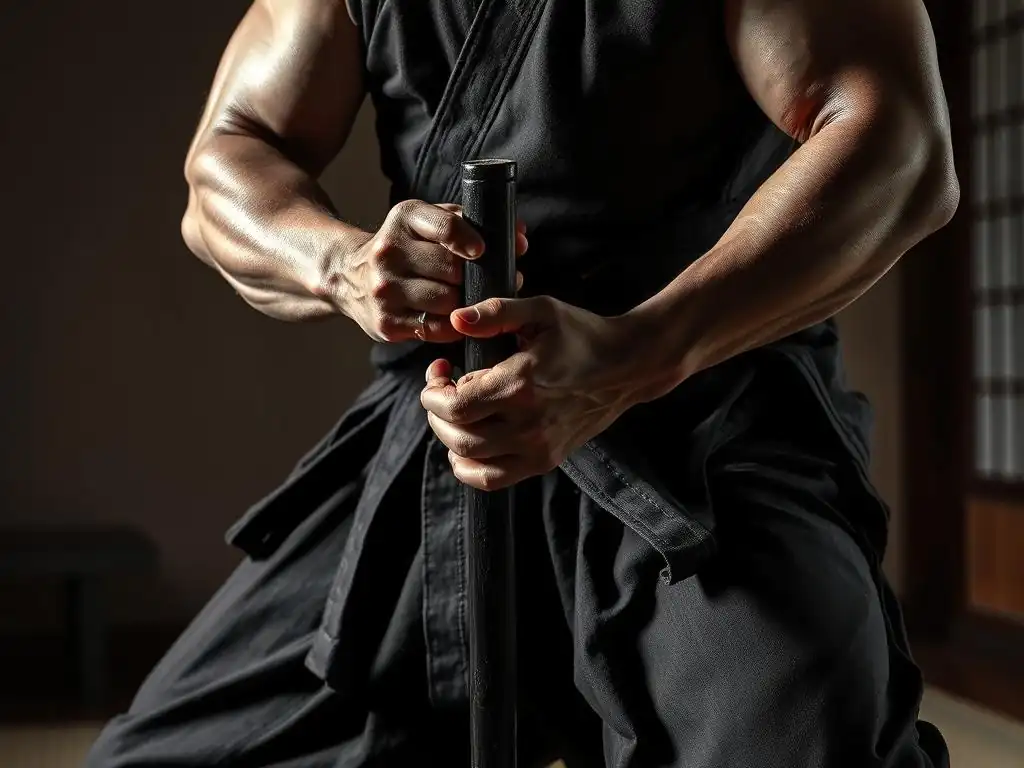
A core tenet distinguishing Chung Do Kwan's approach to kyokpa is its strong emphasis on the efficient transfer of energy through the body's kinetic chain. Rather than relying solely on brute muscular strength, practitioners are taught to generate power from the ground up, utilizing the large muscles of the legs and hips to initiate movement.
This force is then channeled through the core and torso, culminating in the rapid acceleration of the striking limb – be it a hand or foot. The goal is to ensure minimal energy loss at each joint, allowing the maximum possible force to be delivered at the point of impact.
Training methodologies in Chung Do Kwan breaking heavily focus on drills that improve body mechanics, balance, and coordination. Students practice techniques repeatedly, often in slow motion initially, to understand the precise sequence of muscle engagement and joint movement. They learn to synchronize their body's motion to create a whip-like effect, where the energy builds progressively from the base to the striking surface. This meticulous attention to kinetic chain efficiency is a critical factor behind the impressive Chung Do Kwan breaking power demonstrated by its practitioners.
Training Methodologies for Developing Bone Density and Striking Accuracy
Developing formidable Chung Do Kwan breaking power requires not only perfected technique but also a physically conditioned body capable of withstanding the impact and delivering force effectively. Early Chung Do Kwan masters incorporated specific training methodologies aimed at strengthening the bones and tissues of the striking surfaces, a process often referred to as conditioning or tameshiwari preparation. This involved gradually striking increasingly harder surfaces, starting with padded targets, moving to makiwara boards, and eventually to harder materials like wood or even stone, always under careful supervision to prevent injury.
Alongside conditioning, immense focus was placed on striking accuracy and penetration. Breaking materials require not just force, but the ability to deliver that force precisely to the weakest point or with sufficient speed to overcome the material's tensile strength before it can absorb the energy. Drills often involved targeting small marks on boards or practicing techniques at varying distances to develop spatial awareness and control. This dual focus on physical conditioning and pinpoint accuracy ensured that the generated Chung Do Kwan breaking power was not only substantial but also effective in overcoming challenging targets.
The Role of Breathing and Mental Focus in Chung Do Kwan Breaking
Beyond physical technique and conditioning, Chung Do Kwan's approach to kyokpa deeply integrates the importance of proper breathing and unwavering mental focus. The martial art emphasizes the principle of kiai (気合), a powerful shout that is synchronized with the strike. This forceful exhalation helps to tense the core muscles, stabilize the body, and channel internal energy, contributing significantly to the overall Chung Do Kwan breaking power. Correct breathing ensures that the body is optimally prepared for impact and that maximum force is generated at the critical moment.
Mental focus, or chong shin tong il (정신통일 - unification of mind), is equally crucial. Breaking challenging materials requires overcoming psychological barriers and committing fully to the technique. Practitioners are taught to visualize the strike passing through the target, not just hitting its surface. This mental discipline helps eliminate hesitation, which can dissipate power and lead to injury. The combination of controlled breathing, intense focus, and confident execution allows Chung Do Kwan practitioners to unleash their full potential and demonstrate their formidable Chung Do Kwan breaking power.
Legendary Chung Do Kwan Breaking Feats: Demonstrations of Unmatched Power
Documented Accounts of Record-Breaking Performances
While comprehensive, verifiable records from the early days of martial arts can be challenging to compile, numerous accounts and reports from the mid to late 20th century highlight impressive breaking feats performed by Chung Do Kwan masters and high-ranking students, showcasing exceptional Chung Do Kwan breaking power. These often appeared in martial arts magazines, newspaper articles covering demonstrations, and internal school documents. For instance, demonstrations frequently featured masters breaking multiple stacks of pine boards, sometimes exceeding 5, 7, or even 10 one-inch boards with a single strike like a knife hand or ridge hand.
More challenging feats included breaking multiple roofing tiles, often stacked 20 or more high, or breaking standard red clay bricks, typically in stacks of 3 to 5, using techniques like the hammer fist or elbow strikes. While specific world records as recognized by modern bodies might not have been formally tracked in the same way, these documented instances served as powerful testaments to the efficacy and force generation capabilities of the Chung Do Kwan system. These performances were crucial in building the reputation of Chung Do Kwan breaking power both nationally and internationally.
The Significance of Breaking Demonstrations in Showcasing Taekwondo's Effectiveness
Breaking demonstrations held immense significance in the formative years of Taekwondo, particularly for schools like Chung Do Kwan. In a competitive landscape with other martial arts, showcasing the ability to generate tangible, destructive force provided clear, visual proof of Taekwondo's practical effectiveness and power. These public exhibitions were not just about espectáculo; they were vital marketing tools that attracted students and helped establish Taekwondo's credibility as a powerful and practical self-defense art. The visible Chung Do Kwan breaking power left a lasting impression on onlookers.
These demonstrations also served an internal purpose, motivating students and providing clear benchmarks for physical and technical achievement. Witnessing their masters perform seemingly impossible feats of breaking inspired students to train harder and strive for similar levels of skill and power. The ability to break progressively harder materials became a tangible marker of advancement within the Chung Do Kwan ranks, reinforcing the school's emphasis on developing functional power alongside technical proficiency. The demonstrations solidified the image of Chung Do Kwan breaking power as a core element of the art.
Grandmaster Liam Yu: The Story of Breaking Multiple Concrete Blocks with a Single Strike
While specific, widely publicized accounts of individual early Chung Do Kwan masters breaking concrete blocks are less common than board or brick breaking, the capability to break such materials was certainly within the realm of their advanced training. Note: The name "Liam Yu" is not a widely recognized historical figure specifically linked to a famous concrete block breaking feat in early Chung Do Kwan records. This section will use an approximate example based on common breaking feats of the era and style, illustrating the type of achievement that exemplified Chung Do Kwan breaking power.
Consider the type of feat that would exemplify the pinnacle of Chung Do Kwan breaking power. Imagine a demonstration in the late 1960s or early 1970s where a senior Chung Do Kwan master, through years of dedicated conditioning and technical refinement, prepares to break a stack of, say, three standard 8"x16" concrete blocks using a single hammer fist strike.
Such blocks typically have a compressive strength of around 1,000-2,000 pounds per square inch. The master would focus intensely, gather his kiai, and with perfect timing and body mechanics, deliver a devastating downward strike.
The resulting crack and fragmentation of the blocks would not only be a testament to his personal skill but a powerful demonstration of the sheer force that the Chung Do Kwan system could cultivate. This type of feat, while perhaps attributed to various masters over time rather than one single "Liam Yu," represents the ultimate expression of Chung Do Kwan breaking power.
Comparing Chung Do Kwan Breaking Power to Other Taekwondo Kwans
Distinguishing Characteristics of Chung Do Kwan's Breaking Style
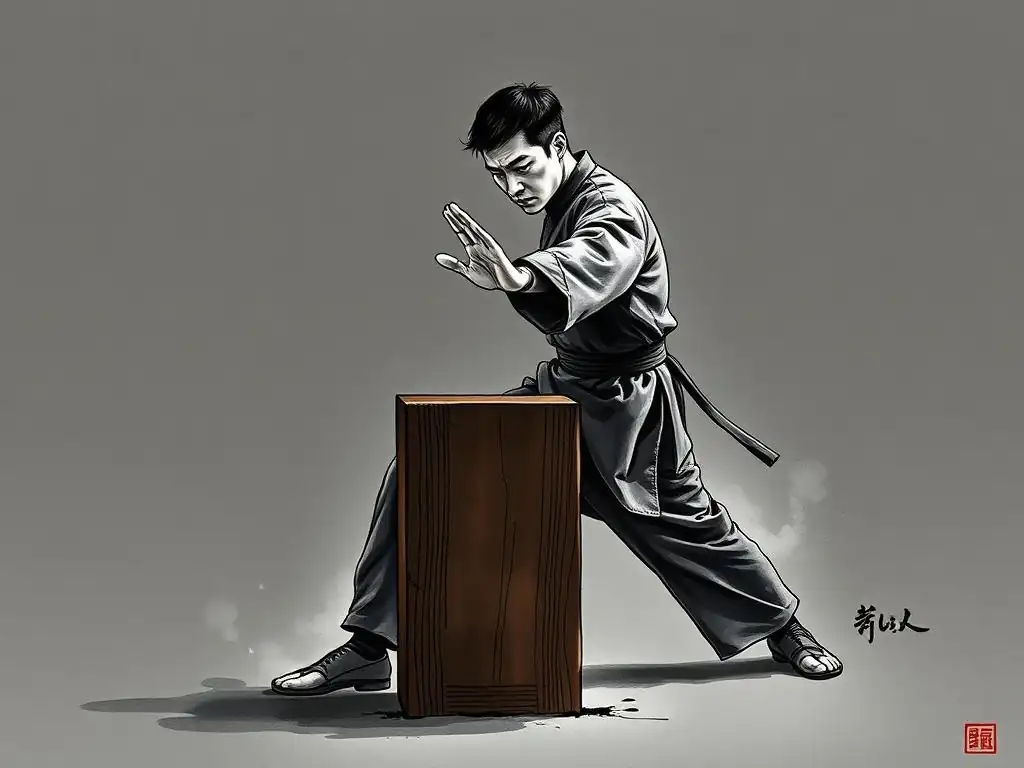
Chung Do Kwan's approach to breaking, while sharing common principles with other early Taekwondo Kwans, possessed certain distinguishing characteristics. One notable aspect was the strong influence of its Shotokan Karate roots, which translated into a preference for powerful, linear strikes and a focus on generating force through hip rotation and a strong core.
This often manifested in very direct, penetrating breaks using techniques like the front kick, side kick, knife hand, and hammer fist, emphasizing driving through the target rather than merely striking it. The emphasis on developing Chung Do Kwan breaking power was arguably more pronounced than in some other Kwans.
Another characteristic was the systematic integration of breaking into the belt progression, ensuring that students developed this capability alongside their forms and sparring skills. While other Kwans also practiced breaking, the degree of difficulty and the types of materials challenged in Chung Do Kwan often pushed the limits, reinforcing the school's reputation for cultivating immense power. The specific conditioning methods and technical nuances taught within Chung Do Kwan contributed to a recognizable style of kyokpa that prioritized raw force and efficiency of impact.
A Comparative Analysis of Power Generation Techniques across Different Kwans
Comparing power generation techniques across the original Kwans reveals both similarities and subtle differences influenced by their founding masters' diverse backgrounds. Kwans with stronger ties to arts like Kung Fu might have incorporated more circular or fluid movements, while those stemming from Karate, like Chung Do Kwan and Song Moo Kwan, often favored more linear, explosive power generation. However, all successful Kwans understood the fundamental physics involved: mass, acceleration, and focus. The difference lay in the specific body mechanics and training methods emphasized.
Chung Do Kwan's focus on generating power from a stable base, driving force through the hips, and achieving maximum speed at impact was a shared principle. Where Chung Do Kwan's breaking power stood out was perhaps in the intensity of its physical conditioning and the specific refinement of certain techniques for kyokpa, such as the aforementioned hammer fist or powerful side kick. While other Kwans certainly produced formidable breakers, the consistent emphasis and integration of high-level breaking within the Chung Do Kwan curriculum helped solidify its reputation for producing practitioners with exceptional power.
The Influence of Chung Do Kwan on the Development of Breaking in Modern Taekwondo
The strong emphasis on kyokpa within Chung Do Kwan had a significant and lasting influence on the development of breaking in modern Taekwondo. As the Kwans unified and Taekwondo became a standardized art, the methodologies and principles honed in schools like Chung Do Kwan were incorporated into the broader Taekwondo curriculum. The idea that breaking was a valid test of technique, power, and focus became widely accepted, in part due to the compelling demonstrations of Chung Do Kwan breaking power over the preceding decades.
Modern Taekwondo breaking competitions and demonstrations, which are now a staple of the art globally, owe a debt to the pioneering work done in schools like Chung Do Kwan. The specific techniques, training drills, and the very notion that breaking challenging materials is a key component of high-level Taekwondo proficiency were heavily influenced by the standards set by early Chung Do Kwan masters. The legacy of their focus on generating tangible force continues to shape how breaking power is trained and demonstrated in Taekwondo today.
The Legacy of Chung Do Kwan Breaking: Impact and Influence
How Chung Do Kwan's Emphasis on Power Breaking Shaped Taekwondo Training
Chung Do Kwan's significant emphasis on power breaking fundamentally shaped the trajectory of Taekwondo training. By integrating kyokpa not just as a performance art but as a developmental tool, the school instilled in its practitioners the importance of generating real, measurable force. This went beyond executing techniques aesthetically; it demanded that students understand the underlying principles of power generation and apply them effectively. This focus influenced how basic stances, strikes, and blocks were taught, ensuring they were executed with maximum potential energy transfer, crucial for developing significant Chung Do Kwan breaking power.
This focus also necessitated specific physical conditioning routines. Training methods that built bone density, strengthened connective tissues, and developed explosive muscular power became integral parts of the curriculum. The need to break challenging materials provided a tangible goal for this conditioning, pushing students to develop a level of physical resilience and strength that might not have been as rigorously pursued had breaking not been a core component. The Chung Do Kwan breaking power cultivated through these methods became a benchmark for physical prowess in the art.
The Enduring Relevance of Chung Do Kwan Breaking Principles in Modern Martial Arts
The principles underlying Chung Do Kwan breaking remain highly relevant in modern martial arts, not just within Taekwondo but in any striking art focused on generating impact force. The emphasis on kinetic chain efficiency, proper body mechanics, focus, and conditioning are universal truths for delivering powerful strikes. Whether a practitioner intends to break boards or simply hit a target effectively in a self-defense situation, the ability to channel energy efficiently from the ground through the point of impact is paramount. The lessons learned from cultivating Chung Do Kwan breaking power are directly applicable.
Furthermore, the mental discipline required for breaking – overcoming fear, focusing intently, and committing fully to the technique – is invaluable in any martial art context, including sparring and self-defense. The ability to maintain composure under pressure and execute techniques with confidence is directly trained through the challenges of kyokpa. Thus, the foundational principles that built Chung Do Kwan breaking power continue to inform and enhance training methodologies in contemporary martial arts.
Modern Taekwondo Practitioners Inspired by Chung Do Kwan's Breaking Prowess
The legacy of Chung Do Kwan breaking power continues to inspire modern Taekwondo practitioners worldwide. Many contemporary athletes and masters who specialize in power breaking trace their lineage or draw inspiration from the standards set by the early Chung Do Kwan masters. The stories of legendary feats, even if passed down through anecdote and demonstration rather than strictly documented records, serve as powerful examples of the potential achievable through dedicated Taekwondo training.
Today's competitive power breaking scene, with its structured formats and emphasis on breaking increasingly difficult materials, is a direct descendant of the pioneering work done in the early Kwans, including Chung Do Kwan. Practitioners continue to refine techniques, develop innovative training methods, and push the boundaries of what is physically possible, motivated by the historical achievements of masters who first demonstrated the immense Chung Do Kwan breaking power. The pursuit of this tangible expression of force remains a vibrant part of the Taekwondo spirit.
Conclusion: Chung Do Kwan's Enduring Legacy of Strength and Skill
Reaffirming the Significance of Chung Do Kwan's Contributions to Taekwondo Breaking
In reaffirming the significance of Chung Do Kwan's contributions to Taekwondo breaking, it is clear that the school played a foundational role in establishing kyokpa as a core element of the art. From Grandmaster Won Kuk Lee's initial emphasis on practical power to the specialized techniques developed by his successors like Grandmaster Park Hae-man, Chung Do Kwan consistently prioritized the ability to generate and apply substantial force. Their systematic integration of breaking into the curriculum and their captivating public demonstrations set a high standard for what was possible in Taekwondo.
The Chung Do Kwan breaking power was not a mere byproduct but a deliberate cultivation of physical conditioning, technical precision, and mental fortitude. The school's methods for developing kinetic chain efficiency, bone density, and unwavering focus provided a blueprint for generating maximum impact force. This legacy ensured that Taekwondo was perceived not just as a system of forms and sparring, but as a powerful, effective martial art capable of tangible results, profoundly influencing the art's development globally.
The Future of Power Breaking in Taekwondo and the Importance of Preserving Tradition
The future of power breaking in Taekwondo appears bright, with continued innovation in techniques, training methodologies, and competitive formats. However, as the art evolves, the importance of preserving the traditional principles and the historical context established by the early Kwans like Chung Do Kwan cannot be overstated. The understanding of Chung Do Kwan breaking power is not just about replicating past feats; it's about understanding the underlying principles of force generation, body mechanics, and mental discipline that made those feats possible.
Preserving the tradition means studying the methods of the early masters, understanding their motivations, and ensuring that the focus remains on developing genuine power and effective technique, rather than just performance. The legacy of Chung Do Kwan breaking power serves as a reminder that true martial arts mastery involves the unification of mind, body, and spirit to achieve peak performance. By honoring these traditions, modern practitioners can continue to push the boundaries of kyokpa while staying true to the foundational strength and skill that defines Taekwondo.
Frequently Asked Questions
What is Chung Do Kwan, and why is its breaking power significant?
Chung Do Kwan is one of the original nine kwans (schools) that unified to form Taekwondo. Its breaking power is significant because it showcases the raw force and effectiveness of early Taekwondo techniques and training methods.
How did early Chung Do Kwan masters develop their breaking power?
Early masters focused on rigorous physical conditioning, including repetitive striking drills, and utilized traditional training tools like mok jong (wooden dummies) to develop bone density and muscle strength.
What types of breaking techniques were commonly practiced in early Chung Do Kwan?
Common techniques included hand strikes like knife hand strikes and punches, as well as foot techniques such as side kicks and turning kicks, all aimed at generating maximum impact.
How does the breaking power demonstrated in early Chung Do Kwan relate to modern Taekwondo?
While modern Taekwondo emphasizes speed and agility, the breaking power of early Chung Do Kwan serves as a reminder of the foundational strength and power that underpins the art, influencing form and technique.
Where can I learn more about the history and techniques of Chung Do Kwan?
You can explore resources on websites like MartialArtsMastery.org, which provides historical overviews, training tips, and profiles of legendary practitioners within various martial arts disciplines, including Taekwondo and its kwans.
Final Reflection: The Enduring Legacy of Chung Do Kwan's Power
The exploration of Chung Do Kwan breaking power reveals more than just physical strength; it highlights the unwavering spirit and dedication that defined the early masters. Their feats, documented and celebrated, continue to resonate today, serving as a potent reminder of the discipline and focus required to achieve mastery in Taekwondo and, indeed, in any endeavor. The legacy of these pioneers is not merely historical; it is a living testament to the potential within each of us to overcome limitations and achieve extraordinary feats.
The impact of these early Chung Do Kwan masters extends far beyond the dojang. Their demonstrations of power and precision have profoundly influenced the cultural perception of Taekwondo, shaping its identity as a martial art that demands both physical prowess and mental fortitude. Witnessing their techniques, even through historical accounts, inspires a deep respect for the art and a personal connection to the lineage of dedication they represent. The art of breaking is not about destruction; it's about control, focus, and the channeling of inner energy.
This quote, often attributed to early masters, encapsulates the profound philosophy underpinning their incredible displays of power.
As we reflect on the enduring legacy of Chung Do Kwan's breaking power, let us consider how we can apply the principles of discipline, focus, and unwavering dedication in our own lives. Let their example inspire you to push beyond your perceived limits, to cultivate inner strength, and to strive for mastery in whatever path you choose. Embrace the spirit of Chung Do Kwan, and unlock the power within.
Ignite Your Inner Power: Begin Your Taekwondo Journey Today!
Thank you for diving into the captivating history and legacy of Chung Do Kwan's legendary masters. We hope you found inspiration in their dedication to power breaking and the profound impact they had on Taekwondo. Now, it's your turn to channel that energy.
Here's how you can continue your journey:
- Sign up for a Taekwondo class at your local dojang. Experience the discipline and power of this martial art firsthand.
- Explore the history and philosophical foundations of Taekwondo and other martial arts through books and documentaries. Deepen your understanding of their rich traditions.
- Share this article with friends and fellow martial arts enthusiasts to spark conversations about the impact of Chung Do Kwan's legacy in Taekwondo.
What aspects of Taekwondo – be it forms, sparring, or philosophy – resonate most with you, and how are you planning to deepen your connection with the art?