Legendary Practitioners, Masters & Influencers (Profiles)
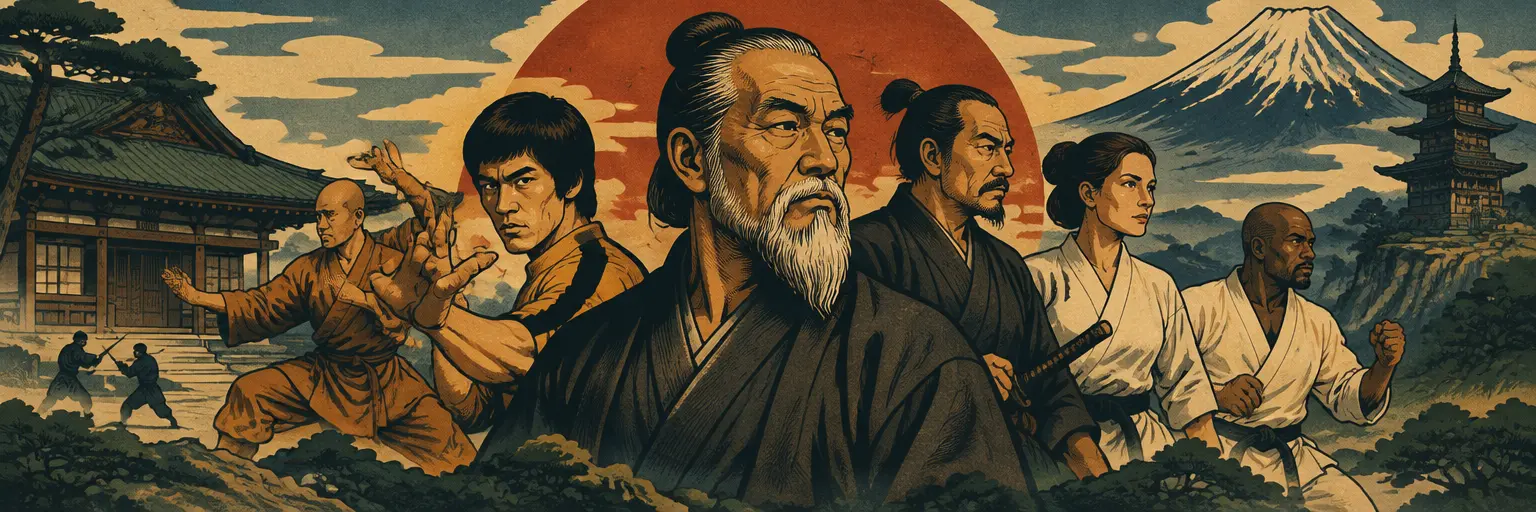
Explore the lives, legacies, and philosophies of the most iconic figures in martial arts history. From ancient Shaolin monks to modern MMA champions, this category offers in-depth profiles, interviews, and historical insights that reveal how these masters transformed combat into an art form. Whether you are a practitioner seeking inspiration or a history enthusiast, these stories highlight the discipline, innovation, and cultural impact of the world’s greatest martial artists.
🎙️ Interviews with Contemporary Martial Arts Masters and Instructors
Gain exclusive access to the minds of today’s leading martial arts teachers. These interviews cover training philosophies, teaching methods, and personal journeys, offering actionable advice for both novices and advanced students. Learn how modern masters adapt ancient traditions to fit today’s self-defense and fitness needs, and discover the secrets behind their most effective drills and mental conditioning techniques. Perfect for anyone looking to elevate their practice through direct wisdom.
🌍 Western Pioneers and Promoters of Martial Arts
Discover the trailblazers who brought martial arts to the West, from Bruce Lee’s Hollywood influence to judo’s adoption in the Olympics. This section profiles individuals who broke cultural barriers, established dojos, and popularized disciplines like karate, taekwondo, and Brazilian jiu-jitsu across America and Europe. Understand their marketing genius and instructional innovations that turned niche fighting styles into global phenomena, and how their promotional efforts shaped modern martial arts culture.
🏯 Founders of Modern Martial Arts: Biographies and Legacies
Dive into the lives of the visionaries who formalized combat into structured systems. From Jigoro Kano (Judo) to Morihei Ueshiba (Aikido) and Chojun Miyagi (Goju-Ryu), these biographies detail their childhood, challenges, and the philosophical breakthroughs that led to their creations. Trace the lineage of your own style to these foundational figures, and see how their legacies continue to influence grading, etiquette, and technique today. A must-read for any serious student of martial arts history.
⚔️ Pioneering Masters of Japanese Martial Arts (Karate, Judo, Aikido)
Explore the profound impact of Japan’s greatest martial artists, including Gichin Funakoshi, who brought karate to the mainland, and Kano’s revolutionary “gentle way” of judo. This subcategory examines their technical innovations—like the nage waza and katame waza—and their spiritual philosophies rooted in Bushido and Zen. Learn how these masters integrated physical efficiency with mental clarity, creating arts that are as much about self-perfection as self-defense. Ideal for practitioners seeking deeper cultural and technical understanding.
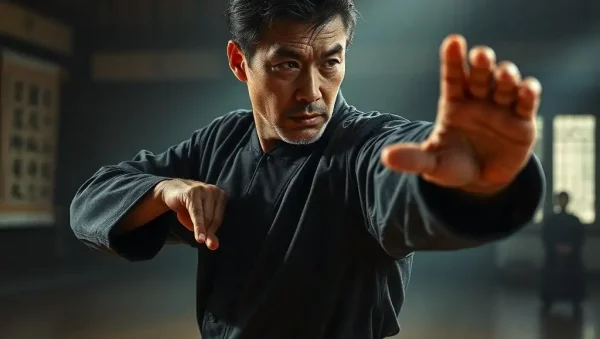
🐉 Influential Figures in Chinese Kung Fu History (Shaolin, Wing Chun, Tai Chi)
Uncover the legendary stories of Ip Man (Wing Chun), Yang Luchan (Tai Chi), and the anonymous Shaolin monks who turned temple routines into formidable combat systems. This section separates myth from fact, detailing how these figures developed pressure-point strikes, sticky hands, and internal energy (qi) cultivation. Understand the historical context of Chinese martial arts—from anti-Qing rebellions to modern wuxia films—and how these masters’ teachings persist in contemporary kung fu schools worldwide.
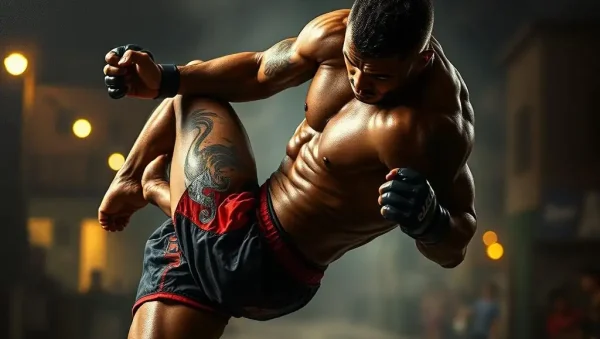
🥊 Profiles of Modern MMA Champions and Trailblazers
Step into the cage with legends like Royce Gracie, Anderson Silva, and Amanda Nunes. These profiles analyze their fighting styles, training camps, and psychological resilience, showing how they blended striking, grappling, and wrestling into unbeatable strategies. Learn what separates champions from contenders—from fight IQ to recovery routines—and how MMA’s evolution owes much to these pioneers who adapted traditional arts for modern competition. Essential reading for fans and aspiring fighters alike.
🥋 Korean Martial Arts Grandmasters and Innovators
Meet the founders of Taekwondo, Hapkido, and Tang Soo Do, including General Choi Hong Hi and Choi Yong-sul. This subcategory details their military backgrounds, philosophical inputs, and the political upheavals that shaped their arts. Discover the technical signatures—like taekwondo’s high kicks and hapkido’s joint locks—and how these masters standardized forms, belt systems, and sparring rules. Perfect for students of Korean arts wanting to connect their practice to its national heritage.
🦅 Legends of Southeast Asian Fighting Arts (Muay Thai, Silat, Kali)
From the ancient battlefields of Siam to the Filipino archipelago, this section profiles masters like Nai Khanom Tom (Muay Thai) and Grandmaster Remy Presas (Modern Arnis). Dive into the brutal efficiency of elbow strikes, the flowing patterns of silat, and the weapon-based transitions of kali, understanding how these arts were forged in real conflict. These legends’ stories reveal the cultural rituals, respect protocols, and training methodologies that keep this heritage alive in modern fight gyms.
💪 Women Who Shaped Martial Arts History
Celebrate the female pioneers who broke gender barriers, from judo’s Keiko Fukuda to karate’s Ed Parker’s early female students, and modern UFC icon Ronda Rousey. This subcategory highlights their technical mastery, advocacy, and contributions to expanding martial arts for women worldwide. Learn how they overcame societal discouragement to develop self-defense systems and competitive formats that empower women today. Inspiring profiles that underscore that martial arts mastery knows no gender.
Frequently Asked Questions
What is the most influential martial arts discipline for self-defense?
There is no single “best” style, but practical self-defense often emphasizes situational awareness, simple strikes, and grappling escapes. Modern Krav Maga, Brazilian Jiu-Jitsu, and Muay Thai are highly effective. However, the most influential art is one you train consistently under realistic pressure. Cross-training in at least two contrasting styles—like striking and grappling—provides the most well-rounded defense.
How do I choose the right martial arts master to learn from?
Look for a master with verifiable lineage, teaching experience, and a positive reputation among students. Attend trial classes to observe their communication style, safety protocols, and how they correct mistakes. Check if their philosophy aligns with your goals—whether for competition, fitness, or self-defense. Avoid those who demand long-term contracts or discourage questions. A good master prioritizes your progress over their ego.
Can modern MMA champions also be considered traditional martial arts masters?
Absolutely. Many MMA champions, like Georges St-Pierre and Demetrious Johnson, hold black belts in traditional arts such as karate or BJJ. They embody the modern evolution of martial mastery by integrating techniques from multiple disciplines. They demonstrate that traditional fundamentals—like footwork, timing, and respect—remain crucial, even in the cage. Their profiles show that adaptability, not dogmatism, defines a true master.
Were historical female martial artists as powerful as their male counterparts?
Yes, though historical records are often sparse. Figures like Chinese swordswoman Li Yu-chieh and Okinawan karate’s Matsumura’s granddaughter are known for skill, not size. In modern times, women’s divisions in judo, karate, and MMA prove equivalent technical proficiency. Technique, strategy, and mental fortitude often outweigh physical strength, which is why many women have historically excelled in self-defense systems designed for smaller bodies.
How can I research the legitimate history of a martial arts founder?
Start with academic sources like university archives, museums, and books by historians. Cross-reference multiple biographies and look for primary documents—letters, fight records, or official rank certificates. Be critical of mythologies that lack evidence, such as unverifiable stories of secret temples or superhuman feats. Reputable modern authors, like Donn Draeger or Stanley Pranin, offer balanced analyses. Joining lineage associations can also provide oral histories, but always triangulate with written evidence.