
Ji Han Jae: The Hapkido Grandmaster Who Shaped Its Techniques and Global Fame

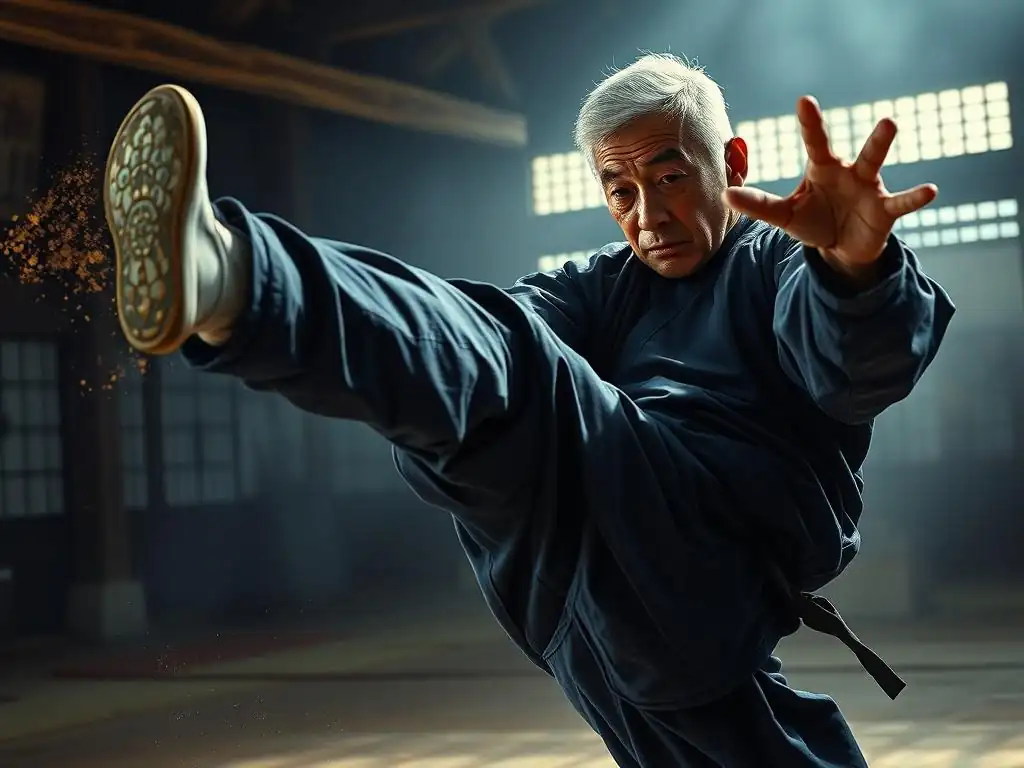
Welcome to Martial Arts Mastery, where we delve into the world of combat disciplines! Ever wondered about the man behind some of Hapkido's most iconic techniques and its global spread? Prepare to uncover the fascinating story of Hapkido Grandmaster Ji Han Jae, a true legend whose influence continues to resonate throughout the martial arts world. His journey is one of innovation, dedication, and profound impact – and it all starts here.
- Introduction to Choi Yong-Sool: A Pioneer of Korean Martial Arts
- Choi Yong-Sool's Contributions to Hapkido Techniques
- Choi Yong-Sool's Role in Establishing Hapkido in Korea
- Choi Yong-Sool's Teaching Philosophy and Core Values
- Hapkido's Evolution After Choi Yong-Sool: A Lineage of Masters
- The Lasting Impact of Hapkido Founder Choi Yong-Sool
-
Frequently Asked Questions
- What is Hapkido and what is Ji Han Jae's connection to it?
- What were some of Ji Han Jae's key contributions to Hapkido?
- How did Ji Han Jae influence the spread of Hapkido internationally?
- Besides his technical contributions, what else is Ji Han Jae known for?
- Where can I learn more about Hapkido and Ji Han Jae's legacy?
- Final Reflection: The Enduring Legacy of Hapkido
- Unleash Your Inner Hapkido Master!
Introduction to Choi Yong-Sool: A Pioneer of Korean Martial Arts
Choi Yong-Sool (1904-1986) is widely recognized as the founder of Hapkido, a dynamic and comprehensive Korean martial art. His life story is deeply intertwined with the development of modern martial arts on the Korean peninsula following the Japanese occupation.
While Hapkido Grandmaster Ji Han Jae is celebrated for his significant contributions to Hapkido's techniques and global spread, it was Choi Yong-Sool who laid the foundational technical framework, drawing heavily from his unique training background. His journey from a young orphan in Korea to a martial arts master is a testament to resilience and dedication, culminating in the creation of a discipline that blends striking, joint locks, throws, and weapon techniques into a unified system for self-defense.
The emergence of Hapkido in post-WWII Korea was a pivotal moment, contributing to the burgeoning landscape of distinct Korean martial arts identities. Choi Yong-Sool began teaching openly in Daegu in the early 1950s, initially calling his art Yu Sul or Yu Kwon Sul.
His initial students formed the core group who would later play crucial roles in formalizing and disseminating the art under the name "Hapkido," a term popularized by figures like Hapkido Grandmaster Ji Han Jae. Understanding Choi's origins and the principles he espoused is fundamental to appreciating the complex evolution and diverse technical interpretations of Hapkido practiced worldwide today.
Early Life and Training in Daito-ryu Aiki-jujutsu in Japan
Choi Yong-Sool's early life was marked by hardship. Orphaned at a young age, he was reportedly taken to Japan, where he spent a significant portion of his youth. During this period, historical accounts suggest he became a student of Sokaku Takeda, the revitalizer of Daito-ryu Aiki-jujutsu, a complex system of joint locks, throws, and vital point strikes.
Choi is said to have spent approximately 30 years in Japan, training under Takeda and immersing himself in the intricacies of Daito-ryu. While precise records are scarce and debated among historians, the profound technical similarities between Daito-ryu techniques and the core joint manipulation and throwing methods in Hapkido provide strong evidence of this foundational influence.
His training in Daito-ryu provided Choi with a deep understanding of leverage, body mechanics, and the principle of using an opponent's force against them. This knowledge formed the backbone of the system he would later develop. Unlike many traditional Japanese systems that remained relatively closed, Choi brought these sophisticated techniques back to Korea, where they would be adapted and integrated with local martial traditions. This period in Japan was crucial; it equipped him with a unique technical vocabulary that distinguished his art from other emerging Korean martial arts focused primarily on striking.
Defining Hapkido: Core Principles of Yu, Won, and Hwa
Hapkido, as envisioned by Choi Yong-Sool and later expanded upon by disciples like Hapkido Grandmaster Ji Han Jae, is often characterized by three core principles: Yu (유, Willow), Won (원, Circle), and Hwa (화, Harmony). These principles underpin the art's dynamic nature and its emphasis on adapting to an opponent's actions rather than meeting force with force. Yu represents softness and flexibility, allowing a practitioner to absorb or redirect an attack, much like a willow branch bending in the wind. This principle is evident in Hapkido's evasive footwork and its use of relaxed movement to break an opponent's balance.
Won embodies the principle of the circle, seen in Hapkido's circular movements for throws, joint locks, and deflections. Circular motion allows for continuous movement, efficient generation of force, and the ability to control an opponent from various angles. Techniques often involve circular wrist locks, arm bars applied with circular motion, or throws executed through pivoting and circular leverage. Hwa signifies harmony or blending.
It is the principle of merging with an opponent's energy and movement, rather than opposing it directly. This allows the Hapkido practitioner to gain control by flowing with an attack, turning aggression into opportunity. These three principles work in concert, forming the philosophical and technical foundation of Hapkido, enabling a practitioner to effectively neutralize threats through adaptable and fluid responses.
Choi Yong-Sool's Contributions to Hapkido Techniques
Choi Yong-Sool's primary contribution was the systematic introduction and adaptation of Daito-ryu Aiki-jujutsu techniques into a Korean context. His art, initially called Yu Sul, was heavily focused on joint manipulation, throws, and pressure points, reflecting his extensive training under Sokaku Takeda. He brought approximately 100-200 core techniques from his Daito-ryu background, which formed the bedrock of Hapkido's grappling and control repertoire.
These techniques included intricate wrist locks (such as kokyu-nage variations adapted into Hapkido's sonmok kwanjeolgi), elbow controls, shoulder locks, and a wide array of projection techniques ( sudeonji). His methodical approach to teaching these complex joint attacks and throws provided a unique dimension to the burgeoning Korean martial arts scene, which at the time was largely dominated by striking-focused arts like Taekwondo and Tang Soo Do.
The technical depth Choi provided in grappling and close-quarter combat was unparalleled in Korea at that time. His students learned to control opponents through pain compliance, leverage, and disrupting their balance. While later masters like Hapkido Grandmaster Ji Han Jae would significantly expand the striking and kicking components, Choi's original emphasis was clearly on the softer, yielding techniques derived from Aiki-jujutsu. This focus on joint locks and throws remains a defining characteristic of Hapkido, distinguishing it from purely striking or purely grappling arts and highlighting Choi's foundational impact.
Integration of Striking Techniques from Korean Martial Arts
While Choi Yong-Sool's initial system was heavily rooted in Aiki-jujutsu, the integration of Korean striking techniques was crucial for Hapkido's evolution into a complete martial art. Early students and subsequent masters recognized the need for effective defensive and offensive options at various ranges. This led to the incorporation of dynamic kicking techniques ( balchagi) and hand strikes ( chirugi or taegyeok) commonly found in traditional Korean martial arts and the emerging Taekwondo. Choi himself, while not primarily a striker, acknowledged the importance of these elements for practical self-defense.
The integration was a gradual process, with different lineages and masters emphasizing striking to varying degrees. For instance, Hapkido Grandmaster Ji Han Jae is particularly noted for developing and systematizing a wide array of powerful and acrobatic kicks that are now synonymous with many Hapkido schools. This blending of hard (striking) and soft (joint locks, throws) techniques created a truly hybrid art. It allowed Hapkido practitioners to defend themselves effectively whether an opponent was at a distance (using kicks and strikes) or in close quarters (using throws, locks, and controls), fulfilling the goal of a comprehensive self-defense system.
Development of Joint Locks and Throws Based on Aiki-jujutsu Principles
Choi Yong-Sool's genius lay in his ability to adapt and teach the sophisticated joint manipulation and throwing principles he learned in Japan. While Daito-ryu techniques are complex and often subtle, Choi systematized them for instruction, making them accessible to Korean students. His curriculum included dozens of variations of wrist locks (e.g., jangkwanjeolgi, samkwanjeolgi), elbow locks ( palkwanjeolgi), and shoulder locks ( eokkaekwanjeolgi). These techniques exploit the natural weaknesses and range of motion in human joints, allowing a smaller practitioner to control or incapacitate a larger, stronger attacker.
The throwing techniques ( deonjigi) in Hapkido, derived from Daito-ryu, also emphasize using leverage and an opponent's momentum rather than brute strength. Techniques like hip throws ( eopgeochigi), shoulder throws, and various reaping throws ( barichigi) are executed by blending with the attacker's movement, disrupting their balance, and using circular motion to project them. Choi's systematic approach to teaching these principles, focusing on the underlying mechanics rather than just rote memorization of forms, allowed his students to develop a deep understanding of how to control an opponent's body. This technical foundation is the core contribution of Hapkido's founder.
Emphasis on Practical Self-Defense Techniques
From its inception, Hapkido under Choi Yong-Sool was designed as a practical system for realistic self-defense. Unlike some martial arts that evolved into sports with rules and regulations, Hapkido retained its focus on effectiveness in unpredictable situations. Choi taught techniques applicable against various attacks, including grabs, strikes, and weapon threats. The combination of standing techniques (strikes, kicks, throws, locks) and ground techniques (pins, controls) ensured practitioners were prepared for multiple scenarios.
Choi's teaching emphasized efficiency and directness. Techniques were chosen for their effectiveness in quickly neutralizing a threat. This practical focus is why Hapkido includes defenses against multiple attackers and techniques designed to control or subdue an opponent without necessarily causing severe injury, alongside options for more decisive action when necessary. This emphasis on practical application, a hallmark of Hapkido, stems directly from Choi Yong-Sool's foundational curriculum and his understanding of martial arts as a means of survival and protection.
Choi Yong-Sool's Role in Establishing Hapkido in Korea
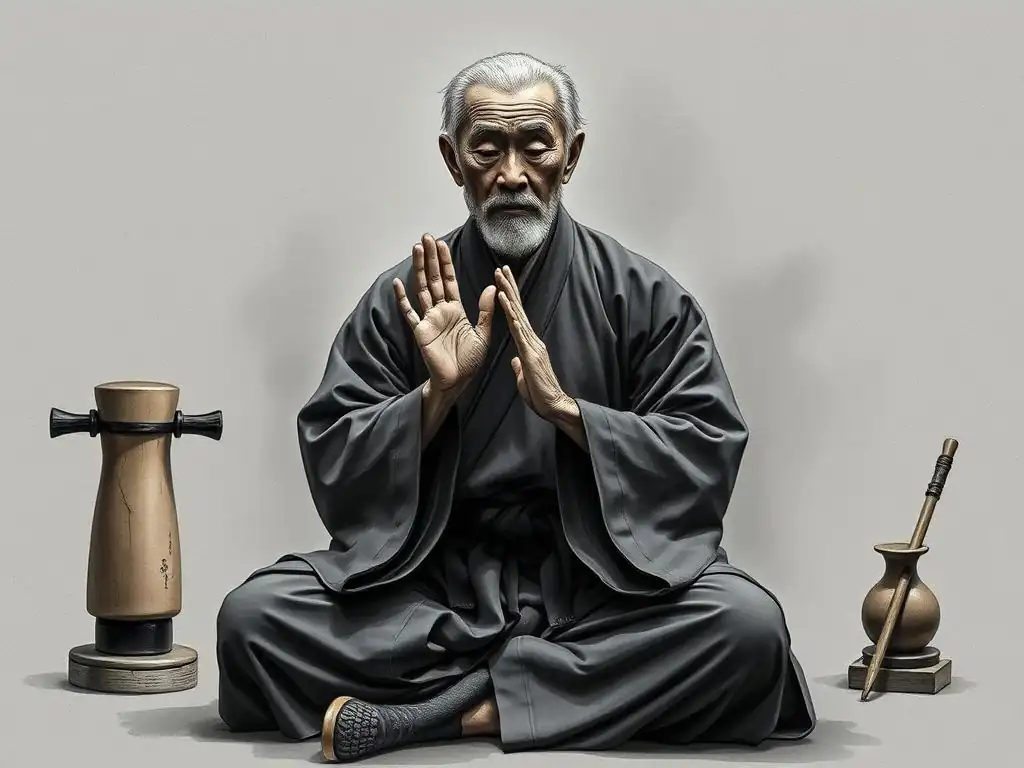
Choi Yong-Sool returned to Korea after World War II and eventually settled in Daegu. He began teaching his art, initially known as Yu Sul, to a small group of students. His first dojang (training hall) was reportedly established around 1953. This marked the formal beginning of Hapkido's presence in Korea.
In the years that followed, several key students emerged who would become instrumental in shaping and promoting the art. These included Suh Bok-Sup (his first student), Ji Han Jae, Kim Moo-Hong, and others. While Choi provided the technical foundation, it was the efforts of these early students that led to the art's expansion and formalization under the name Hapkido.
Choi remained the central figure and technical head for many years, guiding the development of the art. Although various student factions and associations emerged over time, often due to differences in technical interpretation or organizational leadership, all traced their lineage back to Choi Yong-Sool. His presence and teachings in Daegu served as the wellspring from which the Hapkido movement in Korea originated, providing the technical blueprint and the initial generation of practitioners who would carry the art forward.
Founding the Korea Hapkido Association
The establishment of formal organizations was a crucial step in solidifying Hapkido's identity and promoting its growth. While there are debates about the exact timeline and the roles of various individuals, the Korea Hapkido Association (Daehan Hapkido Hyubhoe) was one of the earliest and most influential governing bodies established with Choi Yong-Sool's involvement. Founded in 1963, with Choi Yong-Sool as its nominal chairman or president, this association played a vital role in standardizing techniques, establishing ranking systems, and promoting Hapkido both domestically and internationally.
The formation of this and other early associations, such as the Korea Kido Association founded by Kim Doo-Young (also a student of Choi), helped to structure the teaching and dissemination of Hapkido. Although organizational splits and the formation of numerous associations became characteristic of Hapkido's history, the initial efforts to create unified bodies stemmed from the need to legitimize the art and provide a framework for its development, with Choi Yong-Sool's authority as the founder providing the necessary legitimacy for these early endeavors.
Training the First Generation of Hapkido Instructors
Choi Yong-Sool's most significant contribution to establishing Hapkido was his role in training the first generation of instructors who would spread the art. Students like Suh Bok-Sup, Ji Han Jae, Kim Moo-Hong, Bong Soo Han, and others spent years training directly under Choi, absorbing his technical knowledge. These individuals were not merely passive recipients of information; they were innovators who adapted, expanded, and systematized Choi's core curriculum. For example, Hapkido Grandmaster Ji Han Jae is credited with adding many dynamic kicking techniques and weapon forms, enriching the art's technical scope.
These first-generation masters opened their own schools, attracting new students and further developing the techniques and teaching methodologies. They were the pioneers who took Hapkido beyond Daegu and introduced it to Seoul, other parts of Korea, and eventually, the world. Their dedication and teaching prowess were essential in translating Choi's foundational principles into a viable and popular martial art, ensuring that the technical lineage originating from Choi Yong-Sool continued and flourished.
Choi Yong-Sool's Teaching Philosophy and Core Values
Choi Yong-Sool's teaching philosophy was rooted in the practical application of techniques for self-protection. While details about his explicit philosophical lectures are limited compared to technical instruction, his emphasis was on mastering the core principles of Yu, Won, and Hwa through rigorous practice. He believed that true understanding came from physical repetition and the ability to apply techniques effectively in dynamic situations. His dojangs were known for intense training sessions focused on drilling joint locks, throws, and breakfalls.
Beyond the physical techniques, Choi instilled core martial values in his students. Respect for the instructor, seniors, and fellow practitioners was paramount, reflected in the strict dojang etiquette. Discipline was also crucial, emphasizing consistent practice and self-control. While not as overtly philosophical as some other Asian martial arts founders, Choi's approach fostered resilience, humility, and a deep respect for the power and responsibility that came with mastering these techniques. These values continue to be central to Hapkido training today.
Emphasis on Respect, Discipline, and Self-Improvement
The values of respect, discipline, and self-improvement were fundamental to Choi Yong-Sool's dojang environment. Students were expected to show deep respect for Choi as the founder and master, adhering to strict protocols during training. This included bowing upon entering and leaving the training area, addressing instructors formally, and showing courtesy to training partners. This emphasis on respect fostered a hierarchical structure common in traditional martial arts, promoting humility and proper conduct both inside and outside the dojang.
Discipline was instilled through demanding physical training and the expectation of consistent effort. Mastering complex joint locks and throws requires significant dedication and perseverance. Choi's curriculum demanded meticulous attention to detail and countless repetitions to achieve proficiency. This rigorous discipline was seen not just as a means to technical mastery but also as a way to build character and mental fortitude. The pursuit of self-improvement was the underlying goal, encouraging students to continually refine their techniques and develop their physical and mental capabilities through dedicated practice.
Focus on Practical Application and Realistic Training Scenarios
Choi Yong-Sool's teaching was pragmatic, prioritizing techniques that worked in real-life confrontations. Training often involved practicing defenses against common attacks like grabs, pushes, and strikes. While formal patterns (hyung or poomsae) were not a central component of his original system, the focus was on applying techniques against a resisting opponent. This practical approach ensured that students developed functional self-defense skills rather than just learning theoretical movements.
Sparring and controlled application drills were part of the training, allowing students to test their techniques in a dynamic environment. While the intensity varied, the goal was always to simulate realistic attack scenarios to ensure the techniques were effective under pressure. This focus on practical application, a legacy carried forward by masters like Hapkido Grandmaster Ji Han Jae who developed more dynamic sparring methods, has remained a core strength of Hapkido, making it a highly regarded system for personal protection.
Hapkido's Evolution After Choi Yong-Sool: A Lineage of Masters
Following Choi Yong-Sool's initial teachings, Hapkido underwent significant evolution and diversification at the hands of his prominent students. While Choi provided the root system largely based on Daito-ryu, masters like Ji Han Jae, Kim Moo-Hong, Bong Soo Han, and others expanded the technical repertoire, formalized curricula, and introduced new elements.
Ji Han Jae, for instance, is widely credited with incorporating a much broader range of dynamic kicking techniques derived from Korean taekkyeon and tang soo do, as well as systematizing hand strikes and developing unique weapon forms, particularly with the cane and staff. This expansion transformed Hapkido from primarily a grappling art into the comprehensive stand-up and ground system known today.
The post-Choi era also saw the proliferation of numerous Hapkido associations, each tracing its lineage back to Choi but often emphasizing different aspects of the art or incorporating variations developed by their respective founders. While this led to some fragmentation, it also allowed for innovation and adaptation, contributing to the art's global spread. Choi remained a revered figure until his passing in 1986, the undisputed founder, but the shape and scope of modern Hapkido were undeniably molded by the next generation of masters who built upon his foundational work.
Influence of Choi Yong-Sool's Disciples on Hapkido's Development
Choi Yong-Sool's disciples were crucial in developing Hapkido into the multifaceted art practiced today. Each master contributed unique elements and emphases. Ji Han Jae, perhaps the most influential, is credited with naming the art "Hapkido" (though other accounts exist) and significantly expanding the kicking syllabus, adding powerful, acrobatic techniques that added a dynamic dimension previously less emphasized.
He also developed sophisticated hand strikes and breathing techniques ( hoheup), creating his own system known as Sin Moo Hapkido. Kim Moo-Hong, another key student, developed a systematic approach to teaching and formalized many techniques into a structured curriculum, contributing significantly to the art's spread through his schools and organization.
Bong Soo Han, who emigrated to the United States, played a vital role in popularizing Hapkido internationally, particularly through his involvement in martial arts films. These masters, and many others, took the core principles and techniques learned from Choi Yong-Sool and adapted them, added to them, and organized them in ways that made Hapkido accessible and appealing to a wider audience. While the technical roots are firmly in Choi's Daito-ryu adaptations, the diverse technical landscape of modern Hapkido owes much to the innovative spirit of his first-generation students.
Continued Emphasis on Self-Defense and Traditional Values
Despite the technical expansions and organizational diversity, the core emphasis on practical self-defense and traditional martial values originating from Choi Yong-Sool has largely remained central to Hapkido. Regardless of lineage or specific technical variations (e.g., some schools emphasize striking more, others grappling), the art is fundamentally taught as a system for protecting oneself against realistic threats. The principles of blending, circular motion, and using leverage continue to be the underlying technical framework.
Furthermore, the values of respect, discipline, humility, and perseverance instilled by Choi are still upheld in most Hapkido dojangs worldwide. Training regimens continue to be physically demanding, requiring dedication and consistent effort. While some modern schools may incorporate sport-like elements, the educational tone and focus on developing a well-rounded individual capable of self-protection and possessing strong character traits persist as a testament to the foundational principles laid down by Hapkido's founder and carried forward by masters like Hapkido Grandmaster Ji Han Jae.
The Lasting Impact of Hapkido Founder Choi Yong-Sool
Choi Yong-Sool's legacy as the founder of Hapkido is undeniable. He introduced a unique technical system to Korea, distinct from the predominantly striking arts, providing a comprehensive approach to self-defense that included sophisticated grappling, joint manipulation, and throwing techniques. His art became the foundation for one of Korea's most globally recognized martial arts. While the art evolved significantly after his initial teachings, his foundational curriculum and principles remain the bedrock upon which all Hapkido variations are built.
His dedication to teaching and developing his art in the post-war period paved the way for its growth. The students he trained became the pioneers who spread Hapkido throughout Korea and eventually around the world. Choi's life demonstrates the power of a dedicated individual to create something lasting and influential, even from humble beginnings. His impact is felt every day in Hapkido schools globally, where practitioners continue to train in the techniques and principles he first brought back to Korea.
Recognition as the Founder of Hapkido
Choi Yong-Sool is universally recognized within the Hapkido community and the broader martial arts world as the founder of Hapkido. While the name "Hapkido" was popularized by others, most notably Hapkido Grandmaster Ji Han Jae, and the technical scope was broadened by his students, the core technical system and the initial teaching lineage originate solely with Choi Yong-Sool. His status as the progenitor is acknowledged across the diverse Hapkido associations and lineages worldwide.
This recognition is based on historical evidence of his training in Daito-ryu Aiki-jujutsu, his return to Korea, and the fact that all major first-generation Hapkido masters were his direct students. His name is synonymous with the origins of the art, providing a clear historical anchor point for Hapkido's emergence in the mid-20th century. Despite the complex history of Hapkido's development and organizational structure, Choi Yong-Sool's position as its founder remains undisputed.
Legacy of Promoting Korean Martial Arts and Self-Defense
Beyond founding Hapkido, Choi Yong-Sool contributed significantly to the overall landscape of Korean martial arts. His introduction of sophisticated grappling and joint manipulation techniques added a crucial dimension that was less prominent in other Korean systems at the time. This helped diversify the martial arts offerings in Korea and influenced the development of other arts as well. Hapkido, under his initial guidance and the subsequent efforts of his students, became a respected and effective system for self-defense.
His legacy is not just in the techniques themselves but in the establishment of a martial art that emphasized adaptability, practical application, and a comprehensive approach to combat. The global spread of Hapkido, driven by his dedicated students and their successors, has ensured that his technical lineage and the principles he espoused continue to reach new generations of practitioners. Hapkido's continued popularity as a practical self-defense art is a lasting tribute to the vision and foundational work of its founder, Choi Yong-Sool, and the subsequent contributions of masters like Hapkido Grandmaster Ji Han Jae.
Frequently Asked Questions
What is Hapkido and what is Ji Han Jae's connection to it?
Hapkido is a Korean martial art known for its diverse techniques. Ji Han Jae is considered a pivotal figure, significantly shaping its techniques and global recognition.
What were some of Ji Han Jae's key contributions to Hapkido?
Ji Han Jae contributed significantly by refining and expanding Hapkido techniques, including its throws, strikes, and joint locks. He also played a role in its promotion and standardization.
How did Ji Han Jae influence the spread of Hapkido internationally?
Ji Han Jae played a crucial role in popularizing Hapkido outside of Korea. His demonstrations and teachings helped establish Hapkido in various countries, contributing to its global fame.
Besides his technical contributions, what else is Ji Han Jae known for?
Beyond his technical expertise, Ji Han Jae is also recognized for his philosophical contributions to Hapkido. He emphasized discipline, respect, and self-improvement in his teachings.
Where can I learn more about Hapkido and Ji Han Jae's legacy?
Websites like MartialArtsMastery.org offer historical overviews, training techniques and information on Hapkido. You can also find profiles of legendary practitioners like Ji Han Jae.
Final Reflection: The Enduring Legacy of Hapkido
The journey through the life and contributions of Hapkido Grandmaster Ji Han Jae reveals not just the evolution of a martial art, but the shaping of a cultural phenomenon. His innovative techniques and relentless promotion transformed Hapkido from a relatively obscure Korean art into a globally recognized discipline, impacting countless lives and influencing martial arts practices worldwide. This influence is still palpable today, as Hapkido dojangs thrive across the globe, a testament to his vision and dedication.
The impact of Grandmaster Ji Han Jae extends beyond mere technique; it's about the preservation and evolution of a cultural heritage. His willingness to adapt and innovate, while staying true to the core principles of Hapkido, ensured its survival and relevance in a rapidly changing world. The purpose of art is washing the dust of daily life off our souls.
- Pablo Picasso. This quote resonates deeply when considering Ji Han Jae's contribution, as he offered a path to discipline, self-discovery, and a deeper understanding of oneself through the art of Hapkido.
As we reflect on the life and work of Grandmaster Ji Han Jae, let us consider how his dedication to innovation and preservation can inspire us in our own lives. What traditions do we hold dear, and how can we adapt them to remain relevant and meaningful in the future? Embrace the spirit of innovation while honoring the wisdom of the past, and you too can leave a lasting legacy that shapes the world around you.
Unleash Your Inner Hapkido Master!
Thank you for exploring the incredible journey of Ji Han Jae and the art of Hapkido. We hope you've gained a deeper appreciation for its history, techniques, and profound impact on martial arts worldwide. Now, it's time to put that inspiration into action!
Here are a few ways you can continue your Hapkido journey:
- Commit to researching and understanding the philosophical underpinnings of Hapkido. Delve into the principles of harmony, circular motion, and non-resistance that make Hapkido unique.
- Seek out and visit a local Hapkido dojang to experience the art firsthand. Observe a class, speak with the instructors, and consider taking an introductory lesson.
- Share this article with fellow martial arts enthusiasts, sparking conversations and expanding the knowledge of Hapkido's rich legacy.
What specific Hapkido technique or principle resonated most with you, and how might you incorporate it into your own martial arts practice or daily life?