
Langkah Libations: The Footwork Foundations of Diverse Regional Silat Styles

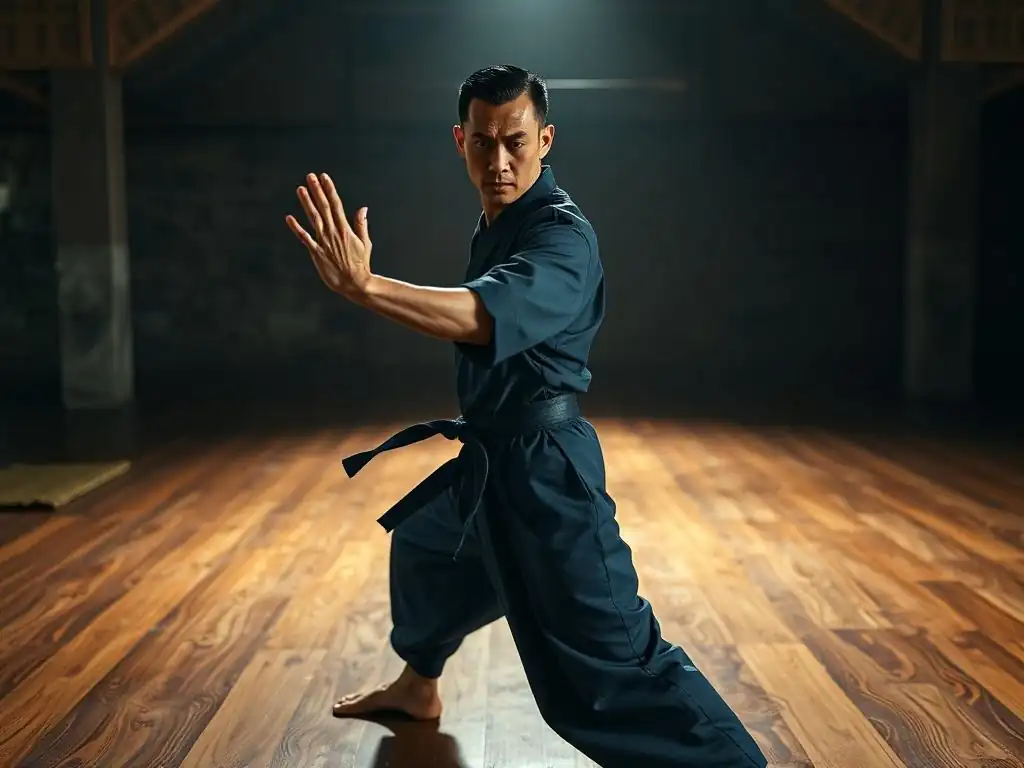
Welcome to Martial Arts Mastery, your portal to the world's fighting arts. Prepare to delve into the intricate dance of combat, where history, philosophy, and physical prowess intertwine. This time, we're focusing on the crucial foundation of Silat. Ever wondered how the diverse regional styles of this ancient martial art achieve such fluidity and power?
Join us as we unlock the secrets of Silat footwork techniques training and explore the Langkah, the captivating steps that underpin its effectiveness. Discover how mastering these foundational movements can elevate your understanding and application of Silat, and perhaps even spark a new appreciation for the art itself. Intrigued? Read on to begin your journey into the heart of Silat footwork!
- Introduction to Silat Footwork Techniques
- Understanding the Core Principles of Silat Footwork
- Regional Variations in Silat Footwork Techniques
- Silat Footwork Training Drills and Exercises
- Advanced Silat Footwork Concepts and Applications
- Mastering Silat Footwork: A Journey of Continuous Learning
- Conclusion: The Enduring Legacy of Silat Footwork
-
Frequently Asked Questions
- What are the key benefits of mastering Silat footwork techniques?
- How does Silat footwork differ from footwork in other martial arts like Karate or Taekwondo?
- What are some common types of Silat footwork patterns or "Langkah"?
- How important is understanding the cultural context when learning Silat footwork?
- What are some effective drills to improve my Silat footwork techniques?
- Final Reflection: The Enduring Dance of Silat
- Ignite Your Silat Journey: Unleash Your Footwork Potential!
Introduction to Silat Footwork Techniques
The Importance of Langkah in Silat: More Than Just Movement
In the diverse world of Pencak Silat, the term langkah refers specifically to footwork – the intricate patterns and movements of the feet and body. Far from being mere steps, langkah is the very soul of Silat, serving as the primary means of generating power, maintaining balance, and navigating the combat space. A practitioner's proficiency in langkah directly correlates with their ability to execute techniques effectively, absorb force, and evade attacks.
Mastery of Silat footwork techniques training is paramount, providing the stable platform from which all strikes, locks, throws, and defenses are launched. It dictates rhythm, timing, and distance management, making it a foundational element that separates a novice from an experienced pesilat.
The depth of langkah goes beyond simple locomotion; it incorporates principles of weight distribution, skeletal alignment, and muscular engagement to create dynamic stability. For instance, a practitioner might shift their weight subtly between stances to absorb an incoming strike or load power for a counter-attack, a micro-movement often invisible to the untrained eye.
This sophisticated understanding of body mechanics within Silat footwork techniques training allows for efficient energy transfer and conservation, enabling practitioners to sustain intense exchanges while minimizing fatigue. Different regional styles have refined their langkah to suit specific combat scenarios, environments, and even weapon preferences, highlighting its critical, multifaceted role.
Silat Footwork as a Foundation for Offensive and Defensive Strategies
Silat footwork techniques are not merely defensive maneuvers for evasion; they are integral components of offensive strategy. Through precise langkah, a pesilat can close distance rapidly for a striking combination, create angles for joint locks, or position themselves advantageously for a takedown. The langkah serong (diagonal step), for example, allows a practitioner to simultaneously move offline from an attack while advancing towards an opponent's flank, setting up a powerful counter. Effective Silat footwork techniques training teaches practitioners to use movement to dictate the flow of combat, controlling the engagement range and forcing the opponent into unfavorable positions.
Conversely, langkah provides the essential framework for Silat's renowned evasive and defensive capabilities. The ability to shift weight, pivot, and step into or out of range with speed and control allows a pesilat to avoid incoming attacks or absorb their impact safely. Techniques like langkah undur (retreating step) combined with body angling can neutralize significant force, while langkah samping (sideways step) allows for lateral evasion. Mastering these defensive Silat footwork techniques through consistent training builds an instinctive ability to react fluidly under pressure, turning potential threats into opportunities for counter-offense.
Understanding the Core Principles of Silat Footwork
Balance and Stability: The Keys to Effective Silat Langkah
Balance and stability are the bedrock of all Silat footwork techniques. Without a solid base, strikes lack power, defenses are weak, and the practitioner is vulnerable to being easily disrupted or taken down. Silat stances, such as the kuda-kuda (horse stance) or pasang (ready stance), are designed to provide this foundational stability, distributing weight strategically to maintain equilibrium during dynamic movements. Training drills often focus initially on holding these stances for extended periods, sometimes with added resistance or while performing simple arm movements, to build the leg strength and proprioception necessary for advanced langkah.
Achieving effective balance in Silat footwork techniques training involves more than just having strong legs; it requires a deep understanding of how weight shifts impact stability. A pesilat learns to keep their center of gravity low and within their base of support, even when executing powerful kicks or evading rapidly. The ability to instantly shift weight from one leg to the other, or to root oneself firmly into the ground, is crucial for both generating explosive power and absorbing impact. This dynamic balance is honed through repetitive practice of fundamental langkah patterns and drills designed to challenge equilibrium.
Agility and Speed: Enhancing Movement in Silat Training
While stability provides the foundation, agility and speed are essential for executing Silat footwork techniques effectively in live situations. Agility allows the pesilat to change direction rapidly, adapt to an opponent's movements, and create unpredictable attack angles. Speed enables quick entry into range for offense and swift evasion or repositioning for defense. These attributes are developed through specific Silat footwork techniques training drills that emphasize quick bursts of movement, rapid changes in direction, and efficient transitions between stances.
Training often incorporates exercises like ladder drills, cone drills, and shadow boxing focusing purely on rapid, precise foot movements. The goal is not just speed, but controlled speed – the ability to move quickly while maintaining balance and being ready to execute a technique at any moment. Developing this kind of agility and speed in Silat footwork techniques training allows practitioners to exploit openings, escape dangerous positions, and maintain control over the combat distance, making them elusive and difficult opponents.
The Role of Body Mechanics in Generating Power with Silat Footwork
Effective Silat footwork techniques are intrinsically linked to the generation of power. Power in Silat strikes or throws originates not just from the limbs, but from the ground up, channeled through the core and directed by the body's structure. Langkah provides the connection to the earth, allowing practitioners to harness ground reaction forces. By executing steps and shifts with proper alignment and weight transfer, a pesilat can integrate the power from their lower body and hips into techniques, significantly increasing their force.
Consider a simple forward step (langkah maju) before a strike. If executed with proper body mechanics – rooting the lead foot, rotating the hips, and transferring weight forward – the power generated is far greater than a strike delivered from a static position. Silat footwork techniques training emphasizes coordinating the movement of the feet, hips, torso, and shoulders to create a unified, powerful action. This holistic approach ensures that every movement, even a simple step, contributes to the overall effectiveness and power of the Silat practitioner.
Regional Variations in Silat Footwork Techniques

Minangkabau Silat Footwork: The Agile Harimau (Tiger) Style
Minangkabau Silat, particularly the renowned Harimau style originating from West Sumatra, is famous for its low stances and ground-based techniques, and its footwork reflects this. The langkah in Harimau Silat often involves deep crouches, crawling movements, and rapid shifts close to the ground, mimicking the predatory movements of a tiger. This low posture makes practitioners difficult targets while simultaneously providing a powerful base for explosive upward strikes or leg attacks.
Characteristics of Harimau footwork include significant time spent below knee height, utilizing knees, elbows, and hands on the ground for support and movement. Evasion is often achieved by dropping down or shifting laterally while maintaining a low profile. The Silat footwork techniques training in Harimau focuses heavily on building leg strength, flexibility in the hips and ankles, and the ability to move quickly and quietly from a very low center of gravity.
Characteristics of Harimau Footwork: Low Stances and Evasive Movements
Harimau footwork is defined by its deep, almost sitting or crawling stances, such as duduk (sitting) or merayap (crawling). Practitioners spend considerable time with their hips close to the ground, which minimizes their target area and allows for powerful, upward-driving attacks like palm strikes to the groin or chin, or sweeping leg attacks. The low stances also provide exceptional stability on uneven terrain, reflecting the style's origins in mountainous regions.
Evasive movements in Harimau are highly fluid and often involve dropping to the ground, rolling, or scuttling sideways. The goal is to disappear from the opponent's line of attack by utilizing the low profile and ground contact. This requires significant core strength and flexibility. Silat footwork techniques training for Harimau practitioners rigorously develops these physical attributes alongside the specific movement patterns, ensuring they can transition seamlessly between low stances and explosive actions.
Training Drills for Minangkabau Silat Footwork
Training for Harimau footwork often begins with prolonged holding of deep stances to build endurance and strength in the legs and core. Drills include merayap patterns, where practitioners move forward, backward, and sideways on their hands and feet while maintaining a low profile. Another common drill involves practicing rapid drops to the ground from a standing position and immediately transitioning into a low defensive or offensive posture.
Partner drills might involve one person attempting to tag the other, who must evade using only Harimau low-level movements. Practicing transitions between different low stances, such as shifting from a low sitting posture to a low kneeling stance, is also crucial. These Silat footwork techniques training exercises build the unique mobility required for the Harimau style.
Cimande Silat Footwork: The Grounded and Rooted Style
Cimande Silat, originating from West Java, is known for its powerful, direct movements and emphasis on close-range combat, particularly its devastating palm strikes and forearm blocks. Its footwork, or langkah, reflects this focus on stability and rooted power. Cimande footwork is generally characterized by strong, stable stances and relatively short, powerful steps that allow practitioners to absorb force and deliver strikes with maximum impact at close quarters.
The langkah in Cimande prioritizes being deeply rooted to the earth, providing an unshakeable base from which to launch powerful techniques or withstand strong attacks. While not static, the movements are often less expansive than in other styles, emphasizing efficiency and directness. Silat footwork techniques training in Cimande builds exceptional lower body strength and the ability to generate power from a solid, grounded foundation.
Characteristics of Cimande Footwork: Emphasis on Stability and Close-Range Combat
Cimande footwork utilizes strong, symmetrical stances like the pasang (ready stance) and variations of the kuda-kuda (horse stance), which provide a wide and stable base. The steps are typically short and powerful, allowing for quick adjustments in distance without compromising balance. There is a strong emphasis on shifting weight and rooting into the ground through the feet, creating a powerful connection to the earth that enhances striking power and defensive resilience.
In close-range combat, Cimande footwork enables practitioners to maintain their balance while grappling or exchanging powerful blows. The stability allows them to absorb impacts and maintain their structure. Silat footwork techniques training in Cimande focuses on developing this rootedness, teaching practitioners to feel connected to the ground and generate power from their base, making them formidable in close exchanges.
Training Drills for Cimande Silat Footwork
Cimande footwork training often involves holding strong stances for extended periods to build endurance and stability. Partner drills might include standing in a stable stance while a partner applies gentle pressure or attempts to push the practitioner off balance, forcing them to root down and adjust their weight subtly using their feet. Repetitive practice of short, powerful steps forward, backward, and sideways from a stable stance is fundamental.
Another key drill involves practicing weight shifts within a stance while executing strikes or blocks, ensuring the movement originates from the feet and hips. Practicing moving into and out of close range using short, controlled steps, while maintaining a low center of gravity, is also crucial for developing Cimande's characteristic rootedness and power generation through Silat footwork techniques training.
Betawi Silat Footwork: The Dynamic and Circular Style
Betawi Silat, originating from the Jakarta area, is known for its dynamic, flowing, and often circular movements, reflecting the diverse cultural influences of the port city. Its langkah is characterized by adaptability, fluidity, and the use of circular or diagonal steps to evade, enter, and control the opponent. Betawi footwork is less about static stances and more about continuous, flowing motion, allowing practitioners to constantly shift angles and create openings.
The langkah in Betawi Silat often involves wide, sweeping steps, pivots, and circular movements that allow the practitioner to move around the opponent and attack from unexpected angles. This dynamic approach emphasizes constant change and adaptation. Silat footwork techniques training in Betawi styles focuses on developing agility, coordination, and the ability to move fluidly while maintaining balance and readiness to strike.
Characteristics of Betawi Footwork: Flowing Movements and Adaptability
Betawi footwork is highly dynamic, often incorporating circular or diagonal steps like langkah gayang (swaying step) or langkah putar (turning step). Stances are often transitional rather than fixed, with the practitioner constantly shifting weight and position. This fluidity allows for rapid changes in direction and angle, making the Betawi pesilat highly elusive and unpredictable.
Adaptability is a key characteristic, with the footwork patterns easily modified to suit different situations and opponents. The emphasis is on continuous motion and using movement to disrupt the opponent's balance or create opportunities. Silat footwork techniques training for Betawi styles builds a strong sense of rhythm and flow, enabling practitioners to move seamlessly between offensive and defensive actions.
Training Drills for Betawi Silat Footwork
Training for Betawi footwork involves extensive practice of fundamental langkah patterns, often performed in continuous, flowing sequences. Drills include practicing wide circular steps, pivots, and diagonal movements, emphasizing smooth transitions and maintaining balance throughout the motion. Shadow boxing with a focus purely on executing dynamic Betawi footwork patterns is also common.
Partner drills might involve one person moving randomly, and the other practitioner having to follow or evade using only Betawi footwork patterns, focusing on maintaining the appropriate distance and angle. Practicing entering and exiting range using circular or diagonal steps, integrating hand techniques with the footwork, is essential for developing the dynamic nature of Betawi Silat footwork techniques training.
Cikalong Silat Footwork: The Deceptive and Evasive Style
Cikalong Silat, another prominent West Javanese style, is characterized by its emphasis on deception, evasion, and close-range grappling and joint manipulation. Its langkah reflects this, often employing subtle shifts, misdirection, and intricate patterns designed to confuse the opponent and create openings for follow-up techniques. Cikalong footwork is less about overt power generation and more about strategic positioning and timing.
The langkah in Cikalong often involves small, precise steps, feints, and body angling designed to draw a reaction from the opponent or create a false sense of security. Evasion is paramount, achieved through subtle shifts off the line of attack and using the opponent's momentum against them. Silat footwork techniques training in Cikalong focuses on developing sensitivity, timing, and the ability to move with deceptive intent.
Characteristics of Cikalong Footwork: Misdirection and Evasion Tactics
Cikalong footwork utilizes subtle movements and feints, such as a slight shift in weight or a small step in one direction to draw a reaction before moving in another. Stances can appear relaxed, masking the underlying tension and readiness for explosive, short-range action. The emphasis is on avoiding direct confrontation initially, using footwork to create angles that lead to grappling or joint lock opportunities.
Evasion in Cikalong is highly refined, involving small, precise adjustments to body position and angle rather than large, sweeping movements. The goal is to make the practitioner a difficult target while setting the opponent up for a counter. Silat footwork techniques training for Cikalong builds a deep understanding of timing and distance, allowing practitioners to use minimal movement for maximum effect in both defense and offense.
Training Drills for Cikalong Silat Footwork
Cikalong footwork training involves extensive practice of fundamental langkah patterns with a focus on subtlety and timing. Drills include practicing small, deceptive steps and weight shifts, often performed slowly initially to understand the underlying mechanics. Practicing body angling and pivoting to evade imaginary attacks is also crucial.
Partner drills might involve one person making a simple attack, and the other practitioner using minimal Cikalong footwork to evade and reposition for a counter. Practicing moving into and out of close range using small, precise steps while maintaining a relaxed appearance is key. These Silat footwork techniques training exercises develop the deceptive and evasive qualities characteristic of Cikalong.
Sera Footwork: The Direct and Explosive Style
Sera Silat, often associated with the Cimande lineage but with its own distinct characteristics, is known for its powerful, direct, and explosive movements. Its langkah reflects this focus on linear attacks and generating maximum force in a straightforward manner. Sera footwork is less about elaborate patterns and more about efficient, powerful movement directly towards or away from the target.
The langkah in Sera is characterized by strong, driving steps that generate significant forward momentum for strikes or rapid retreats. There is a strong emphasis on rooting the feet to deliver powerful blows. Silat footwork techniques training in Sera builds explosive power in the legs and the ability to move linearly with force and speed.
Characteristics of Sera Footwork: Powerful Strikes and Linear Movements
Sera footwork utilizes strong, stable stances similar to Cimande, but the transitions between them are often more explosive and linear. Steps are typically direct – forward, backward, or directly to the side – and are used to drive power into strikes or create rapid distance. The emphasis is on generating force through efficient body mechanics and direct movement towards the opponent.
Generating powerful strikes is a primary function of Sera footwork. Steps are coordinated with hand techniques to ensure maximum body weight and momentum are behind each blow. Silat footwork techniques training in Sera focuses on developing this connection between linear movement and explosive power, making the practitioner capable of delivering devastating strikes.
Training Drills for Sera Footwork
Sera footwork training involves repetitive practice of strong, linear steps forward and backward from stable stances, emphasizing driving power from the legs. Drills include practicing stepping into a strike, ensuring the footwork and hand technique are perfectly synchronized. Practicing rapid retreats while maintaining balance and defensive posture is also crucial.
Partner drills might involve practicing entering range with an explosive step and delivering a strike, or practicing stepping back to evade an attack and immediately countering. Practicing moving laterally with strong, direct steps while maintaining a low center of gravity is also important for developing the direct and powerful nature of Sera Silat footwork techniques training.
Silat Footwork Training Drills and Exercises
Basic Stances and Postures for Building a Strong Foundation
Building a strong foundation in Silat footwork techniques training begins with mastering the basic stances, or pasang. These include the various kuda-kuda (horse stances), forward stances ( pasang depan), backward stances ( pasang belakang), and side stances ( pasang samping). Each stance serves a specific purpose, providing stability for defense, power for offense, or readiness for transition. Training involves holding these stances for extended periods to build muscular endurance in the legs and core, typically starting with durations of 30 seconds to a minute and gradually increasing.
Beyond simply holding stances, practitioners learn the precise alignment of the body within each posture – where the weight should be distributed, the angle of the feet, the bend in the knees, and the position of the spine. This attention to detail ensures that the stance provides optimal balance and allows for efficient movement. Consistent practice of transitioning smoothly and quickly between different basic stances is also fundamental, forming the building blocks for more complex Silat footwork techniques.
Footwork Patterns and Combinations for Developing Agility and Coordination
Once basic stances are stable, Silat footwork techniques training progresses to learning fundamental langkah patterns. These are pre-arranged sequences of steps and body movements that teach coordination, timing, and spatial awareness. Examples include the langkah empat (four-step pattern), langkah tiga (three-step pattern), and various circular or diagonal patterns unique to different styles. Practicing these patterns teaches practitioners how to move efficiently in different directions while maintaining balance and readiness.
Training drills involve repeating these patterns forwards, backwards, and sideways, often with increasing speed. Combinations of patterns are then introduced, requiring practitioners to transition seamlessly between different types of movement. For instance, a drill might involve executing a forward langkah empat followed by a lateral langkah samping. This repetitive practice of Silat footwork techniques training builds the muscle memory and coordination necessary for fluid and effective movement in combat.
Partner Drills for Practicing Silat Footwork in a Dynamic Environment
Partner drills are essential for applying Silat footwork techniques in a dynamic context, simulating the unpredictable nature of real-world application. These drills move beyond solo practice, introducing an external element that forces practitioners to react and adapt their movements based on a partner's actions. Simple partner drills might involve one person moving slowly in different directions, and the other using appropriate footwork to maintain a consistent distance or angle.
More advanced partner drills incorporate light contact or simulated attacks, requiring practitioners to use their footwork for evasion, entry, or repositioning while simultaneously executing defensive or offensive techniques. For example, a drill might involve a partner throwing a slow punch, and the other practitioner using a diagonal step ( langkah serong) to evade and counter. These dynamic exercises are crucial for developing the timing, judgment, and adaptability required for effective Silat footwork techniques training in live situations.
Integrating Footwork into Sparring and Application Scenarios
Ultimately, the goal of Silat footwork techniques training is to apply these skills effectively in sparring and self-defense scenarios. Sparring provides a controlled environment where practitioners can test their footwork against a resisting opponent, learning to read movements, create openings, and manage distance under pressure. Initial sparring focuses on light contact and specific objectives, such as maintaining distance or creating a specific angle, rather than full-power engagement.
In self-defense application scenarios, practitioners practice using their footwork to escape dangerous situations, create distance from threats, or position themselves to defend effectively against various types of attacks. This could involve practicing using a rapid retreat step ( langkah undur) to avoid a grab or using a lateral step ( langkah samping) to evade a weapon. Integrating footwork into these practical applications solidifies the learning and ensures that the Silat footwork techniques training translates into usable self-defense skills.
Advanced Silat Footwork Concepts and Applications
Deception and Misdirection through Footwork
Advanced Silat footwork techniques training delves into the art of deception and misdirection, using langkah to mislead an opponent and create openings. This goes beyond simple evasion and involves using subtle movements, feints, and broken rhythm to manipulate the opponent's reactions. A practitioner might make a small step in one direction, hinting at an attack or movement, only to rapidly shift in another, exploiting the opponent's anticipated response.
This level of footwork requires a deep understanding of timing, distance, and psychological principles. It's about controlling the opponent's perception and reactions through calculated movements. Advanced drills might involve practicing feints with the feet or body that draw a specific block or defensive reaction, followed by an immediate attack utilizing a different footwork pattern. Mastering deception through Silat footwork techniques allows a pesilat to control the narrative of the fight, dictating the pace and creating opportunities where none initially exist.
Using Footwork to Control Distance and Angle of Attack
Controlling distance and angle is a cornerstone of effective Silat combat, and it is primarily achieved through sophisticated footwork. Advanced practitioners use langkah to constantly adjust their position relative to the opponent, maintaining the optimal range for their preferred techniques while keeping the opponent outside of theirs. This might involve subtle forward and backward adjustments, lateral shifts, or circular movements to stay just out of reach or to suddenly close the gap for an attack.
Furthermore, footwork is used to create advantageous angles of attack or defense. By stepping offline or circling, a practitioner can move out of the line of fire while simultaneously gaining a better angle to strike or grapple. Advanced Silat footwork techniques training focuses on developing the ability to instantly recognize and exploit these spatial dynamics, using fluid langkah to gain a tactical advantage. This requires a high level of spatial awareness and the ability to react instinctively to the opponent's movements.
Footwork as a Tool for Evasion and Counter-Offense
While basic footwork teaches simple evasion, advanced Silat footwork techniques training focuses on using evasion not just to survive, but to immediately transition into a counter-offensive. The goal is to avoid the attack while simultaneously positioning oneself for a powerful and timely response. This requires seamless integration of defensive footwork with offensive techniques.
For example, an advanced practitioner might use a subtle pivot or diagonal step to narrowly avoid an incoming strike, and in the very same movement, shift their weight and position their body to launch a counter-attack. The evasion and the counter become a single, fluid action. Training drills for this involve practicing evading specific attacks while simultaneously executing a predetermined counter-technique, emphasizing the speed and efficiency of the transition. This advanced application of Silat footwork techniques turns defensive movements into springboards for offense.
Mastering Silat Footwork: A Journey of Continuous Learning
The Importance of Consistent Practice and Dedicated Training
Mastering Silat footwork techniques is a lifelong endeavor that requires unwavering dedication and consistent practice. The intricate patterns, subtle weight shifts, and dynamic movements cannot be learned superficially; they must be ingrained into muscle memory through tireless repetition. Daily practice, even for short periods, is far more effective than infrequent, long sessions. This consistent effort builds the necessary physical attributes – strength, flexibility, agility, and endurance – while simultaneously refining the technical precision of each step and transition.
Dedicated training involves not just going through the motions but focusing on the underlying principles of balance, power generation, and timing within each movement. It means paying attention to feedback from the body and making subtle adjustments to improve efficiency and effectiveness. This commitment to consistent and focused Silat footwork techniques training is what allows practitioners to move beyond basic competence and achieve true mastery, where langkah becomes an instinctive, integrated part of their being.
Seeking Guidance from Experienced Silat Instructors
While solo practice is crucial, guidance from experienced Silat instructors is indispensable for mastering footwork. An experienced teacher can identify subtle flaws in posture, weight distribution, or movement patterns that a student might not notice themselves. They can provide personalized feedback, correct mistakes, and introduce nuances specific to a particular style or lineage. Learning the intricate details and underlying principles of langkah from someone who has dedicated years to the art accelerates the learning process and prevents the development of bad habits.
Instructors can also introduce advanced concepts, partner drills, and application scenarios that challenge the student and push their understanding and execution of Silat footwork techniques to the next level. Their knowledge of the tradition, regional variations, and practical application provides invaluable context and depth to the training. Seeking out and learning from qualified instructors is a vital step on the path to mastery in Silat footwork techniques training.
Adapting Silat Footwork to Individual Body Types and Preferences
While traditional Silat footwork patterns provide a proven framework, true mastery involves adapting these techniques to one's individual body type, physical capabilities, and even personal preferences. Not everyone has the same build or flexibility, and what works optimally for one person might need slight modification for another. An intelligent practitioner learns the core principles and then finds the most efficient and powerful way to execute the langkah within their own physical structure.
This adaptation is not about changing the fundamental principles of Silat footwork techniques but about finding the most effective expression of those principles for the individual. It might involve subtle adjustments to stance width, knee bend, or the angle of a step to optimize balance, power, or speed based on one's own anatomy. This personal refinement, often guided by an experienced instructor, is the mark of an advanced practitioner who has truly internalized the art of Silat footwork techniques training.
Conclusion: The Enduring Legacy of Silat Footwork
The Timeless Relevance of Traditional Silat Footwork Techniques
The traditional footwork techniques, or langkah, of Pencak Silat represent centuries of accumulated knowledge and practical combat experience. Developed across diverse landscapes and facing varied threats, these movements are not arbitrary but are highly functional, designed for efficiency, stability, power, and evasion. Despite the evolution of combat and self-defense, the core principles embedded within traditional Silat footwork – balance, rooting, dynamic movement, and strategic positioning – remain timelessly relevant.
Whether facing a modern unarmed assailant or navigating complex terrain, the ability to control one's body in space, generate power from the ground, and move with agility and stability is universally applicable. The foundational Silat footwork techniques training provides a robust skillset that enhances awareness, improves physical control, and builds confidence, proving that the wisdom contained within these ancient movements is as valuable today as it was generations ago.
The Ongoing Evolution of Silat Footwork in Modern Martial Arts.
While deeply rooted in tradition, Silat footwork techniques are not static. In the context of modern martial arts and self-defense, practitioners and instructors continue to explore, adapt, and refine langkah for contemporary application. This evolution is driven by exposure to other combat systems, changing physical environments (like urban settings), and a deeper understanding of sports science and biomechanics.
This ongoing evolution might involve cross-training influences, adapting traditional patterns for use on different surfaces, or developing new drills to enhance specific attributes like explosive power or agility in modern contexts. However, this adaptation is most effective when built upon a solid understanding of the traditional foundation. The future of Silat footwork techniques training lies in honoring its rich history while intelligently adapting its timeless principles to meet the challenges of the modern world, ensuring its continued effectiveness and relevance.
Frequently Asked Questions
What are the key benefits of mastering Silat footwork techniques?
Mastering Silat footwork provides improved mobility, balance, and evasiveness. This enhances your ability to close distance effectively for attacks and create space for defense.
How does Silat footwork differ from footwork in other martial arts like Karate or Taekwondo?
Silat footwork often involves lower stances and a greater emphasis on fluid, circular movements, rather than the more linear movements often found in Karate or Taekwondo. It focuses on shifting weight efficiently and maintaining a grounded connection.
What are some common types of Silat footwork patterns or "Langkah"?
Common Langkah include the Langkah Tiga (three-step pattern), Langkah Empat (four-step pattern), and various circular and triangular movements. These patterns are the building blocks for more complex maneuvers.
How important is understanding the cultural context when learning Silat footwork?
Understanding the cultural context is crucial because Silat footwork is deeply intertwined with traditional dances and philosophies. It provides a deeper appreciation and understanding of the art's roots.
What are some effective drills to improve my Silat footwork techniques?
Effective drills include practicing basic Langkah patterns repeatedly, shadowboxing to integrate footwork with strikes, and partner drills focusing on evasion and counter-attacks. Focus on smooth transitions between stances.
Final Reflection: The Enduring Dance of Silat
The intricate footwork techniques explored throughout this article are not merely historical artifacts; they are living embodiments of cultural resilience and strategic brilliance. In a world increasingly disconnected from its physical roots, the principles of langkah – the foundational footwork of Silat – offer a potent reminder of the power of mindful movement and the deep connection between body, mind, and spirit.
The influence of Silat footwork extends far beyond the training mat. It shapes our understanding of balance, adaptability, and the importance of being grounded in the face of adversity. Personally, exploring these diverse styles has deepened my appreciation for the nuanced beauty and practical effectiveness of Silat as a holistic discipline. The art of Silat is not just about fighting; it is about understanding yourself and your place in the world.
This quote encapsulates the profound philosophy embedded within each step, each shift, and each carefully executed langkah.
Now, as you close this article, I invite you to consider how the principles of Silat footwork can inform your own life. Whether you are a martial artist seeking to refine your technique or simply someone striving for greater balance and awareness, embrace the spirit of langkah. Let each step you take be deliberate, grounded, and imbued with the intention to move forward with grace and strength. The dance of Silat awaits; are you ready to join?
Ignite Your Silat Journey: Unleash Your Footwork Potential!
Thank you for exploring the diverse world of Silat footwork with us! We hope you've gained valuable insights into the unique foundations that power different regional styles. Now, it's time to translate knowledge into action!
Here are a few ways to deepen your understanding and elevate your Silat practice:
- Dedicate 15 minutes daily to practicing the fundamental footwork pattern from the style that resonates most with you. Focus on precision and flow.
- Research and compare the footwork of two Silat styles not mentioned in the article. Identify the core principles and mechanics.
- Share your newfound appreciation for Silat footwork with fellow martial artists! Teach a friend a simple footwork drill and spark their interest in this fascinating art.
What specific footwork drill are you most excited to incorporate into your training, and how do you anticipate it will impact your overall movement?