
Chain or Belt as a Weapon: Responding Effectively to Unexpected Flexible Weapon Attacks


Welcome to Martial Arts Mastery, your gateway to unlocking the secrets of combat and self-defense. Ever wondered how to neutralize a sudden attack with a chain or belt? Our exploration of flexible weapon defense techniques begins here, delving into practical strategies to keep you safe. Discover the power of preparedness and continue reading to learn how to effectively respond to these unexpected threats.
- Responding to Edged Weapon Attacks: Effective Self-Defense Strategies
- Understanding the Threat: Edged Weapons in Self-Defense Scenarios
- Core Principles of Edged Weapon Defense Techniques
- Specific Defensive Strategies Against Edged Weapon Attacks
- Counter-Attacking After Defending Against Edged Weapons
- Training Drills for Edged Weapon Defense
- Legal Considerations and Ethical Implications of Self-Defense
- Advanced Edged Weapon Defense Techniques
- Conclusion: Mastering Edged Weapon Defense for Self-Protection
-
Frequently Asked Questions
- What are some common examples of flexible weapons encountered in self-defense situations?
- Why are flexible weapons considered difficult to defend against?
- What is the primary focus of flexible weapon defense techniques?
- Does the Chain or Belt as a Weapon article cover specific disarming techniques?
- What are some practical self-defense strategies against a flexible weapon attack?
- Final Reflection: Mastering the Art of Adaptive Defense
- Ignite Your Defense: Master the Flexible Weapon Response!
Responding to Edged Weapon Attacks: Effective Self-Defense Strategies
Understanding the Threat: Edged Weapons in Self-Defense Scenarios
Common Edged Weapons: Knives, Razors, and Improvised Blades
Edged weapons represent a significant threat in self-defense situations due to their accessibility and potential for causing severe injury or death. The most common type encountered is the knife, which comes in countless forms, from small pocket knives to larger fixed blades. A folding knife, easily concealed and deployed, is often used in street attacks. Kitchen knives, readily available in homes, can also be weaponized during domestic disputes or break-ins.
Beyond conventional knives, attackers may utilize improvised blades crafted from everyday objects. Broken glass, ceramic shards, sharpened plastic or wood can all function as cutting or stabbing instruments. Even seemingly innocuous items like box cutters, utility knives, or straight razors, designed for specific tasks, can be turned into dangerous weapons with devastating effect. Understanding the variety of potential edged threats is crucial for effective self-defense preparation.
Recognizing the Danger: Speed, Concealability, and Potential for Serious Injury
The primary dangers posed by edged weapons are their speed of deployment, ease of concealment, and the potential for rapid, grievous injury. An attacker can often produce a knife or similar object with little warning, transitioning from a seemingly non-threatening posture to an active assault in a fraction of a second. This element of surprise significantly reduces the defender's reaction time.
Furthermore, edged weapons are relatively easy to hide on a person, unlike larger weapons. A small knife can be tucked into a pocket, waistband, or sleeve, making its presence unknown until the attack begins. Once deployed, a blade can cause multiple penetrating or slashing wounds in mere seconds. Injuries to vital areas like the neck, torso, or major arteries can lead to rapid incapacitation or fatality, highlighting the extreme danger inherent in facing an edged weapon attack.
The Element of Surprise: How Edged Weapon Attacks Often Unfold
Edged weapon attacks frequently leverage the element of surprise to overwhelm the victim. Unlike altercations involving fists or blunt objects, which might involve more posturing or wind-up, a knife attack can begin abruptly. Attackers often initiate from very close range, eliminating the defender's opportunity to create distance or react effectively. They might feign a different intention, such as asking for directions or initiating a verbal argument, before suddenly producing the weapon and attacking.
This sudden transition is a key tactic. An attacker might approach casually, engage in a brief interaction, and then launch a rapid, often frenzied, series of stabs or slashes. This disorients the victim and makes a timely, effective response incredibly difficult. Recognizing that an attack can occur without significant pre-fight indicators, especially when weapons are involved, is a critical component of situational awareness in self-defense.
Core Principles of Edged Weapon Defense Techniques
Creating and Maintaining Distance: The Importance of Range Management
Against an edged weapon, distance is your first and most critical defense. A blade's effective range is limited to the length of the attacker's arm plus the length of the weapon. By increasing the distance between yourself and the attacker, you buy precious time to react, assess the situation, and execute defensive techniques. Ideally, you want to be outside the attacker's reach entirely.
Should an attack be imminent or underway, immediately moving backward or laterally to extend the distance is paramount. If you can create even a few feet of separation, you significantly reduce the attacker's ability to land effective strikes and increase your opportunities for evasion or blocking. Maintaining this distance, even while moving or seeking cover, remains a core principle throughout any edged weapon defense technique.
Reading the Attacker: Anticipating Movements and Intentions
Effective self-defense against edged weapons involves more than just physical technique; it requires the ability to read your attacker. While the element of surprise is common, attackers often display subtle pre-attack indicators, such as target glancing (looking at the intended point of attack), shifting their weight in preparation, or tensing their shoulders or hands. Observing these cues can provide a split-second warning.
Beyond initial indicators, observing the attacker's body language and movement patterns during the assault can help anticipate their next action. Are they primarily stabbing or slashing? Which hand holds the weapon? Are they advancing aggressively or trying to control space? Learning to recognize common attack patterns, even under stress, can inform your defensive response and improve the effectiveness of your edged weapon defense techniques.
Developing Situational Awareness: Recognizing Pre-Attack Indicators
Situational awareness is the foundation of all self-defense, and it is especially critical when potential edged weapon threats are present. This involves actively observing your environment, the people around you, and potential threats before they escalate. It means noticing someone acting suspiciously, paying attention to your surroundings in high-risk areas, and being aware of potential escape routes.
Specific pre-attack indicators for potential weapon use can include concealed hands, unusual bulges in clothing, or individuals loitering with no apparent purpose. While not foolproof, developing the habit of constant, non-paranoid observation allows you to identify potential threats early. This early recognition gives you the maximum amount of time to react, whether by avoiding the situation entirely, preparing for a defensive response, or seeking safety.
Specific Defensive Strategies Against Edged Weapon Attacks
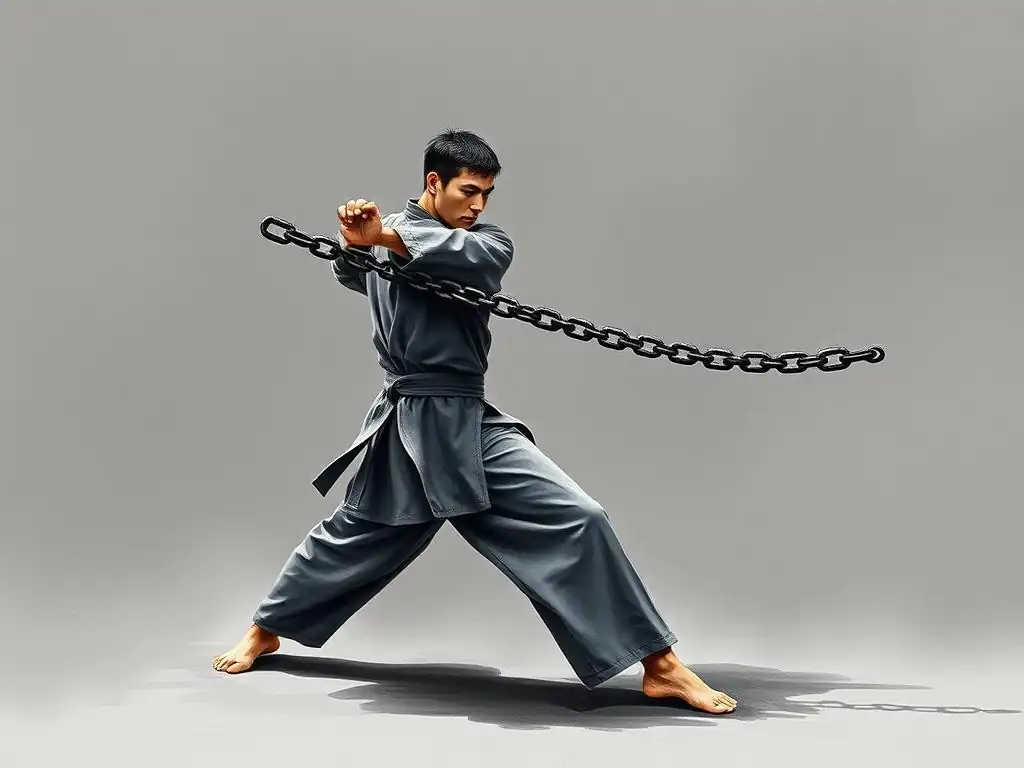
Blocking and Deflecting: Redirecting the Force of a Blade
The Dangers of Direct Blocking Against Edged Weapons
Directly blocking an edged weapon with your bare hands or arms is extremely dangerous and generally discouraged in martial arts and self-defense training. A blade is designed to cut, and using a limb to absorb the force of a slash or stab will almost certainly result in severe lacerations or puncture wounds. Even with significant conditioning, the risk of critical injury, such as severed tendons, damaged nerves, or deep tissue wounds, is exceptionally high.
Attempting to stop a moving blade head-on is a low-percentage defense technique that can quickly lead to incapacitation. While some advanced or specialized systems may teach limited hand-to-weapon interactions under very specific circumstances, the general principle for effective edged weapon defense techniques is to avoid putting unprotected flesh directly in the path of the blade whenever possible.
Effective Deflection Techniques: Using Objects and Angled Movements
Instead of direct blocking, effective edged weapon defense techniques often focus on deflection. Deflection aims to redirect the force of the attack away from your body, rather than stopping it cold. This can be achieved by using available objects or through precise, angled body movements. Using an object like a jacket, bag, chair, or even a rolled-up magazine as an improvised shield or barrier can help protect vital areas and guide the blade away.
Angled deflection involves using your body's structure – like the forearm bone or shin – at an angle to glance the weapon away, minimizing the surface area exposed to the blade and reducing the chance of a direct cut. Techniques often involve simultaneous movement off the line of attack. For instance, stepping offline while using a rigid part of your arm at an angle to guide a downward stab away from your torso. This requires significant timing and practice but is considerably safer than attempting a direct block.
Evading and Dodging: Moving Out of the Attack Path
Footwork Drills for Enhanced Agility and Evasion
Evading the attack by moving out of the path of the blade is a fundamental edged weapon defense technique. This relies heavily on effective footwork and agility. Training drills that focus on rapid lateral movement, backward stepping, and pivoting are essential. Practicing drills like "the box drill" (moving quickly within the perimeter of an imaginary square) or "clockwork footwork" (stepping to various points around a central axis) can significantly improve your ability to shift your body quickly and efficiently.
Developing quick reaction time through footwork allows you to respond to the attacker's movement by not being where the blade is going to be. This might involve a sharp step back from a lunge, a rapid sidestep from a slash, or a pivot to get off the line of an attack. Consistent footwork practice builds the muscle memory needed to evade instinctively under pressure, which is vital against the speed of an edged weapon.
Utilizing Cover and Obstacles for Tactical Advantage
In any environment, seeking cover and utilizing obstacles can provide a critical tactical advantage against an edged weapon. If escape is not immediately possible, positioning a physical barrier between yourself and the attacker – such as a table, car, wall, or doorway – can disrupt their attack path, slow them down, and provide you with protection. This is a key component of practical self-defense strategies.
An obstacle forces the attacker to navigate around it, buying you time and potentially creating opportunities for further evasion or a defensive counter-measure. Using cover also reduces the angles from which the attacker can strike. For example, positioning a sturdy table between you and an attacker armed with a knife makes it difficult for them to reach you without exposing themselves or having their attack blocked by the furniture. This tactic leverages the environment to enhance your edged weapon defense techniques.
Controlling the Weapon: Disarming and Immobilizing Techniques
Closing the Distance Safely: Bridging the Gap
While creating distance is the initial goal, sometimes closing the distance is necessary for control or disarming. This must be done safely and explosively. "Bridging the gap" means moving from a safer distance into the attacker's personal space to gain control of the weapon or their body. This is often executed after a successful deflection or evasion, when the attacker's balance or focus is momentarily disrupted.
Bridging the gap requires timing and commitment. It's not a slow approach but a rapid, decisive movement designed to overwhelm the attacker's ability to react effectively to your entry. Techniques often involve simultaneously controlling the weapon arm or body, using momentum to enter close range where different control techniques become viable. This phase is high-risk and requires significant training to execute correctly as part of edged weapon defense techniques.
Gripping the Weapon: Securing a Firm Hold
Once within close range, securing a firm grip on the weapon itself or the attacker's weapon-bearing limb is a critical step in disarming. This is done not just by grabbing, but by controlling the limb to prevent further movement and cutting. Techniques vary depending on the angle and type of attack, but often involve trapping the wrist or hand against your body or using both your hands to secure the attacker's wrist holding the blade.
The goal is to prevent the blade from moving towards you or being used to cut you while you work towards a full disarm or control. This requires strength, precision, and the ability to maintain control under pressure. It's important to note that simply grabbing the blade is extremely dangerous; the focus is on controlling the hand or wrist that holds the blade as part of advanced edged weapon defense techniques.
Immobilization Techniques: Controlling the Attacker's Movement
Simultaneous to or immediately following securing the weapon or limb, immobilization techniques are used to control the attacker's entire body, preventing them from continuing the assault or regaining control of the weapon. This often involves joint locks on the weapon arm, body locks, or controlling the attacker's balance by disrupting their base. The aim is to render them incapable of further aggression.
Examples include twisting the weapon-bearing wrist into a painful lock, pinning the attacker against a wall or the ground, or using throws or takedowns to break their posture and control their movement. Effective immobilization ensures that even if the disarm isn't immediately successful, the attacker cannot effectively use the blade against you. These techniques are complex and require dedicated practice as part of comprehensive edged weapon defense techniques training.
Counter-Attacking After Defending Against Edged Weapons
Identifying Vulnerable Targets: Exploiting Openings in the Attack
Once you have successfully defended against the immediate edged weapon threat – through evasion, deflection, or initial control – identifying and exploiting vulnerable targets on the attacker's body is a critical next step if a counter-attack is necessary to neutralize the threat. During their attack, the assailant will often create openings or expose areas as they commit to their strikes.
Vulnerable targets include the eyes, throat, groin, knees, and solar plexus. These areas are relatively easy to access and strikes to them can cause significant pain, disorientation, or temporary incapacitation, giving you an opportunity to escape or further control the situation. Striking these targets should be done with precision and force to maximize effectiveness, providing a necessary component of practical self-defense strategies against edged weapons.
Effective Striking Techniques: Targeting Vital Areas
Counter-attacking effectively requires utilizing strikes that can quickly and decisively disrupt the attacker. Techniques such as eye gouges, palm heel strikes to the nose or jaw, knee strikes to the groin or thighs, or elbow strikes to the head or body can be highly effective at close range. These strikes leverage natural body weapons and target areas that can quickly reduce the attacker's ability to continue their assault.
The goal of counter-striking in this context is not to engage in a prolonged fight, but to create an immediate opportunity for escape or further control. For example, a sharp knee strike to the groin after deflecting a stab can momentarily buckle the attacker, allowing you to disengage and run. Training in powerful, targeted strikes is essential for a complete edged weapon defense technique repertoire.
Maintaining Control: Preventing Further Attacks
After a successful counter-attack, maintaining control of the situation is paramount. If you have managed to disarm the attacker, securing the weapon and ensuring it cannot be retrieved is vital. If the counter-strike has incapacitated them, assessing if the threat is neutralized and deciding on your next course of action (escape, call for help) is necessary.
Should the attacker still pose a threat after your initial counter, you must be prepared to follow up with additional strikes or control techniques. The situation is dynamic, and maintaining control means staying aware of the attacker's state, their potential to resume the attack, and your own safety. This might involve pinning them down, continuing strikes until they are fully incapacitated, or creating distance to escape. Maintaining control is the objective that ties together defensive and offensive actions in edged weapon defense techniques.
Training Drills for Edged Weapon Defense
Partner Drills: Practicing Blocking, Evading, and Disarming
Partner drills are indispensable for developing realistic edged weapon defense techniques. These drills should be conducted with safety gear, such as training knives (rubber or dull plastic), and under the supervision of a qualified instructor. Drills can simulate various attack angles and speeds, allowing partners to practice specific techniques like deflection, evasion, and disarming in a controlled environment.
Examples include a static partner attacking with a specific stab or slash pattern while the defender practices a single deflection or evasion technique, gradually increasing speed and complexity. Another drill involves a moving attacker, requiring the defender to use footwork and timing to evade multiple strikes before attempting a controlled disarm. Partner drills provide crucial feedback on timing, distance, and technique effectiveness against a resisting, moving opponent.
Solo Drills: Developing Reflexes and Muscle Memory
Solo drills are essential for building the foundational reflexes, speed, and muscle memory required for edged weapon defense techniques. These drills focus on practicing the physical movements in isolation. Shadow boxing with imaginary knife attacks, practicing footwork patterns for evasion, and repeatedly drilling the motions for deflections or disarms against a stationary object (like a training dummy or even just air) are all valuable solo training methods.
Using training tools like a focus mitt or a hanging target can help practice the precision and power needed for counter-strikes after a defense. Solo drills allow for high-repetition practice, embedding the physical responses into your muscle memory so they can be accessed under the stress of an actual attack. Consistent solo practice complements partner training by honing the individual components of edged weapon defense techniques.
Scenario Training: Simulating Real-World Encounters
Scenario training is perhaps the most advanced and realistic form of practice for edged weapon defense techniques. Conducted in a safe, controlled environment with protective gear and experienced role-players using training weapons, these scenarios simulate real-world attack situations. This could involve an attacker emerging from a doorway, initiating from a conversation, or attacking in a confined space.
Scenario training integrates all aspects of self-defense: situational awareness, de-escalation attempts (if applicable), reading the attacker, executing defensive and counter-offensive techniques, and managing the aftermath. It helps trainees experience the stress and unpredictability of an actual encounter, revealing strengths and weaknesses in their training and application of edged weapon defense techniques under pressure.
Legal Considerations and Ethical Implications of Self-Defense

Understanding the Law: Justifiable Use of Force
Understanding the legal framework surrounding self-defense is paramount when learning edged weapon defense techniques. Laws regarding the use of force vary significantly by jurisdiction, but generally revolve around the concept of "reasonable force" in response to an imminent threat of serious bodily harm or death. Using excessive force beyond what is necessary to stop the threat can have severe legal consequences.
In many places, using lethal force (which includes using or defending against an edged weapon) is only legally justifiable when facing a threat of lethal force yourself. Knowing your local laws regarding self-defense, the duty to retreat (if any), and the legal implications of using weapons or causing injury is as important as the physical techniques themselves. Proper training includes education on these legal aspects.
De-escalation Techniques: Avoiding Violence Whenever Possible
While physical edged weapon defense techniques are crucial, the most effective self-defense strategy is often avoiding the physical confrontation altogether. De-escalation involves using verbal and non-verbal communication to calm a potentially volatile situation and prevent it from escalating to violence. This might include maintaining a calm demeanor, speaking in a non-confrontational tone, giving the aggressor space, and avoiding provocative language or body language.
De-escalation is not always possible, especially against a determined attacker or one already committed to violence with a weapon. However, attempting to de-escalate should be considered as a first response whenever safe and feasible. It is a vital skill in any self-defense repertoire, aimed at resolving conflict without resorting to physical edged weapon defense techniques.
The Importance of Responsible Self-Defense Training
Learning edged weapon defense techniques carries a significant responsibility. Proper training emphasizes not only the physical skills but also the ethical considerations, legal implications, and the importance of avoiding violence. Responsible training instills discipline, judgment, and the understanding that these techniques are for last-resort, life-threatening situations only.
Training should be conducted by qualified instructors who prioritize safety and legal/ethical education. It should focus on realistic scenarios, stress inoculation, and the psychological aspects of dealing with violent encounters. Responsible self-defense training is about empowerment through skill and knowledge, enabling individuals to protect themselves while understanding the gravity and potential consequences of using force.
Advanced Edged Weapon Defense Techniques
Preemptive Striking: Disrupting the Attack Before it Begins
In certain, highly specific, and legally precarious situations where an attack with an edged weapon is clearly imminent and unavoidable, a preemptive strike might be considered an advanced self-defense strategy. This involves launching a decisive strike just as the attacker is initiating their movement, aiming to disrupt their balance, focus, or ability to deploy the weapon effectively. This is a high-risk, high-reward tactic.
Preemptive strikes are not about starting a fight but about stopping an unavoidable attack before it gains momentum. Examples might include a sudden, explosive palm heel strike to the face or a knee strike to the groin the moment the attacker's hand goes to their waistband for a concealed knife. This requires exceptional timing, reading of pre-attack cues, and the willingness to act decisively. It is a controversial technique and should only be considered and trained under strict ethical and legal guidelines.
Weapon Retrieval: Safely Securing a Dropped Weapon
Should an attacker drop their edged weapon during an altercation, safely retrieving and securing it becomes an immediate concern. Leaving a weapon on the ground means the attacker or someone else could potentially pick it up and resume the threat. Safely retrieving the weapon involves controlling the space around it and picking it up in a manner that prevents accidental cutting and ensures it cannot be easily grabbed back.
Once retrieved, the weapon should be secured immediately, ideally by throwing it far away into an inaccessible area (like over a fence, onto a roof, or into dense bushes) or placing it in a safe location if escape is not possible and police arrival is imminent. The goal is to eliminate the weapon as a factor in the immediate threat, ensuring it cannot be used against you or others. This is a crucial step in managing the aftermath of an edged weapon encounter.
Psychological Preparedness: Managing Fear and Adrenaline
Facing an edged weapon attack is an intensely frightening experience that triggers the body's fight-or-flight response, flooding the system with adrenaline. Psychological preparedness is an advanced, yet fundamental, aspect of effective self-defense techniques. This involves training to function under extreme stress, managing fear, and maintaining the ability to think and act despite physiological responses like tunnel vision, auditory exclusion, and motor skill degradation.
Techniques like visualization, stress inoculation drills (simulating high-stress scenarios), and mindfulness can help individuals develop mental resilience. Understanding the physiological effects of adrenaline allows a defender to anticipate and mitigate them. Psychological preparedness ensures that the physical edged weapon defense techniques learned in training can actually be applied effectively when facing the real, terrifying threat of a blade.
Conclusion: Mastering Edged Weapon Defense for Self-Protection
Emphasizing the Importance of Consistent Training
Mastering edged weapon defense techniques is not a destination but a continuous journey that requires consistent, dedicated training. The skills needed – rapid assessment, precise movement, effective blocking/deflection, evasive footwork, controlled entry, disarming, and counter-attacking – degrade over time without practice. The speed and danger of an edged weapon attack demand reflexes and muscle memory that can only be built through repetition.
Regular training, including solo drills, partner practice, and scenario simulations, is essential to maintain proficiency and readiness. Staying sharp ensures that your response is not a hesitant, thought-out reaction but a fluid, instinctive action under the immense pressure of a life-threatening situation. Consistency is key to ensuring your edged weapon defense techniques are viable when you need them most.
The Role of Mental Preparedness in Self-Defense
As highlighted earlier, mental preparedness is as vital as physical technique in self-defense against edged weapons. The ability to stay calm, assess the threat, make rapid decisions, and act decisively while experiencing extreme fear and physiological stress is paramount. Mental fortitude allows you to access and apply your physical training effectively.
Developing mental toughness through realistic training, stress exposure, and psychological conditioning prepares you for the shock and fear of an edged weapon encounter. It helps mitigate the negative effects of adrenaline and allows you to maintain focus on survival. Mental preparedness ensures that your physical edged weapon defense techniques are supported by a resilient mindset.
Continuing Your Martial Arts Journey: Further Resources and Training
Edged weapon defense is a complex and dangerous aspect of self-protection that is typically integrated into advanced martial arts or specialized self-defense programs. Continuing your martial arts journey with qualified instructors who teach realistic, legally sound, and ethically responsible edged weapon defense techniques is crucial. Look for programs that emphasize safety, de-escalation, situational awareness, and the legal/ethical use of force.
Seeking further training ensures you stay current with best practices and refine your skills. Engaging with experienced practitioners and instructors provides ongoing learning opportunities and helps you build the confidence and competence needed to face such severe threats. Your continued commitment to learning and practice is the most effective strategy for enhancing your self-protection capabilities against edged weapons.
Frequently Asked Questions
What are some common examples of flexible weapons encountered in self-defense situations?
Flexible weapons can include things like chains, belts, and even ropes. Understanding their potential as weapons is crucial for effective defense.
Why are flexible weapons considered difficult to defend against?
Their unpredictable movement and ability to wrap around defenses make them challenging. Standard blocking techniques often prove ineffective.
What is the primary focus of flexible weapon defense techniques?
The main goal is to control the weapon's momentum and distance between you and the attacker. Redirecting the weapon is key.
Does the Chain or Belt as a Weapon article cover specific disarming techniques?
While it discusses defense strategies, the focus is more on understanding the weapon's behavior and creating opportunities for disarming or escape.
What are some practical self-defense strategies against a flexible weapon attack?
Strategies include maintaining distance, disrupting the weapon's swing, and targeting the attacker's grip to disable their control.
Final Reflection: Mastering the Art of Adaptive Defense
The exploration of flexible weapon defense techniques, as detailed in this article, isn't just an academic exercise; it's a crucial skill in a world where threats can manifest in unexpected forms. Understanding the nuances of defending against chains, belts, and similar implements is more relevant than ever, equipping individuals with the knowledge and adaptability needed to navigate potentially dangerous situations. This knowledge empowers us to move beyond fear and towards informed, effective self-preservation.
The ability to adapt and respond effectively to unconventional threats has profoundly shaped martial arts and self-defense philosophies. This article serves as a reminder that true mastery lies not just in memorizing techniques, but in cultivating a flexible mindset capable of analyzing and reacting to any situation. The best weapon is the one you know how to use.
This simple truth underscores the importance of understanding the principles behind flexible weapon defense, allowing you to improvise and adapt even when faced with the unexpected.
Now, consider how you can integrate these principles into your own life. Reflect on your current self-defense knowledge and identify areas where you can improve your adaptability. Embrace the challenge of learning new skills and cultivating a mindset that prioritizes awareness, analysis, and decisive action. The ability to defend yourself against flexible weapons is not just about physical technique; it's about cultivating resilience, resourcefulness, and a proactive approach to personal safety. Let this knowledge empower you to face the world with greater confidence and preparedness.
Ignite Your Defense: Master the Flexible Weapon Response!
Thank you for exploring effective strategies to defend against flexible weapon attacks. Now that you've gained insights into predicting, reacting, and neutralizing these threats, it's time to translate knowledge into action. Here’s how you can deepen your understanding and enhance your readiness:
- Prioritize Practical Application: Dedicate focused training sessions solely to flexible weapon defense. Use a padded rope or similar tool to simulate attacks and practice your parrying, distancing, and disarming techniques.
- Share your insights: Discuss the article's strategies with your training partners. Collaborative discussion leads to innovative solutions.
- Challenge yourself: Research historical applications of flexible weapons and adapt your defensive techniques accordingly.
What specific flexible weapon defense technique will you incorporate into your next training session, and how do you plan to test its effectiveness?