
The Spirit of Kendo: More Than Just Swordsmanship, A Path to SelfMastery

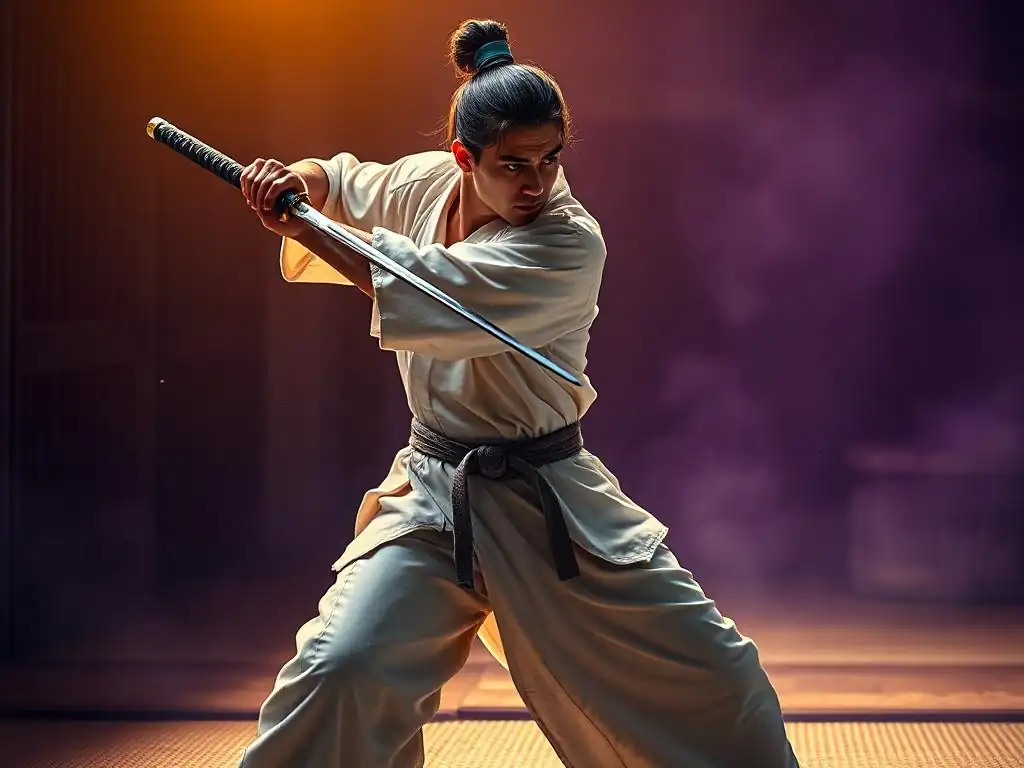
Welcome to Martial Arts Mastery, your ultimate guide to the world's fighting arts. Dive deep into the elegant, yet rigorous, world of Kendo. This isn't just about swords; it's about forging the spirit. Uncover how the Kendo selfmastery path extends far beyond the dojo, shaping character and fostering discipline. Are you ready to embark on this transformative journey?
- The Spirit of Kendo: Forging the Self Through the Sword
- Introduction: Kendo as a Path to Self-Cultivation
- Historical and Philosophical Foundations of Kendo
- Personal Development Through Kendo Training
- Core Principles for Skill and Character Development in Kendo
- Etiquette ( Reiho) as a Cornerstone of Kendo Practice
- Mental Fortitude: Cultivating Resilience and Focus in Kendo
- Beyond Physical Training: The Holistic Nature of Kendo
- Mindfulness and Presence in Kendo Practice
- Kendo as a Lifelong Pursuit of Self-Improvement
- Conclusion: Kendo as a Holistic Path to Self-Mastery
-
Frequently Asked Questions
- What is the core philosophy behind the Kendo self-mastery path, according to MartialArtsMastery.org?
- How does MartialArtsMastery.org describe Kendo's historical significance in relation to self-mastery?
- What are some specific training techniques in Kendo that contribute to self-mastery, as outlined by MartialArtsMastery.org?
- Beyond physical techniques, how does MartialArtsMastery.org explain the mental and emotional benefits of Kendo for self-mastery?
- Does MartialArtsMastery.org suggest any practical self-defense applications of Kendo's self-mastery principles outside of the dojo?
- Final Reflection: Forging the Self Through Kendo
- Embrace Your Inner Warrior: Begin Your Kendo Journey Now!
The Spirit of Kendo: Forging the Self Through the Sword
Introduction: Kendo as a Path to Self-Cultivation
Beyond Technique: Exploring the Deeper Meaning of Kendo
Kendo, often perceived outwardly as merely Japanese fencing, is in reality a profound discipline extending far beyond the physical act of striking with a bamboo sword ( shinai). While mastering techniques like men (head), kote (wrist), do (body), and tsuki (throat) is fundamental, these physical skills serve as a vehicle for cultivating the mind and spirit.
The true essence of Kendo lies in its capacity to challenge and refine the practitioner's character, fostering qualities such as courage, integrity, and perseverance. It is a rigorous do, or 'way,' dedicated to the pursuit of self-improvement and ethical conduct, making the Kendo selfmastery path a central focus for dedicated students.
This deeper meaning is embedded in the very definition of Kendo as established by organizations like the All Japan Kendo Federation (AJKF). Their stated purpose for Kendo is "to discipline the human character through the application of the principles of the katana." This highlights that the sword is a tool not just for combat simulation but for internal transformation.
Practitioners spend years, often decades, honing their skills, not just to win matches, but to develop mental fortitude, emotional control, and a deep sense of respect for others and for the practice itself. The journey is less about defeating an opponent and more about overcoming one's own limitations, demonstrating Kendo's unique role as a selfmastery path.
Kendo's Philosophy: Discipline, Respect, and Personal Growth
The philosophical underpinnings of Kendo are deeply rooted in traditional Japanese values, emphasizing discipline, respect, and continuous personal growth. Discipline is paramount, evident in the strict adherence to etiquette ( reiho), the demanding physical training, and the mental rigor required to maintain focus under pressure. Every practice begins and ends with formal bows, acknowledging the dojo, the instructors, fellow practitioners, and even the equipment, instilling a profound sense of respect that extends beyond the training hall. This structured environment provides a framework for developing self-control and inner discipline.
Respect ( soncho) is not merely a formality but a fundamental principle governing all interactions within Kendo. Practitioners learn to respect their opponents, their teachers, and their own limitations. This mutual respect creates an environment conducive to learning and growth, where individuals challenge each other positively while upholding a code of honor.
The focus on personal growth is relentless; there is no final destination in Kendo, only a perpetual process of learning, refining, and striving to be a better person. This continuous self-improvement is the very core of the Kendo selfmastery path, distinguishing it from sports solely focused on victory.
Historical and Philosophical Foundations of Kendo
From Kenjutsu to Kendo: A Historical Transformation
Kendo evolved from kenjutsu, the classical Japanese swordsmanship practiced by the samurai class for centuries. While kenjutsu focused primarily on practical combat techniques for the battlefield, the Edo period (1603-1868) brought relative peace, shifting the focus from killing techniques to personal and spiritual development.
During this time, kenjutsu schools began to emphasize discipline, ethics, and philosophical principles alongside technical skill. The introduction of protective armor ( bogu) and the bamboo sword ( shinai) in the 18th century by figures like Naganuma Shirōzaemon Kunisato revolutionized training, allowing for full-contact practice with reduced risk of serious injury, moving the art closer to its modern form.
The formal transition from kenjutsu to modern Kendo occurred after the Meiji Restoration (1868). With the abolition of the samurai class, kenjutsu faced decline but was later revived and standardized, particularly for law enforcement and military training.
The term "Kendo" (劍道), meaning "Way of the Sword," was officially adopted in the early 20th century, solidifying its identity as a do focused on human development rather than just a jutsu (technique). This transformation marked a conscious effort to preserve the spirit of traditional swordsmanship while adapting it into a discipline centered on character building, establishing Kendo as a distinct selfmastery path.
Bushido and Kendo: Ethics, Honor, and Loyalty
Kendo is deeply intertwined with the principles of Bushido, the "Way of the Warrior," which served as the moral code for the samurai. Bushido emphasized virtues such as righteousness ( gi), courage ( yu), benevolence ( jin), respect ( rei), honesty ( shin), honor ( mei), and loyalty ( chu).
While modern Kendo is practiced by individuals from all walks of life and is not exclusive to a warrior class, its ethical framework is heavily influenced by these historical ideals. The emphasis on fair play, respect for opponents and seniors, and maintaining composure under duress are direct reflections of Bushido principles.
Practitioners are encouraged to embody these virtues in their training and daily lives. The intense pressure of shiai (competition) or rigorous keiko (practice) provides fertile ground for testing one's courage and composure. The strict adherence to reiho cultivates respect and humility. The commitment required for consistent improvement fosters discipline and perseverance. By striving to live according to these principles, Kendo practitioners follow a path that extends beyond the dojo, integrating the ethics of Bushido into a modern Kendo selfmastery path.
Personal Development Through Kendo Training
Physical and Mental Discipline in Kendo Practice
Kendo training is physically demanding, requiring stamina, strength, and agility. A typical practice session involves rigorous warm-ups, repetitive basic strikes ( suburi), footwork drills ( ashi-sabaki), and often intense sparring ( ji-geiko). This physical intensity builds resilience and endurance. For instance, a single suburi session might involve hundreds of repetitions, demanding significant physical effort and mental focus to maintain proper form. The constant movement and explosive actions in sparring push the body to its limits, improving cardiovascular fitness and muscle strength, particularly in the core, legs, and shoulders.
Beyond the physical, Kendo is profoundly a mental discipline. Practitioners must cultivate intense focus to read their opponent's intentions ( seme), react instantaneously, and execute techniques with precision. The mental pressure in a competitive match is immense, requiring practitioners to control fear, doubt, and frustration. Learning to maintain a calm mind ( fudoshin) amidst chaos is a core goal. This dual focus on physical exertion and mental control is what makes Kendo training so effective as a Kendo selfmastery path, teaching practitioners to push through physical discomfort while maintaining mental clarity and determination.
Kendo's Role in Character Development: Honesty, Courage, and Integrity
Kendo plays a significant role in shaping character by consistently challenging practitioners to embody virtues like honesty, courage, and integrity. In shiai, for example, practitioners are expected to acknowledge valid points scored against them, even if the referee doesn't see it – a direct test of honesty and integrity. Facing a stronger or more experienced opponent requires courage, not just to engage physically, but to maintain mental composure and execute one's technique despite the perceived disadvantage.
The demanding nature of training itself fosters integrity; there are no shortcuts to improvement in Kendo. Progress comes through consistent effort, honest self-assessment, and dedication to fundamental principles. Practitioners learn to be accountable for their performance and attitude. This environment, where effort, respect, and ethical conduct are constantly reinforced, provides a powerful crucible for character development, making Kendo a compelling selfmastery path for those seeking personal growth alongside martial skill.
Core Principles for Skill and Character Development in Kendo
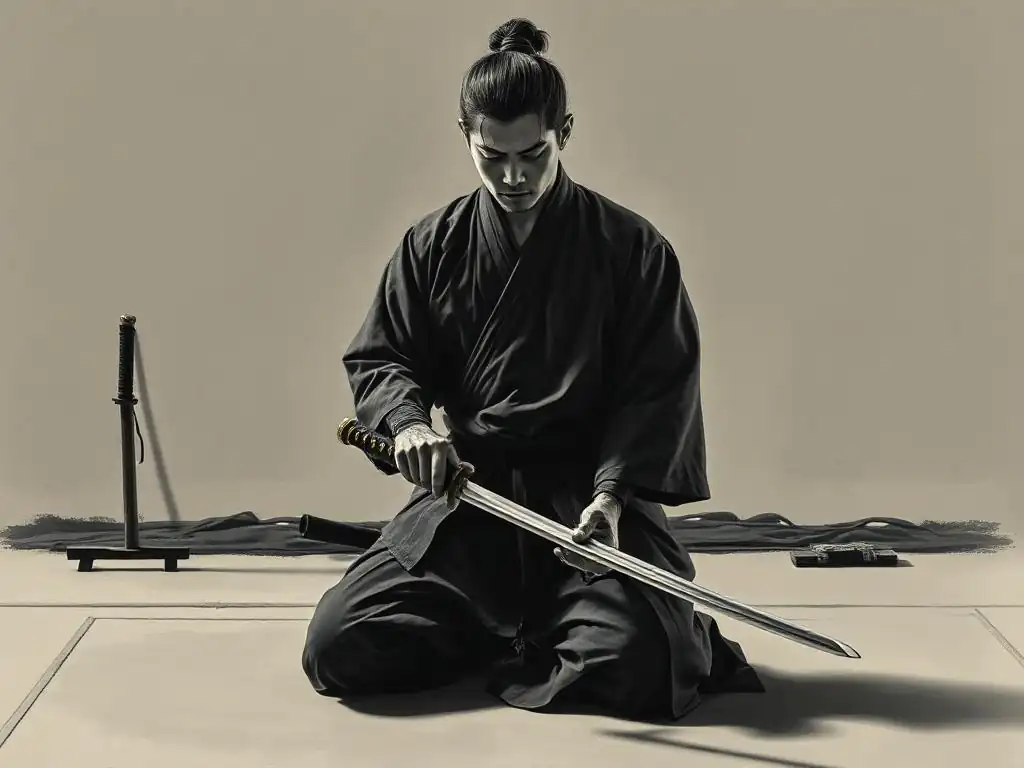
Kihon: Building a Solid Foundation
Kihon, or fundamentals, forms the absolute bedrock of Kendo training. This includes basic strikes like men, kote, do, and tsuki, as well as essential footwork and posture. Practitioners spend years, sometimes decades, refining these basic movements. For instance, a beginner might spend the first several months focusing almost exclusively on suburi (swinging the shinai) and correct footwork ( suri-ashi) before even wearing bogu. This relentless focus on basics instills patience, precision, and an understanding that mastery is built from the ground up.
The emphasis on kihon is not just about physical technique; it is also a lesson in humility and perseverance. Regardless of rank or experience, all practitioners return to kihon in every practice, reinforcing the idea that the fundamentals are never truly "mastered" but are subjects of continuous refinement. This dedication to the basics builds a strong foundation not only for physical skill but also for mental resilience and a disciplined approach to learning, essential elements of the Kendo selfmastery path.
Kata: Perfecting Form and Understanding Principles
Kendo kata are pre-arranged forms practiced with a wooden sword ( bokuto) by pairs of practitioners. There are ten standard kata (seven with two practitioners, three with one practitioner against two) that represent the core principles and techniques derived from classical kenjutsu. Practicing kata teaches precise movements, correct distance ( maai), timing, and an understanding of the underlying strategic principles of swordsmanship. It requires intense concentration and coordination with a partner.
Unlike the dynamic and often chaotic nature of sparring, kata is deliberate and controlled, allowing practitioners to focus on perfect form and the deeper meaning behind each movement. It emphasizes the connection between mind, body, and sword ( Ki-Ken-Tai-Ichi) and the importance of zanshin (lingering spirit/awareness) after a technique. Through dedicated kata practice, practitioners internalize the essence of the sword, developing a deeper appreciation for the art's history and philosophy, which is crucial for advancing along the Kendo selfmastery path.
Shiai: Competition as a Test of Spirit and Technique
Shiai, or competition, is a vital component of Kendo practice, serving as a practical application and test of accumulated skill, strategy, and spirit. While the focus is on do (the way), competitive shiai provides a specific environment to evaluate one's progress under pressure. Matches are typically short, often three minutes long, requiring practitioners to be explosive, decisive, and maintain intense focus throughout. Points ( ippon) are awarded for correct strikes delivered with ki-ken-tai-ichi and zanshin.
Competing in shiai is not just about winning; it's a profound test of one's mental fortitude, courage, and ability to apply techniques effectively against a resisting opponent. It reveals weaknesses in technique, strategy, and mental control, providing invaluable feedback for future training. Learning to accept defeat gracefully, analyze one's performance objectively, and maintain respect for the opponent are key lessons derived from shiai, reinforcing its role as a challenging but necessary part of the Kendo selfmastery path.
Etiquette ( Reiho) as a Cornerstone of Kendo Practice
Respect and Humility in the Dojo and Beyond
Reiho, or etiquette, is not merely a set of rules in Kendo; it is the embodiment of respect and humility, forming a cornerstone of the practice. From the moment a practitioner enters the dojo, reiho dictates behavior: bowing upon entering and leaving, bowing to the sensei (teacher) and fellow practitioners, handling the shinai and bokuto with care, and maintaining a respectful posture even when not actively training. These rituals are performed with sincerity and attention, reinforcing the importance of mindfulness and respect in every action.
This emphasis on reiho cultivates a sense of community and mutual respect within the dojo. It teaches practitioners to be humble, acknowledging that everyone, regardless of rank, is on a journey of learning. By consistently practicing reiho, individuals develop a heightened awareness of others and their surroundings, fostering an environment of discipline and mutual support. This ingrained respect and humility are fundamental to navigating the Kendo selfmastery path effectively.
Applying Reiho to Daily Life: Harmony and Consideration
The principles of reiho are intended to extend beyond the dojo walls, influencing practitioners' interactions and behavior in daily life. The respect shown to seniors and peers in Kendo translates into improved interpersonal skills and a greater appreciation for hierarchical relationships in other contexts, such as work or family. The mindfulness required to perform reiho correctly encourages greater presence and attention to detail in everyday tasks.
Furthermore, the humility cultivated through bowing and acknowledging others fosters a less ego-driven approach to life, encouraging consideration for the feelings and perspectives of others. By internalizing the spirit of reiho, Kendo practitioners are better equipped to navigate social situations with grace, maintain harmonious relationships, and approach challenges with a respectful and considerate attitude, demonstrating how the Kendo selfmastery path impacts broader aspects of life.
Mental Fortitude: Cultivating Resilience and Focus in Kendo
Overcoming Fear and Doubt on the Kendo Journey
Kendo training inherently challenges practitioners to confront and overcome fear and doubt. The prospect of facing an opponent with a shinai, even with protective armor, can be intimidating, especially for beginners. The loud shouts ( kiai), rapid movements, and physical contact create a high-pressure environment. Learning to step forward, execute techniques decisively, and absorb strikes without flinching requires significant courage and control over one's innate fear response.
Beyond physical fear, practitioners often grapple with self-doubt – questioning their ability to improve, mastering complex techniques, or performing well in shiai. Kendo practice provides a continuous opportunity to confront these doubts through consistent effort and facing challenges head-on. Each successful strike, each recovered position after being hit, and each moment of maintaining composure under pressure builds confidence and resilience, reinforcing Kendo's effectiveness as a Kendo selfmastery path focused on mental strength.
Fudoshin: Developing an Unwavering Mind
A central concept in Kendo and Bushido is Fudoshin (不動心), often translated as "immovable mind" or "unwavering spirit." This refers to a state of mental calm and composure that allows one to remain focused and decisive regardless of external circumstances or internal emotional turmoil. Achieving Fudoshin is a high-level goal in Kendo, representing the ability to confront danger, pressure, or adversity without being paralyzed by fear or distracted by doubt.
Developing Fudoshin is a gradual process cultivated through years of rigorous training that pushes one's physical and mental limits. It involves learning to control one's reactions, maintain awareness ( zanshin) even after action, and trust one's training. The constant exposure to challenging situations in keiko and shiai provides the necessary practice ground for developing this mental resilience. Cultivating Fudoshin is perhaps the most profound aspect of the Kendo selfmastery path, enabling practitioners to face challenges both inside and outside the dojo with courage and clarity.
Beyond Physical Training: The Holistic Nature of Kendo
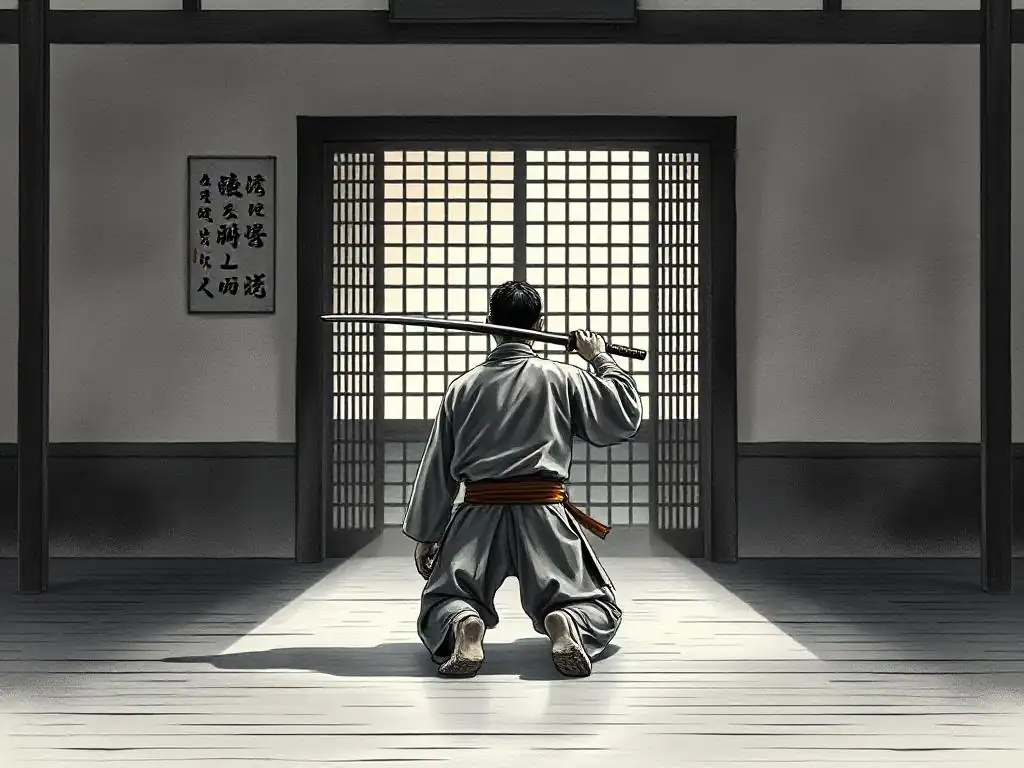
Ki-Ken-Tai-Ichi: Achieving Unity of Spirit, Sword, and Body
Ki-Ken-Tai-Ichi (気剣体一) is a fundamental principle in Kendo meaning "Spirit, Sword, and Body as One." It signifies the necessity for these three elements to be unified and harmonious for a technique to be effective and considered a valid strike ( ippon). 'Ki' refers to the practitioner's spirit, energy, or intent, often expressed through a strong kiai (shout). 'Ken' refers to the sword, specifically the correct execution of the strike with proper angle and force. 'Tai' refers to the body, encompassing correct posture, footwork, and physical delivery of the technique.
A strike might be physically accurate ( Ken and Tai) but lack the necessary spirit ( Ki) to be valid, or a strong spirit ( Ki) might be present but the physical execution ( Ken and Tai) is flawed. Achieving Ki-Ken-Tai-Ichi requires complete focus and coordination, integrating the practitioner's mental state, physical action, and the tool (the sword) into a single, unified expression of intent and technique. This principle underscores the holistic nature of Kendo, where physical prowess is inseparable from mental and spiritual cultivation, making it a truly integrated Kendo selfmastery path.
Seme: Mastering Mental Initiative and Pressure
Seme (攻め) refers to the mental and physical pressure a practitioner applies to their opponent to create an opening or break their composure. It is not just about attacking; it is about using presence, movement, and subtle actions to dominate the space and dictate the exchange. Seme involves projecting strong ki (spirit/intent), maintaining an assertive posture, and using footwork to control distance and angle, thereby forcing the opponent to react defensively or revealing their weaknesses.
Mastering Seme requires a deep understanding of timing, distance, and psychology. It is a constant interplay of probing, threatening, and waiting for the opportune moment to strike. Effective Seme demonstrates mental initiative and confidence, showing that the practitioner is actively controlling the engagement rather than passively waiting. Developing powerful Seme is crucial for both effective technique and demonstrating strong spirit, highlighting another layer of mental skill involved in the Kendo selfmastery path.
Mindfulness and Presence in Kendo Practice
The Meditative Aspects of Kendo Training
Despite its dynamic nature, Kendo practice contains significant meditative aspects, fostering mindfulness and presence. The repetitive, focused movements of suburi or kirikaeshi (a continuous striking drill) can become a form of active meditation, requiring complete attention to breath, posture, and technique, clearing the mind of external distractions. The intense focus required during ji-geiko (sparring) demands being fully present in the moment, reacting intuitively without conscious thought, a state akin to mushin (no mind).
The formal bowing and rituals ( reiho) before and after practice also serve as transition points, helping practitioners shed the concerns of the day and enter a state of focused awareness for training, and then transition back mindfully. This constant emphasis on being present, attentive to detail, and controlling one's focus cultivates a meditative quality within the physical discipline. These practices contribute significantly to the mental conditioning aspect of the Kendo selfmastery path.
Self-Awareness Through Kendo: Understanding Your Strengths and Weaknesses
Kendo provides a powerful mirror for self-awareness, constantly revealing a practitioner's physical, mental, and emotional state. In the intensity of practice and shiai, one's habits, reactions, fears, and strengths become readily apparent. For example, a tendency to hesitate before striking, a collapse in posture under pressure, or difficulty maintaining focus are all exposed through the rigor of training.
Receiving feedback from sensei and fellow practitioners, combined with honest self-reflection after practice, allows individuals to understand their limitations and areas for improvement. This process of confronting one's weaknesses, acknowledging mistakes, and committing to correcting them is fundamental to progress in Kendo. This journey of self-discovery and continuous self-assessment is a core component of the Kendo selfmastery path, leading to deeper insight into one's own character.
Kendo as a Lifelong Pursuit of Self-Improvement
The Never-Ending Journey of Kendo Practice
One of the defining characteristics of Kendo is that it is considered a lifelong pursuit. There is no point at which a practitioner is considered to have "mastered" Kendo completely. Even highly ranked sensei continue to practice diligently, constantly seeking refinement in their technique, spirit, and understanding. The grading system, which goes up to 8th dan (and historically 9th and 10th dan, although these are no longer awarded), signifies stages of advancement, but each level reveals new depths and challenges within the art.
This perspective of Kendo as a never-ending journey fosters a mindset of continuous learning and humility. Practitioners understand that progress is incremental and requires sustained effort over many years. The goal shifts from achieving a certain rank or winning a specific competition to the process of consistent self-improvement itself. This commitment to lifelong learning and refinement is the essence of the Kendo selfmastery path. Many practitioners continue training well into old age, adapting their practice to their physical capabilities while deepening their understanding of the art's philosophical dimensions.
The Global Kendo Community: Sharing Knowledge and Experience
Kendo is practiced worldwide, fostering a vibrant global community united by a shared passion for the art. International competitions, seminars, and exchanges allow practitioners from different countries to train together, share knowledge, and build camaraderie. Organizations like the International Kendo Federation (FIK) promote Kendo globally and organize events like the World Kendo Championships, which occur every three years and involve hundreds of participants from dozens of nations.
This global network provides opportunities to learn from a diverse range of instructors and practitioners, exposing individuals to different perspectives and training methodologies while reinforcing the universal principles of Kendo. Sharing the journey with others, offering mutual support, and learning from experienced practitioners are valuable aspects of the Kendo experience. The global community reinforces the idea that the Kendo selfmastery path is a shared endeavor, enriching the individual journey through collective experience and mutual encouragement across cultures.
Conclusion: Kendo as a Holistic Path to Self-Mastery
Kendo's Transformative Power: The Story of Eiji Yoshikawa
While specific detailed data on individual transformations can be anecdotal, the pervasive theme of Kendo's transformative power is widely recognized. A compelling example, albeit fictionalized but based on historical context and the ideals of swordsmanship, can be found in the enduring popularity of Eiji Yoshikawa's novel "Musashi."
This epic tells the story of Miyamoto Musashi's journey from a wild, untamed youth to a disciplined and enlightened swordsman. While Musashi was a historical figure primarily associated with kenjutsu, the narrative arc of the story – focusing on self-discipline, confronting inner demons, seeking wisdom through the sword, and ultimately achieving a form of spiritual enlightenment alongside martial prowess – deeply resonates with the ideals of the Kendo selfmastery path.
Modern practitioners often report similar, if less dramatic, personal transformations: overcoming shyness, developing patience, managing anger, improving focus in their professional lives, and gaining a profound sense of self-worth through consistent effort and facing challenges. The structured environment, ethical code, and demanding nature of Kendo consistently push individuals beyond their comfort zones, fostering resilience and a deeper understanding of their own capabilities and limitations, illustrating Kendo's real-world transformative impact.
Resources for Further Study of Kendo
For those interested in exploring the Kendo selfmastery path further, numerous resources exist. Books delve into the history, philosophy, and techniques of Kendo, providing detailed explanations of concepts like Ki-Ken-Tai-Ichi and Fudoshin. Dojos affiliated with national and international Kendo federations offer structured training under qualified instructors, providing the essential hands-on experience. Organizations like the All Japan Kendo Federation (AJKF) or the International Kendo Federation (FIK) offer guidelines, historical information, and directories of affiliated clubs worldwide. Engaging with experienced practitioners and attending seminars also offers invaluable insights into the deeper aspects of the art.
- Recommended reading often includes texts on Bushido and the philosophical underpinnings of Japanese martial arts.
- Finding a reputable dojo with experienced sensei is crucial for practical learning. Look for dojos affiliated with recognized national Kendo organizations.
- Exploring online resources provided by major Kendo federations can offer insights into rules, etiquette, and history.
- Attending local or regional Kendo events provides opportunities to observe practitioners and connect with the community.
These resources provide pathways for deeper engagement with Kendo, allowing individuals to embark on or continue their own challenging and rewarding Kendo selfmastery path.
Frequently Asked Questions
What is the core philosophy behind the Kendo self-mastery path, according to MartialArtsMastery.org?
The core philosophy centers on using swordsmanship as a vehicle for personal growth and self-cultivation. It emphasizes discipline, respect, and the pursuit of continuous improvement, both on and off the dojo floor.
How does MartialArtsMastery.org describe Kendo's historical significance in relation to self-mastery?
The site highlights Kendo's roots in samurai tradition, where swordsmanship was intrinsically linked to moral development and spiritual refinement. It frames Kendo as a modern continuation of this ancient pursuit of self-perfection.
What are some specific training techniques in Kendo that contribute to self-mastery, as outlined by MartialArtsMastery.org?
The repetitive drills and emphasis on kata help cultivate focus, discipline, and perseverance. Facing opponents in shiai (matches) forces practitioners to confront fear and develop resilience.
Beyond physical techniques, how does MartialArtsMastery.org explain the mental and emotional benefits of Kendo for self-mastery?
Kendo fosters mental clarity through intense concentration and the need to anticipate an opponent's moves. It promotes emotional regulation by teaching practitioners to control their reactions under pressure.
Does MartialArtsMastery.org suggest any practical self-defense applications of Kendo's self-mastery principles outside of the dojo?
While primarily focused on personal development, the principles of discipline, focus, and composure cultivated in Kendo can translate to improved decision-making and stress management in everyday life situations.
Final Reflection: Forging the Self Through Kendo
The journey through Kendo, as explored in this article, reveals that it is far more than just the clash of steel; it is, in essence, a profound path to self-mastery. The discipline, the unwavering focus, and the constant striving for improvement inherent in Kendo resonate deeply with the challenges and aspirations we face in our daily lives, offering a timeless framework for personal growth.
The enduring influence of Kendo extends far beyond the dojo. It cultivates a mindset of resilience, respect, and continuous learning that permeates all aspects of life. This transformative power is perhaps best captured by the words of Morihei Ueshiba, the founder of Aikido: True victory is victory over oneself.
This sentiment underscores the core principle of Kendo: that the greatest battle is not against an opponent, but against our own limitations.
As you reflect on the spirit of Kendo, consider how its principles can be applied to your own pursuit of self-mastery. Embrace the discipline, cultivate unwavering focus, and strive for continuous improvement in all that you do. Let the spirit of Kendo guide you on your own path, forging a stronger, more resilient, and ultimately, more fulfilled version of yourself.
Embrace Your Inner Warrior: Begin Your Kendo Journey Now!
Thank you for exploring the profound depths of Kendo with us. We hope this article has shed light on its principles and inspired you to see it as more than just a martial art, but a path to personal growth. Now, take the next step and embody the spirit of Kendo in your life.
- Visit your nearest Kendo Dojo for an introductory class and experience the art firsthand.
- Explore martialartsmastery.org for articles, guides, and interviews about Kendo.
- Share your favorite Kendo quote or principle in the comments below to spark a discussion.
What aspect of Kendo's philosophy resonates most with you, and how can you apply it to your daily life starting today?