
Choosing Your First BJJ Gi: A Buyer's Guide to Weaves, Fit, and Top Brands

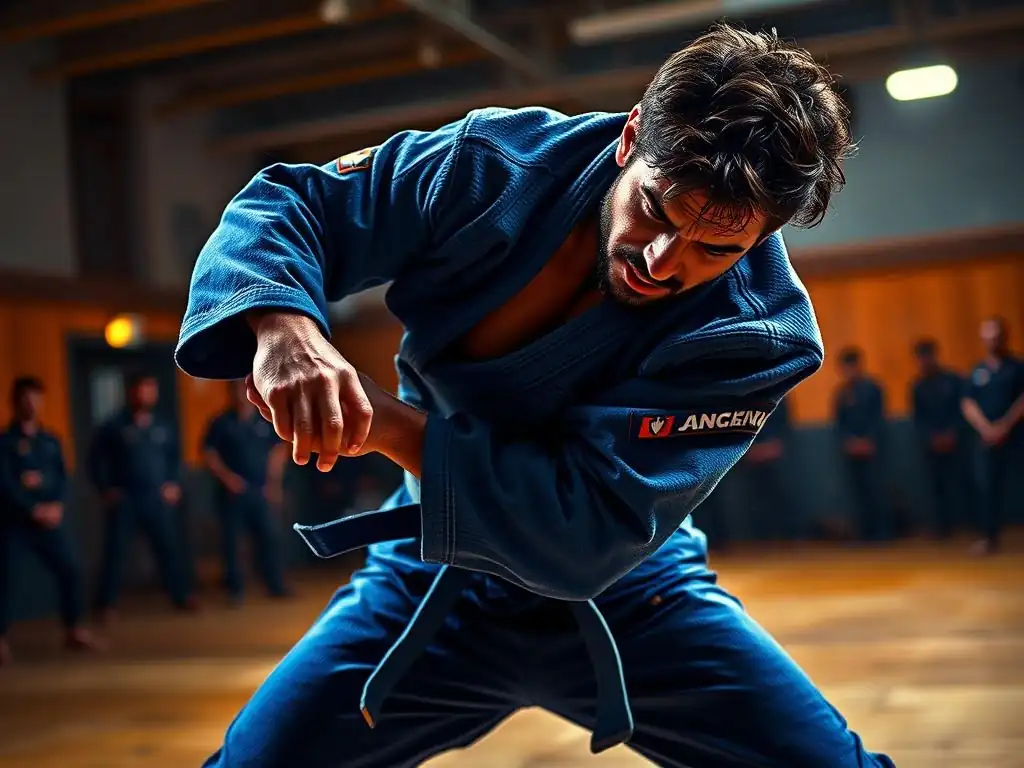
Welcome to Martial Arts Mastery, your premier destination for exploring the rich tapestry of martial arts. Dive into the intricate world of Brazilian Jiu-Jitsu as we help you navigate the crucial first step: choosing the right BJJ gi for beginners. What makes a gi perfect for a new student? Discover the secrets of weaves, find the ideal fit, and explore top brands in our comprehensive buyer's guide. Prepare to unravel the mysteries and make an informed decision that will set you on the path to BJJ mastery!
- Introduction: Finding the Best BJJ Gi for Beginners at MartialArtsMastery.org
-
Understanding BJJ Gi Weaves: A Key Factor for Beginner Jiu-Jitsu Gis
- Single Weave Gis: Lightweight and Affordable Options for New BJJ Practitioners
- Double Weave Gis: Durable and Robust, Ideal for Intense Training
- Gold Weave Gis: A Balance of Comfort and Strength for Brazilian Jiu-Jitsu
- Pearl Weave Gis: Popular Choice Offering a Good Balance for Beginners
- Other Weaves: Ripstop, Honeycomb, and More - Exploring Different Gi Textures
-
BJJ Gi Fit Guide: Ensuring Comfort and Performance on the Mat
- Gi Size Charts: Understanding Height and Weight Recommendations
- The Importance of a Proper Gi Fit: Avoiding Restrictions and Enhancing Mobility
- Measuring Yourself for a BJJ Gi: A Step-by-Step Guide
- Shrinkage Considerations: Pre-Shrunk vs. Unshrunk Gis
- Understanding Gi Fit Terminology: Collar, Sleeves, Pants Length
- Top BJJ Gi Brands for Beginners: Quality and Reliability
- Essential Features to Look for in Your First BJJ Gi
- Caring for Your BJJ Gi: Extending its Lifespan
- BJJ Gi Cost Breakdown: What to Expect to Pay
- Essential Features to Look for in Your First BJJ Gi
- Caring for Your BJJ Gi: Extending its Lifespan
- BJJ Gi Cost Breakdown: What to Expect to Pay
- Conclusion: Selecting the Right BJJ Gi to Start Your Martial Arts Journey
-
Frequently Asked Questions
- What is a BJJ gi and why is it important for beginners?
- What are the different types of BJJ gi weaves, and which is best for a beginner?
- How should a BJJ gi fit properly?
- Which BJJ gi brands are recommended for beginners, and why?
- What factors should I consider when choosing my first BJJ gi, besides weave and brand?
- Final Reflection: Embracing the Journey on the Mat
- Ignite Your Jiu-Jitsu Journey Now!
Introduction: Finding the Best BJJ Gi for Beginners at MartialArtsMastery.org
Stepping onto the mats for your first Brazilian Jiu-Jitsu class is an exciting milestone. As you embark on this journey, one of the initial practical considerations is acquiring the right gear, specifically your first BJJ gi. The gi, or kimono, is much more than just a uniform; it's an integral part of BJJ training, used for grips, throws, sweeps, and submissions. Choosing the best BJJ gi for beginners can seem daunting with the array of options available, but understanding the basics of weaves, fit, and reputable brands will simplify the process.
This guide is designed to help new practitioners navigate the choices and find a gi that is comfortable, durable, and suitable for the demands of beginner-level training. We'll break down the technical aspects of gi construction, explain how to achieve the perfect fit, highlight some top brands known for quality beginner gis, discuss essential features, and even touch on care and cost.
Our aim is to equip you with the knowledge needed to make an informed decision, ensuring your first gi enhances your learning experience on the mat. Finding the best BJJ gi for beginners means finding a balance between cost, durability, and comfort, setting you up for success in your initial months of training.
Understanding BJJ Gi Weaves: A Key Factor for Beginner Jiu-Jitsu Gis
The weave refers to the way the cotton fabric of the gi jacket is woven together, significantly impacting its weight, durability, feel, and cost. Different weaves offer distinct advantages and disadvantages, and understanding these differences is crucial when searching for the best BJJ gi for beginners. The weave type affects how the gi handles sweat, how easily opponents can grip it, and how long it will last under the rigors of training.
For new practitioners, selecting a weave that balances comfort, reasonable cost, and sufficient durability is key. While some weaves are favored by experienced competitors for specific reasons, a beginner typically needs a reliable gi that can withstand regular practice without being overly heavy or expensive. Let's explore the most common weaves you'll encounter when looking for the best BJJ gi for beginners.
Single Weave Gis: Lightweight and Affordable Options for New BJJ Practitioners
Single weave gis are typically the lightest and most affordable option on the market, making them a popular choice for those just starting out and looking for the best BJJ gi for beginners on a budget. The fabric is woven relatively loosely compared to other weaves, resulting in a lighter garment. This lightness can be beneficial in warmer climates or for practitioners who prefer less bulk. A typical single weave gi jacket might weigh between 300 and 450 GSM (Grams per Square Meter), significantly less than a double weave.
However, the looser weave also means single weave gis are generally less durable than their heavier counterparts. Opponents might find it easier to establish grips on the thinner fabric, and the gi might show wear and tear more quickly under intense, frequent training. Despite this, for someone attending class a couple of times a week in their first few months, a well-constructed single weave from a reputable brand can certainly serve as a perfectly adequate and budget-friendly best BJJ gi for beginners. Their lower cost, often ranging from $70 to $120, makes them an accessible entry point.
Double Weave Gis: Durable and Robust, Ideal for Intense Training
Double weave gis are constructed with a much tighter and denser weave pattern, essentially using twice the amount of thread as a single weave. This results in a significantly heavier, thicker, and more durable gi. Double weave jackets can weigh anywhere from 650 to 1000 GSM, making them much more substantial. This density makes the gi harder for opponents to grip effectively, which can be an advantage in sparring.
While double weave gis offer excellent durability and longevity, they are also heavier, can be warmer to wear, and typically take longer to dry. Their robust construction also means they are usually more expensive than single weave gis, often starting around $150 and going upwards. For a beginner, a double weave might be overkill and potentially less comfortable due to its weight and stiffness, especially in the initial stages of training. They are more commonly chosen by experienced practitioners or those prioritizing maximum durability above all else.
Gold Weave Gis: A Balance of Comfort and Strength for Brazilian Jiu-Jitsu
Gold weave was historically one of the most popular weaves in BJJ, designed to offer a compromise between the lightness of a single weave and the durability of a double weave. It has a slightly textured feel and is known for being relatively durable while remaining softer and less stiff than a double weave. Gold weave gis typically fall in the 500-650 GSM range, placing them squarely between single and double weaves in terms of weight.
While once very common, gold weave has seen a decline in popularity with the rise of pearl weave. Some practitioners found that gold weave gis tended to shrink significantly and could be inconsistent in weight and feel between brands. However, a well-made gold weave gi can still offer a good balance for someone looking for something more robust than a single weave but not as heavy as a double weave. Their price point is usually mid-range, often comparable to or slightly higher than pearl weave gis.
Pearl Weave Gis: Popular Choice Offering a Good Balance for Beginners
Pearl weave has become arguably the most popular weave type for BJJ gis today, and for good reason – it offers an excellent balance of durability, lightness, and comfort, making it a strong contender for the best BJJ gi for beginners. The weave pattern creates a distinctive bumpy texture that is relatively resistant to gripping while keeping the fabric lighter than traditional gold or double weaves. Pearl weave jackets typically weigh between 400 and 550 GSM.
This weave is durable enough to withstand regular training sessions for a considerable time, yet light enough to be comfortable in most training environments. Pearl weave gis also tend to dry faster than heavier weaves. Their popularity means they are widely available across many brands and price points, generally falling into the affordable to mid-range category, often priced from $90 to $180 for a good quality beginner model. The combination of factors makes the pearl weave a highly recommended option for new practitioners seeking a versatile and long-lasting first gi.
Other Weaves: Ripstop, Honeycomb, and More - Exploring Different Gi Textures
Beyond the main types, manufacturers also utilize other weave patterns or fabric types, often for gi pants or lightweight jackets. Ripstop fabric, for instance, is a light, durable material recognizable by its crosshatch pattern. It is often used for gi pants due to its tear resistance and lightness. While some ultra-light gis use ripstop for the jacket, these are typically less durable for the intense gripping of BJJ and may not be the best BJJ gi for beginners focusing on traditional training.
Honeycomb weave is another variation, similar in concept to pearl weave but with a different texture. Some brands also experiment with proprietary weaves or blends to achieve specific characteristics like enhanced breathability or reduced shrinkage. While these offer more options, beginners should generally stick to well-established weaves like single or pearl weave for their first gi, as they are proven performers and widely understood in terms of their properties and care requirements. Exploring these alternative weaves can come later as you gain more experience and understand your specific preferences.
BJJ Gi Fit Guide: Ensuring Comfort and Performance on the Mat
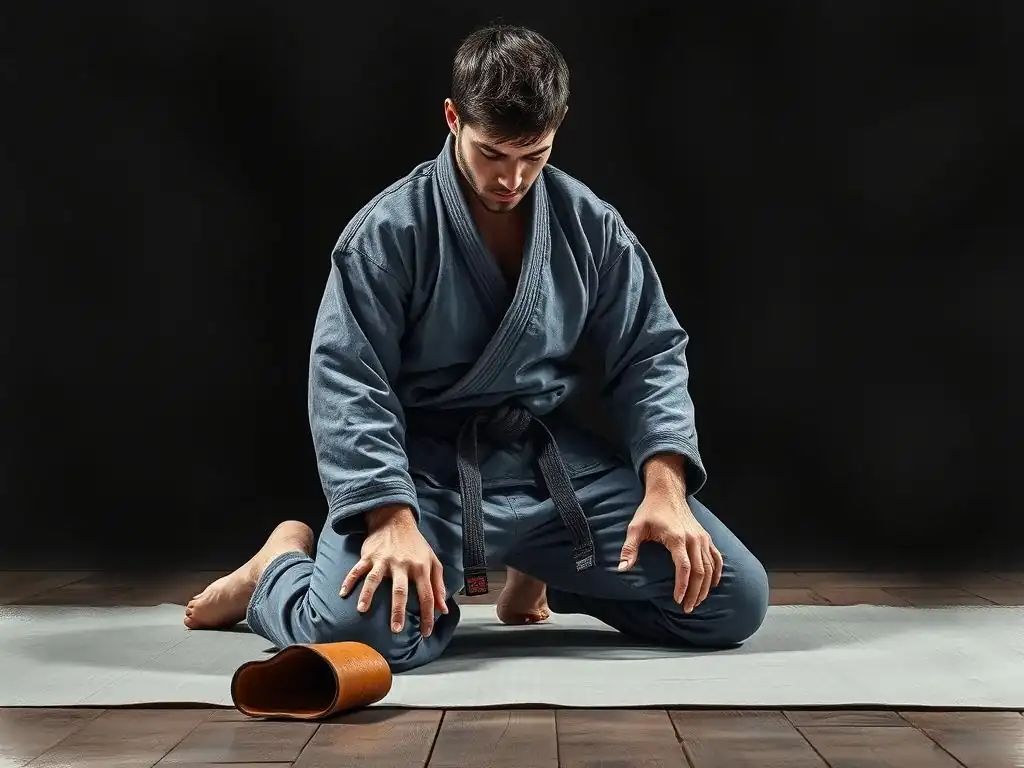
Once you have an idea of the weave you prefer, finding the correct fit is paramount for your first BJJ gi. A properly fitting gi is essential not only for comfort but also for performance and safety on the mat. A gi that is too large can become a hazard, getting caught during techniques and giving your opponent excessive material to grip. Conversely, a gi that is too small can restrict your movement, making techniques more difficult and potentially tearing under stress.
Understanding how a BJJ gi should fit and how to use size charts and measurements will significantly improve your training experience. IBJJF (International Brazilian Jiu-Jitsu Federation) competition rules also have specific requirements for gi dimensions (sleeve length, pant length, collar thickness, etc. ), which, while not immediately relevant for a beginner, inform the standard sizing used by most manufacturers. Aiming for a fit that is snug but not restrictive, with appropriate limb length, is key when selecting the best BJJ gi for beginners.
Gi Size Charts: Understanding Height and Weight Recommendations
BJJ gi manufacturers typically provide size charts that use height and weight ranges to recommend a size (e.g., A0, A1, A2, A3, etc.). These charts are a crucial starting point when choosing your first BJJ gi. For example, a size A2 might be recommended for someone roughly 5'6" to 5'10" (168-178 cm) tall and weighing 140 to 170 lbs (64-77 kg). However, these charts are general guidelines, and variations exist between brands.
It's important to consult the specific size chart provided by the brand you are considering, as their A2 might differ slightly from another brand's A2. If you fall between sizes, consider your build; if you are lean, you might size down, while a more muscular or broader build might necessitate sizing up. Reading reviews from other customers about the sizing accuracy of a particular brand can also be very helpful when trying to find the best BJJ gi for beginners in terms of fit.
The Importance of a Proper Gi Fit: Avoiding Restrictions and Enhancing Mobility
A well-fitting gi allows for maximum range of motion, which is critical in BJJ. Baggy sleeves or pants can get tangled or caught, hindering your ability to execute movements fluidly. Excess fabric around the torso can bunch up uncomfortably. A gi that is too tight, on the other hand, will restrict your ability to extend your limbs fully or move through positions like guard retention or transitions.
Moreover, a proper fit prevents your opponent from easily securing grips. Sleeves and pants that are too long provide ample material to grab, while a collar that is too loose makes it easy for collar chokes.
Conversely, sleeves and pants that are too short or a collar that is too tight would violate competition rules (though this is less of a concern for pure beginners) and can also be uncomfortable. Finding the right balance ensures the gi works with you, not against you, making your initial training sessions much more effective and enjoyable, contributing to the goal of finding the best BJJ gi for beginners.
Measuring Yourself for a BJJ Gi: A Step-by-Step Guide
While size charts are useful, taking your own measurements can provide a more accurate picture. You'll primarily need your height and weight, but also potentially your wingspan (for sleeve length) and inseam (for pant length).
- Height: Stand straight against a wall and mark your height.
- Weight: Use a reliable scale.
- Wingspan: Stand with arms outstretched parallel to the floor and measure from the tip of one middle finger to the tip of the other. Compare this to your height; if your wingspan is significantly different from your height, you might need to adjust sizing recommendations.
- Inseam: Measure from your crotch down to your ankle bone.
Compare these measurements to the brand's specific size chart. Some advanced charts might even provide gi measurements (jacket length, sleeve cuff to cuff, pant length, waist). If possible, try on a gi from the same brand (perhaps a teammate's or at a local gym/store) to get a feel for their sizing before purchasing, especially if you are buying online. This diligence helps ensure you select the best BJJ gi for beginners that fits correctly from day one.
Shrinkage Considerations: Pre-Shrunk vs. Unshrunk Gis
Gi fabric, especially cotton, is prone to shrinking, particularly when washed in hot water and dried in a hot dryer. Most modern gis are labeled as "pre-shrunk," meaning the fabric has been treated to reduce shrinkage. However, even pre-shrunk gis can still shrink a small amount, perhaps 1-3%. Unshrunk gis, while less common now, can shrink considerably more, sometimes up to 5-10% or even more depending on the fabric and care methods.
When buying a pre-shrunk gi, aim for a fit that is slightly loose but not excessively baggy, anticipating a small amount of shrinkage. If dealing with an unshrunk gi (less likely for a beginner model), you might need to size up, being very careful with washing and drying to control shrinkage. Always check the manufacturer's recommendations for care instructions, as following them closely is key to maintaining the gi's size and integrity. Understanding shrinkage is vital when choosing the best BJJ gi for beginners to ensure it continues to fit well after washing.
Understanding Gi Fit Terminology: Collar, Sleeves, Pants Length
When discussing gi fit, several specific areas are critical:
- Collar (Lapel): Should be thick enough to be durable but not excessively stiff or thin. It should lie relatively flat against your chest when closed.
- Sleeves: Should extend close to your wrists. IBJJF rules state sleeves must be within 5 cm of the wrist bone when the arm is extended straight. For training, slightly longer is fine, but overly long sleeves are a disadvantage.
- Pants Length: Should extend close to your ankle bone. IBJJF rules require pants to be within 5 cm of the ankle bone. Like sleeves, overly long pants are a gripping handle for opponents.
- Jacket Skirt: The bottom part of the jacket should reach roughly mid-thigh. Too long provides extra grip points; too short can expose your belt and be uncomfortable.
- Jacket Width: Should allow you to close the jacket comfortably without excessive overlap or pulling tightly across your back.
Paying attention to these specific points when trying on a gi or reviewing size charts will help you assess if it's the right fit. A gi that meets these criteria is likely to be comfortable and functional, serving as an excellent best BJJ gi for beginners as you start your training journey.
Top BJJ Gi Brands for Beginners: Quality and Reliability
The market for BJJ gis is vast, with dozens of brands offering various styles and price points. For a beginner, choosing a reputable brand known for quality, durability, and accurate sizing can simplify the decision-making process and ensure you get a reliable product. While premium brands catering to experienced competitors exist, several brands specifically offer excellent options that are well-suited as the best BJJ gi for beginners, balancing cost and performance effectively.
Let's look at a few brands frequently recommended for new practitioners due to their focus on durable, affordable, and comfortable gis designed for the demands of regular training. These brands understand the needs of someone just starting out and provide products that meet those requirements without an exorbitant price tag, making them strong contenders when searching for the best BJJ gi for beginners.
Sanabul: Offering Durable and Affordable Beginner Gis
Sanabul is a brand frequently recommended for beginners due to its focus on providing quality martial arts gear at accessible prices. Their Essentials Gi, for example, is widely considered one of the best BJJ gis for beginners. It typically features a lightweight pearl weave jacket (often around 400-450 GSM) and durable ripstop pants. This combination offers a good balance of comfort and resilience for initial training.
Sanabul gis are known for holding up well to regular washing and use, providing good value for their price point, which usually falls between $60 and $90. They generally adhere to standard sizing charts, making it relatively easy for beginners to find their size based on height and weight. While they might not have the premium feel or intricate designs of higher-end brands, their focus on solid construction and affordability makes Sanabul a go-to choice for many new BJJ students looking for a reliable first gi.
Hayabusa: High-Quality Gis with Focus on Comfort and Performance
Hayabusa is a well-regarded brand in the martial arts community, known for producing high-quality gear across various disciplines. While they offer premium gis, they also have models suitable for dedicated beginners or those willing to invest slightly more for enhanced comfort and durability. Hayabusa gis often feature carefully selected weaves, reinforced stitching, and attention to detail in construction.
Their gis, such as the Ultra Lightweight Pearl Weave Gi, are designed for performance and comfort, often utilizing fabrics that are both durable and soft. Prices for Hayabusa gis typically range from $120 to $200, positioning them in the mid-range to upper-mid-range category for beginner options. While a bit more expensive than some budget brands, the perceived quality and longevity can justify the cost for some. Their sizing is generally consistent, and the materials used are often pre-shrunk to minimize post-wash changes, contributing to their reputation as a contender for the best BJJ gi for beginners seeking quality.
Elite Sports: Budget-Friendly Options for Starting Your BJJ Journey
Elite Sports is another brand that caters effectively to the beginner market, offering very affordable gis that provide a low barrier to entry for starting BJJ. Their gis are designed with simplicity and cost-effectiveness in mind, making them a popular choice for those unsure about committing to a more expensive gi initially. Elite Sports gis often feature standard pearl weave or single weave construction.
With prices frequently under $80, Elite Sports gis are among the most budget-friendly options available. While the materials and construction might not be as refined as higher-priced brands, they are generally sufficient for a beginner attending class a few times a week. They offer a wide range of sizes and colors, making them accessible. For someone prioritizing the lowest possible initial investment to try out BJJ, an Elite Sports gi can certainly serve as a functional best BJJ gi for beginners, allowing them to save money for potential future upgrades.
Comparing Brands: Price, Durability, and Style
When comparing brands for the best BJJ gi for beginners, it's helpful to consider a few key factors:
- Price: Sanabul and Elite Sports offer excellent value in the $60-$100 range. Hayabusa sits higher at $120-$200+ but offers perceived higher quality.
- Durability: Double weaves (less common for beginners) are most durable. Among common beginner weaves, Pearl weave (used by all three brands) offers good durability. Brands like Hayabusa often use higher quality stitching and reinforcements which can enhance longevity.
- Comfort: Lighter weaves like single or pearl weave are generally more comfortable for beginners. Pre-shrunk fabrics and softer materials (often found in mid-range like Hayabusa) contribute to comfort.
- Style: While style is subjective, brands offer different cuts and color options. Beginners often prefer classic white, blue, or black gis, which are universally available. Sanabul and Elite Sports offer basic styles, while Hayabusa might have slightly more refined aesthetics.
Ultimately, the best BJJ gi for beginners from these brands (or others like Fuji, Venum, or Kingz, which also offer solid beginner options) depends on your budget and priorities. Sanabul and Elite Sports are great entry points, while Hayabusa offers a step up in quality for a higher price. Reading reviews specific to the model you're considering is always recommended.
Essential Features to Look for in Your First BJJ Gi
Beyond weave type and fit, several other features contribute to a gi's durability, comfort, and functionality. Paying attention to these details when selecting your first BJJ gi can make a significant difference in its lifespan and your overall training experience. These features are often indicators of the quality of construction and materials used, distinguishing a reliable best BJJ gi for beginners from a poorly made one.
From the stitching that holds the gi together to the material it's made from and even its color, these aspects play a role in how the gi performs and how long it lasts. Understanding what to look for helps ensure you invest in a gi that will withstand the rigors of training and comply with potential gym or competition requirements down the line.
Reinforced Stitching: Ensuring Gi Durability
BJJ training puts immense stress on the gi, especially at key points where opponents grip or where different panels of fabric are joined. High-quality gis, including the best BJJ gis for beginners, feature reinforced stitching in critical areas to prevent tears and increase durability. Look for extra rows of stitching (often three or four) on the cuffs of the sleeves and pants, the bottom hem of the jacket, and around the skirt splits.
Stress points like the armpits, crotch, and where the lapel is attached to the jacket body should also have reinforcement, often in the form of extra patches of fabric or dense stitching patterns. Checking these details before purchasing, either by inspecting the gi in person or looking for close-up photos and descriptions online, is a good practice. Durable stitching is perhaps the most important factor in a gi's longevity.
Gi Material: Cotton vs. Blends
The vast majority of BJJ gis are made from 100% cotton. Cotton is favored for its breathability, absorbency (important for sweat), and natural feel. Different weaves are simply different ways of knitting or weaving cotton threads. However, some gi pants, particularly lightweight ones, are made from a cotton/polyester blend, often referred to as ripstop.
While a full cotton gi is the standard, ripstop pants can be lighter and potentially faster drying. Some very lightweight jackets might also incorporate synthetic fibers, but these are less traditional and may not be as durable for BJJ gripping. For your first gi, sticking to a gi with a 100% cotton jacket (like pearl weave or single weave) and either cotton twill or ripstop pants is a safe bet. These materials are proven performers in BJJ and widely accepted.
Gi Color: Competition Regulations and Personal Preferences
BJJ gis come in a wide array of colors today, from traditional white, blue, and black to vibrant reds, greens, and even camouflage patterns. While personal preference plays a role, beginners should be aware of color restrictions, particularly if they plan to compete in the future. The IBJJF only allows white, royal blue, or black gis for competition.
Many gyms also have rules about gi color, sometimes requiring only traditional colors. For your first gi, choosing white, blue, or black is the safest option as it will be accepted almost anywhere and meets competition standards should you decide to compete later. White gis tend to show dirt and blood more easily but are often the most affordable.
Blue and black gis hide stains better but may fade over time. Ultimately, for a training gi, choose a color you like that is permitted by your academy, keeping in mind that the best BJJ gi for beginners in terms of versatility is often one of the traditional colors.
Gi Patches and Embroidery: Customization Options
Most gis come with some form of branding, whether woven labels, patches, or embroidery. Beginner gis often have minimal branding, which can be a plus if you plan to add your academy's patches. Patches are typically applied by sewing them onto the gi. Be aware that competition rules dictate where patches can be placed and their maximum size; consult the IBJJF rules if competition is a goal.
Some gis feature pre-applied patches or direct embroidery, which cannot be easily removed. If you want to customize your gi with your academy's logo or personal patches, consider a gi with minimal or easily removable branding. For a first gi, this is less critical than fit and durability, but it's something to keep in mind if customization is important to you down the line.
Caring for Your BJJ Gi: Extending its Lifespan
Proper care of your BJJ gi is essential for hygiene, maintaining its size and shape, and significantly extending its lifespan. A well-cared-for gi can last for years, even with frequent use, whereas a poorly maintained gi can quickly become smelly, damaged, and unusable. Establishing a good gi care routine from the start is just as important as choosing the right best BJJ gi for beginners.
Sweat and bacteria accumulate rapidly in the gi during training, making immediate and proper washing crucial. High heat from washing and drying is the primary cause of shrinkage and can also damage the fibers over time. By following simple best practices for washing, drying, and storing your gi, you can keep it clean, fresh, and in good condition, ensuring your investment lasts as long as possible.
Washing Your Gi: Proper Cleaning Techniques
The most important rule of gi care is to wash it immediately after every training session. Allowing a sweaty gi to sit in your gym bag is the fastest way to breed bacteria, leading to persistent odors and potential skin issues.
- Use Cold Water: Always wash your gi in cold water. Hot water can cause significant shrinkage, especially in cotton gis, and can also break down fibers over time, reducing the gi's lifespan.
- Use Mild Detergent: Use a standard, mild laundry detergent. Avoid using bleach, as it can weaken cotton fibers and damage the color of the gi. For stubborn odors, consider using a sports detergent or adding a cup of white vinegar to the wash cycle.
- Wash Separately: Wash your gi separately from other clothes, especially colored gis, as dye can run. Also, the gi fabric can be abrasive on other garments.
- Pre-Soaking: For heavy grime or odor, you can pre-soak the gi in a tub with cold water and vinegar for a few hours before washing.
Following these steps will help keep your best BJJ gi for beginners clean and minimize wear and tear from the washing process itself.
Drying Your Gi: Avoiding Shrinkage and Damage
How you dry your gi is just as critical as how you wash it, particularly when it comes to controlling shrinkage and preserving the fabric.
- Air Drying is Best: The ideal method for drying a BJJ gi is to hang it to air dry. Hang it on a sturdy hanger (the gi is heavy when wet) and allow it to dry completely in a well-ventilated area, away from direct sunlight (which can fade colors). This prevents shrinkage and is the gentlest method for the fabric.
- Avoid the Dryer: Using a hot dryer is strongly discouraged as it is the primary cause of significant gi shrinkage and can damage the fibers, leading to a shorter lifespan.
- Low Heat (If Necessary): If you absolutely must use a dryer due to time constraints, use the lowest heat setting possible or a 'tumble dry no heat' setting. Remove the gi while it is still slightly damp and hang it to finish drying. This is a last resort and should not be your regular drying method if you want your gi to last and maintain its fit.
Proper drying ensures your gi retains its size and shape, remaining the best BJJ gi for beginners in terms of fit over many training sessions.
Gi Storage: Keeping Your Gi Clean and Ready for Training
How you store your gi between training sessions also contributes to its overall condition and hygiene.
- Ensure it's Fully Dry: Never store a gi that is even slightly damp. Folding or hanging a damp gi can lead to mildew growth, resulting in stubborn odors and potential fabric damage. Ensure the gi is completely air-dried before storing.
- Hang or Fold Neatly: Once dry, the gi can be folded neatly or hung in a closet. Hanging is often preferred as it helps the gi retain its shape and prevents creases.
- Keep it Ventilated: Store your gi in a place with good air circulation. Avoid stuffing it into a cramped locker or gym bag for extended periods.
- Travel Storage: When traveling to and from the gym, use a breathable gi bag or simply carry it folded. Avoid leaving it crumpled in a non-breathable bag for hours after training.
Taking these simple steps for storage will keep your gi fresh and ready for your next class, complementing your efforts in finding the best BJJ gi for beginners.
BJJ Gi Cost Breakdown: What to Expect to Pay
The cost of a BJJ gi can vary significantly based on factors like the brand, weave type, material quality, and features. For beginners, understanding the typical price ranges can help set a budget and manage expectations. While you can find very cheap gis, investing a little more often results in a gi that fits better, is more durable, and enhances your training experience, representing a better overall value in the long run for the best BJJ gi for beginners.
Generally, gi prices can range from under $80 to over $200, sometimes even reaching $300+ for high-end, specialized models. For someone just starting BJJ, a gi in the entry-level to mid-range category is usually sufficient and provides a good balance of cost and quality. Let's break down what you can expect to pay at different price points.
Entry-Level Gi Prices: Budget Options for Beginners
Entry-level gis are designed to be affordable and accessible, typically priced between $60 and $100. These are often single weave or lightweight pearl weave gis (around 300-450 GSM) with basic features and minimal branding. Brands like Sanabul, Elite Sports, and some models from Fuji fall into this category.
These gis are perfectly adequate for someone attending class 1-3 times a week in their first few months or year. They provide a functional uniform that meets most gym requirements. While they may not be as durable as more expensive options or have the most refined fit or features, they offer excellent value and allow beginners to get started without a significant financial commitment. For many, the best BJJ gi for beginners will come from this price range.
Mid-Range Gi Prices: Balancing Quality and Affordability
Mid-range gis typically cost between $100 and $180. This category often features higher quality pearl weave gis (around 450-550 GSM), sometimes gold weave, with enhanced features like more robust reinforcement stitching, better quality cotton, and potentially more attention to cut and fit. Brands like Hayabusa, Kingz (some models), and Venum (some models) offer excellent options in this range.
Investing in a mid-range gi often means getting a gi that is noticeably more durable, potentially more comfortable, and holds its shape and size better after washing. These gis are suitable for beginners who are committed to training regularly (3+ times a week) and want a gi that will last longer than a basic entry-level model. They strike a good balance between cost and performance, making them a solid choice for the best BJJ gi for beginners who see themselves training consistently.
High-end gis are generally priced from $180 upwards, sometimes exceeding $300. These are often specialized gis featuring unique weaves (like heavier pearl weave, specific proprietary blends), premium materials (like high-quality Brazilian cotton), intricate designs, extensive reinforcement, and a focus on performance features desired by experienced competitors. Brands like Shoyoroll, Atama, and some models from Kingz, Venum, or Tatami fall into this category.
While these gis offer top-tier durability, comfort, and style, they are typically unnecessary and potentially less cost-effective for a brand new beginner. The benefits of these premium features are often only fully appreciated by more experienced practitioners who train very frequently or compete regularly. For your first gi, focusing on a reliable entry-level or mid-range option is usually the more practical choice, saving the investment in a high-end gi for when you have more experience and a clearer understanding of your preferences.
Factors Affecting Gi Cost: Weave, Brand, and Materials
Several factors contribute to the price difference between gis. The weave is a major factor, with single weaves being the least expensive, followed by pearl weave, gold weave, and double weave generally being the most expensive due to the amount of material and complexity of the weave. The quality of the cotton used also impacts cost; higher grades of cotton are softer and more durable.
The brand name itself significantly influences price, with established, premium brands commanding higher prices due to reputation, R&D, marketing, and perceived quality control. Features like extensive reinforcement, pre-shrunk fabric treatments, unique designs, and specialized construction techniques also add to the manufacturing cost and thus the retail price. When evaluating the cost of the best BJJ gi for beginners, consider which of these factors are most important for your needs and budget.
Essential Features to Look for in Your First BJJ Gi
Beyond weave type and fit, several other features contribute to a gi's durability, comfort, and functionality. Paying attention to these details when selecting your first BJJ gi can make a significant difference in its lifespan and your overall training experience. These features are often indicators of the quality of construction and materials used, distinguishing a reliable best BJJ gi for beginners from a poorly made one.
From the stitching that holds the gi together to the material it's made from and even its color, these aspects play a role in how the gi performs and how long it lasts. Understanding what to look for helps ensure you invest in a gi that will withstand the rigors of training and comply with potential gym or competition requirements down the line.
Reinforced Stitching: Ensuring Gi Durability
BJJ training puts immense stress on the gi, especially at key points where opponents grip or where different panels of fabric are joined. High-quality gis, including the best BJJ gis for beginners, feature reinforced stitching in critical areas to prevent tears and increase durability. Look for extra rows of stitching (often three or four) on the cuffs of the sleeves and pants, the bottom hem of the jacket, and around the skirt splits.
Stress points like the armpits, crotch, and where the lapel is attached to the jacket body should also have reinforcement, often in the form of extra patches of fabric or dense stitching patterns. Checking these details before purchasing, either by inspecting the gi in person or looking for close-up photos and descriptions online, is a good practice. Durable stitching is perhaps the most important factor in a gi's longevity.
Gi Material: Cotton vs. Blends
The vast majority of BJJ gis are made from 100% cotton. Cotton is favored for its breathability, absorbency (important for sweat), and natural feel. Different weaves are simply different ways of knitting or weaving cotton threads. However, some gi pants, particularly lightweight ones, are made from a cotton/polyester blend, often referred to as ripstop.
While a full cotton gi is the standard, ripstop pants can be lighter and potentially faster drying. Some very lightweight jackets might also incorporate synthetic fibers, but these are less traditional and may not be as durable for BJJ gripping. For your first gi, sticking to a gi with a 100% cotton jacket (like pearl weave or single weave) and either cotton twill or ripstop pants is a safe bet. These materials are proven performers in BJJ and widely accepted.
Gi Color: Competition Regulations and Personal Preferences
BJJ gis come in a wide array of colors today, from traditional white, blue, and black to vibrant reds, greens, and even camouflage patterns. While personal preference plays a role, beginners should be aware of color restrictions, particularly if they plan to compete in the future. The IBJJF only allows white, royal blue, or black gis for competition.
Many gyms also have rules about gi color, sometimes requiring only traditional colors. For your first gi, choosing white, blue, or black is the safest option as it will be accepted almost anywhere and meets competition standards should you decide to compete later. White gis tend to show dirt and blood more easily but are often the most affordable.
Blue and black gis hide stains better but may fade over time. Ultimately, for a training gi, choose a color you like that is permitted by your academy, keeping in mind that the best BJJ gi for beginners in terms of versatility is often one of the traditional colors.
Gi Patches and Embroidery: Customization Options
Most gis come with some form of branding, whether woven labels, patches, or embroidery. Beginner gis often have minimal branding, which can be a plus if you plan to add your academy's patches. Patches are typically applied by sewing them onto the gi. Be aware that competition rules dictate where patches can be placed and their maximum size; consult the IBJJF rules if competition is a goal.
Some gis feature pre-applied patches or direct embroidery, which cannot be easily removed. If you want to customize your gi with your academy's logo or personal patches, consider a gi with minimal or easily removable branding. For a first gi, this is less critical than fit and durability, but it's something to keep in mind if customization is important to you down the line.
Caring for Your BJJ Gi: Extending its Lifespan
Proper care of your BJJ gi is essential for hygiene, maintaining its size and shape, and significantly extending its lifespan. A well-cared-for gi can last for years, even with frequent use, whereas a poorly maintained gi can quickly become smelly, damaged, and unusable. Establishing a good gi care routine from the start is just as important as choosing the right best BJJ gi for beginners.
Sweat and bacteria accumulate rapidly in the gi during training, making immediate and proper washing crucial. High heat from washing and drying is the primary cause of shrinkage and can also damage the fibers over time. By following simple best practices for washing, drying, and storing your gi, you can keep it clean, fresh, and in good condition, ensuring your investment lasts as long as possible.
Washing Your Gi: Proper Cleaning Techniques
The most important rule of gi care is to wash it immediately after every training session. Allowing a sweaty gi to sit in your gym bag is the fastest way to breed bacteria, leading to persistent odors and potential skin issues.
- Use Cold Water: Always wash your gi in cold water. Hot water can cause significant shrinkage, especially in cotton gis, and can also break down fibers over time, reducing the gi's lifespan.
- Use Mild Detergent: Use a standard, mild laundry detergent. Avoid using bleach, as it can weaken cotton fibers and damage the color of the gi. For stubborn odors, consider using a sports detergent or adding a cup of white vinegar to the wash cycle.
- Wash Separately: Wash your gi separately from other clothes, especially colored gis, as dye can run. Also, the gi fabric can be abrasive on other garments.
- Pre-Soaking: For heavy grime or odor, you can pre-soak the gi in a tub with cold water and vinegar for a few hours before washing.
Following these steps will help keep your best BJJ gi for beginners clean and minimize wear and tear from the washing process itself.
Drying Your Gi: Avoiding Shrinkage and Damage
How you dry your gi is just as critical as how you wash it, particularly when it comes to controlling shrinkage and preserving the fabric.
- Air Drying is Best: The ideal method for drying a BJJ gi is to hang it to air dry. Hang it on a sturdy hanger (the gi is heavy when wet) and allow it to dry completely in a well-ventilated area, away from direct sunlight (which can fade colors). This prevents shrinkage and is the gentlest method for the fabric.
- Avoid the Dryer: Using a hot dryer is strongly discouraged as it is the primary cause of significant gi shrinkage and can damage the fibers, leading to a shorter lifespan.
- Low Heat (If Necessary): If you absolutely must use a dryer due to time constraints, use the lowest heat setting possible or a 'tumble dry no heat' setting. Remove the gi while it is still slightly damp and hang it to finish drying. This is a last resort and should not be your regular drying method if you want your gi to last and maintain its fit.
Proper drying ensures your gi retains its size and shape, remaining the best BJJ gi for beginners in terms of fit over many training sessions.
Gi Storage: Keeping Your Gi Clean and Ready for Training
How you store your gi between training sessions also contributes to its overall condition and hygiene.
- Ensure it's Fully Dry: Never store a gi that is even slightly damp. Folding or hanging a damp gi can lead to mildew growth, resulting in stubborn odors and potential fabric damage. Ensure the gi is completely air-dried before storing.
- Hang or Fold Neatly: Once dry, the gi can be folded neatly or hung in a closet. Hanging is often preferred as it helps the gi retain its shape and prevents creases.
- Keep it Ventilated: Store your gi in a place with good air circulation. Avoid stuffing it into a cramped locker or gym bag for extended periods.
- Travel Storage: When traveling to and from the gym, use a breathable gi bag or simply carry it folded. Avoid leaving it crumpled in a non-breathable bag for hours after training.
Taking these simple steps for storage will keep your gi fresh and ready for your next class, complementing your efforts in finding the best BJJ gi for beginners.
BJJ Gi Cost Breakdown: What to Expect to Pay
The cost of a BJJ gi can vary significantly based on factors like the brand, weave type, material quality, and features. For beginners, understanding the typical price ranges can help set a budget and manage expectations. While you can find very cheap gis, investing a little more often results in a gi that fits better, is more durable, and enhances your training experience, representing a better overall value in the long run for the best BJJ gi for beginners.
Generally, gi prices can range from under $80 to over $200, sometimes even reaching $300+ for high-end, specialized models. For someone just starting BJJ, a gi in the entry-level to mid-range category is usually sufficient and provides a good balance of cost and quality. Let's break down what you can expect to pay at different price points.
Entry-Level Gi Prices: Budget Options for Beginners
Entry-level gis are designed to be affordable and accessible, typically priced between $60 and $100. These are often single weave or lightweight pearl weave gis (around 300-450 GSM) with basic features and minimal branding. Brands like Sanabul, Elite Sports, and some models from Fuji fall into this category.
These gis are perfectly adequate for someone attending class 1-3 times a week in their first few months or year. They provide a functional uniform that meets most gym requirements. While they may not be as durable as more expensive options or have the most refined fit or features, they offer excellent value and allow beginners to get started without a significant financial commitment. For many, the best BJJ gi for beginners will come from this price range.
Mid-Range Gi Prices: Balancing Quality and Affordability
Mid-range gis typically cost between $100 and $180. This category often features higher quality pearl weave gis (around 450-550 GSM), sometimes gold weave, with enhanced features like more robust reinforcement stitching, better quality cotton, and potentially more attention to cut and fit. Brands like Hayabusa, Kingz (some models), and Venum (some models) offer excellent options in this range.
Investing in a mid-range gi often means getting a gi that is noticeably more durable, potentially more comfortable, and holds its shape and size better after washing. These gis are suitable for beginners who are committed to training regularly (3+ times a week) and want a gi that will last longer than a basic entry-level model. They strike a good balance between cost and performance, making them a solid choice for the best BJJ gi for beginners who see themselves training consistently.
High-end gis are generally priced from $180 upwards, sometimes exceeding $300. These are often specialized gis featuring unique weaves (like heavier pearl weave, specific proprietary blends), premium materials (like high-quality Brazilian cotton), intricate designs, extensive reinforcement, and a focus on performance features desired by experienced competitors. Brands like Shoyoroll, Atama, and some models from Kingz, Venum, or Tatami fall into this category.
While these gis offer top-tier durability, comfort, and style, they are typically unnecessary and potentially less cost-effective for a brand new beginner. The benefits of these premium features are often only fully appreciated by more experienced practitioners who train very frequently or compete regularly. For your first gi, focusing on a reliable entry-level or mid-range option is usually the more practical choice, saving the investment in a high-end gi for when you have more experience and a clearer understanding of your preferences.
Factors Affecting Gi Cost: Weave, Brand, and Materials
Several factors contribute to the price difference between gis. The weave is a major factor, with single weaves being the least expensive, followed by pearl weave, gold weave, and double weave generally being the most expensive due to the amount of material and complexity of the weave. The quality of the cotton used also impacts cost; higher grades of cotton are softer and more durable.
The brand name itself significantly influences price, with established, premium brands commanding higher prices due to reputation, R&D, marketing, and perceived quality control. Features like extensive reinforcement, pre-shrunk fabric treatments, unique designs, and specialized construction techniques also add to the manufacturing cost and thus the retail price. When evaluating the cost of the best BJJ gi for beginners, consider which of these factors are most important for your needs and budget.
Conclusion: Selecting the Right BJJ Gi to Start Your Martial Arts Journey
Choosing your first BJJ gi is an important step in your Brazilian Jiu-Jitsu journey. It's about finding a uniform that is comfortable, durable, and functional, allowing you to focus on learning techniques and enjoying your time on the mat. While the options might seem overwhelming at first, understanding the basics of gi weaves, prioritizing a proper fit, and selecting a reputable brand known for quality beginner gis will greatly simplify the process.
Focus on finding a gi that is a good balance of durability for regular training and comfort. A pearl weave gi is often cited as the best BJJ gi for beginners due to its versatility and widespread availability across various price points. Pay close attention to size charts, measure yourself carefully, and consider shrinkage when making your choice. Remember that proper care will significantly extend the life of your gi. By taking these factors into account, you can confidently select the best BJJ gi for beginners that will serve you well as you begin your martial arts mastery.
Frequently Asked Questions
What is a BJJ gi and why is it important for beginners?
A BJJ gi is a uniform worn for Brazilian Jiu-Jitsu. It's important for beginners because it provides gripping points for techniques and allows for realistic training scenarios. It also helps develop essential control and leverage.
What are the different types of BJJ gi weaves, and which is best for a beginner?
Common weaves include single, double, and gold weave. For beginners, a single weave gi is generally recommended due to its lighter weight and lower cost, making it more comfortable and affordable for starting out.
How should a BJJ gi fit properly?
A gi should fit comfortably, allowing for a full range of motion. The sleeves should end near the wrist bone, and the pants should reach the ankle. Avoid gis that are too baggy, as they provide an advantage to your opponent, or too tight, which restricts movement.
Which BJJ gi brands are recommended for beginners, and why?
Brands like Sanabul, Elite Sports, and Fuji are often recommended for beginners. They offer affordable, durable gis that are suitable for training without breaking the bank. They also tend to have consistent sizing.
What factors should I consider when choosing my first BJJ gi, besides weave and brand?
Consider the material (cotton or blends), the reinforcement in key areas (knees, lapels), and the IBJJF legality if you plan to compete. Also, think about the color and design to ensure it aligns with your preferences and gym regulations.
Final Reflection: Embracing the Journey on the Mat
The journey of Brazilian Jiu-Jitsu begins with a single step, and often, that step is choosing your first gi. This seemingly simple decision, however, is a gateway to a world of discipline, self-discovery, and community. Understanding the nuances of weaves, fit, and brands is not just about acquiring a uniform; it's about investing in your own potential and preparing yourself for the challenges and rewards that lie ahead.
The impact of a well-chosen gi extends far beyond the mat. It becomes a symbol of dedication, a tangible representation of the commitment to learning and growth. The feeling of putting on that gi, knowing you're about to test your limits and refine your skills, is a powerful motivator. The journey of a thousand miles begins with a single step.
This ancient proverb resonates deeply with the experience of starting BJJ, and choosing the right gi is that crucial first step.
Now, armed with the knowledge of weaves, fits, and brands, it's your turn to embark on this exciting adventure. Don't be afraid to ask questions, seek advice from experienced practitioners, and ultimately, trust your instincts. The perfect gi is out there waiting for you, ready to accompany you on your journey to becoming a skilled and confident martial artist. Step onto the mat, embrace the challenge, and discover the transformative power of Brazilian Jiu-Jitsu.
Ignite Your Jiu-Jitsu Journey Now!
Thanks for diving into the world of BJJ Gis! We hope this guide has armed you with the knowledge to make the perfect choice for your first Gi. Now, let’s get you on the mats!
- Hit the mats! Sign up for a trial class at a local BJJ academy. Don't wait – the best way to experience BJJ is to jump right in.
- Explore different Gi styles by browsing online retailers like Amazon, Fighter's Market, or MMA Warehouse. Compare weaves, cuts, and reviews to fine-tune your ideal choice.
- Share your Gi-buying experience! Post a photo of your new Gi on social media with the hashtag #MartialArtsMasteryGi and tell us why you chose it!
Ready to roll? What are you most excited about learning on the mats in your new Gi?