
Precision Training, Accelerated Progress: Essential Martial Arts Software for Detailed Logs, Custom Timers & Technique Refinement

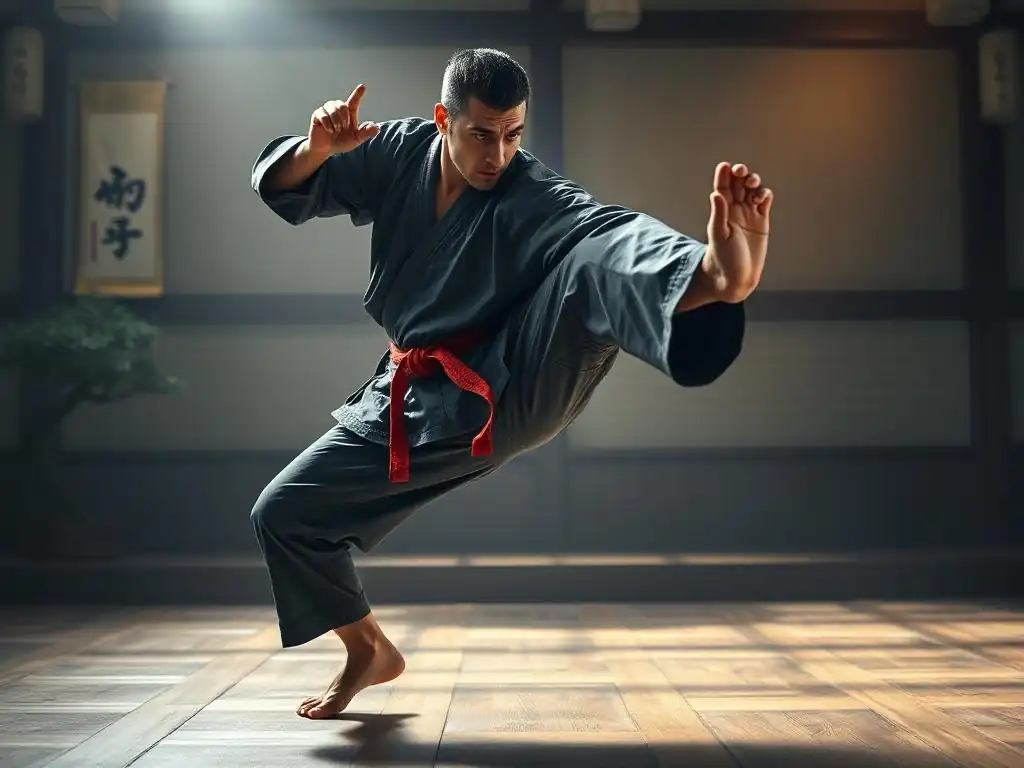
Welcome to Martial Arts Mastery, your comprehensive resource for delving deep into the world of combat disciplines!
Discover how innovative martial arts training software can revolutionize your practice, offering unprecedented precision and accelerated progress. But is it right for you? Explore our detailed analysis and unlock the secrets to leveraging technology for peak performance. Prepare to refine your techniques and elevate your training regimen!
- The Best Martial Arts Training Software Options for 2024
- Choosing the Right Martial Arts Software for Your Needs
- Level Up Your Training with Martial Arts Software
-
Frequently Asked Questions
- How can martial arts training software help me track my progress?
- What are the key features to look for in martial arts training software?
- Can martial arts training software help me refine my techniques?
- Is martial arts training software suitable for all martial arts disciplines?
- How does martial arts training software differ from generic fitness trackers?
- Final Reflection: Mastering the Journey, One Byte at a Time
- Unlock Your Potential: Start Mastering Every Move Today!
The Best Martial Arts Training Software Options for 2024
Selecting the right martial arts training software can significantly impact both individual progress and the efficiency of an academy. In 2024, the market offers a range of solutions catering to different needs, from comprehensive studio management to specialized tools for tracking personal development. These platforms leverage technology to streamline administrative tasks, enhance communication, and provide powerful analytics for optimizing training methodologies. Choosing the appropriate software depends on factors like the size of the school, specific training requirements, budget, and desired features like detailed logging, custom timers, or member engagement tools.
The landscape of martial arts training software is constantly evolving, with new features designed to meet the unique demands of disciplines ranging from Karate and Taekwondo to Jiu-Jitsu and Krav Maga. Many platforms initially built for general fitness or gym management have developed specialized functionalities or integrations relevant to martial arts academies, including belt tracking, attendance management for specific classes (like beginner judo or advanced striking), and curriculum planning. This focus on niche requirements makes it easier for instructors and practitioners to find software that truly supports their specific martial arts journey or business operations.
Option 1: Zen Planner - The Comprehensive Studio Management Solution
Zen Planner is widely recognized as a robust, all-in-one software solution primarily aimed at martial arts school owners and fitness businesses. While it excels at managing the administrative complexities of running an academy – handling memberships, billing, scheduling, and communication – it also offers features that directly benefit the training process by providing structure and data for instructors and potentially students. Its strength lies in integrating various operational aspects into a single platform, making it a powerful tool for academies looking to professionalize their management while indirectly supporting training consistency through better organization.
This platform serves as the digital backbone for many martial arts schools, automating tasks that previously consumed significant administrative time. For example, a medium-sized Taekwondo school managing 150 active students might use Zen Planner to automate over 90% of their monthly billing process, freeing up staff to focus on student interaction and class quality. The ability to track attendance per class type – perhaps noting which students regularly attend sparring sessions versus forms practice – provides instructors with insights into student dedication and interests, which can inform training plans and feedback.
Detailed Training Logs with Zen Planner
While not its primary focus, Zen Planner can be configured to support detailed training logs, particularly from an instructor or management perspective. The system allows for tracking student progress through belt ranks or levels, noting when specific techniques or requirements have been met. This acts as a form of macro-level training log, ensuring students are progressing through the established curriculum at an appropriate pace. An instructor can quickly pull up a student's profile to see their attendance history and notes on their performance during grading assessments over the past year.
Beyond rank tracking, some academies utilize the system's member notes or custom fields to add specific observations about a student's training, such as "Needs improvement on basic stances" or "Excellent progress on breakfalls in the last month." Although it might lack the granular detail of a personal training log app tracking individual reps or specific drills, this functionality provides a valuable institutional memory of student development. For instance, an instructor preparing a student for their green belt test could review notes from their previous grading to identify areas that required focus, ensuring a more targeted training approach.
Custom Timers for Class Management
Zen Planner includes scheduling and class management features that, while not traditional interval timers for individual workouts, are essential for structuring training sessions within an academy setting. Instructors can set up recurring class schedules with precise start and end times, ensuring that training sessions adhere to a planned duration. This structure is fundamental for managing multiple classes throughout the day and maintaining punctuality.
Furthermore, within a class entry, instructors can add notes or attach documents outlining the session's plan, including approximate time allocations for warm-ups, technique drills, sparring rounds, and cool-downs. While it doesn't beep or guide timing during the class itself like a dedicated timer app, the scheduling function ensures the overall training block is managed effectively. For example, a Jiu-Jitsu academy running back-to-back classes can rely on Zen Planner's schedule to ensure the beginner class finishes promptly at 7:00 PM, allowing the advanced class focused on live rolling (sparring) to start without delay.
Technique Refinement and Video Integration
Zen Planner's core functionality does not typically include direct tools for technique refinement through video analysis. However, some martial arts schools integrate third-party video platforms or cloud storage solutions and link to them within Zen Planner's member profiles or class notes sections. This allows instructors to manage administrative tasks in Zen Planner while referencing external resources used for technique breakdown.
An instructor might upload instructional videos of specific forms or sparring drills to a platform like YouTube or Vimeo and then link these resources within the curriculum notes in Zen Planner for relevant student groups. While the software itself doesn't host or analyze video, its ability to organize student data and curriculum information provides a framework where external technique resources can be referenced.
For example, when a student is preparing for their next belt test, the instructor might update their Zen Planner profile with a note linking to a video demonstrating the specific kata or sequence required, facilitating focused practice outside of class time.
Option 2: Virtuagym - Specializing in Member Engagement and Retention
Virtuagym is a comprehensive software suite that focuses strongly on community building, member engagement, and providing a personalized training experience. While initially popular in the gym and fitness studio market, its adaptable features make it a viable martial arts training software option for schools looking to boost student motivation, track progress collaboratively, and foster a strong sense of community. Its emphasis on client-facing features, including a dedicated mobile app, sets it apart by directly involving students in their training journey.
This platform excels at keeping students connected and motivated outside of scheduled class times. Features like community forums, challenge creation, and personalized workout plans delivered via the app encourage regular interaction and practice. A Karate dojo using Virtuagym might create a "30-Day Stance Challenge" within the app, encouraging students to log daily practice and share their progress, leading to increased engagement and potentially improving technique retention by an estimated 10-15% among participating members.
Comprehensive Progress Monitoring with Virtuagym
Virtuagym offers robust tools for tracking member progress, which can be highly valuable in a martial arts context. Instructors or students themselves can log various metrics, from physical measurements and fitness test results (like push-ups, sit-ups, or flexibility) to tracking completion of specific drills or forms. The platform's mobile app makes it convenient for students to record training details immediately after a session.
The system allows for visual representation of progress over time through graphs and charts, making it easy for students to see their improvements. For instance, a student training for a BJJ competition could use Virtuagym to log the duration and intensity of their conditioning workouts, track their weight, and record the number of rounds sparred each week. Reviewing charts showing an increase in sparring rounds per week or a decrease in body fat percentage provides tangible proof of their hard work, serving as a powerful motivator.
Goal Setting and Achievement Tracking
A key feature of Virtuagym is its comprehensive goal-setting functionality, which aligns well with the structured progression inherent in martial arts. Instructors or students can set specific, measurable, achievable, relevant, and time-bound (SMART) goals within the platform, such as "Achieve Blue Belt in 12 months," "Improve front kick height by 6 inches," or "Attend 3 classes per week consistently for one quarter."
The software allows these goals to be broken down into smaller milestones or linked to specific activities logged in the system. As students log training sessions or complete assessments, they can see their progress towards their defined goals, fostering a sense of accomplishment and direction. For example, a student aiming for their first stripe in Muay Thai might set a goal to master five specific clinch techniques; they could then use the logging feature to mark when they have successfully performed each technique during practice, tracking their mastery over several weeks.
Integration with Fitness Trackers and Wearables
Virtuagym stands out with its ability to integrate with a wide range of popular fitness trackers and wearable devices, such as Fitbit, Garmin, and Apple Health. This integration allows for the automatic syncing of activity data, providing a more holistic view of a student's physical activity levels beyond just their time spent in the dojo. While raw step counts might not directly reflect martial arts skill, metrics like heart rate during training or overall activity calories burned can offer insights into fitness and recovery.
By syncing data from wearables, students and instructors can gain a better understanding of training intensity and consistency. For example, a student wearing a fitness tracker during a high-intensity sparring session might see their heart rate peak at 180 bpm, confirming the demanding nature of the activity. Over time, tracking heart rate recovery or consistent activity levels on non-training days can provide valuable data points for optimizing performance and preventing overtraining, although direct skill-based metrics still require manual input or instructor assessment.
Option 3: Glofox - Focus on Marketing and Business Growth for Martial Arts Schools
Glofox is another powerful martial arts training software option that heavily emphasizes streamlining business operations, particularly in areas like marketing, sales, and member retention. While its core strength lies in managing the academy's business side, its features for scheduling, communication, and membership management directly impact the student experience and can indirectly facilitate more focused and efficient training environments. It provides tools for school owners to grow their student base while managing their existing members effectively.
This platform is designed to help martial arts schools attract new students and keep existing ones engaged. Its marketing features, such as lead tracking and automated email campaigns, can help a new Hapkido school acquire its first 50 students within a few months. For current members, features like easy online booking and push notifications for class updates ensure students stay informed and can consistently attend training sessions, which is crucial for skill development.
Streamlined Student Management for Martial Arts Instructors
Glofox offers intuitive tools for managing student profiles, memberships, attendance, and communication, significantly reducing the administrative burden on martial arts instructors and staff. Instructors can easily view class rosters, mark attendance electronically, and access student contact information and membership status from a mobile device or desktop. This efficiency ensures that less time is spent on paperwork and more time is dedicated to teaching and training.
The system allows for detailed student profiles, including emergency contacts, relevant medical information, and notes on student progress or specific needs. For an instructor teaching a large kids' Judo class (say, 30+ students), being able to quickly access a student's allergy information or a note about a recent injury directly from the attendance screen before class begins is invaluable for ensuring safety and tailoring instruction appropriately. This streamlined management frees up mental energy that can be redirected towards observing and coaching students during training.
Custom Training Plans and Curriculum Design
While not a dedicated technique library, Glofox allows martial arts schools to structure their offerings and curriculum within the platform. Academies can create different membership types corresponding to specific programs (e.g., Kids Karate, Adult BJJ, Advanced Striking) and link these to specific classes and attendance rules. This provides a clear structure for students navigating the academy's offerings.
Some schools utilize the platform's ability to add notes or descriptions to classes and membership levels to outline curriculum components or training expectations. For example, the description for an "Intermediate Taekwondo" class might list the forms (poomsae) and breaking techniques that will be covered during the term. Although it doesn't provide detailed individual training plans per student, it helps standardize the curriculum delivered across different classes and instructors, ensuring consistency in training quality.
Performance Analysis and Feedback Tools
Glofox provides performance analysis primarily from a business perspective, tracking metrics like class attendance rates, membership retention, and revenue. However, these metrics can indirectly inform training decisions. For instance, if attendance for advanced sparring classes consistently drops, the academy might analyze if the class time is inconvenient or if the training content needs adjustment to re-engage students.
While it lacks built-in tools for detailed individual student performance feedback on techniques, the platform's communication features can be used by instructors to send personalized messages or updates to students. An instructor might use the Glofox app to send a quick message to a student after class complimenting their improved footwork or suggesting a specific drill to practice before the next session. This direct communication, facilitated by the software, supports student development and reinforces the instructor-student relationship.
Choosing the Right Martial Arts Software for Your Needs

Selecting the optimal martial arts training software requires careful consideration of your specific circumstances, whether you are an individual practitioner or managing an entire academy. The features offered vary significantly between platforms, and what works perfectly for a large commercial dojo might be overkill or insufficient for a small, traditional school or a solo martial artist training at home. Identifying your primary goals – be it detailed personal progress tracking, efficient business management, or enhancing student engagement – is the first critical step in narrowing down the options available.
Furthermore, consider the type of martial art you practice or teach. Some software might be better suited for striking arts with structured classes and belt systems, while others might be more adaptable for grappling arts that involve extensive sparring logs or physical conditioning tracking. Don't just look at the features list; think about how you would actually use the software in your daily training or business operations. A platform with a complex interface might offer many features but could be impractical if it's not user-friendly for you or your students/staff.
Consider Your Training Style and Goals
Your personal training style and ultimate goals should heavily influence your choice of martial arts training software. Are you focused on breaking down techniques frame-by-frame and need robust video analysis capabilities? Or is your priority tracking physical conditioning metrics like strength gains, endurance, and flexibility? Perhaps you are working towards a specific rank and need software that helps you monitor your progress against a defined curriculum.
If you are an instructor or school owner, your goals might revolve around improving student retention, streamlining belt testing processes, or managing complex class schedules. A software solution offering detailed attendance tracking and automated reminders for upcoming gradings might be more valuable than one focused solely on individual workout logging.
Assess which aspects of training or management you want to enhance and look for software with strong features in those specific areas. For example, a school aiming to improve student attendance might prioritize software with excellent communication tools and push notifications, while a competitive dojo might value software that allows detailed tracking of sparring performance metrics.
Evaluate Your Budget and Technical Proficiency
Martial arts training software solutions come in a wide range of pricing tiers, from free or low-cost apps for individual use to comprehensive, subscription-based platforms costing hundreds or even thousands of dollars per month for large academies. It's crucial to determine a realistic budget based on your needs and resources. Don't overspend on features you won't use, but also be wary of choosing a free solution that lacks essential functionality or provides poor support.
Consider your own or your staff's technical proficiency. Is the software intuitive and easy to learn, or will it require significant training? Look for platforms that offer good customer support, tutorials, and onboarding assistance. A user-friendly interface is key to ensuring that the software is actually used effectively, rather than becoming another unused tool. Many providers offer demonstrations or sales calls where you can see the software in action and ask questions relevant to your specific martial art or school setup.
Try Before You Buy: Free Trials and Demos
Almost all reputable providers of martial arts training software offer free trials or personalized demos. Taking advantage of these opportunities is perhaps the most important step in the selection process. A demo allows you to see the software's core features and interface guided by a representative who can answer your specific questions about its applicability to martial arts.
A free trial gives you hands-on experience with the platform, allowing you to test its features with your own data or simulated scenarios. Can you easily set up your class schedule? Is the process for adding a new student straightforward? Can you generate the reports you need?
Does the mobile app work well for students? Testing the software in a real-world context for a week or two can reveal potential issues or confirm its suitability far better than reading feature lists alone. Don't commit to a long-term contract until you are confident the software meets your needs and is a good fit for your training environment.
Level Up Your Training with Martial Arts Software
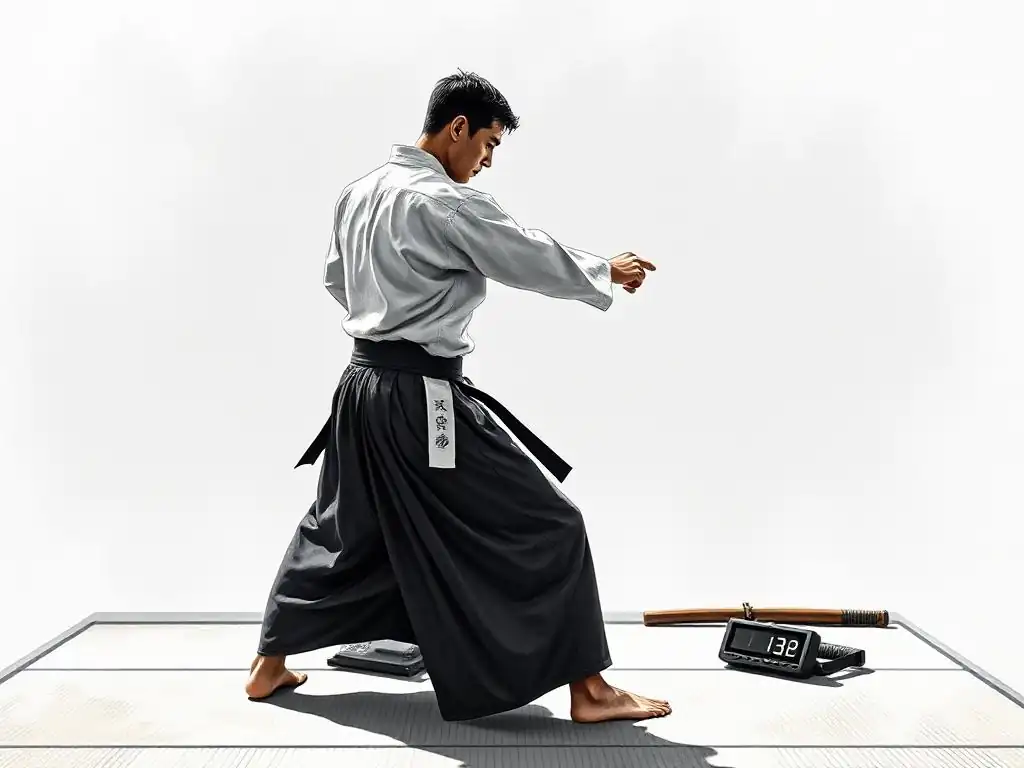
Embracing martial arts training software is a strategic move for anyone serious about progress, whether you're a dedicated student refining your technique or a school owner managing dozens or hundreds of practitioners. These digital tools provide structure, data, and efficiency that traditional methods often lack. By leveraging features like detailed training logs, customizable timers, and integrated communication, martial artists can gain deeper insights into their performance, identify areas for improvement with precision, and stay motivated through tangible progress tracking.
For academies, the right software for martial arts training transforms administrative chaos into streamlined operations, freeing up instructors to focus on what they do best: teaching. Efficient student management, automated billing, and enhanced communication tools contribute to a healthier business and a more engaged student body. Ultimately, integrating martial arts training software isn't just about using technology; it's about applying modern tools to the timeless pursuit of mastery, enabling accelerated learning and fostering a stronger, more connected martial arts community.
Frequently Asked Questions
How can martial arts training software help me track my progress?
Martial arts training software allows you to log your workouts, track your performance metrics over time, and visualize your improvement in specific techniques. This provides concrete data to guide your training.
What are the key features to look for in martial arts training software?
Essential features include detailed workout logs, customizable timers for drills, a technique database for recording and reviewing, and potentially video analysis tools.
Can martial arts training software help me refine my techniques?
Yes, many platforms allow you to record videos of your performance, analyze them frame-by-frame, and compare your technique to established standards or instructors' demonstrations.
Is martial arts training software suitable for all martial arts disciplines?
Generally, yes. While some software may be tailored toward specific arts, the core functionalities of logging training, setting timers, and analyzing techniques are applicable across most disciplines.
How does martial arts training software differ from generic fitness trackers?
Martial arts training software is specifically designed for martial arts, offering features like technique-specific logging, customizable timers for sparring rounds, and the ability to track progress on specific forms or katas.
Final Reflection: Mastering the Journey, One Byte at a Time
The journey of martial arts, traditionally steeped in ancient wisdom and rigorous physical discipline, finds a powerful ally in modern technology. This fusion of tradition and innovation, exemplified by martial arts training software, is not merely a trend, but a fundamental shift in how we approach skill development and personal growth. It allows for a level of precision and analysis previously unimaginable, empowering practitioners to accelerate their progress and refine their techniques with unprecedented detail.
The impact of this technological integration extends beyond the dojo, influencing how we approach learning and self-improvement in all aspects of life. The ability to track progress, analyze performance, and tailor training regimens fosters a deeper understanding of ourselves and our capabilities. It encourages a mindset of continuous improvement and a commitment to excellence. The journey of a thousand miles begins with a single step.
This ancient proverb resonates deeply with the application of martial arts software, as each logged session, timed drill, and refined technique contributes to a larger, more meaningful transformation.
As you step off the mat and back into your daily life, consider the lessons learned from embracing precision training. How can you apply the principles of detailed tracking, customized timing, and relentless refinement to your own personal and professional pursuits? Embrace the power of data, the value of personalized strategies, and the unwavering pursuit of excellence. Let the spirit of martial arts, now amplified by technology, guide you towards achieving your fullest potential.
Unlock Your Potential: Start Mastering Every Move Today!
Thanks for exploring how martial arts software can revolutionize your training! Now that you've learned how to track progress and refine your techniques, it's time to put that knowledge into action.
Here's how you can take the next step:
- Dive into a free trial of Martial Arts Mastery and experience the difference detailed tracking makes.
- Share this article with your training partners and spark a discussion on optimizing your collective progress.
- Experiment with creating your own custom drills and timers to push beyond your current limits and document the results to compare your performance metrics over time.
What specific technique are you most excited to analyze and improve with these new tools?