
The Interplay of Virtues: How Respect and Humility Build a Moral Warrior


Welcome to Martial Arts Mastery, your gateway to unlocking the profound wisdom and power within martial arts.
Delve into the philosophical heart of the warrior spirit as we explore the crucial role of respectful humility in shaping not just skilled fighters, but truly moral individuals. Discover how these virtues, often overlooked, are the very bedrock upon which authentic martial arts mastery is built, and begin to understand how they transform training from mere physical exertion into a journey of profound personal growth. Intrigued? Uncover the secrets that lie within...
- The Interplay of Virtues: How Discipline and Perseverance Forge a Champion
- Introduction: Disciplined Perseverance - The Foundation of an Athlete's Success
- The Virtue of Discipline: Honoring the Training and the Commitment
- The Power of Perseverance: Overcoming Obstacles and Embracing the Challenge
-
How Discipline and Perseverance Intertwine to Forge Mental Fortitude
- The Symbiotic Relationship: Disciplined Perseverance Builds Champion Character
- Discipline Fuels Perseverance: Building a Strong Foundation for Effort
- Perseverance Reinforces Discipline: Staying Committed Through Tough Times
- Examples of Disciplined Perseverance in Action: [Eliud Kipchoge's Marathon Journey]
- Cultivating Disciplined Perseverance: Practical Steps for Athletes
- Disciplined Perseverance and the Athlete's Code: Ethical Considerations
- The Long-Term Benefits of Disciplined Perseverance in Sports and Life
- Conclusion: Embracing Disciplined Perseverance on the Path to Athletic Greatness
-
Frequently Asked Questions
- How does MartialArtsMastery.org define "warrior character" in the context of martial arts?
- Why are respect and humility considered so crucial for building a "moral warrior" at MartialArtsMastery.org?
- According to MartialArtsMastery.org, how does practicing respect in martial arts training benefit the practitioner beyond combat skills?
- How does humility, as discussed on MartialArtsMastery.org, help a martial artist improve their skills and understanding of the art?
- What practical self-defense strategies, as highlighted on MartialArtsMastery.org, are influenced by respect and humility?
- Final Reflection: Respectful Humility Forging the Future
- Embrace the Warrior's Path: Cultivate Your Inner Strength!
The Interplay of Virtues: How Discipline and Perseverance Forge a Champion
Introduction: Disciplined Perseverance - The Foundation of an Athlete's Success
Why Discipline and Perseverance Are Essential for Athletic Mastery
Achieving mastery in any athletic endeavor, including the demanding world of martial arts, requires far more than raw talent. While inherent ability provides a starting point, it is the consistent application of effort and the mental fortitude to overcome adversity that truly builds a champion. Discipline provides the structure and consistency needed for rigorous training regimens, ensuring that practice happens day in and day out, regardless of mood or external factors. Without discipline, even the most gifted athlete's potential remains untapped, as sporadic effort cannot build the deep muscle memory, physical conditioning, and strategic understanding required at elite levels.
Perseverance, on the other hand, is the engine that keeps the athlete moving forward when the path becomes difficult. It is the refusal to give up in the face of setbacks, plateaus, or outright failure. The journey to athletic mastery is fraught with challenges – frustrating plateaus in skill development, injuries that sideline progress, and losses that test confidence.
Perseverance ensures that these obstacles are viewed not as endpoints, but as challenges to be overcome. Together, disciplined perseverance forms the bedrock upon which physical prowess, technical skill, and mental resilience are built, enabling athletes to dedicate the thousands of hours estimated to achieve expertise, such as the often-cited 10,000 hours of deliberate practice.
Defining Disciplined Perseverance in the Context of Sports
In the realm of sports, discipline can be defined as the adherence to rules, routines, and self-imposed standards that govern training, lifestyle, and conduct. It is the commitment to waking up for early morning runs, sticking to a strict nutritional plan, or executing repetitive drills perfectly, even when tired or bored. Discipline is the internal force that ensures an athlete follows through on their commitments to themselves and their goals, prioritizing long-term development over short-term gratification.
Perseverance in sports is the sustained effort required to continue pursuing a goal despite difficulty or opposition. It is the mental toughness to push through the pain of conditioning, the emotional resilience to bounce back after a tough loss, or the unwavering commitment to rehabilitation after an injury.
Disciplined perseverance is the fusion of these two virtues: it is the consistent, structured application of effort over time, specifically designed to navigate and conquer the inevitable challenges that arise on the path to athletic excellence. It's the difference between someone who trains intensely for a few weeks and someone who maintains a high-level training routine for years, adapting and pushing through every hurdle.
The Virtue of Discipline: Honoring the Training and the Commitment
Discipline in Training: Following the Regimen for Peak Performance
Discipline in training is the cornerstone of consistent improvement. It involves adhering strictly to a well-designed training regimen, understanding that every session, every drill, and every repetition contributes to the overall goal.
This means showing up on time, executing techniques with precision, and completing the prescribed sets and reps for conditioning, even when motivation wanes. For a judoka, this might mean practicing breakfalls and forward rolls hundreds of times in a session to build fundamental resilience and movement efficiency; for a boxer, it could be sticking to a precise schedule of roadwork, sparring, and bag work six days a week.
Following the regimen also means respecting the principles of periodization, understanding that training intensity and volume fluctuate over time to allow for adaptation and prevent burnout. A disciplined athlete trusts their coach's plan, even if it feels easy one week or overwhelmingly difficult the next.
This consistent, structured approach, guided by discipline, ensures that the body and mind are systematically prepared for the demands of competition, building strength, endurance, flexibility, and technical proficiency incrementally over months and years. It’s estimated that a dedicated martial artist might spend upwards of 15-20 hours per week training during peak periods, requiring significant discipline to maintain.
Showing Discipline in Diet, Rest, and Recovery
An athlete's performance is not solely determined by their time spent training; discipline extends to lifestyle choices that support the body's ability to perform and recover. Nutritional discipline involves fueling the body with the right balance of macronutrients and micronutrients, avoiding processed foods and sugary drinks that can hinder performance and recovery, and maintaining appropriate hydration levels. This might mean meticulously meal prepping for the week or consistently choosing nutrient-dense options even when convenient junk food is available.
Equally critical is discipline in rest and recovery. Sleep is when the body repairs muscle tissue, consolidates learning (including complex techniques), and restores energy levels. Athletes require between 7-9 hours of quality sleep per night, and consistently prioritizing this requires discipline, especially with demanding schedules. Active recovery practices like stretching, foam rolling, or light yoga also demand discipline, as they are often less appealing than high-intensity training but are vital for injury prevention and maintaining flexibility. Neglecting these areas, even with rigorous training, represents a lack of discipline that ultimately limits an athlete's potential and longevity.
Discipline in Competition: Maintaining Focus Under Pressure
Discipline is not confined to the training environment; it is critically important during competition itself. Under the intense pressure of a match or event, the disciplined athlete maintains composure, sticks to the game plan developed with their coach, and avoids impulsive or emotional reactions. This might mean a taekwondo competitor adhering strictly to their strategy of scoring points with specific kicks, resisting the urge to engage in wild, uncontrolled exchanges, or a grappler patiently working for a submission setup rather than rushing into a vulnerable position.
Maintaining focus under pressure requires discipline to block out distractions – whether it's crowd noise, an opponent's taunts, or internal anxieties. It involves executing techniques with the same precision practiced in the dojo, even when fatigued or slightly injured. Discipline in competition also encompasses handling success and failure gracefully, adhering to rules and ethical conduct regardless of the outcome. This internal control, cultivated through years of disciplined training, allows the athlete to perform closer to their potential when it matters most.
Cultivating Discipline Through Goal Setting and Routine
Discipline is not an innate trait possessed by a few; it is a skill that can be cultivated through intentional practices. Setting clear, specific, measurable, achievable, relevant, and time-bound (SMART) goals provides direction and purpose, making the need for discipline clearer. For example, aiming to improve sparring endurance by being able to maintain intensity for an additional minute within three months provides a concrete target that necessitates disciplined daily conditioning work. Breaking down these larger goals into smaller, weekly or even daily tasks makes them less daunting and provides regular opportunities to practice discipline.
Building consistent routines is another powerful method for cultivating discipline. Establishing fixed times for training, meals, sleep, and recovery reduces the number of daily decisions that require willpower, making disciplined actions more automatic. Habit formation literature suggests that consistently performing an action in a specific context can lead to it becoming a habit, often cited as taking around 66 days on average. By deliberately creating and sticking to routines centered around their athletic pursuits, individuals can build the disciplined habits that support long-term progress.
The Power of Perseverance: Overcoming Obstacles and Embracing the Challenge
Perseverance as a Counterbalance to Setbacks in Sports
The path of an athlete is rarely a straight line of continuous improvement. Setbacks are an inevitable part of the journey, including frustrating plateaus in performance, minor injuries that disrupt training flow, or periods of losing streaks that test confidence. Perseverance acts as the vital counterbalance to these difficulties. When faced with a plateau where progress seems to halt despite consistent effort, perseverance is the mental toughness to continue experimenting with training methods, seeking feedback, and trusting the process rather than becoming discouraged and reducing effort or quitting.
Similarly, minor injuries, which might sideline an athlete for weeks, require perseverance to navigate the frustration of being unable to train normally. It means diligently following rehabilitation protocols, maintaining fitness in alternative ways (like swimming or cycling if a leg injury prevents running), and patiently waiting for the body to heal. Without perseverance, these common setbacks can easily derail an athlete's progress, leading to a decline in motivation and eventual withdrawal from the sport. It is the unwavering commitment to the long-term goal that allows athletes to see past temporary difficulties.
The Importance of Resilience After Injury or Loss
Significant injuries, such as a torn ACL or a broken limb, present profound physical and psychological challenges. The recovery process can be lengthy, often involving months of painful rehabilitation and the fear of re-injury. Perseverance is absolutely critical during this period. It requires the athlete to maintain hope, adhere strictly to physiotherapy exercises even when they are difficult or monotonous, and stay mentally engaged with their sport despite being unable to participate fully. The mental resilience to face the uncertainty and hardship of recovery is a direct manifestation of perseverance.
Losses in competition, especially significant or unexpected ones, can also be deeply demoralizing. Perseverance means processing the emotional impact of defeat, analyzing the performance objectively to identify areas for improvement, and returning to training with renewed determination. It's the ability to view a loss not as a personal failing, but as a learning opportunity.
Athletes who lack perseverance may dwell on losses, lose confidence, or avoid future competition, while those who possess it use setbacks as fuel to work harder and smarter for the next challenge. Recovery times for common injuries can range significantly, from 4-6 weeks for a moderate ankle sprain to 6-9 months or more for a major knee ligament tear, demanding sustained perseverance.
Learning from Failure: Perseverance as a Catalyst for Growth
Failure is an unavoidable component of athletic development. Every athlete experiences moments where they fall short of their goals, whether it's failing to execute a technique correctly, losing a match, or not hitting a target performance metric. Perseverance transforms these failures from discouraging events into powerful catalysts for growth. Instead of giving up, the persevering athlete analyzes what went wrong, seeks feedback from coaches, and identifies specific areas for improvement.
This process involves a willingness to confront weaknesses and dedicate extra effort to addressing them. For instance, a martial artist who consistently fails to defend against a specific type of attack in sparring will, if they persevere, spend extra time drilling defenses against that attack, perhaps studying video of opponents or seeking specialized coaching. Learning from failure fueled by perseverance leads to adaptation, refinement of strategy, and ultimately, a stronger, more capable athlete. It embodies the principle that effort and learning are the keys to overcoming limitations.
Perseverance in the Face of Adversity: Maintaining Motivation
Adversity in sports can take many forms, both external and internal. External challenges might include training in difficult conditions (extreme heat or cold), facing opponents with significantly more experience or physical advantage, or dealing with logistical hurdles like travel or limited resources. Internal adversity includes battling self-doubt, fear of failure, anxiety, or simply the sheer physical and mental fatigue that comes with intense training. Perseverance is the inner drive that enables an athlete to continue pushing forward despite these pressures.
Maintaining motivation through prolonged periods of hardship requires a deep-seated commitment to the goal. It's the ability to tap into intrinsic motivation – the love of the sport, the desire for self-improvement, the satisfaction of mastering a difficult skill – when external rewards are scarce or challenges are abundant. Perseverance helps athletes maintain perspective, focusing on the long-term vision rather than getting overwhelmed by immediate difficulties. This sustained drive is crucial for navigating the highs and lows inherent in any competitive pursuit.
How Discipline and Perseverance Intertwine to Forge Mental Fortitude

The Symbiotic Relationship: Disciplined Perseverance Builds Champion Character
Discipline and perseverance are not isolated virtues; they exist in a powerful, symbiotic relationship that is fundamental to developing mental fortitude and champion character. Discipline provides the consistent structure and action needed for progress, ensuring that effort is applied regularly and systematically. Perseverance provides the resilience and drive needed to maintain that disciplined effort when faced with obstacles, setbacks, or periods of low motivation. Neither virtue is fully effective without the other; discipline without perseverance might lead to structured but easily broken habits, while perseverance without discipline might result in sporadic, unfocused bursts of effort.
Together, disciplined perseverance builds a robust internal framework. It cultivates mental toughness, which is the ability to perform consistently under pressure and recover effectively from adversity. It fosters resilience, the capacity to bounce back from setbacks stronger than before. Crucially, it builds a strong work ethic and a deep understanding that results are primarily a product of sustained, directed effort. This combination creates athletes who are not only physically skilled but also mentally unshakeable, capable of pushing their limits and achieving their potential.
Discipline Fuels Perseverance: Building a Strong Foundation for Effort
Discipline lays the groundwork that makes perseverance possible and effective. By adhering to a rigorous training schedule, maintaining healthy lifestyle habits, and consistently applying effort, an athlete builds physical capacity, technical proficiency, and mental toughness piece by piece. This strong foundation makes it easier to persevere when challenges arise. For example, an athlete who has disciplined themselves to consistent conditioning will have the physical reserves to push through fatigue during a long match, making perseverance in that moment more achievable than for someone who lacks that base fitness.
Furthermore, the very act of practicing discipline builds mental strength. Regularly choosing the harder, more beneficial path – like training when tired or sticking to a strict diet – strengthens willpower and self-control. This enhanced mental capacity makes it easier to activate perseverance when faced with significant adversity. Discipline habituates the mind and body to consistent effort, providing the necessary inertia to keep going when the natural inclination might be to stop.
Perseverance Reinforces Discipline: Staying Committed Through Tough Times
While discipline fuels the initial and ongoing effort, perseverance is essential for maintaining that discipline through difficult periods. When an athlete faces a significant setback, such as a serious injury or a string of losses, the temptation to abandon their disciplined routine is high. This is where perseverance steps in, providing the inner strength to stick to rehabilitation exercises, continue analyzing performance, and maintain focus on the long-term goal despite discouragement.
Successfully navigating challenges through perseverance reinforces the value of discipline. Overcoming an obstacle by sticking to a plan validates the disciplined approach and strengthens the habit of consistent effort. Each act of perseverance, whether it's pushing through the final minutes of a tough sparring session or diligently completing recovery protocols after an injury, makes it easier to maintain discipline in the future. This creates a positive feedback loop: discipline builds the capacity for perseverance, and successful perseverance strengthens the commitment to discipline.
Examples of Disciplined Perseverance in Action: [Eliud Kipchoge's Marathon Journey]
While not a martial artist, the journey of marathon runner Eliud Kipchoge provides a compelling example of disciplined perseverance at the highest level of sport. Kipchoge, widely considered the greatest marathoner of all time, is renowned not just for his records but for his meticulous approach to training and his unwavering mental fortitude. His training regimen is legendary for its consistency and structure, involving high weekly mileage (often exceeding 120 miles), specific track workouts, and disciplined attention to sleep, nutrition, and recovery. This adherence to a demanding, consistent plan exemplifies discipline.
His pursuit of breaking the two-hour barrier in the marathon, a feat once thought impossible, showcases incredible perseverance. After a previous attempt fell short, Kipchoge and his team analyzed every detail, refined their approach, and continued to train with relentless dedication towards the Ineos 1:59 Challenge.
Facing immense pressure and the physical demands of such a pace, his ability to maintain focus and push through the final kilometers to finish in 1:59:40 demonstrates extraordinary perseverance. His career, marked by consistent victories and a long tenure at the top, is a testament to how disciplined training sustained by unwavering perseverance can lead to unprecedented athletic achievement.
Cultivating Disciplined Perseverance: Practical Steps for Athletes
Visualization: Mental Preparation for Challenges
Visualization is a powerful tool for cultivating both discipline and perseverance. Athletes can mentally rehearse performing their training routines with perfect execution, visualizing themselves showing up consistently and completing challenging sessions. This mental practice reinforces the commitment to discipline. They can also visualize themselves overcoming specific obstacles – pushing through fatigue, executing techniques under pressure, or successfully navigating the emotional challenge of a loss.
By mentally preparing for adversity and seeing themselves persevere through it, athletes build confidence and strengthen their mental resolve. Visualizing success achieved through disciplined effort reinforces the connection between hard work and desired outcomes, making it easier to stay on track when faced with real-world difficulties. Spending just 5-10 minutes daily visualizing training and performance scenarios can significantly impact an athlete's ability to maintain focus and push through challenges.
Positive Self-Talk: Maintaining a Growth Mindset
The internal dialogue an athlete maintains significantly impacts their ability to persevere and remain disciplined. Negative self-talk ("I'm not good enough," "This is too hard," "I should just give up") undermines confidence and erodes motivation. Cultivating positive self-talk involves consciously replacing these negative thoughts with constructive and encouraging affirmations. Phrases like "I can handle this challenge," "Every practice makes me stronger," or "I learn from every setback" promote a growth mindset.
A growth mindset, which emphasizes that abilities can be developed through dedication and hard work, is crucial for disciplined perseverance. Athletes with a growth mindset view challenges as opportunities to learn and improve, making them more likely to persevere through difficulties rather than feeling defeated. Regularly practicing positive self-talk, especially during challenging moments in training or competition, helps reinforce this mindset and strengthens the athlete's internal resilience.
Breaking Down Goals: Creating Achievable Milestones
Large, ambitious goals, while inspiring, can sometimes feel overwhelming and make the day-to-day discipline required seem endless. Breaking down these long-term goals into smaller, more manageable milestones makes the journey less daunting and provides regular opportunities to experience success. For example, instead of just having the goal "become a black belt," an athlete might set milestones like "master the next belt's curriculum within six months," "attend 90% of classes this quarter," or "successfully execute technique X ten times in a row during sparring by next month."
Achieving these smaller milestones provides a sense of progress and accomplishment, reinforcing the value of the disciplined effort required to reach them. This regular positive feedback fuels motivation and strengthens the resolve to persevere towards the larger goal. It transforms the overwhelming climb into a series of manageable steps, each providing momentum for the next. This strategy helps maintain motivation over the long haul, which is essential for sustained discipline and perseverance.
Seeking Support: Building a Strong Network of Mentors and Teammates
No athlete exists in a vacuum, and seeking support from a strong network can be invaluable for maintaining disciplined perseverance. Coaches provide expert guidance, structure, and accountability, helping athletes stay on track with their training plans and offering wisdom during challenging times. Mentors, whether former athletes or experienced individuals in the field, can offer perspective, share their own experiences with overcoming adversity, and provide encouragement.
Teammates offer peer support, shared experience, and a sense of camaraderie. Training partners can push each other through tough workouts, provide encouragement during moments of doubt, and share the burden of disciplined effort. A supportive network provides external accountability, emotional support, and practical advice, all of which help an athlete maintain their discipline and find the strength to persevere when facing difficulties. Research suggests that social support is a significant factor in adherence to exercise programs.
Managing Stress: Maintaining Composure Under Pressure
High levels of stress can undermine both discipline and perseverance, leading to burnout, decreased motivation, and impaired performance. Learning effective stress management techniques is therefore a critical component of cultivating disciplined perseverance. This might include practices such as mindfulness meditation, deep breathing exercises, or progressive muscle relaxation, which help athletes stay calm and focused.
Ensuring adequate rest and recovery, as discussed earlier under discipline, is also a key stress management strategy. Chronic sleep deprivation or insufficient recovery time significantly increases stress levels and reduces resilience. By proactively managing stress through these techniques, athletes can maintain the mental and emotional capacity required to consistently apply discipline and persevere through demanding training and competition.
Disciplined Perseverance and the Athlete's Code: Ethical Considerations
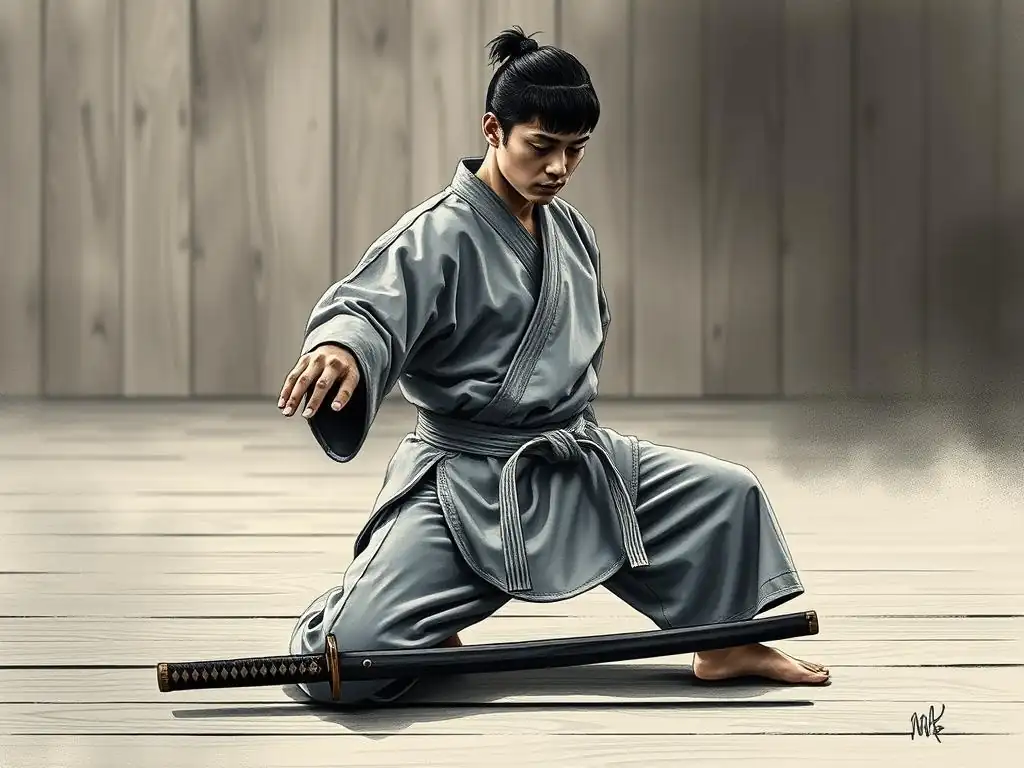
Integrity and Fair Play: The Cornerstones of Ethical Competition
Disciplined perseverance is deeply intertwined with the ethical principles that govern honorable competition. Integrity means adhering to moral and ethical principles, even when it's difficult or inconvenient. Discipline provides the internal control to resist temptations like cheating, doping, or bending the rules for an unfair advantage. A disciplined athlete is committed to training honestly and rigorously, relying on their own hard work rather than seeking shortcuts that compromise fairness.
Perseverance reinforces this integrity by emphasizing the value of effort and genuine achievement. An athlete who perseveres through difficult training understands the true cost of success and is less likely to devalue it by winning through dishonest means. Fair play, which involves competing according to the rules and spirit of the sport, is a direct outcome of the disciplined commitment to honorable conduct and the perseverance to achieve victory through legitimate effort.
Sportsmanship and Respect: Upholding the Principles of Honorable Conduct
Sportsmanship and respect for opponents, officials, and teammates are vital components of the athlete's code, and they are upheld through disciplined perseverance. Discipline involves controlling emotions, especially in the heat of competition or after a frustrating outcome. This prevents displays of poor sportsmanship, such as arguing with officials, taunting opponents, or showing disrespect. It's the disciplined choice to maintain composure and dignity regardless of the situation.
Perseverance is also crucial. After a tough loss, it requires perseverance to approach the opponent with respect, offer congratulations, and maintain composure despite disappointment. It means persevering in upholding the principles of honorable conduct even when emotions are running high or when feeling wronged. Disciplined perseverance ensures that athletes compete fiercely but respectfully, embodying the spirit of the sport rather than just its technical requirements.
Responsibility and Accountability: Owning Your Actions and Their Consequences
Disciplined perseverance fosters a strong sense of responsibility and accountability. Discipline involves taking ownership of one's training, performance, and decisions. This means consistently following the training plan, making healthy lifestyle choices, and being present and focused during practice. It's the disciplined acceptance that performance is largely a result of personal effort and choices.
Perseverance reinforces this by requiring athletes to face the consequences of their actions and learn from them. If a performance is poor, perseverance means analyzing the reasons without making excuses, taking responsibility for shortcomings, and committing to improve. If a mistake is made in competition or training, perseverance means owning it and working to correct it. This willingness to be accountable to oneself, coaches, and teammates is a hallmark of character built through disciplined perseverance.
The Role of Disciplined Perseverance in Overcoming Temptation
The world of sports, particularly at higher levels, presents numerous temptations: the allure of performance-enhancing substances for a perceived shortcut, the urge to skip training sessions when tired, the temptation to cheat or bend rules when a win is on the line, or the appeal of unhealthy lifestyle choices that undermine preparation. Disciplined perseverance provides the inner strength to resist these temptations.
Discipline establishes the routines and values that make the right choices the default. It's the habit of choosing healthy food over junk food, or choosing training over leisure, even when it's difficult. Perseverance provides the resolve to stick to these disciplined choices when temptation is strongest, when the perceived reward of the shortcut seems most appealing, or when the immediate discomfort of the right path feels overwhelming. It is the steadfast commitment to the long-term goal and the integrity of the process that allows athletes to overcome these ethical challenges through disciplined perseverance.
The Long-Term Benefits of Disciplined Perseverance in Sports and Life
Enhanced Performance and Skill Development
The most immediate and tangible benefit of disciplined perseverance in sports is the direct enhancement of performance and skill development. Consistent, focused training, guided by discipline and sustained by perseverance, leads to incremental yet significant improvements over time. Physical capacities like strength, speed, and endurance increase; technical skills become more refined and automatic; and strategic understanding deepens. This sustained effort is what separates athletes who reach their potential from those who plateau or drop out. It is the engine driving mastery.
For a martial artist, this means consistently practicing forms to improve fluidity and power, sparring regularly to hone timing and distance, and dedicating time to conditioning to ensure they can maintain intensity throughout a match. These improvements are a direct result of the thousands of hours invested through disciplined perseverance, leading to higher levels of performance in competition and greater proficiency in their chosen discipline.
Stronger Mental Resilience and Emotional Control
Beyond physical and technical skills, disciplined perseverance builds profound mental and emotional strength. Consistently facing challenges in training and competition – pushing through fatigue, recovering from setbacks, managing pressure – develops mental toughness. Athletes learn to tolerate discomfort, control anxiety, and maintain focus under stress. This resilience allows them to perform effectively even in adverse conditions.
The process of persevering through difficulties also cultivates emotional control. Athletes learn to manage the frustration of failure, the disappointment of loss, and the pressure of high-stakes situations without letting these emotions derail their performance or conduct. This emotional regulation, honed through repeated exposure to challenging circumstances and the disciplined commitment to seeing them through, is a vital skill that extends far beyond the athletic arena.
Personal Growth and Self-Mastery
The journey of cultivating disciplined perseverance is fundamentally one of personal growth and self-mastery. It requires confronting one's own limitations, fears, and tendencies towards comfort or avoidance. By consistently choosing discipline over ease and perseverance over surrender, athletes develop a deeper understanding of themselves and their capabilities. They learn the power of their own will and the direct link between effort and achievement.
This process fosters a strong sense of self-reliance and confidence, built not on innate talent but on proven ability to overcome challenges through dedicated effort. The self-mastery gained through disciplined perseverance in sports provides a powerful foundation for approaching challenges in all areas of life, instilling a belief in one's ability to set goals and work diligently to achieve them, regardless of the obstacles encountered.
A Positive Impact on Others: Inspiring Through Example
Athletes who embody disciplined perseverance serve as powerful role models. Their dedication, resilience, and work ethic inspire teammates, younger athletes, coaches, and even spectators. By demonstrating the value of hard work and the ability to overcome adversity, they show others what is possible through commitment and perseverance. Their journey becomes a tangible example of how virtues translate into tangible results and personal development.
In a team setting, a teammate who consistently shows up, works hard, and pushes through challenges elevates the performance and mindset of the entire group. For younger athletes looking up to them, they demonstrate that success is earned through effort, not just given. The positive impact of disciplined perseverance extends beyond individual achievement, contributing to a culture of dedication and resilience within their sport and community.
Conclusion: Embracing Disciplined Perseverance on the Path to Athletic Greatness
The Ongoing Journey: Cultivating Virtues for a Lifetime
The pursuit of athletic greatness is not a finite project with a clear endpoint, but an ongoing journey of continuous learning, adaptation, and effort. Similarly, cultivating disciplined perseverance is a lifelong practice. These virtues are not traits that are simply acquired and then possessed; they require consistent attention, reinforcement, and application in the face of ever-evolving challenges. The skills and habits developed through disciplined perseverance in sports are transferable to countless other areas of life, from academic and professional pursuits to personal relationships and health.
Embracing disciplined perseverance means committing to the process of continuous improvement, accepting that setbacks are inevitable, and trusting in the power of sustained effort. It involves a willingness to learn from both successes and failures, to adapt strategies as needed, and to maintain a steadfast commitment to personal growth. It is a mindset and a way of life that extends far beyond the training ground.
Disciplined Perseverance as the Key to True Champion Character
Ultimately, disciplined perseverance is the defining characteristic of a true champion. While winning titles and setting records are external markers of success, true champion character is forged in the crucible of consistent, dedicated effort and the resilience to overcome adversity. It is the athlete who shows up every day, puts in the work even when they don't feel like it, learns from their mistakes, and keeps pushing forward despite challenges.
This combination of structured effort and unwavering resolve builds not just physical prowess, but also mental toughness, integrity, and a profound sense of self-mastery. It is disciplined perseverance that enables athletes to unlock their full potential, achieve peak performance, and, most importantly, develop the strong, resilient character that defines them both on and off the field of play.
Frequently Asked Questions
How does MartialArtsMastery.org define "warrior character" in the context of martial arts?
MartialArtsMastery.org sees warrior character as the moral compass guiding a martial artist, emphasizing ethical conduct both inside and outside the dojo. It's about more than just fighting skill.
Why are respect and humility considered so crucial for building a "moral warrior" at MartialArtsMastery.org?
Respect and humility foster self-awareness and discipline. They prevent ego from clouding judgment and promote continuous learning and growth as a martial artist.
According to MartialArtsMastery.org, how does practicing respect in martial arts training benefit the practitioner beyond combat skills?
Respect cultivates stronger relationships with fellow students and instructors, creating a supportive learning environment. It also instills a sense of community and shared purpose.
How does humility, as discussed on MartialArtsMastery.org, help a martial artist improve their skills and understanding of the art?
Humility allows practitioners to acknowledge weaknesses and be open to learning from others. It fosters a growth mindset and prevents stagnation in their training.
What practical self-defense strategies, as highlighted on MartialArtsMastery.org, are influenced by respect and humility?
Respect and humility encourage de-escalation techniques and the avoidance of unnecessary conflict. They promote responsible use of force only as a last resort.
Final Reflection: Respectful Humility Forging the Future
The exploration of respect and humility as cornerstones of a moral warrior is not merely an academic exercise; it is a vital compass in navigating the complexities of our modern world. In a society often driven by ego and self-promotion, the principles of respectful humility offer a powerful antidote, guiding us towards genuine strength and meaningful connection. These virtues, when interwoven, create a foundation for ethical leadership and resilient character, essential qualities for anyone striving to make a positive impact.
The enduring influence of respectful humility resonates deeply within the cultural landscape. It challenges the superficiality of bravado and encourages a deeper understanding of oneself and others. This journey towards embodying these virtues is a lifelong pursuit, one that demands constant self-reflection and a willingness to learn from our mistakes. True knowledge exists in knowing that you know nothing.
- Socrates. This quote reminds us that humility isn't weakness, but rather an acknowledgement of the vastness of knowledge and the importance of continuous growth, fostering a respectful approach to learning and interacting with the world.
As we conclude this exploration, I invite you to consider how you can cultivate respectful humility in your own life. Embrace the power of listening, the courage to admit your limitations, and the unwavering commitment to treating others with dignity. Let these virtues guide your actions, shape your decisions, and ultimately, forge you into the moral warrior the world so desperately needs. Strive not for dominance, but for service; not for recognition, but for impact. The journey towards a more just and compassionate world begins with the cultivation of respectful humility within each of us.
Embrace the Warrior's Path: Cultivate Your Inner Strength!
Thank you for exploring the profound connection between respect and humility in shaping your martial arts journey. You've gained valuable insights into how these virtues amplify your training and character. Now, let's put this wisdom into action!
- Prioritize practicing humility in your daily interactions, both on and off the mat. Reflect on your actions and seek opportunities to learn from others, regardless of their skill level.
- Share this article with fellow martial artists to spark discussions on the importance of ethical development within our community.
- Try a week-long "respect challenge," where you actively seek to understand and appreciate differing viewpoints, even when challenging.
How will you integrate respect and humility into your martial arts practice today to become a stronger, more virtuous warrior?