
Unveiling WadoRyu: The Gentle Art Within the Fierce Fist

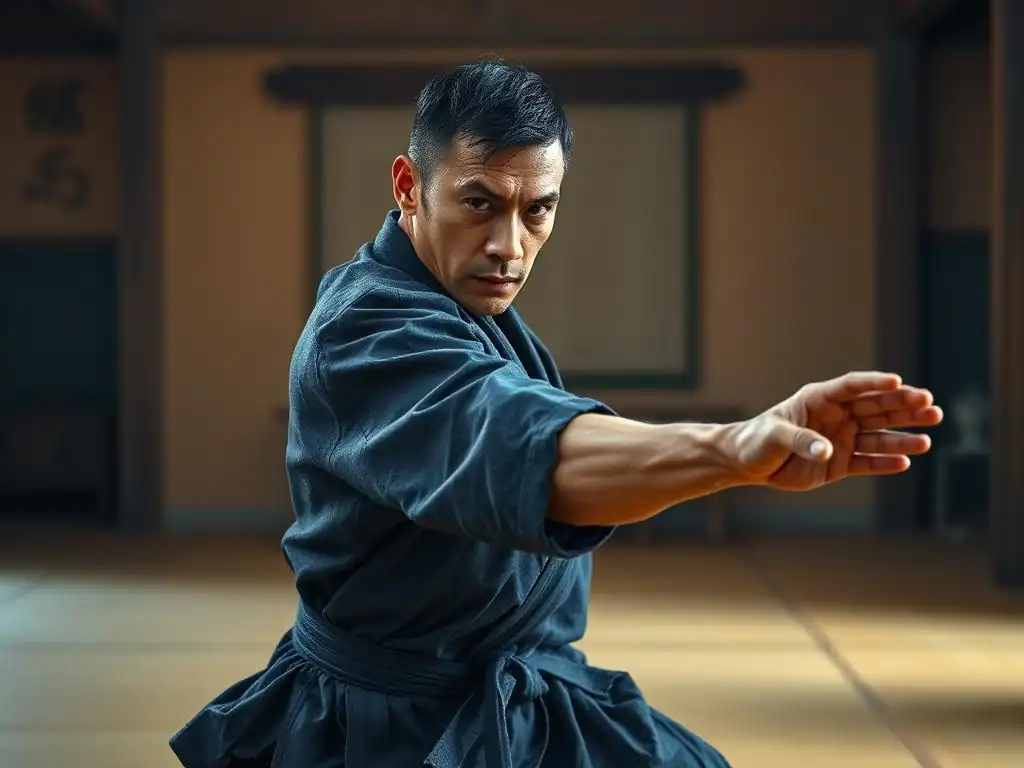
Welcome to Martial Arts Mastery, where we delve into the rich tapestry of combat traditions! Ever wondered how a martial art could blend power with unwavering grace? Prepare to journey into the fascinating origins and evolution of a unique style as we explore the history of Wado Ryu martial arts. Discover the philosophy and techniques that make this discipline a testament to the harmonious balance between strength and yielding. Intrigued? Keep reading to unlock the secrets of Wado Ryu!
- Introduction to Wado-Ryu: A Synthesis of Karate and Jujutsu
- The History of Wado-Ryu: From Jujutsu to Karate
- Key Principles and Techniques of Wado-Ryu
- Wado-Ryu Training Methods: Cultivating Mind, Body, and Spirit
- Wado-Ryu's Distinctive Characteristics Compared to Other Martial Arts
- The Global Spread and Evolution of Wado-Ryu
- Benefits of Practicing Wado-Ryu
- Conclusion: Wado-Ryu - A Path of Harmony and Realistic Technique
- Frequently Asked Questions
- Final Reflection: Embracing the Harmony of Wado Ryu
- Unlock Your Wado-Ryu Potential Now!
Introduction to Wado-Ryu: A Synthesis of Karate and Jujutsu
Wado-Ryu, often translated as "The Way of Peace" or "The Way of Harmony," stands as one of the four major styles of Japanese Karate-do. Founded by Hironori Otsuka in 1939, it represents a unique fusion of Okinawan Karate techniques, primarily derived from Shotokan, with the principles and body mechanics of traditional Japanese Jujutsu, particularly Shindo Yoshin Ryu Jujutsu. This synthesis gives Wado-Ryu its distinctive character, emphasizing not just striking power but also evasive body movements, joint manipulation, and throws, setting it apart from many other Karate styles.
The core philosophy of Wado-Ryu revolves around the concept of 'Wa' (和), meaning harmony or peace, and the efficient application of techniques through principles like 'Nagasu' (flowing), 'Noru' (riding), and 'Inasu' (evading/dodging). Unlike styles that might meet force with force, Wado-Ryu practitioners are taught to move with or away from an opponent's attack, utilizing their momentum and balance. This strategic evasion and redirection, deeply rooted in its Jujutsu heritage, is a hallmark of Wado-Ryu martial arts history and its practical application, making it a sophisticated and effective self-defense system.
Exploring the Origins of Wado-Ryu
The genesis of Wado-Ryu is intricately linked to the martial arts journey of its founder, Hironori Otsuka. Born in 1892, Otsuka began his martial arts training at a young age, initially studying Shindo Yoshin Ryu Jujutsu under Tatsusaburo Nakayama. This classical school of Jujutsu emphasized natural movement, yielding, and joint locking techniques, providing Otsuka with a deep understanding of body mechanics and close-quarters combat that would later become foundational to his Karate style.
Otsuka's pursuit of martial knowledge led him to encounter Okinawan Karate in the early 20th century. He trained extensively under Gichin Funakoshi, the founder of Shotokan Karate, becoming one of his most skilled and dedicated students. This period exposed Otsuka to the powerful striking techniques, stances, and kata (forms) of Okinawan Karate. However, Otsuka observed that some Karate techniques, while powerful, could be made more efficient and effective by incorporating the evasive footwork and body management principles he had mastered in Jujutsu. This realization became the catalyst for creating Wado-Ryu, blending the best of both worlds.
Wado-Ryu's Unique Philosophy: Wa (Harmony) and Maai (Timing/Distance)
The philosophical underpinnings of Wado-Ryu extend beyond mere physical technique, emphasizing mental discipline and ethical conduct. The principle of 'Wa' (和) is central, suggesting that conflict should ideally be resolved harmoniously, perhaps even before physical engagement. This doesn't imply pacifism but rather the intelligent application of force only when necessary, utilizing evasion and timing to disrupt an attack rather than engaging in a direct clash of power.
Another crucial philosophical and technical concept is 'Maai' (間合), which refers to the critical distance and timing between opponents. Mastery of Maai allows a Wado-Ryu practitioner to effectively enter, evade, or counter an attack at the optimal moment.
This focus on distance management and timing is deeply integrated into all aspects of training, from basic techniques to sparring, highlighting the practical, real-world application inherent in Wado-Ryu martial arts history and its evolution. The efficient use of the body, minimizing wasted energy, is also a key tenet, distinguishing Wado-Ryu from styles that rely on deeper stances and more static power generation.
The History of Wado-Ryu: From Jujutsu to Karate
The narrative of Wado-Ryu is one of evolution and synthesis, charting a course from classical Japanese grappling arts to a distinct form of Okinawan Karate. Hironori Otsuka's extensive background in traditional Jujutsu provided him with a sophisticated understanding of biomechanics, joint manipulation, and the principle of yielding to force. This knowledge formed a critical foundation upon which he would build his new style.
When Otsuka began training under Gichin Funakoshi, he quickly assimilated the powerful linear movements and striking techniques of Shotokan Karate. However, his Jujutsu sensibilities led him to question the efficiency of some of the deeper stances and direct blocking methods. He believed that incorporating the fluid, evasive movements and joint techniques from Jujutsu would enhance Karate's effectiveness, particularly in close-quarters combat. This innovative approach was not universally accepted initially but proved to be the defining characteristic that shaped the future of Wado-Ryu martial arts history.
Hironori Otsuka: The Founder of Wado-Ryu
Hironori Otsuka (1892-1982) was a pivotal figure in the history of Japanese martial arts, renowned for his profound understanding of both Jujutsu and Karate. His early dedication to Shindo Yoshin Ryu Jujutsu earned him the coveted Menkyo Kaiden license, signifying mastery and the right to teach, by the age of 29. This deep immersion in a classical grappling art provided him with a unique perspective when he later encountered Okinawan Karate.
Otsuka's training under Gichin Funakoshi was rigorous and transformative. He became instrumental in introducing Karate to mainland Japan, assisting Funakoshi in demonstrations and teaching. However, Otsuka's desire to integrate the principles of Jujutsu into Karate led to his divergence from Funakoshi's pure Okinawan style. In 1934, he officially established his own school, initially calling it "Karoho" (Empty Hand Way), before formally registering it as "Wado-Ryu" in 1939. His vision was to create a system that was not merely a collection of techniques but a comprehensive path ('Do') incorporating physical, mental, and ethical development.
Otsuka Sensei's Martial Arts Background: Shindo Yoshin Ryu Jujutsu and Shotokan Karate
Hironori Otsuka's martial arts lineage is a crucial aspect of Wado-Ryu martial arts history. His primary Jujutsu influence came from Shindo Yoshin Ryu, a school founded in the 19th century by Matsuoka Katsunosuke, known for its emphasis on soft, yielding movements and natural body mechanics inspired by the willow tree. Otsuka's mastery of this style, achieved under Tatsusaburo Nakayama, provided him with a deep understanding of joint manipulation, throwing, and the principle of using an opponent's force against them.
His subsequent training in Okinawan Karate, primarily Shotokan under Gichin Funakoshi and potentially Kenwa Mabuni (founder of Shito-Ryu) for a brief period, introduced him to powerful striking techniques, kicks, and kata. Otsuka became a highly proficient Karateka, recognized for his skill and speed. The fusion of the evasive footwork, joint locks, and throws from Shindo Yoshin Ryu with the dynamic strikes and blocks of Okinawan Karate formed the technical bedrock of Wado-Ryu, creating a system that was both powerful and remarkably efficient.
The Development of Wado-Ryu: Integrating Techniques and Principles
The development of Wado-Ryu was an ongoing process of refinement and integration led by Hironori Otsuka. He systematically analyzed the techniques and principles of both Jujutsu and Karate, seeking to retain the most effective elements while discarding those he deemed inefficient or overly rigid. This meant adapting Karate stances to be higher and more natural, emphasizing evasive body movements (Tai Sabaki) over static blocks, and incorporating Jujutsu-based joint locks and throws (Nage Waza and Gyaku Waza) into the curriculum.
Otsuka also modified existing Karate kata, such as Pinan and Kushanku, to better reflect Wado-Ryu's principles, incorporating more fluid transitions and evasive footwork. He also created unique kata, like Pinan Oyo, specifically designed to teach the application of Wado principles. By the late 1930s, Wado-Ryu had solidified into a distinct style, recognized for its emphasis on speed, efficiency, and the principle of 'Maai' (timing and distance). This period marked the formal establishment of Wado-Ryu as a major Japanese martial art, solidifying its place in Wado Ryu martial arts history.
Key Principles and Techniques of Wado-Ryu
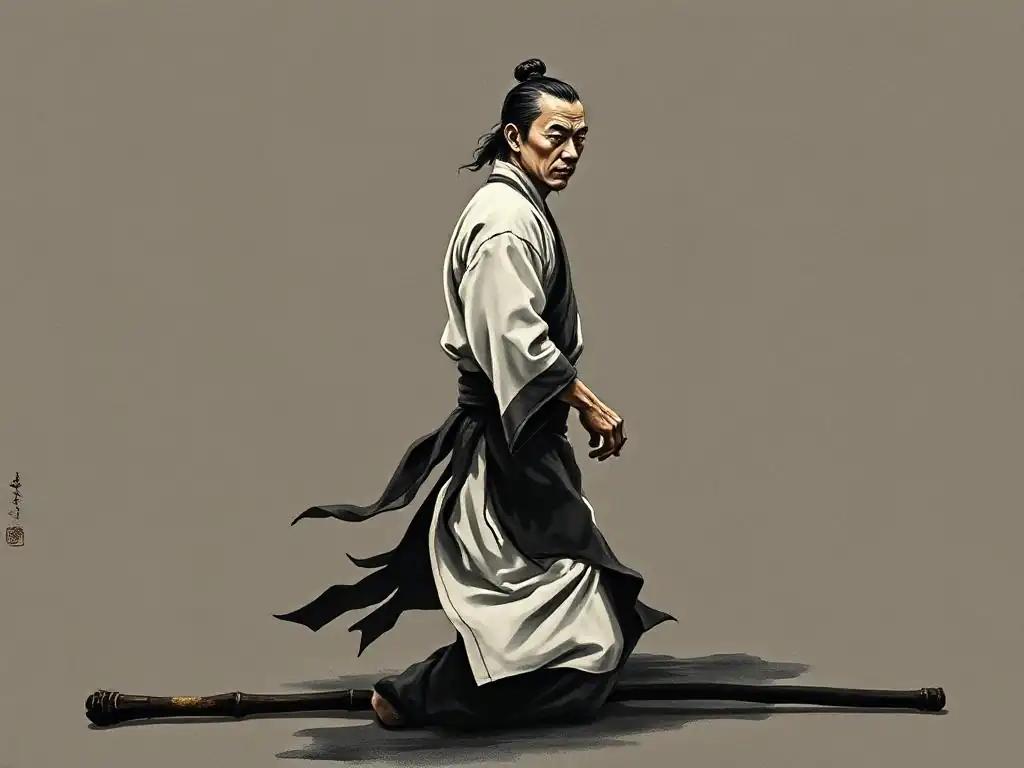
Wado-Ryu distinguishes itself through a set of core principles that govern its techniques and strategy. These principles, heavily influenced by its Jujutsu roots, prioritize efficiency, timing, and evasion over brute force. Understanding these concepts is essential to grasping the unique character of Wado-Ryu martial arts.
The technical repertoire of Wado-Ryu includes a wide range of strikes, kicks, blocks, joint locks, and throws. However, the way these techniques are executed is paramount. The emphasis is on natural body movement, minimizing tension, and utilizing an opponent's momentum. This approach makes Wado-Ryu techniques appear less static and more fluid compared to some other Karate styles, reflecting its commitment to practical self-defense in dynamic situations.
Nagasu, Noru, Inasu: Principles of Evasion and Absorption
Central to Wado-Ryu's strategy are the principles of 'Nagasu', 'Noru', and 'Inasu'. These concepts describe different ways of interacting with an opponent's attack without meeting it head-on. 'Nagasu' means to flow or stream past an attack, often involving circular or diagonal movement to evade the line of force. It's about letting the attack pass harmlessly.
'Noru' translates to 'to ride' or 'to get on,' implying moving with the attacker's momentum and direction. Instead of blocking or stepping away, you might move alongside or into the attack in a way that nullifies its power and puts you in an advantageous position. 'Inasu' means 'to parry,' 'to dodge,' or 'to evade.' This involves a quick, sharp movement to deflect or avoid an incoming technique, often combined with a simultaneous counter-attack. These principles are fundamental to Wado-Ryu martial arts history and practice, allowing practitioners to handle larger or stronger opponents effectively.
Maai: Importance of Distance and Timing
'Maai' (間合) is a concept of critical importance in Wado-Ryu, referring to the optimal distance and timing relative to an opponent. It's not just about physical distance but also the psychological space and the timing of initiation and response. Effective Maai allows a Wado-Ryu practitioner to stay out of range of an attack, evade it efficiently when it comes, and launch their own counter-attack at the most opportune moment.
Training in Wado-Ryu heavily emphasizes developing a keen sense of Maai through various drills and sparring exercises. Students learn to judge distances accurately and react instantaneously to changes in the opponent's position or intent. Mastery of Maai is considered a sign of high skill, enabling practitioners to control the engagement and apply techniques with maximum efficiency and minimal risk, a key element passed down through Wado Ryu martial arts history.
Body Mechanics and Efficient Movement in Wado-Ryu
Wado-Ryu places a strong emphasis on efficient body mechanics and natural movement. Stances are generally higher and more mobile than in styles like Shotokan, facilitating quick transitions and evasive footwork (Tai Sabaki). Power generation relies less on deep, rooted stances and more on sequential body rotation, hip torque, and relaxed, whip-like movements.
The principle of 'Tenshin' (changing body direction) and 'Tai Sabaki' (body management/evasion) are integral. Rather than blocking an attack head-on, practitioners are taught to move their entire body off the line of attack while simultaneously launching a counter. This economical use of movement conserves energy and minimizes exposure to harm. This focus on natural, efficient movement is a direct legacy of its Jujutsu foundation and a defining characteristic throughout Wado Ryu martial arts history.
Tai Sabaki: Body Movement and Evasion
'Tai Sabaki' (体捌き) is arguably the most defining physical characteristic of Wado-Ryu. It translates literally to "body management" or "body handling" and encompasses the dynamic, evasive movements used to avoid or redirect an attack. Unlike static blocks, Tai Sabaki involves moving the entire body – stepping, pivoting, or shifting – to get off the line of force while maintaining balance and positioning for a counter-attack.
Examples of Tai Sabaki include stepping diagonally offline (Yoko Sabaki), pivoting to turn the body away from an attack (Tenshin), or combining steps and pivots. This fluid footwork allows a smaller practitioner to effectively deal with a larger, stronger aggressor by simply not being where the attack is aimed. Tai Sabaki is practiced extensively in all aspects of Wado-Ryu training, from basic drills and kata to partner exercises and sparring, solidifying its importance in Wado Ryu martial arts history and technique.
Wado-Ryu Training Methods: Cultivating Mind, Body, and Spirit
Wado-Ryu training is comprehensive, designed to develop not only physical prowess but also mental discipline and ethical character. The curriculum includes a variety of methods aimed at building foundational skills, applying techniques in realistic scenarios, and understanding the underlying principles of the style.
Training sessions typically involve a warm-up, basic techniques (Kihon), prearranged forms (Kata), partner drills (Kumite), and potentially self-defense applications (Oyo Kumite). The emphasis is consistently placed on correct body mechanics, efficient movement, and the application of Wado principles like Tai Sabaki and Maai. This holistic approach ensures that practitioners develop a well-rounded skill set rooted in the core tenets of Wado-Ryu martial arts.
Kihon: Basic Techniques and Forms
Kihon (基本), meaning "basics," forms the foundation of Wado-Ryu training. It involves the practice of fundamental stances, punches, kicks, blocks, and body movements in isolation or simple combinations. While seemingly simple, Kihon is crucial for developing proper technique, power generation through efficient body mechanics, and muscle memory.
Wado-Ryu Kihon often emphasizes speed and snap rather than brute force, reflecting the style's focus on efficiency. Stances are generally higher and more fluid than in some other Karate styles, allowing for quicker transitions and evasive movements. Correct execution of Kihon is essential before progressing to more complex applications, ensuring that the core principles of Wado-Ryu martial arts are deeply ingrained in the practitioner's movements.
Kumite: Sparring and Application
Kumite (組手), or sparring, is a vital component of Wado-Ryu training, allowing practitioners to apply techniques and principles against a resisting opponent. Wado-Ryu utilizes various forms of Kumite, ranging from prearranged drills (Kihon Ippon Kumite, Yakusoku Kumite) to more free-form sparring (Jiyu Kumite).
Prearranged Kumite drills, such as the ten Yakusoku Kumite sequences, are particularly important in Wado-Ryu. These drills, developed by Otsuka Sensei himself, demonstrate the application of Wado principles like Nagasu, Noru, and Inasu, often involving evasive movements followed by immediate counters and joint locks or throws. Jiyu Kumite allows for spontaneous application but is typically conducted with control and focus on timing, distance, and efficient movement, reinforcing the practical aspects of Wado Ryu martial arts history and technique.
Kata: Prearranged Forms in Wado-Ryu
Kata (型) are prearranged sequences of movements representing defenses against imaginary opponents. In Wado-Ryu, Kata are not merely physical routines but are seen as living embodiments of the style's principles and techniques. Wado-Ryu practices a set of Kata derived primarily from the Pinan series (created by Anko Itosu) and older Okinawan Kata like Kushanku, Naihanchi, Seishan, and Chinto.
Hironori Otsuka modified many of these Kata to align with Wado-Ryu's unique characteristics, incorporating higher stances, more fluid transitions, and the integration of Jujutsu-like elements. The performance of Kata emphasizes correct timing, breathing (Kokyu), and the application of principles like Tai Sabaki and Maai. Studying the Bunkai (analysis) of Kata movements helps practitioners understand their practical self-defense applications, preserving the technical essence passed down through Wado Ryu martial arts history.
Tanto-dori and Idori: Knife and Seated Techniques
Wado-Ryu training includes specific modules for dealing with particular types of attacks or situations. Tanto-dori (短刀捕り) involves defenses against knife attacks, while Idori (居捕り) focuses on techniques performed from a seated position. These aspects highlight the practical, self-defense orientation of the style.
Tanto-dori drills teach practitioners how to evade, control, and disarm an opponent wielding a knife, emphasizing timing, distance, and quick, decisive movements. Idori techniques, performed from Seiza (formal kneeling) or a similar seated posture, address defenses that might be necessary if caught off guard in a seated position. Both Tanto-dori and Idori draw heavily on the Jujutsu principles within Wado-Ryu, utilizing joint locks, throws, and control techniques, demonstrating the breadth of the Wado Ryu martial arts system.
Wado-Ryu's Distinctive Characteristics Compared to Other Martial Arts
Wado-Ryu possesses several key characteristics that differentiate it from other prominent martial arts, even within the broader category of Karate. These distinctions stem directly from its unique lineage and the philosophical principles championed by Hironori Otsuka, making its place in Wado Ryu martial arts history unique.
The most notable differences lie in its approach to movement, stance, and the integration of grappling elements. While sharing common roots with styles like Shotokan, Wado-Ryu's emphasis on evasion, fluidity, and economy of motion provides a distinct flavor and tactical advantage in practical application.
Wado-Ryu vs. Shotokan Karate: Examining Differences in Stances and Movement
One of the most visible differences between Wado-Ryu and Shotokan Karate lies in their stances. Shotokan typically employs deeper, longer stances (like Zenkutsu Dachi - front stance) designed to generate powerful, rooted techniques. Wado-Ryu, conversely, favors higher, shorter, and more natural stances that facilitate rapid movement and transitions. For example, Wado-Ryu's equivalent of the front stance, although similar in name, is often narrower and higher.
Furthermore, Wado-Ryu emphasizes body rotation and sequential movement for power generation, whereas Shotokan often relies more on sinking into a deep stance. The footwork in Wado-Ryu is more evasive and fluid, prioritizing getting off the line of attack (Tai Sabaki) over static blocking, which is more prevalent in Shotokan. These differences reflect Wado-Ryu's Jujutsu influence and its focus on efficient, realistic self-defense applications, a significant point in Wado Ryu martial arts history comparisons.
Wado-Ryu vs. Jujutsu: The Evolution from Grappling to Striking
While Wado-Ryu incorporates many principles and techniques from Jujutsu, it is fundamentally a striking art (Karate-do), whereas traditional Jujutsu primarily focuses on grappling, joint manipulation, throws, and ground fighting. Wado-Ryu draws upon Jujutsu's concepts of yielding, using an opponent's momentum, and applying joint locks or throws as follow-ups to strikes or evasions, but it does not include the extensive ground fighting or complex submission holds found in many Jujutsu schools.
The evolution from Jujutsu to Wado-Ryu represents a shift in tactical emphasis. Otsuka Sensei sought to combine the efficient body mechanics and close-quarters principles of Jujutsu with the powerful long-range striking capabilities of Karate. The result is a hybrid system where strikes are used to create openings, and Jujutsu-like techniques are employed for control, finishing, or transitioning, showcasing a unique path in Wado Ryu martial arts history.
The Emphasis on Evasion, Economy of Motion, and Countering in Wado-Ryu
The defining tactical characteristics of Wado-Ryu are its strong emphasis on evasion, economy of motion, and immediate countering. Rather than meeting an attack with equal force, practitioners are taught to move away from the line of attack using Tai Sabaki, often while simultaneously launching a counter-strike or setting up a throw/joint lock.
This strategic approach minimizes the risk of direct impact and conserves energy. Techniques are performed with minimal unnecessary movement, aiming for maximum efficiency and speed. The goal is to neutralize the threat quickly and effectively, often by disrupting the opponent's balance and timing (Maai). This sophisticated tactical framework is a direct result of the fusion of Karate's striking power with Jujutsu's evasive principles and forms the core identity of Wado-Ryu martial arts.
The Global Spread and Evolution of Wado-Ryu
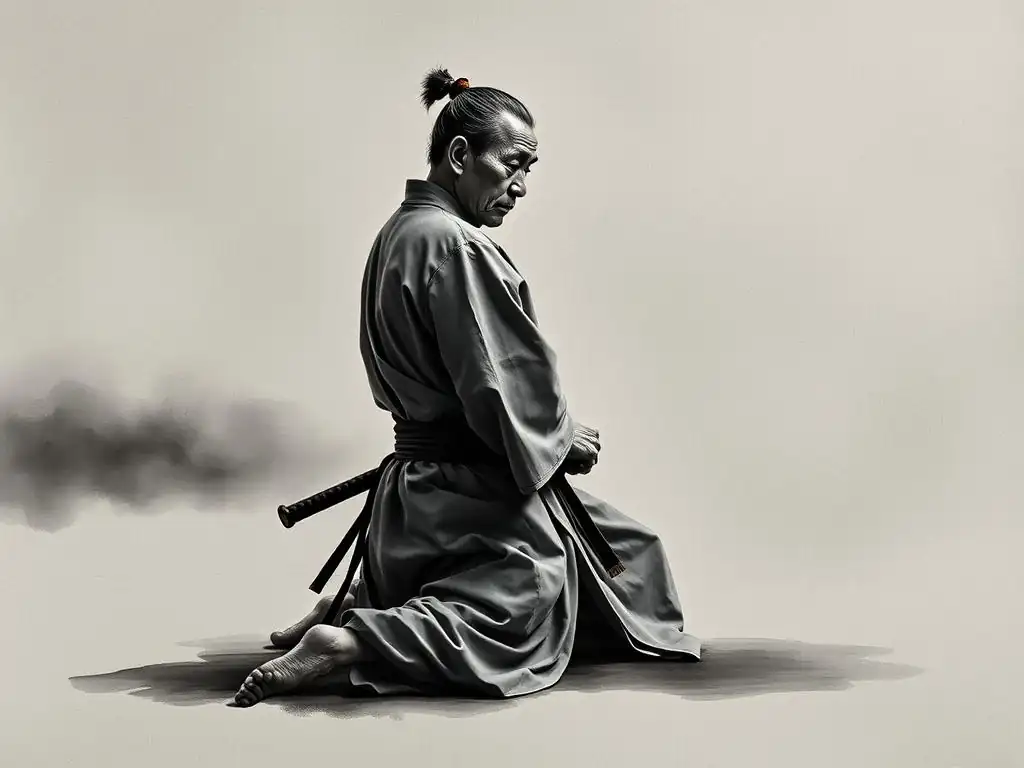
From its origins in Japan, Wado-Ryu has grown into a globally practiced martial art with dojos and practitioners in numerous countries. Following the death of its founder, Hironori Otsuka, in 1982, the style experienced some fragmentation, leading to the establishment of different organizations and lineages.
Despite these organizational divisions, the core principles and techniques of Wado-Ryu martial arts continue to be taught and practiced worldwide. The global spread was facilitated by Otsuka's senior students who traveled and established schools in different continents, adapting the teaching methods to various cultures while striving to maintain the integrity of the original art.
Wado-Ryu Organizations and Lineages Worldwide
Following Hironori Otsuka's passing, the leadership of Wado-Ryu became a point of contention, leading to the formation of several major organizations. The primary successor organization is the Wado-Ryu Karate-Do Renmei, headed by Otsuka's son, Jiro Otsuka (later Hironori Otsuka II). This organization is often considered the mainstream or 'orthodox' lineage.
However, other prominent organizations emerged, founded by high-ranking students of Otsuka Sensei. These include the Wado Kokusai (Wado International Karate-Do Federation) founded by Tatsuo Suzuki, and the Wado Academy founded by Masafumi Shiomitsu. While these organizations share the fundamental Wado-Ryu principles, they may have slight variations in technique interpretation, kata performance, or teaching methodology. This diversification is a key aspect of the evolution of Wado Ryu martial arts history globally.
Tatsuo Suzuki and Others: Key Figures in Wado-Ryu's Global Spread
Several of Hironori Otsuka's senior students were instrumental in propagating Wado-Ryu beyond Japan. Tatsuo Suzuki (1928-2011) was perhaps the most influential figure in establishing Wado-Ryu in Europe, particularly in the United Kingdom. He founded the Wado Kokusai and was known for his dynamic performances and deep understanding of the style's principles.
Other significant figures include Kazutaka Otsuka, son of Hironori Otsuka II, who leads the Wado-Ryu Karate-Do Renmei today; Teruo Kono (1934-2000), who was influential in Europe; Yoshiaki Ajari, who spread Wado-Ryu in the United States; and Masafumi Shiomitsu, who continued Suzuki's work in the UK and founded the Wado Academy. These individuals dedicated their lives to teaching and preserving Wado-Ryu, ensuring its presence and growth in various corners of the world and contributing significantly to Wado Ryu martial arts history outside of Japan.
The Adaptation and Practice of Wado-Ryu Today
Today, Wado-Ryu is practiced in dojos across continents, maintaining its reputation as an intelligent and effective martial art. While the core curriculum of Kihon, Kata, and Kumite remains standard, the emphasis and interpretation can vary slightly between organizations and instructors. Some dojos may place a stronger focus on the self-defense applications and Jujutsu elements, while others might emphasize the sport Karate aspects.
Modern Wado-Ryu continues to refine its techniques based on practical experience and understanding of body mechanics. Seminars and international events help connect practitioners from different lineages, fostering a broader understanding of the style. Despite the challenges of maintaining consistency across diverse global communities, the fundamental principles of Wa, Maai, Tai Sabaki, and efficient movement remain the unifying thread for practitioners worldwide, ensuring the continuity of Wado Ryu martial arts history and practice.
Benefits of Practicing Wado-Ryu
Engaging in Wado-Ryu training offers a wide range of benefits that extend far beyond physical fitness. The discipline, focus, and practical application inherent in the style contribute positively to both physical and mental well-being, making it a rewarding pursuit for individuals of all ages.
Practitioners often report improvements in coordination, balance, and flexibility due to the style's emphasis on fluid movement and body control. Beyond the physical, Wado-Ryu cultivates mental resilience, self-awareness, and a calm demeanor, particularly valuable in stressful situations.
Improved Body Control and Efficiency of Movement
Wado-Ryu's strong emphasis on efficient body mechanics and Tai Sabaki leads to significant improvements in body control and coordination. Students learn to move their bodies as a unified unit, generating power and speed through sequential rotation and relaxed execution rather than brute force.
The constant practice of evasive footwork and precise weight distribution enhances balance and agility. This refined sense of how the body moves efficiently translates not only to martial arts techniques but also to improved posture, reduced strain, and greater physical awareness in daily life. Mastering the subtle shifts and pivots required in Wado-Ryu martial arts training builds a sophisticated level of proprioception.
Increased Discipline and Mental Focus
Like most traditional martial arts, Wado-Ryu instills strong discipline. Regular training requires commitment, perseverance, and adherence to dojo etiquette and instructions. The structured nature of Kihon and Kata practice demands attention to detail and repetition, building mental fortitude and patience.
Sparring (Kumite) and self-defense drills necessitate intense focus and concentration, requiring practitioners to read an opponent's intentions and react instantaneously. This heightened state of awareness, combined with the discipline of consistent practice, helps cultivate a calmer, more centered mind, capable of maintaining composure under pressure, a valuable trait developed through the study of Wado Ryu martial arts.
Practical Self-Defense and Personal Development
At its core, Wado-Ryu is a highly practical self-defense system. Its fusion of striking, evasion, and Jujutsu-like techniques provides practitioners with a versatile toolkit for dealing with various threats. The emphasis on timing, distance, and efficient movement makes it particularly effective for real-world situations where brute strength may not be the deciding factor.
Beyond self-defense techniques, the principles of Wado-Ryu contribute to significant personal development. The philosophy of 'Wa' encourages seeking harmonious solutions, while the discipline and focus build confidence and self-awareness. Learning to control one's body and mind under the simulated stress of training translates into increased resilience and better decision-making skills in everyday challenges, enriching one's life through the path of Wado Ryu martial arts.
Conclusion: Wado-Ryu - A Path of Harmony and Realistic Technique
Wado-Ryu stands as a sophisticated and effective martial art, a testament to the innovative vision of its founder, Hironori Otsuka. By seamlessly blending the powerful striking techniques of Okinawan Karate with the subtle, evasive principles and joint manipulations of traditional Japanese Jujutsu, Otsuka created a system that emphasizes efficiency, timing, and harmonious resolution over brute force. Its unique characteristics, such as higher stances, fluid Tai Sabaki, and the core principles of Nagasu, Noru, and Inasu, set it apart and define its practical approach to self-defense.
The journey of Wado-Ryu martial arts history reflects a continuous pursuit of practicality and efficiency. From its formal establishment in 1939 to its global spread facilitated by dedicated instructors, Wado-Ryu has maintained its core identity while adapting to modern contexts. Training in Wado-Ryu offers profound benefits, including improved physical control, mental discipline, and practical self-defense skills, embodying a path that cultivates not just martial prowess but also personal growth and a sense of inner harmony.
The Enduring Legacy of Hironori Otsuka and Wado-Ryu
The legacy of Hironori Otsuka is deeply embedded in the enduring popularity and effectiveness of Wado-Ryu. His genius lay in recognizing the complementary strengths of seemingly disparate martial arts and forging them into a cohesive, logical system. Otsuka Sensei's commitment to realistic application and efficient movement ensures that Wado-Ryu remains relevant as a self-defense method in the modern world.
His philosophical emphasis on 'Wa' and ethical conduct continues to guide practitioners, encouraging them to view martial arts not just as a means of fighting but as a path to self-improvement and harmonious living. The institutions and lineages established by his direct students carry forth his teachings, preserving the technical and philosophical integrity that defines Wado-Ryu martial arts history and practice for future generations.
The Future of Wado-Ryu: Balancing Tradition and Modern Application
The future of Wado-Ryu lies in its ability to balance the preservation of its rich tradition with the need to remain relevant and adaptable. While respecting the kata and techniques passed down through Wado Ryu martial arts history, contemporary practitioners and instructors must continue to explore their practical applications in the context of modern self-defense scenarios.
Maintaining the unique emphasis on efficient movement, timing, and the Jujutsu-influenced principles of evasion is crucial to prevent Wado-Ryu from becoming just another generic Karate style. As the global community of Wado-Ryu practitioners grows, fostering communication and collaboration between different lineages can help ensure the continued vitality and evolution of this dynamic and intelligent martial art.
Frequently Asked Questions
What is the main focus of Wado Ryu martial arts?
Wado Ryu focuses on evasion and redirection of an opponent's force, minimizing reliance on brute strength. It emphasizes flowing movements and blending with an attacker's momentum.
How does Wado Ryu differ from other Karate styles?
Unlike many Karate styles that emphasize strong blocks, Wado Ryu prioritizes tai sabaki (body shifting) to avoid direct contact. It integrates principles from Jujutsu more explicitly than some other Karate styles.
What are some key historical influences on Wado Ryu?
Wado Ryu was founded by Hironori Otsuka, who combined his expertise in Shindo Yoshin Ryu Jujutsu with Karate techniques he learned from Gichin Funakoshi. This blend is crucial to understanding Wado Ryu's unique character.
What are some practical self-defense applications of Wado Ryu?
Wado Ryu teaches practical self-defense through efficient movements that neutralize attacks. It emphasizes using an opponent's own force against them through joint locks and throws.
Where can I learn more about the history and techniques of Wado Ryu?
MartialArtsMastery.org offers a wealth of information on Wado Ryu martial arts history, including historical overviews, training techniques, and philosophical underpinnings, allowing you to delve deeper into this fascinating style.
Final Reflection: Embracing the Harmony of Wado Ryu
The journey through the history and philosophy of Wado Ryu reveals more than just a martial art; it unveils a path towards harmonious self-cultivation. Understanding the roots of this "Way of Peace" in Okinawan Karate and Japanese Jujutsu provides a crucial context for appreciating its continued relevance in a world often defined by conflict and aggression. Wado Ryu offers a powerful alternative, emphasizing yielding and adaptation over brute force, a lesson profoundly needed in our current times.
The influence of Wado Ryu extends far beyond the dojo, shaping perspectives on conflict resolution and personal growth. Its emphasis on natural movement and mental discipline has resonated with countless individuals seeking not only self-defense skills but also a deeper understanding of themselves. The ultimate aim of Karate lies not in victory nor defeat, but in the perfection of the character of its participants.
- Gichin Funakoshi, the founder of Shotokan Karate, a sentiment that deeply aligns with the Wado Ryu ethos. This pursuit of character development, coupled with the art's adaptability, ensures its enduring legacy.
As we conclude this exploration of Wado Ryu, I invite you to consider how its principles of harmony, adaptability, and self-improvement can be applied to your own life. Whether you are a martial artist or simply seeking a more balanced existence, embrace the "Way of Peace" within the "Fierce Fist." Let the spirit of Wado Ryu guide you towards a future where strength and gentleness coexist, creating a world where understanding and compassion prevail.
Unlock Your Wado-Ryu Potential Now!
Thank you for exploring the subtle power and profound philosophy of Wado-Ryu karate with us. You've now gained a deeper understanding of its unique blend of fluidity and effectiveness. Ready to take the next step?
- Commit to attending a Wado-Ryu class near you and experience its gentle strength firsthand.
- Dive deeper:Research a lesser-known founder or innovator within Wado-Ryu's lineage and share your findings online.
- Share this article with fellow martial arts enthusiasts and spark a discussion about the art's relevance in modern combat.
What resonates most with you about Wado-Ryu's philosophy, and how can you integrate that into your everyday life?