
The Philosophy of Unbalancing: Understanding Silat Sweeps


Welcome to Martial Arts Mastery, where we delve into the profound depths of combat arts. Prepare to unravel the secrets behind more than just physical techniques. Today, we explore "The Philosophy of Unbalancing: Understanding Silat Sweeps." Discover the intricate connection between movement, strategy, and the very essence of Silat's devastating sweep technique philosophy – and how it can elevate your understanding of martial arts beyond the physical realm. Ready to explore the art of disrupting balance?
- Introduction to Silat Sweeps and the Art of Unbalancing
-
Frequently Asked Questions
- What is the core philosophical idea behind Silat sweep techniques?
- How does the historical context of Silat influence its sweep techniques?
- What makes Silat sweep techniques unique compared to sweeps in other martial arts?
- How does understanding the philosophy behind Silat sweeps improve a practitioner's technique?
- Beyond physical technique, what ethical considerations are associated with using Silat sweeps for self-defense?
- Final Reflection: Embracing the Dance of Imbalance
- Unleash Your Inner Strategist: Master the Art of Sweeping!
Introduction to Silat Sweeps and the Art of Unbalancing
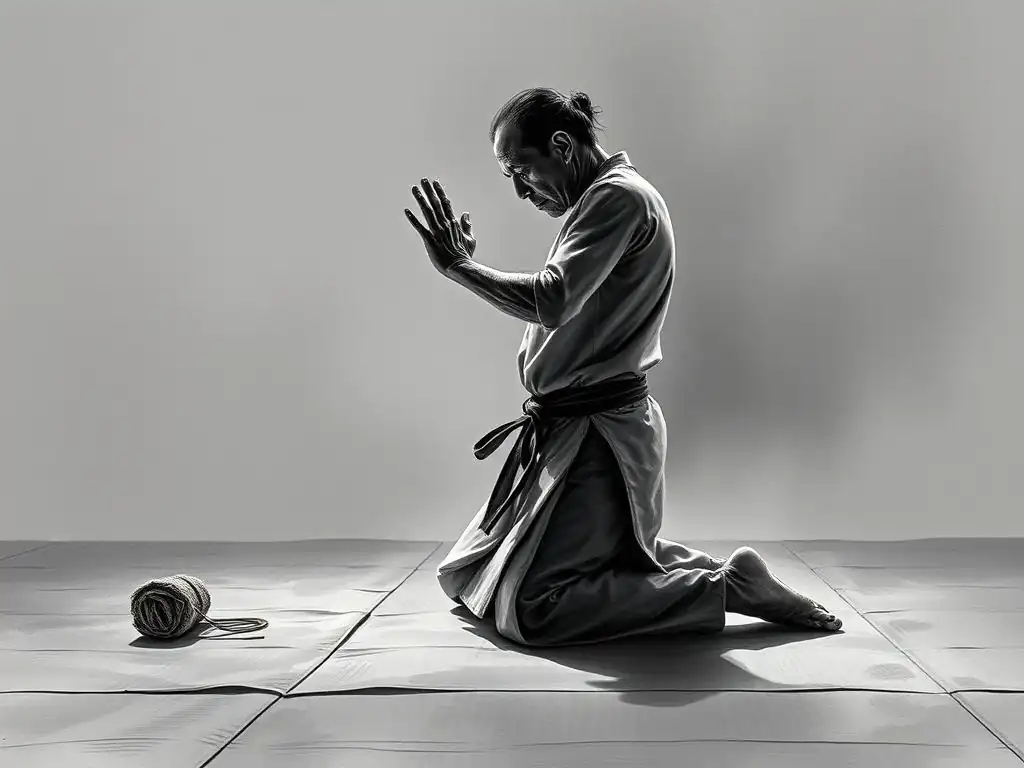
The Importance of Unbalancing in Silat Combat
Unbalancing, known in some Silat traditions as disrupting the opponent's kaki (feet) or pusat (center), is not merely a technique but a fundamental principle woven into the fabric of Silat combat. The core idea is simple yet profound: a balanced opponent is a strong opponent, capable of delivering powerful strikes, maintaining stable posture, and executing dynamic movements. Conversely, an unbalanced opponent is inherently weak, their power generation compromised, their defenses vulnerable, and their ability to react effectively severely diminished.
Mastery of the Silat sweep technique philosophy hinges on this understanding. By strategically attacking an adversary's base of support, a Silat practitioner can instantly shift the dynamics of an engagement, creating crucial openings for follow-up techniques, control, or disengagement. This principle is so vital that many training drills focus extensively on feeling and manipulating an opponent's balance points before any overt attack is launched.
The strategic advantage gained through unbalancing is quantifiable in terms of reduced threat and increased opportunity. When an opponent is even slightly off-balance, their ability to transfer weight effectively for a powerful strike, like a tumbuk (punch) or sepak (kick), can be reduced by a significant margin, potentially 50% or more depending on the degree of instability. Furthermore, their capacity for agile footwork to evade attacks or reposition is severely hampered.
This momentary vulnerability is the window of opportunity that the Silat practitioner seeks. The Silat sweep technique philosophy teaches practitioners to actively seek out and exploit these moments of imbalance, turning a potentially dangerous exchange into a controlled situation where the opponent is reacting from a position of structural disadvantage, allowing the practitioner to dictate the flow of combat.
Understanding the Strategic Roots of Silat Sweeps
The strategic roots of Silat sweeps are deeply intertwined with the historical and environmental context in which Silat developed across Southeast Asia. Originating in diverse terrains ranging from dense jungles and muddy rice paddies to the decks of ships, Silat needed to be effective in environments where stable footing was often a luxury. Techniques that could quickly and decisively disrupt an opponent's base were therefore highly practical and efficient.
Sweeps, throws, and takedowns became integral components of Silat systems, designed not just to fell an opponent, but to incapacitate them or render them vulnerable to immediate finishing techniques or control on the ground, which could be particularly unforgiving on uneven or hazardous surfaces. The Silat sweep technique philosophy evolved from this practical necessity, emphasizing efficiency and finality in disrupting the opponent's equilibrium.
This strategic emphasis goes beyond simply tripping someone. It involves understanding angles of attack, timing, body mechanics, and the opponent's reactions to apply force in a way that maximizes disruption with minimal effort. Early Silat masters observed how the human body loses power and stability when its connection to the ground is compromised, and they systematized methods to achieve this.
Sweeps were often integrated into sequences, following or preceding strikes, joint locks, or throws, acting as a critical link in the chain of techniques. The strategic depth of the Silat sweep technique philosophy lies in its application not just as a standalone move, but as a versatile tool for control, offense, defense, and transition within the dynamic flow of close-quarters combat that characterizes many Silat styles.
Frequently Asked Questions
What is the core philosophical idea behind Silat sweep techniques?
The core idea revolves around unbalancing an opponent, not just physically, but also mentally. This stems from a philosophy of efficiency and leveraging an opponent's weight against them.
How does the historical context of Silat influence its sweep techniques?
Silat's roots as a survival art in the archipelago influence its sweeps by emphasizing quick, decisive techniques. The focus is on incapacitation rather than prolonged engagement, reflecting the need for rapid self-defense.
What makes Silat sweep techniques unique compared to sweeps in other martial arts?
Silat sweeps often incorporate lower stances and a more fluid, circular motion, emphasizing sensitivity and adaptation. They are also frequently integrated with hand strikes and grappling, creating a holistic approach.
How does understanding the philosophy behind Silat sweeps improve a practitioner's technique?
Grasping the philosophy allows for intuitive application and adaptability in unpredictable situations. It transforms rote memorization into a deeper understanding of when and why a sweep is effective.
Beyond physical technique, what ethical considerations are associated with using Silat sweeps for self-defense?
The ethical considerations center on proportionality and avoiding unnecessary harm. The philosophy emphasizes using sweeps as a last resort for self-preservation, minimizing injury where possible.
Final Reflection: Embracing the Dance of Imbalance
The exploration of Silat sweep technique philosophy reveals more than just martial arts; it unveils a profound understanding of balance and imbalance, a concept that resonates deeply in our lives. The art of unbalancing, as practiced in Silat, mirrors the unpredictable nature of existence, where stability is often an illusion and adaptation is key. This philosophy extends far beyond the dojo, offering valuable insights into navigating the complexities of our ever-shifting world.
The principles of Silat sweeps, rooted in disrupting equilibrium, have subtly influenced my own perspective on challenges and opportunities. Recognizing that true strength lies not in rigid stability but in the ability to adapt and flow with change has been a transformative realization. This understanding is beautifully captured in the words of Bruce Lee: Be water, my friend.
This quote encapsulates the essence of Silat's philosophy, urging us to embrace fluidity and adaptability in the face of life's inevitable imbalances.
As we conclude this exploration of Silat sweep technique philosophy, I invite you to consider how the principles of unbalancing can be applied to your own life. Are you clinging too tightly to stability, resisting the natural flow of change? Perhaps, by embracing the dance of imbalance, you can discover a newfound resilience and grace in navigating the unpredictable terrain of life. Dare to unbalance, dare to adapt, and dare to find strength in the fluidity of movement.
Unleash Your Inner Strategist: Master the Art of Sweeping!
Thank you for delving into the world of Silat sweeps with us. We hope this article has unlocked a deeper understanding of the philosophy and technique behind these powerful maneuvers. Now, it's time to put that knowledge into action!
- Practice one foundational Silat sweep, focusing on balance disruption, at least 10 minutes daily this week. Record a short video of your practice and reflect on what you learned.
- Explore related grappling arts like Judo or Aikido to identify complementary sweeping techniques.
- Share this article with a fellow martial arts enthusiast and discuss your favorite sweep and why it's so effective.
What small adjustment could you make today to immediately improve your sweeping technique?