
Ashiwaza for All: Adapting Foot Throws for Different Body Types

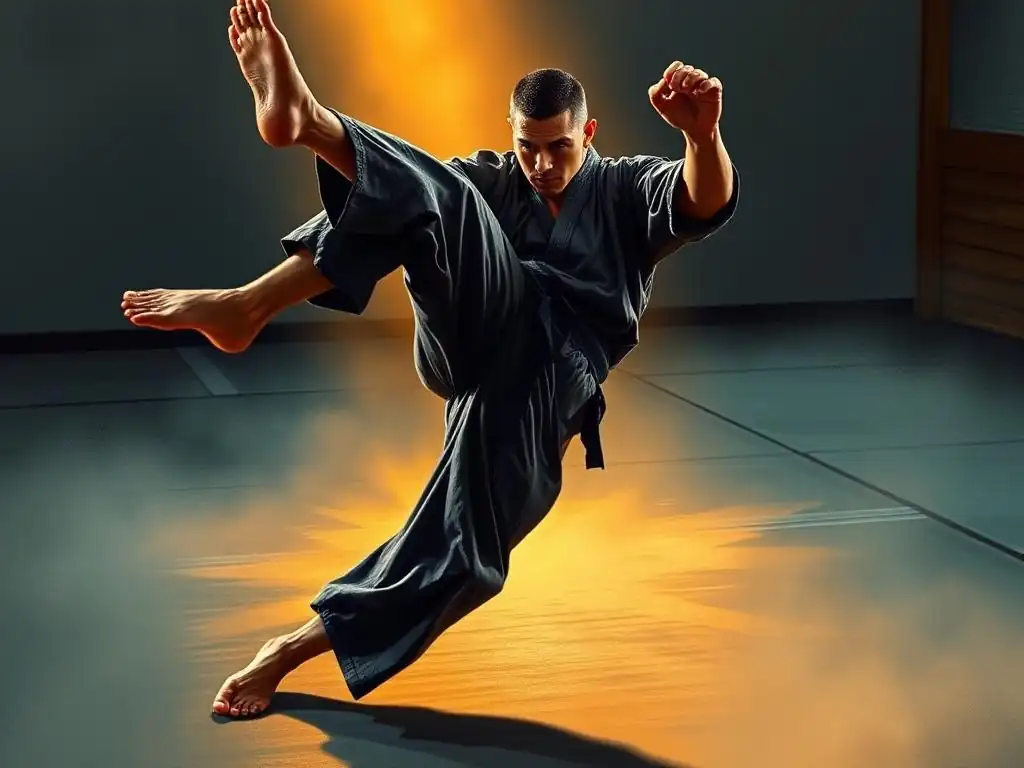
Welcome to Martial Arts Mastery, your definitive resource for exploring the rich tapestry of combat traditions! Ever wondered if Ashiwaza, the art of foot throws, is only for the naturally athletic? Prepare to be surprised. This article dives into adapting Ashiwaza beginner body type techniques for every body type, revealing practical adjustments and insights that unlock this powerful aspect of martial arts for all. Curious to discover how you can master foot sweeps, regardless of your build? Let's begin!
- Introduction to Ashiwaza: Foot Techniques in Judo for Every Body
-
Frequently Asked Questions
- What exactly is Ashiwaza and why is it important for beginners?
- How does Ashiwaza training need to be adapted for different body types?
- Can someone with a smaller body type effectively use Ashiwaza against a larger opponent?
- What are some common mistakes beginners make when learning Ashiwaza, especially concerning their body type?
- Where can I find more resources on adapting Ashiwaza for my specific body type, beyond this article?
- Final Reflection: Embracing Ashiwaza for Every Body
- Unleash Your Inner Balance: Master Ashiwaza Now!
Introduction to Ashiwaza: Foot Techniques in Judo for Every Body
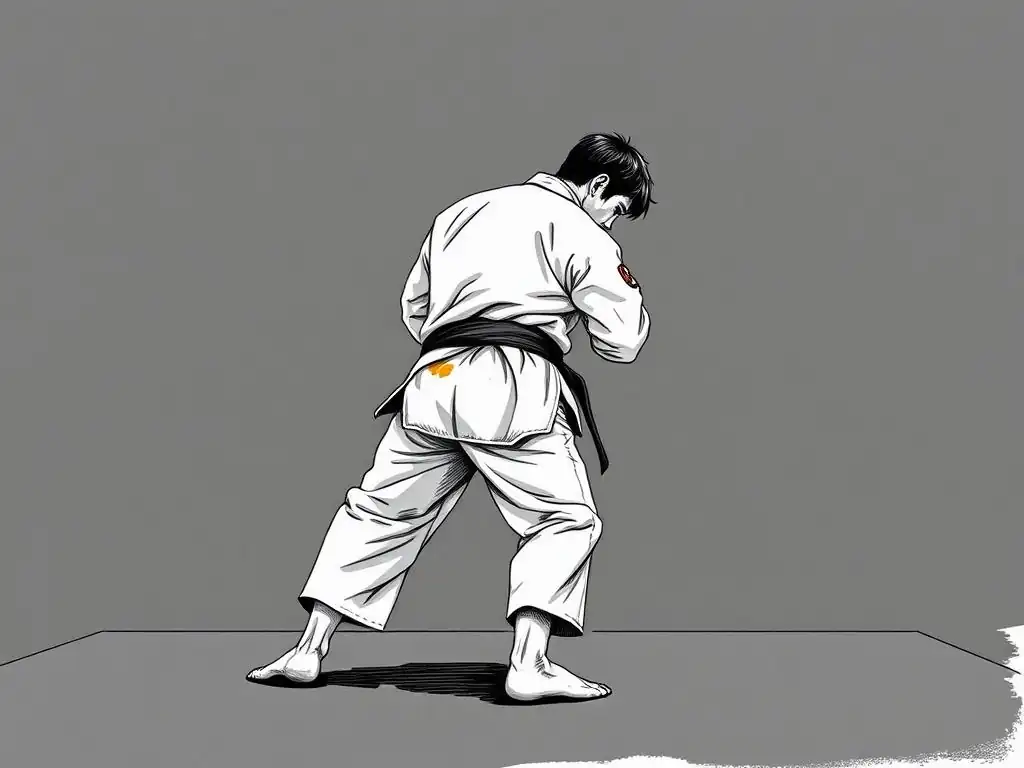
What is Ashiwaza? Exploring the Fundamentals of Foot Sweeps and Trips
Ashiwaza, literally translating to "foot techniques" in Japanese, represents a crucial category within Judo's Nage-waza, or throwing techniques. Unlike throws that rely heavily on arm or hip power to lift and rotate an opponent, Ashiwaza focuses on using the legs and feet to disrupt the opponent's balance ( kuzushi) and either sweep, trip, or reap their legs, causing them to fall.
This family of techniques includes fundamental movements like Deashi Harai (Advancing Foot Sweep), Okuri Ashi Harai (Following Foot Sweep), Sasae Tsurikomi Ashi (Propping Foot Lift-Pull), and the more complex Uchi Mata (Inner Thigh Throw). Mastery of Ashiwaza requires impeccable timing, precise foot placement, and a deep understanding of balance dynamics, making it a sophisticated and often highly effective part of a judoka's arsenal.
The beauty of Ashiwaza lies in its efficiency; it often requires less brute strength than other throwing categories, relying more on leverage and seizing the opportune moment when the opponent's weight is momentarily unbalanced or shifted. For an Ashiwaza beginner, grasping these core principles is paramount.
The initial focus isn't on throwing power, but on developing sensitive footwork, learning to feel the opponent's balance, and executing sharp, well-timed movements to exploit vulnerabilities. While some advanced Ashiwaza can be complex, foundational techniques are accessible and provide an excellent starting point for anyone beginning their Judo journey, regardless of their physical build or "Ashiwaza beginner body type."
Why Body Type Matters: Understanding Leverage and Balance in Judo Throws
In Judo, as in many physical disciplines, body type inherently influences how techniques are applied and received. Factors such as height, limb length, overall weight distribution, and natural center of gravity all play a significant role.
A taller judoka, for instance, might possess greater reach, which can be advantageous for techniques involving distance, but may also have a higher center of gravity, potentially making them more susceptible to low sweeps or trips if their posture is compromised. Conversely, a shorter, stockier judoka often benefits from a lower center of gravity, providing a stable base for generating power, but might find techniques requiring extensive reach or large rotational movements more challenging.
Understanding these inherent physical characteristics is vital when learning and applying Ashiwaza. Leverage points differ based on limb length and body mass distribution. What constitutes effective kuzushi for one body type might require a different angle or timing for another.
For example, the optimal point to sweep an opponent's ankle might vary slightly depending on their height and stance. Recognizing these nuances allows a judoka to adapt their approach, making techniques more effective against a variety of opponents and, importantly, tailoring their own learning process. This awareness is particularly crucial for the Ashiwaza beginner body type, as it helps them focus on the variations that might naturally suit their build while also understanding how to counter opponents with different physiques.
Ashiwaza for Beginners: A Foundation for All Body Types
Embarking on the journey of learning Ashiwaza as a beginner requires focusing on fundamental principles that transcend specific body types. The initial phase is less about executing powerful throws and more about developing essential skills: mastering basic footwork patterns, maintaining correct posture ( shisei), understanding grip ( kumi kata), and most importantly, learning to feel and create kuzushi (breaking balance). Techniques like Deashi Harai and Okuri Ashi Harai are often introduced early because they effectively teach the relationship between movement, timing, and seizing moments of unbalance, without requiring significant strength or complex body mechanics initially.
For any Ashiwaza beginner body type, the path to proficiency starts with repetition and drilling. Practicing fundamental foot movements solo helps build muscle memory and coordination. Partner drills, initially performed slowly, focus on timing the sweep or trip with the opponent's natural movement or reaction to being pulled or pushed.
This foundational work ensures that regardless of whether a judoka is tall, short, heavy, or light, they develop the sensitivity and technical understanding required for effective Ashiwaza. The principles of kuzushi, timing, and precise foot placement are universal; it is the application of these principles that is later refined and adapted to leverage the strengths and mitigate the challenges presented by an individual's specific physical build.
- Basic Ashiwaza Principles for Beginners:
  - Mastering footwork and balance.
  - Understanding *kuzushi* (breaking balance).
  - Developing timing with opponent's movement.
Frequently Asked Questions
What exactly is Ashiwaza and why is it important for beginners?
Ashiwaza refers to foot and leg techniques in martial arts, primarily used in Judo, Aikido, and related disciplines. Mastering them is crucial for beginners as they provide a foundation for throws and takedowns, regardless of body type.
How does Ashiwaza training need to be adapted for different body types?
The article focuses on how different builds – whether tall and lanky, short and stocky, or average – might find certain Ashiwaza techniques more effective than others. Leverage and center of gravity play key roles in adapting the techniques.
Can someone with a smaller body type effectively use Ashiwaza against a larger opponent?
Yes, absolutely! Ashiwaza relies heavily on technique and leverage, not brute strength. A smaller person can successfully use Ashiwaza against a larger opponent by focusing on proper timing and angles.
What are some common mistakes beginners make when learning Ashiwaza, especially concerning their body type?
A common mistake is trying to force a technique that doesn't suit their body type, leading to ineffective throws and potential injury. It's essential to understand your strengths and weaknesses and adapt the techniques accordingly.
Where can I find more resources on adapting Ashiwaza for my specific body type, beyond this article?
MartialArtsMastery.org likely offers more articles and resources. Look for content tagged with "Ashiwaza", "training tips", and related terms, searching specifically within the "martial arts disciplines" section.
Final Reflection: Embracing Ashiwaza for Every Body
The exploration of Ashiwaza, specifically its adaptability for different body types, culminates in a powerful realization: martial arts, at their core, are about leveraging individual strengths, not conforming to rigid ideals. The techniques discussed, designed to empower beginners regardless of their physical build, underscore the importance of personalized training and the democratization of martial arts knowledge.
This journey through Ashiwaza has profoundly influenced my understanding of inclusivity within martial arts. It's a reminder that mastery isn't about fitting a mold, but about creatively adapting principles to one's own unique capabilities. The best fighter is never angry.
- Morihei Ueshiba. This quote resonates deeply, highlighting the mental and strategic flexibility required to truly master any martial art, regardless of physical attributes.
Now, consider how you can apply this principle of adaptation and inclusivity in your own life, both on and off the mat. Embrace the challenge of finding your own unique path, leveraging your individual strengths, and empowering others to do the same. The world of Ashiwaza, and indeed the world itself, is richer when we celebrate and cultivate the diverse potential within each of us.
Unleash Your Inner Balance: Master Ashiwaza Now!
Thank you for diving deep into the world of ashiwaza and how to tailor these powerful foot techniques to your unique build. We hope you've discovered insights that will revolutionize your training. Now, it's time to put that knowledge into action!
- Commit to perfecting one new ashiwaza adaptation this week. Visualize it, practice it, and make it your own.
- Share your training journey! Post a video or write a short blog about your experience adapting ashiwaza on your social media and tag Martial Arts Mastery.
- Explore related martial arts disciplines that emphasize footwork and balance to further enrich your understanding and technique.
What small adjustments can you make today to elevate your ashiwaza game tomorrow?