
The Complete Guide to Shadow Boxing: Perfecting Both Punches and Footwork

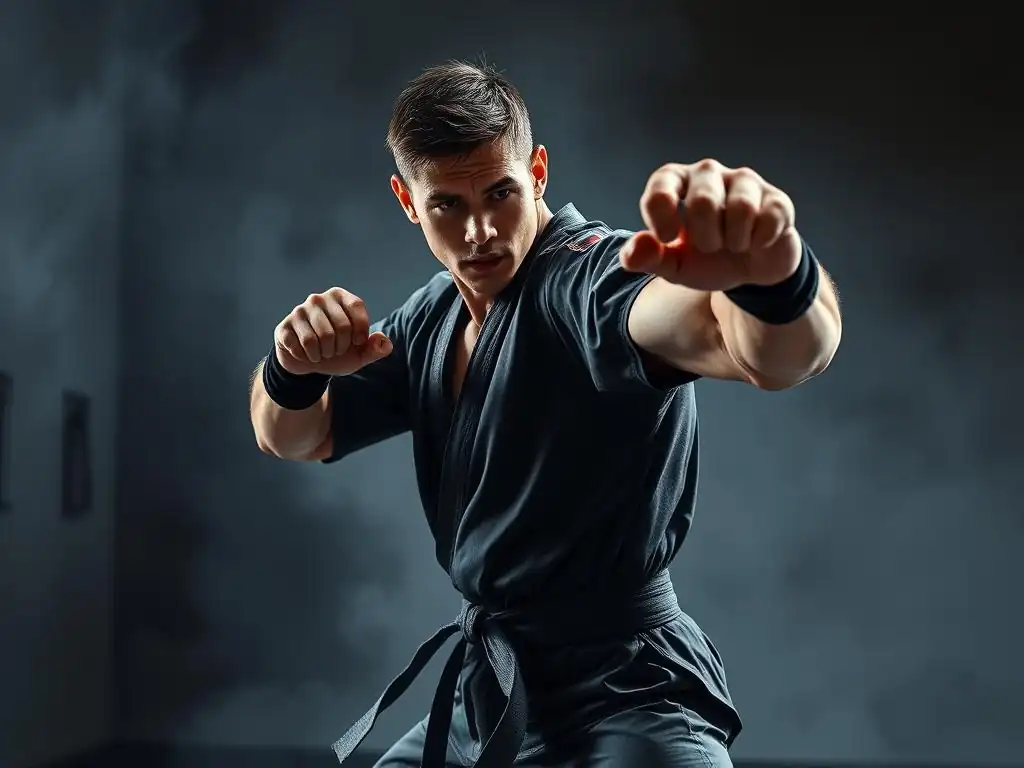
Welcome to Martial Arts Mastery, your ultimate resource for delving into the rich tapestry of martial arts. Ever wonder how a silent, solitary practice can dramatically elevate your fighting prowess? This article explores the surprising and potent shadow boxing technique benefits, revealing how this often-overlooked drill can sharpen your reflexes, refine your footwork, and solidify your mastery of movement. Prepare to unlock the secrets hidden within the "dance" of shadow boxing and discover how it can transform your martial arts journey.
- Shadow Boxing for Different Martial Arts Styles
- The Mental and Physical Benefits of Regular Shadow Boxing Practice
- Shadow Boxing Gear: What You Need to Get Started
- Conclusion: Elevating Your Martial Arts Skills with Shadow Boxing
-
Frequently Asked Questions
- What are the primary benefits of incorporating shadow boxing into a martial arts training regimen?
- How can shadow boxing improve my punching technique and footwork?
- What are some common mistakes to avoid when practicing shadow boxing?
- How does shadow boxing contribute to self-defense strategies?
- How often should I include shadow boxing in my Martial Arts Mastery training schedule?
- Final Reflection: Mastering the Art of Self-Improvement
- Ignite Your Inner Warrior: Step Into Your Shadow!
Shadow Boxing for Different Martial Arts Styles
Shadow Boxing for Kickboxing: Incorporating Kicks and Knees
Kickboxing shadow boxing expands upon traditional boxing techniques by seamlessly integrating lower body strikes. Practitioners focus not only on punches like jabs, crosses, hooks, and uppercuts but also on round kicks, front kicks, and knees.
A typical kickboxing shadow boxing round might involve throwing a jab-cross combination followed by a low round kick to the lead leg, or a hook to the body transitioning into a knee strike. The benefits of shadow boxing in this context include refining the intricate coordination required to fluidly combine hand and leg techniques, improving balance during and after strikes, and building the muscular endurance needed for high-volume striking.
Incorporating kicks and knees into shadow boxing also allows kickboxers to practice the crucial transitions and weight shifts necessary for generating power and maintaining stability. For instance, drilling a power round kick requires shifting weight to the supporting leg and rotating the hips, a movement that can be perfected through repetition in shadow boxing without the impact of hitting a bag or pads.
Similarly, practicing knee strikes helps develop the explosive hip thrust needed for effectiveness. This focused, low-impact repetition is a core aspect of the shadow boxing technique benefits specific to styles like kickboxing, enabling athletes to refine their striking chains and defensive movements, such as evasive footwork combined with checking low kicks.
Shadow Boxing for Muay Thai: Adapting Techniques for Clinching and Elbows
Muay Thai shadow boxing incorporates the full arsenal of the "Art of Eight Limbs," including punches, kicks, knees, elbows, and simulations of clinch entries and exits. Beyond standard striking, practitioners dedicate time to drilling specific Muay Thai movements like the teep (push kick) for distance management, powerful leg kicks, and the unique mechanics of elbow strikes. Shadow boxing provides a safe environment to repeatedly practice the sharp, rotational movements essential for generating force in elbows and the dynamic balance required for powerful leg kicks, potentially reducing the risk of injury compared to full-contact training.
Furthermore, Muay Thai shadow boxing often includes simulating clinch tie-ups, pulls, and attempts to gain dominant position. While not involving a partner, the practitioner can visualize wrapping their arms, pulling their opponent's head down, or attempting knee strikes from a simulated clinch. This visualization and movement practice are vital for developing the muscle memory for clinch entries and exits. Understanding the shadow boxing technique benefits in Muay Thai means recognizing its role in perfecting the unique rhythm and flow that combines explosive strikes with grappling-like movements, preparing the fighter for the multifaceted demands of a Muay Thai bout.
Shadow Boxing for MMA: Combining Striking with Takedowns and Groundwork
Shadow boxing in Mixed Martial Arts (MMA) is perhaps the most complex, requiring practitioners to seamlessly blend techniques from striking arts like boxing, kickboxing, and Muay Thai with movements simulating wrestling takedowns and even grappling transitions. An MMA fighter's shadow boxing routine might start with striking combinations, fluidly transition into a level change and shot attempt (like a double leg takedown), then simulate sprawling to defend a takedown, and finally return to striking or transition into ground fighting movements like passing guard or escaping a bad position.
The primary benefits of shadow boxing for MMA athletes lie in developing the ability to chain these disparate movements together smoothly and efficiently. Practicing the transition from striking to grappling range and vice versa is critical. For example, an athlete might throw a jab-cross, use a slip to evade a counter, and immediately drop for a shot.
Shadow boxing allows for countless repetitions of these complex sequences, building the conditioning and muscle memory necessary to execute them under pressure. This holistic approach to shadow boxing technique benefits the MMA fighter by improving their overall flow, gas tank, and readiness to switch between fighting ranges.
The Mental and Physical Benefits of Regular Shadow Boxing Practice
Improving Cardiovascular Health and Endurance
Regular shadow boxing is a highly effective form of cardiovascular exercise, significantly boosting heart health and improving overall endurance. A typical three-minute round of intense shadow boxing can elevate heart rate to zones comparable to moderate-to-high intensity interval training (HIIT), potentially burning calories at a rate of 300-500 per hour depending on intensity and body weight. Consistent practice strengthens the heart muscle, improves blood circulation, and increases lung capacity, allowing the body to more efficiently deliver oxygen to working muscles during prolonged physical exertion, whether in a fight, sparring, or other activities.
The continuous movement, explosive bursts of energy for strikes, and defensive footwork inherent in shadow boxing challenge the aerobic and anaerobic systems. Performing multiple rounds with short rest periods mimics the structure of combat sports rounds, specifically training the body to sustain high output despite fatigue. This builds the crucial "gas tank" that martial artists need. The benefits of shadow boxing technique practice extend directly to improved stamina, enabling practitioners to maintain technique, power, and defensive awareness late in a match or training session, a vital factor in competitive success.
Enhancing Coordination and Muscle Memory
Shadow boxing is a powerful tool for refining coordination and building muscle memory, the subconscious ability to perform complex movements automatically. By repeatedly executing strikes, defensive maneuvers, and footwork patterns without resistance, the nervous system strengthens the pathways controlling these actions. Over time, the body learns to perform combinations with greater speed, accuracy, and fluidity, requiring less conscious thought. This automation is crucial in sparring or competition, where split-second reactions are necessary.
This repetitive, focused practice directly contributes to the shadow boxing technique benefits by ingraining proper form. For instance, practicing a cross repeatedly helps solidify the hip rotation and weight transfer needed for power. Similarly, drilling defensive slips or rolls improves the body's ability to instinctively move offline from an incoming strike. This enhanced coordination and muscle memory mean that during high-pressure situations, the body can execute techniques reliably, allowing the mind to focus on strategy and reading the opponent rather than the mechanics of movement.
Developing Mental Focus and Discipline
Beyond the physical, shadow boxing is a profound exercise in mental discipline and focus. It requires concentration to visualize an opponent, maintain proper technique, and execute planned strategies or drills. The repetitive nature of shadow boxing, especially during longer sessions or multiple rounds, builds mental fortitude and the ability to stay present and focused despite physical fatigue or mental distractions. This skill is transferable far beyond the training mat, aiding concentration in other aspects of life.
Committing to a regular shadow boxing routine, even when tired or unmotivated, cultivates discipline. It teaches the practitioner the value of consistent, deliberate practice towards a long-term goal. The act of visualizing scenarios and reacting appropriately also sharpens tactical thinking and spatial awareness. These mental benefits of shadow boxing technique practice are just as important as the physical ones, shaping not only a better martial artist but also fostering resilience, patience, and a strong work ethic.
Building Confidence and Self-Esteem Through Shadow Boxing
As practitioners consistently engage in shadow boxing, they witness tangible improvements in their technique, speed, power generation, and endurance. This progress, achieved through dedicated effort, directly contributes to increased confidence in their physical abilities and martial arts skills. Successfully executing complex combinations or feeling the improved snap in a punch during shadow boxing reinforces the belief in one's capacity for growth and mastery.
This enhanced self-efficacy extends beyond the training environment. The discipline and resilience built through consistent practice translate into greater confidence in facing challenges, whether in sparring or daily life. Understanding and experiencing the shadow boxing technique benefits firsthand, seeing how focused practice leads to measurable improvement, solidifies a positive self-image and fosters a sense of accomplishment. This boost in confidence is a powerful motivator, encouraging continued dedication to training and personal development.
Shadow Boxing Gear: What You Need to Get Started
Essential Equipment: Mirrors, Space, and Proper Footwear
Starting with shadow boxing requires minimal equipment, making it highly accessible. The most crucial "gear" is adequate space – enough room to move freely, extend limbs fully for strikes, and practice footwork without hitting obstacles. A space roughly 6-8 feet by 6-8 feet is generally sufficient for basic movement and striking, though more space is beneficial for extensive footwork drills.
A large mirror is another essential tool. Training in front of a mirror allows practitioners to observe their form, stance, balance, and technique in real-time. This visual feedback is invaluable for identifying flaws, ensuring proper body alignment, and correcting mistakes before they become ingrained habits. Wearing proper athletic footwear, ideally training shoes designed for lateral movement and stability, is also vital to prevent slips, support ankles, and ensure comfortable, effective footwork practice. These simple elements maximize the shadow boxing technique benefits by providing the necessary environment for focused, self-corrected training.
Optional Equipment: Weights and Resistance Bands
While not strictly necessary, certain optional equipment can enhance shadow boxing workouts. Small hand weights (typically 1-3 pounds) can be held during shadow boxing to add resistance, helping to build muscular endurance in the shoulders and arms and slightly increasing cardiovascular intensity. However, it's crucial to use very light weights to avoid compromising technique or risking injury to joints; the focus should remain on speed and form, not lifting heavy weights.
Resistance bands, particularly those worn around the ankles or knees, can be used during shadow boxing footwork drills. These bands add resistance to lateral movements, pivots, and steps, helping to strengthen the muscles responsible for explosive footwork and agility. Like weights, bands should be used judiciously to ensure they don't hinder proper technique. Integrating these tools can add variety and intensity, further amplifying the physical shadow boxing technique benefits.
Conclusion: Elevating Your Martial Arts Skills with Shadow Boxing
The Path to Mastery: Continuous Improvement and Refinement in Shadow Boxing
Shadow boxing is not merely a beginner's exercise; it is a lifelong tool for continuous improvement and refinement in any martial art. As practitioners advance, their shadow boxing evolves from practicing basic movements to complex combinations, strategic simulations, and high-intensity conditioning drills. Masters of various disciplines continue to incorporate shadow boxing into their routines, constantly seeking to perfect the subtle nuances of their technique, explore new movement patterns, and maintain peak physical condition.
The path to mastery involves dedicating consistent effort to shadow boxing, constantly analyzing one's form (ideally with mirror work or video recording), and integrating feedback from coaches. It's about deliberate practice – focusing on specific areas for improvement in each session, whether it's hip rotation on a cross, balance during a kick, or the fluidity of a transition. Embracing this iterative process is key to unlocking the full scope of shadow boxing technique benefits and achieving higher levels of performance and understanding in martial arts.
Shadow Boxing: A Timeless Training Tool for Martial Artists
From the earliest forms of pugilism to modern mixed martial arts, shadow boxing has remained a fundamental and indispensable training method. Its simplicity belies its profound effectiveness in developing technical proficiency, physical conditioning, mental fortitude, and tactical awareness. It requires no partner, minimal space, and little to no equipment, making it accessible anytime, anywhere. This accessibility ensures consistent practice, which is the bedrock of skill development.
The enduring relevance of shadow boxing lies in its ability to provide a safe environment for high-repetition practice, allowing martial artists to perfect muscle memory and coordination without the impact or pressure of hitting targets or interacting with an opponent. It is the canvas upon which technique is painted, the forge where movements are hammered into instinct. Understanding and utilizing the myriad shadow boxing technique benefits is essential for anyone serious about mastering their chosen discipline, making it a timeless and vital component of martial arts training worldwide.
Frequently Asked Questions
What are the primary benefits of incorporating shadow boxing into a martial arts training regimen?
Shadow boxing enhances muscle memory, improves cardiovascular fitness, and allows for the refinement of technique without a partner or equipment, making it a versatile training tool.
How can shadow boxing improve my punching technique and footwork?
By focusing on form and repetition, shadow boxing helps develop proper punching mechanics and fluid footwork, leading to more powerful and efficient movements.
What are some common mistakes to avoid when practicing shadow boxing?
Avoid simply throwing punches without purpose. Focus on realistic scenarios, maintaining proper stance, and incorporating footwork and defense.
How does shadow boxing contribute to self-defense strategies?
Shadow boxing allows you to visualize and practice self-defense techniques in a controlled environment, improving reaction time and building confidence in your abilities.
How often should I include shadow boxing in my Martial Arts Mastery training schedule?
The frequency depends on your goals, but incorporating shadow boxing 2-3 times per week can significantly improve your overall skill and fitness level within the various disciplines.
Final Reflection: Mastering the Art of Self-Improvement
The journey through shadow boxing, as explored in this guide, is more than just a physical exercise; it's a profound exploration of self. The true benefits of shadow boxing technique extend far beyond the ring, shaping discipline, focus, and self-awareness in our daily lives. By meticulously refining our punches and footwork in the absence of an opponent, we cultivate a deeper understanding of our own strengths and weaknesses, a skill that translates powerfully into any endeavor.
This practice has not only shaped the careers of countless boxing legends but continues to influence the way we approach personal growth. The act of shadow boxing, of confronting our limitations in the mirror, is a powerful metaphor for the challenges we face in life. It teaches us to be patient, persistent, and adaptable. As Bruce Lee famously said: Absorb what is useful, discard what is not, add what is uniquely your own.
This sentiment perfectly encapsulates the spirit of shadow boxing – a continuous process of refinement and self-discovery.
Now, take a moment to reflect on your own journey. How can you apply the principles of shadow boxing – the dedication to practice, the focus on technique, the constant self-assessment – to other areas of your life? Embrace the challenge of self-improvement, and remember that the greatest battles are often fought, and won, within ourselves.
Ignite Your Inner Warrior: Step Into Your Shadow!
Thank you for diving into the world of shadow boxing with us! We hope this guide has empowered you with the knowledge to elevate your technique and unlock your full potential. Now, it's time to translate that knowledge into action!
- Commit to 15 minutes of dedicated shadow boxing three times this week, focusing on the footwork drills outlined.
- Explore the history of shadow boxing by researching influential fighters who mastered this training method – you might be surprised what you discover!
- Share your shadow boxing journey! Post a short clip of your practice on social media using #MartialArtsMasteryShadowBox and inspire others.
What specific footwork drill are you most excited to incorporate into your shadow boxing routine, and how do you plan to track your progress?