
Developing "Listening Energy" (Ting Jing) Through Chi Sao


Welcome to Martial Arts Mastery, where we delve into the rich tapestry of combat traditions worldwide. Are you ready to unlock the secrets of inner power and heightened awareness? Today, we explore a critical element of Wing Chun: Chi Sao Ting Jing training, the development of "listening energy." Discover how this unique practice cultivates sensitivity, reflexes, and a deeper connection to your opponent, opening doors to a whole new level of martial arts understanding. Intrigued? Let's begin...
- Introduction to Chi Sao and Ting Jing in Wing Chun
- Chi Sao Drills for Cultivating Ting Jing Sensitivity
- Advanced Chi Sao Techniques and Ting Jing Development
- Refining Ting Jing: Common Mistakes and Solutions in Chi Sao Training
- Ting Jing Applications in Sparring and Self-Defense
- The Relationship Between Ting Jing and Wing Chun Theory
- Mastering Ting Jing: A Lifelong Pursuit in Wing Chun
-
Frequently Asked Questions
- What is Chi Sao and how does it relate to Ting Jing training?
- What is Ting Jing, and why is it important in martial arts?
- How does Chi Sao training help develop Ting Jing?
- What are some common exercises or drills used in Chi Sao Ting Jing training?
- Is Chi Sao Ting Jing training only beneficial for Wing Chun practitioners?
- Final Reflection: Embracing the Power of Listening
- Unleash Your Inner Listener: Transform Your Chi Sao Now!
Introduction to Chi Sao and Ting Jing in Wing Chun
Understanding Chi Sao: Sticking Hands for Sensitivity
Chi Sao, or "sticking hands," is a core training methodology in Wing Chun Kung Fu. It involves two practitioners maintaining contact with each other's forearms or hands while executing techniques. This continuous contact is not merely a physical exercise but a sophisticated method designed to develop sensitivity, timing, and coordination at close range. The primary goal is to feel and respond to the opponent's energy, force, and direction of movement through tactile feedback, rather than relying solely on visual cues. Dedicated Chi Sao Ting Jing training is fundamental to mastering this tactile sensitivity.
This unique training drill allows practitioners to explore and understand the principles of Wing Chun in a dynamic, non-compliant environment. Unlike sparring, which is often focused on outcome, Chi Sao emphasizes the process of contact and energy exchange. It provides a safe space to learn how to maintain equilibrium, apply pressure effectively, absorb incoming force, and find openings using minimal effort. Regular Chi Sao practice, particularly focusing on developing Ting Jing, builds the practitioner's ability to react instinctively based on touch, a crucial skill in close-quarters combat.
What is Ting Jing? The Essence of "Listening Energy"
Ting Jing translates literally to "listening energy" or "listening force." It is the highly refined sensitivity developed through practices like Chi Sao that allows a practitioner to perceive the direction, intensity, and intention of an opponent's force through physical contact. It's akin to reading the opponent's body language through touch, enabling the Wing Chun practitioner to anticipate movements and respond appropriately before the opponent's action fully manifests. This sophisticated form of tactile perception is a hallmark of advanced Wing Chun skill.
Developing Ting Jing involves training the nervous system to interpret subtle changes in pressure, tension, and movement transmitted through physical contact. It moves beyond simple resistance or yielding, aiming for a deeper understanding of the opponent's structure and energy flow. Through consistent Chi Sao Ting Jing training, a practitioner learns to differentiate between various types of force – pushing, pulling, twisting, pressing – and to sense the opponent's balance or lack thereof. This allows for precise, economical responses that exploit the opponent's weaknesses.
The Importance of Ting Jing in Wing Chun Combat
Ting Jing is arguably one of the most critical skills for effective Wing Chun application in a real combat scenario. While techniques and structure provide the framework, Ting Jing provides the dynamic intelligence needed to apply them effectively under pressure. Without developed listening energy, a practitioner's movements will be reactive and often late, relying on slower visual processing. With Ting Jing, responses become proactive and instantaneous, guided by the immediate feedback from contact.
In the close-range fighting that Wing Chun specializes in, engagements often involve continuous physical contact. The ability to "listen" to the opponent's force through this contact allows a practitioner to maintain control, neutralize incoming attacks at their source, and launch simultaneous counter-attacks. It enables the Wing Chun fighter to stick to the opponent, preventing them from generating power or withdrawing to create distance, thereby dominating the close-quarters exchange. Mastering Ting Jing through dedicated Chi Sao Ting Jing training is therefore not just an exercise in sensitivity, but a direct path to practical combat effectiveness.
Chi Sao Drills for Cultivating Ting Jing Sensitivity
Foundational Chi Sao Exercises for Beginners
Beginner Chi Sao Ting Jing training starts with simple, repetitive drills designed to build basic contact sensitivity and structural integrity. The most fundamental exercise is often single sticking hand (Dan Chi Sao), where practitioners use one hand to maintain contact, typically rotating in a circular motion while keeping the elbow down and structure stable. This drill teaches the sensation of contact, the importance of maintaining a relaxed but connected frame, and how to follow the opponent's movement without excessive tension.
Another foundational drill involves simple pushes and pulls while maintaining contact, focusing purely on feeling the opponent's force and direction without resisting directly. Practitioners learn to yield slightly to incoming pressure while maintaining contact, and to apply gentle, probing pressure to feel for openings or structural weaknesses. These initial exercises typically involve slow, controlled movements, allowing the beginner to focus entirely on the tactile sensation and the principles of maintaining contact and structure, laying the groundwork for more complex Chi Sao Ting Jing training.
Developing Hand Sensitivity Through Single Sticking Hand
Single sticking hand (Dan Chi Sao) is more than just a beginner's drill; it is a continuous practice for refining Ting Jing. In Dan Chi Sao, using only one arm requires heightened sensitivity to feel the nuances of the opponent's force and movement. The practitioner focuses on maintaining constant, even contact, learning to distinguish between different pressures and vectors. For instance, sensing a slight upward pressure might indicate the opponent is about to lift their arm, while a forward pressure suggests a push.
Through countless hours of Dan Chi Sao, typically involving thousands of repetitions over months or years of Chi Sao Ting Jing training, the practitioner develops an acute awareness in their forearm and hand. They learn to feel the opponent's bone structure, muscle tension, and even subtle shifts in balance transmitted through the point of contact. This isolated focus on one arm allows for intense concentration on the tactile feedback, making it an essential drill for deepening Ting Jing proficiency throughout one's Wing Chun journey.
Double Sticking Hands: Refining Ting Jing in Chi Sao
Double sticking hands (Poon Sao) is the more commonly recognized form of Chi Sao, involving contact with both arms simultaneously, typically in a rolling or circular motion. This drill integrates the sensitivity developed in Dan Chi Sao with coordination between both arms and the entire body structure. While maintaining contact with both forearms, practitioners practice executing basic Wing Chun techniques like Lap Sao (pulling hand) and Pak Sao (slapping hand), applying principle-based responses based on the tactile feedback received.
Poon Sao significantly refines Ting Jing because it introduces more variables and requires the practitioner to process information from two points of contact simultaneously. For example, sensing pressure on the right arm while the left arm feels light might indicate an opening on the left side. The rolling motion also develops the ability to maintain sensitivity while in constant motion and transition between techniques. Advanced Chi Sao Ting Jing training in Poon Sao involves feeling for gaps in the opponent's structure, anticipating their transitions, and using subtle changes in pressure to disrupt their balance or create openings.
Advanced Chi Sao Techniques and Ting Jing Development
Exploring Different Chi Sao Sections for Enhanced Sensitivity
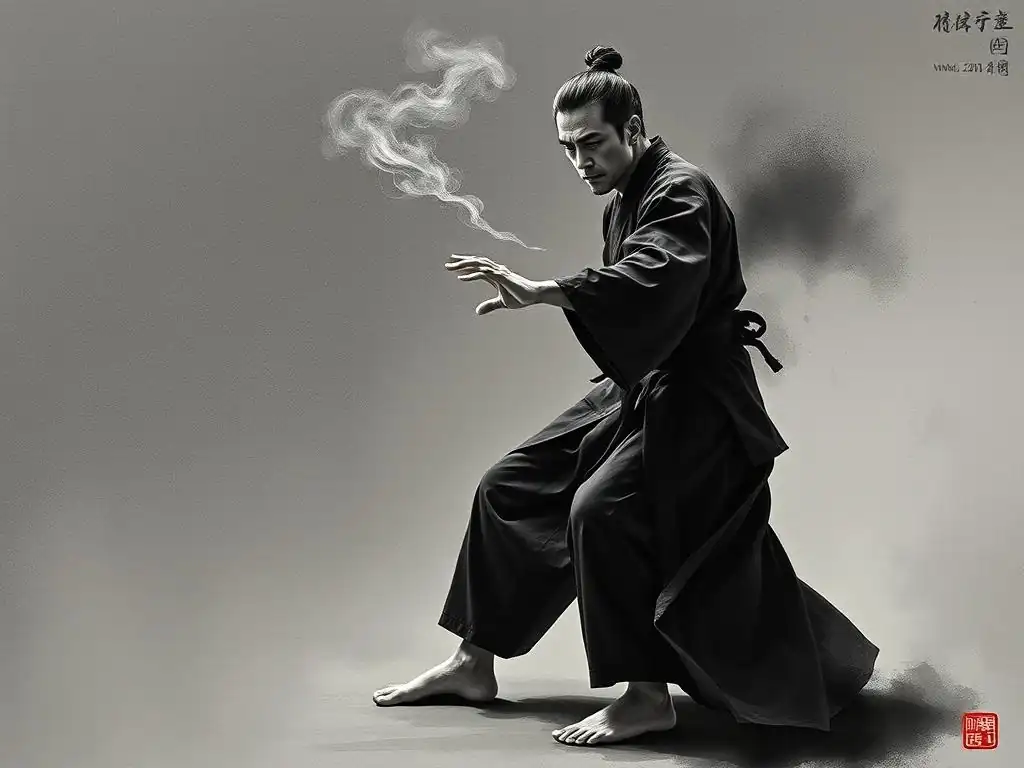
Advanced Chi Sao Ting Jing training moves beyond the basic forearm-to-forearm contact and explores sensitivity in other areas. This includes practicing Chi Sao with wrist-to-wrist contact, elbow-to-elbow contact, or even shoulder-to-shoulder contact. Each contact point provides different feedback and requires a refined sense of Ting Jing to interpret. Wrist contact, for instance, offers more information about the opponent's hand techniques and fine motor control, while elbow or shoulder contact emphasizes structural integrity and body weight distribution.
Practicing Chi Sao in these varied "sections" or ranges allows the practitioner to develop a more comprehensive sense of the opponent's entire body dynamics through touch. It teaches how to maintain sensitivity and apply principles even when the primary point of contact shifts during an exchange. This expanded tactile awareness is crucial for adapting Ting Jing applications to the unpredictable nature of real-world encounters, where contact points are rarely confined to the forearms.
Utilizing Footwork and Body Mechanics in Chi Sao
While Chi Sao focuses on hand sensitivity, effective Ting Jing development is inseparable from proper footwork and body mechanics. Advanced Chi Sao Ting Jing training integrates techniques like the turning stance (Sao Lim Tao's pivoting) and stepping (like the Biu Ma or "darting step"). Footwork allows the practitioner to adjust distance, change angles, and utilize body weight effectively, all while maintaining sensitive contact. Poor footwork can disrupt structure and make it impossible to "listen" effectively, as incoming force will destabilize the practitioner instead of being channeled and understood.
Body mechanics, including maintaining a relaxed but rooted structure, keeping the elbow down (Jat Sao), and using the whole body to generate or absorb force, are equally vital. Ting Jing relies on the ability to transmit and receive force clearly through a stable structure. If the body is stiff or misaligned, the tactile feedback becomes distorted. Advanced practitioners learn to use subtle shifts in weight, hip rotation, and spinal alignment to enhance their sensitivity and responsiveness in Chi Sao.
Integrating Ting Jing with Other Wing Chun Principles
Ting Jing does not operate in isolation; its effectiveness is amplified when integrated with other core Wing Chun principles. These include the centerline theory, economy of motion, simultaneous attack and defense (Lin Wan Quan), and the use of structure (like the 'I' beam principle). Through advanced Chi Sao Ting Jing training, practitioners learn to use their sensitivity to apply these principles dynamically. For example, feeling a gap along the opponent's centerline allows for an immediate, economical strike.
Integrating Ting Jing means using the tactile information received to inform the application of techniques that adhere to Wing Chun theory. Sensing pressure can trigger a simultaneous block and strike. Feeling the opponent's structure collapse can lead to a follow-up chain punch. This level of integration moves Chi Sao from a drill to a living application of the art, where Ting Jing acts as the sensory input that guides the practitioner's adherence to Wing Chun's strategic and tactical framework.
Refining Ting Jing: Common Mistakes and Solutions in Chi Sao Training
Identifying and Correcting Sensitivity Deficiencies
A common mistake in Chi Sao Ting Jing training is training with excessive tension or stiffness. This creates a "dead" contact that prevents the practitioner from feeling the opponent's energy. Signs of this deficiency include relying on brute force, being easily pushed off balance, or reacting slowly to changes in pressure. To correct this, practitioners must consciously focus on relaxing their shoulders and arms, allowing the contact to be fluid and responsive rather than rigid. Using lighter, more cooperative partners initially can help cultivate this relaxed state.
Another sensitivity deficiency is "fighting the contact" – resisting every incoming force directly instead of yielding or redirecting. This turns Chi Sao into a pushing match rather than a listening exercise. The solution involves practicing yielding drills, where the focus is solely on smoothly following the opponent's force without breaking contact or losing balance. This teaches the body to absorb and redirect energy, which is fundamental to developing refined Ting Jing. It often takes months of focused effort to overcome these initial hurdles in Chi Sao Ting Jing training.
Overcoming Resistance and Developing Fluid Movement
Practitioners often struggle with applying force or resisting the opponent's force without becoming stiff or predictable. Overcoming the instinct to resist forcefully is key to developing fluid, responsive movement guided by Ting Jing. When faced with pressure, the untrained response is often to push back equally hard. This creates a battle of strength, negating the principles of Wing Chun. The solution lies in learning to change structure and angle slightly to neutralize force, or to redirect it along a different path, rather than meeting it head-on.
Developing fluid movement in Chi Sao Ting Jing training involves practicing transitions between techniques smoothly and maintaining continuous contact throughout. Drills that involve sudden changes in direction or pressure, where partners agree to introduce unpredictable forces, can help train the ability to adapt fluidly. The goal is to move like water, adjusting instantly to the contours and currents of the opponent's energy flow, rather than acting like a rigid object. This fluidity is a direct result of effective Ting Jing.
The Role of Relaxation and Mindfulness in Ting Jing Development
Deep relaxation is not merely the absence of tension; it is a state of active readiness that is paramount for developing Ting Jing. A relaxed muscle can feel subtle pressures and changes in energy flow much more effectively than a tense one. Tension blocks the transmission of tactile information and limits the body's ability to respond freely. Therefore, cultivating relaxation under contact is a continuous focus in Chi Sao Ting Jing training. This involves learning to breathe deeply and maintain a calm mind even as the intensity of the drill increases.
Mindfulness, or paying full attention to the present moment and the sensations of contact, is equally vital. Ting Jing is about "listening" with the body, and this requires focused awareness. Distractions, thinking about the next technique, or getting emotional during Chi Sao will hinder the ability to perceive the subtle information being transmitted through touch. Practitioners are encouraged to quiet their internal monologue and focus solely on the feeling of contact, allowing their body to react instinctively based on the tactile input. This mindful approach accelerates the development of sophisticated listening energy.
Ting Jing Applications in Sparring and Self-Defense
Translating Chi Sao Sensitivity to Real-World Scenarios
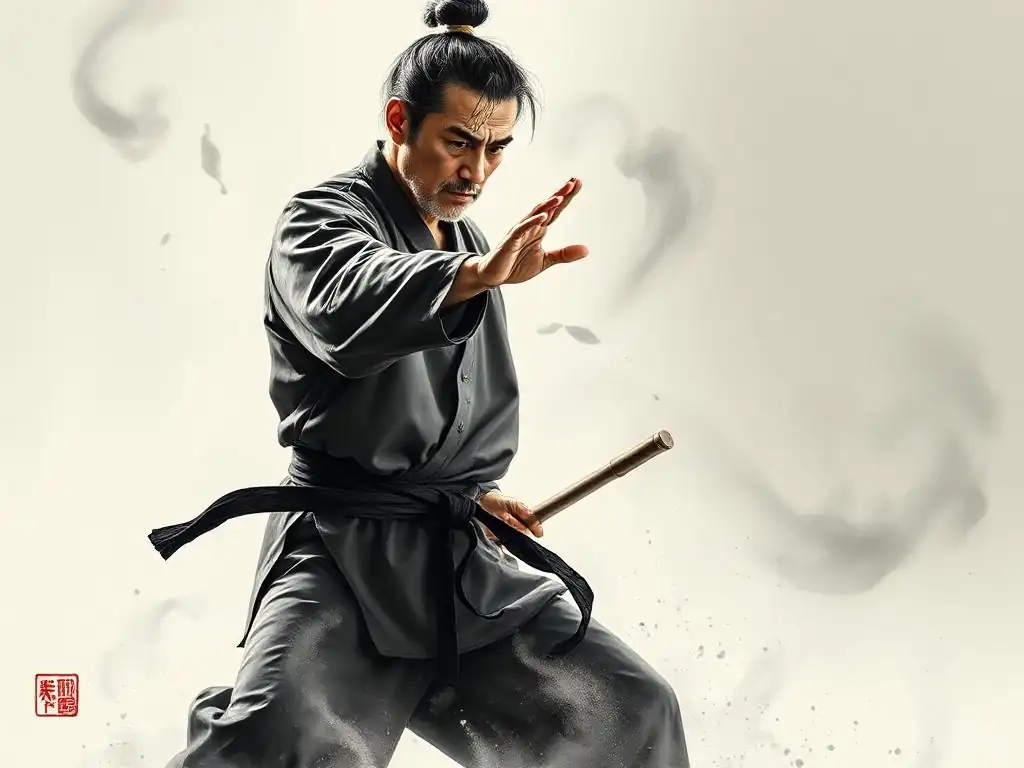
The ultimate goal of Chi Sao Ting Jing training is to translate the sensitivity developed in the controlled environment of the drill to the unpredictable nature of sparring and self-defense. In a real encounter, contact may be fleeting, rough, or unexpected. The practitioner must be able to instantly recognize and utilize the tactile information received, even under pressure and against non-cooperative resistance. This transition requires dedicated practice bridging the gap between drills and application.
Training methods to bridge this gap include practicing Chi Sao with increasing levels of intensity and unpredictability, incorporating elements of sparring within Chi Sao (such as sudden strikes or changes in range), and eventually moving to light, contact-based sparring where the principles of Ting Jing are consciously applied. For instance, feeling an opponent begin to load weight onto one leg can be the tactile cue to attack that leg or disrupt their balance, a direct application of sensitivity learned in Chi Sao.
Using Ting Jing for Anticipation and Counter-Striking
Ting Jing allows for a level of anticipation that goes beyond visual cues. By feeling the tension building in an opponent's arm or shoulder, a Wing Chun practitioner with developed Ting Jing can sense an impending strike fractions of a second before it is fully launched. This early warning system, based on tactile feedback, provides a critical advantage, allowing for simultaneous counter-strikes or pre-emptive defensive actions. This is a core benefit derived from rigorous Chi Sao Ting Jing training.
For example, if an opponent makes contact and begins to tense their bicep and shoulder, a practitioner with acute Ting Jing can feel this preparation and launch a straight punch along the centerline as the opponent is initiating their movement, effectively neutralizing the attack before it gains momentum and simultaneously striking. This simultaneous action, rooted in tactile anticipation, is far more efficient than blocking and then striking.
Adapting Ting Jing to Different Opponent Styles
Effective Ting Jing allows a Wing Chun practitioner to adapt their responses to opponents with different physical attributes, fighting styles, and energy. Some opponents might be stiff and rely on brute force, while others might be fluid and evasive. Developed listening energy helps the practitioner quickly assess the opponent's "feel" and adjust their application of Wing Chun principles accordingly. Against a stiff opponent, sensitivity helps find the moments of rigidity to exploit. Against a fluid opponent, it helps maintain contact and feel the subtle shifts in their structure.
Through extensive Chi Sao Ting Jing training with a variety of partners, the practitioner learns to recognize different types of force and intention. They develop the ability to "read" the opponent's body through touch, regardless of their external appearance or style. This adaptability, guided by refined tactile sensitivity, makes Wing Chun's close-range strategy versatile and effective against a wide range of opponents.
The Relationship Between Ting Jing and Wing Chun Theory
How Ting Jing Embodies the Wing Chun Centerline Theory
The Wing Chun centerline theory posits that the most direct and vulnerable line between two opponents is the centerline. Ting Jing is intimately connected to this principle because sensitivity developed through Chi Sao is often used to defend one's own centerline and attack the opponent's. By maintaining contact and listening to the opponent's force, the practitioner can feel deviations from the centerline and immediately respond to protect their own vital targets or exploit openings along the opponent's centerline.
For instance, if the opponent's force is directed away from the centerline during Chi Sao, Ting Jing allows the practitioner to feel this shift and instantly redirect their own energy along the open centerline to strike. Conversely, if the opponent attempts to penetrate the practitioner's centerline, Ting Jing provides the immediate tactile feedback needed to structure and defend that line effectively, often simultaneously counter-attacking along the opponent's centerline. This constant awareness and control of the centerline is facilitated and enhanced by refined listening energy.
Ting Jing and the Use of Economy of Motion
Economy of motion is a core tenet of Wing Chun, emphasizing direct, efficient movements. Ting Jing directly supports this principle by providing the precise information needed to act with minimal wasted movement. Instead of large, sweeping blocks or multiple preparatory movements, Ting Jing allows the practitioner to feel the exact point of contact and the direction of force, enabling the most direct and efficient response.
By accurately sensing the opponent's energy, the practitioner can use just enough force and the most direct angle to neutralize or redirect it, often while simultaneously attacking. This eliminates unnecessary steps or power generation, making the Wing Chun response fast and efficient. For example, feeling a slight pressure on the outside of the arm indicates the precise, minimal adjustment needed to redirect the force and maintain a dominant position, rather than a large, power-consuming block. This efficiency is a direct outcome of effective Chi Sao Ting Jing training.
The Philosophical Underpinnings of Ting Jing in Wing Chun
Beyond its practical application, Ting Jing embodies key philosophical principles within Wing Chun and Chinese martial arts. It reflects the Taoist concept of yielding to overcome hardness, like water flowing around a rock. Instead of meeting force with equal force, Ting Jing encourages sensitivity and adaptability, finding the path of least resistance. This is not passive yielding, but an active, intelligent responsiveness based on acute perception.
Furthermore, the development of Ting Jing through dedicated practice cultivates patience, perseverance, and a deep connection between mind and body. It teaches the importance of internal awareness and the ability to remain calm and centered under pressure. The phrase "listening energy" itself suggests a humble, receptive approach to combat, emphasizing understanding the opponent rather than simply overpowering them. This philosophical depth is an integral part of the journey in Chi Sao Ting Jing training.
Mastering Ting Jing: A Lifelong Pursuit in Wing Chun
The Importance of Consistent Practice and Refinement
Mastering Ting Jing is not a destination but a continuous process that requires consistent, dedicated practice over many years, even decades. Initial sensitivity developed in beginner drills is just the surface layer. True mastery involves refining the ability to perceive increasingly subtle cues, differentiate between various forces and intentions, and respond instantaneously and appropriately in a wide range of situations. This requires countless hours engaged in Chi Sao Ting Jing training, continually pushing the boundaries of one's tactile awareness.
Regular practice, ideally several times a week, is crucial to keep the tactile pathways active and the sensitivity sharp. This involves practicing with different partners to experience varied types of energy and body structures. The refinement process also involves introspection and analysis – reflecting on Chi Sao sessions to understand what was felt, how the body responded, and how responses could be improved. This ongoing cycle of practice and refinement is essential for deepening Ting Jing proficiency.
Seeking Guidance from Experienced Instructors
While solitary practice can build some basic skills, the nuances of Ting Jing are best learned through direct guidance from experienced instructors. An experienced Sifu or senior practitioner can provide immediate feedback on tension, structure, and responsiveness during Chi Sao. They can identify subtle habits that hinder sensitivity and provide specific drills or adjustments to correct them. Learning to "feel" correctly often requires having someone who already possesses refined Ting Jing guide your contact.
An instructor can also introduce progressively more complex drills and pressure testing environments to challenge and develop the practitioner's Ting Jing in a structured manner. They can explain the theoretical underpinnings in a way that connects directly to the physical sensation experienced during practice. Seeking knowledgeable guidance is a vital step in accelerating and deepening one's understanding and mastery of Chi Sao Ting Jing training.
The Future of Ting Jing Training in Wing Chun
As Wing Chun continues to spread globally, the methods for teaching and developing Ting Jing are evolving. While the core principles remain rooted in traditional Chi Sao, modern approaches sometimes incorporate scientific understanding of proprioception and tactile sensory input to enhance training methods. There is also increasing recognition of the psychological aspects, such as mindfulness and managing stress under pressure, which are crucial for maintaining sensitivity in dynamic situations.
The future of Chi Sao Ting Jing training may see further integration of sports science principles to optimize training effectiveness, while staying true to the art's traditional roots. Regardless of methodological evolution, the fundamental practice of sticking hands and the cultivation of "listening energy" will remain central to Wing Chun. It is the unique engine that drives the art's close-range effectiveness and embodies its profound principles of adaptability, economy, and sensitivity.
Frequently Asked Questions
What is Chi Sao and how does it relate to Ting Jing training?
Chi Sao, or "sticking hands," is a unique sensitivity training method in Wing Chun that cultivates Ting Jing ("listening energy"). It involves constant tactile contact to develop reflexes and sensitivity to an opponent's force.
What is Ting Jing, and why is it important in martial arts?
Ting Jing, often translated as "listening energy" or "sensitivity," is the ability to perceive an opponent's intentions through subtle changes in pressure and movement. It's vital for effective defense and counter-attack in close-range combat.
How does Chi Sao training help develop Ting Jing?
By maintaining constant contact, Chi Sao allows practitioners to feel shifts in balance, force, and intention. This constant feedback loop trains the nervous system to react instinctively and preemptively.
What are some common exercises or drills used in Chi Sao Ting Jing training?
Common drills include single and double sticking hands, focusing on maintaining structure, yielding to force, and generating power. Specific exercises target developing sensitivity to different types of pressure and angles of attack.
Is Chi Sao Ting Jing training only beneficial for Wing Chun practitioners?
While central to Wing Chun, the principles of developing sensitivity and "listening energy" through tactile training can be valuable for any martial artist. It improves close-quarters combat skills and awareness.
Final Reflection: Embracing the Power of Listening
The journey through Chi Sao Ting Jing training reveals a profound truth: true strength lies not just in physical prowess, but in the ability to listen deeply and intuitively. This concept, far from being confined to the Wing Chun dojo, resonates deeply in our increasingly noisy and disconnected world. Cultivating "Listening Energy" is more than a martial art skill; it's a vital tool for navigating complex relationships, understanding subtle cues, and ultimately, connecting with ourselves and others on a more meaningful level.
The practice of Chi Sao, and its focus on Ting Jing, has undeniably shaped the martial arts landscape, but its influence extends far beyond. It reminds us that genuine understanding requires active listening, a skill often overlooked in our fast-paced society. The quieter you become, the more you can hear.
This ancient wisdom, perfectly embodied by the principles of Ting Jing, underscores the importance of cultivating inner stillness to truly perceive the world around us. The ability to sense, anticipate, and respond with sensitivity is a powerful asset, not just in combat, but in every aspect of life.
So, I invite you to consider: how can you cultivate your own "Listening Energy"? How can you apply the principles of Ting Jing – sensitivity, responsiveness, and intuitive understanding – to your interactions, your work, and your personal growth? Embrace the power of listening, not just with your ears, but with your entire being, and discover the profound strength that lies within.
Unleash Your Inner Listener: Transform Your Chi Sao Now!
Thank you for exploring the depths of "Listening Energy" and its connection to Chi Sao. You've unlocked key insights into developing this crucial skill. Now, it's time to put that knowledge into action and truly elevate your practice.
Here’s how you can take your Ting Jing to the next level:
- Prioritize feeling over seeing: In your next Chi Sao session, consciously close your eyes for a brief period. Focus solely on the tactile sensations, allowing your hands to "see" for you.
- Expand your sensitivity: Challenge yourself to discern subtle shifts in your opponent's structure, even before they initiate a movement. Can you feel their intention before they act?
- Share the Wisdom: Teach one concept from this article to a training partner and discuss how you can incorporate it into your drills.
What small adjustment will you make in your next Chi Sao session to dramatically improve your listening energy?