
Jujutsu and the Law: Understanding Reasonable Force in SelfDefense Situations

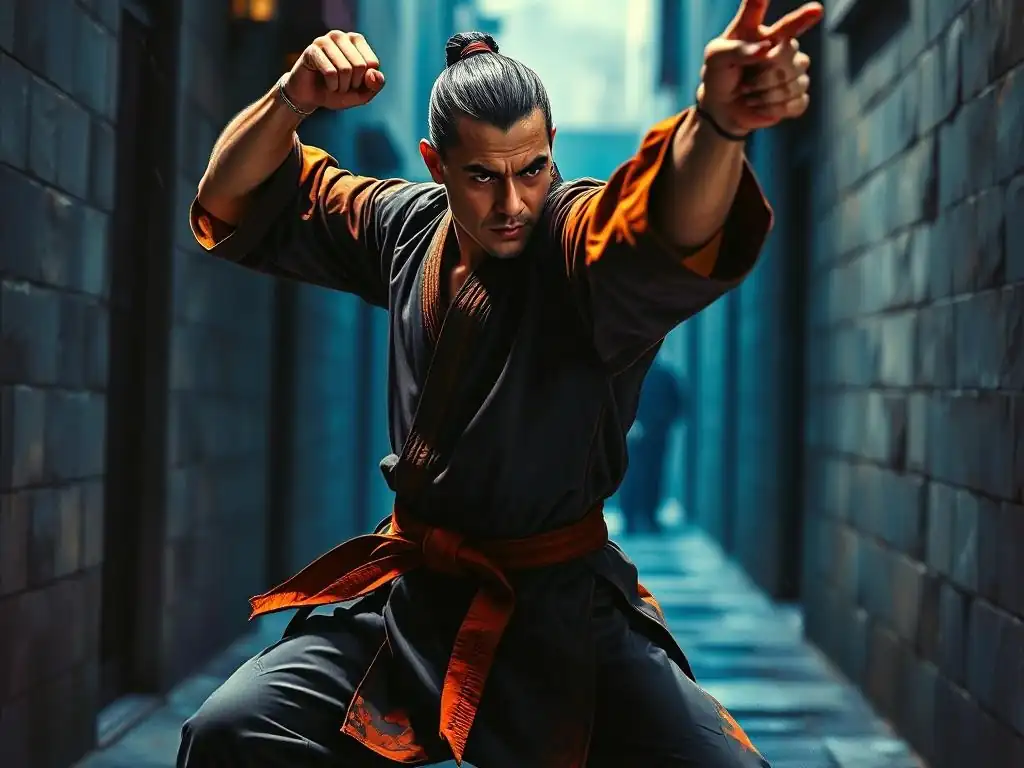
Welcome to Martial Arts Mastery, your gateway to understanding the profound world of combat traditions. Ever wondered about the legal boundaries of self-defense when employing martial arts techniques? Delve into the intricate relationship between Jujutsu, self-defense, and the concept of reasonable force in our latest exploration. Discover how this ancient art empowers you while staying within the bounds of the law, and unlock the secrets to responsible and effective self-protection. Intrigued? Let's begin!
- Jujutsu Self-Defense: Navigating the Legal Landscape
- Reasonable Force Explained: What Jujutsu Practitioners Need to Know
- Jujutsu Techniques and the Spectrum of Force
- Applying Reasonable Force: Jujutsu Scenarios and Legal Considerations
- Minimizing Legal Risk in Jujutsu Self-Defense Training
- The Jujutsu Practitioner's Responsibility: Ethical Considerations
- Conclusion: Jujutsu, Self-Defense, and Responsible Application of Force
-
Frequently Asked Questions
- What is considered reasonable force in self-defense when using Jujutsu?
- How does Jujutsu training help in understanding the legal limits of self-defense?
- Does the "Martial Arts Mastery" website provide information on the legal ramifications of using Jujutsu for self-defense?
- How does the concept of "imminent danger" relate to using Jujutsu for self-defense?
- What are some potential legal consequences of using excessive force in a Jujutsu self-defense situation?
- Final Reflection: Navigating the Line Between Defense and Offense
- Unleash Your Inner Defender: Take Control Now!
The Role of Jujutsu in Modern Self-Defense Scenarios
Jujutsu, with its roots deeply embedded in battlefield effectiveness and civilian protection in feudal Japan, remains highly relevant for self-defense in the modern era. Its emphasis on grappling, throws, joint manipulations, and strikes provides a comprehensive toolkit for managing threats at various ranges. Unlike martial arts focused solely on striking, Jujutsu excels at controlling an aggressor, neutralizing threats without necessarily causing severe injury, which is a critical consideration when discussing reasonable force in self-defense.
The techniques are designed to disrupt balance, incapacitate through pain or control, and even subdue an opponent, making it adaptable to situations ranging from simple restraint to more serious physical confrontations. A practitioner of Jujutsu self-defense learns to assess a situation rapidly and apply force strategically to ensure their safety.
Furthermore, modern Jujutsu training often incorporates scenario-based practice, simulating real-world attacks to help practitioners develop situational awareness and decision-making skills under pressure. This training is vital for understanding how to transition between techniques based on the evolving threat level and the environment.
The ability to use leverage and body mechanics allows a smaller or weaker individual to defend against a larger, stronger attacker, which is a common scenario in self-defense. This practical application of physics and anatomy means that Jujutsu self-defense isn't just about physical technique but also about intelligent application of force, directly linking it to the legal concept of reasonable force.
Understanding Legal Boundaries in Jujutsu Self-Defense
When employing Jujutsu for self-defense, practitioners must operate within the legal framework governing the use of force. Legal systems generally permit individuals to use force to protect themselves or others from harm, but the amount of force used must be "reasonable" under the circumstances. This means the force should be proportionate to the threat faced.
Using excessive force, even in a situation where self-defense was initially justified, can lead to criminal charges or civil lawsuits. For a Jujutsu practitioner, this translates into a need to understand not just how to apply a technique, but when and how much force is legally permissible.
The legal definition of self-defense often requires that the threat be imminent, meaning it is happening or about to happen immediately. It also typically requires that the person using force did not provoke the attack. Understanding these nuances is crucial.
For instance, using a painful joint lock to subdue someone who is merely yelling insults is unlikely to be considered reasonable force in most jurisdictions, whereas using it to escape a physical assault might be. Legal boundaries are highly fact-dependent, considering the specific actions of both parties, the environment, and the perceived danger. A Jujutsu self-defense strategy must therefore be adaptable and legally informed.
Reasonable Force Explained: What Jujutsu Practitioners Need to Know
Defining Reasonable Force in Self-Defense Laws
Reasonable force, in the context of self-defense law, refers to the level of force that a prudent person would deem necessary to use under similar circumstances to protect themselves or others from harm. It is not a fixed standard but is assessed based on the specific facts of each case. The core principle is proportionality: the defensive force used should not be excessive in relation to the threat.
While laws vary significantly by jurisdiction (country, state, province), the underlying concept revolves around necessity and proportionality. For example, using a debilitating throw or submission hold from Jujutsu against an unarmed attacker who is simply pushing you might be deemed unreasonable, whereas using it against someone attempting to stab you could be considered reasonable.
Legal definitions often highlight that the assessment of reasonable force is based on the defender's perspective at the time of the incident, taking into account their reasonable belief about the threat. This subjective element is crucial, as a defender might perceive a greater threat than was objectively present, but their actions could still be considered reasonable if that belief was genuinely held and rational under the circumstances.
However, this does not grant unlimited license; the belief must still be one that a reasonable person in the same situation would hold. Navigating the application of Jujutsu self-defense techniques within this legal framework requires careful consideration of the immediate context.
Factors Influencing the Determination of Reasonable Force
Several factors are typically considered by legal authorities when determining if the force used in self-defense was reasonable. These factors help assess the totality of the circumstances from the perspective of a reasonable person in the defender's position. Understanding these points is vital for any Jujutsu practitioner concerned with legal repercussions. Key considerations include the nature and severity of the threat, the relative size, strength, and number of the individuals involved, whether the attacker possessed weapons, and the defender's ability to retreat safely.
Perceived Threat Level and Jujutsu Response
The perceived level of threat is perhaps the most significant factor. Was the attacker merely verbally aggressive, or were they exhibiting behaviors indicating an intent to cause serious bodily harm or death? A Jujutsu practitioner's response must escalate appropriately with the perceived danger. For instance, responding to a minor shove with a technique designed to break bones would likely be seen as unreasonable. Conversely, if facing a credible threat of severe injury, utilizing more decisive Jujutsu self-defense techniques might be deemed reasonable. The defender's perception must be genuinely held and objectively reasonable given the circumstances.
Proportionality in Jujutsu Self-Defense
Proportionality dictates that the force used should be comparable to, or slightly exceed, the force being threatened or used by the aggressor, but not vastly disproportionate. This is where the versatility of Jujutsu becomes relevant. A skilled practitioner can choose from a spectrum of techniques, from control holds that inflict minimal pain to throws and joint locks that can cause injury, and even strikes.
Applying a low-level joint lock to someone resisting arrest by police (assuming legal authority) is a different proportionality analysis than using it against a civilian attacker. The goal is to neutralize the threat, not to inflict unnecessary harm.
Imminent Danger and the Right to Self-Defense
The threat must typically be imminent. This means the danger is immediate and impending, not something that might happen in the future. Self-defense laws generally do not permit pre-emptive attacks based on a potential future threat. If a Jujutsu practitioner uses techniques against someone who threatened to attack them next week, that would likely not qualify as self-defense because the threat was not imminent. The action must be necessary to prevent immediate harm. The right to use force arises when the danger is present and active, requiring an immediate defensive response.
Jujutsu Techniques and the Spectrum of Force
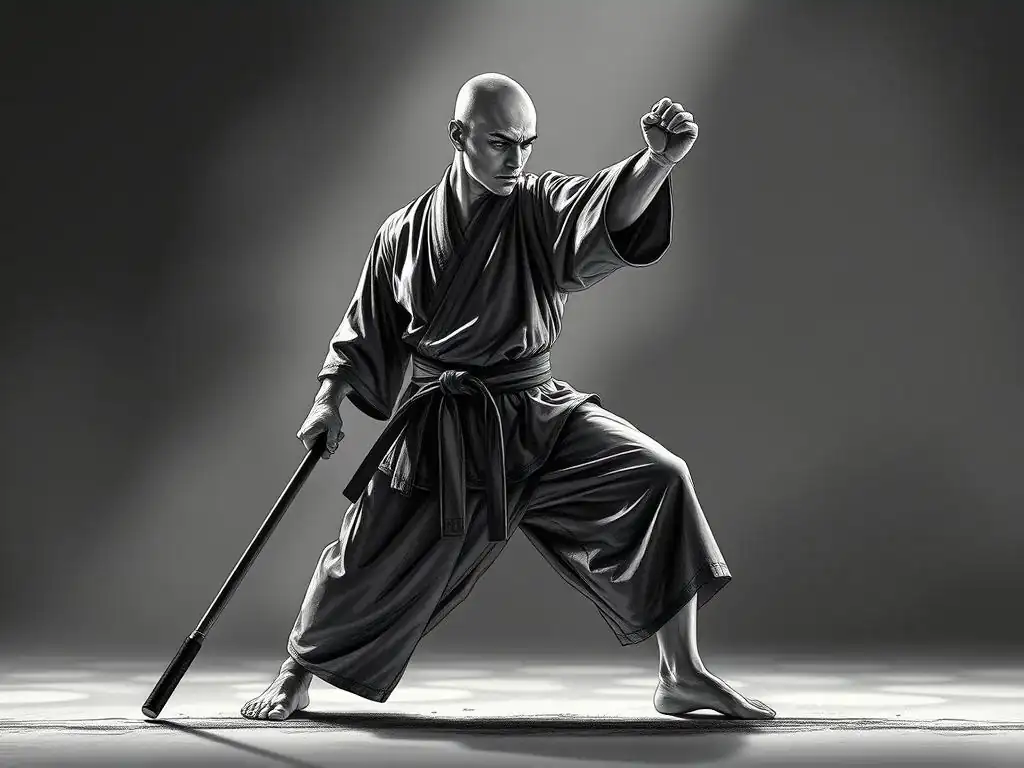
Low-Level Force Options in Jujutsu: Joint Locks and Control Techniques
Jujutsu offers numerous techniques categorized as low-level force, designed primarily for control and de-escalation rather than causing significant injury. These include various joint locks (like wrist locks or finger locks) applied with minimal pressure, pain compliance techniques, and positional control holds (like pins or restraints). These techniques are invaluable in self-defense scenarios where the goal is to subdue an aggressor or gain compliance without resorting to more harmful actions. For example, a simple wrist lock can deter an attacker or allow the defender to escape, often causing only temporary pain or discomfort.
Using these techniques aligns well with the principle of reasonable force, particularly in situations involving minor assaults, attempts to grab or restrain, or when dealing with individuals who are aggressive but not presenting an immediate threat of serious bodily harm. A Jujutsu practitioner trained in these methods has the ability to resolve a conflict with minimal physical impact, which is often the most legally defensible approach. The key is applying just enough pressure or control to achieve safety, stopping the technique as soon as the threat is neutralized or the defender can safely disengage.
Moderate Force Options: Throws and Restraining Maneuvers
Moderate force options in Jujutsu include throws (nage waza) and more forceful restraining maneuvers. Throws aim to take an opponent off their feet, impacting them on the ground. While a controlled throw can simply disrupt an attack and allow escape, a forceful throw onto a hard surface can potentially cause significant injury, ranging from sprains and fractures to head injuries. Restraining maneuvers, such as complex pins or holds that limit movement more severely than simple control holds, also fall into this category.
These techniques are typically considered reasonable when facing an attacker who is physically aggressive, attempting to grapple, or posing a higher level of threat than can be managed with low-level force. Using a throw to escape someone who has physically assaulted you is often seen as a proportionate response. However, the context is crucial.
Throwing someone down stairs or onto concrete when a less dangerous option was available might be deemed excessive. The Jujutsu practitioner must assess the environment and the attacker's behavior to determine if a moderate force technique is warranted and can be applied as safely as possible under duress.
High-Level Force Options: Strikes and Submission Holds
High-level force options in Jujutsu include strikes (atemi waza) aimed at vulnerable points and submission holds (shime waza, kanstesu waza) applied with sufficient force to cause unconsciousness, broken bones, or severe joint damage. Strikes to vital areas or powerful submission holds like chokeholds or armbars applied with full force can cause significant, potentially life-altering, injuries or even death. These techniques represent the upper end of the force spectrum available to a Jujutsu practitioner.
Applying these techniques is legally justifiable only in situations where the defender faces an imminent threat of serious bodily harm or death. Using a chokehold to defend against someone attempting to stab you would likely be considered reasonable force. Using it against someone who merely slapped you would almost certainly be deemed excessive. The use of high-level force carries the greatest legal risk and should only be employed as a last resort when lesser force is insufficient to neutralize a life-threatening situation.
When is Deadly Force Justified in Jujutsu Self-Defense?
Deadly force is force likely to cause death or serious bodily harm. In most jurisdictions, the use of deadly force in self-defense is justified only when the defender reasonably believes they are in imminent danger of death or serious bodily harm. Some Jujutsu techniques, such as certain strikes to the head or neck, powerful chokeholds, or throws onto hard surfaces resulting in severe impact, can constitute deadly force.
The legal standard for using deadly force is very high. There is often no duty to retreat if you are in your home ("castle doctrine"), but outside the home, some jurisdictions require you to attempt to retreat safely before using deadly force, unless doing so would increase your danger.
A Jujutsu practitioner must understand that employing techniques that could be construed as deadly force is a grave legal matter, reserved for situations where their life or the life of another is in immediate peril. The analysis will scrutinize whether a reasonable person in the same situation would have believed deadly force was necessary.
Applying Reasonable Force: Jujutsu Scenarios and Legal Considerations
Scenario 1: Defending Against a Verbal Threat with Jujutsu
- Scenario: While walking, someone blocks your path, yells insults, and makes aggressive gestures but does not physically touch you or display a weapon.
- Jujutsu Response: The appropriate response involves de-escalation, maintaining distance, and potentially assuming a defensive posture but not engaging physically with Jujutsu techniques.
- Legal Consideration: Using any physical Jujutsu technique, even a low-level control hold, in this scenario would almost certainly be considered excessive force. There is no imminent physical threat requiring physical defense. The legal system would not view a verbal threat, however aggressive, as justification for physical force. The focus should be on disengagement and seeking safety, not applying techniques.
In this situation, the perceived threat level is low (verbal/gestural, no physical contact or weapon). Applying Jujutsu self-defense techniques would be disproportionate to the threat. Legal principles emphasize that force is only permissible to counter physical threats. Engaging physically could turn you from a potential victim into an aggressor in the eyes of the law.
Scenario 2: Responding to a Physical Assault with Jujutsu Techniques
- Scenario: An unarmed attacker grabs you forcefully from behind, attempting to drag you away.
- Jujutsu Response: Using a breakfall to disrupt the grab, followed by a throw or joint manipulation to escape the hold and create distance. Low to moderate force techniques aimed at breaking the attacker's grip and control would be appropriate.
- Legal Consideration: This scenario involves an imminent physical threat (unwanted physical contact, potential abduction). Using reasonable force to break free is legally justifiable. Techniques like Kuzushi (breaking balance) followed by a throw (like Ogoshi or Ippon Seoi Nage) to escape, or applying a wrist lock (Kote Gaeshi) to force a release, would likely be considered proportionate responses to being physically grabbed and dragged.
The key here is that the force is being used to counter an active physical assault and facilitate escape. The level of force (moderate, aiming to disrupt and escape) is proportionate to the threat of being physically controlled and potentially harmed. The legal analysis would focus on whether the techniques used were necessary to break free and whether excessive harm was inflicted beyond what was required for self-preservation.
Scenario 3: Using Jujutsu to Defend Others from Harm
- Scenario: You witness an attacker physically assaulting a smaller, weaker person, posing a threat of serious injury.
- Jujutsu Response: Intervening using control techniques, throws, or potentially submission holds to stop the assault and protect the third party. The level of force used would depend on the severity of the ongoing assault and the attacker's resistance.
- Legal Consideration: Many jurisdictions allow the use of reasonable force to defend a third party from harm, often under the same legal standards as self-defense. The threat to the third party must be imminent and pose a risk of serious bodily harm or death to justify higher levels of force. Using Jujutsu techniques to subdue an attacker who is actively and violently assaulting another person would likely be considered reasonable, provided the force used is proportionate to the threat the third party is facing.
Intervening to defend another person requires careful judgment. The law generally permits you to use the same level of force to protect someone else as they would be legally permitted to use to protect themselves. If the attacker was using deadly force against the third party, using techniques from Jujutsu that could constitute deadly force might be legally justified to stop the attack. However, if the attack on the third party was minor, using excessive force would not be permissible.
Minimizing Legal Risk in Jujutsu Self-Defense Training
Importance of De-escalation Techniques in Jujutsu
A crucial, often overlooked, aspect of Jujutsu self-defense training is the emphasis on de-escalation. Avoiding a physical confrontation entirely is always the safest and most legally defensible outcome. Effective self-defense training teaches practitioners to recognize warning signs, use verbal diffusion techniques, maintain appropriate distance, and utilize situational awareness to prevent conflicts from escalating to the physical level. This aligns perfectly with the legal requirement that force should only be used when necessary and when other options, like retreat or de-escalation, are not safely possible.
Incorporating de-escalation into Jujutsu practice involves role-playing scenarios where physical techniques are the last resort. This training reinforces the mindset that physical force is a tool to be used only when absolutely required for safety, not as a primary response to confrontation. Mastery of Jujutsu self-defense includes the wisdom to know when not to fight. Statistics show that most confrontations can be resolved without physical violence if proper de-escalation and avoidance strategies are employed.
Documenting Self-Defense Training and Jujutsu Proficiency
While not a guarantee of legal success, maintaining records of your Jujutsu training can be beneficial in the unfortunate event of a self-defense incident leading to legal scrutiny. Documentation could include records of attendance at certified dojos, instructor credentials, specific self-defense courses attended, and even notes on techniques learned specifically for self-preservation and control. This can help demonstrate that your training is legitimate, focuses on responsible use of force, and that you possess the skills to apply techniques with control, rather than acting recklessly.
Presenting evidence of formal training in Jujutsu self-defense can support a claim that the force used was applied skillfully and appropriately to the situation, rather than being a wild, uncontrolled act. It can also help establish that you were trained to understand the principles of applying force proportionate to a threat. While training records alone don't justify excessive force, they can lend credibility to your account of how and why techniques were used.
Seeking Legal Counsel After a Self-Defense Incident
Following any self-defense incident where physical force was used, especially one involving Jujutsu techniques, it is critically important to seek legal counsel immediately. Do not make detailed statements to law enforcement without first consulting with an attorney experienced in self-defense law in your specific jurisdiction. Laws regarding self-defense, reasonable force, and the use of force vary significantly by location, and an attorney can advise you on your rights and the best course of action.
An attorney can help you navigate the legal process, understand the specific laws applicable to your case, gather necessary evidence, and ensure your rights are protected. They can also help explain to legal authorities the nature of the Jujutsu techniques used and why they were necessary and proportionate in the context of the threat you faced. Relying on legal expertise is essential after any incident involving the application of physical force for self-defense.
The Jujutsu Practitioner's Responsibility: Ethical Considerations
Respect for the Law and the Value of Human Life
Integral to the philosophy of many martial arts, including Jujutsu, is a deep respect for life and the law. A responsible Jujutsu practitioner understands that the techniques learned are powerful tools capable of causing serious harm. Therefore, they carry an ethical obligation to use these skills only when absolutely necessary and in accordance with legal and moral principles. This means valuing human life, including that of an aggressor, and seeking to resolve conflicts with the minimum necessary force.
This ethical stance reinforces the legal concept of reasonable force. It's not just about what you can do with Jujutsu techniques, but what you should do, considering the potential consequences for all parties involved. Training in Jujutsu self-defense instills discipline and judgment, which are crucial for making split-second decisions under stress that are both effective and ethically sound.
Using Jujutsu as a Last Resort: Prioritizing Safety
Jujutsu self-defense should always be viewed as a last resort after all other avenues for avoiding or de-escalating a conflict have been exhausted. Prioritizing safety means recognizing danger early, attempting to escape, using verbal skills to calm a situation, and only resorting to physical techniques when faced with an imminent physical threat that cannot be otherwise avoided. This aligns with legal principles that often require a duty to retreat if it can be done safely before using force.
This mindset is cultivated through training that emphasizes awareness, avoidance, and de-escalation before physical engagement. A true master of Jujutsu self-defense is one who rarely needs to use their physical techniques because they have successfully navigated potential conflicts through superior awareness and non-physical means.
Continuing Education in Self-Defense Law and Ethical Conduct
Laws regarding self-defense are not static; they can change, and their interpretation can evolve through court decisions. Therefore, responsible Jujutsu practitioners should commit to ongoing education not just in physical techniques but also in the legal and ethical aspects of self-defense. Staying informed about the laws in your local jurisdiction is crucial for ensuring that your understanding of reasonable force is current and accurate.
Engaging in discussions with instructors, attending seminars on self-defense law, and consulting reliable legal resources can help maintain a clear understanding of the boundaries within which Jujutsu self-defense can be legally and ethically employed. This continuous learning is a vital part of being a responsible martial artist and a prepared individual.
Conclusion: Jujutsu, Self-Defense, and Responsible Application of Force
Jujutsu provides a powerful and versatile system for self-defense, equipped with techniques ranging from low-level control to high-level disabling maneuvers. However, possessing these skills comes with a significant responsibility to understand and adhere to the legal concept of reasonable force. Navigating the intersection of Jujutsu and the law requires practitioners to assess threats accurately, apply force proportionate to the danger, and prioritize de-escalation and avoidance whenever possible.
The determination of reasonable force is complex, depending heavily on specific circumstances and jurisdictional laws. Factors like the perceived threat, proportionality of response, and the imminence of danger are always central to the legal analysis. By training responsibly, emphasizing de-escalation, understanding legal boundaries, and seeking appropriate counsel when necessary, Jujutsu practitioners can ensure that their ability to defend themselves aligns with legal and ethical standards, using their skills only when truly necessary to protect life and safety.
Frequently Asked Questions
What is considered reasonable force in self-defense when using Jujutsu?
Reasonable force is the amount of force necessary to stop an attacker and neutralize the threat. This means using only the force proportional to the threat you face. It's not about retaliation, but about immediate safety.
How does Jujutsu training help in understanding the legal limits of self-defense?
Jujutsu training emphasizes de-escalation techniques and precise control, helping practitioners understand how to use the minimum necessary force. This awareness is crucial for staying within the boundaries of the law during a self-defense situation.
Does the "Martial Arts Mastery" website provide information on the legal ramifications of using Jujutsu for self-defense?
While "Martial Arts Mastery" offers historical overviews, training techniques, and philosophical underpinnings, it also covers practical self-defense strategies, implying an understanding of legal considerations around the use of reasonable force. Further research on specific laws is always recommended.
How does the concept of "imminent danger" relate to using Jujutsu for self-defense?
You can only use Jujutsu techniques for self-defense when facing imminent danger – a threat that is immediate and unavoidable. This means a credible threat of harm must be present before using force.
What are some potential legal consequences of using excessive force in a Jujutsu self-defense situation?
Using excessive force, beyond what's reasonably necessary to stop an attacker, can lead to criminal charges like assault and battery. You might also face civil lawsuits for damages caused to the attacker.
Okay, here's a final reflection designed to close your article "Jujutsu and the Law: Understanding Reasonable Force in Self-Defense Situations," optimized for the keyword "Jujutsu selfdefense reasonable force" and following the structure you outlined:
The exploration of Jujutsu selfdefense reasonable force reveals a critical intersection between ancient martial arts principles and modern legal frameworks. Understanding the nuances of reasonable force in self-defense situations is not merely an academic exercise; it's a vital skill for anyone who chooses to train in Jujutsu, ensuring that their actions are both effective and legally justifiable in the face of potential threats. This knowledge empowers practitioners to protect themselves while remaining within the boundaries of the law.
The ongoing influence of Jujutsu on self-defense training underscores its enduring relevance. The ability to de-escalate a situation and use only the necessary force is paramount, reflecting a deep respect for both oneself and the potential adversary. The supreme art of war is to subdue the enemy without fighting.
- Sun Tzu. This quote encapsulates the essence of responsible self-defense, emphasizing that physical intervention should always be a last resort, guided by principles of proportionality and necessity.
As you continue your journey in Jujutsu, remember that the true strength lies not only in your physical prowess but also in your understanding of the legal and ethical considerations that govern self-defense. Strive to be a responsible practitioner, always mindful of the potential consequences of your actions. Let the principles of Jujutsu selfdefense reasonable force guide your training and inform your decisions, ensuring that you are always prepared to defend yourself while upholding the law and respecting the sanctity of human life.
Unleash Your Inner Defender: Take Control Now!
Thanks for diving into the world of Jujutsu and its legal implications! We hope this article has empowered you with a better understanding of reasonable force and self-defense. Now, let's translate that knowledge into action.
- Enroll in a certified Jujutsu self-defense course to gain practical skills and deepen your understanding of legal boundaries.
- Explore local self-defense laws and regulations in your area. Knowledge is power, and staying informed keeps you and others safe!
- Share this article with your fellow martial arts enthusiasts! Spark a discussion and help others better understand the legal aspects of self-defense.
What steps will you take this week to become a more informed and empowered practitioner of self-defense?