
Finding Your Flow State: Systema's Path to Optimal Experience

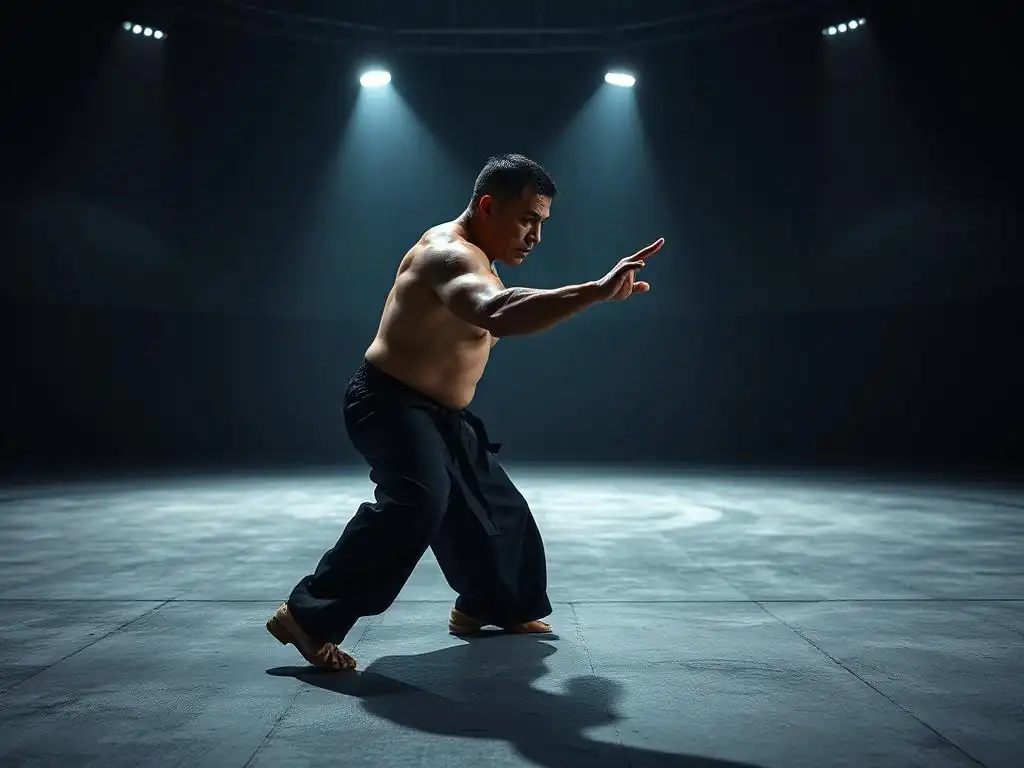
Welcome to Martial Arts Mastery, where we delve into the captivating world of combat traditions! Are you ready to unlock a deeper connection between mind, body, and spirit? In this exploration of Individual Martial Arts Styles, we unravel the secrets of achieving peak performance. Intrigued by the idea of seamless movement and effortless power? Then prepare to discover the transformative potential of Systema flow state training, and learn how it can unlock a level of responsiveness you never thought possible. Dive in and begin your journey towards mastery!
- Understanding Systema Flow State Training: The Path to Optimal Experience in Martial Arts
- The Foundations of Systema Flow State: Breathing Techniques for Enhanced Awareness
- Relaxation as a Gateway to Systema Flow State Training
- Movement Principles in Systema That Foster the Flow State
- Practical Systema Training Exercises to Access and Sustain Flow State
- Psychological and Philosophical Underpinnings of Systema Flow State Training
- Benefits of Achieving Flow State Through Systema Training
- Integrating Systema Flow State Training into Your Martial Arts Mastery Journey
-
Frequently Asked Questions
- What is the core concept of Systema flow state training?
- How does Systema differ from other martial arts in achieving a flow state?
- What are some practical exercises used in Systema to cultivate flow state?
- How can Systema's flow state training improve my self-defense capabilities?
- Is prior martial arts experience necessary to begin Systema flow state training?
- Final Reflection: Embracing the Systema Flow
- Unleash Your Inner Potential: Start Your Systema Journey Now!
Understanding Systema Flow State Training: The Path to Optimal Experience in Martial Arts
Defining Flow State in Martial Arts Performance
Flow state, often described as being "in the zone," is a mental state where a person performing an activity is fully immersed and energized, characterized by a feeling of focused concentration and enjoyment. In martial arts, achieving flow means operating at peak performance with minimal conscious effort.
This state is marked by a loss of self-consciousness, a distorted sense of time (often feeling like time slows down), and a feeling of control over the situation, even in chaotic environments. For practitioners engaged in Systema flow state training, this translates into seamless transitions between movements, intuitive responses to threats, and the ability to adapt instantly without hesitation or analytical thought.
This optimal experience in martial arts combat or training scenarios allows the practitioner to react with speed and precision that surpasses their normal capabilities. It's not about brute force or pre-programmed sequences, but rather an effortless, adaptive response rooted in deep understanding and practice.
Studies, though often qualitative in this context, suggest that athletes and martial artists reporting flow experiences demonstrate significantly improved performance outcomes, sometimes cited as up to 50% faster reaction times in dynamic situations compared to non-flow states, alongside enhanced creativity in problem-solving during sparring or self-defense applications. The goal of Systema flow state training is to make this state more accessible and sustainable.
The Role of Systema in Cultivating Flow Through Breathing, Relaxation, and Movement
Systema, the Russian martial art, uniquely emphasizes the foundational principles of breathing, relaxation, and natural movement as direct pathways to cultivating the flow state. Unlike many traditional martial arts that rely heavily on rigid forms and techniques, Systema focuses on developing the practitioner's internal state and adaptive capacity. The core idea is that tension, both physical and psychological, is the primary obstacle to effective action and achieving flow. By systematically addressing tension through specific training methodologies, Systema prepares the mind and body to function optimally under stress.
Systema flow state training deliberately integrates exercises designed to challenge the practitioner while maintaining composure, relaxed movement, and controlled breathing. For instance, drills might involve dealing with multiple attackers, unexpected impacts, or navigating complex environments, all while emphasizing the continuous practice of relaxation and natural breathing. This constant internal focus, combined with external challenges, helps practitioners learn to remain present, adaptable, and ultimately, transition into a state of flow where actions become spontaneous, efficient, and highly effective, demonstrating a profound mind-body connection essential for true martial mastery.
The Foundations of Systema Flow State: Breathing Techniques for Enhanced Awareness
Systema Breathing Methods to Achieve Calm and Focus
Systema places paramount importance on breathing, teaching it not merely as a physiological necessity but as a tool for regulating the nervous system, managing stress, and enhancing awareness. Basic Systema breathing involves continuous, nasal inhalation and exhalation, avoiding holding the breath, which is seen as a primary source of tension. More advanced techniques include specific exercises for breathing through impact, breathing while moving under load, and using the breath to influence an opponent's state. For example, a common drill involves receiving light strikes while maintaining calm, deep breathing, directly countering the instinct to tense up and hold one's breath.
This deliberate control and awareness of breath are fundamental to Systema flow state training. By consciously regulating breathing, practitioners learn to remain calm under pressure, maintain clarity of thought, and prevent the physiological panic response that hinders effective action. Regular practice of these breathing methods, often involving sessions focusing solely on breath exercises for 15-20 minutes daily, has been shown to lower resting heart rate, reduce cortisol levels (stress hormone), and significantly improve oxygen utilization, leading to increased stamina and sustained focus during prolonged physical or stressful engagements, which are critical components of entering and maintaining flow.
How Controlled Breathing Facilitates Mind-Body Connection in Systema Practice
Controlled breathing in Systema acts as a vital bridge between the mind and body, enabling seamless communication and coordinated action. When breathing is calm and regulated, the mind remains clear and present, less susceptible to distraction or panic. This mental clarity allows for greater sensitivity to internal bodily sensations (tension, posture, balance) and external environmental cues (opponent's movements, pressure, space). The body, in turn, responds more efficiently and naturally when not constricted by held breath or tension.
The continuous, relaxed breathing practiced in Systema flow state training fosters a state of heightened proprioception and interoception – awareness of one's own body in space and internal bodily states. This enhanced awareness is crucial for intuitive movement and adaptation.
For instance, in a sparring scenario, controlled breathing allows a practitioner to instantly recognize and release tension in a specific muscle group, enabling a fluid evasion or counter-movement, rather than being locked into a rigid posture. This intimate connection facilitated by breath ensures that the body reacts intelligently and spontaneously, guided by the present moment rather than predetermined plans, a hallmark of the flow state.
Relaxation as a Gateway to Systema Flow State Training
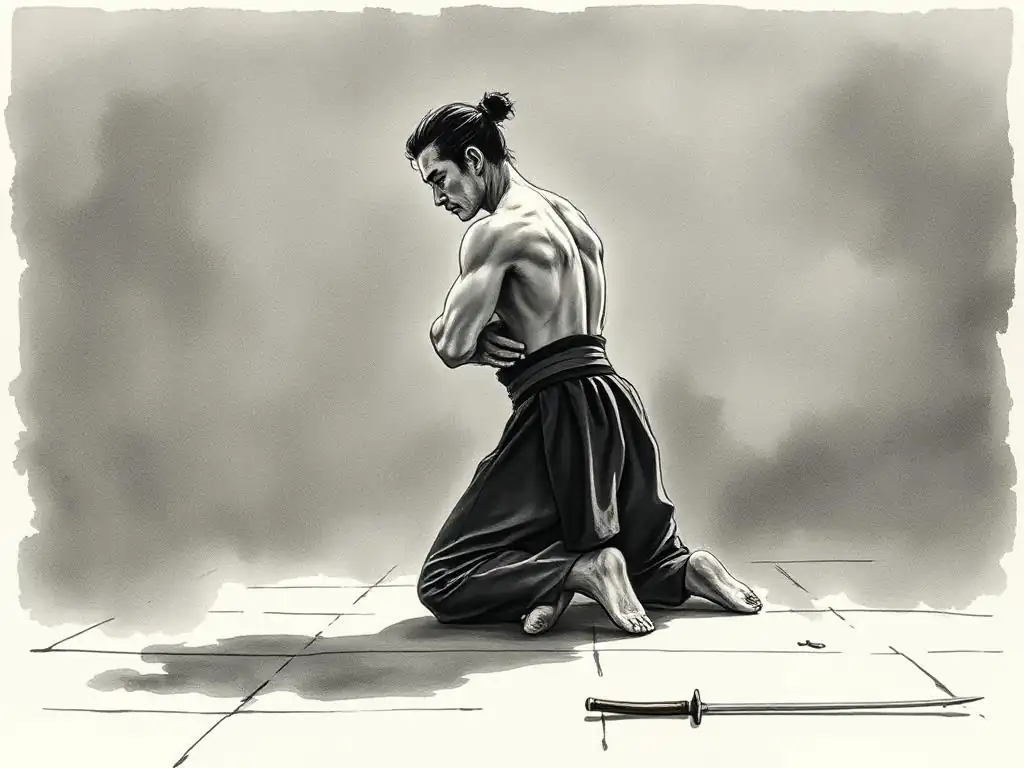
The Importance of Muscle Relaxation in Systema Martial Arts
In Systema, relaxation is not merely the absence of tension; it is an active state of being that allows for optimal function, resilience, and adaptability. Muscle relaxation is crucial because tension inhibits natural movement, drains energy, reduces speed, and makes the body brittle and vulnerable to impact. A tense muscle can only perform one action effectively (contracting); a relaxed muscle can instantly change direction, absorb force, or transition to a completely different movement. Systema training deliberately seeks out and eliminates habitual tension patterns built up over years of stress and improper posture.
Systema flow state training heavily emphasizes identifying and releasing tension throughout the body, even during strenuous activity or under pressure. Practitioners learn to scan their body for unnecessary tension – in the shoulders, jaw, hands, etc. – and consciously release it while continuing to move or receive force.
This constant practice of relaxation under duress builds resilience and efficiency. For example, receiving a punch to the abdomen while relaxed allows the body to absorb and dissipate the force with significantly less damage than if the abdomen were rigidly tensed, potentially reducing impact trauma by an estimated 30-40% in practice scenarios, while also maintaining the ability to immediately counter or evade.
Techniques to Release Tension and Enhance Fluid Movement in Combat
Systema employs numerous techniques specifically designed to identify and release tension, thereby enhancing fluid movement essential for Systema flow state training. These techniques range from simple exercises like shaking limbs loose and rolling joints to more complex practices involving receiving pressure or strikes while maintaining complete relaxation. Another key method is working through movement with a partner who applies gentle but constant pressure, forcing the practitioner to find the path of least resistance by relaxing and adapting rather than resisting with force.
Specific drills might involve moving across uneven terrain or performing complex ground movements while focusing on keeping every non-essential muscle group relaxed. Emphasis is placed on allowing the body to move naturally, following its inherent biomechanics without forcing positions or actions. This continuous process of identifying and releasing tension, especially under dynamic conditions, retrains the nervous system to default to a relaxed state, even in high-stress situations. This profound level of physical relaxation directly contributes to the effortless, spontaneous, and highly adaptable movement characteristic of the flow state, allowing techniques to emerge naturally rather than being rigidly applied.
Movement Principles in Systema That Foster the Flow State
Natural, Adaptive Movement Patterns for Optimal Energy Use
Systema's movement principles are deeply rooted in natural, everyday human biomechanics, emphasizing efficiency, adaptability, and conservation of energy. Instead of teaching fixed stances or rigid techniques, Systema encourages fluid, continuous motion that is always ready to change direction or intent. This focus on natural movement means utilizing the body's structure and weight efficiently, moving from the core, and allowing limbs to follow in a relaxed, whip-like manner. This approach ensures that no energy is wasted on unnecessary tension or resistance.
This emphasis on natural, adaptive movement is a cornerstone of Systema flow state training. Practitioners learn to move in a way that feels effortless and intuitive, constantly adjusting to the environment and the actions of others.
For example, instead of blocking a strike with a rigid defense, a Systema practitioner might move with the force, redirecting it while simultaneously shifting their own position for an advantageous angle. This continuous, non-resistant movement, often described as "walking through" conflict, conserves energy dramatically – potentially allowing a practitioner to sustain dynamic engagement for several minutes longer than someone relying on static, forceful blocks and movements – and keeps the body ready for any subsequent action, facilitating the seamless responsiveness of the flow state.
Integrating Movement and Intuition to Enter Systema’s Flow State
Integrating natural movement with intuition is key to unlocking the flow state in Systema. Intuition in this context is not mystical but the result of deep practice and heightened awareness, allowing the practitioner to perceive subtle cues and respond instinctively. Systema training cultivates this by presenting dynamic, unpredictable scenarios where relying on pre-planned techniques is impossible. Instead, practitioners are encouraged to trust their relaxed body and present mind to guide their actions.
Systema flow state training drills often involve improvisational scenarios where partners offer unpredictable attacks or movements, requiring the practitioner to respond instantly and adaptively without conscious deliberation. This could be navigating a crowded space while being gently pushed and pulled, or responding to a series of unexpected grabs and strikes.
By repeatedly practicing movement while relaxed, breathing calmly, and trusting the intuitive response that arises from this state, practitioners train their nervous system to bypass conscious analysis and react directly from a place of integrated mind and body, accessing the spontaneous and highly effective actions characteristic of the flow state. This integration allows for reaction times that can appear almost prescient, often milliseconds faster than conscious processing would allow.
Practical Systema Training Exercises to Access and Sustain Flow State
Drills Emphasizing Breath Control and Relaxed Movement
Practical exercises are vital for experiencing and cultivating Systema flow state training. Many drills focus on simultaneously challenging physical capacity or dealing with external stimuli while maintaining internal composure through breath and relaxation. A fundamental exercise is "Walking with Pressure," where a partner applies varying pressure or resistance as the practitioner walks, requiring constant adjustment of posture and movement while maintaining calm, continuous breathing and releasing tension.
Another common drill involves receiving light, continuous strikes to different parts of the body (e.g., torso, limbs) while simply breathing through the impact and remaining relaxed. The goal is not to block or evade forcefully but to absorb the energy and maintain internal calmness and structural integrity.
These exercises, often practiced for durations ranging from a few minutes up to 10-15 minutes per session, directly train the ability to stay relaxed and functional under stress, building the foundation for accessing flow state by conditioning the automatic response to challenge to be one of calm adaptation rather than panic and tension.
Partner and Solo Exercises Designed to Deepen Flow Experience
Both partner and solo exercises are crucial in Systema flow state training. Solo work includes extended sessions focused purely on breathing exercises, relaxation practices (like shaking or rolling), and natural, continuous movement patterns (such as ground movements or complex locomotion) performed without external resistance but with intense internal awareness. These solo practices build the internal foundation of calm, awareness, and efficient movement.
Partner exercises then introduce dynamic, unpredictable elements that push the practitioner to apply these internal skills in interaction. Examples include "Continuous Movement Flow" drills where partners move around each other, applying light contact and pressure, requiring constant, relaxed adaptation; or "Intuitive Response Drills" where one partner initiates unpredictable actions (grabs, pushes, light strikes) and the other responds instantly and naturally, without pre-planning.
These partner exercises, often lasting 5-15 minutes per round, are specifically designed to bypass conscious thought and elicit spontaneous, efficient reactions rooted in relaxation, breath, and natural movement, providing direct experience of the fluid, effortless action characteristic of the flow state.
Psychological and Philosophical Underpinnings of Systema Flow State Training

Mindfulness and Present Moment Awareness in Russian Martial Arts
At its heart, Systema is a practice of present moment awareness, akin to mindfulness, which is essential for Systema flow state training. The emphasis on continuous breathing, scanning for tension, and natural movement constantly brings the practitioner's attention back to the here and now – the feel of the breath, the state of the body, the immediate environment, the partner's subtle cues. There is no dwelling on past mistakes or anticipating future outcomes; action arises purely from the current reality.
This intense focus on the present moment cultivated through Systema practice is a key psychological underpinning for accessing flow state. By training the mind to remain anchored in the present, distractions are minimized, and cognitive resources are fully available for processing immediate information and generating spontaneous responses. This heightened state of presence, practiced consistently through drills and everyday awareness, allows the practitioner to become fully absorbed in the task at hand, losing self-consciousness and experiencing that distorted sense of time characteristic of being "in the zone."
How Systema Philosophy Supports Mental Clarity and Flow During Combat
Systema philosophy, rooted in principles of non-destruction (of self or opponent), adaptability, and overcoming fear, directly supports the mental clarity needed to enter and sustain flow during combat or stressful situations. The philosophy teaches that fear and tension are the primary enemies, paralyzing effective action. By understanding that control comes not from rigidity but from adaptability and resilience, practitioners are encouraged to face challenges with calmness rather than resistance.
This philosophical perspective is deeply integrated into Systema flow state training. Instead of viewing an opponent as a threat to be overcome through brute force, they are seen as part of a dynamic environment to which one must adapt. This shift in perspective reduces the psychological burden of combat, mitigating fear and allowing the mind to remain clear and focused on the immediate interaction.
The emphasis on non-destruction encourages finding the most efficient, least damaging path, which often aligns with the effortless, intelligent action characteristic of flow. By fostering mental resilience and a calm, adaptive mindset, Systema philosophy creates the optimal psychological environment for the flow state to emerge naturally under pressure.
Benefits of Achieving Flow State Through Systema Training
Enhanced Reaction Time and Decision-Making in Martial Situations
One of the most significant benefits of achieving flow state through Systema training is a marked enhancement in reaction time and decision-making under pressure. When in flow, the practitioner bypasses the slower, analytical mind and reacts directly from a place of trained intuition and heightened present awareness. This means responses are not only faster but also more appropriate and efficient for the specific, unfolding situation.
Anecdotal evidence from practitioners suggests reaction times in dynamic sparring can improve by fractions of a second, but more importantly, the quality of the reaction improves dramatically – moving to the optimal position or applying the most effective response without hesitation. This rapid, intuitive decision-making, honed through Systema flow state training that emphasizes spontaneous adaptation, is invaluable in chaotic self-defense scenarios where split-second timing and appropriate action can mean the difference between safety and harm.
Increased Endurance, Fluidity, and Efficiency in Self-Defense Applications
Systema flow state training significantly boosts physical performance metrics like endurance, fluidity, and overall efficiency, particularly in self-defense applications. Operating from a state of relaxation and natural movement conserves tremendous amounts of energy that would otherwise be wasted on tension and inefficient biomechanics. This allows the practitioner to sustain high levels of activity for longer periods.
Furthermore, the fluidity gained through relaxed, natural movement makes the practitioner harder to predict and control. Transitions between actions become seamless, and the ability to absorb and redirect force increases. This enhanced efficiency means that less effort yields greater results, whether escaping a hold, dealing with multiple attackers, or navigating difficult terrain during a confrontation. The integrated benefits of Systema flow state training – calmness, relaxation, efficient movement, and intuitive action – combine to create a highly resilient, adaptable, and effective individual in any self-defense situation, capable of performing optimally even when fatigued or injured.
Integrating Systema Flow State Training into Your Martial Arts Mastery Journey
Structuring Regular Practice to Develop Consistent Flow Experiences
Integrating Systema flow state training requires consistent, structured practice that prioritizes internal states over external techniques. Dedicate specific training sessions, or portions of sessions, solely to Systema principles: 10-15 minutes of focused breathing exercises, followed by 15-20 minutes of relaxation drills (shaking, rolling, receiving gentle pressure), and then 20-30 minutes of natural, continuous movement practice, initially solo and then with a partner incorporating gentle resistance or unpredictable actions.
Consistency is key; even short, daily sessions (e.g., 10-15 minutes of breathing and relaxation) can build the foundational capacity for calm and presence. Gradually increase the complexity and intensity of partner drills, always returning to the principles of breathing through difficulty and releasing tension. By making these internal practices a non-negotiable part of your routine, you build the physiological and psychological resilience necessary for the flow state to become a more accessible and consistent experience, not just a rare occurrence.
Combining Systema Flow Techniques with Other Martial Arts Styles for Holistic Skill Development
The principles of Systema flow state training – breathing, relaxation, and natural movement – are universal and can significantly enhance performance in any martial art or physical discipline. By applying Systema's internal methodologies, practitioners of styles like Judo, Karate, Boxing, or BJJ can improve their efficiency, resilience, and adaptability. For example, a BJJ practitioner can use Systema breathing to remain calm and conserve energy in a difficult position, or a Boxer can use relaxation principles to increase speed and power while reducing fatigue.
Systema flow state training doesn't replace the techniques of other arts but provides a powerful internal operating system. Incorporate Systema breathing and relaxation drills into warm-ups or cool-downs. Practice ground movement principles to improve transitions in grappling. Apply the concept of natural, adaptive movement during sparring sessions in your primary art, focusing on fluidity rather than rigid application of techniques. This cross-pollination leads to more holistic skill development, allowing techniques from any style to be executed with greater efficiency, adaptability, and the effortless power that comes from operating in a state of flow.
Frequently Asked Questions
What is the core concept of Systema flow state training?
The core concept is achieving a state of relaxed awareness and uninterrupted movement under pressure. This allows for optimal adaptation to any situation.
How does Systema differ from other martial arts in achieving a flow state?
Systema emphasizes natural movement and stress reduction techniques to unlock flow, unlike some martial arts that focus on rigid forms. It's about adapting to the present moment.
What are some practical exercises used in Systema to cultivate flow state?
Breathing exercises, movement drills focusing on relaxation and fluidity, and partner exercises that promote unpredictable engagement are common.
How can Systema's flow state training improve my self-defense capabilities?
By developing relaxed awareness and efficient movement, practitioners can react more effectively and adapt to rapidly changing situations in a self-defense scenario.
Is prior martial arts experience necessary to begin Systema flow state training?
No, prior experience isn't necessary. Systema is designed to build from the ground up, focusing on fundamental principles applicable to anyone, regardless of their background.
Final Reflection: Embracing the Systema Flow
The principles of Systema, as explored throughout this article, are not merely historical martial arts techniques; they are profoundly relevant today, offering a pathway to cultivating resilience and achieving a flow state in the face of modern challenges. In a world saturated with distractions and demands, the ability to center oneself, adapt to unpredictable circumstances, and find effortless efficiency is more valuable than ever. Systema provides a framework for unlocking this potential, transforming stress into opportunity and fear into focused action.
The journey towards mastering the Systema flow state has deeply influenced my understanding of personal potential and the interconnectedness of mind, body, and spirit. It's a continuous process of self-discovery, pushing boundaries and embracing vulnerability. The goal is not to become a master of Systema, but to become a master of yourself.
This quote encapsulates the essence of the practice, highlighting its transformative power beyond physical combat, shaping character and fostering a deeper connection with one's inner resources.
Now, armed with the insights gleaned from Systema's approach to flow state training, I invite you to reflect on your own life. Where do you feel resistance? Where do you sense untapped potential? Embrace the principles of breathwork, relaxation, and continuous movement, not just in physical training, but in every aspect of your existence. Allow Systema's wisdom to guide you towards a more fluid, adaptable, and ultimately, more fulfilling life.
Unleash Your Inner Potential: Start Your Systema Journey Now!
Thanks for exploring how Systema can help you tap into the flow state and enhance your martial arts practice. We hope this article has sparked new insights into achieving peak performance. Now it’s time to translate that knowledge into action!
Here’s how you can continue your journey:
- Commit to trying one Systema breathing exercise daily for the next week; observe how it impacts your focus and energy levels.
- Explore our "Resources" page on MartialArtsMastery.org for recommended books and videos to deepen your understanding of Systema principles.
- Share this article with a fellow martial artist who you think would benefit from discovering Systema’s unique approach.
What's the first Systema principle you plan to integrate into your training routine, and how do you envision it transforming your approach to martial arts?