
Hapkido Joint Locks Enhanced: The Role of Pressure Points

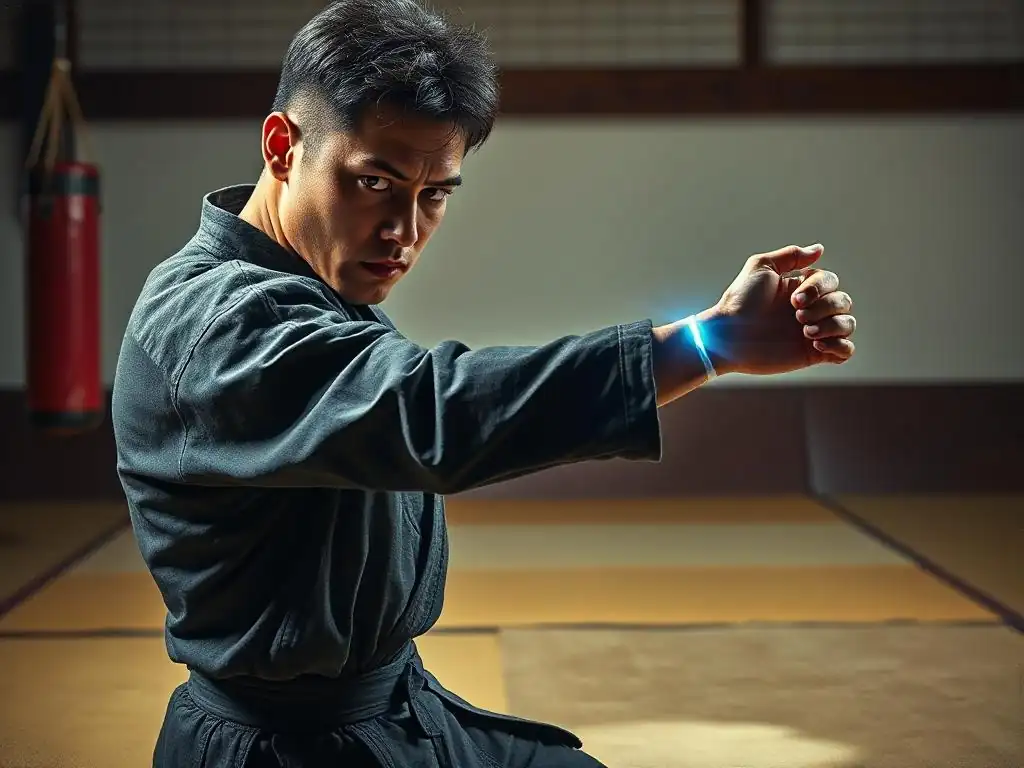
Welcome to Martial Arts Mastery, your gateway to unlocking the secrets of combat and self-discipline. Delve into the intricate world of martial arts, where history, philosophy, and technique converge. Ever wondered how a seemingly smaller practitioner can overcome a larger opponent? Our featured exploration into Hapkido pressure point joint locks reveals how precise application can amplify the effectiveness of this dynamic Korean art. Discover the science and strategy behind these techniques, and begin to understand the profound potential hidden within the human body.
- Introduction to Hapkido Joint Locks and Pressure Point Application
- Hapkido Pressure Points: A Detailed Overview
- Integrating Pressure Points into Hapkido Joint Lock Techniques: A Step-by-Step Guide
- Advanced Hapkido Joint Lock Techniques Incorporating Pressure Points
- The Benefits of Mastering Hapkido Pressure Point Joint Locks
- Safety Considerations When Training Hapkido Pressure Point Joint Locks
- Hapkido Pressure Point Joint Locks: A Comparative Analysis with Other Martial Arts
- Training Drills and Exercises for Hapkido Pressure Point Joint Locks
- Conclusion: Mastering the Art of Hapkido Pressure Point Joint Locks
-
Frequently Asked Questions
- What are Hapkido joint locks and how are they enhanced by pressure points?
- How does the knowledge of pressure points give an advantage in Hapkido joint lock application?
- What are some common pressure points targeted in conjunction with Hapkido joint locks?
- Does MartialArtsMastery.org offer training resources for learning Hapkido joint locks and pressure point targeting?
- What makes Hapkido unique in its approach to joint locks compared to other martial arts?
- Final Reflection: Mastering the Art of Connection
- Unlock Your Hapkido Potential Now!
Introduction to Hapkido Joint Locks and Pressure Point Application
Understanding Hapkido's Unique Approach to Joint Manipulation
Hapkido, a dynamic and comprehensive Korean martial art, distinguishes itself through its sophisticated approach to joint manipulation. Unlike some grappling arts that rely heavily on static holds or brute force, Hapkido emphasizes circular motion, leverage, and the principle of Yu (water-like fluidity) to control an opponent's joints. Techniques often involve redirects and off-balancing before applying a lock, making them effective even against larger or stronger adversaries. The goal is not merely to hold a joint but to gain complete control over the opponent's movement and posture.
This fluid methodology allows Hapkido practitioners to transition seamlessly between striking, throwing, and joint locking techniques. By understanding the natural range of motion and structural weaknesses of human joints – such as the wrist, elbow, shoulder, knee, and ankle – Hapkido Hapki (coordinated energy) is applied to restrict movement and create pain compliance. The emphasis is on using the opponent's own force and momentum against them, guiding their body into positions where joint control is easily established and maintained.
The Significance of Pressure Points (Hyul Do) in Enhancing Joint Locks
The integration of pressure points, known as Hyul Do (vital points) in Korean martial arts terminology, elevates Hapkido joint locks to a higher level of effectiveness. While the term Hap Do Ki is sometimes used conceptually to link pressure point application with the art's core principles, the specific points are Hyul Do. Applying precise pressure to these sensitive nerve clusters or anatomical vulnerabilities can significantly amplify the pain and discomfort caused by a joint lock. This heightened sensory input overrides an opponent's natural resistance and pain tolerance, leading to faster compliance or incapacitation.
Incorporating Hyul Do into Hapkido pressure point joint locks allows a practitioner to exert less physical force while achieving greater control. A well-executed joint lock combined with focused pressure on a vital point creates a powerful synergistic effect. For instance, a wrist lock becomes exponentially more effective when pressure is simultaneously applied to a specific point on the forearm or hand. This strategic targeting minimizes the opponent's ability to resist, struggle, or escape, making the technique more efficient and conserving the practitioner's energy in a self-defense situation.
Hapkido Pressure Points: A Detailed Overview
Key Pressure Point Locations for Maximizing Joint Lock Effectiveness
Hapkido training often includes studying specific Hyul Do locations that are particularly vulnerable and accessible during joint manipulation techniques. These points are strategically targeted to enhance pain compliance and gain immediate control. Understanding the precise location and effect of these points is crucial for mastering effective Hapkido pressure point joint locks. While there are many Hyul Do points on the body, some are more relevant and practical for application during joint locks than others.
Targeting the PC-7 (Daling) for Wrist Locks
PC-7, known as Daling in Chinese medicine nomenclature or often referred to by its location on the wrist crease in martial arts, is a prime target for enhancing wrist locks. Located centrally on the inner wrist crease, between the tendons of the palmaris longus and flexor carpi radialis, applying pressure here during a wrist lock creates intense discomfort. This point is rich in nerve endings and directly impacts the median nerve.
When pressure is applied concurrently with a wrist lock, such as a standard wrist twist or inward wrist bend, the opponent's pain response is significantly amplified, often leading to immediate submission or loss of balance. A slight inward pressure with the thumb or finger while executing the lock is typically sufficient.
Utilizing the LI-11 (Quchi) to Enhance Elbow Joint Control
LI-11, or Quchi, located on the lateral aspect of the elbow crease when the elbow is flexed, is highly effective for augmenting elbow joint techniques. This point lies at the end of the elbow crease, on the outside of the arm. Applying pressure to LI-11 during techniques like an armbar or an elbow lock (such as those targeting hyperextension or twisting) causes sharp, radiating pain down the arm.
This pain response severely hinders the opponent's ability to resist the joint manipulation. For example, during an outward elbow twist lock, applying pressure to LI-11 with the controlling hand or forearm dramatically increases compliance, often breaking the opponent's posture and forcing them down.
Applying Pressure to GB-21 (Jian Jing) for Shoulder Joint Submissions
GB-21, or Jian Jing, situated on the top of the shoulder, midway between the neck and the shoulder joint, is a powerful point for enhancing shoulder control and submissions. This point is often targeted during techniques that involve manipulating the shoulder joint, such as shoulder locks or throws that utilize shoulder control.
Applying downward pressure or a pinching motion on GB-21 while executing a technique like a seated shoulder lock or controlling the arm during a throw setup can instantly disrupt the opponent's balance and ability to resist. The sensitivity of this point, related to the trapezius muscle and underlying nerves, makes it highly effective for gaining compliance and control in Hapkido pressure point joint locks involving the upper body.
The Science Behind Pressure Point Sensitivity and Pain Compliance
The effectiveness of applying pressure points in Hapkido joint locks is rooted in human physiology, specifically the nervous system's pain response. Pressure points often correspond to areas where nerves run close to the surface, where muscles attach to bone, or where major nerve plexuses are located. Applying pressure to these areas stimulates nociceptors, specialized nerve endings that detect painful stimuli. These signals are then rapidly transmitted via sensory nerves to the spinal cord and brain.
The brain interprets these signals as pain, triggering involuntary protective responses. These responses can include muscle spasms, flinching, withdrawal reflexes, and a general reduction in the ability to resist. When this pain stimulus is combined with the mechanical stress of a joint lock, the combined effect is significantly greater than either technique used in isolation.
The opponent's focus shifts entirely to the intense pain, making it difficult or impossible for them to execute counter-techniques or simply power through the joint lock. This understanding of the body's natural pain pathways is fundamental to the strategic application of Hyul Do in Hapkido pressure point joint locks.
Integrating Pressure Points into Hapkido Joint Lock Techniques: A Step-by-Step Guide
Step 1: Identifying the Appropriate Pressure Point for a Given Joint Lock
The first crucial step in integrating pressure points into Hapkido joint locks is accurately identifying which Hyul Do point is most relevant and accessible for the specific joint lock being applied. This requires a thorough understanding of both the joint lock mechanics and the location and effects of various pressure points. For instance, when applying a wrist lock, points on the wrist or forearm like PC-7 or HT-7 (Shenmen) are primary considerations. For an elbow lock, LI-11 or LU-5 (Chize) might be more applicable.
Furthermore, the practitioner must quickly assess the opponent's position and the angle of the joint lock to determine which point is exposed and vulnerable. This isn't about memorizing hundreds of points but focusing on a practical set of points that are commonly accessible during Hapkido joint manipulations. Training involves recognizing these opportunities instantly during dynamic exchanges, ensuring that the chosen point can be targeted effectively and safely without compromising the primary joint lock technique.
Step 2: Applying Precise Pressure While Executing the Joint Lock
Once the appropriate Hyul Do point is identified, the next step is to apply precise pressure simultaneously or just before the final application of the joint lock. The pressure should be focused and directed into the point, typically using a thumb, finger, knuckle, or even a forearm, depending on the technique and point location. This is not a broad, general squeeze but targeted, specific pressure designed to stimulate the nerve endings at that exact spot.
The key is coordination. The pressure on the Hyul Do point must be integrated smoothly with the movement and leverage required to execute the joint lock. It should feel like one fluid technique rather than two separate actions. For example, as you twist the wrist for a lock, your thumb simultaneously presses into PC-7. This combined application ensures that the pain compliance from the pressure point enhances the effectiveness of the joint lock from the outset, preventing the opponent from building resistance.
Step 3: Controlling the Opponent's Reaction and Maximizing the Technique's Impact
Applying pressure to a Hyul Do point during a Hapkido joint lock will likely elicit a strong reaction from the opponent – typically a sharp intake of breath, flinching, collapsing, or attempting to violently pull away. Step three involves anticipating and controlling this reaction to maximize the technique's impact. The practitioner must maintain their balance and grip on the joint lock, using the opponent's involuntary movement to their advantage.
If the opponent collapses, guide them down safely while maintaining control. If they try to pull away, use their resistance to tighten the lock or transition into a throw, leveraging the pain to break their structure further. The pressure on the Hyul Do point should be maintained until compliance is achieved or the technique transitions to its conclusion (e.g., a throw, pin, or escort hold). Mastering this step means not being surprised by the opponent's reaction but using it as part of the overall technique, making Hapkido pressure point joint locks incredibly efficient for control and self-defense.
Advanced Hapkido Joint Lock Techniques Incorporating Pressure Points
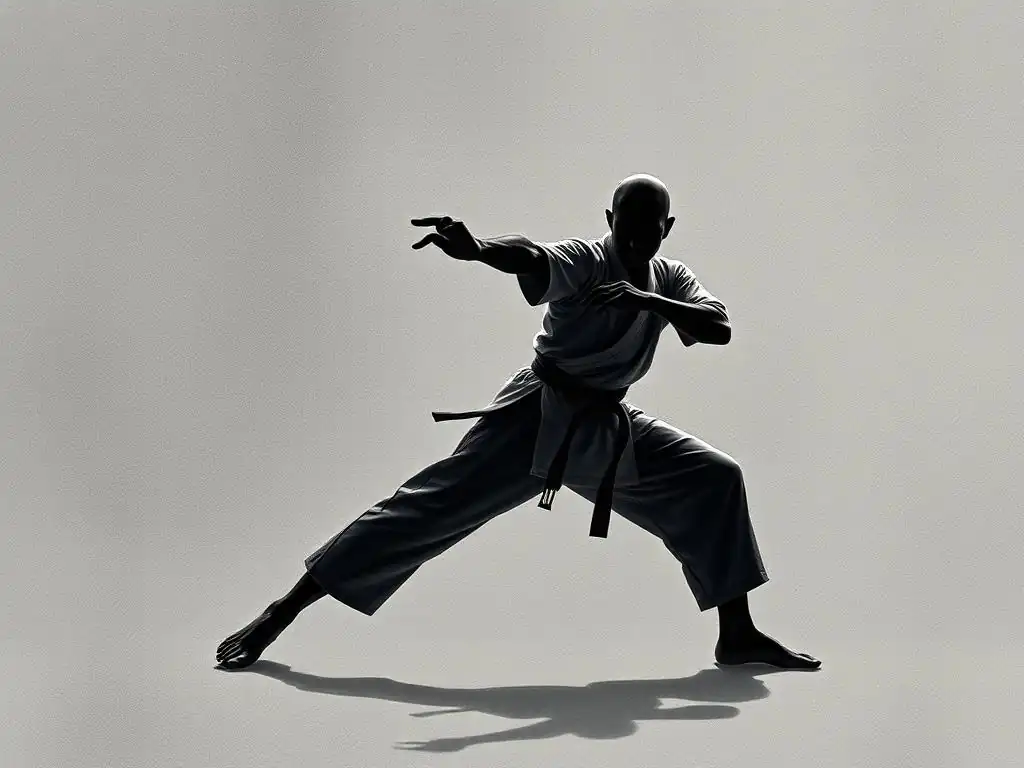
Utilizing Pressure Points to Break an Opponent's Resistance
In advanced Hapkido pressure point joint locks, Hyul Do points are not just used for compliance but actively to break an opponent's strong grip, posture, or resistance. When an opponent is using significant strength to resist a joint lock or maintain a defensive position, applying sharp, targeted pressure to a relevant Hyul Do point can instantly disrupt their structure and force them to release their hold or lose balance.
For example, if an opponent is gripping tightly to prevent a wrist lock, a quick, intense press on a point like SJ-4 (Yangchi) on the back of the wrist or LU-7 (Lieque) on the forearm can cause them to involuntarily loosen their grip.
This application requires precise timing and power generation, often involving a focused push, poke, or pinch rather than sustained pressure, specifically aimed at overwhelming the opponent's immediate defensive reflex. It's a strategic application of pain to create an opening or break a deadlock, allowing the practitioner to then fully secure the joint lock or transition to another technique. Mastering this requires extensive practice to develop the sensitivity needed to identify these points quickly under duress and the ability to apply force effectively.
Combining Pressure Point Strikes with Joint Manipulations for Increased Control
An even more advanced integration involves combining strikes to Hyul Do points with joint manipulations. This doesn't necessarily mean a knockout strike, but a sharp, focused impact using a finger, knuckle, or even elbow, applied to a sensitive point just before or as the joint lock is initiated.
This momentary, intense pain and shock response further incapacitates the opponent and makes the subsequent joint lock significantly easier to apply and control. For instance, a sharp poke to ST-9 (Renying) on the neck or GB-20 (Fengchi) at the base of the skull, immediately followed by a head or neck control technique incorporating a joint lock, can be highly effective.
This level of application requires significant training and control due to the potential for injury. The strike is intended to momentarily disrupt the opponent's nervous system and pain tolerance, creating a window of opportunity for the joint lock. It's about layered application of Hapkido principles – combining striking ( Chi), throwing ( Don), and joint locking ( Kwan or Kkyeok) with the strategic targeting of Hyul Do. The combined effect is a powerful and efficient method for gaining complete control over an opponent.
Adapting Pressure Point Applications to Different Body Types and Situations
Effective application of Hapkido pressure point joint locks requires adaptability. Not all Hyul Do points are equally accessible or sensitive on every individual. Factors like muscle mass, body fat, and even clothing can affect the visibility and sensitivity of certain points. An advanced practitioner learns to quickly assess their opponent's body type and the specific context of the confrontation to determine which points are most likely to be effective. For example, points on heavily muscled areas might be less sensitive than those near bony prominences or tendons.
Furthermore, the situation dictates which points are available. In a standing confrontation, different points are accessible compared to ground fighting. The practitioner must be able to fluidly adjust their target points based on the dynamic nature of the encounter. This adaptability is a hallmark of mastery in Hapkido pressure point joint locks, moving beyond rote technique to intuitive application based on a deep understanding of physiology and combat dynamics.
The Benefits of Mastering Hapkido Pressure Point Joint Locks
Increased Effectiveness and Efficiency in Self-Defense Scenarios
Mastering Hapkido pressure point joint locks significantly enhances effectiveness and efficiency in self-defense situations. By leveraging the body's natural pain responses through Hyul Do application, practitioners can gain control over an attacker with less physical force. This is particularly advantageous when facing a larger or stronger assailant, where relying solely on strength might be ineffective or lead to injury. The ability to induce immediate compliance through focused pain allows for quicker resolution of the conflict.
An example might involve a scenario where an attacker grabs you. A standard wrist lock might be resisted with brute force. However, applying simultaneous pressure to PC-7 or HT-7 during the lock drastically increases the attacker's pain, making resistance incredibly difficult and often causing them to release their grip or collapse. This efficiency means less time spent struggling, reducing the risk of receiving strikes or other harm during the encounter. Hapkido pressure point joint locks provide a potent toolset for de-escalation through control or rapid incapacitation when necessary.
Enhanced Control and Precision in Hapkido Techniques
The study and practice of Hapkido pressure point joint locks cultivate a higher degree of control and precision in all Hapkido techniques. Learning to accurately locate and apply pressure to small, specific areas demands fine motor skills, sensitivity, and focus. This attention to detail translates into more precise execution of joint locks, throws, and even strikes. Practitioners develop a deeper understanding of body mechanics – both their own and their opponent's.
The necessity of integrating pressure point application smoothly into joint lock sequences refines timing and coordination. It encourages a more nuanced application of force, moving beyond brute strength to targeted leverage and pressure. This enhanced precision means that techniques are not only more effective but also safer, as the practitioner gains better control over the opponent's body and can apply just enough force to achieve compliance without causing undue harm, unless the situation requires it.
Deeper Understanding of Hapkido Principles and Philosophy
Training in Hapkido pressure point joint locks offers a profound pathway to understanding the core principles and philosophy of Hapkido. The integration of Hyul Do exemplifies the Hapkido principles of Yu (water/fluidity), Won (circle/harmony), and Hap (coordination/union). Fluidly moving into a joint lock while harmoniously applying pressure to a vital point demonstrates the circular, non-resistant movement and the coordinated application of force and energy ( Ki).
The concept of using minimal force to achieve maximum effect, central to Hapkido, is vividly illustrated through effective Hyul Do application. It highlights the strategic over the purely physical, encouraging practitioners to think about leverage, timing, and vulnerability rather than just power. This deeper exploration of Hapkido pressure point joint locks connects the physical techniques to the art's underlying philosophy, fostering a more complete and insightful practice.
Safety Considerations When Training Hapkido Pressure Point Joint Locks
Practicing with a Qualified Instructor and Training Partner
Training Hapkido pressure point joint locks requires careful attention to safety, paramount among which is practicing under the guidance of a qualified instructor. A knowledgeable instructor can teach proper technique, explain the potential risks associated with targeting specific Hyul Do points, and supervise training to ensure techniques are applied safely and progressively. They can also guide practitioners on ethical considerations and the appropriate level of force for training versus self-defense.
Equally important is training with a trusted and cooperative partner. Both individuals must understand the techniques, communicate clearly, and agree on safety protocols. Partners should work together to practice control, indicate discomfort immediately, and ensure that joint locks are released the moment compliance is achieved or pain becomes excessive. This mutual responsibility is essential to prevent injuries such as sprains, dislocations, or nerve damage that can occur if Hapkido pressure point joint locks are applied improperly or with excessive force during practice.
Understanding the Potential Risks of Pressure Point Application
Practitioners must have a clear understanding of the potential risks associated with applying pressure to Hyul Do points, especially when combined with joint locks. While the goal in training is pain compliance, aggressive or incorrect application can lead to injury. For instance, excessive pressure or striking certain points near major nerves or blood vessels could potentially cause temporary numbness, bruising, or in rare, extreme cases, more serious issues. Points on the neck, for example, require extreme caution and should only be practiced under strict supervision due to the presence of vital structures.
The intensity of pain induced by Hyul Do application also carries psychological considerations. Students must learn to manage their partner's pain response and know when to release. This understanding of risk is not meant to deter training but to instill a sense of responsibility and caution, ensuring that training remains safe and productive. It reinforces the principle that Hapkido techniques, especially Hapkido pressure point joint locks, are powerful tools that demand respect and careful handling.
Gradual Progression and Controlled Application of Techniques
Safe training in Hapkido pressure point joint locks mandates a gradual progression in both technique complexity and intensity of application. Beginners should focus on learning the basic joint lock mechanics and accurately locating the Hyul Do points without applying significant pressure. As skill and understanding develop, pressure can be introduced incrementally, always with the partner's comfort and safety as the priority. Techniques should initially be practiced in slow motion, breaking down each step, including the precise timing of pressure point application relative to the joint lock.
Controlled application is key. This means applying just enough pressure and leverage to demonstrate the technique's effectiveness and elicit a controlled pain response, without pushing past the point of safety. Practitioners should learn to recognize the subtle signs of their partner's discomfort before it becomes dangerous. This controlled, step-by-step approach ensures that students build proficiency safely, developing the sensitivity and control necessary for effective, yet responsible, application of Hapkido pressure point joint locks in any context.
Hapkido Pressure Point Joint Locks: A Comparative Analysis with Other Martial Arts
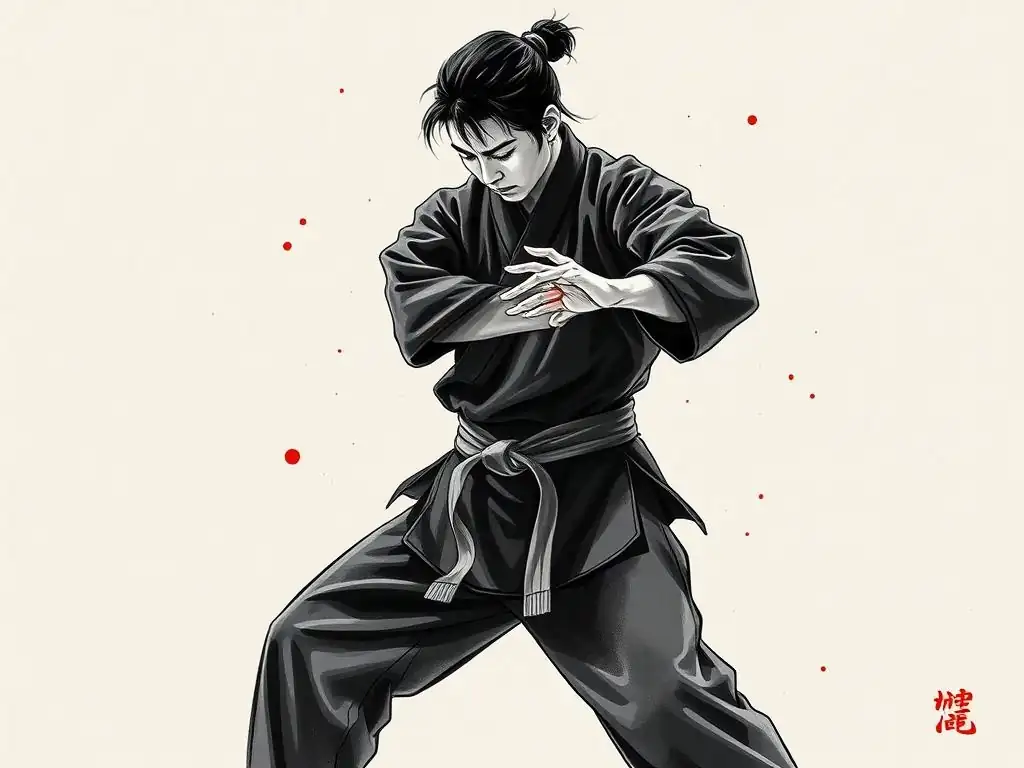
Hapkido vs. Aikido: Pressure Point Application in Joint Locks
While both Hapkido and Aikido are Korean and Japanese martial arts, respectively, that utilize joint locks and emphasize circular motion and redirecting force, their approach to pressure points differs subtly. Aikido's philosophy of Aiki focuses on blending with an attacker's energy and disrupting their balance and center. Joint locks (like Kote Gaeshi or Ikkyo) are fundamental. Pressure points may be integrated, often subtly, as part of the kuzushi (breaking balance) or to enhance a pin, but they are typically not emphasized as standalone targets for inducing immediate, intense pain compliance to the same degree as in Hapkido.
Hapkido, with its broader curriculum including striking and throwing, tends to incorporate pressure point application more directly and overtly into its joint locks for practical self-defense. The goal is often rapid control or incapacitation, making the amplified pain from Hyul Do application a more central element of the technique's effectiveness. While both arts use joint manipulation, Hapkido's system of Hapkido pressure point joint locks places a more specific focus on the strategic use of vulnerable points to ensure compliance, often integrated into dynamic transitions.
Hapkido vs. Jujutsu: Similarities and Differences in Joint Manipulation
Jujutsu, an older Japanese martial art from which many modern grappling systems derive, also features a wide array of joint manipulation techniques. Jujutsu's locks can range from standing techniques to extensive ground work, targeting wrists, elbows, shoulders, knees, and ankles. Like Hapkido, Jujutsu utilizes leverage and body mechanics.
However, traditional Jujutsu systems may or may not include explicit pressure point training, depending on the specific lineage. Some styles incorporate Atemi (strikes to vital points), which can sometimes be combined with joint locks, but the systematic integration of pressure point application directly into the joint lock for enhanced compliance might be more pronounced in Hapkido's modern self-defense focus.
Modern grappling arts derived from Jujutsu, such as Brazilian Jiu-Jitsu, focus primarily on the mechanical application of leverage and pain to achieve submission through joint locks or chokeholds, with less emphasis on pressure points. Hapkido pressure point joint locks bridge the gap between mechanical joint control and vital point application, offering a distinct approach that leverages both principles simultaneously. This makes Hapkido's methodology unique in its consistent pairing of joint manipulation with strategic Hyul Do targeting across its curriculum.
The Unique Advantages of Hapkido's Pressure Point Focus
The distinct advantage of Hapkido's focus on pressure point integration within its joint locks lies in the efficiency and versatility it provides. By specifically targeting Hyul Do points, practitioners can overcome natural physical disparities like size and strength more effectively. The amplified pain response often leads to faster compliance, reducing the duration and intensity of a physical confrontation. This is particularly beneficial in self-defense situations where ending the threat quickly and decisively is paramount.
Furthermore, the detailed study of Hyul Do in conjunction with joint mechanics provides practitioners with a deeper understanding of the human body's vulnerabilities. This knowledge allows for greater adaptability in technique application, enabling practitioners to modify standard joint locks to be more effective based on the opponent's reaction and body type. The unique emphasis on Hapkido pressure point joint locks distinguishes the art and provides its practitioners with a powerful, nuanced skill set for control and self-protection.
Training Drills and Exercises for Hapkido Pressure Point Joint Locks
Partner Drills for Practicing Pressure Point Accuracy and Timing
Effective training for Hapkido pressure point joint locks heavily relies on partner drills that emphasize accuracy and timing. A foundational drill involves practicing basic joint locks (e.g., wrist twists, elbow bends) slowly, focusing on correctly locating and applying gentle pressure to the relevant Hyul Do point as the lock is initiated. Partners can take turns, providing feedback on point location and the sensation of pressure. Intermediate drills might involve the partner offering slight, controlled resistance, requiring the practitioner to apply sufficient pressure to overcome it gently.
More advanced drills can incorporate dynamic movement. For example, practicing entering a joint lock from a grab or strike, quickly identifying the accessible pressure point, and applying the lock and pressure simultaneously. Sensitivity drills, where one partner closes their eyes and tries to identify where their partner is applying slight pressure, can also enhance the practitioner's ability to locate Hyul Do points accurately by feel. These partner exercises are vital for developing the practical application skills of Hapkido pressure point joint locks in a controlled environment.
Solo Exercises for Developing Sensitivity and Control
While partner work is essential, solo exercises also play a role in developing the sensitivity and control required for Hapkido pressure point joint locks. Practicing identifying Hyul Do points on one's own body using anatomical charts and tactile exploration helps solidify their locations. Gentle self-massage or pressure application to these points can also increase the practitioner's understanding of the sensations involved and how different levels of pressure feel.
Shadowboxing incorporating joint lock entries and theoretical pressure point application can help visualize the techniques. For instance, practicing the hand movements for a wrist lock and mentally identifying where the thumb would press on the opponent's wrist. Exercises focusing on finger and hand strength and dexterity, such as using grip strengtheners or manipulating small objects, can also improve the ability to apply precise pressure. These solo practices complement partner training by building foundational knowledge and physical conditioning relevant to mastering Hapkido pressure point joint locks.
Incorporating Pressure Point Training into a Regular Hapkido Curriculum
To truly master Hapkido pressure point joint locks, their study and practice must be systematically integrated into a regular Hapkido curriculum, not treated as an occasional add-on. This means dedicating specific portions of class time to Hyul Do theory and application, incorporating pressure point drills into standard joint lock practice, and including them in technique demonstrations and testing requirements.
A structured curriculum might introduce basic Hyul Do points relevant to fundamental joint locks early in a student's training. As students progress, more advanced points and complex applications, such as combining strikes with joint locks, can be introduced. Regular review and drilling of Hapkido pressure point joint locks ensure that practitioners develop proficiency and the ability to apply these techniques instinctively under pressure. This consistent integration is key to developing practitioners who are not only skilled in Hapkido's physical techniques but also understand and can effectively utilize the power of pressure points.
Conclusion: Mastering the Art of Hapkido Pressure Point Joint Locks
The Future of Hapkido Training: Integrating Pressure Point Knowledge
The future of Hapkido training will likely see an even stronger integration of detailed pressure point knowledge into the core curriculum. As practitioners and instructors continue to explore the intersection of traditional vital point theory and modern anatomical understanding, the application of Hyul Do within Hapkido pressure point joint locks will become more refined and scientifically grounded. This integration will not only enhance the practical self-defense effectiveness of Hapkido techniques but also deepen the practitioner's appreciation for the art's comprehensive approach to controlling an opponent.
Further research into the physiological effects of targeting specific points, perhaps even incorporating sports science or medical perspectives, could lead to optimized training methodologies. Educational materials, including detailed anatomical guides specifically tailored for Hapkido pressure point joint locks, could become more commonplace. This evolution ensures that Hapkido remains a dynamic and highly effective martial art, leveraging ancient wisdom alongside contemporary understanding to empower practitioners.
Further Resources for Learning Hapkido and Pressure Point Techniques
For those interested in delving deeper into Hapkido pressure point joint locks, seeking instruction from certified Hapkido schools is paramount. A qualified instructor provides hands-on guidance essential for safe and correct technique application. Many reputable Hapkido organizations and masters offer seminars and workshops specifically focused on Hyul Do application.
Additionally, there are various books and instructional materials available that cover Hapkido joint locks and general vital point theory in martial arts. While books cannot replace hands-on training, they can serve as valuable supplementary resources for studying anatomical locations and theoretical principles. Exploring different Hapkido lineages may also reveal variations in how pressure points are emphasized and applied, offering a broader perspective on the art's rich techniques. Consistent practice and dedicated study under expert guidance are the most effective paths to mastering this intricate aspect of Hapkido.
Frequently Asked Questions
What are Hapkido joint locks and how are they enhanced by pressure points?
Hapkido joint locks are techniques that manipulate an opponent's joints to cause pain and control their movement. Utilizing pressure points amplifies the effectiveness of these locks, creating greater pain and destabilization.
How does the knowledge of pressure points give an advantage in Hapkido joint lock application?
Targeting specific pressure points while applying a joint lock can significantly increase the pain compliance and control over an opponent, making the lock more effective with less force. It provides a tactical advantage.
What are some common pressure points targeted in conjunction with Hapkido joint locks?
Commonly targeted pressure points include those located near nerve clusters and tendon insertions, such as those found on the wrist, elbow, and shoulder, which are often manipulated during joint lock applications.
Does MartialArtsMastery.org offer training resources for learning Hapkido joint locks and pressure point targeting?
MartialArtsMastery.org provides articles and resources covering various aspects of Hapkido, including training tips, historical overviews, and discussions on the practical application of joint locks and pressure points.
What makes Hapkido unique in its approach to joint locks compared to other martial arts?
Hapkido emphasizes a circular and flowing motion in its techniques, often combining strikes, kicks, and throws with joint locks. The integration of pressure point knowledge further distinguishes its approach, making it highly adaptable.
Final Reflection: Mastering the Art of Connection
The exploration of Hapkido pressure point joint locks reveals not just a martial art technique, but a profound understanding of the human body and its vulnerabilities. This intricate dance of leverage and precision, amplified by pressure point application, speaks to a deeper connection between attacker and defender, a conversation conducted through touch and movement. It's a testament to the power of knowledge and skill in overcoming brute force, a principle that resonates far beyond the dojang.
This fusion of Hapkido's joint lock techniques with the targeted application of pressure points has undeniably influenced the martial arts landscape, offering a more nuanced and effective approach to self-defense. My own journey into martial arts has been profoundly shaped by this understanding, revealing the potential for both incredible power and immense responsibility. The supreme art of war is to subdue the enemy without fighting.
- Sun Tzu. This quote encapsulates the essence of Hapkido pressure point joint locks: a method of achieving control and resolution with minimal force, emphasizing technique and understanding over aggression.
Now, consider the implications of this knowledge in your own life. How can you apply the principles of precision, leverage, and understanding to overcome challenges, not just in a physical sense, but in all aspects of your existence? Embrace the power of connection, seek to understand the vulnerabilities and strengths of any situation, and strive for solutions that minimize conflict and maximize harmony. The art of Hapkido pressure point joint locks is more than just a fighting style; it's a philosophy for navigating the world with grace, skill, and mindful awareness.
Unlock Your Hapkido Potential Now!
Thank you for exploring the intricate connection between pressure points and joint locks in Hapkido. We hope you've gained valuable insights into refining your technique and maximizing your effectiveness. Ready to take your training to the next level?
Here's how to continue your journey:
- Master the Fundamentals: Dedicate extra time this week to drilling the foundational joint locks we discussed, consciously incorporating pressure point activation for enhanced control.
- Seek feedback: Partner with a training partner and experiment with incorporating pressure points during live drills, soliciting feedback on their effectiveness and your precision.
- Share your knowledge:Comment below sharing your experiences in applying pressure points in joint locks. How has it changed your approach, or what challenges have you faced?
What specific pressure point application are you most excited to experiment with in your next training session?