
Subtle Agony: The Power of Catch Wrestling Wrist Manipulation


Welcome to Martial Arts Mastery, where the secrets of combat are unveiled. Delve into the intricate world of martial arts, from ancient philosophies to modern techniques. Ever wondered about the devastating potential hidden within a simple grip? Prepare to be amazed as we explore the Subtle Agony: The Power of Catch Wrestling Wrist Manipulation. Discover how this often-overlooked aspect of catch wrestling can be a game-changer. Are you ready to unlock the secrets of this powerful technique?
- Introduction to Catch Wrestling Wrist Locks and Joint Manipulation
- The Anatomy of Wrist Manipulation for Maximum Effectiveness
- Essential Catch Wrestling Wrist Manipulation Techniques
- Applying Wrist Manipulation in Live Catch Wrestling Scenarios
- The Psychological Aspect of Wrist Manipulation
- Drills and Training Methods for Mastering Wrist Manipulation
- Legendary Catch Wrestlers Known for Wrist Manipulation
- The Importance of Safety and Ethical Considerations
- Integrating Wrist Manipulation into a Complete Catch Wrestling Game
- Wrist Manipulation Catch Wrestling Technique: A Recap
-
Frequently Asked Questions
- How does Catch Wrestling wrist manipulation differ from other martial arts?
- What are the key principles behind successful wrist manipulation in Catch Wrestling?
- Is wrist manipulation a safe technique to practice?
- What are some common wrist manipulation techniques used in Catch Wrestling?
- How can I improve my Catch Wrestling wrist manipulation skills?
- Final Reflection: Embracing the Art of Subtle Control
- Unleash Your Grip: Master the Art of Catch Wrestling!
Introduction to Catch Wrestling Wrist Locks and Joint Manipulation
Catch wrestling, known for its ruthless efficiency and focus on submissions, places significant emphasis on controlling and manipulating an opponent's joints. While leg locks and neck cranks often grab the spotlight, the subtle yet devastating power of wrist manipulation is a core component of a complete catch wrestling game.
This article delves into the intricacies of the wrist manipulation catch wrestling technique, exploring its fundamental principles, key applications, and the devastating impact it can have in a grappling scenario. Understanding how to target and control the wrist is not just about applying a single submission; it's about gaining a strategic advantage that can lead to a variety of finishing holds or positional dominance.
The history of catch wrestling is replete with examples of practitioners who mastered the art of joint manipulation, including sophisticated wrist locks. Unlike some grappling styles that might restrict joint locks below certain joints, catch wrestling embraces the vulnerability of the human body's structure.
This includes a deep understanding of how forces applied to the wrist can affect the entire arm and even compromise an opponent's balance and posture. Mastering the wrist manipulation catch wrestling technique requires not only physical strength and precision but also a keen understanding of anatomy and leverage, allowing a smaller practitioner to control a larger, stronger opponent through targeted pressure.
The Crucial Role of Wrist Control in Catch Wrestling
Controlling an opponent's wrist in catch wrestling is far more than just a potential submission threat; it is a fundamental element of positional control and setting up subsequent attacks. A firm grip on the wrist can dictate the opponent's ability to post, defend, or initiate their own offense. For instance, securing a wrist control from a top position, like side control or mount, can prevent the opponent from framing effectively or bridging with power, significantly limiting their defensive options and making them vulnerable to transitions and submissions.
Beyond defense negation, wrist control is a primary gateway to numerous offensive sequences. From a standing position, controlling a wrist can disrupt balance and open opportunities for takedowns. On the ground, it can isolate an arm, making it susceptible to armbars, kimuras, or, of course, direct wrist locks. Experienced catch wrestlers understand that even a seemingly minor control of the wrist can cascade into a dominant position or a fight-ending submission, highlighting the strategic importance of mastering this often-underestimated aspect of the grappling game.
Understanding Joint Locks Beyond Basic Holds
While many beginners in grappling are introduced to basic joint locks like the armbar or kimura, catch wrestling encourages a deeper exploration of how joints can be manipulated. This includes understanding the specific vulnerabilities of smaller joints like the wrist, fingers, and toes, which are often overlooked in styles that focus primarily on major joints. A catch wrestler learns to identify the natural range of motion of each joint and how to apply pressure in ways that exceed that range, causing pain, discomfort, and ultimately, submission or potential injury if not released.
Exploring joint locks beyond the basics involves learning to attack joints from multiple angles and in various planes of motion – not just flexion and extension, but also lateral deviation (ulnar and radial) and rotation. For example, a standard armbar targets elbow extension, but a sophisticated catch wrestler might combine this with wrist flexion or supination/pronation pressure to amplify the effect or create a different type of break. This comprehensive approach to joint manipulation is a hallmark of catch wrestling and contributes to its reputation as a highly effective and sometimes brutal grappling art.
The Anatomy of Wrist Manipulation for Maximum Effectiveness
Effective wrist manipulation in catch wrestling relies heavily on a practical understanding of human anatomy, specifically the structure and limitations of the wrist joint. The wrist is a complex structure composed of eight carpal bones, connecting the radius and ulna of the forearm to the five metacarpal bones of the hand. This intricate setup allows for a wide range of motion, but also creates multiple points of vulnerability when force is applied improperly or excessively.
Targeting these anatomical vulnerabilities is key to applying a devastating wrist manipulation catch wrestling technique. Pressure applied directly against the joint's natural hinge points, or twisting forces that strain the ligaments and small bones, can quickly incapacitate an opponent. Understanding which grips and angles isolate specific bones or sets of ligaments allows a catch wrestler to apply maximum pain and control with minimal effort, making the technique highly efficient.
Biomechanics of Wrist Joints: Targeting Vulnerable Points
The wrist joint allows for movement in several planes: flexion (bending forward), extension (bending backward), radial deviation (bending towards the thumb side), and ulnar deviation (bending towards the pinky side). Each of these movements has a natural limit, and exceeding that limit through external force constitutes a joint lock. Catch wrestlers specifically target these ranges of motion. For instance, hyperextension or hyperflexion applied forcefully can strain or break the carpal bones or ligaments.
Beyond simple bending, rotational forces (supination and pronation, though these primarily occur at the elbow and forearm, they affect the wrist joint's stability) combined with flexion or extension can significantly increase pressure on the complex network of bones and ligaments. A common target is applying pressure that forces the wrist into extreme ulnar or radial deviation while simultaneously flexing or extending it. This multi-axis pressure exploits the structural limits of the joint more effectively than pressure in a single plane, making the wrist manipulation catch wrestling technique particularly potent.
Leverage and Pressure: Key Principles for Wrist Locks
Leverage is paramount in applying any joint lock, and wrist manipulation is no exception. By using the opponent's own arm as a lever and applying pressure at specific points, a catch wrestler can generate significant force on the relatively small and delicate wrist joint. For example, holding the opponent's elbow or forearm steady while bending the wrist amplifies the force applied to the joint itself. The principle is to create a mechanical disadvantage for the opponent, allowing the attacker to control a stronger limb with minimal effort.
Pressure application is equally critical. It's not just about brute force, but about applying precise, increasing pressure in the correct direction. A sudden, jerky application of a wrist lock can cause immediate injury, which should be avoided in training. Instead, skilled catch wrestlers apply pressure gradually, feeling the opponent's resistance and the "give" of the joint. This controlled pressure allows the opponent time to submit and helps prevent accidental injury in practice while still being effective for submission. The goal is to create unbearable pain and the threat of damage, forcing the tap.
Essential Catch Wrestling Wrist Manipulation Techniques
Catch wrestling features a variety of techniques specifically designed to attack the wrist. These techniques often blend seamlessly with control of the arm and shoulder, creating a chain of potential attacks. While names may vary slightly between lineages, several core wrist manipulation catch wrestling techniques are fundamental to the style. Mastery of these techniques provides a catch wrestler with a versatile set of tools for submission and control from numerous positions.
These techniques range from relatively straightforward bends to complex twisting and levering actions. Each technique targets the wrist joint in a slightly different way, exploiting various angles and vulnerabilities. Learning these essential techniques is the first step toward integrating powerful wrist manipulation into one's grappling arsenal and developing the sensitivity required to apply them effectively and safely.
The Double Wrist Lock: A Catch Wrestling Classic
The double wrist lock, often referred to by various names depending on the grappling art (like the Kimura in BJJ or the Reverse Ude Garami in Judo), is a staple in catch wrestling and a powerful wrist manipulation catch wrestling technique. It involves securing the opponent's arm, typically bent at the elbow, and using a figure-four grip on their wrist and forearm to apply rotational and leverage pressure to the shoulder joint, elbow, and indirectly the wrist itself.
While primarily known as a shoulder lock, the finishing mechanics often involve significant wrist involvement, torquing the wrist as the arm is levered behind the back.
In catch wrestling, variations of the double wrist lock often put more direct strain on the wrist joint itself, sometimes hyperflexing or extending it while applying the shoulder lock. The key is the strong grip on the opponent's wrist, which acts as the handle of the lever. From side control, mount, or even guard, the double wrist lock provides a potent submission threat that attacks multiple joints simultaneously, making it incredibly difficult to defend once properly applied.
The Chicken Wing: Controlling the Arm Through the Wrist
The chicken wing is another classic catch wrestling submission that heavily involves wrist control. This technique typically starts from a position where the attacker is behind or beside the opponent, securing one of their arms. The attacker reaches under the opponent's arm and grabs their wrist or hand, then pulls the hand upwards behind their back, bending the elbow sharply. Pressure is applied by lifting the wrist/hand towards the opponent's head, often combining this with pressure on the elbow.
While the primary target is often the shoulder or elbow joint (hyperflexion), the control and manipulation of the wrist are absolutely critical to generating the leverage needed. The wrist grip dictates the angle and pressure applied to the rest of the arm. Different grips on the wrist (palm up, palm down, blade grip) can alter the vector of force and target slightly different points on the elbow and shoulder, making the wrist grip an integral part of this powerful wrist manipulation catch wrestling technique.
Wrist Flexion Locks: Bending Under Pressure
Wrist flexion locks involve bending the opponent's hand and fingers downwards towards their forearm, hyperflexing the wrist joint. This puts significant strain on the ligaments on the back of the wrist and can potentially compress the carpal bones. These locks can be applied from a variety of positions, often when the opponent is using their hands to post or frame. For example, if an opponent is basing on their hands in a turtle position, their exposed wrists are vulnerable.
A common wrist flexion lock involves grabbing the opponent's hand and bending it forcefully downwards while stabilizing their forearm. Pressure is applied by pushing the knuckles towards the elbow. These techniques can be applied standing, from guard, or from top positions. They are often quick to apply and require relatively little space, making them effective in scrambles or tight spots. The pain generated by a well-applied wrist flexion lock is intense and immediate, often resulting in a quick submission.
Wrist Extension Locks: Applying Force Against the Joint

Wrist extension locks are the opposite of flexion locks, involving bending the opponent's hand and fingers upwards towards the back of their forearm, hyperextending the wrist joint. This strains the ligaments on the palm side of the wrist and can also compress the joint. These are also highly versatile and can be applied whenever an opponent's hand is accessible and can be levered backward.
A common scenario is when an opponent reaches out or grips. By securing their hand and levering it backward, applying pressure at the base of the fingers or palm while stabilizing the forearm, a powerful extension lock can be generated. Think of bending someone's hand backward as if to break their fingers backwards, but the target is the wrist joint itself. These techniques are often used in conjunction with arm controls, such as securing an armbar setup and then adding wrist extension pressure to increase the opponent's discomfort and force a tap or open up the armbar finish.
Radial and Ulnar Deviation: Twisting the Wrist for Control
Beyond simple flexion and extension, catch wrestling utilizes radial and ulnar deviation locks. These involve twisting the wrist laterally, either towards the thumb side (radial deviation) or the pinky side (ulnar deviation), beyond its natural range of motion. This twisting pressure puts immense strain on the collateral ligaments of the wrist and the small joints between the carpal bones.
These deviation locks are often applied in combination with flexion or extension, or as part of a broader arm control. For instance, securing an opponent's wrist and then bending it sideways while simultaneously applying slight extension can be incredibly painful. These techniques require precise hand placement and pressure application to target the specific ligaments being strained. They are often less intuitive than flexion/extension but are highly effective because they attack the wrist in a plane it is not designed to resist significant force in, making them a potent wrist manipulation catch wrestling technique.
Applying Wrist Manipulation in Live Catch Wrestling Scenarios
Integrating wrist manipulation into live sparring or competition requires recognizing opportunities and transitioning smoothly between positions and attacks. Wrist locks are rarely isolated techniques; they are most effective when used as part of a chain of attacks or as a means to improve position. A skilled catch wrestler constantly looks for exposed hands and wrists, understanding how controlling them can lead to submission or positional advantage.
Real-world application involves timing, sensitivity, and the ability to capitalize on an opponent's reactions. Often, an opponent will instinctively react to pressure on their wrist, and these reactions can be used to set up other techniques. For example, someone defending a wrist lock might expose their neck or another arm, creating a new opportunity.
Transitioning from Takedowns to Wrist Locks
Wrist control is fundamental in many standing grappling exchanges and takedowns. From collar-and-elbow ties to securing grips on the sleeves or wrists, controlling the upper body often involves controlling the hands and wrists. A skilled catch wrestler can transition directly from a takedown attempt into a wrist lock as they hit the ground. For example, securing a wrist grip during a snap-down or drag can immediately turn into a wrist lock as the opponent is brought to their knees or the mat.
Consider a scenario where an opponent reaches out to post during a single-leg defense. That exposed, weight-bearing wrist is highly vulnerable to a quick wrist flexion or extension lock as the action goes to the ground. Similarly, controlling a wrist during a body lock takedown can allow for a seamless transition into a ground-based wrist manipulation catch wrestling technique as soon as the top position is secured.
Using Wrist Control to Set Up Other Submissions
One of the most valuable aspects of wrist manipulation is its utility in setting up other, often more powerful, submissions. Controlling an opponent's wrist can prevent them from defending effectively against chokes, armbars, or leg locks. For instance, securing a wrist control from mount can prevent the opponent from using their hands to push you off, making them more susceptible to a technical mount transition or a straight armbar.
Furthermore, applying a mild wrist lock can be a powerful distraction. As the opponent focuses on defending their wrist, they might open up opportunities elsewhere. A common tactic is to apply a painful, but not immediately finishing, wrist lock to force the opponent to use their other hand to defend, thereby freeing up the attacker's hand to secure a choke grip or transition to a leg attack. This strategic use of the wrist manipulation catch wrestling technique highlights its role not just as a finisher, but as a critical piece of the overall submission game.
Defending Against Common Counters to Wrist Locks
Just as attackers use wrist manipulation, defenders develop counters. Common defenses include straightening the arm to remove the angle for flexion/extension, gripping one's own hand to reinforce the wrist, or tucking the hand close to the body to make it inaccessible. Recognizing these counters is crucial for both applying and defending wrist locks.
A primary defense against many wrist locks is simply straightening the arm, which removes the bend needed for leverage. Attackers must be prepared to transition if the opponent straightens their arm – perhaps moving to an armbar or shoulder lock attack. Another common counter is for the defender to grab their own gi or belt, or even their other hand, to create a stronger structure and resist the manipulation.
The attacker must break this grip or switch to a different attack. Understanding these dynamics allows for a fluid exchange, where attack and defense transition rapidly, showcasing the dynamic nature of the wrist manipulation catch wrestling technique in practice.
The Psychological Aspect of Wrist Manipulation
Beyond the physical mechanics, wrist manipulation carries a significant psychological component. The hands and wrists are highly sensitive areas, and even moderate pressure can cause intense pain. The threat of damage to such vital tools – used for gripping, posting, and everyday function – can be incredibly demoralizing to an opponent. This psychological pressure can often lead to quicker submissions compared to techniques that rely solely on restricting breathing or applying pressure to less sensitive joints.
The subtle nature of many wrist locks also adds to their psychological impact. Unlike a crushing neck crank or a visibly extended armbar, a wrist lock can appear almost innocuous from the outside, yet be causing excruciating pain. This 'subtle agony' can break an opponent's will and make them question their ability to defend against unseen threats.
Intimidation and Control Through Subtle Pressure
Applying pressure to an opponent's wrist can be a highly effective way to establish dominance and control, even before a full lock is applied. Simply securing a dominant grip on the wrist and applying mild pressure can signal intent and make the opponent feel vulnerable. This can disrupt their focus and make them hesitant to initiate their own offense, fearing the potential consequences.
In live rolling, using wrist control to constantly threaten a lock, even if not fully committed, keeps the opponent on edge. This constant, subtle pressure can be mentally exhausting and pave the way for submissions later in the match. The opponent might make mistakes or expose themselves elsewhere to relieve the wrist pressure, playing directly into the catch wrestler's strategy. This strategic use of the wrist manipulation catch wrestling technique is a testament to its versatility.
Breaking an Opponent's Will with Wrist Locks
The intense, sharp pain generated by a well-applied wrist lock can quickly erode an opponent's will to continue. Unlike techniques that build pressure gradually, a wrist lock can go from zero to unbearable pain in an instant. This sudden jolt of pain, coupled with the fear of serious injury to a crucial limb, often leads to an immediate submission. Anecdotes from old-school catch wrestling gyms often highlight how practitioners would use wrist locks to quickly "soften up" or discourage new opponents, demonstrating their effectiveness in establishing psychological dominance.
For example, a quick wrist lock attempt during a scramble can immediately change the opponent's demeanor and focus. They might become more defensive, less aggressive, and more prone to tapping quickly to avoid pain. This psychological edge is a significant, though often understated, benefit of mastering the wrist manipulation catch wrestling technique. It's not just about the physical threat, but the mental impact of the technique.
Drills and Training Methods for Mastering Wrist Manipulation
Mastering the wrist manipulation catch wrestling technique requires dedicated practice focused on developing sensitivity, precision, and the ability to apply techniques from various positions. Simply knowing the mechanics isn't enough; a catch wrestler must develop the tactile sense to feel the opponent's resistance and the structural limits of the joint, as well as the coordination to apply pressure effectively. Training methods typically involve partner drills, resistance training, and solo practice to refine technique.
Consistent drilling under the guidance of an experienced instructor is crucial. While the techniques themselves can be learned from instructionals, the nuances of pressure application, grip transitions, and timing are best developed through hands-on practice. Safety must always be paramount during training, as wrist locks can cause injury quickly if applied recklessly.
Partner Drills for Developing Wrist Lock Sensitivity
Partner drills are essential for developing the feel necessary to apply wrist locks effectively and safely. Drills might involve starting from a specific position, like side control or standing, and practicing securing different wrist grips and applying pressure slowly. One partner applies the technique with minimal force, focusing on hand placement and leverage, while the other partner provides controlled resistance and taps immediately at the first sign of discomfort.
Drills should progress from static positions to dynamic scenarios, such as drilling wrist lock entries during guard passing or takedown defense. For example, one drill might focus on transitioning from a collar tie to a standing wrist lock setup, or from a seated guard pass attempt to a wrist lock on the opponent's posting hand. This type of practice helps build muscle memory and the ability to recognize opportunities for the wrist manipulation catch wrestling technique in the flow of live grappling.
Resistance Training for Grip Strength and Wrist Stability
While wrist locks rely on leverage, strong grip strength is undeniably beneficial for securing and maintaining control of the opponent's hand and wrist. Training methods like deadlifts, pull-ups, and specific grip exercises (e.g., using grip trainers, rice buckets, or towel pulls) can enhance the strength needed to secure tight wrist controls and prevent the opponent from easily stripping grips.
Equally important is developing wrist stability and strength to prevent injury when defending against wrist locks or during general grappling exchanges. Exercises like wrist curls (flexion and extension), radial/ulnar deviation exercises with light weights, and holding plank variations on hands can help strengthen the muscles and tendons around the wrist, making it more resilient and supporting the execution of the wrist manipulation catch wrestling technique.
Solo Drills for Refining Technique and Precision
Even without a partner, aspects of wrist manipulation can be practiced solo. This often involves using a grappling dummy or even one's own arm to rehearse grip placements, transitions between different wrist lock types, and the mechanics of leverage application. While solo drilling cannot replicate the feel of an opponent's resistance, it is valuable for refining the technical details and muscle memory of the movements.
For example, practicing the hand movements and body mechanics for applying a double wrist lock entry or a standing wrist flexion lock on a dummy helps internalize the sequence. Solo drills can also involve practicing hip movement and weight distribution that complement the wrist lock application, ensuring that the entire body works in concert to generate effective pressure. This focused practice helps build the precision needed to execute the wrist manipulation catch wrestling technique efficiently.
Legendary Catch Wrestlers Known for Wrist Manipulation
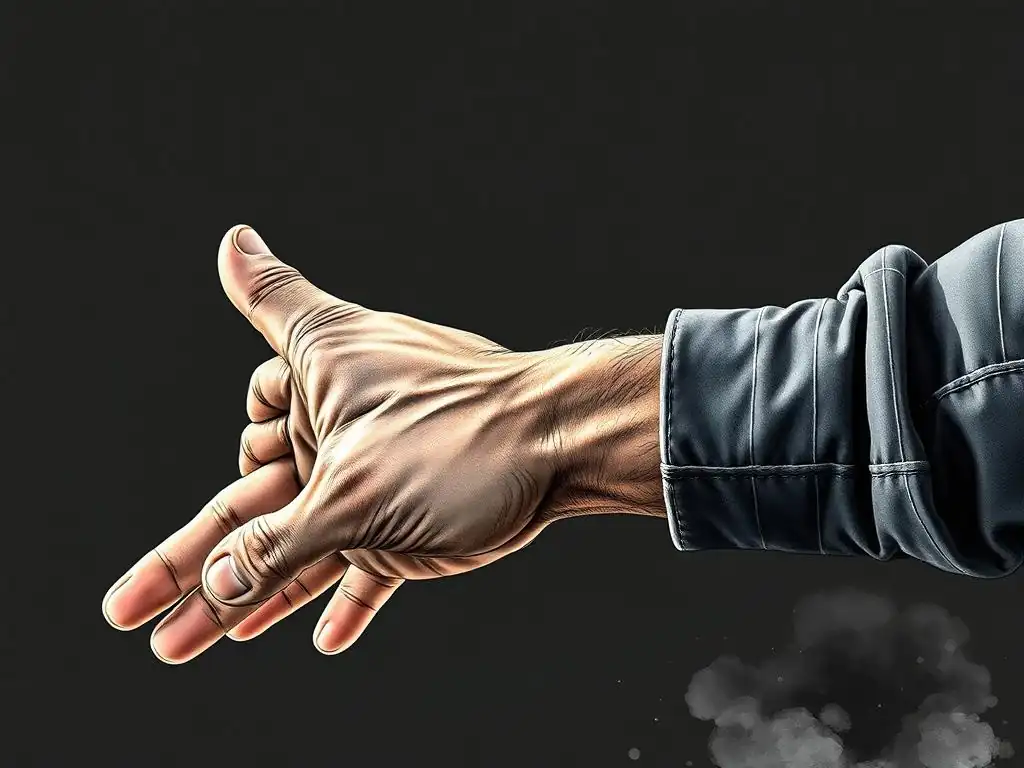
Throughout the history of catch wrestling, certain practitioners have been particularly renowned for their mastery and innovative application of joint locks, including sophisticated wrist manipulation. These athletes not only perfected existing techniques but often developed new variations or transitions that became part of the catch wrestling lexicon. Studying the approaches of these legends provides valuable insight into the potential and effectiveness of the wrist manipulation catch wrestling technique at the highest levels.
While many great catch wrestlers utilized wrist locks, some made them a signature part of their game, using them frequently and with devastating results in both legitimate competition and worked professional wrestling bouts that featured authentic catch submissions. Their examples highlight the power and versatility of targeting the wrist.
Karl Gotch and His Ruthless Application of Joint Locks
Karl Gotch, often referred to as "The God of Wrestling," was a legendary figure in catch wrestling and professional wrestling, known for his technical prowess and emphasis on legitimate submissions. Gotch was a master of joint manipulation across the entire body, and wrist locks were a significant part of his arsenal. He was known for applying techniques with relentless pressure, forcing opponents to submit quickly or risk serious injury.
Gotch's approach to wrist manipulation was often integrated into his chain wrestling and transitions. He would use wrist control from tie-ups or ground positions to break down an opponent's posture and then transition directly into submissions like double wrist locks or unique wrist flexion/extension attacks. His focus on applying pressure from unfavorable angles and his deep understanding of leverage made his wrist manipulation catch wrestling technique particularly feared.
Josh Barnett and His Modern Interpretation of Catch Wrestling
In the modern era, Josh Barnett stands out as a prominent advocate and practitioner of catch wrestling, applying its principles successfully in mixed martial arts (MMA). Barnett has demonstrated a wide range of catch wrestling techniques in competition, including various joint locks. While perhaps best known for his neck cranks and leg locks, Barnett has also showcased effective wrist control and manipulation as part of his ground game.
Barnett's approach often involves using wrist control to maintain top position, prevent opponents from escaping, and set up other submission attempts. He understands how controlling the hands can neutralize an opponent's defense and open opportunities for more powerful attacks. His use of wrist manipulation, integrated into a comprehensive MMA grappling strategy, highlights the continued relevance and effectiveness of the wrist manipulation catch wrestling technique in contemporary combat sports.
The Importance of Safety and Ethical Considerations
Given the potential for injury, safety and ethical considerations are paramount when practicing and applying wrist manipulation techniques. While the goal in competition is submission, in training, the primary focus must be on skill development without causing harm. This requires clear communication with training partners, controlled application of techniques, and a strong sense of responsibility.
Catch wrestling's reputation for being "shoot" (legitimate) also comes with the understanding that these techniques are powerful and can cause damage. Responsible training ensures that practitioners develop the ability to apply techniques effectively while also learning restraint and recognizing when to release pressure.
Controlled Training and Partner Awareness
Training the wrist manipulation catch wrestling technique must always be done with control. Techniques should be applied slowly and incrementally, allowing the partner ample time to tap out at the first sign of discomfort or pain. It is the responsibility of the person applying the technique to be sensitive to their partner's reactions and release the pressure immediately upon a tap.
Partners also have a responsibility to tap early and clearly. There is no benefit in trying to tough out a joint lock in training, as this significantly increases the risk of injury. Open communication before and during rolling sessions about comfort levels and intentions is essential for maintaining a safe training environment and allowing practitioners to explore the full range of the wrist manipulation catch wrestling technique without fear of harming one another.
Avoiding Unnecessary Injury During Sparring
In live sparring (rolling), the intensity should be adjusted based on the training environment and partners involved. While competition simulates a real fight, sparring is for learning and refinement. Applying wrist locks in sparring should be done with the explicit understanding that the goal is practice, not victory at all costs. This means applying techniques with sufficient pressure to elicit a tap, but not with sudden, explosive force aimed at causing damage before the partner can react.
If a wrist lock is applied, the defender should tap immediately. The attacker should release immediately upon feeling the tap or hearing the verbal submission. Developing this reflex is critical. Avoiding unnecessary injury ensures that training partners remain healthy and can continue to train, fostering a positive and productive learning environment for mastering the wrist manipulation catch wrestling technique.
Respecting the Power of Wrist Locks
Wrist locks, like other joint locks, are powerful techniques that can cause significant injury, including sprains, ligament tears, dislocations, and even fractures, if applied incorrectly or with excessive force. Practitioners must respect this inherent power. They are not techniques to be used carelessly or maliciously.
Understanding the potential consequences of reckless application reinforces the importance of controlled training and responsible use. This respect for the power of the wrist manipulation catch wrestling technique is a core ethical principle in grappling – acknowledging that while these skills are effective for self-defense or competition, they carry a responsibility to use them wisely and safely in training.
Integrating Wrist Manipulation into a Complete Catch Wrestling Game
While powerful on their own, wrist manipulation techniques are most effective when integrated into a comprehensive catch wrestling game. They should not be seen as isolated submissions but rather as part of a larger system of control, transition, and attack. A skilled catch wrestler uses wrist control to enhance other techniques, create openings, and build submission chains that overwhelm the opponent's defense.
Integrating the wrist manipulation catch wrestling technique means understanding how it fits into the flow of grappling – from standing tie-ups to ground positions, transitions, and scrambles. It involves recognizing how controlling the wrist can complement arm attacks, leg attacks, and even chokes, making the overall game more potent and unpredictable.
Combining Wrist Locks with Leg Locks and Neck Cranks
Catch wrestling is known for its aggressive approach to finishing fights, often combining attacks on multiple parts of the body. Wrist manipulation can be effectively combined with leg locks and neck cranks. For example, securing a strong wrist control from a top position can prevent the opponent from using their hands to defend a neck crank. Similarly, applying a wrist lock can be used as a distraction while simultaneously attacking a leg.
Consider a scenario from turtle: attacking a wrist lock on one arm while simultaneously securing a grip for a neck crank with the other. The opponent is forced to defend two painful attacks at once, significantly increasing the chance of submission. This multi-pronged attack strategy is a hallmark of catch wrestling and highlights how the wrist manipulation catch wrestling technique can enhance other finishing holds.
Creating a Chain of Submissions Using Wrist Control
The most advanced application of wrist manipulation involves using it to create submission chains. A submission chain is a sequence of attacks where defending one technique leads directly into another. Wrist control is an excellent tool for initiating and linking these chains. For instance, an opponent defending a wrist lock might straighten their arm, opening up an armbar. If they defend the armbar by bending their arm, the double wrist lock becomes available.
Alternatively, using wrist control to prevent an opponent from posting might allow for a transition to a dominant position, from which other submissions are available. The opponent is constantly reacting to the pressure and control applied through their wrist, leading them down a path where they are increasingly vulnerable. This strategic use of the wrist manipulation catch wrestling technique makes a catch wrestler's game incredibly difficult to defend against.
Wrist Manipulation Catch Wrestling Technique: A Recap
The wrist manipulation catch wrestling technique is a vital and often underestimated component of this dynamic grappling art. It involves understanding the anatomy and biomechanics of the wrist joint, applying leverage and pressure effectively, and mastering specific techniques like flexion, extension, and deviation locks, as well as classics like the double wrist lock and chicken wing.
Applying these techniques in live scenarios requires recognizing opportunities during transitions, using wrist control to set up other attacks, and understanding common defenses. Beyond the physical, the psychological aspect of applying painful, subtle pressure to the wrist plays a significant role in breaking an opponent's will. Mastery is achieved through dedicated training, including partner drills, resistance training, and solo practice, while always prioritizing safety and ethical considerations. Legendary practitioners like Karl Gotch and Josh Barnett exemplify the effective use of wrist manipulation.
Key Takeaways and Further Exploration
- Wrist control is crucial for positional control, setting up submissions, and transitions in catch wrestling.
- Wrist manipulation targets the vulnerabilities of the wrist joint through flexion, extension, and deviation.
- Leverage and precise pressure are key principles for effective wrist locks.
- Essential techniques include double wrist locks, chicken wings, and direct flexion/extension/deviation locks.
- Wrist manipulation is a versatile tool for transitioning from takedowns and setting up other submissions like armbars and chokes.
- The psychological impact of pain and the threat of injury to the wrist is a significant factor.
- Safe and controlled training is paramount due to the potential for injury.
- Wrist manipulation is best integrated into a complete game, combining with other joint locks and controls to create submission chains.
To further explore the wrist manipulation catch wrestling technique, dedicated study of catch wrestling resources, attendance at seminars, and consistent practice with knowledgeable partners are recommended. The depth and versatility of targeting the wrist offer a lifetime of learning and refinement for any serious grappler.
Resources for Learning More About Catch Wrestling Wrist Locks
For those interested in delving deeper into the wrist manipulation catch wrestling technique and other aspects of this fascinating art, seeking out qualified instructors and reputable training resources is essential. Many instructional materials exist, including books, videos, and online courses, though the quality and adherence to traditional catch wrestling principles can vary.
Ideally, learning should involve hands-on instruction from coaches with a strong lineage in catch wrestling. Attending seminars or visiting gyms that specialize in catch wrestling provides an invaluable opportunity to learn the nuances of techniques and the philosophy behind the art. Engaging with the catch wrestling community, whether online or in person, can also provide access to historical information, training partners, and guidance on developing a complete catch wrestling game that incorporates effective wrist manipulation.
Frequently Asked Questions
How does Catch Wrestling wrist manipulation differ from other martial arts?
Catch Wrestling focuses on submission holds, often employing techniques that target the wrist joints for maximum leverage and pain compliance. This contrasts with striking-focused arts or those emphasizing joint locks for control rather than immediate finish.
What are the key principles behind successful wrist manipulation in Catch Wrestling?
Effective wrist manipulation relies on understanding joint anatomy, applying precise pressure points, and utilizing body positioning to amplify the discomfort and force a submission. It's about control and leverage, not brute strength.
Is wrist manipulation a safe technique to practice?
When practiced responsibly under qualified instruction, wrist manipulation can be safely learned. However, it's crucial to emphasize controlled application and clear communication to avoid potential injury.
What are some common wrist manipulation techniques used in Catch Wrestling?
Common techniques include the wrist lock, the figure-four wrist lock, and various wrist cranks, often applied from dominant grappling positions to control and submit an opponent.
How can I improve my Catch Wrestling wrist manipulation skills?
Consistent drilling with a partner, focusing on proper technique execution, and studying instructional materials from reputable Catch Wrestling coaches are essential for developing proficiency.
Final Reflection: Embracing the Art of Subtle Control
The exploration of wrist manipulation within Catch Wrestling, as detailed in this article, isn't just about technical prowess; it's about understanding the profound power of subtle control. In a world often dominated by brute force, the finesse and precision required for these techniques offer a compelling alternative, a reminder that mastery lies not just in strength, but in the intelligent application of leverage and understanding of human anatomy. The enduring relevance of Catch Wrestling, and specifically its focus on wrist manipulation, lies in its ability to empower individuals with a skillset that transcends mere physical dominance.
The influence of Catch Wrestling extends beyond the wrestling mat, shaping a mindset that values precision, adaptability, and a deep connection to one's opponent. This article has reinforced my own appreciation for the intricate details that define true martial artistry, reminding me that even the smallest adjustments can yield significant results. Give me a lever long enough and a fulcrum on which to place it, and I shall move the world.
This quote, often attributed to Archimedes, perfectly encapsulates the essence of wrist manipulation – the ability to exert significant influence with minimal effort, a principle applicable not only in combat but also in various aspects of life.
Now, consider the lessons gleaned from this exploration of wrist manipulation. How can you apply the principles of subtle control and precise action to your own endeavors? Whether you're a martial artist, an entrepreneur, or simply navigating the complexities of daily life, remember that true power lies not always in overwhelming force, but in the intelligent application of knowledge and the unwavering pursuit of mastery. Embrace the art of subtle control, and unlock your own potential to influence the world around you.
Unleash Your Grip: Master the Art of Catch Wrestling!
Thank you for exploring the subtle yet devastating world of catch wrestling wrist manipulation. You've now gained insights into techniques that can give you a significant edge. Ready to put this knowledge into action?
- Commit to practicing at least one new wrist lock technique from this article for 15 minutes each day for the next week.
- Delve deeper into the history of catch wrestling by researching its influential figures and evolution.
- Share this article with a fellow grappling enthusiast and discuss your favorite wrist manipulation techniques.
What's the first catch wrestling wrist lock you're excited to try, and how do you plan to integrate it into your existing training?