
Building Global Community Through Capoeira: The Concept of the Capoeira Family

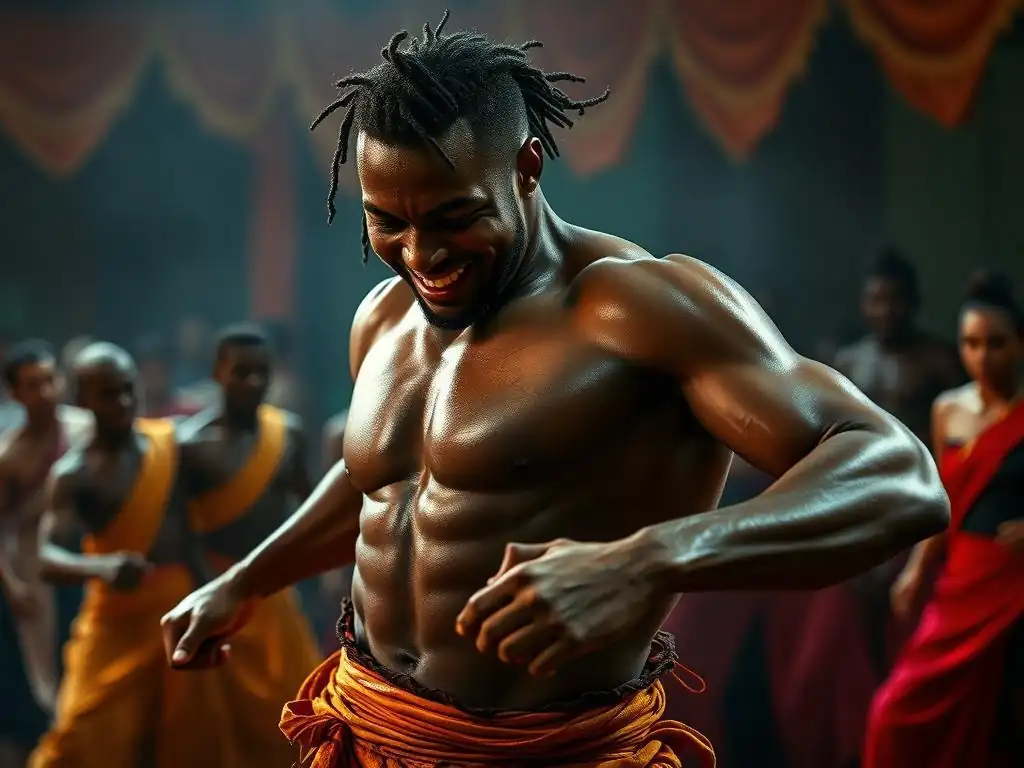
Welcome to Martial Arts Mastery, where we delve into the rich tapestry of fighting traditions!
Ever wondered how a martial art can forge unbreakable bonds and build a global family? In this article, we explore precisely that, focusing on Capoeira and its unique approach to community building. Discover how the roda transcends mere training, fostering a powerful sense of belonging and shared identity. Prepare to be inspired by the vibrant spirit of the Capoeira family and its profound impact on individuals and communities worldwide. Dive in and unlock the secrets to its enduring appeal!
- Introduction: Understanding the Capoeira Family Dynamic
- The Historical Roots of Capoeira's Family Structure
- Key Elements of the Capoeira Family Community
- Capoeira Music and its Role in Strengthening Community Ties
- Capoeira Movements and Shared Experiences: Forging Family Bonds
- Capoeira Family Community Building Across Borders: A Global Phenomenon
- Benefits of Participating in a Capoeira Family Community
- Challenges in Maintaining a Strong Capoeira Family Community
- Examples of Successful Capoeira Family Initiatives
- The Future of Capoeira Family Community Building
- Conclusion: The Enduring Power of the Capoeira Family
-
Frequently Asked Questions
- What is the "Capoeira Family" concept and why is it important?
- How does Capoeira contribute to building a global community?
- What role do mestres (masters) play in the Capoeira family structure?
- What are some practical ways Capoeira promotes community building beyond physical training?
- How does the Capoeira family structure differ from other martial arts communities?
- Final Reflection: Embracing the Roda's Global Embrace
- Embrace the Roda: Join the Capoeira Family!
Introduction: Understanding the Capoeira Family Dynamic
Capoeira is far more than just a martial art or a dance; it is a complex cultural practice embedded within a distinct social structure often referred to as the "Capoeira family," or família de capoeira. This structure goes beyond the physical space of the roda, the circle where the game is played.
It encompasses the relationships, hierarchy, shared history, and mutual support among practitioners, from the most experienced mestre to the newest beginner. This familial bond is a core element that differentiates Capoeira from many other martial arts and is fundamental to understanding its enduring appeal and ability to foster global community.
This unique social framework provides a sense of belonging and identity to its members. It’s a system where roles are defined by experience and contribution, yet everyone is interconnected. The Capoeira family community building process relies heavily on this inherent structure, promoting interaction, learning, and personal development within a supportive environment. It creates a network that extends beyond the training space, influencing social lives and providing a supportive community for individuals navigating various life challenges.
The Importance of Community in Capoeira Training
Training in Capoeira is inherently a communal activity. Unlike solo martial arts forms, Capoeira requires interaction – playing the game with a partner in the roda, singing and playing instruments in the bateria (musical ensemble), and learning techniques through observation and direct physical exchange. This constant interaction necessitates and builds a strong sense of community. Without the collective energy, support, and presence of others, the essence of Capoeira cannot be fully realized.
The supportive environment of the Capoeira family is crucial for learning. Beginners rely on the guidance of more experienced students and mestres, while advanced practitioners refine their skills by interacting with a diverse range of partners. This mutual dependency fosters trust and cooperation. The collective effort in creating the roda, from setting up the space to providing the musical energy, highlights how community is not just a byproduct of training but an essential component of the practice itself, vital for effective Capoeira family community building.
The Historical Roots of Capoeira's Family Structure
Quilombos and the Origins of Afro-Brazilian Solidarity
The concept of the Capoeira family is deeply rooted in the history of enslaved Africans in Brazil and their struggle for liberation. Escaped slaves often formed communities known as quilombos (or mocambos), self-sustaining settlements hidden in remote areas. These quilombos were not just places of refuge but vibrant societies where African cultures were preserved, adapted, and blended with indigenous and European influences. Solidarity and collective survival were paramount in these communities, which functioned much like extended families, pooling resources, defending themselves, and maintaining cultural practices.
Capoeira is believed to have developed within these quilombos as a form of resistance, self-defense, and cultural expression. The strong bonds required for survival in such precarious environments naturally fostered a sense of kinship among practitioners. This historical context of collective struggle and mutual support is the bedrock upon which the modern Capoeira family concept is built, making the quilombo an early, powerful example of Capoeira family community building in the face of oppression.
Mestre Bimba and Mestre Pastinha: Shaping the Capoeira Family
The formalization and spread of Capoeira in the 20th century owe much to figures like Mestre Bimba (Manuel dos Reis Machado) and Mestre Pastinha (Vicente Ferreira Pastinha). These two masters, representing different stylistic approaches (Capoeira Regional and Capoeira Angola, respectively), were instrumental in organizing Capoeira schools and methodologies. Their academies became central hubs for practitioners, providing structured learning environments that reinforced the community aspect.
Mestre Bimba, in establishing his academy in 1932, created a curriculum and ranking system that, while formal, still operated on principles of respect and hierarchy akin to a family structure. Mestre Pastinha, opening his academy in 1941, championed the traditional, more philosophical aspects of Capoeira Angola, emphasizing the historical and cultural significance and fostering a close-knit community atmosphere based on shared heritage and wisdom. Both masters, through their teachings and leadership, solidified the role of the academy as the modern-day equivalent of the quilombo's communal space, vital for sustained Capoeira family community building.
Preserving Tradition Through Intergenerational Learning
A defining characteristic of the Capoeira family is the emphasis on the transmission of knowledge from one generation to the next. This intergenerational learning is not merely the transfer of techniques but also the sharing of history, philosophy, songs, and rituals. The Mestre is the patriarch or matriarch of the family, holding the deepest knowledge and experience, and is responsible for guiding students along their path.
This lineage structure ensures that the rich traditions of Capoeira are preserved and adapted over time. Students learn not only from the Mestre but also from more advanced peers, creating a reciprocal learning environment. This process reinforces the familial bonds, as each member contributes to the collective knowledge and growth of the group, perpetuating the cycle of Capoeira family community building.
Key Elements of the Capoeira Family Community
Respect for Mestres: The Foundation of the Family Hierarchy
At the heart of the Capoeira family structure is profound respect for the Mestre. The Mestre is not just a teacher but a mentor, guide, and often a father or mother figure within the community. Their experience, wisdom, and dedication are the pillars upon which the group stands. This respect is demonstrated through specific rituals, language ( Axé! meaning energy or blessing, often used to acknowledge the Mestre), and adherence to their guidance and teachings.
This hierarchical structure, based on earned respect rather than rigid authority, provides stability and direction for the Capoeira family. It ensures that the core values and traditions are maintained while allowing for adaptation and growth. The Mestre's role is pivotal in fostering a positive and cohesive environment for Capoeira family community building.
The Role of Students: Contributing to the Growth of the Group
While the Mestre provides leadership, the students are the lifeblood of the Capoeira family. Each student, regardless of their level, plays a crucial role in the group's dynamics and growth. Beginners bring fresh energy and questions, intermediate students support newer members while refining their own skills, and advanced students assist the Mestre and set examples.
Participation extends beyond physical training; students are encouraged to learn the music, the songs, the history, and contribute to the overall well-being of the group. This active involvement of every member reinforces the collective identity and purpose, demonstrating that Capoeira family community building is a collaborative effort where everyone contributes to the shared experience.
Camaraderie and Mutual Support: Building Strong Bonds
Camaraderie and mutual support are essential threads weaving together the fabric of the Capoeira family. The shared challenges of training, the intensity of the roda, and the collective effort required to create the music forge strong bonds between practitioners. Members support each other through difficult movements, encourage persistence during demanding training sessions, and celebrate individual and collective achievements.
This spirit of camaraderie extends outside the training space. Capoeira families often organize social gatherings, participate in community events, and provide support for members facing personal difficulties. This deep level of mutual support is a hallmark of effective Capoeira family community building, creating a network that provides physical, emotional, and social benefits.
Capoeira Music and its Role in Strengthening Community Ties
The Significance of Call and Response in Capoeira Songs
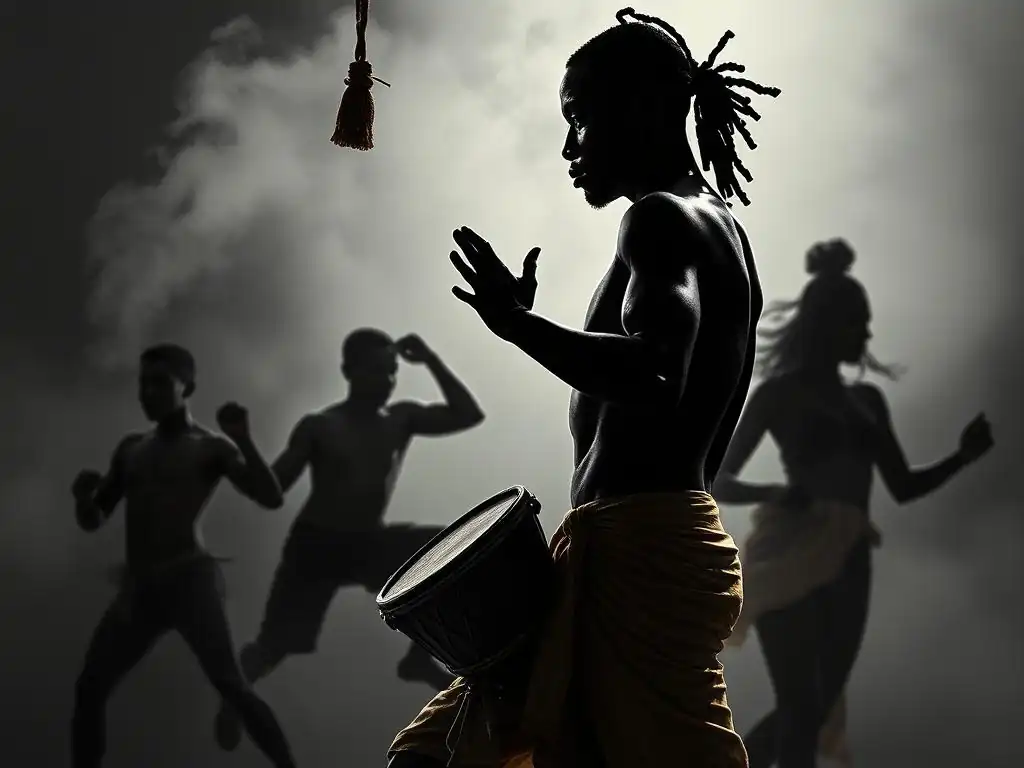
Music is inseparable from Capoeira, and its structure actively promotes community engagement. The bateria, consisting of instruments like the berimbau, pandeiro, atabaque, agogô, and reco-reco, sets the rhythm and energy of the roda. Capoeira songs utilize a call-and-response format, where a soloist (often the Mestre or a more experienced singer) sings a line or stanza, and the rest of the group responds in unison.
This interactive singing structure is not just musical; it's a form of communal participation. It requires everyone to listen, respond, and contribute their voice, literally and figuratively bringing the group together. The shared act of singing reinforces unity, creating a powerful collective energy that is fundamental to the Capoeira experience and crucial for Capoeira family community building through shared expression.
Capoeira music is rich with history, storytelling, and cultural references. The songs tell tales of slavery, resistance, famous Mestres, everyday life, and the philosophy of Capoeira itself. By singing these songs together, the Capoeira family collectively engages with its heritage and creates a shared cultural experience.
Learning the songs, understanding their meanings, and participating in the musical dialogue connects individuals to the roots of Capoeira and to each other. This shared cultural understanding deepens the bonds within the community, providing a common language and history that transcends individual backgrounds and significantly aids in Capoeira family community building.
How Music Fosters Unity and Connection Among Capoeiristas
Beyond the call and response, the sheer act of creating music together fosters a powerful sense of unity. The rhythmic coordination of the instruments and voices requires collaboration and attunement. When the bateria is strong and the singing is vibrant, it creates a palpable energy that everyone in the roda and around it feels.
This collective rhythm and melody synchronize the group, creating a shared emotional and physical experience. The music guides the game, dictates the energy, and provides the soundtrack for the communal activity. It's a unifying force that connects practitioners on a deeper level, making music an indispensable tool for effective Capoeira family community building.
The Roda as a Microcosm of the Capoeira Family
The roda itself is a physical representation, a microcosm, of the Capoeira family. The circle shape symbolizes equality and unity, with everyone facing inwards, contributing to the central energy. Within this circle, the game is played, music is made, and the community interacts directly. It is a space of intense focus, communication, and shared vulnerability.
The dynamics within the roda – the interplay between players, the energy from the bateria, the support from the perimeter – mirror the dynamics of the Capoeira family as a whole. It's where trust is built through challenging exchanges, where respect is shown through the flow of the game, and where the collective spirit is most evident. Participating in the roda is a fundamental shared experience that reinforces the bonds of the Capoeira family community building process.
Learning and Practicing Together: Strengthening Skills and Relationships
The process of learning Capoeira is inherently collaborative. Students practice movements in pairs or small groups, spotting each other, offering feedback, and working through challenges together. This shared physical effort and mutual assistance build rapport and understanding.
Training together consistently creates a shared history of effort, progress, and support. Partners learn to anticipate each other's movements, understand each other's strengths and weaknesses, and trust each other in dynamic exchanges. This shared journey of physical and technical development is a powerful catalyst for strengthening relationships and fostering Capoeira family community building.
Capoeira is rich in rituals and traditions that contribute to the sense of belonging within the family. These include the opening and closing of the roda, the songs sung at specific moments, the way instruments are played, and ceremonies like the batizado (baptism) and troca de corda (belt exchange).
These shared practices create a predictable and meaningful framework for the community. Participating in these rituals connects individuals to the lineage and history of their group and to the broader world of Capoeira. They provide moments of collective identity reinforcement, solidifying the bonds and contributing significantly to Capoeira family community building.
Capoeira Family Community Building Across Borders: A Global Phenomenon
Capoeira Schools and Groups Around the World: Expanding the Family
What began as a practice primarily in Brazil has exploded into a global phenomenon. Today, Capoeira schools and groups exist in virtually every continent, from major cities like New York and London to smaller towns in Asia and Africa. Each of these groups often functions as a local Capoeira family, led by a Mestre or instructor who is part of a larger lineage connected back to Brazil.
This global spread means the concept of the Capoeira family transcends geographical boundaries. Practitioners traveling to different cities or countries often seek out local Capoeira schools, finding a welcoming community rooted in shared practice and respect. This network of interconnected groups forms a global Capoeira family, demonstrating the power of Capoeira family community building on an international scale.
Adapting the Capoeira Family Concept to Different Cultures
As Capoeira spreads globally, the concept of the Capoeira family adapts to local cultural contexts while retaining its core principles. While the fundamental hierarchy of respect for the Mestre and the importance of communal training remain, the specific social dynamics and expressions of community might vary slightly depending on the local culture.
For example, in some Western cultures, the expression of respect might be less formal than in Brazil, but the underlying value of honoring experience and knowledge persists. Successful global Capoeira communities find ways to integrate local customs and social norms without diluting the essential elements of the Capoeira family structure, showcasing flexible and effective Capoeira family community building.
The Power of Capoeira to Transcend Geographical Boundaries
Capoeira possesses a unique ability to bridge cultural divides and connect people from diverse backgrounds. The shared language of movement, music, and rhythm provides a common ground that transcends spoken languages and cultural differences. When people from different countries enter a roda together, they can communicate and interact through the shared practice of Capoeira.
This inherent universality makes Capoeira a powerful tool for fostering international understanding and connection. The global Capoeira family provides a network where individuals can find belonging and support, regardless of their origin. It exemplifies how Capoeira family community building can create a truly global sense of kinship.
Benefits of Participating in a Capoeira Family Community
Personal Growth and Development: Learning from Others
Being part of a Capoeira family significantly contributes to personal growth. Learning Capoeira requires discipline, perseverance, and humility. Within the supportive community, individuals are encouraged to push their limits, overcome fears, and develop new skills, both physical and interpersonal.
Interaction with diverse personalities and skill levels teaches adaptability and communication. Receiving feedback, learning to give constructive criticism, and navigating the dynamics of the roda all foster self-awareness and social intelligence. This environment where members learn from and challenge each other is key to personal development facilitated through Capoeira family community building.
Emotional Support and Encouragement: Overcoming Challenges Together
The Capoeira family provides a strong source of emotional support. The challenges of mastering complex movements, overcoming performance anxiety in the roda, or simply showing up consistently require encouragement. Fellow students and Mestres offer motivation, understanding, and solidarity.
Beyond the training space, the community often acts as a support system during personal difficulties. Sharing experiences, offering advice, or simply providing a listening ear are common within the Capoeira family. This network of emotional support is a vital aspect of Capoeira family community building, helping individuals navigate life's ups and downs.
Cultural Enrichment and Understanding: Embracing Diversity
Joining a Capoeira family opens the door to a rich cultural experience. Members learn about Afro-Brazilian history, music, language (Portuguese terms are widely used), and customs. This exposure broadens perspectives and fosters a deeper appreciation for cultural diversity.
Furthermore, in global Capoeira families, members often come from various ethnic, national, and socioeconomic backgrounds. Interacting within this diverse group promotes cultural exchange and understanding, breaking down stereotypes and building bridges between different communities. This embrace of diversity is a powerful outcome of effective Capoeira family community building.
Challenges in Maintaining a Strong Capoeira Family Community
Addressing Conflicts and Disagreements Within the Group
Like any close-knit group, Capoeira families can face internal challenges, including conflicts and disagreements. These might arise from differences in training philosophy, interpersonal issues, or disagreements about group direction. Navigating these conflicts requires open communication, mutual respect, and the guidance of experienced leaders, typically the Mestre.
Unresolved conflicts can damage the bonds of the community and hinder growth. A strong Capoeira family has mechanisms for addressing these issues constructively, prioritizing the well-being and cohesion of the group over individual disputes. Effective conflict resolution is crucial for sustainable Capoeira family community building.
Maintaining Respect for Tradition While Embracing Innovation
Capoeira is a living art form, constantly evolving. A key challenge for Capoeira families is balancing deep respect for historical traditions and the teachings of the Mestres with the need to innovate and adapt to contemporary contexts. This tension can sometimes lead to disagreements about training methods, music styles, or the direction of the group.
Successfully navigating this balance requires dialogue and understanding between generations and different perspectives within the family. Honoring the roots while exploring new possibilities ensures that Capoeira remains relevant and vibrant. This careful negotiation is part of the ongoing process of Capoeira family community building in the modern era.
Ensuring Inclusivity and Accessibility for All Members
Another challenge lies in ensuring that the Capoeira family is truly inclusive and accessible to people from all backgrounds. This includes addressing potential barriers related to physical ability, age, gender, socioeconomic status, and cultural background. A strong community actively works to create an environment where everyone feels welcome, valued, and able to participate fully.
This might involve adapting training methods, offering flexible class schedules, providing financial assistance, or actively promoting diversity within the group. Prioritizing inclusivity strengthens the Capoeira family by bringing in a wider range of perspectives and experiences, ultimately enriching the community through conscious Capoeira family community building efforts.
Examples of Successful Capoeira Family Initiatives
Capoeira Angola Palmares, founded by Mestre Nô (Norival Moreira de Lima) and now led by his son Mestre Lua de Bobo, represents a significant example of a Capoeira family deeply committed to preserving the historical and cultural roots of Capoeira Angola. Originating from Bahia, Brazil, this group emphasizes the traditions passed down through their lineage, focusing on the ritual, music, and subtle movements characteristic of Angola.
Beyond preservation, groups within the Palmares lineage often engage in social justice initiatives, using Capoeira as a tool for empowerment and community development, particularly in marginalized areas. This demonstrates how the Capoeira family structure can serve as a platform not just for martial arts training but for broader social impact and Capoeira family community building with a purpose.
Grupo Capoeira Brasil: Fostering Global Community Through Structured Training
Grupo Capoeira Brasil, established in 1989 by Mestres Boneco, Paulinho Sabiá, and Paulão Ceará, is one of the largest and most globally recognized Capoeira groups. Known for its structured methodology derived from the lineage of Mestre Bimba and Mestre Eziquiel, this group has established academies in numerous countries, creating a vast international network.
Their success lies partly in creating a consistent training system and a clear hierarchy that allows for global expansion while maintaining a sense of connection between distant branches. Annual events, workshops, and batizados bring members from around the world together, reinforcing the global Capoeira family bond and showcasing widespread Capoeira family community building.
Capoeira Luanda: Bridging Cultural Gaps Through Artistic Expression
Capoeira Luanda, founded by Mestre Jelon Vieira in New York City in 1989, is notable for its emphasis on the artistic and performance aspects of Capoeira, particularly Capoeira Angola. Mestre Jelon was a pioneer in bringing Capoeira to the United States and has used his group as a vehicle for cultural exchange and education.
Through performances, workshops, and classes, Capoeira Luanda has introduced Capoeira to diverse audiences and built a strong community that values cultural expression and dialogue. This group exemplifies how the Capoeira family can serve as a bridge between cultures, using the art form to foster understanding and connection, highlighting a unique approach to Capoeira family community building.
The Future of Capoeira Family Community Building
Adapting to the Changing Needs of Capoeiristas
The needs and motivations of people joining Capoeira today may differ from those in the past. While historical preservation remains important, modern Capoeiristas might seek fitness, stress relief, self-defense, or simply a sense of belonging in an increasingly disconnected world. The future of Capoeira family community building lies in adapting the traditional structure to meet these evolving needs while retaining the core values.
This might involve offering diverse class formats, incorporating modern training techniques where appropriate, and being mindful of how the Capoeira family can integrate into the busy lives of contemporary practitioners. Flexibility and responsiveness are key to ensuring the Capoeira family remains a relevant and appealing community.
Leveraging Technology to Connect and Support Communities
Technology, while sometimes seen as a detractor from physical community, can also be a powerful tool for Capoeira family community building. Online platforms, social media groups, and video conferencing can help connect members outside of class, facilitate communication within the group, and even allow practitioners from different locations to train together virtually.
Mestres and groups are increasingly using technology to share knowledge, organize events, and maintain connections within their global networks. While the physical interaction of the roda is irreplaceable, leveraging digital tools can enhance communication, support, and the sense of connection within the Capoeira family, expanding the possibilities for Capoeira family community building.
Promoting the Values of Capoeira to a Wider Audience
The values inherent in the Capoeira family – respect, community, resilience, cultural appreciation – are valuable in today's world. Promoting these values beyond the immediate Capoeira community can attract new members and contribute positively to society. Outreach programs, school visits, public performances, and collaborations with other community organizations can introduce Capoeira to a wider audience.
Sharing the positive impact of the Capoeira family structure – its ability to build strong bonds, foster personal growth, and bridge cultural divides – can inspire others to join or support the art form. This broader promotion is vital for the continued growth and influence of Capoeira family community building.
Conclusion: The Enduring Power of the Capoeira Family
Ultimately, Capoeira is a powerful vehicle for both social connection and personal transformation. The Capoeira family structure provides a nurturing environment where individuals can develop physically, mentally, and emotionally. It offers a sense of belonging, purpose, and mutual support that is increasingly sought after in modern society.
Through shared practice, music, and history, practitioners form deep and lasting bonds. The challenges faced in the roda and the support received from the community build resilience and self-confidence. This combination of collective support and individual challenge makes Capoeira a unique path for personal growth facilitated by strong Capoeira family community building.
The Legacy of the Capoeira Family: A Continuing Tradition
The concept of the Capoeira family is not just a historical relic; it is a living, breathing tradition that continues to shape the practice of Capoeira around the world. It is the framework that allows the art form to be passed down through generations, to adapt to new environments, and to connect people across continents.
The legacy of the Capoeira family lies in its ability to create vibrant, supportive communities rooted in shared culture and mutual respect. As Capoeira continues to grow globally, the strength of this familial structure remains its most potent force, ensuring the enduring power of Capoeira family community building for the future.
Frequently Asked Questions
What is the "Capoeira Family" concept and why is it important?
The "Capoeira Family" (or familia) is a core tenet of Capoeira, emphasizing community building and mutual support. It's important because it fosters a sense of belonging and shared learning, enriching the individual's experience and perpetuating the art form.
How does Capoeira contribute to building a global community?
Capoeira's roots are diverse, and its practice transcends geographical boundaries. Through international events, workshops, and online communities, Capoeira connects people from various cultures, promoting understanding and collaboration.
What role do mestres (masters) play in the Capoeira family structure?
Mestres serve as mentors and guides within the Capoeira family. They impart not only technical skills but also the cultural values and traditions of Capoeira, ensuring its preservation and evolution.
What are some practical ways Capoeira promotes community building beyond physical training?
Beyond the roda, Capoeira promotes community through social events, charitable activities, and educational initiatives. These activities foster friendship, cooperation, and a sense of collective responsibility.
How does the Capoeira family structure differ from other martial arts communities?
The Capoeira family often places a greater emphasis on social interaction, musicality, and cultural expression compared to some other martial arts. This creates a more holistic and interconnected community environment.
Okay, here's a final reflection designed to close your article "Building Global Community Through Capoeira: The Concept of the Capoeira Family," optimized for the keyword "Capoeira family community building":
Final Reflection: Embracing the Roda's Global Embrace
The journey through Capoeira's history and philosophy reveals a powerful truth: the concept of the Capoeira family transcends geographical boundaries, fostering a sense of belonging and shared purpose that resonates deeply in our increasingly interconnected world. This article has explored how Capoeira, more than just a martial art, serves as a potent tool for community building, offering a unique model for fostering global understanding and collaboration.
The enduring power of the Capoeira family lies in its ability to create a space where individuals from diverse backgrounds can connect, learn, and grow together. This is more than just physical training; it's about forging bonds of respect, trust, and mutual support that extend far beyond the roda. Capoeira is more than a fight, it's a way of life. It teaches you respect, discipline, and how to be a part of something bigger than yourself.
This sentiment, echoed by countless practitioners, highlights the profound impact of the Capoeira family on shaping individuals and strengthening communities.
As we conclude this exploration, I invite you to consider how the principles of the Capoeira family – respect, collaboration, and shared purpose – can be applied in your own life and community. Embrace the spirit of the roda, seek out opportunities to connect with others, and strive to build bridges of understanding and empathy. Let us all contribute to a world where the spirit of the Capoeira family extends beyond the academy, fostering a truly global community built on respect, unity, and shared humanity.
Embrace the Roda: Join the Capoeira Family!
Thank you for exploring the vibrant world of capoeira and its powerful sense of community. We hope this article has inspired you to appreciate the profound connections forged within the roda. Now, it's your turn to become a part of this incredible family.
- Find a local capoeira group and attend your first class. This is the most direct way to experience the camaraderie firsthand and begin your own journey.
- Explore online forums and social media groups dedicated to capoeira. Share your insights, ask questions, and connect with fellow enthusiasts from around the globe.
- Organize a capoeira-themed movie night with friends! Watch a documentary or film featuring capoeira and discuss the themes of community, history, and resistance.
Ready to step into the roda and experience the unparalleled support of the capoeira family? What's one small step you can take today to connect with the capoeira community in your area?