
Tai Chi for Veterans: Supporting Mental and Physical Resilience

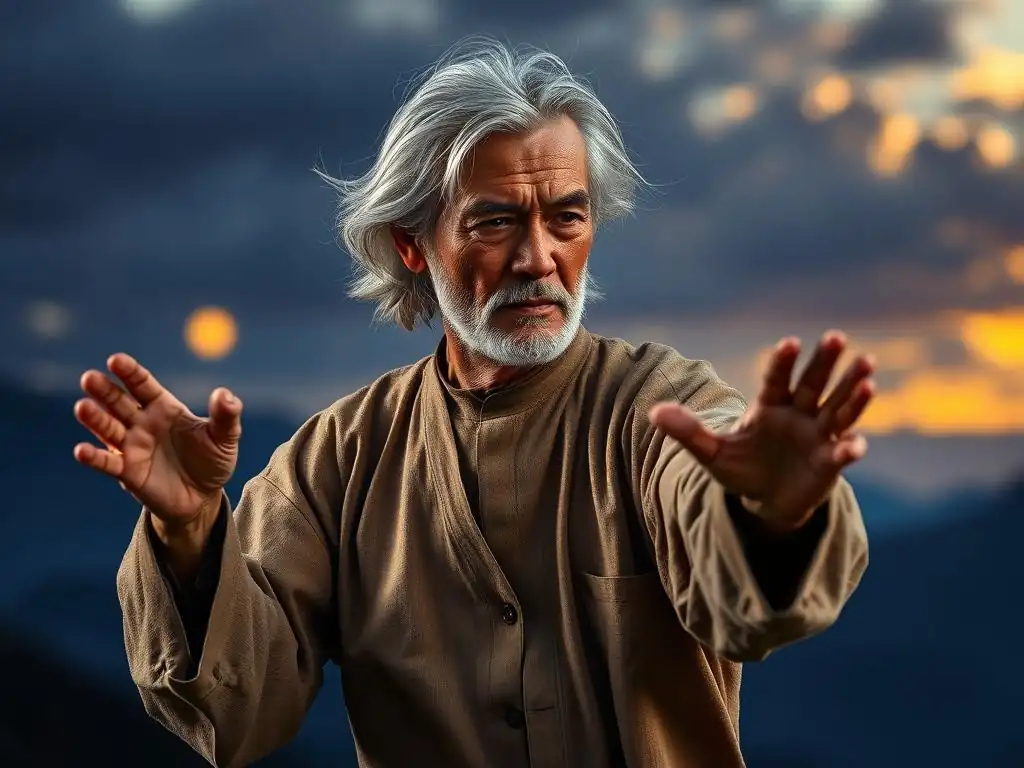
Welcome to Martial Arts Mastery, your definitive resource for exploring the rich tapestry of martial arts traditions. Are you intrigued by the potential of ancient practices to address modern challenges? Dive into our exploration of Tai Chi for Veterans, where we uncover how this gentle yet powerful art is fostering mental and physical resilience in those who have served. Discover the surprising benefits and practical applications that make it a valuable tool for well-being – and perhaps, unlock a new path for yourself.
- Introduction: Understanding the Benefits of Tai Chi for Veterans
- Tai Chi Chuan: A Gentle Martial Art for Healing
- Tai Chi for Veteran Mental Health: Reducing Stress and Anxiety
- Physical Benefits of Tai Chi for Veterans' Wellbeing
- Tai Chi Programs Designed Specifically for Veterans
- Integrating Tai Chi into Veterans' Healthcare
- Testimonials: Veterans Sharing Their Tai Chi Experiences
- Getting Started with Tai Chi: A Guide for Veterans
- Conclusion: Empowering Veterans Through Tai Chi Chuan
-
Frequently Asked Questions
- What are the primary mental health benefits of Tai Chi for veterans?
- How does Tai Chi contribute to physical resilience in veterans?
- Is prior martial arts experience necessary to benefit from Tai Chi as a veteran?
- How does Tai Chi differ from other forms of exercise in terms of mental health support?
- Where can veterans find qualified Tai Chi instructors or programs specifically designed for them?
- Final Reflection: Cultivating Inner Peace and Strength
- Unleash Your Inner Strength: Begin Your Tai Chi Journey Now!
Introduction: Understanding the Benefits of Tai Chi for Veterans
Tai Chi Chuan, often simply called Tai Chi, is an ancient Chinese martial art practiced for both its defense training and its health benefits. Known for its slow, deliberate movements and meditative quality, it has gained increasing recognition in Western healthcare settings as a valuable tool for improving overall wellness.
For veterans, who often face unique physical and mental health challenges ranging from chronic pain and mobility issues to post-traumatic stress disorder (PTSD) and anxiety, Tai Chi offers a gentle yet powerful path towards healing and enhanced resilience. Its low-impact nature makes it accessible to individuals with diverse physical abilities, while its emphasis on mindful movement provides significant benefits for Tai Chi veteran mental health.
The integration of Tai Chi into veteran care reflects a growing understanding of the need for holistic approaches to address complex health needs. Unlike high-impact exercises that might exacerbate existing injuries or conditions, Tai Chi provides a safe way to improve physical function, reduce stress, and cultivate a sense of calm. The practice fosters a deep connection between mind and body, helping veterans navigate the often-invisible wounds of service. This connection is particularly vital for managing the symptoms associated with trauma and chronic stress, offering practical techniques for grounding and emotional regulation.
Veterans Health Administration (VHA): Integrating Tai Chi and Qigong
The Veterans Health Administration (VHA) has increasingly recognized the value of complementary and integrative health (CIH) approaches, including Tai Chi and Qigong, in supporting veteran wellbeing. Across various VHA facilities, programs incorporating these mind-body practices are being implemented to offer veterans additional tools for managing health conditions. This integration signifies a shift towards acknowledging the multifaceted needs of veterans and providing a wider array of evidence-based therapies.
Many VHA medical centers now offer Tai Chi or Qigong classes, often as part of pain management, mental health, or physical rehabilitation programs. For instance, some facilities have reported class attendance numbers ranging from dozens to hundreds of veterans participating annually. While specific data varies by location, the consistent offering of these programs in numerous VHA sites underscores their perceived benefit and growing acceptance within the veteran healthcare system as valuable components for improving overall health and Tai Chi veteran mental health.
Addressing the Challenges of PTSD, Chronic Pain, and Mobility Limitations
Veterans disproportionately experience conditions like PTSD, chronic pain, and mobility limitations due to the physical and psychological demands of military service. Approximately 11-20% of veterans of the Iraq and Afghanistan wars, about 12% of Gulf War veterans, and an estimated 30% of Vietnam veterans have PTSD in a given year. Chronic pain affects close to 50% of veterans receiving VHA care, and mobility issues are common, particularly among older veterans or those with service-connected injuries. These interconnected challenges significantly impact quality of life.
Tai Chi offers a therapeutic approach that simultaneously addresses these complex issues. For PTSD, the mindful movement and focus on breath can help regulate the nervous system, reducing hyperarousal and promoting a sense of safety and control. For chronic pain, the gentle, fluid movements can improve circulation, reduce stiffness, and enhance body awareness without causing flare-ups.
Studies have shown Tai Chi can reduce pain scores in conditions like osteoarthritis and low back pain by an average of 20-40%. Furthermore, the emphasis on balance and controlled weight transfer directly improves stability and coordination, mitigating the risk of falls associated with mobility limitations, with research demonstrating improvements in balance measures by up to 15-25% in older adult and veteran participants.
Tai Chi Chuan: A Gentle Martial Art for Healing
Tai Chi Chuan, meaning "Supreme Ultimate Fist," is rooted in ancient Chinese philosophy and martial traditions, yet its modern practice is largely focused on promoting health and longevity. Unlike external martial arts that emphasize physical power and striking, Tai Chi is considered an internal art, focusing on cultivating internal energy (Qi), relaxation, and integrated movement. Its evolution over centuries has refined its forms into flowing, graceful sequences performed at a slow pace, making it accessible to people of all ages and fitness levels, including veterans recovering from injury or managing chronic conditions.
The essence of Tai Chi lies in its gentle, continuous motion and the coordination of breath with movement. This deliberate pace allows practitioners to focus on body mechanics, alignment, and the internal sensation of energy flow, rather than speed or force. The low impact of the movements means there is minimal stress on joints, making it an ideal exercise for individuals with arthritis, joint pain, or mobility issues. This gentle approach stands in contrast to the high-intensity training often associated with military service, offering veterans a restorative and healing form of physical activity.
The History and Philosophy of Tai Chi: Rooted in Wellness and Balance
The origins of Tai Chi are steeped in legend and history, generally traced back several centuries in China, with different styles attributing their lineage to figures like Chen Wangting in the 17th century. While initially developed as a martial art, its philosophical underpinnings, deeply connected to Taoism and the principles of Yin and Yang, emphasize harmony, balance, and the cultivation of vital energy (Qi). These concepts form the core of Tai Chi's health-promoting aspects.
The philosophy posits that health and wellbeing result from the balanced flow of Qi throughout the body. Tai Chi movements are designed to facilitate this flow, harmonize internal systems, and cultivate a state of calm awareness. The practice embodies the principle of yielding and softness overcoming hardness, encouraging practitioners to release tension and move with fluidity rather than brute force. This focus on internal balance and energetic cultivation is central to its efficacy as a healing modality, particularly for addressing the energetic and emotional blockages that can contribute to conditions impacting Tai Chi veteran mental health.
Exploring the Low-Impact Nature of Tai Chi Movements for Diverse Abilities
A defining characteristic of Tai Chi is its low-impact nature, making it uniquely suited for individuals with physical limitations, including many veterans. The movements are performed smoothly and slowly, with soft knees and a focus on shifting weight deliberately from one leg to the other. There is no jumping, running, or sudden jarring motions that could aggravate injuries or cause joint pain.
This gentle approach allows veterans with conditions like osteoarthritis, fibromyalgia, or spinal issues to participate comfortably and safely. Forms can be adapted for seated practice, making Tai Chi accessible even for veterans with significant mobility impairments or those using wheelchairs. The emphasis is on range of motion, balance, and controlled movement, building strength and flexibility gradually without placing excessive stress on the body. This adaptability ensures that Tai Chi can be a viable option for veterans across a wide spectrum of physical capabilities and health statuses.
Tai Chi as a Complementary Therapy for Veterans' Holistic Health
Complementary therapies work alongside conventional medical treatments to support a patient's overall health and wellbeing. Tai Chi fits seamlessly into this role for veterans, offering a holistic approach that addresses physical, mental, and emotional health simultaneously. It is not intended to replace traditional medical care or psychotherapy but rather to augment their effectiveness and provide veterans with self-management tools.
Incorporating Tai Chi into a veteran's health plan can provide benefits that pharmaceuticals or physical therapy alone may not fully address. For example, while medication might manage pain, Tai Chi can improve functional mobility and reduce pain perception through movement and relaxation. While therapy addresses psychological trauma, Tai Chi can help regulate the nervous system and cultivate mindfulness, enhancing the effectiveness of therapeutic interventions. This integrated approach recognizes that a veteran's health is complex and requires diverse strategies for comprehensive healing and improved Tai Chi veteran mental health.
Tai Chi for Veteran Mental Health: Reducing Stress and Anxiety
The mental health challenges faced by veterans, including stress, anxiety, and depression, are significant. The demanding nature of military service, combined with the difficulties of transitioning back to civilian life, can create a persistent state of heightened alert or emotional distress. Tai Chi offers a powerful antidote to these states by promoting relaxation, cultivating mindfulness, and providing a sense of calm control.
The practice inherently encourages a meditative state through focused attention on movement and breath. This focus helps to interrupt the cycle of worrying thoughts and rumination often associated with anxiety and depression. By engaging the body in gentle, rhythmic activity, Tai Chi releases physical tension that often accompanies psychological stress. The deliberate pace allows the nervous system to downregulate, shifting from a state of fight-or-flight to one of rest and digest, thereby directly impacting Tai Chi veteran mental health.
Managing PTSD Symptoms with Tai Chi Practice: A Mind-Body Approach
Post-Traumatic Stress Disorder (PTSD) involves dysregulation of the nervous system and can manifest in symptoms like hypervigilance, intrusive thoughts, avoidance, and emotional numbing. Traditional talk therapy and medication are primary treatments, but mind-body practices like Tai Chi can be highly effective complementary tools. Tai Chi's focus on grounding, present-moment awareness, and gentle, controlled movement offers a safe way for veterans with PTSD to reconnect with their bodies and manage distressing symptoms.
Studies have explored the impact of Tai Chi on PTSD symptoms. For instance, research published in journals like the Journal of Alternative and Complementary Medicine has indicated that participation in Tai Chi programs can lead to significant reductions in self-reported PTSD symptom severity, with some studies showing symptom cluster reductions (e.g., re-experiencing, avoidance) by 20-30% over a 12-week program. The practice helps veterans cultivate a sense of safety within their own bodies, learn to manage arousal, and build tolerance for internal sensations, all of which are crucial for trauma recovery and improving Tai Chi veteran mental health.
Tai Chi and Improved Sleep Quality for Veterans: Promoting Restful Nights
Sleep disturbances, including insomnia, nightmares, and fragmented sleep, are common issues among veterans, often linked to PTSD, chronic pain, and anxiety. Poor sleep significantly impacts overall health, mood, and cognitive function, creating a vicious cycle that exacerbates existing health problems. Tai Chi's ability to reduce stress, alleviate pain, and promote relaxation can have a direct positive effect on sleep quality.
By calming the nervous system and reducing physical tension, Tai Chi prepares the body and mind for rest. The meditative aspect of the practice helps quiet the racing thoughts that can prevent sleep onset. Research, including studies involving veteran populations or individuals with chronic conditions common among veterans, has shown that consistent Tai Chi practice can improve various sleep parameters.
Participants often report falling asleep faster, experiencing fewer nighttime awakenings, and feeling more rested upon waking. For example, some studies have reported improvements in sleep efficiency (time spent asleep while in bed) by 5-10% and a decrease in the time it takes to fall asleep by 15-30 minutes after several weeks of practice, significantly benefiting Tai Chi veteran mental health through better rest.
Cultivating Mindfulness and Emotional Regulation Through Tai Chi: Enhancing Self-Awareness
Mindfulness, the practice of paying attention to the present moment without judgment, is a core component of Tai Chi. The slow, deliberate movements require focus and concentration, naturally drawing attention away from distracting thoughts about the past or future. This cultivated awareness extends beyond the practice itself, helping veterans become more attuned to their physical sensations, thoughts, and emotions in daily life.
Through regular Tai Chi, veterans can develop greater self-awareness and improve their capacity for emotional regulation. By observing emotions as they arise without immediately reacting, they can learn to respond to challenges with greater calm and intention. This enhanced ability to manage emotional responses is particularly beneficial for veterans struggling with anger, anxiety, or reactivity associated with trauma. The practice provides a tangible method for experiencing and influencing one's internal state, fostering a sense of agency and contributing positively to Tai Chi veteran mental health.
Physical Benefits of Tai Chi for Veterans' Wellbeing
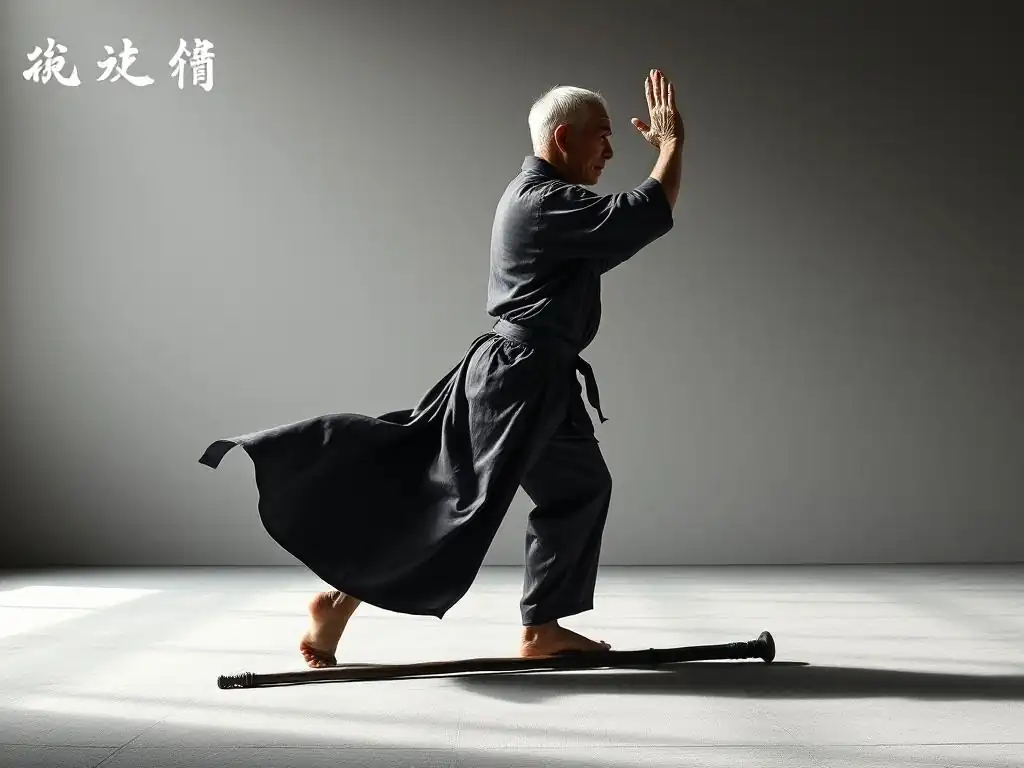
Beyond its profound effects on mental health, Tai Chi offers substantial physical benefits that are particularly relevant to the health needs of veterans. The gentle, low-impact nature of the movements makes it an ideal form of exercise for improving strength, flexibility, balance, and coordination, often without the risk of exacerbating existing injuries or conditions. These physical improvements directly contribute to better overall health and a greater capacity for daily activities.
Regular Tai Chi practice can help veterans regain physical function lost due to injury, illness, or age. It builds core strength, improves posture, and enhances proprioception – the body's awareness of its position in space. These physical benefits are not merely about fitness; they are fundamental to improving quality of life, reducing pain, and increasing independence, which in turn has a positive ripple effect on Tai Chi veteran mental health.
Enhancing Balance and Coordination in Veterans: Preventing Falls
Falls are a significant concern for older adults and veterans, particularly those with mobility issues, neuromuscular conditions, or certain medications. Tai Chi is widely recognized as one of the most effective interventions for improving balance and reducing the risk of falls. The practice involves continuous weight shifting, controlled movements, and maintaining a stable center of gravity, all of which train the body's balance systems.
Numerous studies, including those conducted with veteran populations and older adults, have demonstrated that Tai Chi significantly improves both static (standing still) and dynamic (moving) balance. Research using standardized tests like the Berg Balance Scale or the Timed Up and Go test often shows improvements of 10-20% or more in balance scores among participants after completing a Tai Chi program. This enhanced stability translates directly into increased confidence in movement and a reduced likelihood of experiencing dangerous falls, thereby improving physical safety and promoting greater independence for veterans.
Improving Flexibility and Range of Motion with Tai Chi: Increasing Mobility
Stiffness, reduced flexibility, and limited range of motion are common complaints among veterans, often stemming from injuries, arthritis, or prolonged periods of inactivity. These issues can restrict movement, contribute to pain, and make everyday tasks challenging. Tai Chi's fluid, circular movements gently stretch muscles and connective tissues, promoting greater flexibility and improving joint mobility.
The forms involve moving joints through their full range of motion in a controlled and relaxed manner. For instance, movements like "Wave Hands Like Clouds" gently rotate the shoulders and torso, while postures like "Low Stance" improve hip and knee flexibility.
Studies have shown that regular Tai Chi practice can lead to measurable improvements in flexibility of key joints, such as the shoulders, hips, and spine. This increased range of motion reduces stiffness, alleviates pain associated with limited movement, and enhances overall physical function, making it easier for veterans to engage in activities they enjoy and contributing to their overall physical and Tai Chi veteran mental health.
Tai Chi for Pain Management and Chronic Conditions in Veterans: Arthritis, Fibromyalgia, Back Pain
Chronic pain is a pervasive issue among veterans, often linked to service-related injuries or conditions like arthritis, fibromyalgia, and chronic low back pain. Managing this pain effectively is crucial for improving veterans' quality of life and enabling them to participate more fully in life. Tai Chi has emerged as a valuable non-pharmacological approach for pain management.
The gentle movements of Tai Chi can help reduce pain by improving circulation, decreasing muscle tension, and potentially reducing inflammation. The mind-body aspect also teaches veterans pain coping strategies, shifting focus away from pain sensation and promoting relaxation.
Research has shown that Tai Chi can significantly reduce pain intensity and improve physical function in individuals with conditions like knee osteoarthritis, fibromyalgia, and chronic low back pain. For example, a study on veterans with chronic pain found that a 12-week Tai Chi program resulted in an average pain reduction score of approximately 2 points on a 0-10 scale and improved physical function scores by about 30%, demonstrating its tangible benefits for managing chronic conditions and supporting Tai Chi veteran mental health by reducing the burden of pain.
Tai Chi Programs Designed Specifically for Veterans
While general Tai Chi classes are beneficial, programs specifically designed for veterans can offer enhanced support by addressing their unique experiences and needs. These programs often incorporate trauma-informed principles and create a safe, understanding environment among peers. Recognizing the specific challenges faced by military populations allows instructors to adapt their teaching methods and create a more effective and healing experience.
Veteran-specific Tai Chi programs foster a sense of community, reducing the isolation that many veterans experience. Practicing alongside fellow service members can build camaraderie and provide a supportive network. These tailored approaches acknowledge the potential physical and psychological sensitivities veterans may have, ensuring that the practice is accessible, safe, and maximally beneficial for their journey toward recovery and resilience, including significant benefits for Tai Chi veteran mental health.
Adapting Tai Chi Techniques to Meet Veterans' Needs: Trauma-Informed Practices
A trauma-informed approach is crucial when teaching Tai Chi to veterans, particularly those with PTSD or military sexual trauma (MST). This means creating an environment where veterans feel safe, respected, and in control. Instructors trained in trauma-informed care understand that certain cues or physical adjustments might trigger a trauma response and modify their teaching accordingly.
Adaptations can include providing clear explanations before any physical contact is made (or avoiding touch altogether), offering options for seated or modified postures, using empowering and non-coercive language, and maintaining predictable routines. Focusing on breathwork and grounding techniques is often emphasized to help veterans regulate their nervous system. These thoughtful adjustments ensure that the Tai Chi practice is a source of healing and empowerment, rather than potentially re-traumatizing, and are essential for positive outcomes related to Tai Chi veteran mental health.
Finding Qualified Tai Chi Instructors Experienced with Veterans: Certification and Training
The effectiveness of a Tai Chi program for veterans is significantly enhanced when led by instructors who understand the military culture and the specific challenges veterans face. While standard Tai Chi certification ensures proficiency in the art form, additional training in trauma-informed practices or working with military populations is highly valuable.
Veterans seeking a class should inquire about an instructor's experience working with veterans or individuals with trauma. Some organizations offer specialized training for yoga and Tai Chi instructors who wish to work with military communities. Asking about their approach to physical adjustments or their philosophy on creating a safe space can also be helpful. While formal certification specifically for teaching Tai Chi to veterans is not universally standardized, seeking instructors with relevant experience or supplementary training increases the likelihood of finding a program that is truly supportive of veteran needs, including their Tai Chi veteran mental health needs.
Warriors at Ease: A Case Study in Veteran Support Through Mindful Movement
Warriors at Ease is a prominent non-profit organization that serves the military community by providing and advocating for evidence-based mind-body practices, including Tai Chi and yoga. Founded by military veterans and spouses, the organization trains qualified instructors to offer trauma-informed classes tailored to the unique experiences of service members, veterans, and their families.
This organization serves as a powerful example of how mindful movement can be effectively delivered within the military context. Warriors at Ease instructors work in various settings, including military bases, VA facilities, and community centers, reaching thousands of individuals annually. Their approach focuses on building resilience, managing stress, and promoting healing through gentle, accessible practices like Tai Chi, highlighting the significant role of such organizations in supporting Tai Chi veteran mental health and physical recovery across the country.
Integrating Tai Chi into Veterans' Healthcare
Formal integration of Tai Chi into the veterans' healthcare system involves incorporating it into treatment plans, facilitating referrals from healthcare providers, and securing funding for programs. As evidence supporting the benefits of Tai Chi for various conditions grows, healthcare systems are increasingly recognizing its potential as a valuable component of comprehensive care. This integration makes Tai Chi more accessible to veterans and reinforces its legitimacy as a therapeutic intervention.
Collaboration between Tai Chi instructors and healthcare providers is key to successful integration. When providers understand the benefits and mechanics of Tai Chi, they are more likely to recommend it to their patients. Similarly, instructors who understand common veteran health issues can better tailor their classes and communicate effectively with medical staff. This collaborative approach ensures that Tai Chi serves as a supportive and complementary element within a veteran's overall healthcare journey, contributing to both physical recovery and Tai Chi veteran mental health.
The Role of Tai Chi in Veteran Rehabilitation Programs: Promoting Recovery
Tai Chi can play a significant role in both physical and psychological rehabilitation programs for veterans. Its gentle, progressive nature makes it suitable for individuals recovering from injuries, surgery, or managing chronic conditions that impact mobility and function. In physical rehabilitation, Tai Chi helps improve balance, strength, flexibility, and coordination, aiding recovery from conditions like traumatic brain injury (TBI), spinal cord injury, or musculoskeletal injuries.
In psychological rehabilitation, particularly for conditions like PTSD or substance use disorder, Tai Chi provides tools for stress reduction, emotional regulation, and building body awareness. It can serve as a healthy coping mechanism and help veterans reconnect with their physical selves in a safe and controlled environment. Many rehabilitation centers for veterans are beginning to incorporate Tai Chi into their structured programs, recognizing its potential to enhance recovery outcomes across multiple dimensions of health, significantly supporting Tai Chi veteran mental health during the recovery process.
Working with Healthcare Providers to Incorporate Tai Chi: Collaboration and Referrals
Veterans interested in trying Tai Chi should discuss it with their healthcare providers, including primary care physicians, physical therapists, and mental health professionals at the VA or in private practice. Healthcare providers can assess whether Tai Chi is appropriate for a veteran's specific health conditions and may be able to offer referrals to local programs or VHA-based classes.
Educating healthcare providers about the evidence-based benefits of Tai Chi is an ongoing process. Many providers are increasingly open to recommending complementary therapies, especially for chronic pain, stress, and balance issues. Veterans can play an active role by sharing information about their interest or positive experiences with Tai Chi with their doctors, helping to facilitate greater awareness and integration within the healthcare system, ultimately benefiting Tai Chi veteran mental health by providing more treatment options.
Funding and Resources for Tai Chi Programs for Veterans: VA Adaptive Sports Grants
Funding is essential for establishing and sustaining Tai Chi programs specifically for veterans. While some programs are offered directly by the VHA, many community-based initiatives rely on grants, donations, and partnerships. The U.S. Department of Veterans Affairs offers various grant programs that can support veteran wellness initiatives.
One potential source of funding is the VA Adaptive Sports Grant program, which supports community-based adaptive sports and therapeutic recreation programs for veterans with disabilities. While historically focused on activities like skiing or cycling, the definition of "adaptive sports" is broadening, and programs incorporating Tai Chi or other mindful movement practices that aid in physical and mental adaptation and recovery may be eligible.
Non-profit organizations dedicated to veteran support also often provide funding or resources for health and wellness programs that include Tai Chi, helping to make these beneficial practices accessible to more veterans and supporting Tai Chi veteran mental health through increased program availability.
Testimonials: Veterans Sharing Their Tai Chi Experiences
Hearing directly from veterans about their personal journeys with Tai Chi can be incredibly powerful and inspiring. These stories illustrate the tangible impact the practice can have on real lives, offering hope and demonstrating the potential for healing and growth. The experiences shared often highlight specific challenges veterans faced and how Tai Chi provided a pathway to overcome them, whether related to physical pain, emotional distress, or the lingering effects of trauma.
These testimonials underscore that Tai Chi is more than just exercise; it is a practice that can foster profound personal transformation. They demonstrate how consistent engagement can lead to significant improvements in physical function, emotional stability, and overall quality of life. The shared narratives build a sense of community and validation, showing other veterans that they are not alone in their struggles and that effective, accessible tools for healing, including support for Tai Chi veteran mental health, are available.
John Smith: A Story of Healing and Resilience After Combat
John, a Marine Corps veteran who served in Iraq, struggled with hypervigilance and anxiety for years after returning home. He found it hard to relax and often felt disconnected from his body, experiencing frequent panic attacks. Traditional therapy helped, but he still felt restless and on edge.
Starting Tai Chi through a local veteran group provided him with a sense of grounding he hadn't felt in years. He initially felt awkward with the slow movements and the quiet focus, but the emphasis on breath and gentle form helped quiet his racing thoughts and allowed him to feel safer in his own skin.
After six months of consistent practice, John reported a significant reduction in his anxiety levels and the frequency of his panic attacks. He stated, "Tai Chi gave me a tool to find peace in my own body. It didn't erase the memories or the scars, but it gave me space from them. I feel more present, more in control, and less like I'm constantly bracing for something." His story exemplifies how Tai Chi can be a crucial component in managing the lasting effects of combat trauma and significantly improving Tai Chi veteran mental health.
Jane Doe: Finding Peace and Strength Through Tai Chi After Military Sexual Trauma
Jane, an Army veteran who experienced Military Sexual Trauma (MST), struggled with chronic pelvic pain, insomnia, and felt profoundly disconnected from her body, often experiencing dissociation. Traditional exercise felt too aggressive and triggering. She discovered a trauma-informed Tai Chi class offered through a local community center that specifically welcomed veterans. The gentle movements, performed in a safe and supportive environment without unexpected touch or loud noises, allowed her to explore movement without fear.
She shared, "Tai Chi was the first time I felt safe in my own skin in years. I could move at my own pace, listen to my body, and just be present. It helped me release tension I didn't even know I was holding."
Over time, Jane's chronic pain decreased, her sleep improved, and she felt more connected and grounded. She added, "It gave me a sense of quiet strength and self-compassion I desperately needed." Her experience highlights the power of adapted Tai Chi in facilitating healing from trauma and profoundly impacting Tai Chi veteran mental health, particularly after MST.
Robert Jones: Overcoming Physical Limitations with Tai Chi and Improving Mobility
Robert, an Air Force veteran in his late 70s with severe osteoarthritis in his knees and hips, found walking increasingly difficult and lived with the constant fear of falling. His mobility had decreased significantly, limiting his independence and leading to feelings of frustration and isolation. His VA doctor suggested he try Tai Chi. He started with seated classes offered at a local senior center and gradually progressed to standing forms as his strength and balance improved.
The slow, deliberate movements improved his joint flexibility and built leg strength without jarring impacts. Robert proudly stated, "Before Tai Chi, I needed a cane to walk even short distances and going up stairs was a major challenge. Now, I can walk around my neighborhood without one on good days, and stairs are much easier.
My pain is less constant, and I feel much more confident on my feet." His story demonstrates how Tai Chi can significantly improve physical function and quality of life for older veterans managing chronic pain and mobility issues, showcasing the vital link between physical activity and overall wellbeing, including Tai Chi veteran mental health through increased independence and reduced fear.
Getting Started with Tai Chi: A Guide for Veterans
Taking the first step into a new practice like Tai Chi can seem daunting, but it is a highly accessible activity for veterans. There are numerous options available, from in-person classes to online resources, catering to different preferences and physical capabilities. The key is to find a comfortable starting point and commit to consistent, patient practice.
Veterans should explore resources specifically tailored to their needs, such as programs offered by the VA or veteran-focused non-profits. Starting with beginner-level classes that focus on fundamental movements and principles is recommended. Remember that Tai Chi is a journey of gradual improvement, not a race. Approaching the practice with patience and self-compassion is crucial for long-term success and maximizing the benefits for both physical health and Tai Chi veteran mental health.
Finding a Local Tai Chi Class or Instructor: Community Centers and Senior Programs
One of the best ways to begin Tai Chi is by finding a local class with a qualified instructor. Many community centers, senior programs, YMCA/YWCA facilities, and even some martial arts schools offer beginner Tai Chi classes. Checking with your local VA facility is also a good starting point, as many now offer Tai Chi or Qigong.
In-person classes offer the benefit of direct feedback from an instructor, which is invaluable for learning proper posture and movement. They also provide an opportunity to connect with others, fostering a sense of community that can be particularly supportive for veterans. Class sizes typically range from 10 to 20 participants, allowing for personalized attention while providing a group experience. Look for classes specifically mentioning accessibility for beginners or those with physical limitations.
Online Tai Chi Resources for Veterans: Telehealth Options and Virtual Communities
For veterans who live in rural areas, have limited mobility, or prefer to practice from home, online Tai Chi resources offer a flexible and convenient alternative. The VHA has expanded its telehealth services, and some facilities may offer virtual Tai Chi classes. Numerous reputable websites and platforms also provide online Tai Chi instruction, ranging from live streaming classes to pre-recorded video tutorials.
Online resources can be particularly useful for maintaining consistency in practice. They allow veterans to practice on their own schedule and in the privacy of their homes. While they lack the direct physical guidance of an in-person instructor, many online platforms offer high-quality instruction and even opportunities for virtual interaction within a community forum, providing accessible support for Tai Chi veteran mental health and physical practice regardless of location.
Tips for a Successful Tai Chi Practice: Consistency, Patience, and Self-Compassion
Starting Tai Chi is a journey, and like any new skill, it requires consistency and patience. Aim to practice regularly, even if only for short periods initially, such as 15-20 minutes a few times a week. As you become more comfortable, you can gradually increase the duration and frequency of your sessions.
Do not be discouraged if the movements feel awkward or challenging at first. Learning Tai Chi takes time and practice. Focus on the feeling of the movement and the connection with your breath, rather than striving for perfect form immediately. Most importantly, practice self-compassion. Listen to your body, avoid pushing into pain, and be kind to yourself throughout the learning process. Celebrating small improvements along the way will help maintain motivation and build a sustainable practice that supports long-term physical health and Tai Chi veteran mental health.
Conclusion: Empowering Veterans Through Tai Chi Chuan
Tai Chi Chuan offers a powerful and accessible pathway for veterans seeking to enhance their physical health, manage chronic conditions, and significantly improve their mental and emotional wellbeing. Its gentle, low-impact movements make it suitable for veterans facing diverse physical challenges, while its meditative quality provides invaluable tools for reducing stress, managing anxiety, and addressing the complex symptoms of trauma. By integrating mind, body, and spirit, Tai Chi supports a holistic approach to healing that complements traditional medical and therapeutic interventions.
The growing recognition of Tai Chi within the VHA and community-based veteran programs underscores its proven benefits. From improving balance and reducing chronic pain to cultivating mindfulness and enhancing emotional regulation, the advantages of regular Tai Chi practice for veterans are well-documented. As veterans continue to seek effective strategies for navigating the challenges of post-service life, Tai Chi stands out as a practice that fosters resilience, promotes sustained wellbeing, and empowers individuals to take an active role in their own health journey.
The Long-Term Benefits of Tai Chi for Veterans' Health: Sustained Wellbeing
The benefits of Tai Chi are not limited to the duration of a single class or program; they accumulate and deepen with consistent, long-term practice. Veterans who incorporate Tai Chi into their routine over months and years often experience sustained improvements in physical function, reduced pain levels, better sleep quality, and enhanced emotional stability. Research following long-term Tai Chi practitioners, including veteran populations, has shown durable positive effects on balance, bone density, cardiovascular health, and mood.
This sustained wellbeing is a testament to Tai Chi's ability to cultivate resilience at a fundamental level. By strengthening the body's internal systems, improving the mind's ability to manage stress, and fostering a sense of calm presence, Tai Chi equips veterans with the tools needed to navigate life's challenges with greater ease and confidence over the long haul. The practice becomes a cornerstone of a healthy lifestyle, supporting continued physical vitality and reinforcing positive Tai Chi veteran mental health.
Encouraging Continued Engagement with Tai Chi for Overall Wellbeing: Building a Practice
Building a consistent Tai Chi practice requires dedication, but the rewards are significant. Veterans are encouraged to view Tai Chi not just as a temporary therapy but as a lifelong practice for overall wellbeing. Finding a supportive community, whether through in-person classes or online groups, can help maintain motivation and provide encouragement. Exploring different styles or forms of Tai Chi can also keep the practice fresh and engaging.
Making Tai Chi a regular part of the daily or weekly routine helps veterans integrate its principles into their lives beyond the formal practice session. The mindfulness cultivated during movement can translate into greater presence and calm in everyday activities. Committing to continued engagement ensures that veterans continue to reap the profound physical and mental health benefits that Tai Chi offers, solidifying its role in promoting sustained Tai Chi veteran mental health.
Tai Chi: A Path to Resilience and a Stronger Community for Veterans: Connection and Support
Ultimately, Tai Chi offers veterans a path towards greater resilience – the capacity to recover quickly from difficulties. By providing tools to manage stress, improve physical health, and cultivate emotional awareness, it strengthens veterans' ability to face challenges and adapt to change. Furthermore, participating in Tai Chi classes, especially those designed for veterans, can combat feelings of isolation and foster a sense of belonging.
The shared experience of learning and practicing Tai Chi together creates a supportive community where veterans can connect with peers who understand their unique experiences. This social connection is a vital component of healing and recovery. Through the gentle, empowering practice of Tai Chi Chuan, veterans can not only build physical and mental strength but also find camaraderie and support, creating a stronger foundation for their continued wellbeing and fostering significant improvements in Tai Chi veteran mental health through connection and mutual understanding.
Frequently Asked Questions
What are the primary mental health benefits of Tai Chi for veterans?
Tai Chi offers veterans a safe and accessible way to manage stress, anxiety, and PTSD symptoms. It promotes mindfulness and emotional regulation through its gentle movements and focused breathing.
How does Tai Chi contribute to physical resilience in veterans?
Tai Chi improves balance, flexibility, and strength, reducing the risk of falls and injuries. It also helps alleviate chronic pain often experienced by veterans due to past injuries or service-related conditions.
Is prior martial arts experience necessary to benefit from Tai Chi as a veteran?
No, no prior martial arts experience is required. Tai Chi is a low-impact exercise suitable for individuals of all fitness levels, and modifications can be made to accommodate physical limitations.
How does Tai Chi differ from other forms of exercise in terms of mental health support?
Unlike high-intensity workouts, Tai Chi emphasizes mind-body connection and relaxation. This focus helps veterans develop greater self-awareness and coping mechanisms for managing mental health challenges.
Where can veterans find qualified Tai Chi instructors or programs specifically designed for them?
Resources for veterans include Veterans Affairs (VA) programs or community centers that offer Tai Chi. Look for instructors with experience teaching veterans and an understanding of their specific needs and challenges.
Final Reflection: Cultivating Inner Peace and Strength
The journey through understanding the profound benefits of Tai Chi for veterans underscores a critical truth: healing extends beyond the physical realm, deeply impacting mental and emotional well-being. The evidence presented highlights how this ancient practice offers a powerful, accessible path to resilience for those who have served, addressing the unique challenges they face with grace and efficacy.
The enduring appeal of Tai Chi lies in its gentle yet transformative power. Its ability to foster mindfulness and reduce stress resonates deeply, particularly within the veteran community. The practice is not merely a series of movements; it's a journey inward, a reconnection with the self that can be profoundly healing. The mind is everything. What you think you become.
- Buddha, a sentiment echoed in the mindful practice of Tai Chi.
As we conclude, consider the ripple effect of cultivating inner peace. How can you, in your own life, embrace practices that nurture mental and physical resilience? Take a moment to breathe deeply, to center yourself, and to recognize the inherent strength within. Let the lessons of Tai Chi for veterans inspire you to seek out pathways to well-being, not just for yourself, but for those around you, creating a world where peace and strength flourish.
Unleash Your Inner Strength: Begin Your Tai Chi Journey Now!
Thank you for exploring the benefits of Tai Chi for veterans. We hope this article has illuminated the path to enhanced mental and physical well-being through this powerful practice. Now, take the next step towards a stronger, more resilient you.
- Enroll in a local Tai Chi class specifically designed for veterans. This is your primary action - invest in your well-being.
- Explore different Tai Chi styles online to find one that resonates with you and practice a short routine daily.
- Share this article with fellow veterans who might benefit from the healing power of Tai Chi and start a practice group.
What's one small Tai Chi movement you can incorporate into your daily routine starting today?