
The Sword that Gives Life: Exploring the Paradox in Kendo's Way

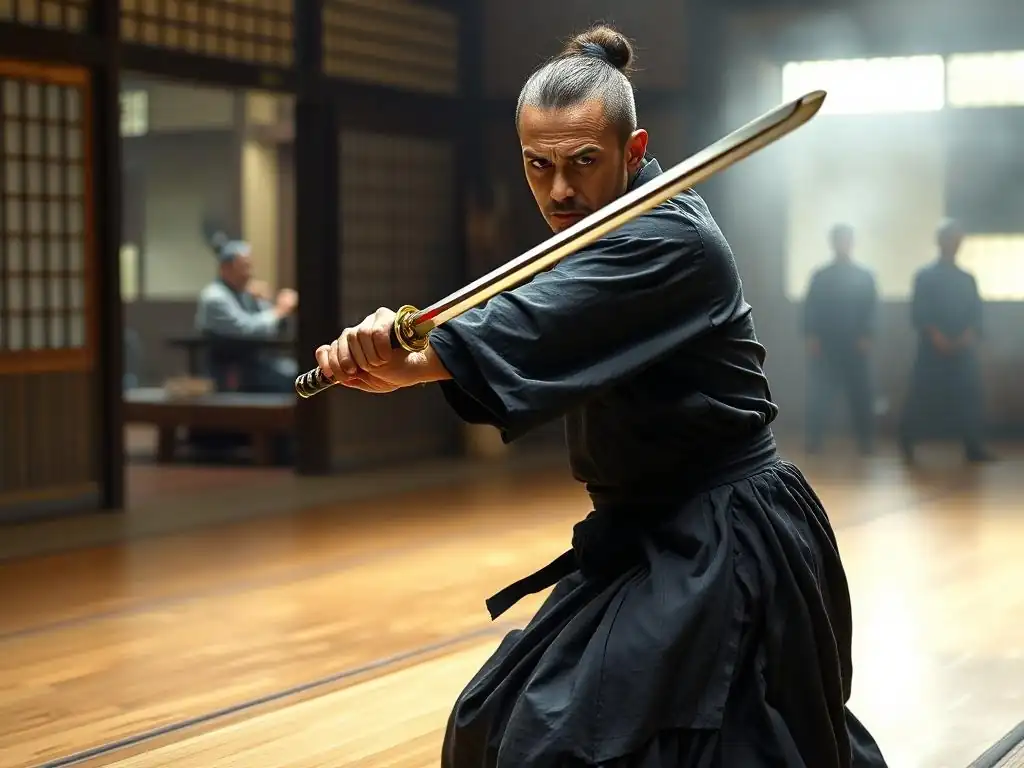
Welcome to Martial Arts Mastery, where we delve into the depth and breadth of fighting traditions worldwide. Ever wondered how a sword, often associated with conflict, can simultaneously cultivate discipline and inner peace? In this article, we unravel the seeming paradox as we explore the profound benefits hidden within Kendo sword techniques. Prepare to discover how this ancient practice transcends mere combat, offering a unique path to self-mastery and well-being. Intrigued? Let's begin your journey into the Way of the Sword...
- Kendo: The Way of the Sword
- Introduction to Kendo
- The Concept of Katsujinken and Setsuninken
- Physical and Mental Benefits of Kendo Training
- The Importance of Shinai Handling
- Ethical Considerations in Kendo
- Holistic Benefits of Kendo Practice
- The Kendo Journey: A Path of Continuous Improvement
- Conclusion: The Enduring Value of Kendo
-
Frequently Asked Questions
- What are some of the key benefits of learning Kendo sword techniques?
- How does Kendo's philosophy relate to its practical sword techniques?
- What is the historical significance of Kendo sword techniques?
- What are some fundamental Kendo sword techniques a beginner should focus on?
- How does Kendo differ from other martial arts in terms of sword techniques and benefits?
- Final Reflection: Embracing the Paradox of the Blade
- Seize Your Path: Begin Your Kendo Journey Now!
Kendo: The Way of the Sword
Introduction to Kendo
The Philosophy of Kendo
Kendo, meaning "Way of the Sword," is a modern Japanese martial art descended from swordsmanship ( kenjutsu). More than just a sport or combat system, Kendo is deeply rooted in the philosophical traditions of the samurai, emphasizing spiritual discipline and character development alongside physical technique.
Its origins trace back centuries to the training methods used by warriors, evolving significantly during the Edo period with the development of protective armor and the shinai (bamboo sword), which allowed for full-contact practice without severe injury. This evolution shifted the focus from purely battlefield effectiveness to personal cultivation, embedding principles like Reiho (etiquette), Zanshin (awareness), and the pursuit of Katsujinken.
The core philosophy views the shinai not merely as a weapon, but as a tool for self-discovery and refinement. Practitioners strive to unify mind, body, and spirit ( Ki Ken Tai Ichi) in their movements and strikes. This holistic approach distinguishes Kendo from simple fencing, focusing on the process of training ( keiko) itself as a means to forge inner strength and moral character.
The ultimate aim is not victory over an opponent, but victory over oneself, overcoming fear, doubt, and ego through rigorous practice and adherence to the principles of the Way. This philosophical depth is a key component of the myriad Kendo sword techniques benefits.
Kendo: A Path to Self-Improvement
Kendo training provides a structured path for continuous personal growth, challenging practitioners physically, mentally, and spiritually. The discipline required to attend regular keiko, practice fundamental techniques ( kihon) repeatedly, and face opponents in ji-geiko (free practice) cultivates perseverance and self-control. Beginners often start with basic footwork ( ashi-sabaki) and striking drills ( suburi), which require significant dedication to master even the foundational movements. Progress is measured not just by rank or competitive success, but by the refinement of one's spirit ( kigurai) and the sincerity of their effort.
Through the demanding nature of Kendo practice, individuals learn to push past physical fatigue and mental frustration. The constant feedback loop of giving and receiving strikes, correcting posture, and refining timing builds resilience. Many practitioners find that the intense focus required in the dojo translates into improved concentration and discipline in other areas of life, such as work or study. This transformative aspect, moving beyond mere physical prowess to encompass mental and ethical development, is a significant part of the benefits of Kendo training and its associated sword techniques.
The Concept of Katsujinken and Setsuninken
The Meaning of Katsujinken (Life-Giving Sword)
Katsujinken, often translated as the "Life-Giving Sword," represents the highest ideal in Kendo philosophy. It signifies the concept that true mastery of the sword, or the martial art itself, is used not for destruction, but for fostering life, personal growth, and peace. This is achieved by cultivating such overwhelming skill, discipline, and character that conflict is averted or resolved constructively. The power of the "sword" is turned inward for self-mastery and outward for the betterment of society, embodying courage, integrity, and compassion.
In the context of Kendo training, practicing with the spirit of Katsujinken means using one's skill and intensity to help one's training partners improve, rather than merely trying to "win" or dominate. It involves striking with Ki Ken Tai Ichi (spirit, sword, body unified) not to harm, but to deliver a valid point that teaches both the striker and the receiver about timing, distance, and opportunity.
A senior practitioner embodying Katsujinken might adjust their intensity to guide a beginner, or a skilled opponent might push you to your limits, thereby "giving life" to your potential by forcing you to rise to the challenge. This philosophical dimension is crucial to understanding the full spectrum of Kendo sword techniques benefits, extending beyond the physical.
The Meaning of Setsuninken (Life-Taking Sword)
Setsuninken, the "Life-Taking Sword," represents the sword's original, literal purpose: the ability to cut and end life. This concept acknowledges the inherent danger and destructive potential of swordsmanship. Historically, a samurai's skill was directly linked to their ability to wield the sword effectively in combat, making the Setsuninken a stark reality. While modern Kendo uses protective gear and a bamboo sword, the underlying understanding of the shinai as representing a lethal weapon remains essential.
In Kendo philosophy, the Setsuninken is not something to be glorified or pursued for its own sake in modern practice. Instead, it serves as a reminder of the gravity of the techniques being practiced and the power being controlled. The discipline and etiquette ( Reiho) surrounding Kendo practice are partly derived from the need to handle such potential power responsibly.
Practitioners train with intensity and focus, understanding the potential lethality their movements represent, which underscores the importance of control, precision, and ethical restraint. The paradox lies in mastering the Setsuninken – the power to take life – in order to embody the Katsujinken – the ability to give life through mastery and discipline.
Physical and Mental Benefits of Kendo Training
Physical Development
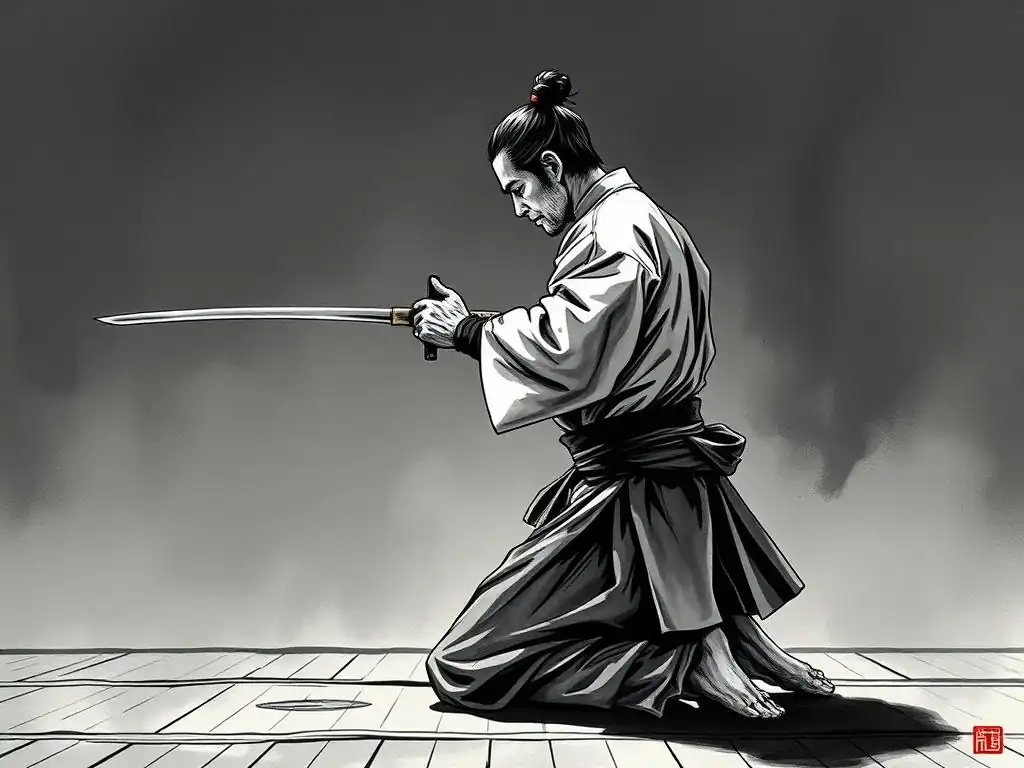
Kendo training is a rigorous full-body workout that significantly contributes to physical fitness and health. The constant movement, explosive strikes, and sustained postures demand considerable physical conditioning. A typical training session often includes intense warm-ups, dynamic stretching, fundamental drills ( kihon), and free practice ( ji-geiko), all contributing to improved physical capabilities. The unique demands of Kendo lead to specific physiological adaptations.
Practitioners frequently develop increased anaerobic and aerobic capacity due to the bursts of high-intensity activity during strikes and the sustained effort during drills and ji-geiko. Holding the shinai in chudan-no-kamae (middle stance) and executing strikes builds strength in the shoulders, arms, and core. The constant engagement in ashi-sabaki (footwork) strengthens the legs and improves agility. Regular practice, often 2-3 times per week for dedicated students, leads to noticeable improvements in overall strength, endurance, and physical coordination, highlighting the tangible physical Kendo sword techniques benefits.
Improved Footwork and Body Control
Precise and efficient footwork ( ashi-sabaki) is the foundation of effective Kendo. Techniques like surikashi (sliding steps), okuriashi (following steps), and ayumiashi (walking steps) are practiced constantly to ensure practitioners can move quickly, maintain balance, and generate power. Mastering these movements requires significant coordination and control over one's body weight and posture.
This continuous focus on footwork dramatically improves balance, agility, and lower body strength. The ability to move explosively for a strike ( kirikaeshi or uchikomi) and then recover quickly while maintaining Zanshin is paramount. This level of body control, developed through countless repetitions of specific Kendo movements and sword techniques, translates into improved proprioception and stability, beneficial both inside and outside the dojo.
Increased Strength and Endurance
Kendo demands both explosive strength for striking and sustained endurance for longer training sessions. Holding the shinai correctly, especially during long suburi (swinging) drills, builds forearm and grip strength, as well as shoulder endurance. Executing strikes like Men, Kote, and Do with sufficient force and proper form requires core strength and coordination of the entire body.
During ji-geiko or competitive shiai, practitioners engage in intense, short bursts of activity interspersed with periods of strategic positioning. This interval-like nature of practice improves both anaerobic power and cardiovascular endurance. A typical 5-minute shiai or ji-geiko exchange can be incredibly taxing, requiring high levels of stamina. Over time, consistent Kendo training builds robust physical conditioning, making strength and endurance significant Kendo sword techniques benefits.
Mental Development
Beyond the physical, Kendo is profoundly challenging and rewarding for mental development. The art demands intense focus, strategic thinking, and emotional regulation. Training involves constantly analyzing situations, anticipating an opponent's movements, and reacting decisively, all while maintaining composure under pressure. This mental rigor is as important as physical conditioning.
The constant pursuit of improvement in Kendo requires patience and resilience. Learning a new technique, refining a stance, or overcoming a plateau in one's progress tests mental fortitude. The structured environment of the dojo, with its emphasis on discipline and respect, also contributes to mental well-being by providing a sense of order and purpose. These mental benefits are deeply intertwined with the physical Kendo sword techniques benefits.
Enhanced Focus and Concentration
Maintaining Zanshin – a state of relaxed but alert awareness – is fundamental in Kendo. Practitioners must be fully present in the moment, observing their opponent's posture, breathing, and subtle movements to identify openings while simultaneously protecting their own targets. This requires intense concentration, filtering out distractions and focusing solely on the interaction.
Drills like uchikomi-geiko (receiving strikes) and kirikaeshi (a continuous striking exercise) demand sustained focus over many repetitions. During ji-geiko, losing concentration for even a second can result in being struck. This constant need for vigilance sharpens the ability to concentrate deeply and sustain attention, a valuable skill applicable to many aspects of modern life.
Cultivating Courage and Resilience
Facing an opponent in Kendo, even with protective armor, requires courage. Overcoming the natural fear of being struck and developing the resolve to enter the opponent's space and deliver a decisive strike is a significant mental hurdle. The process of receiving strikes ( uchidachi) and continuing to train despite discomfort or fatigue builds resilience.
Kendo teaches practitioners to persevere through challenges, both physical and mental. Receiving valid points during keiko or losing a shiai provides opportunities to learn and adapt, rather than become discouraged. The spirit of Kiai – a powerful shout expressing energy and determination – is itself an exercise in projecting confidence and overcoming hesitation. This repeated exposure to challenging situations fosters mental toughness and the ability to bounce back from setbacks.
The Importance of Shinai Handling
The Shinai as a Tool for Learning
The shinai is a bamboo sword developed as a safe training substitute for the sharp katana. Typically made of four bamboo slats held together by leather fittings, it allows practitioners to strike with significant force while minimizing the risk of serious injury. This innovation was crucial in transforming historical swordsmanship into a viable modern martial art and sport, enabling the development of extensive training methodologies.
More than just a piece of equipment, the shinai is considered an extension of the practitioner's spirit and body. Proper handling, maintenance, and respect for the shinai are integral parts of Kendo training. Learning to control the shinai with precision, speed, and power is central to executing effective Kendo sword techniques and is a primary focus of kihon practice for beginners and advanced students alike.
Basic Shinai Techniques
Mastering basic shinai techniques forms the bedrock of Kendo proficiency. These techniques involve not just swinging the sword, but coordinating footwork, body movement, and spirit to deliver a valid strike ( yuko-datotsu) to one of the designated target areas. Repetition of these fundamentals is key to developing muscle memory, timing, and power.
Striking Techniques: Men, Kote, Do, Tsuki
The primary valid striking targets in Kendo are the head ( Men), wrists ( Kote), torso ( Do), and throat ( Tsuki). Each target requires a specific technique to strike effectively. Men strikes are typically delivered to the top of the head, requiring a large, powerful swing. Kote strikes target the opponent's wrist, often requiring precise timing to hit an exposed forearm.
Do strikes target the side of the torso, usually requiring a diagonal cut. Tsuki is a thrust to the throat, considered advanced and used with caution. Mastering these distinct Kendo sword techniques is essential for progression and competition.
Grip and Posture
Proper grip ( Tenouchi) and posture ( Kamae) are fundamental to generating power, maintaining balance, and controlling the shinai. The standard grip involves holding the shinai with the left hand at the end of the handle and the right hand slightly below the guard ( tsuba), using the last three fingers of both hands firmly, with the thumb and index finger relaxed. This allows for a whip-like action upon impact.
The basic stance, chudan-no-kamae, involves standing with the left foot slightly behind the right, knees slightly bent, and the shinai pointed towards the opponent's throat or eyes. Maintaining a stable, centered posture ( seichusen) is crucial for both offense and defense. Incorrect grip or posture hinders movement, reduces power, and increases the risk of injury, emphasizing their importance in effective Kendo sword techniques.
Ethical Considerations in Kendo
The Importance of Reiho (Etiquette)
Reiho, or etiquette, is a cornerstone of Kendo practice, distinguishing it significantly from mere physical combat or sport. It encompasses a system of bows, respectful behavior, and adherence to dojo rules that permeate every aspect of training, from entering the dojo to the conclusion of a session. Bowing to the dojo, the sensei, and training partners before and after practice, as well as before and after each exchange ( keiko), is mandatory.
This strict adherence to Reiho serves several purposes. It fosters an atmosphere of mutual respect and humility, essential when practicing techniques that originate from a deadly art. It reinforces discipline and mindfulness, encouraging practitioners to be present and aware of their surroundings and fellow students. Ultimately, Reiho is not just about politeness; it is a practice in itself, cultivating a respectful spirit and contributing to the overall character development sought in Kendo.
Kendo and Moral Development
The discipline and philosophical principles embedded in Kendo practice contribute significantly to moral development. The emphasis on self-control, perseverance, honesty ( makoto), and respect cultivates virtues that extend beyond the dojo. Practitioners learn to manage frustration, overcome fear, and maintain composure under pressure, all of which are valuable life skills.
Adherence to the "Concept of Kendo" (established by the All Japan Kendo Federation), which outlines its purpose as "to discipline the human character through the application of the principles of the Katana", guides practitioners towards ethical conduct. The rigorous training environment challenges individuals to confront their ego and limitations, fostering humility and a deeper understanding of themselves. This journey of self-discovery and refinement is a key moral benefit derived from mastering Kendo sword techniques.
Sportsmanship and Respect in Kendo
Sportsmanship and respect are paramount in Kendo, particularly during ji-geiko (free practice) and shiai (competition). Practitioners are expected to acknowledge valid strikes against them with grace, even if they disagree, and to show respect to their opponent regardless of the outcome. Shaking hands or high-fiving is replaced by the traditional bow, reinforcing the martial art's roots and emphasis on mutual respect.
During shiai, referees ( shinpan) make decisions, and practitioners are expected to abide by them without argument. The focus remains on performing one's best while maintaining proper etiquette and spirit. This environment teaches practitioners to compete fiercely yet fairly, to win with humility, and to lose with dignity, embodying the spirit of Reiho even in the heat of competition. This ethical framework is fundamental to the practice and benefits of Kendo sword techniques.
Holistic Benefits of Kendo Practice
Improved Mental Well-being
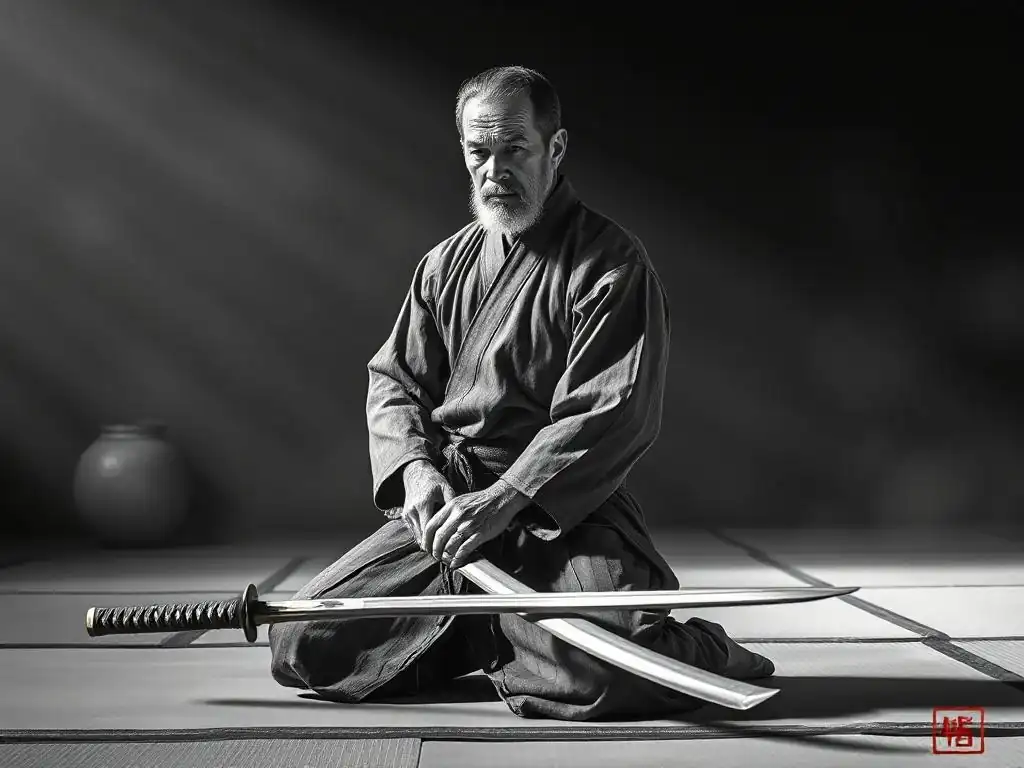
Engaging in regular Kendo practice can have a profound positive impact on mental well-being. The physical exertion and focused concentration required during training serve as an effective stress reliever, helping to clear the mind and reduce anxiety. The repetitive nature of fundamental drills can be meditative, allowing practitioners to enter a state of flow where they are fully immersed in the activity.
Furthermore, the structured environment, sense of discipline, and clear path for progress in Kendo provide a sense of purpose and accomplishment. Overcoming challenges in training builds mental resilience and a positive self-image. The combination of physical activity, mental focus, and ethical grounding contributes to a balanced state of mind, making improved mental well-being a significant, though often understated, Kendo sword techniques benefit.
Enhanced Self-Confidence
As practitioners progress in Kendo, mastering techniques, improving physical conditioning, and developing mental fortitude, their self-confidence naturally grows. Successfully executing a complex strike, performing well in ji-geiko, or passing a grading examination are tangible achievements that build belief in one's capabilities.
The challenges faced and overcome in the dojo translate into increased confidence in handling difficult situations outside of training. Learning to project Kiai and face opponents directly helps individuals become more assertive and less intimidated in various social and professional settings. This boost in self-confidence is a direct result of the discipline and progress experienced through consistent practice of Kendo sword techniques.
Community and Camaraderie
Kendo is typically practiced within a dojo setting, fostering a strong sense of community and camaraderie among practitioners. Training partners ( nakama) support and challenge each other, sharing in the difficulties and triumphs of the Kendo journey. The shared experience of rigorous training creates strong bonds.
Dojos often function as supportive communities, providing a social network outside of formal training. Senior students often mentor beginners, and practitioners of all levels train together, reinforcing mutual respect and shared purpose. This sense of belonging and support is a valuable holistic benefit, adding a social dimension to the individual pursuit of mastery and enhancing the overall positive impact of Kendo practice.
The Kendo Journey: A Path of Continuous Improvement
Goal Setting and Consistent Practice
The path of Kendo is one of continuous learning and refinement, often described as a lifelong journey. Setting personal goals, whether it's improving a specific strike like Men-uchi, achieving a new rank, or simply maintaining consistency in training, provides direction and motivation. These goals help practitioners stay focused and engaged over the long term.
Achieving proficiency in Kendo requires consistent and dedicated practice. Many committed practitioners train two to three times per week, sometimes more, spending hours refining basic movements and engaging in free practice. The cumulative effect of this regular effort is profound, leading to gradual but significant improvements in physical skill, mental sharpness, and character, underscoring the incremental nature of gaining Kendo sword techniques benefits.
The Role of the Sensei (Teacher)
The Sensei, or teacher, plays an indispensable role in the Kendo journey. Experienced instructors provide guidance, correct form, offer feedback, and embody the principles of the art. They are not just técnicos but also mentors, guiding students not only in physical technique but also in understanding the philosophy and etiquette of Kendo.
A good Sensei provides personalized instruction, pushing students to their limits while ensuring they train safely and correctly. They inspire dedication and help practitioners navigate the challenges and plateaus inherent in long-term training. The relationship between student and Sensei is built on trust and respect, crucial for effective learning and growth in Kendo.
Resources for Kendo Study
While direct instruction from a qualified Sensei and consistent practice in a dojo are paramount, supplementary resources can support a practitioner's Kendo study. Books on Kendo history, philosophy, and technique offer deeper theoretical understanding. Videos demonstrating specific techniques or kata can provide visual references.
Observing senior practitioners and attending seminars or workshops also offers valuable learning opportunities. Understanding the historical context and philosophical underpinnings enhances appreciation for the techniques being practiced. Utilizing these resources thoughtfully can complement dojo training and enrich the overall Kendo experience.
Conclusion: The Enduring Value of Kendo
Kendo's Impact on Personal Growth
Kendo is far more than just learning to wield a bamboo sword; it is a comprehensive discipline that profoundly impacts personal growth. Through rigorous physical training, intense mental focus, and strict adherence to ethical principles, practitioners cultivate resilience, self-control, humility, and respect. The challenges faced in the dojo, from mastering complex Kendo sword techniques to confronting one's own limitations, build character and confidence.
The journey of Kendo is a microcosm of life itself, offering continuous opportunities for learning and self-improvement. It teaches the value of perseverance, the importance of attention to detail, and the strength found in discipline. The skills and virtues developed through consistent Kendo practice are transferable, positively influencing how individuals navigate challenges and interact with others in their daily lives.
Embracing the Principles of Kendo
To truly benefit from Kendo, one must embrace its core principles – the unity of mind, body, and spirit ( Ki Ken Tai Ichi), the importance of etiquette ( Reiho), and the pursuit of Katsujinken. It means training not just for physical skill, but for character refinement. It means showing respect to everyone in the dojo and carrying that respect into the world.
Embracing the Way of the Sword means committing to continuous improvement, accepting challenges as opportunities, and striving for sincerity and integrity in all actions. The enduring value of Kendo lies in its ability to shape individuals, providing a path not just to becoming a skilled swordsman, but to becoming a better person, embodying the life-giving spirit of the sword.
Frequently Asked Questions
What are some of the key benefits of learning Kendo sword techniques?
Kendo training offers a multitude of benefits including improved physical fitness, enhanced mental discipline, and the development of self-confidence. It emphasizes precision and control.
How does Kendo's philosophy relate to its practical sword techniques?
Kendo's philosophy centers around self-improvement and respect. This influences techniques by focusing on proper form and ethical conduct during training and competition.
What is the historical significance of Kendo sword techniques?
Kendo evolved from traditional Japanese swordsmanship (Kenjutsu). Its techniques are rooted in the samurai's fighting methods, adapted for modern sport and personal development.
What are some fundamental Kendo sword techniques a beginner should focus on?
Beginners should prioritize mastering basic strikes like men (head), kote (wrist), do (torso), and tsuki (throat). Developing proper footwork and posture is also crucial.
How does Kendo differ from other martial arts in terms of sword techniques and benefits?
Unlike some martial arts that focus solely on combat, Kendo emphasizes character development alongside physical skill. Its techniques are specifically tailored to the shinai (bamboo sword) within a structured sparring environment.
Final Reflection: Embracing the Paradox of the Blade
The journey through Kendo, as we've explored, reveals a profound paradox: the sword, a symbol of potential harm, becomes a conduit for growth and self-discovery. This isn't just an abstract concept confined to the dojo; it resonates deeply in a world often defined by conflict and the pursuit of mastery. Understanding the "Kendo sword techniques benefits" extends far beyond physical prowess; it's about cultivating discipline, respect, and a relentless pursuit of self-improvement that can enrich every facet of our lives.
The influence of Kendo, and its inherent philosophy, continues to shape individuals and communities, fostering a culture of resilience and mindful action. Personally, witnessing the transformative power of Kendo has been a humbling experience, highlighting the importance of embracing challenges and finding strength in vulnerability. The ultimate aim of Kendo is to discipline the human character through the application of the principles of the Katana.
This quote encapsulates the true essence of Kendo, reminding us that the physical techniques are merely a vehicle for a deeper, more meaningful journey of self-cultivation.
As you step away from this exploration of Kendo, I invite you to reflect on the paradoxes in your own life. Where can you find growth in apparent adversity? How can you transform potential challenges into opportunities for self-improvement? Embrace the "sword" that gives life, not in the literal sense, but in the spirit of discipline, respect, and unwavering dedication to becoming the best version of yourself. Let the principles of Kendo guide you towards a path of mindful action and lasting personal growth.
Seize Your Path: Begin Your Kendo Journey Now!
Thank you for exploring the profound depths of Kendo with us. We hope you've gained a new appreciation for the art's unique blend of discipline, respect, and personal growth. Now, it's time to put that knowledge into action!
Here are a few ways to continue your exploration:
- Find a Local Dojo: Locate and visit a Kendo dojo near you. Witness a practice, speak with the sensei, and experience the energy firsthand. This is the most important step!
- Delve Deeper: Research the history and philosophy of Kendo, exploring its connections to Zen Buddhism and Bushido to enrich your understanding.
- Share the insights: Share the enlightening article with a martial arts companion who wants to learn the path of Kendo.
What's one small step you can take today to move closer to experiencing the "Sword that Gives Life" in your own life?