
Charles Lecour's Enduring Footprint: The Foundations of Competitive and Traditional Savate

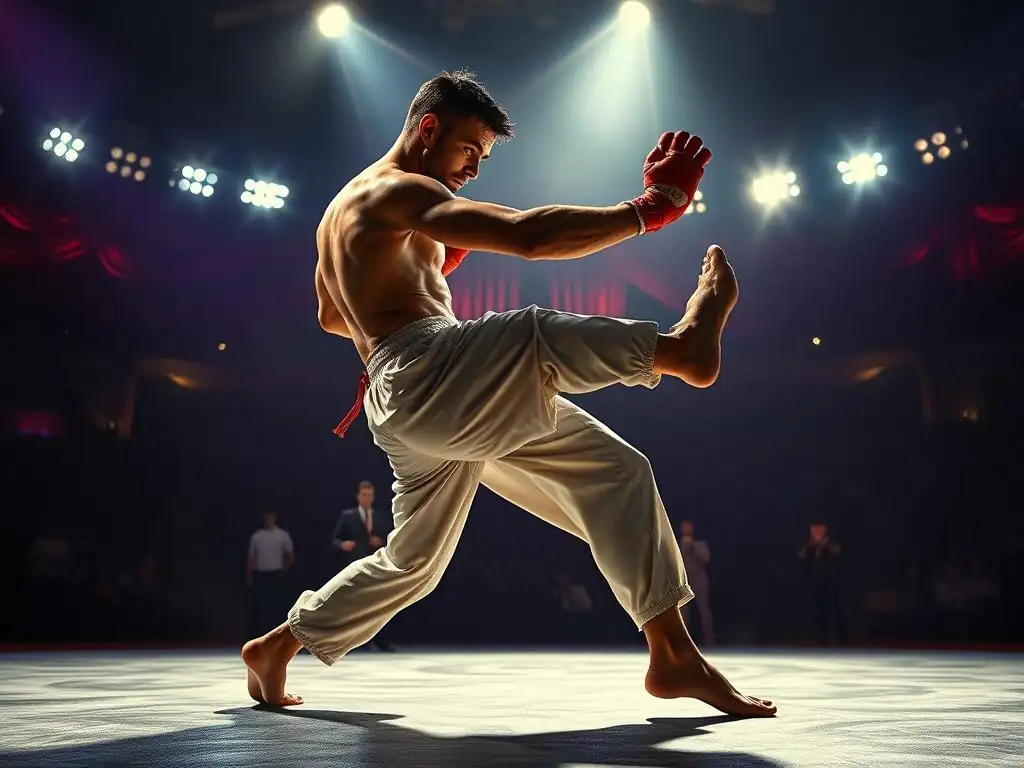
Welcome to Martial Arts Mastery, where we delve into the rich tapestry of combat traditions! Ever wondered how a seemingly simple set of steps can become a devastating dance of power and precision? In this article, we explore the enduring legacy of Charles Lecour and his pivotal role in shaping Savate footwork techniques for both competition and traditional practice. Discover how his innovative methods revolutionized the sport and continue to influence fighters today. Prepare to unlock the secrets behind this elegant yet formidable martial art and see how Lecour's innovations continue to resonate with practitioners around the world.
- Charles Lecour and the French Savate Federation
-
Frequently Asked Questions
- What is Savate and what makes its footwork unique?
- How did Charles Lecour influence Savate footwork techniques?
- What are some key Savate footwork techniques used in competition?
- How does Savate footwork contribute to self-defense strategies?
- What are the key differences between traditional and competitive Savate footwork?
- Final Reflection: The Enduring Legacy of Savate
- Rediscover the Art of Savate: Embrace Tradition & Mastery!
Charles Lecour and the French Savate Federation
Lecour's Role in Early Savate Organizations
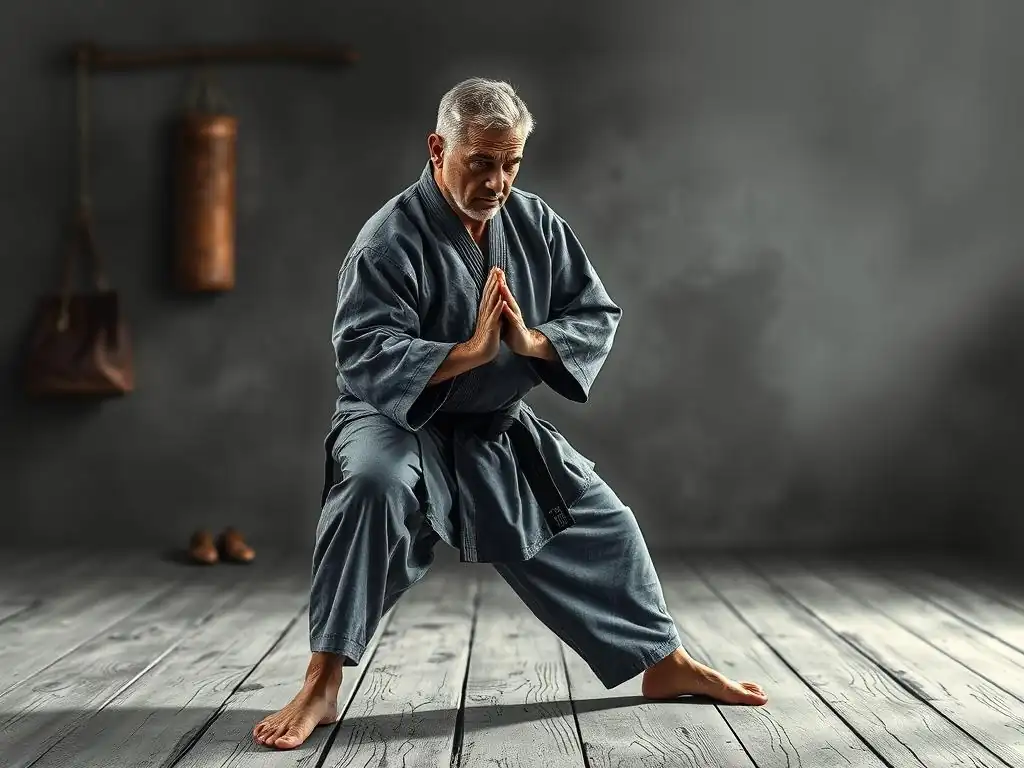
Charles Lecour's most significant contribution to the formal organization of Savate wasn't the founding of a modern federation in the late 19th-century sense, but rather the establishment of a highly structured and influential academy. After his pivotal encounter with boxing techniques, Lecour opened his own salle (gymnasium) in Paris. This was more than just a training space; it became a central hub for the dissemination of his refined "Savate Française."
Here, he implemented a systematic curriculum, breaking down techniques into teachable components, including the sophisticated Savate footwork techniques competition participants rely on today. His school attracted serious practitioners and aspiring instructors, creating a lineage of masters who would carry his methods forward. This formalized educational structure was the precursor to later organizational bodies, providing a standardized framework that allowed Savate to grow beyond localized styles and establish a common technical language and set of principles.
The success of Lecour's academy and the widespread adoption of his system laid the groundwork for the institutionalization of Savate. While figures like Joseph Charlemont, a direct successor and student of Lecour's methods, were more directly involved in forming the first official Savate societies and federations decades later, their efforts were built squarely upon the foundation Lecour had meticulously constructed. Lecour provided the codified techniques, the teaching methodology, and the vision of a unified Savate style.
His influence ensured that when formal organizations eventually emerged, they were based on a coherent and widely recognized system, facilitating the development of standardized rulesets necessary for Savate footwork techniques competition and formal bouts. His work made it possible for Savate to transition from a street fighting art to a respected combat sport and a discipline taught in a structured manner, paving the way for national and international federations.
Frequently Asked Questions
What is Savate and what makes its footwork unique?
Savate is a French kickboxing style. Its footwork is unique due to its emphasis on technical kicking and mobility, differing from more static boxing stances.
How did Charles Lecour influence Savate footwork techniques?
Charles Lecour is considered a founding figure. He integrated English boxing footwork with traditional French fighting methods, creating a more dynamic and strategic system.
What are some key Savate footwork techniques used in competition?
Common techniques include chassé (side kick), fouetté (whipping kick), and revers (reverse kick), all requiring precise foot placement and balance for power and control.
How does Savate footwork contribute to self-defense strategies?
Savate footwork allows for rapid evasion and offensive positioning, creating opportunities to strike effectively while maintaining a safe distance from an attacker.
What are the key differences between traditional and competitive Savate footwork?
While both emphasize precise movements, competitive Savate footwork often prioritizes speed and agility for scoring, whereas traditional Savate may incorporate more ground techniques and grappling aspects.
Final Reflection: The Enduring Legacy of Savate
The meticulous footwork techniques championed by Charles Lecour, once foundational to Savate, remain surprisingly relevant in today's competitive landscape. While modern combat sports evolve at breakneck speed, the principles of balance, precision, and strategic movement Lecour instilled continue to inform effective striking and defensive strategies, proving the enduring power of a well-laid foundation.
The influence of Lecour's Savate extends beyond the ring, shaping our understanding of martial arts as a holistic discipline. His emphasis on technique, discipline, and respect for tradition resonates deeply, reminding us that true mastery lies not just in power, but in the artful application of skill. The art of Savate is not merely a collection of techniques, but a philosophy of movement, a dance of combat, and a testament to the human spirit.
This philosophy continues to inspire practitioners worldwide.
As you reflect on the legacy of Charles Lecour and the intricate footwork techniques of Savate, consider how these principles can inform your own pursuits. Whether in martial arts, professional endeavors, or personal growth, strive for the same balance, precision, and unwavering dedication that defined Lecour's vision. Embrace the enduring power of a solid foundation, and let it guide you towards achieving your own unique form of mastery.
Rediscover the Art of Savate: Embrace Tradition & Mastery!
Thank you for exploring the rich history and lasting impact of Charles Lecour on the world of Savate. We hope you've gained a deeper appreciation for the art's competitive spirit and traditional roots. Ready to take the next step?
- Begin your journey by researching a local Savate school and attend an introductory class to experience its unique blend of kicking and boxing techniques.
- Delve deeper into Lecour's methods by exploring historical texts and training manuals related to early Savate.
- Share your newfound appreciation for Savate's history with other martial arts enthusiasts – you might inspire someone to explore this fascinating art!
What aspects of Charles Lecour's Savate philosophy resonate most with you, and how might you incorporate them into your own martial arts practice?