
Deceptive Defense: Baiting Opponents into Your Strategic Traps

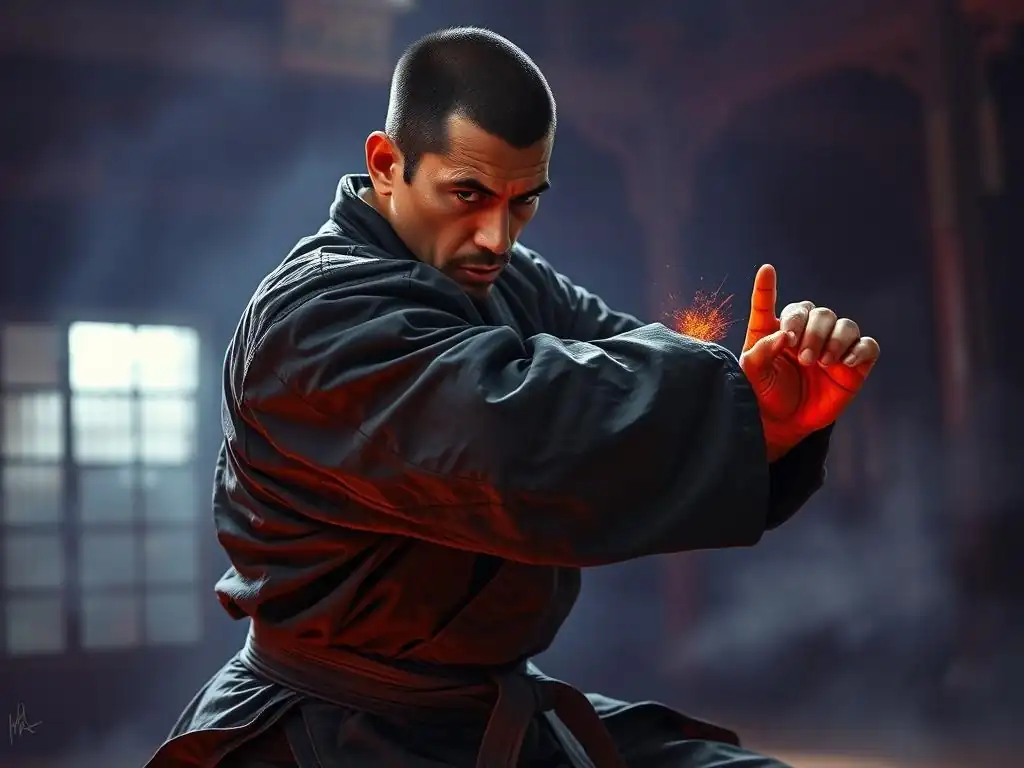
Welcome to Martial Arts Mastery, your ultimate resource for unlocking the secrets of combat. Delve into the nuanced world where discipline meets strategy, and history informs practice. Are you ready to elevate your defensive game? This article explores strategic trap defense techniques, a critical element in martial arts competitions, offering insights into how to turn your opponent's aggression into their downfall. Discover how to bait, anticipate, and dominate the arena – the path to true mastery awaits!
- Deceptive Defense: Baiting Opponents into Strategic Traps
- Mastering Strategic Trap Defense Techniques in Martial Arts Competition
- Identifying and Exploiting Opponent Weaknesses: Setting the Stage for Traps
- Strategic Trap Defense Techniques: A Comprehensive Guide
- Developing Your Strategic Trap Defense Game Plan
- Case Studies: Examples of Successful Strategic Traps in Martial Arts Competitions
- Advanced Concepts in Strategic Trap Defense
- Conclusion: Elevating Your Martial Arts Game with Strategic Trap Defense Techniques
-
Frequently Asked Questions
- How does "Deceptive Defense" relate to strategic trap defense techniques?
- What are some examples of strategic trap defense techniques mentioned on MartialArtsMastery.org?
- Why is understanding historical overviews important for mastering strategic trap defense techniques?
- How can I improve my practical self-defense strategies using strategic trap defense techniques?
- What role do training tips play in developing effective strategic trap defense techniques?
- Final Reflection: Mastering the Art of Deception
- Master the Bait: Unleash Your Strategic Genius!
Deceptive Defense: Baiting Opponents into Strategic Traps
Mastering Strategic Trap Defense Techniques in Martial Arts Competition
Understanding the Art of Baiting in Martial Arts
Baiting in martial arts is a sophisticated tactic that involves deliberately exposing a perceived weakness or creating a false opening to entice an opponent into attacking in a predictable manner. The goal is not to be genuinely vulnerable, but to appear so, guiding the opponent into a specific position or committing to a particular technique that the defender is prepared to counter or evade.
This requires a deep understanding of distance management, timing, and the opponent's psychological profile, often relying on subtle shifts in weight, posture, or guard to signal an apparent opportunity. Mastering these strategic trap defense techniques allows a practitioner to turn an opponent's aggression against them.
Consider a boxer slightly dropping their lead hand or leaning slightly off-balance. This isn't carelessness; it's a calculated risk designed to tempt the opponent into throwing a specific punch, perhaps a straight right or a left hook, which the baiter has anticipated and planned a counter for. Similarly, in grappling arts like Brazilian Jiu-Jitsu, a practitioner might intentionally leave a limb slightly exposed, like an arm near the opponent's hips, to invite a specific submission attempt.
When the opponent commits to the armbar setup, the baiter can then initiate a pre-planned escape or counter-submission sequence. This deliberate act of appearing vulnerable is a fundamental aspect of effective strategic trap defense techniques.
The Importance of Deception in Competitive Martial Arts
Deception is a cornerstone of high-level martial arts competition. While raw power and speed are important, the ability to mislead an opponent and control their reactions through cunning offers a significant strategic advantage. Competitive martial arts matches are often chess games played at high speed, where predicting and influencing the opponent's next move is paramount. Employing strategic trap defense techniques disrupts the opponent's rhythm and forces them to react to your initiative, even when you are ostensibly defending. This can lead to openings that wouldn't otherwise exist.
Think about the statistics in professional fighting circuits like the UFC or ONE Championship. Many decisive knockouts or submissions don't come from brute force but from perfectly timed counters off a feigned vulnerability. Fighters who excel at deception often have higher finishing rates against opponents who are perceived as more powerful but less strategically astute.
For instance, a fighter might absorb approximately 3-5 weaker strikes per round as bait to land one fight-ending counter, a favorable trade-off if executed correctly. This highlights how strategic trap defense techniques are not just about defense; they are offensive setups disguised as defensive postures, maximizing efficiency and minimizing unnecessary exchanges.
Identifying and Exploiting Opponent Weaknesses: Setting the Stage for Traps
Analyzing Opponent Patterns and Tendencies
Effective strategic trap defense techniques begin long before the fight starts, often in the analysis of an opponent's previous matches. Studying film reveals recurring patterns: perhaps they always pivot off their lead foot after a jab, or they consistently drop their head when attempting a takedown. These habits, conscious or unconscious, become potential triggers for setting traps.
Observing their preferred ranges, their go-to combinations, and how they react under pressure provides a blueprint for predicting their actions. A fighter who consistently throws a looping right hand after a missed jab, for example, is presenting a clear target for a counter left hook or a level change for a takedown setup.
Beyond pre-fight analysis, recognizing patterns during the fight is critical. An opponent might reveal a tells, such as a slight inhalation before attacking or a specific foot placement before attempting a sweep. Seasoned competitors are constantly scanning for these micro-movements and tendencies. A fighter might test the opponent early in the match with various feints and light probes to see how they react.
Do they flinch? Do they commit? Do they retreat in a predictable line? The answers inform the setup of strategic trap defense techniques later in the rounds, allowing the fighter to tailor their bait to the opponent's observable habits.
Recognizing and Capitalizing on Predictable Movements
Predictable movements are the foundation upon which many strategic trap defense techniques are built. When an opponent acts in a manner you can reliably anticipate, you can pre-load your response. A common example is an opponent who always circles out to their left when pressured towards the ropes.
Knowing this, a fighter can feint pressure to the right, forcing the opponent left, and then cut them off with a waiting technique, perhaps a liver shot or a powerful leg kick aimed at their escape route. The predictability of their movement makes the counter almost guaranteed, provided the bait is convincing.
Capitalizing on these movements requires precise timing and execution. If an opponent consistently throws a telegraphed roundhouse kick, the defender can bait the kick by showing a slight opening on that side, then step offline just as the kick is launched, immediately countering with a straight punch down the center line or driving in for a takedown.
This isn't random reaction; it's a planned response triggered by a specific, predictable stimulus from the opponent. The success rate of such counters increases dramatically when the opponent's action is highly predictable, turning their habit into a vulnerability exploited by strategic trap defense techniques.
Creating Openings: The Foundation of a Successful Trap
Creating an opening is the deliberate act of engineering a situation where the opponent feels compelled or safe to attack, thereby stepping into your trap. This is distinct from waiting for a mistake; it's actively manufacturing the opportunity. It might involve subtly shifting your guard to expose your midsection, knowing you can absorb a non-damaging blow there while preparing a counter to their head. Or it could mean intentionally losing a positional battle briefly in grappling, such as allowing them to achieve half guard from bottom, because you have a high-percentage sweep or submission setup specifically from that position.
The key to creating openings for strategic trap defense techniques is balancing risk and reward. The exposed area or position must appear genuinely vulnerable to the opponent, yet be relatively safe for the baiter, or at least a calculated risk they are prepared for. For example, a fighter might intentionally back themselves towards the cage, appearing cornered and desperate. This often emboldens an opponent to rush in recklessly, presenting a prime opportunity for a slip and counter, or a clinch entry. The created opening isn't a mistake; it's a lure, carefully constructed to solicit a specific, exploitable reaction.
Strategic Trap Defense Techniques: A Comprehensive Guide

The Draw-and-Counter Technique: Luring Opponents into a False Sense of Security
The draw-and-counter is perhaps the most fundamental strategic trap defense technique. It involves showing a momentary weakness or opening to 'draw' an opponent into attacking, then immediately countering their committed strike or move. This technique preys on an opponent's instinct to capitalize on perceived vulnerability.
The bait is subtle – a slight dip of the head, a momentary lowering of the guard, a step that looks like a retreat but is actually setting distance for a counter. The timing is critical; the counter must be launched fractions of a second after the opponent commits to their attack, while they are still extended or off-balance.
Executing the Draw-and-Counter with Precision
Precision in the draw-and-counter involves several elements: the subtlety of the bait, the timing of the counter, and the economy of motion in the defensive maneuver. The bait should be just enough to be noticeable but not so obvious it looks like a trap. For instance, a boxer might briefly drop their lead hand by approximately 2-3 inches to invite a jab, then parry or slip it while simultaneously throwing their own jab or cross.
In Taekwondo, a fighter might briefly expose their side to draw a turning kick, then pivot out of the way and counter with a back kick. The defensive move (slip, parry, pivot) and the counter must flow seamlessly, often happening almost simultaneously. Practice involves drilling specific baits linked to specific counters against live partners.
Common Mistakes to Avoid in Draw-and-Counter
Several pitfalls can turn a draw-and-counter attempt into a genuine disadvantage. The most common mistake is making the bait too obvious, which signals a trap and prevents the opponent from committing. Another error is making the bait too real, exposing yourself to significant damage if the counter fails or the opponent doesn't take the bait as expected.
Poor timing is also detrimental; countering too early means you meet their attack head-on, while countering too late means they've already recovered or followed up. Finally, telegraphing your intended counter is a major mistake; the opponent might recognize your shift in weight or body language and avoid the trap entirely, rendering your strategic trap defense techniques ineffective.
The Feint and Redirect: Misdirection as a Defensive Tool
The feint and redirect uses deceptive movement to steer the opponent into a disadvantageous position or reaction. A feint is a false attack or movement designed to elicit a reaction from the opponent without committing fully. A redirect then uses that reaction to lead them into a trap or open up a different avenue of attack or defense. This technique is less about inviting a direct attack to counter, and more about manipulating the opponent's position and guard through misdirection. It's a core component of many strategic trap defense techniques, creating opportunities indirectly.
Implementing the Feint and Redirect Effectively
Effective feinting requires making the feint look genuine enough to be believed, but without expending significant energy or leaving yourself truly exposed. A slight shoulder twitch, a quick step forward, or a brief raising of the knee can all serve as feints. The redirect happens after the opponent reacts to the feint.
For example, feinting a jab to the head might cause the opponent to raise their guard; the redirect could then be a quick attack to the body or a level change for a takedown as their hands are high. In wrestling, feinting a shot to one leg might cause the opponent to sprawl or shift weight, allowing a redirect to the other leg or a different takedown technique.
Variations of the Feint and Redirect for Different Opponents
The best feints and redirects are tailored to the opponent's reactions. Against an opponent who is easily fooled by head movement, frequent head feints can lead them to constantly adjust their guard, creating openings elsewhere. Against someone who reacts strongly to level changes, feinting takedowns can open up opportunities for strikes as they brace for the shot.
Variations also include feinting strikes to set up grappling, or feinting grappling to set up strikes. A common variation is the 'pump fake' in striking, where a punch is partially extended to draw a block or parry, immediately followed by a different strike or combination. Mastering these strategic trap defense techniques requires understanding opponent psychology.
The Positional Trap: Controlling Space to Dictate the Fight
Positional traps involve manipulating the environment and your own position within the fighting area to limit the opponent's options and force them into predictable movements, setting them up for strategic trap defense techniques. This is often referred to as ringcraft or cagecraft. It's about more than just avoiding corners; it's about using the boundaries to your advantage, cutting off escape routes, and dictating the terms of the engagement.
Utilizing Ringcraft to Set Positional Traps
Ringcraft is the art of moving around the ring or cage to control the space. To set a positional trap, you might subtly guide your opponent towards the ropes or cage by cutting off their movement in one direction. For example, by constantly circling to your left while advancing, you force a right-handed opponent towards the cage on their left side.
Once they are near the boundary, their movement options are severely limited. They can no longer circle freely, making them more predictable targets for attacks or takedowns as they try to escape the corner. Approximately 60-70% of successful cage/rope finishes in striking sports occur when the opponent is pinned against the boundary, highlighting the effectiveness of this strategic trap defense technique setup.
Maintaining Control of the Center
Controlling the center of the ring or mat is crucial for setting positional traps and executing strategic trap defense techniques. From the center, you have maximum space to move and dictate the direction of the fight. When you control the center, you can choose when and where engagements happen, and you can force your opponent towards the less advantageous positions (like the edges).
Losing the center means you are constantly being pushed and reacting, making it harder to implement planned traps. Maintaining the center requires good footwork, defensive pressure, and the ability to pivot and change direction effectively to cut off the opponent's attempts to circle past you.
The Timing Trap: Exploiting Opponent's Rhythm and Speed
Timing traps exploit an opponent's natural rhythm, speed, and reaction time. This involves disrupting their flow or capitalizing on the predictable timing of their techniques. It's about operating slightly outside of their comfort zone, making them react either too early or too late, creating openings for strategic trap defense techniques.
Disrupting Opponent's Timing with Strategic Movements
Disrupting an opponent's timing can be achieved through varied rhythms and unpredictable movements. Instead of maintaining a consistent pace, you might suddenly explode forward and then retreat, or throw strikes with unpredictable pauses. This forces the opponent to constantly adjust their defensive timing, making them hesitant or causing them to react prematurely. For instance, feinting multiple times before actually attacking can make an opponent flinch on subsequent feints, even if they don't commit, disrupting their readiness. Alternatively, throwing strikes from unusual angles or ranges can break their defensive rhythm, making them vulnerable to follow-up attacks.
Capitalizing on Moments of Hesitation
Moments of hesitation are golden opportunities for strategic trap defense techniques. These often occur when an opponent is unsure of what you are doing, is anticipating a different attack, or is simply trying to reset their rhythm. By using feints, level changes, or unpredictable movement, you can induce these moments.
When an opponent briefly freezes or pauses, even for approximately 0.5 seconds, it's often enough time to land a clean strike or initiate a takedown before they can react effectively. Recognizing these brief windows and having a pre-planned action to capitalize on them is a hallmark of fighters skilled in timing traps.
Developing Your Strategic Trap Defense Game Plan
Integrating Baiting Techniques into Your Training Regimen
Developing effective strategic trap defense techniques requires dedicated practice. Baiting shouldn't be an afterthought; it should be a fundamental part of your training regimen. This means moving beyond simply practicing offense and defense in isolation. Incorporate specific drills where the objective is to elicit a particular reaction from your partner through baiting, and then execute the planned counter. This helps build the muscle memory and timing necessary for the bait-counter sequence to become second nature under pressure.
Begin by practicing individual bait-and-counter scenarios slowly, focusing on the subtlety of the bait and the precision of the counter. For example, drill dropping your hand slightly to bait a jab, then slipping and countering with your own jab. Gradually increase speed and resistance. Incorporate these techniques into situational sparring, where the round starts with a specific baiting scenario you need to execute. This focused practice, perhaps dedicating at least 15-20 minutes of a training session specifically to baiting drills, is essential for mastering strategic trap defense techniques.
Drills and Sparring Exercises for Practicing Strategic Trap Defense
Specific drills are crucial for honing strategic trap defense techniques. Partner drills focusing on specific bait-counter combinations are invaluable. One partner throws a designated attack when the other presents a specific bait, and the baiter practices the defense and counter. For positional traps, sparring exercises can involve starting rounds near the cage/ropes, with one partner tasked with escaping and the other with trapping and capitalizing.
- Reaction Drill: Partner A throws a specific attack only when Partner B presents a designated bait (e.g., Partner A throws a cross when Partner B drops their rear hand). Partner B practices the defense and counter.
- Situational Sparring: Start sparring rounds with one fighter near the cage/ropes, practicing using the boundary to set traps.
- Rhythm Sparring: Sparring focused on changing tempo and using feints to disrupt the opponent's timing and create hesitation.
- Controlled Counter Sparring: Sparring where the focus is solely on drawing out specific attacks from the opponent using bait and landing the pre-planned counter, perhaps using light contact for the counter.
Mental Preparation: Building Confidence and Focus
Executing strategic trap defense techniques under pressure requires significant mental fortitude. Baiting involves appearing vulnerable, which can be psychologically challenging. Confidence is key; you must trust your ability to defend and counter when the opponent takes the bait. This confidence is built through rigorous training and successful repetitions in practice. Visualization is also a powerful tool, mentally rehearsing specific bait-counter scenarios helps solidify the technique and reduces hesitation in the moment.
Focus is paramount. You need to be acutely aware of your opponent's movements, reactions, and tells, while simultaneously executing your bait and preparing your counter. Distraction can cause you to miss the window of opportunity or expose yourself unnecessarily. Techniques like mindfulness and controlled breathing can help maintain focus during the intense environment of competition. Many elite athletes practice meditation for at least 10 minutes daily to improve focus and manage pressure, which directly contributes to the successful execution of complex strategic trap defense techniques.
Case Studies: Examples of Successful Strategic Traps in Martial Arts Competitions

Analyzing Anderson Silva's Use of the Lead Hand to Set Up Counters
Anderson "The Spider" Silva, a legendary UFC middleweight champion, was a master of strategic trap defense techniques, particularly his use of the lead hand and subtle head movement to bait opponents. He would often keep his lead hand low, sometimes dangling it casually, appearing open for a jab or a cross. This seemingly reckless defense was a deliberate bait. When opponents lunged forward to exploit this opening, Silva would use his incredible head movement to slip the incoming strike by mere inches, simultaneously firing back with devastatingly precise counters, often straight punches or uppercuts down the center line.
A prime example is his fight against Forrest Griffin at UFC 101. Silva repeatedly dropped his hands and used minimal head movement to evade Griffin's rushes, making Griffin look slow and predictable. He slipped punches that would knock out most fighters and countered with pinpoint accuracy, knocking Griffin down multiple times and eventually winning by knockout. His seemingly porous defense was, in fact, a highly effective strategic trap defense technique, drawing Griffin into range and commitment while leaving Silva free to counter from unexpected angles.
Analyzing Lyoto Machida's Use of Distance to Bait Attacks and Counter
Lyoto Machida, former UFC Light Heavyweight Champion, known for his Karate-based style, was another master of strategic trap defense techniques, primarily utilizing distance and footwork to bait opponents. Machida would often maintain a long, elusive stance, staying just outside striking range. He would then make subtle movements – a small step forward, a slight shift in weight – to encourage his opponent to close the distance and attack. As the opponent entered his range, Machida would employ precise defensive footwork, often stepping back or laterally just as the attack arrived, nullifying its power or making it miss entirely.
Once the opponent had committed and missed, they were often off-balance or momentarily exposed. Machida would instantly capitalize with powerful linear attacks, most famously his straight left hand or front kick. His knockout of Rashad Evans at UFC 98 is a classic example; Machida used feints and distance management to bait Evans into rushing forward, then stepped back and landed a perfectly timed straight left as Evans was coming in. This masterful use of distance as a strategic trap defense technique allowed him to control the tempo and land powerful counters against aggressive fighters.
Lessons Learned from Successful and Unsuccessful Trap Attempts
Analyzing both successes and failures provides crucial insights into strategic trap defense techniques. Successful traps highlight the importance of:
- Subtlety: The bait must look genuine, not obvious.
- Timing: The counter must be initiated as the opponent commits, not before or long after.
- Preparation: Having a high-percentage counter ready for the specific bait.
- Reading the Opponent: The trap must exploit a known tendency or reaction.
Unsuccessful attempts often stem from:
- Over-committing to the bait: Leaving yourself truly vulnerable.
- Predictable bait: The opponent recognizes the trap.
- Poor timing on the counter: Missing the window of opportunity.
- Opponent adaptation: The opponent changes their approach mid-fight.
For instance, a fighter might successfully bait an opponent into a straight punch using a low lead hand multiple times, landing counters. However, if the opponent then adjusts and throws a looping hook instead, the original counter might fail, potentially leading to the baiter being hit hard. This underscores the need for adaptability and having backup plans when employing strategic trap defense techniques. Fighters who can adjust their bait or counter based on the opponent's reactions are far more effective.
Advanced Concepts in Strategic Trap Defense
Adapting Your Strategy to Different Fighting Styles
Effective strategic trap defense techniques are not one-size-fits-all. The bait and counter must be adapted to the opponent's specific fighting style. Against a pressure fighter who constantly moves forward, baiting them into counters as they enter range might be effective. Against an out-fighter who relies on distance, you might need to use feints and positional traps to cut off their escape routes and force exchanges on your terms.
Consider grappling arts. Against a wrestler focused on double-leg takedowns, leaving your lead leg slightly forward might bait the shot, allowing you to sprawl and transition to a front headlock. Against a judoka strong in clinch throws, offering a specific grip might bait a throw attempt that you are specifically trained to counter-throw or defend against. Understanding the common attacks and defenses within different styles allows you to design strategic trap defense techniques that are most likely to succeed against that particular opponent, whether they are a striker, grappler, or mixed martial artist.
Recognizing and Countering Opponent's Attempts to Bait You
Just as you are trying to bait your opponent, they may be trying to bait you. Recognizing when an opponent is attempting a strategic trap defense technique is crucial for avoiding their traps. Look for unusually exposed areas, exaggerated movements designed to draw a reaction, or unnatural positioning. If an opponent who normally keeps their hands high suddenly drops them, it should raise a red flag.
Countering an opponent's bait can involve refusing to take it (simply maintaining your defense), testing the bait with a low-commitment strike or feint to see their reaction, or even counter-baiting – presenting your own bait in response to theirs, creating a complex layer of deception. For example, if an opponent drops their hands to bait a head shot, instead of attacking the head, you might feint the head shot to draw their hands up further, then attack the body or go for a takedown. This meta-game of strategic trap defense techniques adds fascinating depth to competition.
The Ethical Considerations of Deceptive Defense
While deception is a vital part of competitive martial arts strategy, it exists within the ethical framework of the sport. Deceptive defense involves misleading an opponent about your intentions or vulnerabilities, not physically harming them outside the rules. The goal is to win by outsmarting the opponent within the agreed-upon rules of engagement. This is distinct from fouls or intentionally dangerous techniques.
For example, faking an injury to stop the fight is unethical and against the rules. However, pretending to be slightly off-balance to draw an attack is a legitimate strategic trap defense technique. The ethical line lies in whether the deception is part of the competitive strategy within the rules or an attempt to gain an unfair or dangerous advantage outside of them. The use of strategic trap defense techniques is generally considered a display of skill and intelligence, valued within the sport as much as physical prowess.
Conclusion: Elevating Your Martial Arts Game with Strategic Trap Defense Techniques
The Future of Deceptive Defense in Martial Arts Competition
As martial arts competition continues to evolve, the role of strategic trap defense techniques will likely become even more pronounced. Fighters are becoming increasingly well-rounded, making purely physical advantages less decisive. The ability to manipulate an opponent's reactions and capitalize on their predictable responses offers a critical edge. Data analytics in sports may further refine the identification of opponent tendencies, allowing for even more precise baiting strategies.
Furthermore, as defenses improve, creating openings through deception becomes more necessary. Simply waiting for an opponent to make a mistake is less viable against elite competitors. Fighters who can actively engineer opportunities using sophisticated strategic trap defense techniques will be at the forefront. We may see even more subtle forms of baiting and complex multi-layered traps as athletes and coaches continue to innovate in the strategic aspects of martial arts competition.
Frequently Asked Questions
How does "Deceptive Defense" relate to strategic trap defense techniques?
"Deceptive Defense" focuses on baiting an opponent into a position where you can utilize your strategic trap defense techniques. It's about luring them into a disadvantageous situation you've pre-planned.
What are some examples of strategic trap defense techniques mentioned on MartialArtsMastery.org?
While specific techniques vary by martial art, examples include using false openings to draw an attack, controlling distance to limit options, and utilizing environmental factors to your advantage.
Why is understanding historical overviews important for mastering strategic trap defense techniques?
Knowing the history reveals the evolution of tactics and how strategic trap defense techniques were developed to counter specific attacks. This context enhances your ability to adapt and improvise.
How can I improve my practical self-defense strategies using strategic trap defense techniques?
By mastering strategic trap defense techniques, you can redirect an attacker's aggression into a controlled response. This allows for more efficient and effective self-defense in real-world situations.
What role do training tips play in developing effective strategic trap defense techniques?
Training tips offer practical drills and exercises to refine your timing, footwork, and reaction speed. Consistent practice is crucial for internalizing these techniques and making them instinctive.
Final Reflection: Mastering the Art of Deception
The strategies explored within this article, detailing the intricate dance of strategic trap defense techniques, are not merely theoretical exercises. They are living, breathing principles applicable to every arena where competition and cunning collide, from the boardroom to the battlefield, and even in our everyday interactions. Understanding how to anticipate and neutralize deceptive tactics is more crucial than ever in a world saturated with information and rife with hidden agendas.
This exploration of strategic traps has profoundly shaped my understanding of influence and manipulation. It's a constant reminder that appearances can be deceiving, and that true strength lies not just in brute force, but in the ability to anticipate and outmaneuver your opponent. As Sun Tzu wisely stated, All warfare is based on deception. Hence, when able to attack, we must seem unable; when using our forces, we must seem inactive; when we are near, we must make the enemy believe we are far away; when far away, we must make him believe we are near.
This quote encapsulates the essence of strategic trap defense: understanding the psychology of deception and using it to your advantage.
Now, dear reader, I invite you to consider how these principles of deceptive defense can be applied in your own life. Are you being baited into traps you haven't recognized? Are you prepared to turn the tables and use deception to protect your own interests? Embrace the art of strategic thinking, cultivate your awareness, and become a master of your own destiny. The power to anticipate and neutralize deception is within your grasp – seize it and shape your future with wisdom and foresight.
Master the Bait: Unleash Your Strategic Genius!
Thank you for diving into the art of deceptive defense! Now that you understand how to bait your opponents and turn their aggression against them, it's time to put these principles into action and elevate your martial arts game.
- Primary Action: Head to the dojo and dedicate your next training session to mastering at least one baiting technique discussed in this article. Focus on smooth transitions and reactive timing.
- Share this article with your training partners to enhance your collective strategic understanding. Discuss and drill baiting scenarios together for maximum impact.
- Think outside the box: Research historical martial arts tactics or study animal predators for unique baiting strategies you can adapt to your style.
What deceptive defense technique are you most excited to experiment with, and how do you plan to integrate it into your sparring sessions this week?