
Investing in Your Training: A Smart Buyer's Guide to HighQuality & Affordable Martial Arts Uniforms (Karate, BJJ, Judo, TKD)

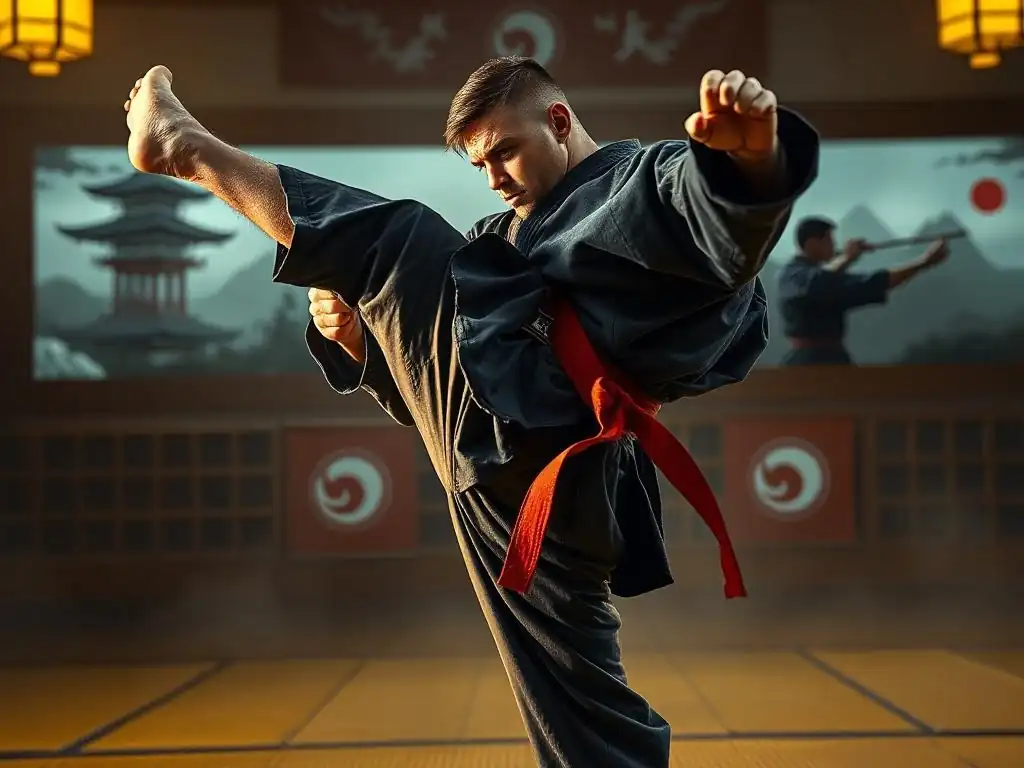
Welcome to Martial Arts Mastery, your ultimate resource for exploring the rich tapestry of martial arts.
Dive into the essential gear that fuels your journey. Ever wondered how to choose the perfect gi or uniform, one that not only looks the part but also enhances your performance and respects tradition? Our latest article, "Investing in Your Training: A Smart Buyer's Guide to High Quality & Affordable Martial Arts Uniforms (Karate, BJJ, Judo, TKD)," unveils the secrets to finding high quality martial arts uniforms that fit your budget and your discipline.
Discover the key differences between materials, cuts, and construction, and unlock the knowledge to make an informed decision that will elevate your training experience. Ready to upgrade your gear and your game? Let's begin!
- Why Investing in a Quality Martial Arts Uniform Matters
-
Frequently Asked Questions
- What are the key benefits of investing in a high-quality martial arts uniform?
- How do I choose the right material for my martial arts uniform, considering my specific discipline (Karate, BJJ, Judo, TKD)?
- What are the key features to look for when assessing the quality of a martial arts uniform, beyond just the price?
- Where can I find affordable yet high-quality martial arts uniforms that balance cost and durability?
- How important is proper uniform care in maintaining the longevity and quality of my martial arts uniform?
- Final Reflection: The Enduring Value of Quality
- Unlock Your Potential: Start Training Smarter Today!
Why Investing in a Quality Martial Arts Uniform Matters
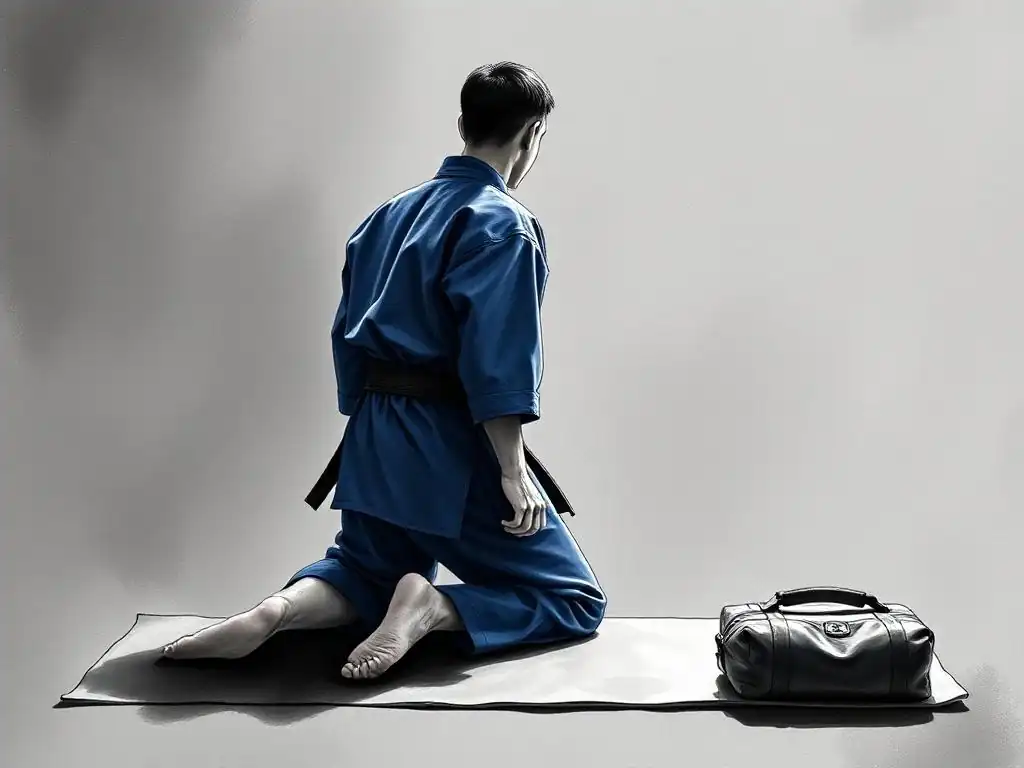
Stepping onto the mat or into the dojo requires not only dedication and skill but also the right gear. Among the most crucial pieces of equipment is your martial arts uniform, often called a gi (for Karate, Judo, BJJ) or dobok (for Taekwondo).
While it might be tempting to opt for the cheapest option available, understanding why investing in a high quality martial arts uniform is a smart move can significantly impact your training experience and long-term satisfaction. A well-made uniform is more than just clothing; it's a functional piece of equipment designed to withstand the rigors of training, enhance performance, and provide a level of comfort that allows you to focus on mastering techniques.
Choosing a premium martial arts uniform from the outset can prevent common frustrations associated with lower-quality alternatives, such as premature wear and tear, discomfort, and poor fit. Consider it an investment in your journey – a durable, comfortable, and appropriately designed uniform supports your progress, whether you're practicing kata, engaging in randori, executing throws, or sparring. This guide will explore the tangible benefits and practical considerations that highlight the value of selecting quality gear.
Beyond Aesthetics: The Functional Benefits of a Superior Uniform
A high quality martial arts uniform is engineered with specific functional requirements in mind, varying significantly between disciplines like Karate, BJJ, Judo, and Taekwondo. For instance, a Judo gi features a robust, often diamond or rice grain weave, particularly in the jacket, designed to withstand the immense forces exerted during gripping and throwing techniques.
The weave structure provides opponents with solid material to grip, while simultaneously being strong enough not to tear under tension that can exceed 500 pounds in competitive scenarios. This is a stark contrast to the lighter, smoother fabric typically found in a Karate gi, which prioritizes freedom of movement and produces an audible "snap" or "shime" during rapid techniques, a functional aspect valued in kata performance.
In BJJ, the gi's weave and cut are critical for both offense and defense. A quality BJJ gi utilizes weaves like Pearl or Gold weave, offering durability for grappling exchanges while remaining relatively lightweight and difficult for opponents to grip effectively compared to a heavier Double weave. The collar is typically thick and stiff, designed to be durable for chokeholds but also challenging for an opponent to manipulate.
Conversely, a Taekwondo dobok is usually much lighter, often made from a polyester-cotton blend, focusing on allowing the practitioner maximum range of motion and speed for dynamic kicks and movements. The difference in construction isn't just about looks; it directly impacts the effectiveness and safety of techniques specific to each art.
Durability and Longevity: Saving Money in the Long Run with Quality Materials
While a cheap martial arts uniform might seem like a budget-friendly choice initially, its lifespan is often significantly shorter than that of a durable martial arts uniform. Uniforms made from lower-grade cotton or with weak stitching can show signs of wear, such as fraying seams, thinning fabric, or even tears, within just a few months of regular training (e.g., 2-3 sessions per week). This necessitates frequent replacements, quickly accumulating costs that can surpass the price of a single, higher-quality uniform.
For example, a basic Karate gi costing $40 might need replacing every six months, totaling $160 over two years. A premium Karate gi, costing perhaps $120-$150, made with reinforced stitching at stress points like the collar, cuffs, and knees, and constructed from a more robust canvas or twill cotton, can easily last two to three years or even longer with proper care, representing a net saving.
The investment in a premium martial arts uniform pays dividends in resilience. Consider the wear and tear on a Judo gi's lapel from constant gripping or the stress on a BJJ gi's seams during guard passing. Quality uniforms feature reinforced stitching patterns, often multiple rows of stitching along critical edges and joints, and extra layers of fabric or padding in high-impact areas like the knees.
Some manufacturers even use ripstop fabric panels in pants for added tear resistance. This superior construction means the uniform holds up session after session, resisting rips and maintaining its structural integrity far longer than its cheaper counterparts. While the initial outlay is higher, the reduced frequency of replacement makes a quality purchase a financially savvy decision for dedicated practitioners.
Comfort and Performance: How a Well-Fitting Uniform Enhances Training
Comfort is paramount when training intensely. A poorly fitting or scratchy uniform can be a constant distraction, pulling at the skin, restricting movement, or simply feeling heavy and cumbersome. High quality martial arts uniforms are typically made from softer, more breathable fabrics, even in heavier weaves.
Pre-shrunk cotton or specific blends can offer a more consistent fit and feel from the first wear. Manufacturers of quality uniforms also pay close attention to cut and tailoring, ensuring the uniform allows for the full range of motion required by the specific martial art. For instance, a well-cut Taekwondo dobok allows for high kicks without binding, while a proper BJJ gi provides enough room in the shoulders and back for grappling movements but isn't excessively baggy, which could give an opponent easy grips.
Furthermore, the weight and drape of a quality uniform contribute directly to performance. In Karate, the crisp 'snap' sound generated by a heavyweight gi during fast movements is not just traditional; it provides tactile and auditory feedback on the speed and correctness of technique. In grappling arts like Judo and BJJ, the weave density and fabric stiffness affect how grips can be established and broken, influencing the flow of the match.
A uniform that fits correctly and moves with the body, rather than against it, allows practitioners to focus entirely on executing techniques effectively and safely. Investing in a well-made martial arts uniform that suits your body type and training style minimizes discomfort and maximizes your ability to perform at your best, making every training session more productive and enjoyable.
Frequently Asked Questions
What are the key benefits of investing in a high-quality martial arts uniform?
A high-quality uniform offers improved durability, enhanced comfort during training, and a better professional appearance, contributing to your overall martial arts experience.
How do I choose the right material for my martial arts uniform, considering my specific discipline (Karate, BJJ, Judo, TKD)?
The ideal material depends on the art. Karate and TKD often use lighter cotton or poly-cotton blends. BJJ requires heavier, more durable materials like ripstop cotton or specialized weaves. Judo uniforms are the heaviest and strongest, also often made of heavyweight cotton.
What are the key features to look for when assessing the quality of a martial arts uniform, beyond just the price?
Look for reinforced stitching at stress points, durable fabric with a tight weave, proper fit that allows for a full range of motion, and a reputable brand known for producing long-lasting uniforms.
Where can I find affordable yet high-quality martial arts uniforms that balance cost and durability?
Consider checking online retailers that specialize in martial arts equipment, look for seasonal sales or promotions, and read reviews from other practitioners to gauge the uniform's quality before purchasing. Sites such as MartialArtsMastery.org often have reviews and recommendations.
How important is proper uniform care in maintaining the longevity and quality of my martial arts uniform?
Proper care is crucial. Always follow the manufacturer's washing instructions, avoid harsh detergents, and consider air-drying to prevent shrinking and fabric damage, thereby extending the uniform's lifespan.
Final Reflection: The Enduring Value of Quality
The journey to mastery in martial arts is paved with dedication, discipline, and the right tools. Investing in high-quality martial arts uniforms is not merely a purchase, but a commitment to one's training and a respect for the art itself. As we've explored the nuances of selecting durable, comfortable, and affordable uniforms, it becomes clear that these garments are more than just clothing; they are symbols of dedication and integral to the training experience.
The impact of a well-chosen uniform extends beyond the dojo walls. It fosters confidence, promotes proper technique, and connects practitioners to a lineage of tradition. The feeling of putting on a crisp, well-fitting gi before stepping onto the mat is a powerful ritual, a tangible reminder of the effort and commitment required. It's not the uniform that makes the warrior, but the warrior that makes the uniform.
This sentiment underscores the importance of inner strength and dedication, while acknowledging the uniform's role in embodying that spirit.
Now, as you continue your martial arts journey, remember that the choices you make, even seemingly small ones like selecting a uniform, contribute to your overall growth. Consider the lessons learned here, not just when purchasing your next gi, but in all aspects of your training. Embrace the value of quality, the power of tradition, and the unwavering pursuit of excellence. Let your uniform be a constant reminder of your dedication and a symbol of the warrior within.
Unlock Your Potential: Start Training Smarter Today!
Thanks for diving into the world of martial arts uniforms with us! We hope you've discovered valuable insights into making informed decisions without breaking the bank. Now, it's time to put that knowledge into action and elevate your training experience.
- Find the perfect uniform: Use our exclusive size charts and material guides to confidently select your ideal fit for Karate, BJJ, Judo, or TKD and make your purchase right here at Martial Arts Mastery!
- Share your newfound wisdom:Tag us (@MartialArtsMastery.org) in your next post showing off your new uniform and let us know how it's improved your training!
- Explore our community forum: Join the conversation with fellow martial artists on our website (martialartsmastery.org) and discuss your experiences with different uniform brands and materials!
What's one small step you'll take this week to improve your martial arts training?