Martial Arts Gear & Equipment: Buyer's Guides
Welcome to the ultimate resource for smart martial arts shopping. Whether you are a white belt just starting or a seasoned black belt upgrading your kit, our buyer’s guides cut through marketing hype to deliver practical, tested advice. From building a safe home training space to choosing competition-ready protective gear, we help you invest in equipment that enhances performance, prevents injury, and lasts for years. Our recommendations balance budget, durability, and functionality across karate, BJJ, judo, taekwondo, and modern combat sports.
🏠 Building Your Home Dojo: Best Mats, Bags, and Training Dummies - A Guide
Creating a dedicated training space at home starts with choosing the right foundation. In this guide, we break down interlocking foam mats, roll-out judo tatami, and commercial-grade grappling mats, explaining density, thickness, and ease of cleaning. You will learn how to select a heavy bag (hanging vs. freestanding) based on your striking style and ceiling structure, plus the pros and cons of training dummies for throws and submissions. We also cover space planning, ventilation, and safety tips to keep your home dojo functional and injury-free.
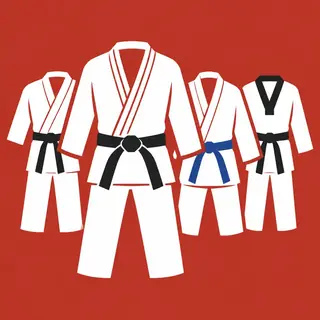
🥋 Best Martial Arts Uniforms & Gis: Reviews and Buying Advice (Karate, BJJ, Judo, TKD)
A well-fitted gi or uniform is not just tradition—it affects your movement and your opponent’s grip. For BJJ, we compare premium 400gsm pearl weaves versus lightweight ripstop for no-gi transitions. Judo requires reinforced double-weave jackets with tear-resistant collars; we highlight the best brands for competition legality. For karate and taekwondo, we explain the differences in cut, cuff sizes, and fabric breathability (polyester blends vs. cotton canvas). We also offer a sizing cheat sheet and care instructions to prevent shrinkage and odor.
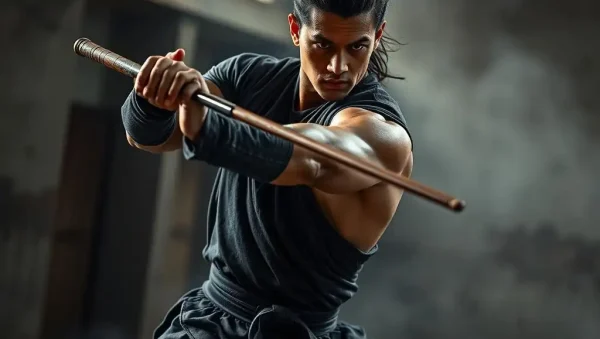
⚔️ Essential Training Weapons: From Practice Swords to Kali Sticks - Reviews & Comparisons
Safe weapon practice demands accurate, durable training tools. We review wooden bokken, foam-filled katanas for paired drills, and shinai for kendo-style sparring. For Filipino martial arts, we compare rattan kali sticks (single vs. double) by flexibility and grip texture. We also cover training knives (rubber vs. aluminum) and tonfa and nunchaku options for safety-conscious practitioners. Each review includes weight, balance points, and impact resistance so you can choose tools that mimic real weapons without compromising your safety or your partner’s.
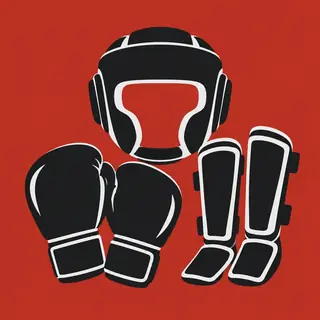
🛡️ Top Protective Gear for Combat Sports: Headgear, Gloves, Guards - Buyer's Guide
Protective gear is the difference between a long career and a short, painful one. This guide covers headgear for boxing and Muay Thai—focusing on full-face vs. open-face designs, cheek padding, and peripheral vision. We dive into boxing gloves (14oz vs. 16oz options) with comparisons of leather quality, wrist support, and hand compartment fit. For shin guards, we assess strap systems and impact dispersion foams. You will also find advice on groin guards, mouthguards (boil-and-bite vs. custom-fitted), and chest protectors for youth or female athletes. We prioritize safety certifications and layering strategies for sparring versus competition.
Frequently Asked Questions
How thick should my home dojo mats be for BJJ or judo?
For BJJ and judo, we recommend a minimum of 1.5 inches (40mm) of high-density foam (preferably EVA foam) to absorb throws and takedowns. Thinner mats cause painful impacts and increase joint injury risk. If you are only doing striking or kata, 1-inch mats may suffice, but always prioritize area under the hips and head.
What is the most durable gi fabric for daily training?
For heavy daily use, golden weave (a blend of pearl and double weave) is your best bet—it offers durability without excessive weight. Avoid pure single-weave cotton for BJJ or judo; it tears easily. Look for ripstop pants and reinforced stitching at the knee and collar. Washing cold and air drying extends fabric life significantly.
Are foam training weapons safe for full-contact sparring?
Quality polyurethane foam weapons are safe only for controlled, low-impact drills—not full-power sparring. Even foam can cause eye or throat injuries at high velocity. For contact sparring, use padded shinai for sword work and open-finger gloves with hand protection for stick drills. Always wear mouthguards and eye protection.
How do I choose between 14oz and 16oz boxing gloves?
Choose 16oz gloves for sparring and bag work if you are over 70kg; they protect your hands and your partner. For competition, lighter gloves (10oz or 12oz) are used in amateur bouts, but those are not for practice. Beginners should start with 16oz with proper wrist strap to build stabilizing muscles. Lighter gloves cause more hand fatigue.
Why does my headgear keep blocking my peripheral vision?
Many budget headgears have bulky foam around the cheeks and forehead that pushes the shell down into your line of sight. Look for contoured designs with open cheek areas and adjustable top straps. Brands like Winning and Rival offer models with cutout eye sockets to maximize visibility. Always buy a size that fits snugly but does not compress the skull ridges.