
Early Intervention: How to Nip Conflict in the Bud

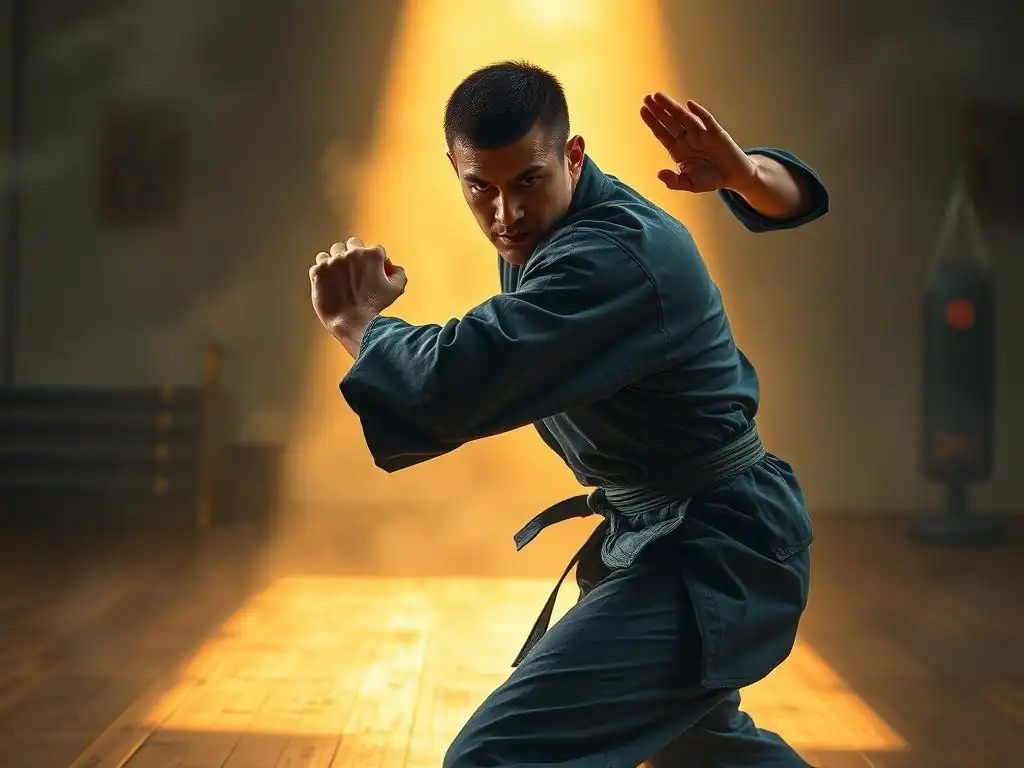
Welcome to Martial Arts Mastery, where the secrets of combat and inner peace converge. Dive deep into our exploration of martial arts, from their rich history to their practical applications. Today, we unlock crucial strategies in our Self-Defense & Practical Application section. Are you ready to learn how to prevent conflict escalation using martial arts principles? Discover effective early intervention techniques in "Early Intervention: How to Nip Conflict in the Bud" and gain the skills to de-escalate tense situations before they turn violent. Prepare to transform your approach to conflict resolution.
- Preventing Conflict Escalation in Martial Arts: An Introduction
- Understanding the Roots of Conflict: Recognizing Pre-Conflict Indicators
- Practical Techniques for Early Conflict De-escalation
- Applying Martial Arts Principles to Conflict Prevention
- Scenario-Based Training: Practicing Early Intervention Techniques
- The Importance of Ongoing Training and Self-Reflection
- Mastering the Art of Conflict Prevention: A Path to Responsible Self-Defense
-
Frequently Asked Questions
- How can martial arts training help prevent conflict escalation?
- What specific martial arts techniques are useful for de-escalating conflict?
- Does learning martial arts increase the likelihood of someone instigating conflict?
- How does understanding the history of martial arts contribute to conflict resolution skills?
- What is the role of mindfulness in preventing conflict escalation, as taught in martial arts?
- Final Reflection: Cultivating Harmony Through Proactive Action
- Embrace Harmony: Start Your Journey to Conflict Resolution Now!
Preventing Conflict Escalation in Martial Arts: An Introduction
Martial arts training often focuses on physical techniques for self-defense. However, true mastery extends far beyond strikes, blocks, and throws. A critical, often underestimated, aspect of practical self-defense is the ability to prevent conflict escalation martial arts practitioners strive for. Avoiding physical confrontation altogether is the safest and most desirable outcome in any potentially dangerous situation. This requires a proactive approach, recognizing the signs of impending trouble and employing strategies to defuse tension before it boils over. Learning how to effectively navigate pre-conflict scenarios is a hallmark of a mature and responsible martial artist.
The journey to becoming proficient in preventing conflict escalation martial arts involves cultivating a heightened sense of awareness, developing strong communication skills, and understanding human psychology under stress. It's about recognizing that violence is a last resort, not a first line of defense. By focusing on early intervention, individuals can significantly reduce their risk of injury, legal issues, and emotional trauma associated with physical altercations. This section lays the groundwork for understanding why de-escalation is paramount and how it fits within the broader context of martial arts as a system for personal safety and well-being.
Why Early Intervention Matters in Self-Defense Scenarios
In a real-world self-defense scenario, the goal is to survive and escape unharmed. Engaging in a physical fight, even if you are highly skilled, carries inherent risks. According to various studies on street violence, a significant percentage of injuries occur within the first few seconds of an altercation. For instance, a 2019 study analyzing emergency room data found that assaults were a leading cause of non-fatal injuries requiring hospitalization, highlighting the potential severity even in seemingly minor confrontations. Early intervention, aimed at preventing conflict escalation, dramatically reduces the likelihood of reaching this dangerous physical stage.
Furthermore, legal ramifications surrounding self-defense can be complex and stressful. While martial arts training prepares individuals to defend themselves, the use of force is often subject to strict legal scrutiny. Successfully preventing conflict escalation martial arts skills enable can mean avoiding the entire legal entanglement that follows a physical incident, regardless of who initiated it. Experts in personal safety often emphasize that the best fight is the one you avoid, underscoring the practical importance of de-escalation over confrontation.
The Role of De-escalation in Avoiding Physical Confrontation
De-escalation is the process of reducing the intensity of a conflict situation. It involves a range of communication and behavioral techniques designed to calm aggressive individuals and create an opportunity for a peaceful resolution or safe disengagement. In the context of martial arts, de-escalation is not a sign of weakness but a demonstration of control, discipline, and strategic thinking. It aligns with the core principles of many martial arts that emphasize harmony and self-control over brute force.
Consider the principles of Aikido, often referred to as the "Art of Peace." Its techniques are designed not to inflict harm but to neutralize an attacker's aggression and redirect their energy, often leading to a resolution without injury. While not every martial art is based on these exact principles, the underlying philosophy of seeking peaceful solutions and maintaining composure under pressure is universally applicable. Mastering de-escalation techniques is a crucial component of responsible self-defense training, allowing practitioners to prevent conflict escalation martial arts principles support, making physical techniques the absolute last resort.
Understanding the Roots of Conflict: Recognizing Pre-Conflict Indicators
Understanding the dynamics of conflict is the first step in preventing conflict escalation martial arts practitioners must master. Conflicts rarely erupt without warning; there are almost always preceding indicators, subtle or overt, that signal rising tension. Recognizing these pre-conflict indicators is a critical skill for personal safety. It involves paying close attention to both verbal and non-verbal cues, as well as assessing the environment in which the interaction is taking place. Developing this heightened awareness allows you to anticipate potential trouble and implement de-escalation strategies before the situation becomes physically dangerous.
Situational awareness, a key component of most martial arts training, is directly applicable here. It's about being present and observant of your surroundings and the people within them. Learning to read the room, understand social dynamics, and identify potential threats are all part of this process. By actively looking for these early warning signs, you gain valuable time and information needed to decide on the best course of action, whether that's de-escalating the situation or creating distance.
Identifying Verbal and Non-Verbal Cues of Impending Conflict
Verbal cues indicating rising conflict can range from aggressive language, insults, and threats to a sudden change in tone, volume, or pace of speech. Someone might become defensive, dismissive, or start interrupting frequently. Phrases like "What are you looking at?" or "You got a problem?" are clear verbal challenges. However, more subtle signs might include sarcastic remarks, excessive complaining, or a rapid escalation in the topic of conversation towards sensitive or confrontational subjects. Being attuned to these shifts in communication is vital for preventing conflict escalation martial arts training reinforces.
Non-verbal cues are often even more telling. These include changes in body language such as clenched fists, tightened jaw, narrowed eyes, or a rigid posture. Individuals might invade personal space, point fingers aggressively, or make sudden, jerky movements. Fidgeting, pacing, or excessive sweating can also indicate stress and potential volatility.
Observing clusters of these behaviors is more reliable than focusing on a single cue. For example, someone with crossed arms and a frown might just be cold or tired, but crossed arms, a frown, avoidance of eye contact, and a defensive stance are stronger indicators of hostility. A 2020 study on non-verbal communication in conflict situations noted that shifts in proxemics (use of space) and kinesics (body movement) are highly predictive of escalating tension.
Recognizing Common Triggers for Aggression in Martial Arts Contexts
While conflicts can arise from countless sources, certain triggers are common, especially in or around environments where martial arts might be involved, such as gyms, dojos, or even self-defense scenarios on the street. Perceived disrespect is a major trigger. This could be a look, a comment, or an action that someone interprets as challenging their status or dignity.
Intoxication, whether from alcohol or drugs, significantly lowers inhibitions and impairs judgment, making individuals more prone to aggression and less responsive to rational de-escalation attempts. Studies consistently show a strong correlation between alcohol consumption and violent incidents; for instance, a 2021 report indicated that alcohol was a factor in a substantial percentage of violent crimes.
Other common triggers include territorial disputes (real or perceived), misunderstandings, frustration, fear, and power struggles. In a self-defense context, an attacker might be triggered by resistance or defiance. Understanding these common triggers helps predict situations where conflict is more likely to occur and enables a proactive approach to preventing conflict escalation martial arts practitioners should prioritize. For example, being aware that crowded spaces or late-night environments increase the risk of encounters with intoxicated individuals allows for better planning and avoidance.
Assessing the Situation: Environment and Potential Threats
Beyond individual cues, the environment itself plays a significant role in the likelihood and nature of a conflict. Assessing the situation involves evaluating the physical surroundings and the presence of potential threats. Is the area crowded or isolated? Are there escape routes? What is the lighting like? Are there objects that could be used as weapons? Is there anyone else nearby who could help or hinder? For instance, a confrontation in a poorly lit alleyway at night is inherently more dangerous than one in a busy park during the day.
Assessing potential threats also means evaluating the number of individuals involved and their physical characteristics relative to your own. Are you outnumbered? Do they appear larger or stronger? Do they seem to possess weapons? While martial arts provide skills to handle physical threats, recognizing an overwhelming disadvantage early on is crucial for deciding whether de-escalation or immediate escape is the most viable option. This comprehensive assessment of the environment and potential threats is a foundational element in preventing conflict escalation martial arts training emphasizes for real-world application.
Practical Techniques for Early Conflict De-escalation
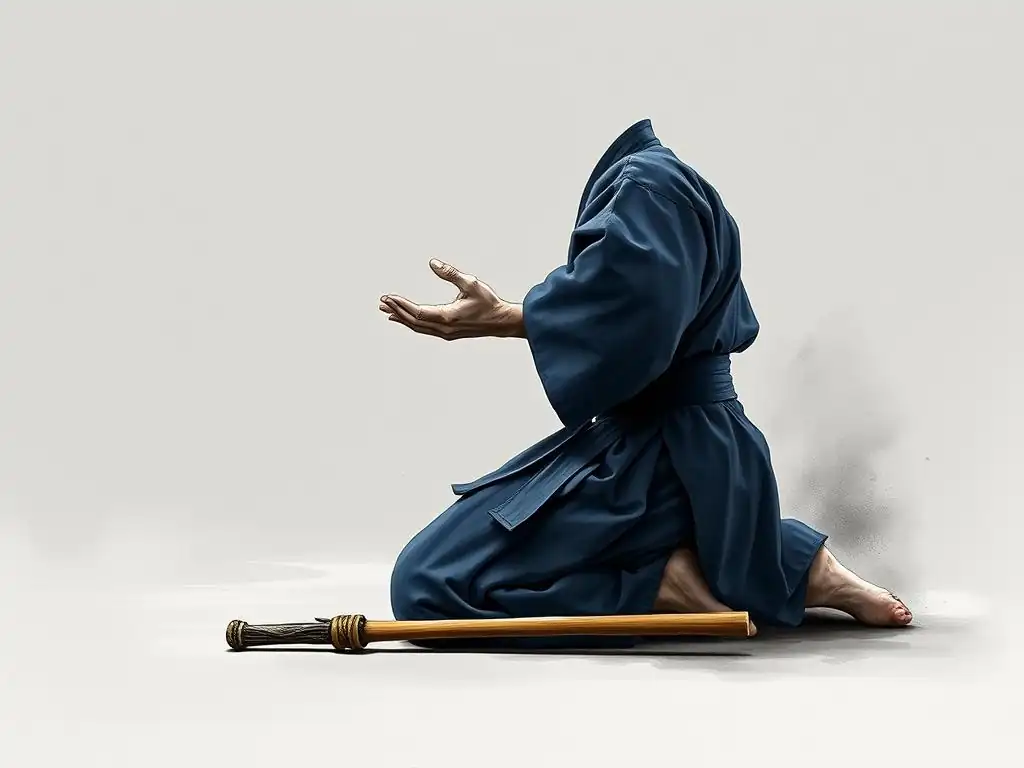
Once pre-conflict indicators are recognized, employing practical de-escalation techniques is essential. These techniques focus on communication and behavior aimed at reducing tension and creating a path towards a non-violent resolution or safe disengagement. Mastering these skills requires practice and a calm mindset, even under pressure. The goal is to influence the situation positively without resorting to physical force, thereby preventing conflict escalation martial arts practitioners strive to avoid.
These techniques are not about conceding or showing weakness, but about strategic communication to manage a potentially volatile situation. They require confidence, empathy, and the ability to think clearly under stress. Integrating these methods into your personal safety strategy significantly enhances your ability to navigate difficult encounters peacefully.
Active Listening: A Key Skill in Conflict Resolution
Active listening is a fundamental component of effective de-escalation. It's more than just hearing words; it's about fully concentrating on, understanding, responding to, and remembering what is being said. In a tense situation, allowing someone to feel heard can often diffuse anger and frustration. It demonstrates respect, even if you disagree with their perspective, and can open the door for rational communication.
A 2018 study on communication in crisis situations highlighted that empathetic and attentive listening significantly reduced aggression levels in participants. By actively listening, you gather crucial information about the other person's state of mind, their grievances, and their potential intentions, which is vital for deciding how to proceed in preventing conflict escalation martial arts training aims to prevent.
How to Practice Empathetic Listening in High-Stress Situations
Practicing empathetic listening in high-stress situations involves consciously focusing on the speaker despite internal fear or anxiety. Maintain appropriate eye contact (without staring aggressively), nod occasionally to show you are following, and use encouraging sounds like "Mhm" or "I see." Avoid interrupting, formulating your response while they are still speaking, or dismissing their feelings. The key is to create a space where the other person feels validated, even if their behavior is unacceptable.
For example, if someone is yelling about a perceived wrong, you might say, "Okay, I hear you. You sound really upset about what happened." This acknowledges their emotion without necessarily agreeing with their perspective. This simple act of acknowledging their feelings can sometimes be enough to lower the emotional temperature and prevent conflict escalation martial arts practitioners understand is crucial.
Using Paraphrasing to Clarify Understanding and Reduce Tension
Paraphrasing is a powerful technique within active listening. It involves restating what you've heard in your own words to confirm your understanding. Phrases like "So, if I understand correctly, you're saying..." or "It sounds like you're feeling because..." can be very effective. This shows the speaker that you are paying attention and making an effort to understand their point of view.
Paraphrasing helps to clarify misunderstandings, which are often at the root of conflict. It also forces the speaker to hear their own words reflected back, which can sometimes make them realize the impact or irrationality of what they are saying. In a tense situation, accurately reflecting the other person's message can build rapport and reduce defensiveness, contributing significantly to preventing conflict escalation martial arts training emphasizes.
Verbal De-escalation Strategies: Calm and Assertive Communication
Calm and assertive communication is central to verbal de-escalation. Assertiveness is about expressing your needs, thoughts, and feelings directly and respectfully, without being aggressive or passive. Maintaining a calm tone of voice is critical; shouting or mirroring the other person's anger will only escalate the situation. Your voice should be clear, steady, and confident, projecting control even if you feel nervous.
Using a lower pitch and slower pace can also have a calming effect. Avoid sarcasm, insults, or challenging statements that can provoke a reaction. The goal is to communicate your position clearly while creating an environment where the other person feels respected enough to engage in a non-violent resolution. This approach is key to preventing conflict escalation martial arts students learn to manage.
Using "I" Statements to Express Needs Without Accusation
"I" statements are a valuable tool in assertive communication, particularly in conflict situations. They allow you to express how you feel or what you need without placing blame on the other person, which can immediately trigger defensiveness. Instead of saying, "You are making me angry," which is accusatory, you would say, "I feel angry when this happens."
This shifts the focus from the other person's behavior as an attack on you to your own emotional response. It's harder for someone to argue with how you feel. Examples include: "I feel uncomfortable when you stand so close," or "I need some space right now." Using "I" statements promotes clear communication and reduces the likelihood of the other person becoming defensive, aiding in preventing conflict escalation martial arts training aims to avoid.
Setting Boundaries and Asserting Yourself Respectfully
Setting clear and respectful boundaries is essential for personal safety and de-escalation. This involves communicating what you are and are not willing to accept in terms of behavior. Boundaries should be stated clearly, calmly, and firmly. For example, "Please do not touch me," or "I am not going to discuss this if you continue to shout."
Asserting yourself respectfully means stating your boundaries without aggression or hostility. It's about protecting your space and safety while still attempting to de-escalate. If boundaries are crossed, you may need to reiterate them or consider disengaging. Respectful assertion is a powerful way of preventing conflict escalation martial arts practitioners use to maintain control of an interaction.
Avoiding Inflammatory Language and Trigger Words
Certain words and phrases can act as triggers, instantly escalating tension. These often include insults, derogatory terms, generalizations ("You always..." or "You never..."), and commands ("Calm down!"). Telling someone to "calm down" is notoriously ineffective and often has the opposite effect. Similarly, using profanity or aggressive slang can signal disrespect and hostility.
Consciously choosing neutral, non-judgmental language is crucial. Focus on describing the behavior or situation rather than labeling the person. For instance, instead of "You're being an idiot," try "I'm having trouble understanding what you mean." Avoiding inflammatory language helps keep the conversation focused on the issue at hand rather than turning into a personal attack, which is vital for preventing conflict escalation martial arts training emphasizes.
Non-Verbal Communication: Projecting Confidence and Calmness
Your non-verbal communication often speaks louder than your words. In a tense situation, projecting confidence and calmness through your body language can significantly influence the other person's behavior and help in preventing conflict escalation martial arts practitioners learn. Your posture, movements, and facial expressions can either escalate or de-escalate the situation.
Maintaining an open and relaxed (but not vulnerable) posture signals that you are not a threat but are also not intimidated. Avoid crossing your arms tightly or clenching your fists, as these can be perceived as defensive or aggressive. Your non-verbal cues should support your verbal de-escalation efforts, creating a consistent message of calm control.
Maintaining a Safe Distance and Open Posture
Maintaining a safe distance is a primary non-verbal de-escalation technique. Invading someone's personal space is often perceived as aggressive and can trigger a defensive or hostile response. Conversely, someone invading your space is a significant warning sign. Aim to keep a distance that feels safe and allows you reaction time if needed, generally about 3-6 feet.
An open posture involves keeping your arms uncrossed and your body facing the other person without being overly rigid. This signals approachability and a willingness to communicate, not fight. Avoid turning your back entirely, as this can make you vulnerable, but positioning yourself slightly angled can provide an easier escape route if necessary. This awareness of space and posture is fundamental to preventing conflict escalation martial arts training incorporates for practical application.
Using Eye Contact and Facial Expressions to Convey Empathy
Appropriate eye contact can convey sincerity, respect, and confidence. Avoid a fixed, aggressive stare, which can be perceived as a challenge. Instead, use calm, steady eye contact to show you are paying attention. Breaking eye contact occasionally is also natural and can help reduce intensity.
Your facial expression should aim to be neutral or mildly concerned, reflecting the seriousness of the situation without appearing fearful or dismissive. A slight nod or furrowed brow can show you are listening and processing their words. Avoid smiling or smirking, as this can be misinterpreted as mocking or not taking the situation seriously. Conveying empathy through subtle facial cues can significantly aid in preventing conflict escalation martial arts students practice.
Projecting a Calm and Controlled Voice
As mentioned earlier, the tone, volume, and pace of your voice are powerful non-verbal cues. A calm and controlled voice projects confidence and can have a soothing effect on a tense situation. Avoid speaking too quickly, which can make you sound nervous, or too slowly, which might sound condescending.
Keep your volume moderate; you want to be heard, but not sound aggressive. A steady, even tone is key. Practicing speaking calmly under simulated stress can help you maintain this control in real situations, enhancing your ability to prevent conflict escalation martial arts training prepares you for.
Applying Martial Arts Principles to Conflict Prevention
Martial arts training provides a unique foundation for developing conflict prevention skills. Beyond the physical techniques, the core principles of discipline, self-control, awareness, and strategic thinking are directly applicable to de-escalation. Integrating these principles allows practitioners to approach potential conflicts with a mindset focused on resolution rather than confrontation, effectively preventing conflict escalation martial arts emphasize.
The philosophical aspects of many martial arts traditions offer profound insights into managing aggression, both in oneself and others. By applying these deeper lessons, martial artists can become not just skilled fighters, but also masters of peace.
The "Art of Peace": Integrating Aikido Principles for Conflict Avoidance
Aikido, founded by Morihei Ueshiba, is often described as the "Art of Peace" or "The Way of Harmonious Energy." Unlike many martial arts that focus on striking or grappling to defeat an opponent, Aikido techniques are designed to blend with an attacker's energy and redirect their force, neutralizing the threat without causing serious injury. This philosophy is inherently aligned with conflict de-escalation and preventing conflict escalation martial arts like Aikido embody.
Key Aikido principles applicable to conflict avoidance include: blending with the attack rather than meeting force with force, maintaining centeredness and composure under pressure, and focusing on resolving the situation harmoniously. For example, the principle of awase (blending) teaches you to move with an aggressor's motion, rather than resisting it, which can be applied metaphorically to verbal arguments by not directly opposing every point but finding areas of agreement or redirection.
Using Movement and Positioning to De-escalate a Situation
Martial arts emphasize strategic movement and positioning. These skills are highly valuable in de-escalation. Creating distance, moving to a safer location, or positioning yourself relative to obstacles or exits are all tactical maneuvers that can help manage a tense situation. For instance, if someone is becoming aggressive and invading your space, subtly stepping back can non-verbally communicate your need for distance and potentially diffuse the intensity.
Using the environment to your advantage, such as positioning yourself near an exit or keeping obstacles between you and the potentially aggressive individual, provides tactical options and enhances your safety. This conscious use of space and movement, honed through martial arts practice, is a practical way of preventing conflict escalation martial arts training provides.
Leveraging Martial Arts Awareness for Enhanced Situational Awareness
Martial arts training significantly enhances situational awareness – the ability to perceive environmental elements and events with respect to time or space, the comprehension of their meaning, and the projection of their status in the near future. This heightened awareness is crucial for recognizing pre-conflict indicators and assessing the environment effectively.
Through drills and sparring, martial artists develop the ability to notice subtle shifts in an opponent's posture, breathing, or intent. This translates directly to reading body language and verbal cues in a non-physical conflict. Being constantly aware of your surroundings, identifying potential threats, and anticipating how a situation might unfold are all products of good martial arts practice and are indispensable for preventing conflict escalation martial arts practitioners value.
Scenario-Based Training: Practicing Early Intervention Techniques
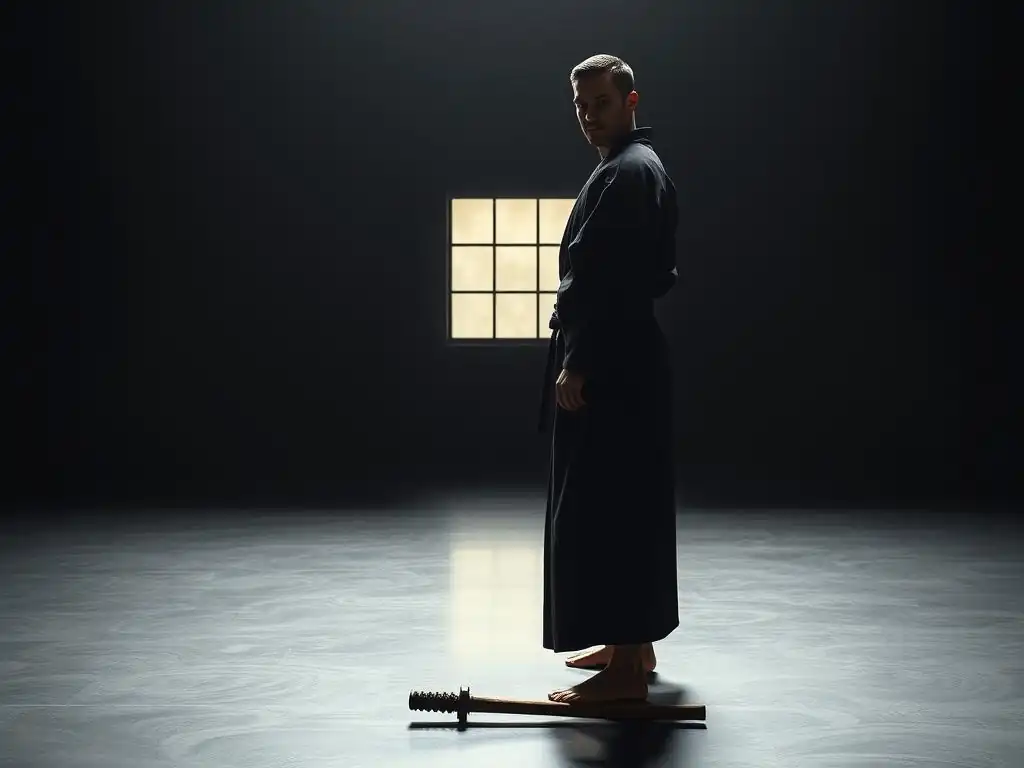
Developing proficiency in de-escalation requires practice, just like mastering a physical technique. Scenario-based training provides a safe and controlled environment to practice early intervention techniques and preventing conflict escalation martial arts students should prioritize. These simulations allow individuals to apply verbal and non-verbal strategies under pressure and receive feedback.
Training scenarios should be realistic and varied, mimicking common situations where conflict might arise. This type of practice helps build confidence and muscle memory for de-escalation responses, making them more automatic when faced with a real-world threat.
Role-Playing Common Conflict Scenarios
Role-playing involves acting out potential conflict situations with training partners. Scenarios could include dealing with an aggressive stranger, a disgruntled customer, a confrontation over personal space, or an interaction with an intoxicated individual. One person acts as the potentially aggressive party, while the other practices de-escalation techniques.
The scenarios should be designed to present challenging verbal and non-verbal cues that require thoughtful responses. For instance, a scenario might involve someone using inflammatory language and invading personal space simultaneously, requiring the practitioner to use both verbal and non-verbal strategies to prevent conflict escalation martial arts training addresses.
Analyzing Body Language and Verbal Cues in Simulated Encounters
During scenario-based training, it's crucial to analyze the body language and verbal cues used by both the "aggressor" and the practitioner. Video recording sessions can be incredibly helpful for self-analysis. Reviewing footage allows practitioners to see how they appeared to others, identify nervous habits, and refine their posture, gestures, and facial expressions.
Analyzing the verbal exchange helps identify ineffective phrases, missed opportunities for active listening, or instances where inflammatory language was accidentally used. This detailed analysis is essential for continuous improvement in preventing conflict escalation martial arts practitioners seek to master.
Developing a Personal De-escalation Strategy
Through practice and analysis, individuals can develop a personal de-escalation strategy that suits their personality and strengths. This strategy might involve a preferred opening phrase for active listening, specific non-verbal cues they focus on maintaining, or a plan for creating distance.
A personal strategy should also include contingency plans for when de-escalation fails, transitioning smoothly to physical self-defense or escape if necessary. This integrated approach ensures that de-escalation is part of a comprehensive safety plan, not the only option, reinforcing the concept of preventing conflict escalation martial arts training provides as a layered defense.
The Importance of Ongoing Training and Self-Reflection
Mastering conflict de-escalation is an ongoing process that requires consistent training and self-reflection. Like any martial art technique, de-escalation skills can rust if not practiced regularly. The ability to remain calm and think clearly under pressure is honed through repeated exposure to simulated stressful situations.
Dedication to continuous improvement ensures that your de-escalation skills remain sharp and adaptable to different circumstances. This commitment to growth is a hallmark of a serious martial arts practitioner and is vital for effectively preventing conflict escalation martial arts training promotes.
Refining Your De-escalation Skills Through Consistent Practice
Consistent practice can take many forms, from dedicated role-playing sessions with training partners to consciously applying active listening and calm communication techniques in everyday interactions. Even low-stakes situations, like dealing with a frustrating customer service call or a minor disagreement with a friend, can be opportunities to practice maintaining composure and using de-escalation language.
Many martial arts schools incorporate de-escalation drills into their curriculum, recognizing its importance as a first line of defense. Participating actively in these drills and seeking opportunities for extra practice outside of formal classes are key to refining your skills in preventing conflict escalation martial arts training fosters.
Identifying Personal Weaknesses and Areas for Improvement
Self-reflection is crucial for identifying personal weaknesses in your de-escalation approach. Do you tend to get defensive when challenged? Do you struggle to maintain eye contact? Do you find yourself using sarcastic language under stress? Honestly assessing your reactions and tendencies is the first step towards improvement.
Seeking feedback from trusted training partners or instructors can provide valuable external perspectives on areas you might not recognize yourself. For example, an instructor might point out that your voice tends to rise when you feel threatened, or that your posture becomes rigid. Addressing these specific areas through targeted practice is essential for growth in preventing conflict escalation martial arts practitioners value.
Seeking Feedback from Experienced Martial Arts Instructors
Experienced martial arts instructors possess a wealth of knowledge not just in physical techniques, but often in the psychological and strategic aspects of conflict. They can provide personalized guidance on your de-escalation techniques, offering insights based on years of training and potentially real-world experience.
Don't hesitate to ask your instructor for specific feedback on your communication skills, body language, and overall approach to simulated conflict scenarios. Their expertise can help you fine-tune your responses and develop a more effective strategy for preventing conflict escalation martial arts training encompasses.
Mastering the Art of Conflict Prevention: A Path to Responsible Self-Defense
Ultimately, mastering the art of conflict prevention is a crucial step towards responsible self-defense. It signifies a mature understanding that true strength lies not just in the ability to fight, but in the ability to avoid the fight altogether. By prioritizing de-escalation, martial artists embody the highest principles of their discipline, using their skills for peace and safety.
This path requires dedication, continuous learning, and a commitment to personal growth. It extends the benefits of martial arts training far beyond the dojo, making individuals more capable of navigating the complexities of human interaction and contributing positively to their communities by preventing conflict escalation martial arts skills enable.
Beyond Physical Prowess: Cultivating Inner Strength and Composure
Effective de-escalation relies heavily on inner strength and composure. It requires controlling your own fear, anger, and adrenaline response in a stressful situation. This inner control is cultivated through the discipline and mental training inherent in martial arts. Practices like meditation, breathing exercises, and mindfulness, often incorporated into martial arts training, build the mental resilience needed to remain calm under pressure.
Developing inner strength allows you to approach potential conflicts with a clear mind, enabling you to think strategically and apply de-escalation techniques effectively. It's the ability to project calm even when your heart is racing, a skill that goes hand-in-hand with preventing conflict escalation martial arts training develops.
The Ethical Considerations of Conflict Resolution in Martial Arts
Martial arts training comes with a significant ethical responsibility. The skills learned can be used to cause harm, which is why ethical considerations are paramount. Prioritizing de-escalation aligns with the ethical principle of using force only as a last resort and only to the degree necessary to ensure safety.
Understanding when and how to apply de-escalation techniques is as ethically important as understanding the legal and ethical boundaries of physical force. A responsible martial artist uses their training to protect themselves and others, and the most ethical protection is often achieved by preventing the conflict from becoming physical in the first place, embodying the goal of preventing conflict escalation martial arts philosophy promotes.
Long-Term Benefits of Prioritizing De-escalation Techniques
The benefits of prioritizing de-escalation techniques extend far beyond self-defense scenarios. These skills are applicable in various aspects of life, including professional settings, personal relationships, and everyday interactions. Improved communication, active listening, and the ability to manage difficult conversations contribute to healthier relationships and reduced stress in general.
Individuals proficient in de-escalation are often better problem-solvers and mediators. They are less likely to engage in unnecessary confrontations and more likely to find peaceful resolutions. This holistic approach to conflict, rooted in the principles of preventing conflict escalation martial arts teach, leads to a safer, calmer, and more fulfilling life.
Frequently Asked Questions
How can martial arts training help prevent conflict escalation?
Martial arts training provides individuals with increased self-confidence and improved awareness of their surroundings, which can help de-escalate situations before they turn violent. It also teaches self-control and disciplined responses.
What specific martial arts techniques are useful for de-escalating conflict?
While physical techniques are a last resort, training focuses on verbal de-escalation, maintaining a non-threatening stance, and creating distance. Aikido and Tai Chi principles of redirecting energy are also useful.
Does learning martial arts increase the likelihood of someone instigating conflict?
No, reputable martial arts schools emphasize discipline, respect, and conflict avoidance. The focus is on self-defense and only using skills when absolutely necessary to protect oneself or others.
How does understanding the history of martial arts contribute to conflict resolution skills?
Studying martial arts history teaches the importance of ethical conduct and the consequences of aggression. It provides context for the philosophical underpinnings of peaceful resolution and self-improvement.
What is the role of mindfulness in preventing conflict escalation, as taught in martial arts?
Mindfulness training, common in many martial arts, promotes emotional regulation and present moment awareness. This allows individuals to respond to stressful situations calmly and prevent impulsive reactions, which is a key component of de-escalation.
Final Reflection: Cultivating Harmony Through Proactive Action
The principles outlined in this article, drawing parallels between martial arts and conflict resolution, are more crucial now than ever. In a world increasingly defined by division and rapid escalation, proactive intervention is not merely a suggestion, but a necessity. By adopting the mindset of a martial artist – anticipating, defusing, and redirecting – we can transform potential flashpoints into opportunities for understanding and growth.
The power of early intervention extends far beyond the dojo, influencing our personal relationships, professional environments, and even global interactions. It's about recognizing the subtle signs of rising tension and choosing a path of de-escalation before irreparable damage is done. The supreme art of war is to subdue the enemy without fighting,
as Sun Tzu wisely stated. This philosophy, deeply rooted in martial arts, underscores the profound impact of preventing conflict from reaching its boiling point.
As you reflect on the strategies presented, consider how you can integrate them into your daily life. What small adjustments can you make to become more attuned to the early warning signs of conflict? How can you channel the discipline and mindfulness of a martial artist to prevent conflict escalation in your own sphere of influence? The power to cultivate harmony lies within each of us; embrace it, and become a force for peace.
Embrace Harmony: Start Your Journey to Conflict Resolution Now!
Thank you for exploring the art of conflict prevention with us. We hope you've gained valuable insights into recognizing and addressing potential issues before they escalate. Ready to put these principles into practice?
Here are some immediate steps you can take:
- Commit to applying the "pause and assess" technique in your daily interactions – notice your initial reactions and take a breath before responding.
- Share this article with a friend or family member who might benefit from these conflict resolution strategies. Let's spread the peace!
- Brainstorm three specific scenarios where you can proactively use these techniques at work or in your personal life.
What's one small step you'll take today to foster more harmonious relationships in your life?