
Bulking Up for Martial Arts: Are Mass Gainer Supplements a Shortcut or a Sham?

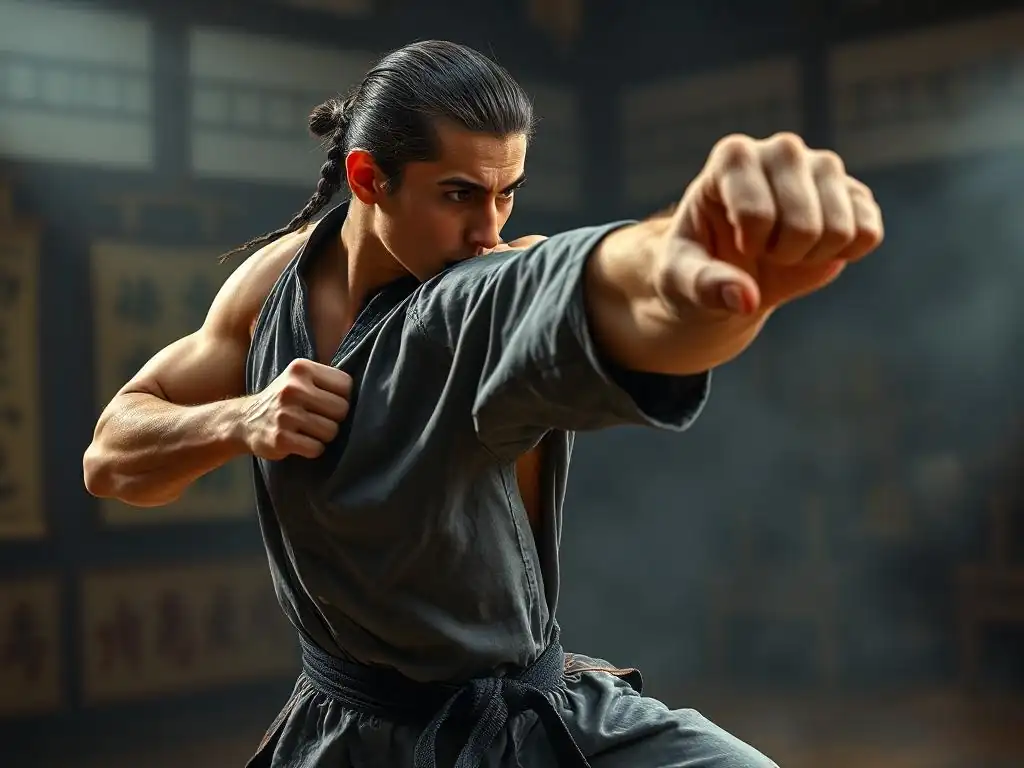
Welcome to Martial Arts Mastery, your ultimate resource for exploring the diverse world of combat traditions!
Are you a martial artist looking to optimize your training and physique? Today, we delve into a question many grapple with: can mass gainer supplements truly give you an edge? In " Bulking Up for Martial Arts: Are Mass Gainer Supplements a Shortcut or a Sham?," we critically examine the role of these supplements in martial arts training, separating fact from fiction and helping you decide if they're right for your journey to mastery. Discover the truth and unlock your potential!
- Introduction: The Importance of Strength and Conditioning in BJJ
- Understanding Strength Training Principles for BJJ
- Strength and Conditioning: Performance Enhancement for BJJ Athletes
- Alternative Training Methods: Examining Sport-Specific Conditioning
- A Tailored Approach: Designing a BJJ Strength and Conditioning Program
- Common Strength and Conditioning Myths Debunked for BJJ
- Real-World Examples: Strength and Conditioning Programs for BJJ Athletes
- Expert Opinions: What BJJ Professionals Say About Strength and Conditioning
- The Verdict: Strength and Conditioning – Essential for BJJ Success
- Conclusion: Optimizing Physical Performance for Peak BJJ Performance
-
Frequently Asked Questions
- What exactly are mass gainer supplements?
- Are mass gainer supplements necessary for martial artists to build muscle?
- What are the potential downsides of using mass gainer supplements for martial arts training?
- How do mass gainer supplements differ from regular protein powder for martial artists?
- Can mass gainer supplements improve performance in martial arts?
- Final Reflection: Strength Beyond the Supplement
- Unleash Your Inner Strength: Ready to Level Up?
Introduction: The Importance of Strength and Conditioning in BJJ
Brazilian Jiu-Jitsu (BJJ) is a complex martial art that demands a unique blend of technical skill, strategic thinking, and physical prowess. While drilling techniques and live rolling are paramount for skill acquisition and refinement, neglecting the physical foundation can significantly limit a practitioner's potential and increase injury risk. Strength and conditioning are not merely supplementary activities but integral components that enhance performance, improve endurance, and build resilience on the mats.
A well-rounded strength and conditioning program tailored for BJJ addresses the specific physical demands of grappling. This includes building foundational strength to control opponents, developing explosive power for takedowns and sweeps, improving muscular endurance for sustained effort during rolls, and enhancing flexibility and mobility to execute techniques effectively and avoid precarious positions. Ignoring these physical attributes means leaving potential performance gains on the table, regardless of technical proficiency.
Understanding Strength Training Principles for BJJ
Defining Functional Strength for BJJ: Relevance to Grappling
Functional strength for BJJ isn't just about lifting heavy weights; it's about developing strength that translates directly to the movements and demands of grappling. This means focusing on compound movements that engage multiple muscle groups simultaneously, mimicking the pushing, pulling, gripping, and core stabilization required to control an opponent, escape bad positions, and execute techniques. Strength that improves your ability to maintain posture in someone's guard or generate force for a submission attempt is functional in this context.
True functional strength for a BJJ practitioner involves building robust connections between the core and extremities. Exercises should challenge stability under load and through various ranges of motion, mirroring the unpredictable nature of rolling. For example, being strong in a static bench press is less functional than possessing the pushing strength and core stability needed to maintain space or bridge effectively from bottom position, often under dynamic resistance from an opponent.
Key Exercises for BJJ Strength Development: Compound Movements
Compound exercises form the backbone of effective BJJ strength training because they work multiple joints and muscle groups, building integrated strength. Essential lifts include variations of squats (like back squats, front squats, or goblet squats), deadlifts (conventional, sumo, or Romanian deadlifts), and presses (bench press, overhead press). Pulling movements are also critical, such as pull-ups, rows (barbell, dumbbell, or seated cable), and face pulls to balance the pushing muscles and strengthen the upper back and shoulders, vital for posture and grip endurance.
Implementing these exercises requires attention to proper form to prevent injury, especially given the physical demands already placed on the body by BJJ training. Starting with lighter weights to master technique is crucial before progressively increasing the load. Incorporating unilateral movements like lunges or single-leg deadlifts can also help address muscular imbalances that might arise from the asymmetrical nature of grappling.
The Role of Power and Explosiveness in BJJ Techniques
Power, defined as the ability to generate force quickly, is crucial for many BJJ techniques, particularly takedowns, sweeps, and dynamic transitions. While strength provides the capacity for force, power allows you to apply that force rapidly when needed – think of the sudden burst required for a double-leg takedown or the explosive hip extension for a bridge escape. Training for power involves moving moderate loads with speed.
Exercises like power cleans, snatches, medicine ball throws, plyometric push-ups, and jump squats help develop explosiveness. These movements train the nervous system to recruit muscle fibers rapidly, translating into faster and more powerful movements on the mat. Integrating these power exercises requires careful programming to avoid overtraining, often performed early in a training session when the athlete is fresh.
Strength and Conditioning: Performance Enhancement for BJJ Athletes
The Argument for Strength Training: Increasing Grip Strength and Takedown Power
Strength training offers tangible benefits for BJJ athletes, directly enhancing performance attributes like grip strength and takedown power. A stronger grip is invaluable for controlling the gi, establishing dominant positions, and securing submissions. Exercises like deadlifts, farmer's walks, and various rowing movements heavily tax the grip muscles, leading to significant improvements over time.
Furthermore, increased lower body and core strength, coupled with developed power, directly translates to more effective takedowns. A stronger base allows for better penetration steps, more powerful drives through opponents, and improved stability when defending takedown attempts. Athletes who dedicate time to building this foundational and explosive strength often find their ability to initiate and finish takedowns dramatically improves.
Potential Downsides of Overtraining: Impact on Recovery and Flexibility
While strength training is beneficial, overtraining poses significant risks for BJJ practitioners. Pushing the body too hard without adequate rest can lead to diminished performance, increased fatigue, hormonal imbalances, and a higher susceptibility to illness and injury. Overtraining in the weight room can also negatively impact the quality of BJJ training sessions, leading to lethargy or muscle soreness that hinders technical drilling and sparring.
Another concern often raised is the potential for strength training to negatively affect flexibility and mobility, which are critical for executing BJJ techniques and preventing submissions. While excessive bodybuilding-style training focused on muscle hypertrophy with limited range of motion can potentially reduce flexibility, a properly designed strength program that incorporates full ranges of motion and is balanced with mobility work typically does not cause this issue. The key is smart programming that considers the total training load from both BJJ and S&C.
Injury Prevention Strategies: Considerations for BJJ Athletes
Injury prevention is a paramount concern for any martial artist, and strength and conditioning play a vital role. Building strength around key joints like the knees, hips, shoulders, and spine increases their resilience to the forces encountered during grappling. Strengthening the muscles that support these joints helps stabilize them during dynamic movements and absorb impact.
Specific considerations for BJJ athletes include strengthening the neck and traps to better absorb forces during scrambles and submissions, and fortifying the rotator cuff and shoulder girdle, which are vulnerable during arm attacks and controls. Implementing pre-habilitation exercises targeting common BJJ injury sites, alongside a balanced strength program and adequate recovery, significantly reduces the likelihood of sidelining injuries.
Alternative Training Methods: Examining Sport-Specific Conditioning
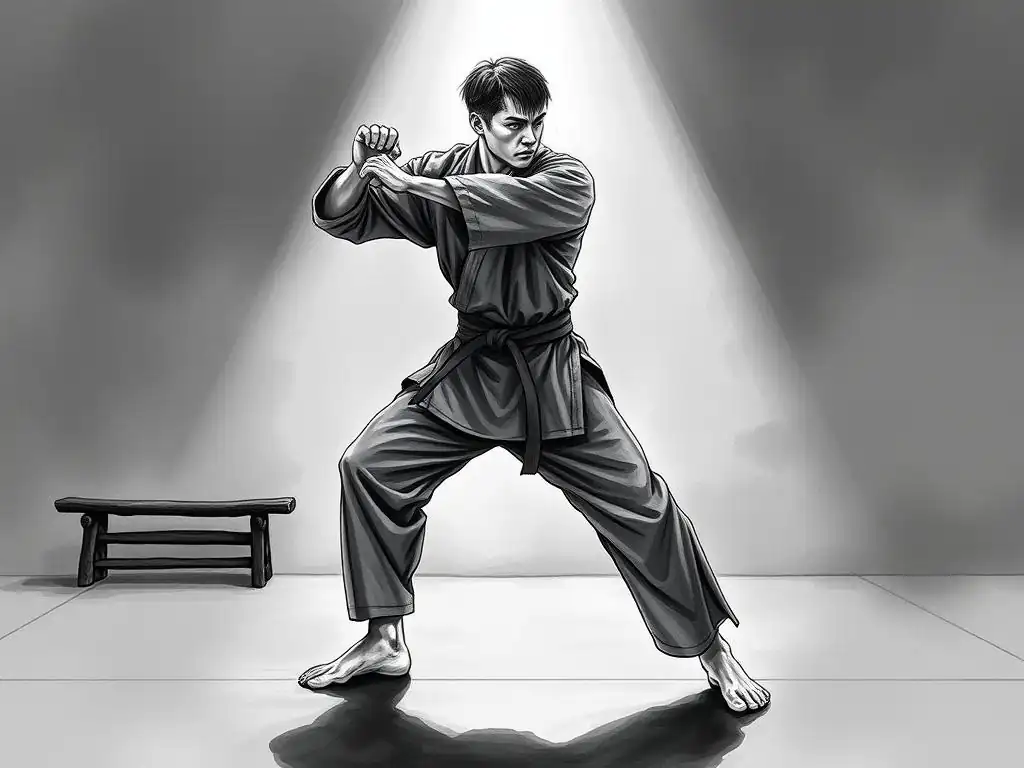
BJJ-Specific Drills: Improving Movement and Endurance
Beyond traditional weightlifting, BJJ-specific drills are essential for developing the unique movement patterns and muscular endurance required for grappling. These drills focus on replicating common movements and scenarios found in BJJ, such as shrimp escapes, bridging, sprawling, technical stand-ups, and guard retention movements. Performing these drills repetitively improves muscle memory and conditions the body for the specific demands of a roll.
Incorporating rounds of high-intensity, BJJ-specific movements can also build anaerobic and aerobic capacity relevant to the sport. For example, timed rounds of continuous guard passing movements or positional sparring with a focus on high-intensity bursts can significantly improve mat-specific endurance. These drills directly translate to being able to maintain intensity and execute techniques effectively throughout the duration of a match or training round.
The Importance of Flexibility and Mobility for BJJ Performance
Flexibility and mobility are not just about being able to do the splits; they are fundamental to efficient and effective BJJ performance. Good hip mobility is crucial for guard retention, passing, and executing sweeps. Shoulder mobility is vital for maintaining posture, applying submissions, and defending attacks. Spinal mobility allows for better bridging, shrimping, and rotational movements.
Insufficient flexibility or mobility can restrict range of motion, making certain techniques difficult or impossible to perform. It can also increase the risk of injury by placing excessive strain on joints and connective tissues when forced into compromised positions. Dedicating time to mobility work and stretching is just as important as building strength.
Yoga and Pilates vs. Traditional Strength Training: Benefits for BJJ
Yoga and Pilates offer valuable complementary training methods for BJJ athletes, providing benefits that traditional strength training alone may not fully address. Both disciplines emphasize core strength, body control, flexibility, and mobility. Yoga, with its focus on poses held for duration, improves flexibility, balance, and body awareness, which are all beneficial in grappling.
Pilates, particularly mat-based or reformer exercises, excels at building deep core strength and improving postural alignment. These methods can enhance body awareness, improve joint stability, and increase usable range of motion, all contributing to better technique execution and injury resilience in BJJ. While they may not replace the need for heavy compound lifting to build maximal strength, they are excellent tools for rounding out a BJJ athlete's physical preparation.
A Tailored Approach: Designing a BJJ Strength and Conditioning Program
Assessing Individual Needs: Skill Level, Training Frequency, and Goals
Designing an effective strength and conditioning program for BJJ requires a tailored approach based on the individual athlete's specific needs. Factors such as current BJJ skill level, frequency of BJJ training, training history in strength and conditioning, and specific goals (e.g., competition preparation, injury rehabilitation, general fitness) must be carefully assessed. A beginner BJJ student training twice a week will have vastly different S&C needs compared to an advanced competitor training five times a week.
Initial assessments might include evaluating mobility limitations, identifying muscular imbalances, and testing baseline strength levels. This information informs the program design, ensuring it addresses specific weaknesses and aligns with the athlete's capacity to recover from both BJJ and S&C sessions.
Periodization for BJJ: Balancing Strength, Power, and Endurance
Periodization is a crucial concept in S&C program design, involving structuring training into specific phases over time to optimize performance and prevent burnout. For BJJ, this typically means cycling through phases focused on building foundational strength, developing power and explosiveness, and enhancing muscular endurance, often aligning with the BJJ training calendar (e.g., off-season vs. competition phase).
A typical periodization model might start with a general physical preparation phase focused on building a base of strength and conditioning, followed by a phase emphasizing maximal strength, then transitioning to power development, and finally potentially a peaking phase with reduced volume and increased intensity leading into competition. This systematic approach ensures different physical qualities are developed at appropriate times, preventing stagnation and optimizing readiness.
Recovery Strategies: Optimizing Sleep, Nutrition, and Active Recovery
Effective recovery is as critical as the training itself, especially for BJJ athletes who face significant physical stress from both grappling and S&C. Optimizing sleep is paramount, as this is when the majority of muscle repair and hormonal regulation occurs. Aiming for 7-9 hours of quality sleep per night is essential for recovery and performance.
Nutrition plays a vital role in fueling training and facilitating recovery. Adequate protein intake is necessary for muscle protein synthesis and repair, while carbohydrates replenish glycogen stores depleted during intense activity. Hydration is also key.
While whole foods should be the primary source of nutrients, some athletes may consider mass gainer supplements martial arts practitioners use to meet high caloric or protein needs, especially during periods of intense training where consuming enough calories through food alone is challenging. However, these should supplement, not replace, a balanced diet. Active recovery methods like light walks, stretching, or foam rolling can also aid in reducing muscle soreness and improving blood flow.
Common Strength and Conditioning Myths Debunked for BJJ
Myth 1: Strength Training Makes You Stiff and Slow
A pervasive myth in the martial arts community is that strength training makes practitioners stiff, bulky, and slow, hindering the fluid movements required in arts like BJJ. This is generally untrue for properly designed S&C programs. Programs focused on functional strength, power, and maintaining range of motion through full lifts and supplementary mobility work do not impede flexibility or speed.
In fact, increased strength can improve movement efficiency and speed by allowing athletes to generate more force quickly. Stiffness is more often a result of neglecting mobility work or following bodybuilding routines focused solely on muscle size without regard for functional movement patterns or flexibility.
Myth 2: All Strength Training Programs Are Created Equal
Another myth is that any strength training program will suffice for a BJJ athlete. This is far from accurate. A generic bodybuilding program designed for aesthetic goals or a powerlifting program aimed solely at maximal strength might not address the specific demands of grappling. BJJ requires a unique combination of strength, power, endurance, and mobility.
An effective S&C program for BJJ must be tailored to the sport's requirements, emphasizing compound movements, addressing grappling-specific muscle groups (like grip and neck), incorporating power development, and balancing training volume with BJJ practice to avoid overtraining. A program designed for a runner or a weightlifter will not provide the optimal physical preparation for a BJJ competitor.
Myth 3: You Can't Build Muscle While Training BJJ
Some practitioners believe the high energy expenditure and catabolic nature of intense BJJ training make it impossible to build muscle mass simultaneously. While it is true that balancing muscle growth with the demands of BJJ requires careful planning, it is certainly possible to build muscle while actively training. This requires a strategic approach to training volume, intensity, nutrition, and recovery.
Consuming sufficient calories, particularly adequate protein, is crucial for muscle protein synthesis. Timing nutrient intake around training sessions can also be beneficial. While achieving significant hypertrophy might be slower than for someone focused solely on bodybuilding, consistent, progressive resistance training combined with proper nutrition and recovery allows BJJ athletes to build functional muscle mass that enhances their performance. Nutritional support, including potentially utilizing mass gainer supplements martial arts athletes might use to ensure caloric surplus, can play a role here, but consistency in training and diet are the primary drivers.
Real-World Examples: Strength and Conditioning Programs for BJJ Athletes

Strength Training for Beginners: Building a Foundation
A beginner BJJ athlete's S&C program should focus on building a solid foundation of strength, mastering basic movement patterns, and developing work capacity without interfering with BJJ learning. This might involve 2-3 full-body strength sessions per week, using compound exercises with moderate weights to focus on form.
An example structure might include:
- Workout A: Squat variation (3x5-8), Bench Press (3x5-8), Barbell Row (3x5-8), Planks (3x30-60s).
- Workout B: Deadlift variation (1x5 or 3x5), Overhead Press (3x5-8), Pull-ups or Lat Pulldowns (3x5-8), Farmer's Walks (3 sets for distance/time).
Sessions should be kept relatively short (45-60 minutes) to allow adequate recovery for BJJ classes.
Strength Training for Intermediate Athletes: Increasing Intensity
Intermediate BJJ athletes, training BJJ more frequently, can incorporate more advanced S&C techniques and potentially increase intensity or volume, while still prioritizing recovery. The focus might shift towards increasing strength numbers and introducing power work.
A split routine might be used, such as 3 S&C days per week:
- Day 1 (Lower Body Strength): Squat (3-4x3-5), Romanian Deadlift (3x6-8), Lunges (3x8-10 per leg).
- Day 2 (Upper Body Strength): Bench Press (3-4x3-5), Overhead Press (3x6-8), Barbell Rows (3x6-8), Pull-ups (as many reps as possible or weighted).
- Day 3 (Power/Conditioning): Power Cleans or Kettlebell Swings (5x3-5), Medicine Ball Throws (3x10), BJJ-specific circuit (e.g., 3 rounds of 1 min sprawl, 1 min technical stand-up, 1 min guard recovery drills).
Recovery and nutrition become increasingly important at this stage to manage the higher training load.
Strength Training for Advanced Competitors: Peaking for Tournaments
Advanced competitors often follow highly structured periodized programs designed to peak their physical performance for specific tournaments. Training volume in the weight room typically decreases as competition approaches, while intensity may remain high or decrease slightly depending on the phase. The focus shifts from building general strength to expressing power and maintaining conditioning.
A competition phase might involve 1-2 intense S&C sessions per week, focusing on maintaining strength and power with lower volume sets (e.g., 2-3 sets of 1-3 reps for main lifts), incorporating explosive movements, and sport-specific conditioning. Recovery is paramount, with meticulous attention paid to sleep, nutrition, and active recovery to ensure the athlete arrives at competition feeling strong, fast, and fully recovered. Some might fine-tune their nutritional intake, potentially considering factors like hydration and nutrient timing, possibly including discussions around mass gainer supplements martial arts athletes might use strategically during specific periods of heavy training or calorie needs.
Expert Opinions: What BJJ Professionals Say About Strength and Conditioning
Interviews with BJJ Black Belts and Strength Coaches
Leading BJJ black belts and experienced strength and conditioning coaches widely acknowledge the importance of physical preparation for the sport. Many top-level competitors integrate structured S&C into their training regimen. For example, coaches often highlight how specific strength work improved an athlete's ability to control opponents from top positions or resist sweeps more effectively.
Interviews frequently reveal a consensus that S&C is not a replacement for mat time but a force multiplier. Coaches emphasize that strength should enhance, not hinder, technical execution. They often recommend working with coaches who understand the specific demands of grappling to avoid detrimental programming choices. The discussion sometimes touches upon nutrition, with some coaches advising on protein intake or overall caloric needs, occasionally mentioning how supplements, including mass gainer supplements martial arts practitioners might use, can help meet these needs when dietary intake is insufficient, though always stressing a food-first approach.
Scientific Studies on Strength and Conditioning in Grappling Sports
Scientific research supports the anecdotal evidence regarding the benefits of S&C for grappling sports. Studies have shown that targeted strength and power training can improve performance metrics relevant to BJJ, such as isometric grip strength, anaerobic capacity, and lower body power. Research also indicates that appropriate strength training can reduce the incidence of certain types of injuries in athletes.
Further studies analyze the physiological demands of BJJ, identifying the need for both anaerobic bursts and aerobic endurance, confirming the necessity of varied conditioning approaches. While specific studies on mass gainer supplements martial arts performance are less common, research on sports nutrition consistently shows the importance of adequate caloric and protein intake for muscle recovery and growth, providing a theoretical basis for their potential use in specific scenarios.
The Verdict: Strength and Conditioning – Essential for BJJ Success
Weighing the Benefits for BJJ Practitioners
For the dedicated BJJ practitioner, the benefits of incorporating strength and conditioning into their routine are significant and far outweigh the potential downsides when done correctly. Improved functional strength enhances control and stability, increased power boosts dynamic movements, better endurance allows for sustained effort, and greater flexibility and mobility improve technique execution and resilience.
Beyond performance, S&C plays a crucial role in injury prevention by building more robust joints and connective tissues. It contributes to overall physical health and longevity in the sport, allowing practitioners to enjoy BJJ for longer and at a higher level.
Making an Informed Decision: Factors to Consider When Designing a Program
Designing or selecting a strength and conditioning program for BJJ requires careful consideration. Practitioners should assess their current physical state, BJJ goals, available time, and training experience. It's vital to find a program that complements BJJ training without causing excessive fatigue or interfering with recovery.
Starting gradually, focusing on proper form, and progressively increasing intensity and volume are key principles. Nutrition and recovery strategies, including adequate sleep and potentially strategic use of supplements like mass gainer supplements martial arts athletes sometimes utilize for caloric support, must be integrated for optimal results.
Disclaimer: Consult a Qualified Coach Before Starting Any Training Program
Before starting any new strength and conditioning program, especially one integrated with demanding martial arts training like BJJ, it is highly recommended to consult with a qualified strength and conditioning coach or a healthcare professional. A professional can help assess individual needs, design a safe and effective program, ensure proper technique, and provide guidance on balancing S&C with BJJ training to maximize benefits and minimize risks.
Conclusion: Optimizing Physical Performance for Peak BJJ Performance
Optimizing physical performance is a critical, though often overlooked, aspect of achieving peak performance in Brazilian Jiu-Jitsu. While technical skill and mat time are foundational, a well-designed strength and conditioning program provides the necessary physical attributes to execute techniques effectively, maintain intensity, prevent injury, and ultimately reach one's full potential on the mats. By understanding the specific demands of BJJ and implementing a tailored, periodized approach to S&C, practitioners can build a more resilient, powerful, and enduring body capable of meeting the rigorous challenges of grappling.
Frequently Asked Questions
What exactly are mass gainer supplements?
Mass gainer supplements are high-calorie supplements designed to help individuals gain weight quickly. They typically contain a mix of protein, carbohydrates, and fats, often in significant quantities.
Are mass gainer supplements necessary for martial artists to build muscle?
No, mass gainer supplements are not necessary. A well-balanced diet and consistent training are the foundations for muscle growth in martial arts. Supplements are only beneficial if dietary needs aren't met.
What are the potential downsides of using mass gainer supplements for martial arts training?
Potential downsides include unhealthy weight gain, digestive issues, and reliance on supplements instead of whole foods. They can also lead to fat gain rather than lean muscle.
How do mass gainer supplements differ from regular protein powder for martial artists?
Mass gainers contain significantly more calories, primarily from carbohydrates, compared to protein powder. Protein powder focuses on protein intake, while mass gainers aim for overall caloric surplus.
Can mass gainer supplements improve performance in martial arts?
While increased muscle mass can potentially improve some aspects of martial arts performance, excessive weight gain from mass gainers can hinder agility and speed, negatively affecting overall performance.
Final Reflection: Strength Beyond the Supplement
The debate surrounding mass gainer supplements in martial arts, as we've explored, is far from settled, but one thing remains clear: true strength is built on dedication, discipline, and a holistic approach to training and nutrition. The allure of a quick fix, especially in a demanding discipline like martial arts, is understandable, but the long-term benefits of a solid foundation outweigh any perceived shortcut.
The influence of supplement culture on athletic performance is undeniable, and it's a landscape that continues to evolve. It's crucial to remember that supplements are just that – supplements – and should never replace the fundamental pillars of a balanced diet and rigorous training regime. The journey of a thousand miles begins with a single step.
This ancient proverb reminds us that consistent effort, not fleeting solutions, is the key to achieving lasting success, both in martial arts and in life.
Now, consider your own path. Are you seeking genuine growth, or are you tempted by the illusion of instant results? Take the lessons learned here – the importance of informed choices, the value of sustainable practices, and the power of unwavering commitment – and apply them not only to your training but to every aspect of your life. Embrace the challenge, trust the process, and remember that the greatest strength comes not from a bottle, but from within.
Unleash Your Inner Strength: Ready to Level Up?
Thanks for diving into the world of muscle gain and martial arts! You've now got the knowledge to make informed choices about mass gainers. It's time to put that information into action and see real results.
Here’s how you can take your training to the next level:
- Commit to a structured bulking phase with a balanced diet and progressive overload training. This is your foundation for genuine strength.
- Experiment with different meal timing strategies to optimize nutrient absorption and energy levels. Don't be afraid to challenge conventional wisdom and see what works best for you.
- Share your experiences and insights with the Martial Arts Mastery community forum. Let's build a stronger, more knowledgeable team together!
What small, consistent change will you implement this week to move closer to your goals?