
Historical Sumo Venues: From Open Fields to the Ryōgoku Kokugikan

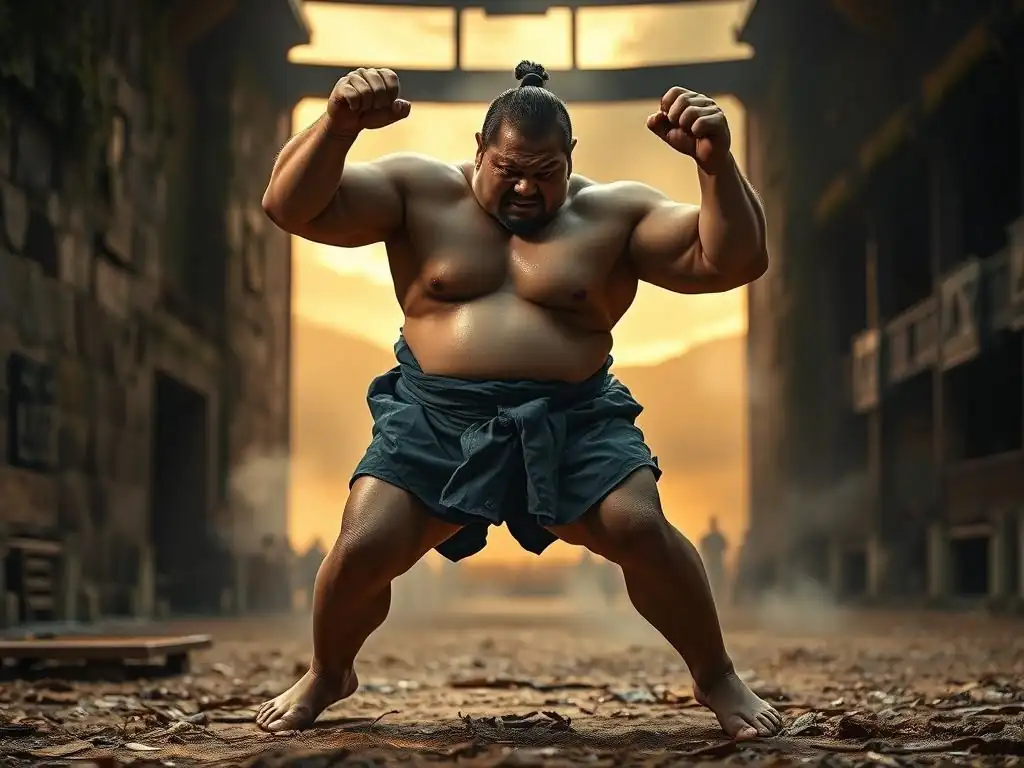
Welcome to Martial Arts Mastery, where we delve into the rich tapestry of combat traditions worldwide. Ever wondered how the hallowed grounds of Sumo wrestling evolved from humble open fields into the iconic arenas we know today? Join us as we explore the fascinating Sumo wrestling venue history, uncovering the stories etched into the very foundations of these legendary spaces. Discover the evolution of the dohyō and the cultural significance embedded within each brick and beam. Intrigued? Let's journey back in time and witness the transformation!
- Sumo Wrestling Venue History: An Overview of Evolution
- Early Sumo Venues: Open Fields and Sacred Spaces
- The Development of Permanent Sumo Arenas
- The Ryōgoku Kokugikan: A Symbol of Sumo's Modern Era
- Regional Sumo Venues: Exploring Local Arenas and Their History
- The Impact of Sumo Venue Design on the Sport
- Sumo Venues Beyond Japan: International Expansion and Adaptation
- The Future of Sumo Venues: Innovation and Preservation
- Frequently Asked Questions
- Final Reflection: Echoes of the Dohyo
- Unleash Your Inner Sumo Fan: Step into the Ring!
Sumo Wrestling Venue History: An Overview of Evolution
Tracing the Origins of Sumo Arenas
The origins of sumo arenas are deeply intertwined with the ancient history of Japan and its agricultural cycles. Early forms of sumo were often performed as part of Shinto rituals, primarily associated with prayers for bountiful harvests or thanksgiving after the harvest.
These initial "venues" were not formal structures but rather designated open spaces within shrine grounds or village fields, often marked simply by a circle drawn on the ground or perhaps outlined with straw ropes. The focus was on the ritual combat itself, serving as a divine offering or a test of strength among villagers, with the space being temporary and functional rather than permanent and architectural.
As sumo evolved from purely ritualistic performances to also include elements of sport and entertainment, the need for more defined and stable areas emerged. Historical records suggest that during the Nara and Heian periods (710-1185 AD), sumo matches, particularly those held at the Imperial Palace, began to take place in more structured environments.
While still not permanent buildings, these spaces were specifically prepared for the event, suggesting a growing recognition of the importance of the contest area. This early stage of sumo wrestling venue history laid the groundwork for the formal dōhyō and dedicated arenas that would develop over subsequent centuries.
The Significance of the Sumo Dōhyō Throughout History
The dōhyō, the elevated ring where sumo bouts take place, holds profound significance in sumo wrestling venue history, serving not merely as a physical boundary but as a sacred space. Traditionally constructed from clay, the dōhyō is purified before each tournament and often before individual bouts with rituals involving sake, salt, and rice.
This underscores its role as a spiritual battleground, reflecting sumo's roots in Shinto practices. The elevated platform itself, typically 34-60 cm high, symbolizes a sacred mountain or altar, separating the realm of the bout from the everyday world and emphasizing the purity and solemnity of the competition within.
Throughout history, the construction and dimensions of the dōhyō have evolved slightly but retained core principles. The ring itself, defined by straw bales (tawara) embedded in the clay, measures 4.55 meters (approximately 15 feet) in diameter. This specific size, standardized over time, ensures a consistent challenge for the rikishi (wrestlers). The dōhyō's historical significance is also tied to the roof structure (tsuriyane) suspended above it, which originated from the roofs of Shinto shrines and further reinforces the sacred nature of the space, a tradition still observed in major sumo wrestling venues today.
Early Sumo Venues: Open Fields and Sacred Spaces
Sumo's Roots in Agricultural Rituals and Outdoor Arenas
Sumo's earliest documented forms are found in ancient Japanese texts like the Kojiki and Nihon Shoki, dating back to the 8th century. These accounts often link sumo to harvest festivals and prayers for agricultural prosperity. Matches were frequently held outdoors in open fields within village communities or on the grounds of local shrines dedicated to agricultural deities.
These were not constructed arenas but rather temporary spaces marked out for the occasion, often coinciding with the Obon festival or other seasonal celebrations. The contests were seen as a way to entertain the gods and predict the success of the coming harvest based on the outcomes.
The simplicity of these early sumo wrestling venues reflected the communal and ritualistic nature of the activity. A space would be cleared, perhaps a circle drawn, and spectators would gather around. There were no formal seating arrangements or structures. The natural environment served as the backdrop, connecting the physical contest directly to the land and the cycles of nature upon which the community depended. This period highlights sumo's deep integration into the fabric of rural Japanese life before it became a more formalized sport under imperial patronage.
The Transition from Informal Gatherings to Defined Sumo Rings
Over time, particularly as sumo gained prominence and moved from purely local rituals to events sponsored by powerful patrons, the need for more defined and standardized contest areas grew. While still often temporary, these spaces began to feature more clearly marked boundaries than just a simple circle. The introduction of straw bales (tawara) to delineate the ring represented a significant step in the evolution of sumo wrestling venues. This provided a tangible, raised edge that clearly defined the fighting area and made it easier to judge when a wrestler had stepped out.
This transition coincided with sumo's increasing role as a form of entertainment and a way for feudal lords and eventually the shogunate to display power and organize events. While still held outdoors, the preparation of the venue became more deliberate. Areas might be leveled, and the ring constructed with greater care. This move towards a more defined ring, even in temporary settings, was crucial in shaping the physical form of the dōhyō that would become central to all future sumo wrestling venues.
The Imperial Palace Garden Sumo Tournaments (Kanjin-zumō)
During the Heian period (794-1185), sumo gained significant status with the establishment of annual tournaments held at the Imperial Palace in Kyoto. Known as Tenran-zumō (literally "Sumo viewed by the Emperor"), these events were highly formalized and took place within the palace grounds, specifically within designated garden areas. While not permanent structures, the venues for these tournaments were carefully prepared. Historical illustrations depict temporary raised platforms and marked rings, surrounded by dignitaries and members of the court.
These Imperial Palace tournaments were pivotal in sumo wrestling venue history because they elevated the sport from a regional ritual to a national event endorsed by the highest authority. The setting, within the refined environment of the palace gardens, lent prestige to the sport and its venue. Although the exact dimensions and materials of these early palace rings are not precisely documented, their existence signifies a move towards dedicated, albeit temporary, arenas for significant sumo events, showcasing a more structured approach than the earlier open-field gatherings.
The Development of Permanent Sumo Arenas
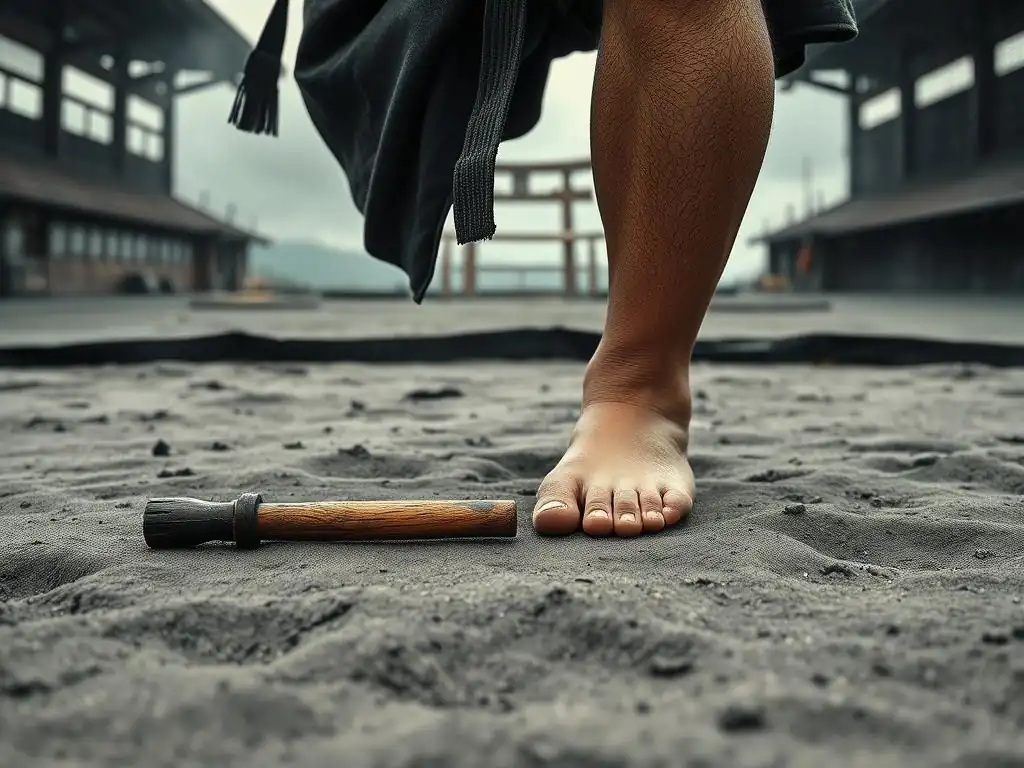
The Rise of Dedicated Sumo Wrestling Venues
The Edo period (1603-1868) marked a significant turning point in sumo wrestling venue history with the emergence of dedicated, though still often temporary or semi-permanent, arenas in urban centers, most notably Edo (modern-day Tokyo). As sumo became a popular form of entertainment for the common people and a source of revenue through Kanjin-zumō (charity sumo) tournaments, organizers sought more suitable locations than open fields. Temples and shrines, with their large open grounds, became popular sites for these tournaments, offering space for both the ring and a growing number of spectators.
This period saw the construction of temporary seating structures around the dōhyō to accommodate paying audiences. While these venues were not built solely for sumo, they were specifically adapted for tournaments, featuring not just the ring but also facilities for wrestlers and officials. The transition towards using specific sites repeatedly for sumo events, like the grounds of Ekoin Temple, signaled a move towards more formalized sumo wrestling venues, distinct from the impromptu settings of earlier eras.
Architectural Evolution: From Simple Platforms to Grandstands
The architectural evolution of sumo wrestling venues during the Edo period progressed from simple, open-air rings to incorporating more complex structures for spectators. Initially, audiences would stand or sit on the ground around the dōhyō. As popularity grew, temporary wooden grandstands (sajiki) began to be erected, offering tiered seating and better views, particularly for wealthier patrons. These structures were often disassembled after the tournament, but their increasing sophistication reflected the sport's commercial growth.
Further architectural development included the addition of roof structures over the dōhyō, initially simple coverings to protect from the elements, evolving into the elaborate, suspended tsuriyane mentioned earlier. The temporary arenas became more enclosed, sometimes using fences or walls to control access and manage crowds, a necessity as thousands began attending events. This gradual shift in sumo wrestling venue history demonstrates the adaptation of physical spaces to meet the demands of a professionalizing sport and its expanding audience.
Ekoin Temple Sumo Grounds in Edo (Tokyo)
Ekoin Temple in Edo was one of the most historically significant sumo wrestling venues during the Edo period. From the mid-18th century onwards, it became the primary location for official Kanjin-zumō tournaments in the city. The temple grounds provided ample space for the dōhyō, temporary seating for thousands of spectators, and the necessary infrastructure for holding multi-day events. The consistent use of Ekoin established a central hub for sumo in Edo, contributing significantly to the sport's organization and popularity.
Tournaments at Ekoin were major public events, drawing large crowds from all social strata. The temporary arenas built there became increasingly elaborate over time, featuring distinct seating sections and other facilities. The history of sumo wrestling venues in Edo is inextricably linked with Ekoin Temple, which served as the de facto national sumo arena for over a century, hosting legendary rikishi and shaping the format of professional sumo as we know it today.
The Ryōgoku Kokugikan: A Symbol of Sumo's Modern Era
The History of the Ryōgoku Kokugikan: Construction and Significance
The Ryōgoku Kokugikan is the preeminent sumo wrestling venue in Japan and a powerful symbol of the sport's modern era. The first building bearing the name Kokugikan was completed in 1909 in the Ryōgoku district of Tokyo, specifically designed as a dedicated, permanent sumo arena. This marked a major departure from the temporary venues used previously. This initial structure, made of steel and concrete, had a large capacity, estimated at around 13,000 spectators, a significant increase from the temporary stands at Ekoin.
The current Ryōgoku Kokugikan is the third building to stand on or near the original site, completed in 1985. Its construction solidified Ryōgoku as the spiritual home of professional sumo. The Kokugikan hosts three of the six annual top-division sumo tournaments (Hatsu Basho in January, Natsu Basho in May, and Aki Basho in September), making it the most important site in the professional sumo calendar. Its existence represents the formal institutionalization and modernization of sumo, providing a stable and grand setting for the sport's premier events and serving as the headquarters for the Japan Sumo Association.
Architectural Features of the Kokugikan and Their Symbolic Meaning
The Ryōgoku Kokugikan's architecture blends modern construction with traditional sumo elements, reflecting the sport's heritage. The most prominent feature is the suspended roof (tsuriyane) hanging over the dōhyō. While in older venues this was a physical roof, in the modern Kokugikan it is a replica of a Shinto shrine roof, weighing several tons and suspended from the ceiling. This maintains the tradition of the dōhyō being under a sacred canopy, reinforcing its spiritual significance.
The seating arrangement in the Kokugikan includes traditional box seats (masu-seki) on the ground floor, where spectators sit on cushions, replicating the experience of older arenas, alongside modern stadium-style seating in the upper tiers. The building also houses a sumo museum, training facilities, and offices for the Sumo Association, making it a comprehensive center for the sport. The design elements, from the dōhyō itself to the tsuriyane and seating, are carefully chosen to honor the long sumo wrestling venue history while providing a modern, comfortable experience for thousands of fans.
The Kokugikan as a Center for Sumo Culture and Tradition
Beyond hosting major tournaments, the Ryōgoku Kokugikan serves as the primary center for sumo culture and tradition. It is where new rikishi have their first official matches and where retirement ceremonies (danpatsu-shiki) for prominent wrestlers are held. The Sumo Museum within the building houses artifacts, woodblock prints, and other historical items tracing the history of sumo, including aspects of sumo wrestling venue history.
The atmosphere within the Kokugikan during a tournament is steeped in tradition, from the entrance ceremony (dohyō-iri) performed by the wrestlers to the unique calls of the yobidashi (sumo announcers) and the rituals performed by the gyōji (referees). The building acts as a living repository for these customs, ensuring they are passed down through generations. Its role extends beyond being just a sports arena; it is a cultural landmark that embodies the spirit and continuity of sumo.
Regional Sumo Venues: Exploring Local Arenas and Their History
Sumo Arenas in Osaka: A Regional Perspective
While Tokyo's Ryōgoku Kokugikan is the most famous, regional cities across Japan also have significant sumo wrestling venues, each with its own history and character. Osaka is particularly notable, hosting the Haru Basho (Spring Tournament) in March each year. Historically, sumo in Osaka also took place in temporary venues, often temple grounds, similar to Edo. The city developed its own sumo culture and organizational structures distinct from Tokyo's for periods.
The history of sumo wrestling venues in Osaka reflects the city's importance as a major commercial and cultural center. Over time, the need for a dedicated venue for the annual tournament led to the use of various facilities. The current primary venue for the Haru Basho is the Osaka Prefectural Gymnasium, also known as Edion Arena Osaka, which represents the modern era of regional sumo arenas, capable of hosting large-scale events and accommodating thousands of spectators.
The Unique Characteristics of Regional Sumo Venues
Regional sumo wrestling venues often possess unique characteristics compared to the national Kokugikan. While they adhere to the fundamental requirements of a standard dōhyō, the surrounding architecture and atmosphere can differ. Some older regional venues or those used for smaller, local tournaments might retain more traditional elements or have a more intimate scale. For example, the structure supporting the tsuriyane might vary, or the overall layout might be adapted to the existing building.
These regional arenas play a vital role in maintaining sumo's connection to different parts of Japan. They allow local fans to experience top-level sumo firsthand and help foster regional pride in the sport. While the Ryōgoku Kokugikan is the symbol of national sumo, venues in cities like Osaka, Nagoya, and Fukuoka are crucial pillars supporting the sport's nationwide presence and contribute their own chapters to sumo wrestling venue history.
Osaka Prefectural Gymnasium (Edion Arena Osaka) and its history
The Osaka Prefectural Gymnasium, currently known as Edion Arena Osaka for sponsorship reasons, is the main sumo wrestling venue in Osaka, hosting the annual Haru Basho since 1958 (though it has undergone renovations and rebuilding since then). The original gymnasium was built to provide a modern, large-capacity venue for various sports, including sumo. Its selection as the site for the March tournament solidified its place in Osaka's sumo wrestling venue history.
The gymnasium, like other modern sumo venues outside Tokyo, is a multi-purpose arena adapted for sumo tournaments. While it features a temporary dōhyō constructed specifically for the basho, it lacks some of the permanent, sumo-specific architectural features of the Kokugikan, such as the built-in tsuriyane (a temporary structure is erected for the tournament). Despite this, it serves effectively as a major sumo arena, hosting thousands of fans each spring and continuing Osaka's long tradition of hosting professional sumo tournaments.
The Impact of Sumo Venue Design on the Sport
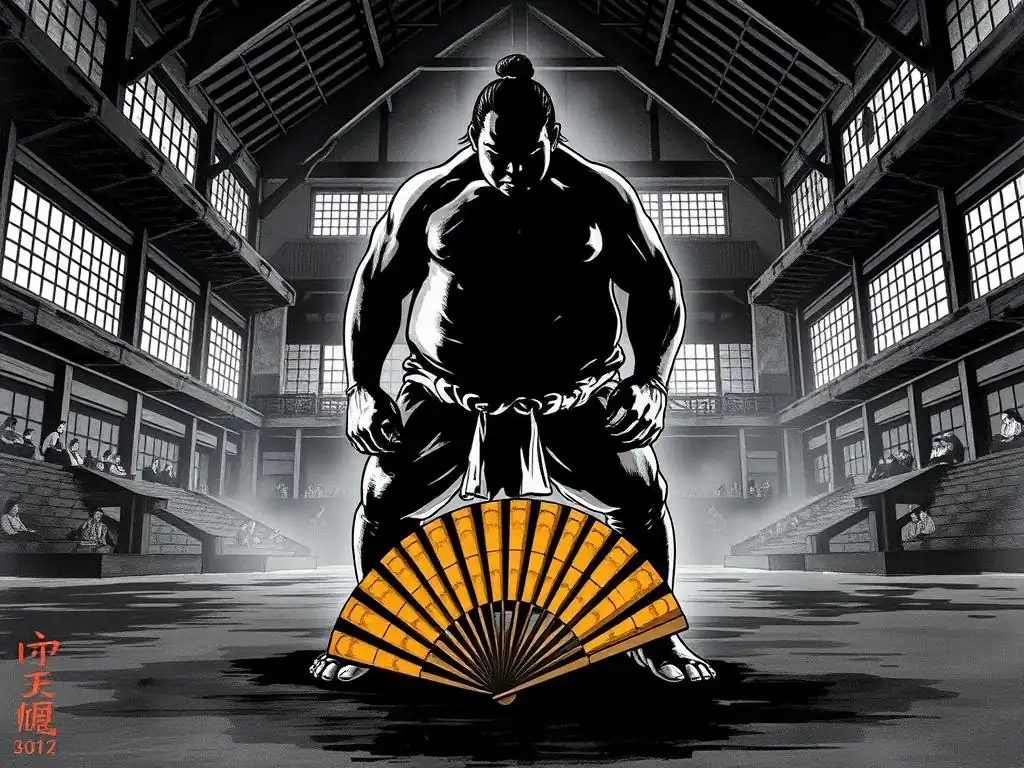
How Venue Design Influences Sumo Matches and Spectator Experience
The design of a sumo wrestling venue significantly impacts both the matches themselves and the spectator experience. The elevated dōhyō, for instance, ensures visibility for a large audience and emphasizes the ritualistic separation of the contest space. The close proximity of the front-row seats (tamari-seki) to the dōhyō allows spectators to feel the power and intensity of the bouts up close, an experience unique to sumo among many sports. The design of the seating, from traditional masu-seki to modern stadium seats, caters to different preferences and price points, making the sport accessible to a wider audience.
Furthermore, the acoustics and overall atmosphere created by the venue's design contribute to the unique sensory experience of attending a sumo tournament. The sound of the rikishi's foot stomps, the clash of bodies, and the shouts of the crowd and officials are amplified within the arena.
The presence of the tsuriyane, the banners (kesshō-mawashi) displayed during the ring-entering ceremony, and the vibrant colors of the gyōji's attire all contribute to the visual spectacle, enhanced by the venue's layout. The historical evolution of sumo wrestling venues has consistently aimed to optimize both the performance space for the wrestlers and the viewing experience for the fans.
The Evolution of the Dōhyō's Construction and Dimensions
The fundamental structure and dimensions of the dōhyō have remained remarkably consistent since the Edo period, a testament to the effectiveness of its design. The standard diameter of 4.55 meters for the ring (hyōjō) and the use of fifteen straw bales (tawara) to mark the boundary have been maintained. However, the construction process itself has seen some evolution. Historically, dōhyō were built directly on the ground, often outdoors. The practice of elevating the dōhyō on a packed clay platform became standard to improve visibility and emphasize the sacred nature of the space.
The height of the dōhyō platform, typically 34-60 cm, is crucial for allowing spectators to see the action clearly. The materials used, primarily a specific type of clay, have also been standardized. While the core elements are traditional, modern techniques are employed to ensure the stability and consistency of the dōhyō construction for each tournament, a process that takes several days and skilled builders (yobidashi). This blend of tradition and practicality defines the evolution of the dōhyō within sumo wrestling venue history.
Details on the use of specific clay types and straw bales in Dōhyō construction
The construction of the dōhyō is a highly ritualized and skilled process, central to preparing any sumo wrestling venue. The platform is built using a specific type of clay known as arado, which is known for its binding properties when mixed with water. This clay is sourced from specific regions in Japan and transported to the venue. It is meticulously packed down layer by layer to create a firm, stable, and slightly resilient surface that can withstand the immense forces generated by two large wrestlers.
The ring boundary is marked by fifteen straw bales ( tawara), each weighing around 100 kilograms. These bales are partially embedded into the top surface of the clay platform, leaving a small portion exposed to create the distinct edge of the ring.
Four additional bales are placed just outside the ring's corners, serving as stability points for the shikiri-sen (toe lines) and providing a visual reference for the wrestlers. The selection and placement of these specific materials are steeped in tradition and are essential for the integrity and symbolic meaning of the sumo ring, reflecting centuries of sumo wrestling venue history.
Sumo Venues Beyond Japan: International Expansion and Adaptation
Sumo Wrestling Venues in Hawaii
Sumo has a notable history outside of Japan, particularly in Hawaii, which has a large population of Japanese ancestry and has produced several prominent sumo wrestlers, including legendary yokozuna like Akebono, Musashimaru, and Konishiki. While not possessing permanent, dedicated sumo stadiums on the scale of the Ryōgoku Kokugikan, Hawaii has hosted professional sumo tournaments and exhibitions in various venues. These events often take place in multi-purpose sports arenas adapted for sumo, such as the Neal S. Blaisdell Center in Honolulu.
Hosting sumo in Hawaii requires constructing a temporary dōhyō within an existing facility. This involves importing the necessary clay and materials or sourcing suitable local alternatives, and employing skilled builders familiar with traditional dōhyō construction methods. The adaptation of standard sports arenas into temporary sumo wrestling venues highlights the portability of the core elements of the sport's required space, while also presenting logistical challenges in replicating the specific conditions found in Japan.
Adapting Sumo Venue Design to Different Cultural Contexts
When sumo is presented in international settings, the adaptation of venue design goes beyond just constructing a dōhyō. It often involves adjusting the overall presentation to resonate with a non-Japanese audience while preserving the essential elements of the sport. While the dōhyō dimensions and construction remain largely consistent out of necessity for fair competition, aspects like seating arrangements, explanations of rituals, and surrounding cultural displays might be modified.
For example, venues might primarily feature standard stadium seating rather than traditional masu-seki boxes. Information about sumo rituals and rules is often provided in local languages, sometimes through commentary or printed materials. The challenge in adapting sumo wrestling venues internationally is to create a space that is functional for the sport and provides an authentic experience, while also being accessible and understandable to a new audience, balancing tradition with the practicalities of a different cultural context.
Sumo Hall in Honolulu, Hawaii: Challenges and Adaptations
While there isn't a permanent building officially named "Sumo Hall" in Honolulu specifically dedicated to professional sumo tournaments on a regular basis like the Kokugikan, the concept of creating a dedicated space for sumo in Hawaii has been explored. When professional sumo tours visit Hawaii, they typically use large existing indoor arenas like the Stan Sheriff Center or the Neal S. Blaisdell Center. The primary challenge is the temporary construction of the dōhyō, which requires significant effort and resources, including sourcing and preparing the specific clay and straw bales.
Adapting these multi-purpose venues involves not just building the ring but also setting up temporary facilities for the wrestlers, officials, and the intricate rituals that accompany the sport. This includes space for the yokozuna's pre-match ceremonies and the presentation of sponsors' banners. The successful hosting of professional sumo in Honolulu over the years, despite the lack of a permanent dedicated sumo wrestling venue, demonstrates the sport's ability to adapt its physical requirements to different environments, relying on skilled personnel to recreate the essential elements of the traditional arena.
The Future of Sumo Venues: Innovation and Preservation
Modernization and Technological Advancements in Sumo Arena Design
The future of sumo wrestling venues presents opportunities for modernization and the integration of technological advancements, particularly in existing structures like the Ryōgoku Kokugikan or in the design of potential new venues. While the core elements of the dōhyō and the sacred space are likely to be preserved due to their deep cultural significance, surrounding facilities and spectator experiences could benefit from modern technology. This might include enhanced digital displays for scores, wrestler information, and replays, improved sound systems, and better climate control and ventilation within the arena.
Furthermore, technological advancements could be applied to aspects like crowd management, security, and broadcast capabilities, making the venues safer and more efficient for large events. While the dōhyō construction remains a traditional craft, research into materials science could potentially explore ways to ensure the consistency and longevity of the clay surface while adhering to traditional requirements. The goal is to enhance the functionality and comfort of sumo wrestling venues without compromising the traditional essence of the sport's performance space.
Preserving the Traditional Elements of Sumo Venues
Despite potential modernization, the preservation of traditional elements is paramount for the future of sumo wrestling venues. The dōhyō itself, with its specific materials, dimensions, and construction rituals, must remain at the heart of the arena. The suspended tsuriyane and its symbolic representation of a Shinto shrine roof are also integral to the spiritual atmosphere of professional sumo. These elements are not merely decorative; they are fundamental to the identity and meaning of the sport.
Future developments in sumo wrestling venue history will need to carefully balance the introduction of modern amenities with the need to maintain the traditional look and feel of the space. This includes preserving the unique seating arrangements like masu-seki where possible, and ensuring that any technological additions are integrated seamlessly so as not to detract from the focus on the dōhyō and the rituals performed there. The challenge lies in evolving the venue to meet modern expectations while safeguarding the centuries-old traditions that define sumo.
Potential integration of renewable energy and sustainable materials in future Kokugikan renovations
Considering growing global awareness regarding environmental sustainability, future renovations or potential new sumo wrestling venues, including the Ryōgoku Kokugikan, could explore the integration of renewable energy sources and sustainable building materials. For instance, solar panels could be installed on the large roof area of the Kokugikan to offset some of the building's significant energy consumption, particularly during tournaments when lighting and climate control systems are heavily utilized.
The use of more sustainable materials in non-dōhyō construction elements, such as recycled materials for seating structures or energy-efficient glazing, could also be considered. While the traditional clay and straw bales for the dōhyō itself are likely irreplaceable due to ritual and functional requirements, other parts of the building could be constructed or renovated with environmental impact in mind. This approach would allow sumo wrestling venues to embrace modern environmental values while continuing to host the sport's deeply traditional events, demonstrating a commitment to both cultural heritage and future sustainability.
Frequently Asked Questions
What were the earliest venues for Sumo wrestling matches?
Early Sumo wrestling often took place in open-air spaces like temple grounds, shrines, and even public squares. These makeshift arenas provided a flexible and accessible setting for the sport's development.
How did the move to dedicated Sumo venues impact the sport?
The shift to dedicated venues, such as permanent dohyō (Sumo rings) and eventually indoor arenas, allowed for greater control over the environment, improved spectator comfort, and increased the sport's professionalism.
What is the significance of the Ryōgoku Kokugikan in Sumo history?
The Ryōgoku Kokugikan is considered the spiritual home of Sumo wrestling, a purpose-built arena that has hosted countless tournaments and become synonymous with the sport's traditions and prestige. It's a national icon.
How did the physical design of Sumo venues evolve over time?
Sumo venues evolved from simple rings marked on the ground to more elaborate structures with raised platforms, roofs for protection, and eventually, large indoor arenas equipped with modern amenities for both wrestlers and spectators.
Why is understanding Sumo venue history important?
Understanding the history of Sumo venues provides insight into the sport's cultural evolution, how it transitioned from informal gatherings to a highly organized and nationally revered spectacle, and how the venues themselves shaped the Sumo experience.
Okay, here's a final reflection designed to close your article "Historical Sumo Venues: From Open Fields to the Ryōgoku Kokugikan," optimized for the keyword "Sumo wrestling venue history" and following the structure you provided:
Final Reflection: Echoes of the Dohyo
The journey through Sumo wrestling venue history reveals more than just architectural evolution; it showcases the enduring spirit of a sport deeply intertwined with Japanese culture. From humble beginnings in open fields to the iconic Ryōgoku Kokugikan, each venue reflects a chapter in sumo's rich narrative, a testament to its resilience and continued relevance in the modern world.
The evolution of sumo venues mirrors the evolving relationship between tradition and modernity. Witnessing this transformation, from makeshift rings to grand arenas, underscores the profound connection between the sport and its audience, a connection that transcends generations. Sumo is not just a sport; it is a living embodiment of Japanese values and traditions.
This quote encapsulates the enduring power of sumo, a power amplified by the sacred spaces where these battles unfold.
As we reflect on the historical trajectory of sumo venues, let us consider the future of this ancient sport. How can we ensure that these spaces continue to honor tradition while embracing innovation? Let us carry forward the legacy of the dohyo, preserving its sanctity and inspiring future generations of rikishi and fans alike.
Unleash Your Inner Sumo Fan: Step into the Ring!
Thank you for diving into the fascinating world of sumo history with us! We hope you've enjoyed learning about the evolution of sumo venues and gained a new appreciation for this incredible sport. Now, it’s time to take your sumo passion to the next level:
- Experience the energy firsthand: Plan a visit to the Ryōgoku Kokugikan during a tournament!: This is the ultimate way to connect with the history and tradition you've just read about.
- Delve deeper into the archives: Explore online resources and documentaries to uncover even more about the evolution of sumo venues and the sport's rich heritage.
- Share your newfound knowledge: Spark conversations with friends and family about the historical venues and the significance of sumo wrestling.
Ready to experience the roar of the crowd and the thunderous clash of the rikishi? Which historical aspect of sumo venues resonates most with you, and how might it shape your experience if you visit the Kokugikan?