
Why Choose Sambo? The Unique Advantages of this Russian Martial Art


Welcome to Martial Arts Mastery, your ultimate guide to the world's fighting traditions. Ever wondered what makes Sambo stand out from the crowd? This Russian martial art offers a unique blend of grappling, throws, and striking, providing a comprehensive skillset. Discover the surprising Sambo benefits for beginners and why it might just be the perfect discipline for you. Prepare to delve into the practical advantages and foundational principles that make Sambo a compelling choice – and find out what all the buzz is about!
- Why Choose Brazilian Jiu-Jitsu? The Unique Advantages of this Ground Fighting Art
- Introduction to Brazilian Jiu-Jitsu: A Comprehensive Overview for Beginners
- Unveiling the Core Benefits of Brazilian Jiu-Jitsu Training
- BJJ Training: A Deep Dive into Techniques and Strategies
- BJJ vs. Other Martial Arts: A Comparative Analysis
- The Mental and Personal Development Benefits of BJJ
- Starting Your BJJ Journey: A Beginner's Guide
- Is BJJ Right For You? Addressing Common Concerns
- Conclusion: Embracing the Unique Advantages of BJJ
-
Frequently Asked Questions
- What are the primary benefits of Sambo for beginners?
- Is Sambo suitable for someone with no prior martial arts experience?
- What are the main differences between Sambo and other grappling arts like Judo or Brazilian Jiu-Jitsu?
- What kind of physical conditioning can I expect to gain from training in Sambo?
- Where can I find reputable Sambo schools or instructors to begin training?
- Final Reflection: Embracing the Sambo Spirit
- Unleash Your Inner Sambo Warrior!
Why Choose Brazilian Jiu-Jitsu? The Unique Advantages of this Ground Fighting Art
Introduction to Brazilian Jiu-Jitsu: A Comprehensive Overview for Beginners
What is Brazilian Jiu-Jitsu and its Origins? Exploring the Art of Leverage
Brazilian Jiu-Jitsu, often abbreviated as BJJ, is a martial art and combat sport focused on grappling, particularly ground fighting. Its core philosophy revolves around the principle that a smaller, weaker person can successfully defend against a bigger, stronger assailant by using proper technique, leverage, and taking the fight to the ground. Once on the ground, BJJ practitioners utilize joint locks and chokeholds to subdue their opponent.
Unlike striking arts, the emphasis is on controlling the opponent's body position and forcing a submission rather than relying on physical power or striking force. This makes BJJ uniquely accessible and effective for individuals of all sizes and strengths.
The origins of Brazilian Jiu-Jitsu trace back to early 20th century Brazil. Carlos Gracie, the eldest son of Gastão Gracie, was taught Judo by Mitsuyo Maeda, a renowned Japanese Kodokan Judo expert who had emigrated to Brazil. Maeda had also trained in various forms of classical Japanese Jujutsu.
Carlos Gracie then adapted and refined these techniques, focusing heavily on ground fighting, leverage, and submissions, often testing them in real-world challenges and 'vale tudo' (anything goes) fights. His brothers and sons, notably Hélio Gracie, who was physically frailer, further adapted the techniques to emphasize leverage and minimize reliance on strength, solidifying the distinct style that became known as Brazilian Jiu-Jitsu. This adaptation for smaller practitioners remains a cornerstone of its appeal.
BJJ's Key Distinctions: Judo, Wrestling, and Other Grappling Arts
While sharing roots with Judo and common ground with various forms of Wrestling, BJJ possesses key distinctions. Judo, from which BJJ largely evolved, places a primary emphasis on standing techniques, focusing on throws and takedowns to bring an opponent to the ground, followed by pins or submissions. BJJ, conversely, prioritizes the ground phase.
While takedowns are part of BJJ, the vast majority of training and sparring time is dedicated to positional control, transitions, and submissions once the fight is on the mat. This difference in focus leads to distinct strategies and techniques, with BJJ developing a far deeper and more complex system of ground positions and submissions compared to traditional Judo.
Compared to Wrestling (such as Folkstyle, Freestyle, or Greco-Roman), BJJ's objectives and techniques also diverge significantly. Wrestling primarily focuses on takedowns and maintaining control through pins to score points or secure a fall (pinning both shoulders to the mat). Submissions are generally illegal in most competitive wrestling formats. BJJ, however, considers achieving a submission the ultimate goal.
While positional control also scores points in BJJ competitions, these positions are primarily stepping stones to securing a submission. This focus on submissions cultivates a different set of skills and strategies centered around manipulating joints and applying chokes, which are not core components of competitive wrestling. Other grappling arts like Sambo or Catch Wrestling also feature submissions and groundwork, but BJJ's intricate guard system and hierarchical positional structure are often considered its most unique and developed aspects.
Unveiling the Core Benefits of Brazilian Jiu-Jitsu Training
BJJ Benefits for Beginners: A Martial Art for All Skill Levels
Brazilian Jiu-Jitsu offers numerous benefits for beginners, making it an excellent choice for those new to martial arts or physical training. One of the most significant advantages is its emphasis on technique over brute force. This means that even individuals with no prior athletic experience or those who feel physically disadvantaged can quickly learn and apply BJJ principles effectively.
Beginners are typically introduced to fundamental movements, basic positions, and simple escapes and submissions, building a solid foundation without needing exceptional strength or speed. The learning curve is structured, allowing practitioners to progress at their own pace, making it less intimidating than arts that heavily rely on striking power or acrobatic movements.
Furthermore, BJJ training fosters a growth mindset crucial for beginners. The process of learning BJJ involves constantly encountering challenges, whether it's failing to execute a technique, getting submitted during sparring, or facing more experienced partners. This constant problem-solving environment teaches patience, perseverance, and humility. Beginners learn to analyze mistakes, adapt their strategies, and celebrate small victories, developing resilience that extends far beyond the mats. Many beginners report significant improvements in their ability to handle frustration and approach complex problems after only a few months of consistent training, highlighting the mental benefits alongside the physical ones.
Improved Physical Fitness: Strength, Endurance, and Flexibility Through BJJ
Consistent BJJ training is a comprehensive workout that significantly improves physical fitness across multiple dimensions. The dynamic nature of grappling engages nearly every muscle group, particularly focusing on core strength, grip strength, and the muscles of the back and legs. Techniques like bridging, shrimping, and hip escapes build functional strength and body control.
While not a primary focus, BJJ training involves periods of intense exertion followed by periods of strategic positioning, developing both anaerobic and aerobic endurance. A typical BJJ class involves warm-ups, drilling techniques, and sparring, which can elevate heart rate and improve cardiovascular health similarly to other intense physical activities.
Beyond strength and endurance, BJJ training also enhances flexibility and mobility. The intricate movements required for escaping positions, applying submissions, or maintaining guard necessitate a significant range of motion in the hips, shoulders, and spine. While not a stretching class, the constant pushing, pulling, twisting, and contorting involved in grappling naturally improves flexibility over time.
For example, maintaining a closed guard requires hip flexibility, while executing an armbar demands shoulder and elbow mobility. Many practitioners find that their overall body awareness and control improve dramatically, contributing to reduced risk of injury in daily life and other physical activities. Studies on combat sports athletes, while not always specific to BJJ alone, often show participants exhibiting high levels of strength, endurance, and flexibility relative to the general population.
Practical Self-Defense Skills: Mastering BJJ for Real-World Situations
Brazilian Jiu-Jitsu is widely regarded as one of the most effective martial arts for real-world self-defense, particularly in scenarios where the encounter goes to the ground. Statistics vary, but some studies and expert analyses suggest that a significant percentage of physical altercations end up on the ground, whether initiated by a takedown or simply a stumble. BJJ provides individuals with the skills to control an opponent in this vulnerable position, neutralize their ability to strike effectively, and apply techniques that can end the confrontation without necessarily causing severe injury, such as positional control or non-damaging submissions.
The core principle of BJJ's self-defense efficacy lies in its ability to allow a smaller, weaker individual to defend against a larger, stronger attacker. By utilizing leverage and technique, a BJJ practitioner can negate an opponent's size and strength advantages. For instance, techniques like the guard allow a person on their back to control the distance and posture of an attacker on top, preventing strikes and setting up sweeps or submissions.
Escapes from dominant positions like mount or side control are crucial for survival. While BJJ focuses on ground fighting, training also includes basic takedown defense and understanding how to safely get to the ground on one's own terms if necessary. This focus on controlling the opponent and ending the threat through submission or control makes BJJ a highly practical self-defense system for a wide range of situations.
BJJ Training: A Deep Dive into Techniques and Strategies
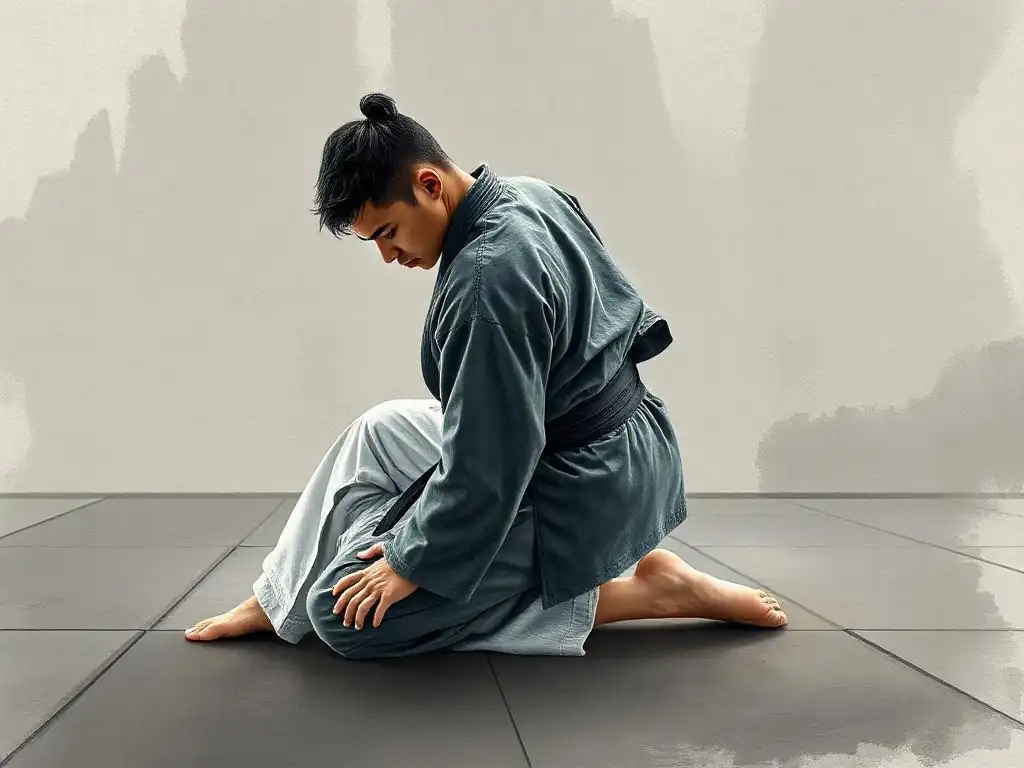
The Art of Guard Passing: Understanding BJJ's Unique Positions and Transitions
In Brazilian Jiu-Jitsu, the "guard" is a fundamental and unique position where one practitioner uses their legs to control the distance and position of their opponent, typically when they are on their back or seated and the opponent is standing or kneeling in front of them. Guard passing is the offensive strategy used by the person outside the guard to get past the opponent's legs and achieve a dominant control position, such as side control, mount, or back control.
This involves a complex interplay of posture, pressure, timing, and movement. There are numerous types of guards, each requiring specific passing strategies, from the simple closed guard where the legs are wrapped around the opponent's waist, to open guards like the butterfly guard, spider guard, or De La Riva guard, which use hooks and grips to manipulate the opponent's balance and posture.
Mastering guard passing requires understanding the principles behind each guard type and developing a repertoire of techniques to counter them. Pressure passing relies on using weight and body alignment to smash through the opponent's legs, often seen in techniques like the stack pass or knee cut pass. Speed passing focuses on agility and movement to bypass the guard quickly, utilizing techniques like the toreando pass or leg drag.
Reaction-based passing involves forcing the opponent to react in a certain way and then exploiting that reaction, often seen in setups for various passes. A skilled guard passer must be adaptable, able to recognize the type of guard being played against them and select the most effective passing strategy, constantly transitioning and adjusting based on the opponent's defense.
Submissions and Control: A Powerful Aspect of BJJ Ground Fighting
Submissions are the ultimate goal in many BJJ scenarios and competitions, representing techniques that force an opponent to "tap out" due to pain or fear of injury from a joint lock or unconsciousness from a chokehold. BJJ boasts a vast library of submission techniques targeting various joints and the circulatory/respiratory systems.
Joint locks, such as armbars (attacking the elbow), kimuras and Americana (attacking the shoulder), or kneebars and heel hooks (attacking the knee and ankle), leverage the opponent's limbs to extend or twist joints beyond their natural range of motion. Chokeholds, like the rear-naked choke, guillotine choke, or triangle choke, restrict blood flow to the brain or air to the lungs, leading to unconsciousness if not released.
Equally important to submissions is positional control. Before a submission can often be safely and effectively applied, a practitioner must first achieve and maintain a dominant position. Positions like mount (sitting on the opponent's torso), back control (controlling the opponent's back with hooks), and side control (pinning the opponent's side) limit the opponent's movement and ability to defend or escape, creating opportunities for submissions.
Control is also crucial for self-defense, allowing one to neutralize a threat without necessarily needing to apply a submission. The interplay between achieving dominant control and setting up submissions is a cornerstone of BJJ strategy, requiring patience, pressure, and precise technique application.
BJJ Sparring (Rolling): Applying Techniques in a Dynamic Environment
Sparring in Brazilian Jiu-Jitsu is referred to as "rolling." Unlike striking arts where sparring might involve controlled punches and kicks, BJJ rolling is a live, dynamic application of grappling techniques against a resisting opponent. It's where practitioners test the techniques learned during drilling, develop timing, pressure, and problem-solving skills under realistic conditions.
Rolling is not about winning or losing in training, but about learning, experimenting, and improving. The primary rule is simple: if a submission is applied and you cannot escape, you "tap out" (verbally or by tapping your opponent or the mat), signaling the end of that round of sparring to prevent injury.
Rolling is arguably the most critical component of BJJ training. It provides immediate feedback on the effectiveness of techniques and strategies. For instance, a beginner attempting a sweep might find that their timing is off or their grip is weak, leading to failure. By rolling consistently, they learn to adjust, refine their movements, and understand how opponents react.
Rolling also builds exceptional mat awareness, teaching practitioners to anticipate movements, recognize opportunities, and maintain composure under pressure. While challenging and sometimes frustrating, especially for beginners who may get submitted frequently, rolling is essential for truly internalizing BJJ principles and developing functional grappling skills. It is the laboratory where theory meets practice.
BJJ vs. Other Martial Arts: A Comparative Analysis
BJJ vs. Judo: Contrasting Philosophies and Techniques
Brazilian Jiu-Jitsu and Judo share a common ancestor in Japanese Jujutsu and Mitsuyo Maeda's teachings, but they have evolved into distinct disciplines with contrasting philosophies and techniques. Judo, developed by Kano Jigoro, emphasizes throws and takedowns (Nage-waza) and pins (Osae-komi-waza), with ground submissions (Shime-waza and Kansetsu-waza) being a smaller, though still significant, part of the art. The goal in Judo competition is often to score points through successful throws or pins, or to achieve a submission. Standing work and breaking grips are paramount in Judo strategy.
BJJ, as adapted and developed by the Gracie family, shifted the primary focus to ground fighting (Ne-waza). While takedowns are included, the vast majority of training time is dedicated to positional control, escapes, and submissions on the ground. The strategy in BJJ is typically to get the opponent to the ground, pass their guard, gain a dominant position, and apply a submission.
The guard itself, a central element of BJJ, is less developed and utilized differently in Judo. This difference in emphasis means that while a Judoka might excel at throwing an opponent, a BJJ practitioner is typically far more proficient and comfortable in complex ground exchanges and submission applications.
BJJ vs. Wrestling: Examining Different Rule Sets and Strategies
Comparing BJJ to Wrestling (such as Folkstyle, Freestyle, or Greco-Roman) reveals fundamental differences in objectives, techniques, and rule sets. Wrestling's primary goal is to take the opponent down and control them on the mat, often through pins, to score points or secure a fall. Submissions are generally not allowed and attempting them can lead to disqualification. This rule set drives wrestling strategy towards powerful takedowns, scrambles to maintain or gain top control, and maintaining heavy pressure to prevent the opponent from escaping or turning towards them.
Brazilian Jiu-Jitsu, in contrast, views the ground as the primary battleground and submissions as the ultimate aim. While takedowns are a way to get to the ground, the focus immediately shifts to passing the guard, achieving dominant positions, and applying joint locks or chokeholds. The BJJ rule set awards points for achieving certain positions (like mount or back control) but the highest reward is the submission.
This leads to BJJ strategies that prioritize control that facilitates submission attempts, intricate guard play to sweep or submit from the bottom, and a deep understanding of body mechanics for applying leverage-based submissions. The focus on submission arts makes BJJ highly effective in scenarios where ending the fight quickly and decisively through incapacitation is desired.
BJJ vs. Muay Thai: A Comparison of Ground and Striking Approaches
Comparing Brazilian Jiu-Jitsu and Muay Thai highlights the distinct differences between grappling-based and striking-based martial arts. Muay Thai, known as the "Art of Eight Limbs," is a stand-up striking art originating from Thailand, utilizing punches, kicks, elbows, and knee strikes. Its training focuses on developing powerful striking techniques, clinching (stand-up grappling focused on strikes and throws), and conditioning the body to absorb impact. Muay Thai is highly effective in stand-up combat scenarios, capable of inflicting damage and ending a fight through strikes.
BJJ, as previously discussed, is a grappling art focused almost entirely on ground fighting and submissions. Its training involves learning takedowns, ground positions, escapes, and a vast array of submission techniques. BJJ practitioners are highly skilled at controlling opponents on the ground and neutralizing threats through leverage and submissions. In a confrontation between a pure BJJ practitioner and a pure Muay Thai practitioner, the outcome would likely depend on where the fight takes place.
If the fight remains standing, the Muay Thai practitioner has a significant advantage. If the fight goes to the ground, the BJJ practitioner holds the clear advantage. This is why mixed martial arts (MMA) requires fighters to be proficient in both striking and grappling, demonstrating the complementary nature of these different martial arts disciplines.
The Mental and Personal Development Benefits of BJJ
Increased Confidence and Discipline: Building Character Through BJJ
Beyond the physical techniques, Brazilian Jiu-Jitsu training offers profound mental and personal development benefits, notably increased confidence and discipline. The journey in BJJ is marked by consistent challenge and incremental progress. Regularly putting oneself in uncomfortable positions during sparring, facing defeat (getting submitted), and having to persevere through difficult training sessions builds mental toughness.
Each time a practitioner overcomes a technical hurdle, successfully applies a technique under pressure, or endures a tough roll, their self-efficacy and confidence grow. This confidence is not rooted in aggression, but in the quiet assurance that comes from knowing one can handle physically demanding situations and solve complex problems under duress.
Discipline is inherently woven into the fabric of BJJ training. Progress in BJJ is directly tied to consistent effort and dedication. Showing up to class regularly, even when tired or unmotivated, is an act of discipline. Learning and refining complex techniques requires patience and focused repetition.
Adhering to the etiquette of the academy and respecting training partners and instructors reinforces self-control and respect. This cultivated discipline often extends into other areas of life, improving habits, work ethic, and the ability to pursue long-term goals. The structured environment and progressive belt system provide tangible markers of progress, reinforcing the value of consistent discipline.
Stress Relief and Mental Clarity: Finding Balance Through Martial Arts Training
For many practitioners, Brazilian Jiu-Jitsu serves as a powerful form of stress relief and a path to improved mental clarity. The intense physical demands of training provide a healthy outlet for pent-up energy and stress hormones. Stepping onto the mats requires complete focus on the present moment – on techniques, positions, and the movements of one's partner.
This intense focus acts as a form of active meditation, diverting attention away from daily worries and anxieties. The problem-solving aspect of BJJ, constantly analyzing positions and strategizing moves, engages the mind in a challenging yet rewarding way that can provide a mental break from typical stressors.
Furthermore, the physical exertion releases endorphins, which have mood-boosting effects. The combination of physical activity, mental engagement, and the supportive community environment contributes to a significant reduction in stress levels. Many practitioners report feeling calmer, more focused, and better equipped to handle life's challenges after incorporating BJJ into their routine. The clarity gained from the focused intensity on the mats can translate into improved decision-making and a greater sense of control in everyday life.
Joining the BJJ Community: Finding Support and Camaraderie
One of the often-cited but less tangible benefits of BJJ is the strong sense of community and camaraderie found within most academies. BJJ is an inherently collaborative art; you cannot train effectively without partners. This reliance on one another fosters a unique bond. Training partners trust each other with their physical safety during drilling and sparring, creating a foundation of mutual respect. Beginners are often supported and guided by more experienced practitioners, and everyone shares the common goal of learning and improving.
This shared journey, filled with challenges and successes, builds strong friendships. The mat becomes a place where individuals from diverse backgrounds come together, united by their passion for the art. This supportive network provides encouragement during difficult training periods, celebrates achievements, and creates a welcoming social environment. The community aspect makes training more enjoyable, increases motivation to attend class, and provides a valuable support system that extends beyond the walls of the academy.
Starting Your BJJ Journey: A Beginner's Guide
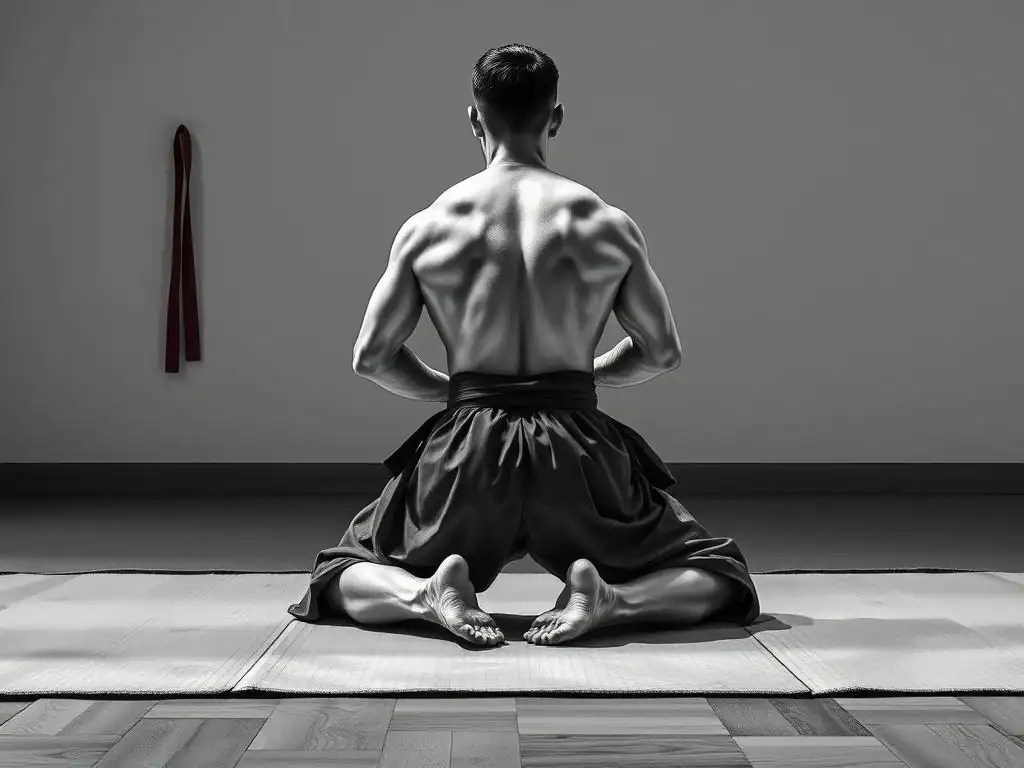
Finding a Qualified BJJ Instructor and Training Facility
Embarking on your Brazilian Jiu-Jitsu journey begins with finding the right place to train. The quality of instruction is paramount, especially for beginners, as proper technique and safety are crucial. Look for an academy with certified instructors, ideally those who have trained under well-regarded BJJ lineages and have significant experience, both in training and teaching. A good instructor should be knowledgeable, patient, and able to explain complex concepts in an understandable way. They should also foster a safe and respectful training environment.
Visiting several academies before making a decision is highly recommended. Look for a clean and well-maintained facility with adequate mat space. Observe a class to get a feel for the teaching style, the intensity of the training, and the general atmosphere among the students. Most academies offer a free trial class or a beginner's introductory program, which is an excellent opportunity to experience the training firsthand and interact with the instructor and students. Don't hesitate to ask questions about the curriculum, class schedule, and pricing.
Essential BJJ Gear: What You Need to Get Started
Getting started in Brazilian Jiu-Jitsu requires minimal specialized gear, making it relatively accessible. The most essential item is the BJJ gi, which is the traditional cotton uniform consisting of a jacket, pants, and a belt. The gi is integral to BJJ techniques, as grips on the fabric are fundamental for control, throws, and submissions. Beginners typically start with a white gi, and your first belt will usually be provided by the academy upon enrollment. Gis vary in weave and weight, but a basic single or double weave gi is perfectly suitable for beginners.
Beyond the gi, a few other items are highly recommended for safety and hygiene. A rash guard is a tight-fitting shirt worn under the gi jacket (and sometimes pants), which helps prevent mat burn and wicks away sweat. A mouthguard is strongly advised, especially for sparring, to protect your teeth and mouth from accidental impacts. For women, a sports bra is necessary. Some practitioners also choose to wear ear guards to prevent cauliflower ear, though this is less common for beginners. Ensure your gi is properly sized and comfortable, as you'll be moving extensively in it.
Setting Realistic Goals and Tracking Your Progress in BJJ
Setting realistic goals is important for maintaining motivation and managing expectations as a beginner in BJJ. Understand that progress in BJJ is measured in months and years, not days or weeks. Initial goals might be as simple as consistently attending classes 2-3 times a week, learning the names of basic positions, or successfully executing a specific fundamental movement like a hip escape without thinking. Avoid comparing your progress to more experienced students; focus on your own journey.
Tracking your progress can be helpful. While the belt system provides macro-level milestones (white, blue, purple, brown, black), daily or weekly progress can be noted by successfully drilling a technique more smoothly, understanding a concept you previously struggled with, or surviving a round of sparring with a higher belt for longer than before. Some practitioners keep a training journal to note techniques learned, concepts discussed, and personal observations from rolling.
Discussing your progress and goals with your instructor is also valuable, as they can provide guidance and feedback based on your performance in class. Remember that consistency is key, and showing up is half the battle.
Is BJJ Right For You? Addressing Common Concerns
BJJ's Adaptability: Suitable for Different Body Types and Fitness Levels
One of the most compelling aspects of Brazilian Jiu-Jitsu is its adaptability, making it suitable for individuals of virtually any body type, age, or current fitness level. Unlike martial arts that might favor speed, strength, or flexibility as prerequisites, BJJ's core reliance on leverage and technique means that physical attributes are secondary to understanding and applying principles correctly. A smaller, lankier person might excel at using their limbs for leverage in open guards, while a larger, stronger person might find success with pressure passing and top control. The art provides strategies and techniques tailored to exploit different physical attributes.
Furthermore, you do not need to be in peak physical condition to start BJJ. Beginners are encouraged to go at their own pace, and the necessary strength, endurance, and flexibility are developed naturally through consistent training. Academies often have students ranging from teenagers to individuals in their 60s or older, reflecting the art's accessibility. The focus is on learning smart movement and applying technique efficiently rather than relying on brute force, which makes it sustainable and effective for a wide demographic.
Overcoming Challenges: Tips for New BJJ Practitioners
Beginning Brazilian Jiu-Jitsu can be challenging, both physically and mentally. New practitioners often face frustration as they struggle to learn complex movements, get submitted frequently during sparring, and experience physical soreness. It's crucial to understand that these challenges are a normal part of the learning process. The first few months are often the steepest part of the learning curve. A key tip is to manage your expectations; focus on learning and surviving, not winning, especially during rolling with more experienced partners. View getting submitted as a learning opportunity – try to understand why it happened.
Consistency is the most important factor in overcoming these initial hurdles. Try to attend class regularly, even on days you don't feel like it. Patience is also vital; mastery of BJJ takes years, not months. Celebrate small victories, such as successfully executing a technique you've been drilling or improving your positional defense. Don't be afraid to ask questions, both of your instructor and more experienced training partners. They have all been beginners themselves and can offer valuable insights and encouragement. Finally, listen to your body and avoid training through injuries; recovery is just as important as training itself.
BJJ for Self-Defense: Defending Against a Larger Attacker
Brazilian Jiu-Jitsu is particularly effective for self-defense against a larger attacker precisely because it minimizes the importance of size and strength. In a standing confrontation, a larger attacker has significant advantages in reach and striking power. However, if the fight goes to the ground, BJJ techniques allow a smaller defender to neutralize these advantages. Techniques like sweeping from the guard enable the smaller person to reverse positions and end up on top, where they can control the opponent and prevent them from striking effectively.
Furthermore, BJJ provides the skills to escape from underneath a larger, heavier opponent who might use their weight to pin. Escapes from mount, side control, and back control are fundamental parts of BJJ training. By understanding body mechanics and leverage, a smaller person can generate enough force and create the necessary space to escape even from someone significantly larger.
While BJJ focuses on the ground, practitioners also learn basic takedown defense to avoid being put in a bad position initially. The ability to control the situation on the ground, escape dominant positions, and apply submissions or maintain control makes BJJ a highly practical and empowering self-defense system, especially when facing a size disadvantage.
Conclusion: Embracing the Unique Advantages of BJJ
The Enduring Legacy of BJJ: A Powerful and Versatile Martial Art
Brazilian Jiu-Jitsu has cemented its place as a powerful and versatile martial art with an enduring legacy. Its effectiveness was dramatically showcased on the world stage with the rise of mixed martial arts (MMA), particularly in the early Ultimate Fighting Championship (UFC) events. Royce Gracie, often outweighed and facing opponents from striking backgrounds, demonstrated the overwhelming advantage of BJJ's ground fighting techniques, forcing submissions and dominating competitors who lacked grappling skills. This proved BJJ's principle that technique and leverage can overcome raw power and size.
Today, BJJ is a fundamental component of MMA training and continues to grow globally as a standalone martial art and sport. Its principles have influenced law enforcement and military hand-to-hand combat training due to its practical application in controlling and subduing individuals without excessive force. The art continues to evolve, with practitioners constantly innovating techniques and strategies, ensuring its relevance and effectiveness in various contexts, from competitive sport to self-defense.
Beyond the Mat: Applying BJJ Principles to Everyday Life
The benefits of training in Brazilian Jiu-Jitsu extend far beyond the physical techniques learned on the mat. The principles and mindset developed through BJJ training are highly applicable to everyday life. The ability to stay calm and think clearly under pressure, honed during sparring, translates to handling stressful situations in work or personal life with greater composure. The problem-solving skills required to analyze positions and find solutions on the mat are directly transferable to tackling complex challenges in other domains.
The discipline and perseverance needed to progress through the ranks and overcome plateaus in BJJ build resilience and a strong work ethic that can benefit any endeavor. Learning to accept failure as a learning opportunity and continuously adapt strategies fosters a growth mindset applicable to career development, personal relationships, and pursuing any long-term goal.
The respect for training partners and instructors, and the camaraderie of the BJJ community, teach valuable lessons about teamwork, humility, and the importance of a supportive network. Ultimately, BJJ is not just about learning how to fight on the ground; it's about developing physical fitness, mental fortitude, and a set of principles that can empower individuals to navigate the challenges of life with greater confidence and resilience.
Frequently Asked Questions
What are the primary benefits of Sambo for beginners?
Sambo offers a well-rounded skillset, combining striking, grappling, and submissions. It emphasizes practical self-defense and improves physical fitness. Beginners can expect increased strength and confidence.
Is Sambo suitable for someone with no prior martial arts experience?
Yes, Sambo is often considered a good starting point, as many clubs offer beginner-friendly programs. The focus on fundamental techniques makes it accessible. Adaptability is a key principle.
What are the main differences between Sambo and other grappling arts like Judo or Brazilian Jiu-Jitsu?
While sharing similarities, Sambo permits leg locks and striking, which are often restricted in Judo. Sambo's emphasis on practical self-defense distinguishes it from BJJ's focus on ground fighting. The uniform (kurtka) is also unique.
What kind of physical conditioning can I expect to gain from training in Sambo?
Sambo training demands a high level of fitness, improving strength, endurance, and flexibility. Expect to develop explosive power and enhanced cardiovascular health. It's a full-body workout.
Where can I find reputable Sambo schools or instructors to begin training?
Look for instructors affiliated with recognized Sambo organizations. Check online directories and martial arts forums. Consider trial classes to assess the school's suitability.
Final Reflection: Embracing the Sambo Spirit
The exploration of Sambo's unique advantages, particularly for beginners, reveals more than just a martial art; it unveils a philosophy of adaptability and resilience. This philosophy, emphasizing both self-defense and personal development, resonates deeply in a world demanding versatility and mental fortitude. Sambo's blend of grappling, striking, and throws offers a comprehensive skillset, making it a relevant and empowering choice for anyone seeking physical and mental mastery in today's complex environment.
The impact of Sambo extends beyond the mat, fostering discipline, respect, and a strong sense of community. Witnessing the dedication of Sambo practitioners, and experiencing even a fraction of its rigorous training, underscores the profound transformative power of this art. The ultimate goal of Sambo is not just to win a fight, but to become a better person.
This sentiment, often echoed within the Sambo community, highlights the art's commitment to holistic growth, shaping individuals who are not only physically capable but also mentally and morally strong.
As you consider the benefits of Sambo, remember that the journey of a thousand miles begins with a single step. Embrace the challenge, explore the depths of this dynamic martial art, and discover the strength and resilience within yourself. Let Sambo be more than just a sport; let it be a catalyst for personal growth, empowering you to navigate life's challenges with confidence and grace.
Unleash Your Inner Sambo Warrior!
Thanks for diving into the world of Sambo with us! We hope you've gained a new appreciation for this unique martial art and its potential to enhance your physical and mental strength. Now, it's time to take the next step and experience the power of Sambo firsthand.
Here are some ways you can continue your Sambo journey:
- Find a local Sambo school or instructor and sign up for a trial class. Experience the throws, grappling, and submissions firsthand!
- Explore the history of Sambo by reading biographies of its founders, like Viktor Spiridonov and Vasili Oshchepkov, to deepen your understanding of its roots.
- Share this article with your fellow martial arts enthusiasts and start a conversation about the benefits of integrating Sambo techniques into their training.
Ready to experience the dynamism and effectiveness of Sambo in your own training?