
What It's Like to Compete in a Kyokushin FullContact Tournament

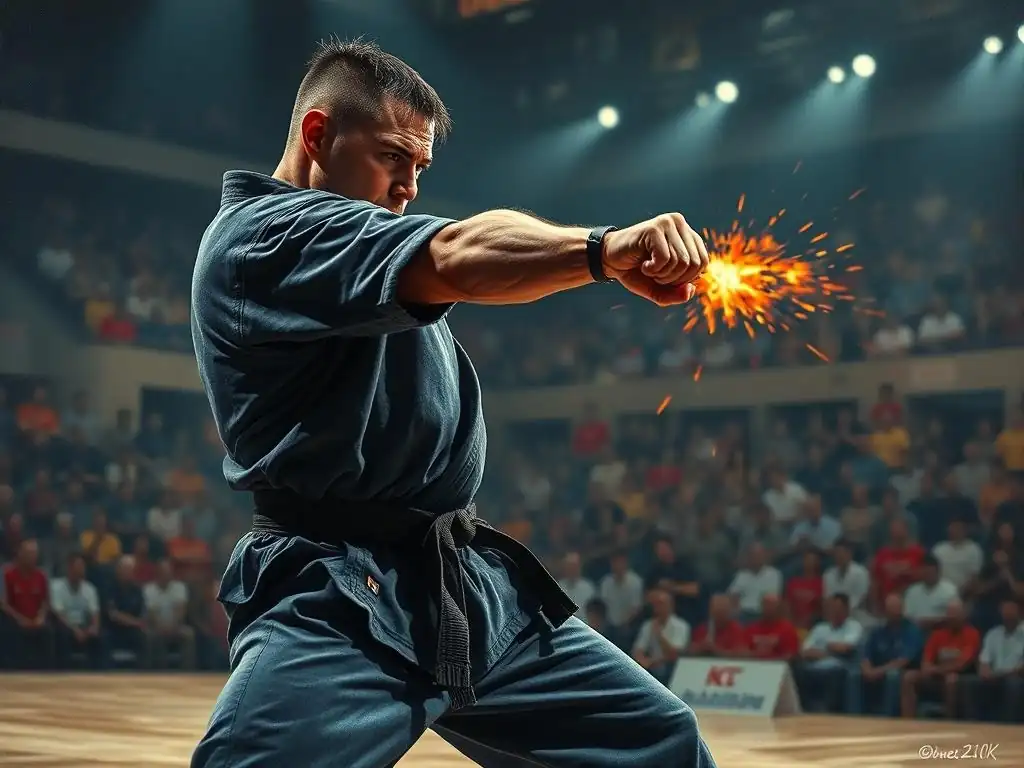
Welcome to Martial Arts Mastery, where we delve into the heart and soul of combat traditions worldwide. Ever wondered what it truly feels like to step into the arena of a Kyokushin full contact tournament? Beyond the sweat and the striking, lies a unique test of spirit and skill. Discover firsthand the intense challenges and profound experiences that await those who dare to compete – and prepare to question everything you thought you knew about martial arts. Intrigued? Then let's begin...
- Competing in the All American Open Kyokushin Karate Tournament
- Preparing for the All American Open Experience
- The Day of the All American Open
- Stepping into the Ring: The Kyokushin Fight
-
The Aftermath: Reflecting on the Tournament
- Victory and Defeat: Learning from the Outcome
- Physical Recovery: Addressing Injuries and Recovery
- Mental Processing: Lessons Learned
- The Kyokushin Community: Bonds Forged in Competition
- Applying Lessons to Future Training: Continuous Improvement
- Post-Tournament Review with Sensei: Identifying Areas for Growth
- The All American Open: Beyond the Physical
-
Frequently Asked Questions
- What makes a Kyokushin full contact tournament different from other martial arts competitions?
- What kind of physical conditioning is essential for competing in a Kyokushin full contact tournament?
- What are some common strategies employed by fighters in a Kyokushin full contact tournament?
- How does the mental aspect of competition impact performance in a Kyokushin full contact tournament?
- What are the potential risks and rewards of participating in a Kyokushin full contact tournament?
- Final Reflection: Embracing the Kyokushin Spirit
- Unleash Your Inner Kyokushin Spirit!
Competing in the All American Open Kyokushin Karate Tournament
Competing in a Kyokushin full contact tournament is a profound test of mind, body, and spirit. The All American Open, held annually in New York, stands as one of the premier events in the Kyokushin calendar, attracting competitors from across the globe. Participants step onto the tatami not just to fight, but to embody the principles of Osu – perseverance, patience, and respect. This event offers a true Kyokushin full contact tournament experience, pushing individuals to their limits in front of a passionate audience and under the watchful eyes of experienced judges.
The journey to the All American Open Kyokushin Karate Tournament is often long and demanding, starting months, sometimes even years, before the event date. It involves rigorous physical training, intense mental preparation, and a deep understanding of the specific rules governing this unique style of full contact karate. Every aspect of a fighter's life becomes geared towards this single goal, transforming daily routines into a dedicated pursuit of readiness. The commitment required highlights the serious nature of participating in such a high-level competition, making the Kyokushin full contact tournament experience a significant undertaking.
Preparing for the All American Open Experience
Preparation for a Kyokushin full contact tournament is multifaceted, encompassing physical conditioning, mental fortitude, and a thorough knowledge of the rules. Athletes dedicate countless hours to honing their techniques, building stamina, and hardening their bodies to withstand the impact inherent in full contact kumite. This phase is critical, laying the groundwork for performance and resilience on the tournament day. Without comprehensive preparation, even the most skilled practitioner would struggle against the demands of Kyokushin competition.
The specific requirements of the All American Open, like other IKO tournaments, necessitate tailored training. Competitors often focus on explosive power, core strength, and cardiovascular endurance, essential for delivering powerful techniques and maintaining a high pace over multiple rounds. Understanding the unique challenges of a Kyokushin full contact tournament experience informs every training session, from bag work to sparring drills.
Strength and Conditioning: Building a Foundation for Full Contact
Strength and conditioning are paramount for any competitor aiming to participate in a Kyokushin full contact tournament. Training regimens typically include a mix of weightlifting, plyometrics, and bodyweight exercises designed to build functional strength relevant to striking and absorbing impact.
For instance, many fighters incorporate exercises like squats, deadlifts, and kettlebell swings to build powerful legs and hips for kicks and throws, alongside core work like planks and medicine ball twists for stability and power generation in punches. It's common for serious competitors to train 5-6 days a week, with 2-3 sessions dedicated specifically to strength and conditioning, often lasting 60-90 minutes each, in addition to their karate-specific training.
Beyond raw strength, endurance is vital for the multi-round format of Kyokushin kumite. Athletes engage in extensive cardiovascular training, including long-distance running, sprints, and high-intensity interval training (HIIT). Sparring sessions themselves become conditioning drills, pushing fighters to maintain technique and power while fatigued. Many dojos incorporate circuit training that mimics the demands of a fight, rotating through various exercises like burpees, push-ups, and kicking drills with minimal rest, often for rounds mirroring the tournament duration (e.g., 2-minute rounds). This comprehensive approach ensures fighters have the physical resilience needed for a challenging Kyokushin full contact tournament experience.
Mental Preparation: Visualization and Focus for Kyokushin Competition
Mental preparation is just as critical as physical training for a Kyokushin full contact tournament. Competitors must cultivate a strong mindset capable of handling pressure, fear, and pain. Visualization is a widely used technique, where fighters mentally rehearse scenarios they might encounter in the ring – from executing specific techniques perfectly to successfully defending against attacks and overcoming adversity. Many spend 10-15 minutes daily practicing visualization, imagining themselves performing confidently and effectively throughout the tournament day, from the weigh-in to the final bow.
Focus is another key element. Fighters learn to block out distractions, both internal (like self-doubt) and external (like crowd noise). Techniques such as meditation, mindfulness exercises, and controlled breathing are often incorporated into training routines to improve concentration and emotional regulation. Developing a strong mushin (empty mind) state, where reactions become instinctive rather than overthought, is a goal for many. This mental discipline is honed through consistent practice, enabling fighters to stay present and react effectively moment-to-moment during the intense environment of a Kyokushin full contact tournament.
IKO Tournament Rules: Understanding the Regulations
Understanding the specific rules of IKO (International Karate Organization) tournaments is non-negotiable for competitors. While Kyokushin is known for its full contact nature, there are strict regulations designed to ensure safety and fair play. Key rules include the prohibition of punches to the face (though head kicks are allowed), strikes to the groin or spine, and joint locks or throws intended to cause injury. Scoring is typically awarded for effective techniques ( waza-ari for half point, ippon for full point/knockout), primarily focusing on body kicks, punches, and head kicks that land with sufficient force and control.
Fights typically consist of a main round (often 2 minutes for adults) followed by extension rounds if there is no clear winner or decision. Fouls like grabbing the gi, pushing the opponent out of the ring repeatedly, or excessive non-contact are penalized. Competitors must be acutely aware of these rules to avoid disqualification and to leverage them strategically. Studying past tournament footage, discussing rule interpretations with instructors, and practicing under tournament conditions with referees present are common ways competitors ensure they are fully prepared for the regulatory aspects of the Kyokushin full contact tournament experience.
The Day of the All American Open
The day of the All American Open Kyokushin Karate Tournament is a whirlwind of activity, emotions, and anticipation. From the early morning registration to the final bows, competitors navigate a structured environment designed to facilitate fair and efficient competition. The atmosphere is electric, filled with the energy of hundreds of fighters, coaches, officials, and spectators. Every moment counts, requiring focus and discipline developed over months of preparation.
Managing the hours leading up to a fight is crucial. It involves more than just physical readiness; it's about maintaining composure, staying hydrated, and keeping the body warm and loose. The unique environment of a major Kyokushin full contact tournament adds layers of complexity, from navigating large crowds to dealing with potential delays in the schedule.
Registration and Weigh-In: The Tournament Begins
The tournament day officially begins with registration and weigh-in, often held early in the morning. Competitors must present their identification and confirm their registration details. For divisions with weight classes, the weigh-in is a critical step. Fighters must make their declared weight, typically stepping onto the scale wearing only their gi pants. Common weight classes for male adults might be under 70kg, 70-80kg, and over 80kg, though these can vary slightly by tournament and organization. Failure to make weight results in disqualification from that specific division.
Following the weigh-in, medical checks are often performed to ensure competitors are fit to participate. This might include checking blood pressure and basic health screening. The process can be lengthy, involving queues and waiting periods, which adds to the pre-tournament tension. Successfully navigating registration and weigh-in provides the first small victory of the day, confirming eligibility and allowing the fighter to focus fully on the upcoming competition rounds in their Kyokushin full contact tournament experience.
The Warm-Up: Preparing for Kumite
A proper warm-up is essential on tournament day to prepare the body for the demands of full contact kumite and minimize the risk of injury. Competitors typically engage in a structured warm-up routine that starts with light aerobic activity, such as jogging or jumping jacks, to increase heart rate and blood flow. This is followed by dynamic stretching, targeting major muscle groups used in striking and movement – hip circles, leg swings, arm rotations, and torso twists are common elements. The goal is to achieve a full range of motion without static holds.
After the initial warm-up, fighters move on to more specific preparation, which may include shadow boxing, practicing fundamental techniques ( kihon) like front kicks ( mae geri), round kicks ( mawashi geri), and straight punches ( seiken tsuki). Some may use focus mitts or pads with a coach or teammate for a few rounds to simulate striking impact and timing.
This comprehensive warm-up process, often lasting 30-60 minutes depending on when the first fight is scheduled, ensures muscles are warm, joints are mobile, and the nervous system is primed for the intense physical activity of a Kyokushin full contact tournament.
Managing Pre-Fight Anxiety: Staying Calm and Focused
Pre-fight anxiety is a common experience for competitors, regardless of their experience level. The adrenaline starts to build, and thoughts about the opponent, potential outcomes, and personal performance can become overwhelming. Managing this anxiety effectively is key to maintaining focus and performing at one's best. Techniques vary among fighters but often include deep breathing exercises, which help to calm the nervous system and center the mind. Taking slow, deliberate breaths can significantly reduce the physical symptoms of anxiety, such as rapid heart rate or shaking.
Another effective strategy is focusing on the process rather than the outcome. Instead of dwelling on winning or losing, competitors concentrate on executing their game plan, focusing on one technique or one round at a time. Listening to calming music, talking with trusted teammates or instructors, and finding a quiet space away from the main crowd can also help. Experienced competitors often accept the presence of nerves as a natural part of the Kyokushin full contact tournament experience, learning to channel that energy into heightened awareness and readiness rather than letting it become debilitating fear.
Stepping into the Ring: The Kyokushin Fight
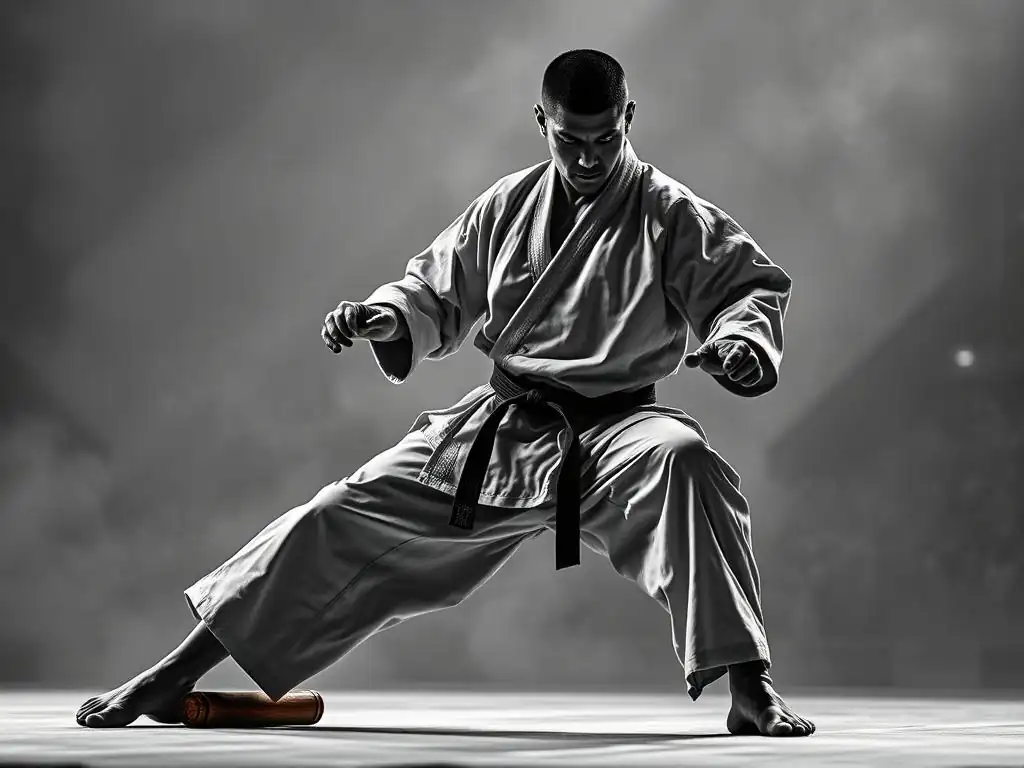
The moment arrives when the competitor's name is called. Stepping onto the tatami is the culmination of months of hard work and dedication. The energy shifts from anticipation to action. The Kyokushin fight is a demanding physical and mental challenge, requiring a combination of technique, power, strategy, and sheer will. Each exchange, each round, tests the fighter's limits.
The experience within the ring is intensely personal yet bound by shared tradition and the presence of opponents, judges, and the spirit of the art. It's where the abstract concept of a Kyokushin full contact tournament becomes a tangible reality of impact, movement, and strategic execution.
Rei: Respect and Tradition
Before any physical exchange begins in a Kyokushin full contact tournament, the ritual of Rei (bowing) is performed. This is not merely a formality but a fundamental expression of respect ingrained in the Budo spirit. Competitors bow upon entering the ring area, symbolizing respect for the space and the tradition of karate. They then face each other and bow, acknowledging the opponent as a fellow practitioner and showing mutual respect before engaging in combat.
Finally, they bow to the judges, recognizing their role in overseeing the match fairly. This series of bows serves to center the competitors, reminding them that even in the intensity of full contact kumite, respect, humility, and the pursuit of self-improvement are paramount. This emphasis on Rei underscores the difference between Kyokushin competition and simple fighting; it is a test of character and spirit as much as physical prowess, defining the respectful nature of the Kyokushin full contact tournament experience.
Initial Exchanges: Gauging Your Opponent's Strengths
The first few moments of a Kyokushin fight are crucial for gauging the opponent's strengths, weaknesses, and preferred tactics. This is often a period of probing, using lighter techniques or testing distance with front kicks ( mae geri) or feints. Competitors observe how their opponent moves, their stance, speed, power, and reaction time. For example, an opponent who quickly counters low kicks might be vulnerable to head kicks after drawing their guard down, while a fighter who relies heavily on forward pressure might be susceptible to circular movements and side kicks ( yoko geri).
These initial exchanges are not just about landing strikes but about gathering information. A fighter might test their opponent's guard with body punches or see how they react to leg kicks. This scouting phase, which might last 30 seconds to a minute depending on the pace, allows a competitor to refine their strategy and adapt their game plan on the fly. Successfully reading the opponent early can provide a significant advantage throughout the rest of the Kyokushin full contact tournament match.
Pain Management: Pushing Through the Tournament
Pain is an inherent part of the Kyokushin full contact tournament experience. Competitors are struck with significant force to the body and legs, and managing pain is a major mental and physical hurdle. The adrenaline rush during a fight often masks the immediate impact, allowing fighters to continue despite receiving powerful blows. However, the cumulative effect of strikes, particularly to the legs ( low kicks), can become debilitating over successive rounds or fights.
Mental toughness ( gaman) is key. Fighters train to absorb impact, strengthening their core and legs through conditioning drills like hitting the makiwara or practicing tameshiwari (breaking). During a fight, they focus on breathing techniques to ride out the initial shock of a blow and compartmentalize the discomfort. While injuries like severe bruising, muscle strains, or even rib fractures can occur, the ability to push through pain while maintaining technique and strategic thinking is a hallmark of a seasoned Kyokushin competitor in a full contact tournament.
Strategy and Adaptation: Adjusting Your Game Plan
While a fighter enters the ring with a planned strategy, the reality of a Kyokushin full contact tournament fight often demands rapid adaptation. Opponents rarely perform exactly as anticipated, and the flow of the match can change quickly based on effective techniques, penalties, or injuries. A fighter might plan to rely on strong body kicks but find their opponent effectively blocking them, necessitating a switch to hand techniques or head attacks.
Adaptation involves constantly assessing the situation: evaluating the opponent's condition, recognizing patterns in their attacks and defenses, and adjusting one's own techniques and movements accordingly. This might mean changing distance, varying the rhythm of attacks, or exploiting an opening that wasn't part of the original plan. Listening to corner advice between rounds is also crucial for receiving external feedback and strategic adjustments from a coach who can observe the fight from a different perspective. The ability to be fluid and responsive is a critical skill in the dynamic environment of a Kyokushin full contact tournament.
Corner Advice: Guidance Between Rounds
Between rounds in a Kyokushin full contact tournament, competitors return to their corner for a brief but vital period of rest, hydration, and advice from their sensei or coach. This interval, typically lasting only 30-60 seconds, is a critical opportunity for strategic adjustment and encouragement. The coach provides feedback on the previous round, pointing out what worked, what didn't, and what the opponent is doing effectively.
Advice is usually concise and actionable: "Keep your guard higher," "Focus on the low kick," "Move to your left," or "Increase the pressure." The coach also assesses the fighter's physical and mental state, offering encouragement and ensuring they are ready to continue. This corner guidance is invaluable, helping the fighter refocus, understand the necessary adjustments, and step back into the ring with renewed purpose and a clearer plan for the next round of the Kyokushin full contact tournament match.
The Aftermath: Reflecting on the Tournament
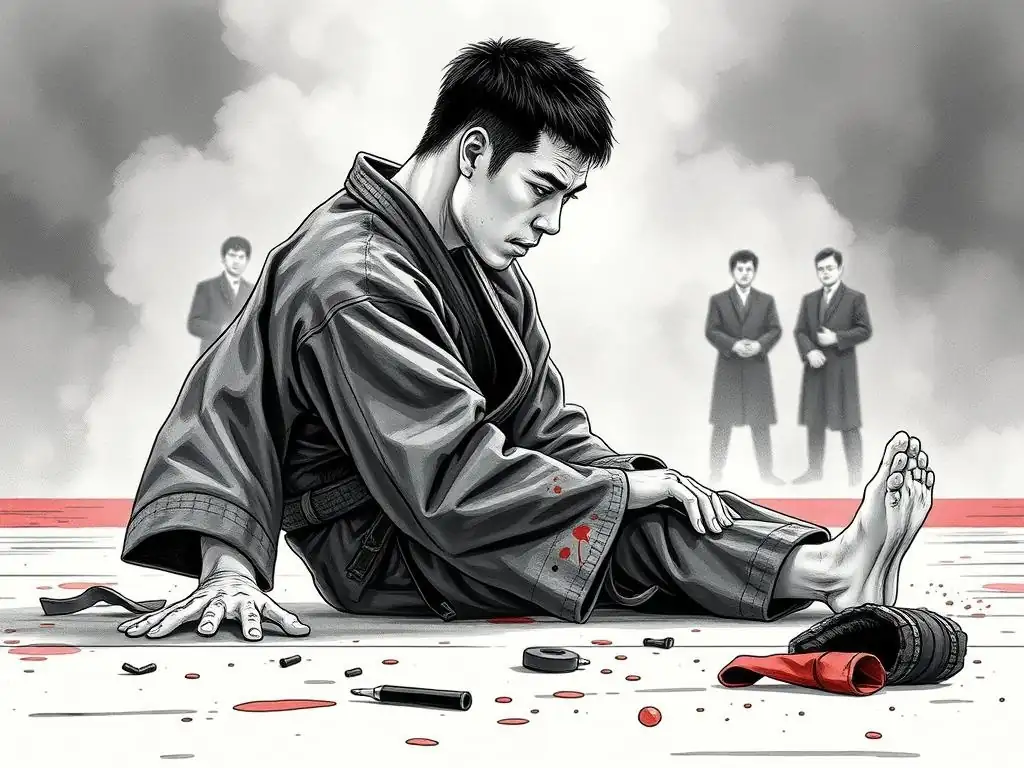
The final bow signals the end of the fight, but the Kyokushin full contact tournament experience is far from over. The immediate aftermath involves showing respect to the opponent and judges, regardless of the outcome. Beyond the results, the period following the competition is crucial for physical recovery, mental processing, and integrating the lessons learned into future training and personal growth.
Whether ending in victory or defeat, a Kyokushin tournament provides invaluable feedback and shapes a competitor's journey. It's a time for reflection, healing, and connecting with the community that shares this challenging path. The insights gained in the ring extend far beyond martial technique, influencing discipline, resilience, and character.
Victory and Defeat: Learning from the Outcome
In a Kyokushin full contact tournament, there are winners and losers in each match, but the true spirit of Budo emphasizes learning from every outcome. A victory is a moment to celebrate the hard work and execution of strategy, but it should also be analyzed to identify areas where performance could still be improved. Was the technique perfect? Were there moments of vulnerability? Maintaining humility in victory is as important as showing grace in defeat.
Defeat, while often painful, is arguably the most significant teacher. It highlights weaknesses that need addressing – perhaps conditioning wasn't sufficient, a specific technique was lacking, or mental focus wavered. Analyzing a loss objectively, without making excuses, provides a clear roadmap for future training. Embracing the lessons from both victory and defeat is fundamental to continuous improvement and embodying the perseverance central to the Kyokushin full contact tournament experience.
Physical Recovery: Addressing Injuries and Recovery
Participating in a Kyokushin full contact tournament inevitably results in physical impact, ranging from minor bruises and soreness to more significant injuries. Immediate post-fight care often involves applying ice to reduce swelling and pain, particularly on heavily targeted areas like the legs and body. Competitors focus on rest, hydration, and proper nutrition to aid muscle repair. Foam rolling and stretching can help alleviate stiffness.
Depending on the severity, recovery from a Kyokushin tournament can take anywhere from a few days for general soreness and bruising to several weeks or months for more serious injuries like strained muscles or rib issues. It's crucial for fighters to listen to their bodies, seek medical advice if needed, and not rush back into intense training before they are fully healed. Prioritizing physical recovery is essential for long-term participation in the demanding sport of full contact karate.
Mental Processing: Lessons Learned
Beyond the physical toll, a Kyokushin full contact tournament experience demands significant mental processing. Fighters replay their matches, analyzing decisions made, techniques attempted, and how they handled pressure. This mental review helps solidify the lessons learned in the heat of competition. It's a time to reflect on moments of courage, resilience, and also moments where fear or fatigue may have impacted performance.
Discussing the fight with their sensei and teammates provides valuable external perspective. Understanding why certain things happened – why a technique landed, why a defense failed, why energy levels dropped – is crucial for turning raw experience into actionable insights. This period of mental processing is vital for growth, enabling the competitor to integrate the challenges and triumphs of the tournament into their understanding of themselves and their karate.
The Kyokushin Community: Bonds Forged in Competition
The Kyokushin full contact tournament environment, while competitive, also fosters strong bonds within the community. Competitors from different dojos and countries share a mutual respect for the challenge they undertake. After the fights, there's often a sense of camaraderie, with fighters shaking hands, sharing stories, and acknowledging the effort put forth by everyone.
This shared Kyokushin full contact tournament experience creates a unique connection. Teammates who pushed each other in training celebrate or commiserate together. Instructors support their students and connect with other sensei. The tournament becomes a gathering point for the global Kyokushin family, reinforcing the sense of belonging to a larger tradition and network of practitioners united by their commitment to full contact karate.
Applying Lessons to Future Training: Continuous Improvement
The true value of a Kyokushin full contact tournament lies in how the experience informs future training. The insights gained from competition provide a clear blueprint for improvement. If a fighter struggled with leg kicks, their training focus might shift to strengthening their legs and improving their blocking technique. If conditioning was an issue, endurance training will become a higher priority.
Specific feedback received from the sensei during the post-tournament review (discussed below) is directly integrated into the training plan. This data-driven approach, based on real-world performance under pressure, makes training more targeted and effective. The Kyokushin full contact tournament experience becomes a benchmark, measuring progress and identifying specific areas for dedicated work in the dojo, driving the cycle of continuous improvement central to Budo.
Post-Tournament Review with Sensei: Identifying Areas for Growth
A formal post-tournament review with the sensei is a standard practice in many Kyokushin dojos and is invaluable for a competitor's development. This session involves discussing the fight(s) in detail, often reviewing video footage if available. The sensei provides expert analysis, highlighting strengths, weaknesses, and strategic errors. For instance, a sensei might point out that a fighter consistently dropped their guard after throwing a specific kick, or that they failed to exploit an opponent's tendency to lean back.
This review goes beyond simple technique correction; it also addresses mental aspects, such as managing distance, controlling the pace, or dealing with fatigue. The sensei helps the student understand the 'why' behind the outcomes and sets specific goals for future training. This structured feedback session is critical for translating the raw experience of the Kyokushin full contact tournament into concrete steps for growth and refinement as a martial artist.
The All American Open: Beyond the Physical
While the physical demands of competing in a Kyokushin full contact tournament are undeniable, the All American Open, like other major Kyokushin events, represents something deeper. It is a crucible for forging character, testing spirit, and connecting with the profound philosophical underpinnings of Kyokushin Karate. The tournament experience extends far beyond the punches and kicks exchanged in the ring.
It is a testament to the principles championed by Sosai Mas Oyama and a demonstration of the global reach and unity of the IKO community. Participating is not just about winning medals; it's about engaging in a demanding process of self-discovery and contributing to the enduring legacy of full contact Budo.
Discipline and Perseverance: The Spiritual Aspect of Kyokushin
The path to and through a Kyokushin full contact tournament is a masterclass in discipline and perseverance. The rigorous training schedule, the strict dietary considerations, the management of pain and fatigue – all require immense self-discipline. Competitors push their bodies and minds far beyond perceived limits, embodying the Kyokushin spirit of Osu and gaman (perseverance).
This constant pushing and overcoming of physical and mental barriers is the spiritual aspect of Kyokushin. It's about developing an indomitable spirit that does not give up in the face of adversity, a quality essential both in the ring and in life. The Kyokushin full contact tournament experience is a concentrated period where these spiritual tenets are tested and strengthened, proving that the art is as much about cultivating inner resilience as outer strength.
Personal Growth: Building Character Through Competition
Participating in a Kyokushin full contact tournament is a powerful catalyst for personal growth. Stepping into the ring requires courage, vulnerability, and the willingness to face one's fears. The experience teaches humility – both in victory and defeat – and builds self-confidence through overcoming challenges. Fighters learn resilience by absorbing blows and continuing to fight, and they develop self-awareness by analyzing their performance and identifying areas for improvement.
The preparation process itself instills a strong work ethic and goal-setting skills. The intense environment of the tournament forces competitors to develop composure under pressure. These traits extend far beyond the dojo, positively impacting other areas of life, from professional careers to personal relationships. The Kyokushin full contact tournament experience is, in essence, a condensed journey of character building.
The IKO Community: Belonging to a Global Organization
The All American Open is an event hosted by the International Karate Organization (IKO), one of the largest and most respected Kyokushin organizations globally. Participating in such a tournament connects competitors to this vast, international community. Fighters meet peers and instructors from different countries, sharing a common language of Kyokushin technique and spirit.
This sense of belonging to the IKO community provides a support network and opens opportunities for training and competition worldwide. It reinforces that the Kyokushin full contact tournament experience is not an isolated event but part of a larger, ongoing movement dedicated to the practice and preservation of Sosai Oyama's karate. The global scale of the IKO underscores the widespread impact and appeal of this demanding martial art.
Sosai Oyama's Legacy: Upholding the Kyokushin Spirit
Competing in a Kyokushin full contact tournament, particularly an event like the All American Open, is a direct connection to the legacy of the founder, Sosai Mas Oyama. Sosai Oyama created Kyokushin ("the ultimate truth") based on rigorous training and full contact kumite, believing that true understanding of karate could only come through challenging oneself in realistic combat scenarios. His legendary feats, such as fighting bulls, symbolize the ultimate test of strength and spirit.
By stepping into the ring and engaging in full contact kumite, competitors are directly upholding Sosai's philosophy and spirit. They are testing their limits in the way he envisioned, seeking the "ultimate truth" within themselves through physical and mental hardship. The Kyokushin full contact tournament experience is a living tribute to Sosai Oyama's vision and a continuation of the demanding path he laid out for his followers, ensuring his legacy endures through the dedication and courage of each competitor.
Frequently Asked Questions
What makes a Kyokushin full contact tournament different from other martial arts competitions?
Kyokushin tournaments emphasize full contact fighting, meaning strikes are delivered with significant force. Unlike some point-based systems, the goal is often to achieve a decisive victory through knockdown or knockout.
What kind of physical conditioning is essential for competing in a Kyokushin full contact tournament?
You need exceptional endurance to withstand the rigors of multiple rounds. Strength and power are crucial for delivering effective strikes and blocks. Furthermore, impact conditioning is vital to minimize injury.
What are some common strategies employed by fighters in a Kyokushin full contact tournament?
Fighters often utilize a strategy of aggressive forward pressure to overwhelm opponents. Another common tactic is to wear down the opponent with low kicks. Adapting to your opponent's style is also crucial.
How does the mental aspect of competition impact performance in a Kyokushin full contact tournament?
Maintaining mental fortitude under pressure is paramount. Focus and discipline help you execute your techniques effectively. Overcoming fear and doubt is essential for success.
What are the potential risks and rewards of participating in a Kyokushin full contact tournament?
Risks include potential injuries from the intense physical contact. Rewards include personal growth, improved fighting skills, and the satisfaction of testing your limits.
Final Reflection: Embracing the Kyokushin Spirit
The journey through the crucible of a Kyokushin full contact tournament, as explored in this article, isn't just about physical combat; it's about the unyielding spirit of perseverance that resonates far beyond the dojo. The lessons learned within those intense moments of sparring – discipline, resilience, and unwavering focus – are profoundly relevant in navigating the challenges and triumphs of everyday life.
The impact of Kyokushin extends beyond the individual, shaping a culture of respect, humility, and relentless self-improvement. My own experience with Kyokushin has instilled in me a deep appreciation for the power of the human spirit to overcome adversity. The ultimate aim of Karate lies not in victory nor defeat, but in the perfection of the character of its participants.
- Gichin Funakoshi. This quote encapsulates the true essence of Kyokushin, reminding us that the journey of self-discovery is far more valuable than any trophy.
Now, I invite you to reflect on the challenges you face in your own life. Consider how the principles of Kyokushin – discipline, perseverance, and respect – can empower you to confront those challenges with courage and unwavering determination. Embrace the spirit of Kyokushin, not just in the dojo, but in every aspect of your life, and discover the strength that lies within you.
Unleash Your Inner Kyokushin Spirit!
Thanks for exploring the intensity of Kyokushin full-contact tournaments with us! Now that you've glimpsed the challenges and triumphs, it's time to translate that inspiration into action.
- Dare to begin your own Kyokushin journey: Find a local dojo and experience the discipline firsthand.
- Share this article with fellow martial arts enthusiasts to ignite their passion and challenge their limits.
- Research the legendary fighters and pivotal moments in Kyokushin history to deepen your appreciation for this art.
Ready to embrace the spirit of Kyokushin and discover your own potential?